Spider mites on Plants
At a glance
- Kind
- Pest
- Organism
- Tetranychus urticae
Most often reported on: Snake Plant, Pothos, Spider Plant, Parlor Palm, Cast Iron Plant, Jimsonweed.
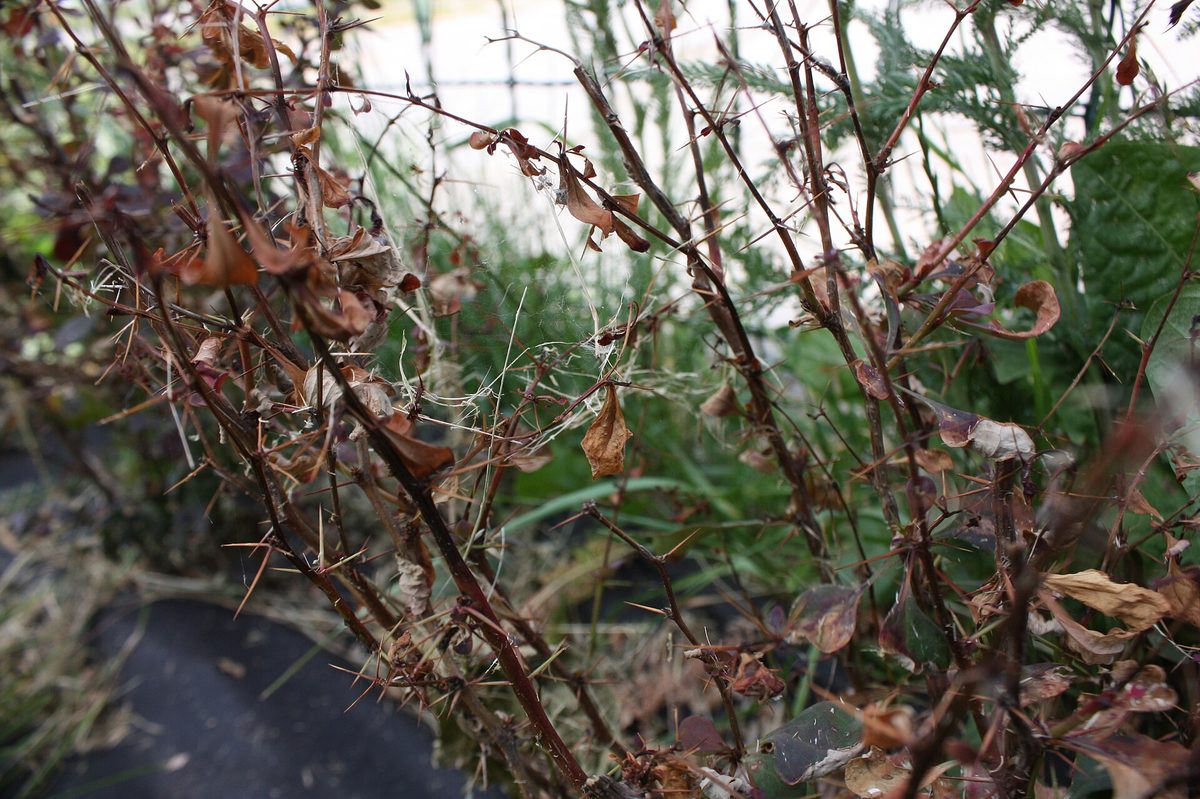
Photo: I.Sáček, senior, CC0 via Wikimedia Commons

Symptoms
Small white specks dot the leaf surface when spider mites first start feeding. This stippling spreads fast as the mites multiply. The leaf surface then takes on a dry, speckled look. As feeding continues, leaves show flecking, discoloration, and a bronze tint. Many leaves turn yellow or red before they drop from the plant. On heavily infested plants, the whole canopy can look faded, yellowish, or grey. Fine webbing may cover the leaves, twigs, and even the fruit in bad cases. This webbing is one of the clearest signs that mites, not a nutrient problem, are to blame. Needles or leaves often drop early once damage is severe. Left untreated, this discoloration and leaf loss can spread across the entire plant. The grey or yellowish cast becomes easy to spot from a distance once many leaves are affected. A plant that drops leaves early in the season loses the energy it needs to keep growing.
Causes
Hot, dusty weather is one of the biggest triggers for an outbreak. Dry, arid climates also favor rapid growth in mite populations. A plant under drought or water stress tolerates mite feeding poorly. Damage then shows up faster and worse than on a healthy plant. Spraying broad insecticides for other pests often backfires. Those sprays kill the natural enemies that keep mites in check. This effect, called mite flare, can turn a minor pest problem into a major one within days. Mites can also arrive on new plant material brought into the garden or simply blow in on the wind. Hot weather speeds up how fast the mite population grows once it is established. Water stress makes things worse. A struggling plant has fewer defenses against feeding damage. Because of all this, an outbreak can start on a plant that has never been sprayed with anything.
Diagnosis
A dry, water-stressed plant and a mite infestation can look similar at first glance. Both cause leaves to turn yellow and drop early. The detail that sets mites apart is the fine webbing on leaves, twigs, and fruit. A simple watering problem never produces that webbing. Look closely at the leaf surface for the white stippling and bronze flecking that mites leave behind as they feed. A hand lens helps, since the mites themselves are tiny and easy to miss with the naked eye. Recent use of a broad insecticide is a common trigger. Those sprays remove the natural enemies that would otherwise keep mites down. Hot, dry weather right before symptoms appeared also points toward mites rather than a watering problem. New plants brought into the garden recently are another clue. Mites often travel in on plant material from the nursery or garden center. If a greyish or yellowish cast covers the whole plant rather than just a few leaves, suspect a heavy mite infestation.
Treatments
A forceful stream of water sprayed regularly on the plant knocks mites off the foliage and keeps numbers down. Keep up with irrigation so the plant is never water-stressed. A stressed plant handles mite damage far worse than a healthy one. Watering down dusty paths and other dusty areas on a regular schedule also helps. Dust favors mites, so cutting it back matters. Avoid broad-spectrum insecticides aimed at other pests. Those sprays often kill the natural enemies that keep mites in check and trigger a flare-up. On the organic side, protect the predators already present in the garden. These include the western predatory mite, Phytoseiulus mites, sixspotted thrips, the spider mite destroyer lady beetle, minute pirate bugs, bigeyed bugs, and lacewing larvae. Where a mite population is already established, releasing predatory mites can help bring it under control. Insecticidal soap or a horticultural oil is a lower-risk option. This includes neem, canola, and cottonseed oil, plus plant-extract oils like garlic, clove, mint, rosemary, or cinnamon. Cover the undersides of the leaves completely, since that is where mites feed. Skip this treatment on water-stressed plants or when the temperature tops 90°F (32°C). Sulfur sprays are another option, but skip them above that same temperature mark. Keep sulfur and oil sprays well separated in time from each other. Whatever you choose, the product label is the legal instruction for that crop and site, so read and follow it.
Prevention
Keep dust down around the planting area. Dusty conditions help mite populations take off. Give the plant steady, adequate moisture rather than letting it swing between wet and dry. A well-watered plant tolerates minor mite feeding far better than one that is already stressed. Hold off on broad-spectrum insecticides unless you have a clear reason to use them. They wipe out the predators that naturally hold mites back. Inspect new plants before you bring them into the garden. Mites often arrive on purchased material. Hot, dry stretches of weather are when outbreaks are most likely. Step up your watering during those periods. Letting natural predators do their work in the garden is one of the simplest ways to keep mite numbers low year-round.
Plants most often affected
Spider mites feed on a wide range of garden plants, but some are hit harder than others. Squash, melon, and watermelon are common targets, along with peas and beans. Roses are also a frequent host. If you grow any of these, check them often during hot, dry weather.
- Aji
- American Basswood
- American Evergreen
- American Red Raspberry
- American Sycamore
- Arabian Coffee
- Arborvitae
- Asian Pigeonwings
- Aztec Marigold
- Baby Rubberplant
- Bald Cypress
- Bird-of-paradise -tree
- Blackeyed Susan
- Camellia
- Cape Jasmine
- Cast Iron Plant
- Cherry Plum
- Chinese Banyan
- Christplant
- Common Asparagus Fern
- Common Coleus
- Common Hop
- Common Mullein
- Confederate Jasmine
- Curly Dock
- Dracaena masoniana
- Dwarf Umbrella Tree
- Eastern Redcedar
- Eastern White Pine
- Edible Banana
- Eggplant
- English Ivy
- English Lavender
- European Crab Apple
- European Gooseberry
- European Plum
- Feverfew
- Field Pumpkin
- Flamingo-lily
- French Hydrangea
- Garden Croton
- Garden Cucumber
- Giant Sequoia
- Inchplant
- Italian Cypress
- Jade Plant
- Japanese Apricot
- Jimsonweed
- Kidney Bean
- Kitchen Sage
- Lambsquarters
- Lantana
- Lemon Beebrush
- Lion's Ear
- Littleleaf Linden
- Madagascar Periwinkle
- Madagascar Widow's-thrill
- Mango
- Monstera
- New England Aster
- Norfolk Island Pine
- Octopus Tree
- Orange Eye Butterflybush
- Parlor Palm
- Peace Lily
- Pillpod Sandmat
- Poinsettia
- Porcelainflower
- Pothos
- Prayerplant
- Purpletop Vervain
- Rosemary
- Rubber Plant
- Rugosa Rose
- Sacred Lotus
- Silver Cock's Comb
- Snake Plant
- Spider Plant
- Stinging Nettle
- Sweet Bay
- Tuberose
- Vilevine
- Weeping Fig
- Weeping Willow
- Yaupon
- Yellow Trumpetbush
How this page was made
- Written with AI assistance from the sources listed on this page. AI is never the source of a fact.