Italian Cypress (Cupressus sempervirens)
Formerly Cupressus horizontalis, Cupressus mariae, Cupressus patula
Italian cypress needs full sun to grow well outdoors, with six or more hours of direct light each day. Water young trees regularly so they can get established. Once established, the tree tolerates soil moisture anywhere from dry to medium and grows highly drought tolerant with age.
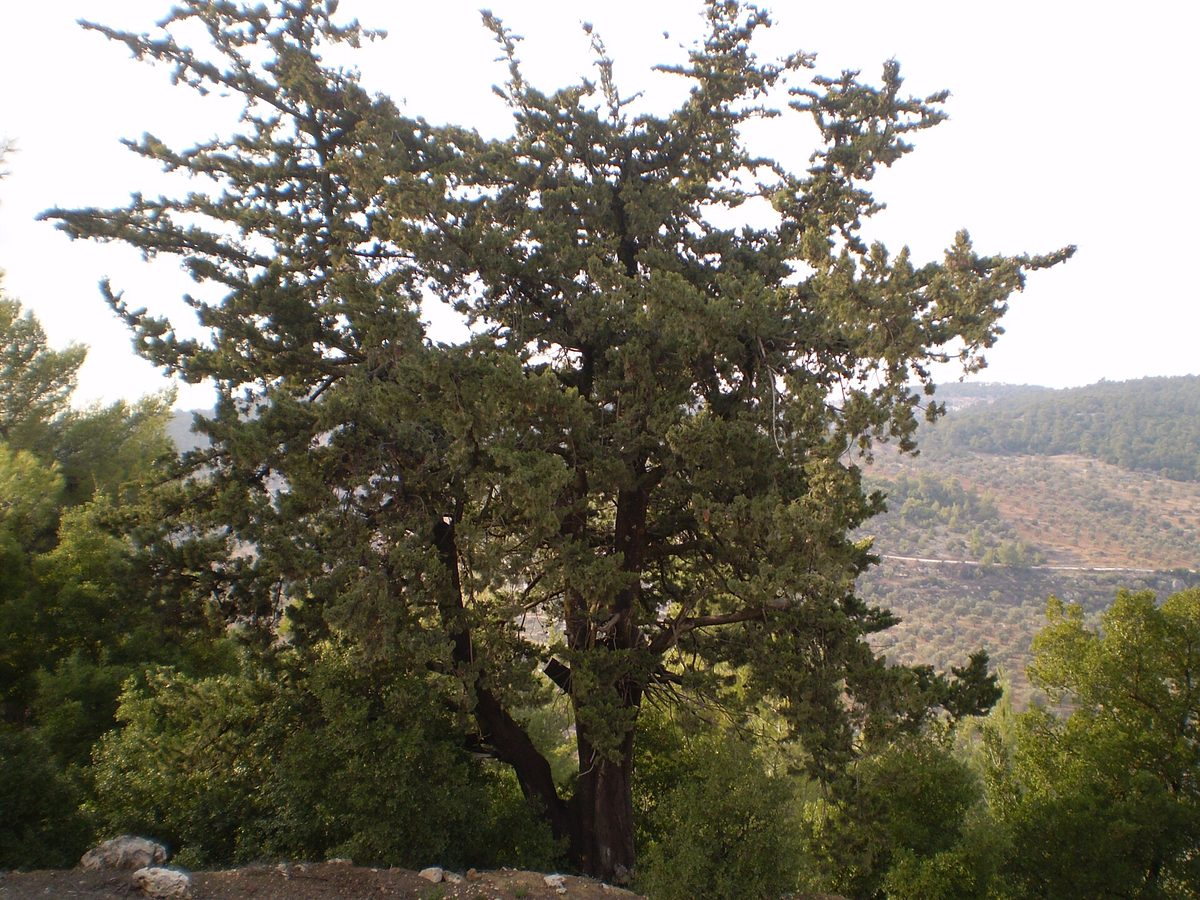
Photo: Historyfeelings, CC BY-SA 3.0 via Wikimedia Commons

Quick facts
| Light: | Full sun12 |
|---|---|
| Water: | Dry to medium11 source |
| Soil: | Well drained, moist and occasionally dry; pH 3.5–912 |
| Hardiness: | Zones 7a–10b11 source |
| Size: | 40–70 ft (12.19–21.34 m) × 3–6 ft (0.9–1.83 m)12 |
| Growth rate: | Moderate1212 |
| Bloom: | Green11 source |
| Cats: | Not documented by major sources |
| Dogs: | Not documented by major sources |
| Native range: | CYP, EAI, IRN, KRI, LBS, LBY, PAL, TUR5 |
| Family: | Cupressaceae |
How much light does an Italian Cypress need?
Give Italian cypress full sun outdoors, meaning six or more hours of direct, unobstructed sunlight every day. Full sun outdoors means direct sunlight reaching the tree for at least six hours across the day, without filtering from nearby shade. Full sun is the only light level listed for this species outdoors.
How often to water an Italian Cypress
Soil moisture needs for Italian cypress outdoors range from dry to medium. Give young, newly planted trees regular water so they can get established outdoors. Established trees become highly drought tolerant as they age. That means the soil can run fairly dry at times without harming the tree outdoors.
- Water: Dry to medium1
Best soil for an Italian Cypress
Good drainage suits Italian cypress best when it is grown outdoors in the garden. This species also tolerates soil that stays evenly moist. In addition, occasionally dry soil conditions are tolerated outdoors without causing problems for this cypress. Taken together, these three conditions, well drained, moist and occasionally dry, describe a wide range of soil moisture that this tree can handle outdoors.
Hardiness and temperature
USDA hardiness zones 7a through 10b outdoors are the areas where Italian cypress is listed as hardy. Zone 7a marks the coldest part of that range, and zone 10b marks the warmest. These zones mark the areas where Italian cypress is expected to survive cold winters outdoors.
- Hardiness: Zones 7a–10b1
Pruning an Italian Cypress
No routine pruning is needed for Italian cypress outdoors, and this species should not be pruned at all. There is no recommended pruning schedule for this tree outdoors, so you can skip pruning entirely when caring for it. Pruning is not part of its outdoor care.
- Pruning: No pruning needed3
How to plant an Italian Cypress
Plant Italian cypress outdoors within USDA hardiness zones 7a through 10b. Give each tree room for its mature spread of 3-6 ft (0.9-1.83 m) when you decide on spacing. This tree typically reaches 40-70 ft (12.19-21.34 m) tall at maturity, so leave enough vertical space for its full height. Zone 7a marks the cold edge of its outdoor range, and zone 10b marks the warm edge, so check your zone before planting.
- Hardiness: Zones 7a–10b1
Winter care
Evergreen foliage stays on Italian cypress outdoors all through the cold winter season each year. It is hardy outdoors in USDA hardiness zones 7a through 10b. That range runs from zone 7a, the coldest part of its outdoor range, all the way to zone 10b, the warmest.
- Hardiness: Zones 7a–10b1
How to propagate an Italian Cypress
Seed, stem cuttings and layering are the three ways to propagate Italian cypress outdoors. These are the methods recorded for propagating this species. Seed is one option, and stem cuttings or layering are the other two ways to start new plants. All three, seed, stem cuttings and layering, are listed as ways to grow new Italian cypress trees.
Common problems
Several pests and diseases are recorded as common problems for Italian cypress growing outdoors. Outdoors, this tree can be affected by spider mites, bagworms, aphids, bark beetles and scale insects. It can also develop canker, root rot or honey fungus outdoors.
| Problem | Kind |
|---|---|
| Spider mites | Pest |
| Bagworms | Pest |
| Aphids | Pest |
| Bark beetles | Pest |
| Scale insects | Pest |
| Canker | Disease |
| Root rot | Disease |
| Honey fungus | Disease |
Is Italian Cypress toxic to cats and dogs?
Recommended supplies
- Soil: a free-draining mix, and a pot with a drainage hole.
Questions and answers
- Does Italian cypress need full sun?
- Yes, Italian cypress needs full sun outdoors, which means at least six hours of direct, unobstructed sunlight every day.
- Can you prune Italian cypress?
- No, Italian cypress should not be pruned at any point while it grows outdoors. Skip pruning altogether when you care for this tree. Pruning is not part of its outdoor care.
- What pests and diseases affect Italian cypress?
- Italian cypress growing outdoors can face spider mites, bagworms, aphids, bark beetles and scale insects, plus canker, root rot and honey fungus. Gardeners can expect these pests and diseases on Italian cypress outdoors.
Sources
- NC State Extension Gardener Plant Toolbox. https://plants.ces.ncsu.edu/plants/cupressus-sempervirens/. Accessed 12 October 2026.
- University of Florida IFAS Extension (EDIS). https://ask.ifas.ufl.edu/publication/ST225. Accessed 12 October 2026.
- University of Florida IFAS Extension (EDIS). https://ask.ifas.ufl.edu/st225. Accessed 12 October 2026.
- UC Statewide Integrated Pest Management Program. https://ipm.ucanr.edu/home-and-landscape/cypress/. Accessed 12 October 2026.
- Royal Botanic Gardens, Kew (World Checklist of Vascular Plants). https://sftp.kew.org/pub/data-repositories/WCVP/wcvp.zip. Accessed 4 June 2026.
How this page was made
- Written with AI assistance from the sources listed on this page. AI is never the source of a fact.