European Crab Apple (Malus domestica)
Formerly Pyrus malus, Malus sieversii, Malus communis
To keep a European crab apple healthy, plant it in full sun, although part shade is also an accepted condition, and give it medium water. The ASPCA lists this plant as toxic to cats, and it lists it as toxic to dogs as well. It is a deciduous tree that reaches 15–30 ft (4.57–9.14 m) in height.
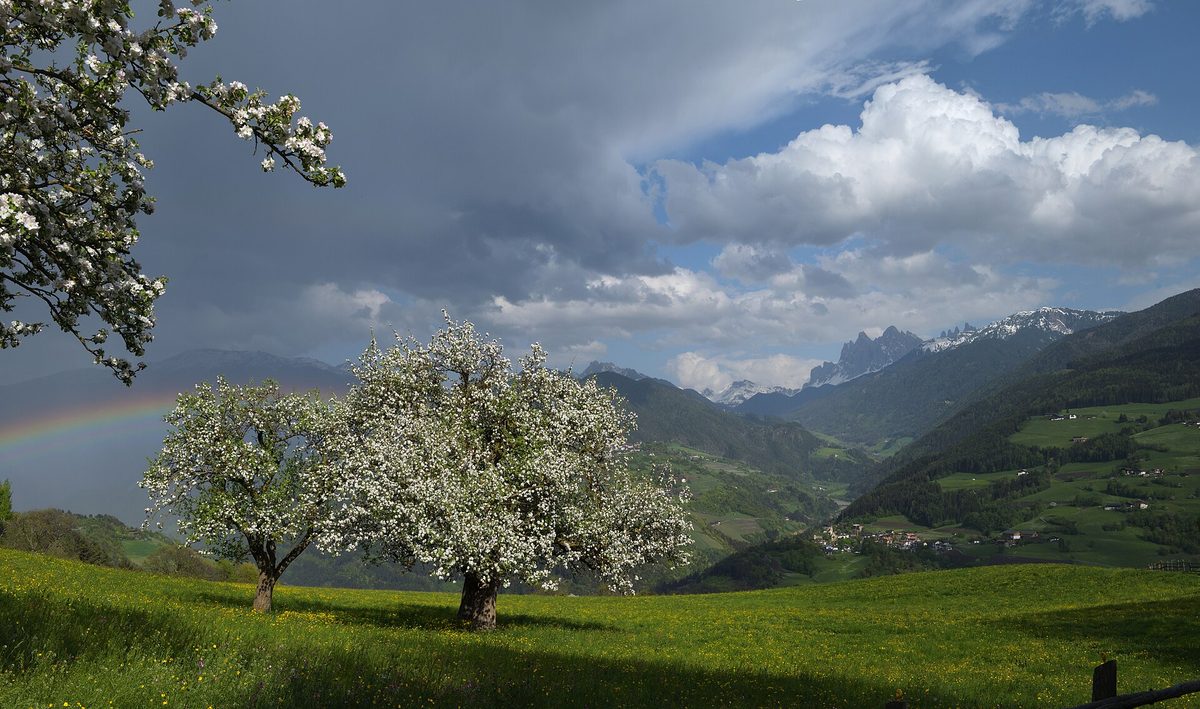
Photo: 1=Photos by Moroder for natural monuments in South Tyrol, CC BY-SA 3.0 via Wikimedia Commons

Quick facts
| Light: | Full sun and part shade (full sun preferred)12 |
|---|---|
| Water: | Medium31 source |
| Soil: | Well drained, moist and occasionally dry; pH 6–811 source |
| Hardiness: | Zones 4a–9b11 source |
| Size: | 15–30 ft (4.57–9.14 m) × 15–30 ft (4.57–9.14 m)11 source |
| Growth rate: | Moderate17 |
| Bloom: | May–Jun, White and pink811 source |
| Cats: | Toxic to cats (1 source) 6 |
| Dogs: | Toxic to dogs (1 source) 6 |
| Family: | Rosaceae |
How much light does a European Crab Apple need?
Full sun is the preferred light for this tree, and one extension source states that apple trees require it. Part shade is also listed among the conditions it accepts. The listed range runs from full sun down to partial shade. Full sun is the listing to follow when you have a choice of positions.
How often to water a European Crab Apple
Water needs for this tree are medium. University of Minnesota Extension says apple trees should receive one inch (2.5 cm) of water every week. That amount can come from rainfall or from irrigation. The soil is listed as well drained, and it may be moist or occasionally dry.
- Water: Medium3
Best soil for a European Crab Apple
NC State Extension lists three soil moisture conditions for this tree: well drained, moist and occasionally dry. The same listing separately records good drainage. Its pH entry reads neutral, with a range of 6.0 to 8.0. Moisture from rainfall or irrigation should total about one inch (2.5 cm) each week. Soil that drains well and sits within pH 6–8 matches the listed conditions.
Hardiness and temperature
The listing for this tree covers USDA hardiness zones 4a to 9b. Zone 4a marks the cold edge of that range, and zone 9b marks the warm edge. A gardener in any zone between those two is inside the listed range. Zones outside that span fall outside the listing.
- Hardiness: Zones 4a–9b1
How to plant a European Crab Apple
Plant European crab apple where your USDA zone falls between 4a and 9b. Leave room for a mature spread of 15–30 ft (4.57–9.14 m) and a height in the same range. Full sun is the preferred exposure, with part shade also listed. Soil should drain well, with a pH between 6 and 8. It is a deciduous tree that grows at a moderate rate.
- Hardiness: Zones 4a–9b1
Winter care
European crab apple is a deciduous tree, which is the leaf habit recorded for it. Its listed hardiness runs from zone 4a to zone 9b. Zone 4a is the coldest zone in that range. Gardeners in zone 4a are at the cold limit of the listing, and those in zone 9b are at the warm limit.
- Hardiness: Zones 4a–9b1
How to propagate a European Crab Apple
Seed and grafting are the two propagation methods recorded for European crab apple, Malus domestica. NC State Extension lists each method by name, with grafting and seed appearing as separate entries. Seed is one of them, and grafting is the other. The mature tree is deciduous, has a moderate growth rate, and reaches 15–30 ft (4.57–9.14 m) in height.
Common problems
Recorded pests are aphids, codling moth, apple maggot, spider mites, woolly apple aphid and scales. Listed diseases are apple scab, fire blight, powdery mildew and armillaria root rot. NC State Extension calls mildew, aphids and apple scab three of the more common problems. Clemson Extension also names cedar apple rust, black rot and bitter rot among diseases common to apples.
| Problem | Kind |
|---|---|
| Aphids | Pest |
| Codling moth | Pest |
| Apple maggot | Pest |
| Spider mites | Pest |
| Woolly apple aphid | Pest |
| Scales | Pest |
| Apple scab | Disease |
| Fire blight | Disease |
| Powdery mildew | Disease |
| Armillaria root rot | Disease |
Is European Crab Apple toxic to cats and dogs?
The ASPCA Animal Poison Control Center lists European crab apple, Malus domestica, as toxic to cats. For dogs, the same ASPCA listing also reads toxic. Neither animal has a status of non-toxic or not listed. The cat position and the dog position are the same. Keep this plant away from both cats and dogs. The listing used for this page gives the animal and the status only, with no severity or plant part recorded. Toxic is the status recorded for each of the two animals.
Pet-safe alternatives
Recommended supplies
- Soil: a free-draining mix, and a pot with a drainage hole.
Questions and answers
- Is European crab apple toxic to cats and dogs?
- The ASPCA lists it as toxic to cats and also as toxic to dogs. The two positions are recorded separately and they match. Keep the tree away from both animals.
- How much sun does European crab apple need?
- Full sun is preferred, and part shade is also listed. University of Minnesota Extension says apple trees require full sun. NC State Extension gives the range as full sun to partial shade.
- How much water does European crab apple need?
- University of Minnesota Extension says apple trees should receive one inch (2.5 cm) of water every week, from rainfall or irrigation. The water need is listed as medium. Rain counts toward that inch, as does water you add.
Sources
- NC State Extension Gardener Plant Toolbox. https://plants.ces.ncsu.edu/plants/malus-domestica/. Accessed 25 October 2026.
- University of Minnesota Extension. https://extension.umn.edu/garden-and-home/yard-and-garden/gardening-in-minnesota/growing-apples. Accessed 25 October 2026.
- University of Minnesota Extension. https://extension.umn.edu/fruit/growing-apples. Accessed 27 October 2026.
- Clemson Cooperative Extension Home & Garden Information Center. https://hgic.clemson.edu/factsheet/apple/. Accessed 25 October 2026.
- UC Statewide Integrated Pest Management Program. https://ipm.ucanr.edu/home-and-landscape/apple/. Accessed 25 October 2026.
- ASPCA Animal Poison Control Center. https://www.aspca.org/pet-care/aspca-poison-control/toxic-and-non-toxic-plants/apple. Accessed 25 October 2026.
- Utah State University Extension. https://extension.usu.edu/treebrowser/catalog/apple. Accessed 25 October 2026.
- Chicago Botanic Garden. https://www.chicagobotanic.org/plant-information/plant-finder/malus-idared-idared-apple. Accessed 25 October 2026.
How this page was made
- Written with AI assistance from the sources listed on this page. AI is never the source of a fact.