English Ivy (Hedera helix)
Formerly Hedera aurantiaca, Hedera minor, Hedera glimii
Outdoors, English ivy prefers full sun, though part shade and full shade are also listed. Its water need is rated medium, and the soil should be evenly moist. The ASPCA lists the plant as toxic to both cats and dogs, so think about that before you plant it.
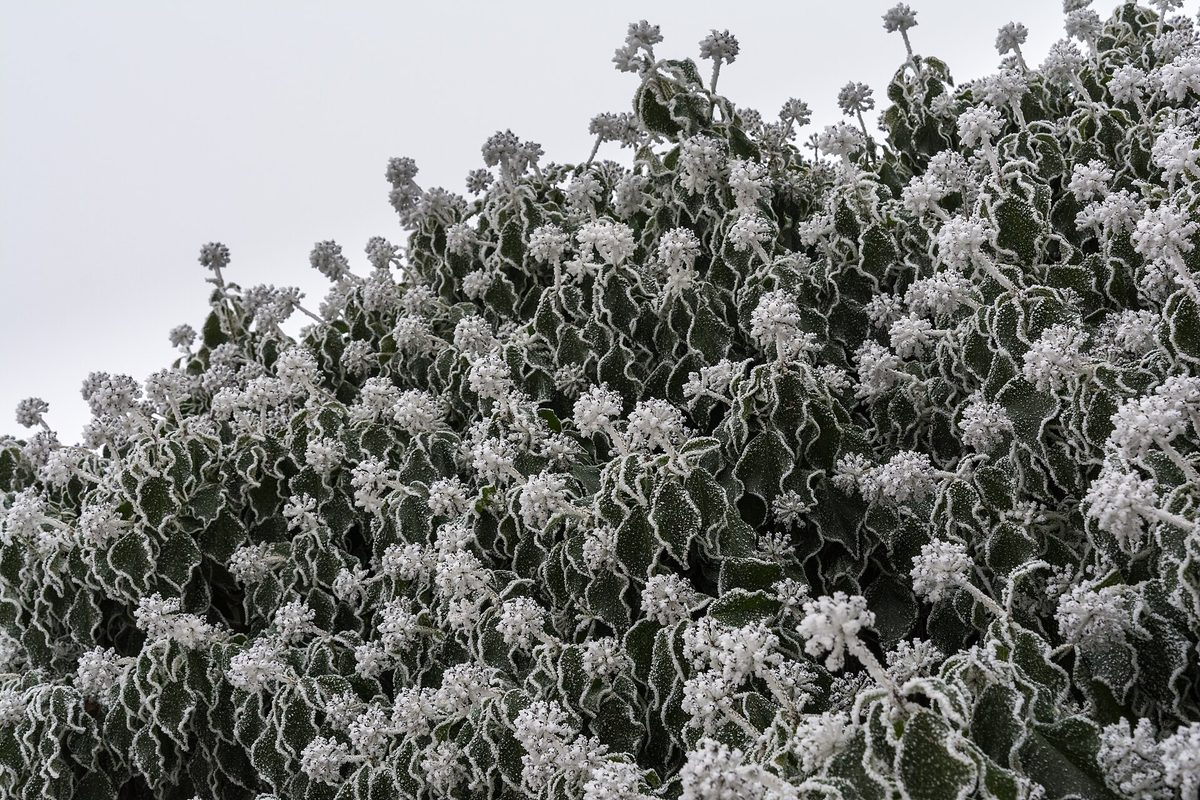
Photo: Uoaei1, CC BY-SA 4.0 via Wikimedia Commons

Quick facts
| Light: | Full sun, part shade and full shade (full sun preferred)111 source |
|---|---|
| Water: | Medium21 source |
| Soil: | Well drained, moist and occasionally wet; pH 5.5–6.5131 source |
| Hardiness: | Zones 4a–13b11 source |
| Size: | 20–80.1 ft (6.1–24.4 m) × 3–50 ft (0.91–15.24 m)11 source |
| Growth rate: | Rapid11 source |
| Cats: | Toxic to cats (1 source) 6 |
| Dogs: | Toxic to dogs (1 source) 6 |
| Native range: | ALB, AUT, BAL, BGM, BLR, BLT, BUL, COR, CZE, DEN, EAI, FRA, GER, GRB, GRC, HUN, IRE, ITA, KRI, NCS, NET, NOR, POL, POR, ROM, RUC, RUS, RUW, SAR, SIC, SPA, SWE, SWI, TUE, TUR, UKR, YUG7 |
| Family: | Araliaceae |
How much light does an English Ivy need?
Full sun, meaning six or more hours of direct sunlight a day, is the preferred outdoor exposure for English ivy. Part shade and full shade are listed as well, and the source defines deep shade as less than two hours to no direct sunlight. Indoors, most ivy cultivars grow best in bright light but not direct sun. They tolerate low to medium light, but growth is reduced and variegated forms may turn all green.
How often to water an English Ivy
Evenly moist soil is the goal for this ivy, and its water need is rated medium. The record gives medium as both the lowest and the highest water need. Its drainage record lists well drained, moist and occasionally wet soil. The source behind that record uses the words good drainage.
- Water: Medium2
Best soil for an English Ivy
English ivy is listed for soil that is well drained, moist and occasionally wet. The recorded soil pH range is 5.5 to 6.5. You can compare your own soil with that range before you plant. The soil moisture described for this plant is evenly moist, and the water need is rated medium. Good drainage is the phrase the source uses for the drainage need.
Hardiness and temperature
This ivy is listed for USDA hardiness zones 4a to 13b. Zone 4a is the coldest end of that range, and zone 13b is the warmest. Separately, a minimum temperature of 50 °F (10 °C) is recorded, given as a night figure. Humidity is rated high. The source gives a range between 60% and 100%.
How to plant an English Ivy
Zones 4a through 13b are the range listed for growing English ivy outdoors. Leave room for it, because the plant rapidly grows 20 to 80 ft (6.1–24.4 m) high and 3 to 50 ft (0.91–15.24 m) wide. It is a vine. In the United States it is recorded as introduced in both the lower 48 states and Hawaii. Its preferred exposure is full sun, and the recorded soil pH range is 5.5 to 6.5.
- Hardiness: Zones 4a–13b1
Winter care
Winter hardiness for this ivy is listed as zones 4a to 13b. The source describes it as a broadleaf evergreen. A minimum temperature of 50 °F (10 °C) is also recorded, given as a night figure. The listing gives no winter protection method, so none is described here.
How to propagate an English Ivy
You can multiply this ivy four ways: by division, root cutting, seed or stem cutting. Stem cutting and root cutting are listed as separate methods, and so are division and seed. The source describes the plant as spreading by all four. It is classed as a vine, and its growth rate is recorded as rapid.
- Propagation: Division, root cuttings, seed and stem cuttings1
Common problems
Aphids, mealybugs, caterpillars, spider mites, scale, whiteflies and snails and slugs are the pests recorded for this plant. The diseases on record are leaf spot, canker, bacterial leaf spot, stem rot, powdery mildew, anthracnose and phytophthora root rot. That makes seven pests and seven diseases in all.
| Problem | Kind |
|---|---|
| Aphids | Pest |
| Mealybugs | Pest |
| Caterpillars | Pest |
| Spider mites | Pest |
| Scale insects | Pest |
| Whiteflies | Pest |
| Snails and slugs | Pest |
| Leaf spot | Disease |
| Canker | Disease |
| Bacterial leaf spot | Disease |
| Stem rot | Disease |
| Powdery mildew | Disease |
| Anthracnose | Disease |
| Phytophthora root rot | Disease |
Is English Ivy toxic to cats and dogs?
For cats, the ASPCA Animal Poison Control Center records English ivy as toxic. For dogs, the same ASPCA listing records the plant as toxic. The two animals are listed separately, and both entries say toxic. This page records no severity level for either animal. The site's scope for pet toxicity is cats and dogs, so no other animals are covered here.
Pet-safe alternatives
Recommended supplies
- Soil: a free-draining mix, and a pot with a drainage hole.
- Humidity: it wants humid air; a pebble tray or a humidifier is the usual fix.
Questions and answers
- Is English ivy toxic to cats and dogs?
- The ASPCA Animal Poison Control Center lists English ivy as toxic to cats and toxic to dogs. This page records no severity level for either animal.
- How much light does English ivy need outdoors?
- Full sun is preferred, meaning six or more hours of direct sunlight a day. Part shade and full shade are also listed for this plant.
- Which hardiness zones suit English ivy?
- Zones 4a to 13b are the range listed on the USDA scale. The growth rate is recorded as rapid, and the plant is a vine.
Sources
- NC State Extension Gardener Plant Toolbox. https://plants.ces.ncsu.edu/plants/hedera-helix/. Accessed 14 October 2026.
- University of Missouri Extension. https://extension.missouri.edu/publications/g6510. Accessed 27 October 2026.
- University of Florida IFAS Extension (EDIS). https://ask.ifas.ufl.edu/publication/EP243. Accessed 14 October 2026.
- UC Statewide Integrated Pest Management Program. https://ipm.ucanr.edu/home-and-landscape/ivy/. Accessed 14 October 2026.
- UC Statewide Integrated Pest Management Program. https://ipm.ucanr.edu/PMG/GARDEN/PLANTS/ivy.html. Accessed 14 October 2026.
- ASPCA Animal Poison Control Center. https://www.aspca.org/pet-care/aspca-poison-control/toxic-and-non-toxic-plants/english-ivy. Accessed 14 October 2026.
- Royal Botanic Gardens, Kew (World Checklist of Vascular Plants). https://sftp.kew.org/pub/data-repositories/WCVP/wcvp.zip. Accessed 4 June 2026.
How this page was made
- Written with AI assistance from the sources listed on this page. AI is never the source of a fact.