Hardiness zones
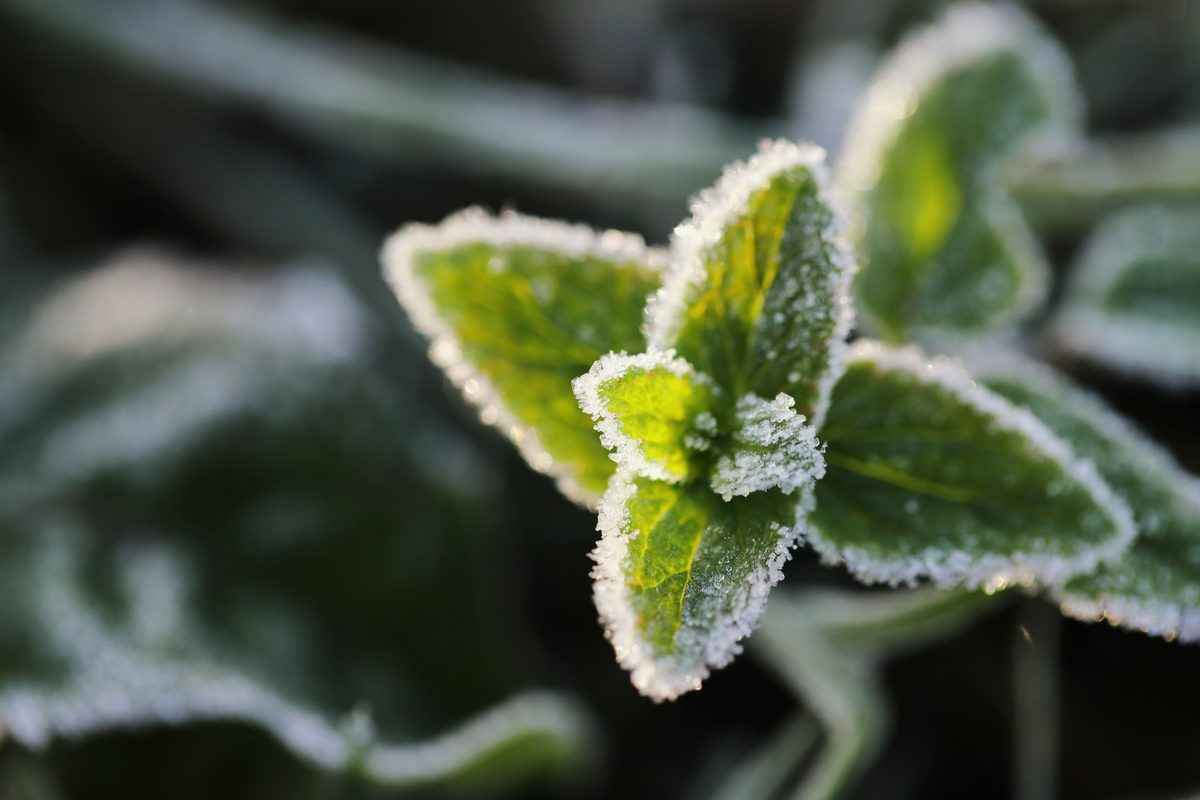
Photo: Christina & Peter, Pexels License via Pexels
The USDA plant hardiness zone map divides the United States into bands by the average annual extreme minimum winter temperature, measured over the thirty years to 2020. It answers one question: what a plant is likely to survive in winter where you are. It says nothing about summer heat, rainfall, humidity, soil or the length of your growing season, and two gardens in the same zone can still need quite different plants once those are taken into account. The map used throughout this site is the 2023 revision, produced for the USDA Agricultural Research Service by the PRISM Climate Group at Oregon State University, and it is drawn in half-zones: 7a and 7b rather than a single zone 7, because the five degrees Fahrenheit between them often decides what comes through a bad winter. A zone number quoted anywhere on this site refers to that map, and a plant tag printed before 2023 may name a zone from the older one.
Everything in this section
What's here
Each zone page gives the temperature band that defines the zone, the states and parts of states it covers, and the plants on this site documented to be hardy in it. Hardiness is taken from a cited source for each plant rather than from the map, because the map describes climate and not plants. If you only want your own zone, the hardiness zone finder answers that from a ZIP code in your browser, and what you type is never sent anywhere. The zones at each end of the scale behave differently from the rest. Zones 1 and 2 are confined to the coldest parts of Alaska and carry very few garden plants; zones 12 and 13 fall in Hawaii, Puerto Rico and the warmest corner of the mainland, where what limits a plant is usually heat, or the absence of winter chill, rather than cold. Those zones are described in the list below rather than given pages of their own, because there are not yet enough sourced plants behind them to fill one. A zone gets a page when the plants behind it exist; until then it is listed without a link, which is why some entries here are not clickable. Remember that a zone is an average and not a floor: it describes what a cold night usually looks like, not the coldest night on record.