Field Pumpkin (Cucurbita pepo)
Formerly Cucurbita pyxidaris, Cucurbita pomiformis, Cucumis pepo
Give field pumpkin a spot with full sun and keep its soil moderately moist, and your plant will grow well outdoors. It needs six or more hours of direct sun each day to thrive. The ASPCA lists field pumpkin as non-toxic to both cats and dogs.
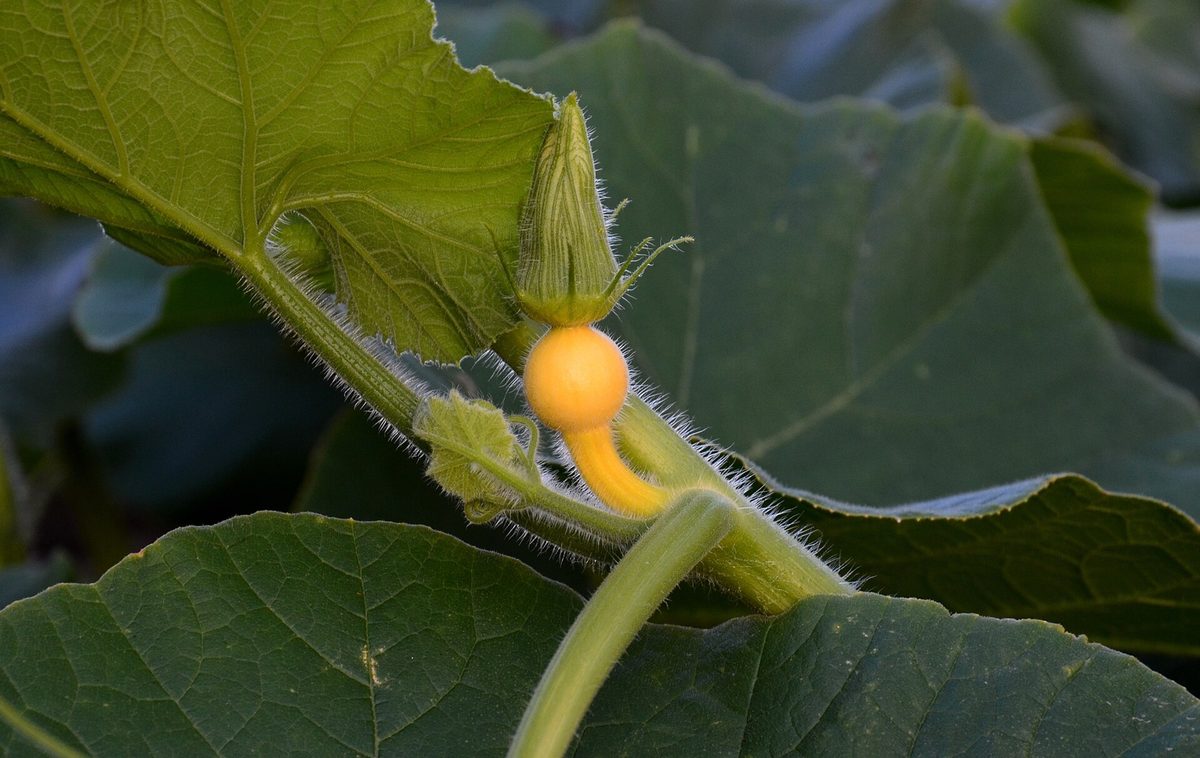
Photo: 1bumer, CC BY-SA 4.0 via Wikimedia Commons

Quick facts
| Light: | Full sun11 source |
|---|---|
| Water: | Medium11 source |
| Soil: | Well drained and moist; pH 6–812 |
| Hardiness: | Zones 3a–11b11 source |
| Size: | 1–3 ft (0.3–0.91 m) × 10 ft (3.05 m)181 source |
| Growth rate: | Rapid11 source |
| Bloom: | Yellow11 source |
| Cats: | Non-toxic to cats 71 |
| Dogs: | Non-toxic to dogs 71 |
| Native range: | MXC, MXE, MXG, MXN, MXS, MXT9 |
| Family: | Cucurbitaceae |
How much light does a Field Pumpkin need?
Choose a spot where field pumpkin gets full sun outdoors. Full sun means at least six hours of direct sunlight a day. Pick an open spot without shade from trees or buildings. This is the only light level listed for it. No option for partial shade is given.
- Light: Full sun1
How often to water a Field Pumpkin
Field pumpkin prefers moderately moist soil, neither soggy nor dry. Water it often enough to maintain that even moisture level outdoors. Plant it where the soil drains well, since good drainage is also important for this species. A soil pH between 6.0 and 8.0 suits it best.
- Water: Medium1
Best soil for a Field Pumpkin
Plant field pumpkin in soil that drains well and also stays moist. A pH between 6.0 and 8.0, described as neutral, works well for this species. This plant is also a heavy feeder, with a high requirement for nutrients from soil organic matter or fertilizer. It is an annual that you grow from seed each year. Its native range includes several regions of Mexico.
Hardiness and temperature
Field pumpkin is listed for USDA hardiness zones 3a through 11b outdoors. Gardeners across that full zone range can grow it outdoors each year. This species is native to several regions of Mexico. In the United States, it is considered native to the lower 48 states. It is treated as introduced in Puerto Rico rather than native there. It grows as an annual and completes its life cycle within one growing season. No source cited here gives a specific minimum temperature for this plant.
- Hardiness: Zones 3a–11b1
Fertilizing a Field Pumpkin
Field pumpkin is a heavy feeder. It has a high requirement for nutrients, drawn from soil organic matter or from fertilizer you add. Pair that feeding with soil that drains well, since good drainage also matters for this plant. Keep soil pH between 6.0 and 8.0 for the best results.
- Fertilizer: Heavy feeder3
Pruning a Field Pumpkin
Pinch back the ends of field pumpkin's vines to direct the plant's energy into the fruit. That light shaping is the only pruning this plant typically needs. This vining plant can stretch its stems to roughly 10 ft (3 m) in length.
- Pruning: Light shaping3
How to plant a Field Pumpkin
Wait until frost danger has fully passed and the soil four inches (10 cm) down has warmed above 60°F (15.6°C) before you direct-sow outdoors. That window runs from around your last frost date to about a week after it. You can also start seed indoors three weeks ahead of that last frost date instead of direct-sowing. Move those transplants outside on that same frost-based schedule. Outdoors, field pumpkin grows across USDA hardiness zones 3a through 11b. Give the site full sun, since this plant needs six or more hours of direct light a day. In the continental United States this species is native, while in Puerto Rico it is considered introduced.
- Hardiness: Zones 3a–11b1
Winter care
Field pumpkin grows as an annual, completing its life cycle within a single growing season. It is listed as suited to USDA hardiness zones 3a through 11b for outdoor growing. That range spans from zone 3a to zone 11b, covering a wide variety of climates. No minimum temperature is documented for this plant among the sources cited here. Seed is the method listed for starting this plant each growing season. Gardeners across that zone range can grow it outdoors as an annual crop. Native range records place this species in several regions of Mexico.
- Hardiness: Zones 3a–11b1
When to plant Field Pumpkin
If you want transplants, start seed three weeks ahead of your last frost date indoors. Outdoors, direct-sow once frost risk is gone and soil at that same 4 in (10 cm) depth tops 60°F (15.6°C). Transplants go in on that same frost-based timetable instead.
| Step | When |
|---|---|
| Start indoors | 3 weeks before last frost |
| Direct sow | 0–1 weeks before last spring frost, soil at least 60.1 °F (15.6 °C) |
| Transplant | 0–1 weeks before last spring frost, soil at least 60.1 °F (15.6 °C) |
When and how to harvest Field Pumpkin
Field pumpkin reaches full maturity 80 to 100 days from seed. Most harvests happen from September through November. Pick it once the rind has changed color completely from green and feels hard enough to resist denting. That firm, fully colored rind is the main sign this crop is ready.
How to propagate a Field Pumpkin
Field pumpkin is easily grown from seed, especially once soils are warm. Sow seed directly outdoors, or start it indoors about 3 weeks before your last frost date. Direct-sow once the soil warms past 60°F (15.6°C) at a 4 in (10 cm) depth. Do this from right around your last frost date to about a week after. Transplants go out on that same schedule.
- Propagation: Seed1
Common problems
Field pumpkin faces a long list of insect problems, including squash bugs, cucumber beetles, aphids, and whiteflies. Other pests on record include flea beetles, spider mites, thrips, and several kinds of caterpillars. Diseases recorded for this plant include powdery mildew, downy mildew, fusarium crown and foot rot, and white mold. Cucurbit viruses and root rot also affect it.
- Common pests: aphids, armyworms, crickets, cucumber beetles, cutworms, darkling beetles, driedfruit and sap beetles, earwigs, flea beetles, grasshoppers, leafhoppers, loopers, nematodes, seedcorn maggot, snails and slugs, spider mites, squash bugs, stink bugs, thrips, vegetable leafminers, whiteflies and wireworms6
- Common diseases: cucurbit viruses, curly top, damping off, downy mildew, fusarium crown and foot rot, powdery mildew, root rot, verticillium wilt and white mold6
| Problem | Kind |
|---|---|
| Aphids | Pest |
| Armyworms | Pest |
| Crickets | Pest |
| Cucumber beetles | Pest |
| Cutworms | Pest |
| Darkling beetles | Pest |
| Driedfruit and sap beetles | Pest |
| Earwigs | Pest |
| Flea beetles | Pest |
| Grasshoppers | Pest |
| Leafhoppers | Pest |
| Loopers | Pest |
| Nematodes | Pest |
| Seedcorn maggot | Pest |
| Snails and slugs | Pest |
| Spider mites | Pest |
| Squash bugs | Pest |
| Stink bugs | Pest |
| Thrips | Pest |
| Vegetable leafminers | Pest |
| Whiteflies | Pest |
| Wireworms | Pest |
| Cucurbit viruses | Disease |
| Curly top | Disease |
| Damping off | Disease |
| Downy mildew | Disease |
| Fusarium crown and foot rot | Disease |
| Powdery mildew | Disease |
| Root rot | Disease |
| Verticillium wilt | Disease |
| White mold | Disease |
Is Field Pumpkin toxic to cats and dogs?
Both cats and dogs get a non-toxic rating for field pumpkin from the ASPCA. NC State Extension's plant database separately confirms a non-toxic listing for both cats and dogs. No source used here records a toxic reaction in either pet from this plant. Neither the ASPCA nor NC State Extension names field pumpkin as a toxic plant for household pets.
Recommended supplies
- Soil: a free-draining mix, and a pot with a drainage hole.
Questions and answers
- Is field pumpkin toxic to cats or dogs?
- Field pumpkin is not toxic to cats or dogs, according to the ASPCA and NC State Extension. Neither source documents any toxic reaction in pets from this plant.
- How much sun does field pumpkin need?
- Give field pumpkin full sun outdoors, which means six or more hours of direct sunlight daily. Given the right conditions, it also grows at a rapid pace.
- When should I plant field pumpkin outdoors?
- Direct-sow field pumpkin seed outdoors once frost risk has ended, when soil four inches (10 cm) down warms past 60°F (15.6°C). That window starts around your last frost date and lasts about a week. Transplants follow that same frost-based schedule.
Sources
- NC State Extension Gardener Plant Toolbox. https://plants.ces.ncsu.edu/plants/cucurbita-pepo/. Accessed 14 October 2026.
- Clemson Cooperative Extension HGIC. https://hgic.clemson.edu/factsheet/pumpkins-winter-squash/. Accessed 14 October 2026.
- University of Maryland Extension. https://extension.umd.edu/resource/growing-pumpkins-home-garden. Accessed 28 October 2026.
- University of Maryland Extension. https://extension.umd.edu/resource/when-plant-vegetables. Accessed 15 October 2026.
- University of Florida IFAS Extension (EDIS). https://ask.ifas.ufl.edu/publication/CV123. Accessed 14 October 2026.
- UC Statewide Integrated Pest Management Program. https://ipm.ucanr.edu/home-and-landscape/pumpkins/. Accessed 14 October 2026.
- ASPCA Animal Poison Control Center. https://www.aspca.org/pet-care/aspca-poison-control/toxic-and-non-toxic-plants/acorn-squash. Accessed 14 October 2026.
- Lady Bird Johnson Wildflower Center (Native Plant Database). https://www.wildflower.org/plants/result.php?id_plant=CUPE. Accessed 15 October 2026.
- Royal Botanic Gardens, Kew (World Checklist of Vascular Plants). https://sftp.kew.org/pub/data-repositories/WCVP/wcvp.zip. Accessed 4 June 2026.
How this page was made
- Written with AI assistance from the sources listed on this page. AI is never the source of a fact.