Vines and Climbers
This page lists vines and climbers. These are plants that climb instead of standing on their own, using twining stems, tendrils, or aerial roots to grip a support. The list brings together 21 plants that share this one habit. Some are houseplants trained up a pole or a trellis indoors. Others are outdoor vines grown on a fence, an arbor, or a wall. What groups them here is structure, not family. A woody grape vine, a soft-stemmed tropical houseplant, and a flowering climber can all belong on this list for the same reason. Each one needs something to lean on or wind around as it grows. This list is not ranked, and it does not cover every vine that exists. It is a starting point for finding a care guide among plants that share a climbing habit. Some members are grown for fruit, some for flowers, and some mainly for the dense cover they give a fence or wall. A few are common food crops, and a few are familiar indoor plants that can also grow outdoors in a warm climate. Each plant's own guide covers its light, water, and care needs, along with any toxicity notes for cats and dogs that a cited source records. Treat this page as a directory, not a ranking, and open any entry below for its full guide.
Most-read plants here
-
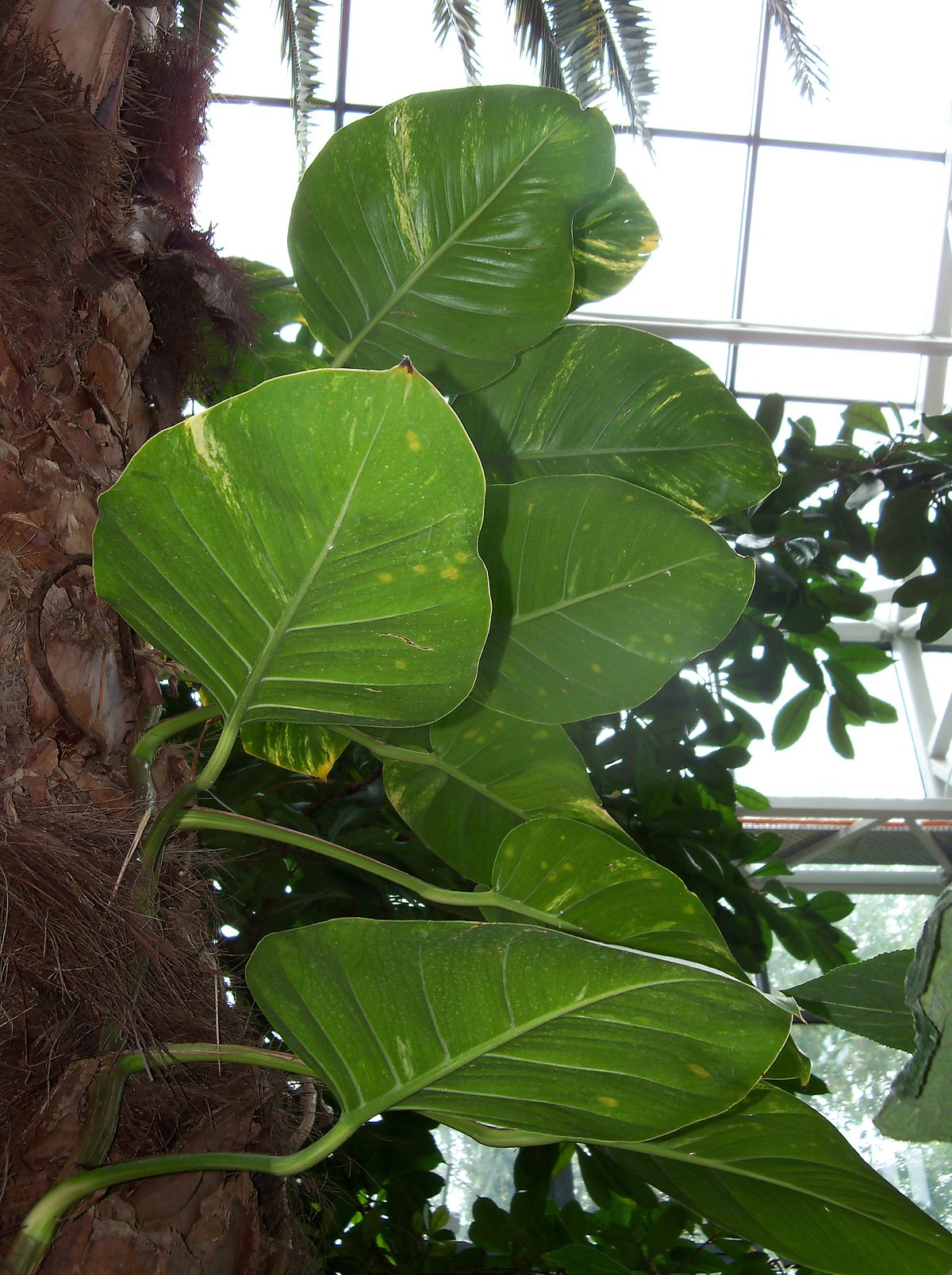
Pothos
Epipremnum aureum
Bright, indirect light; tolerates low light · Part shade and full shade (part shade preferred) · Zones 10a–12b
-
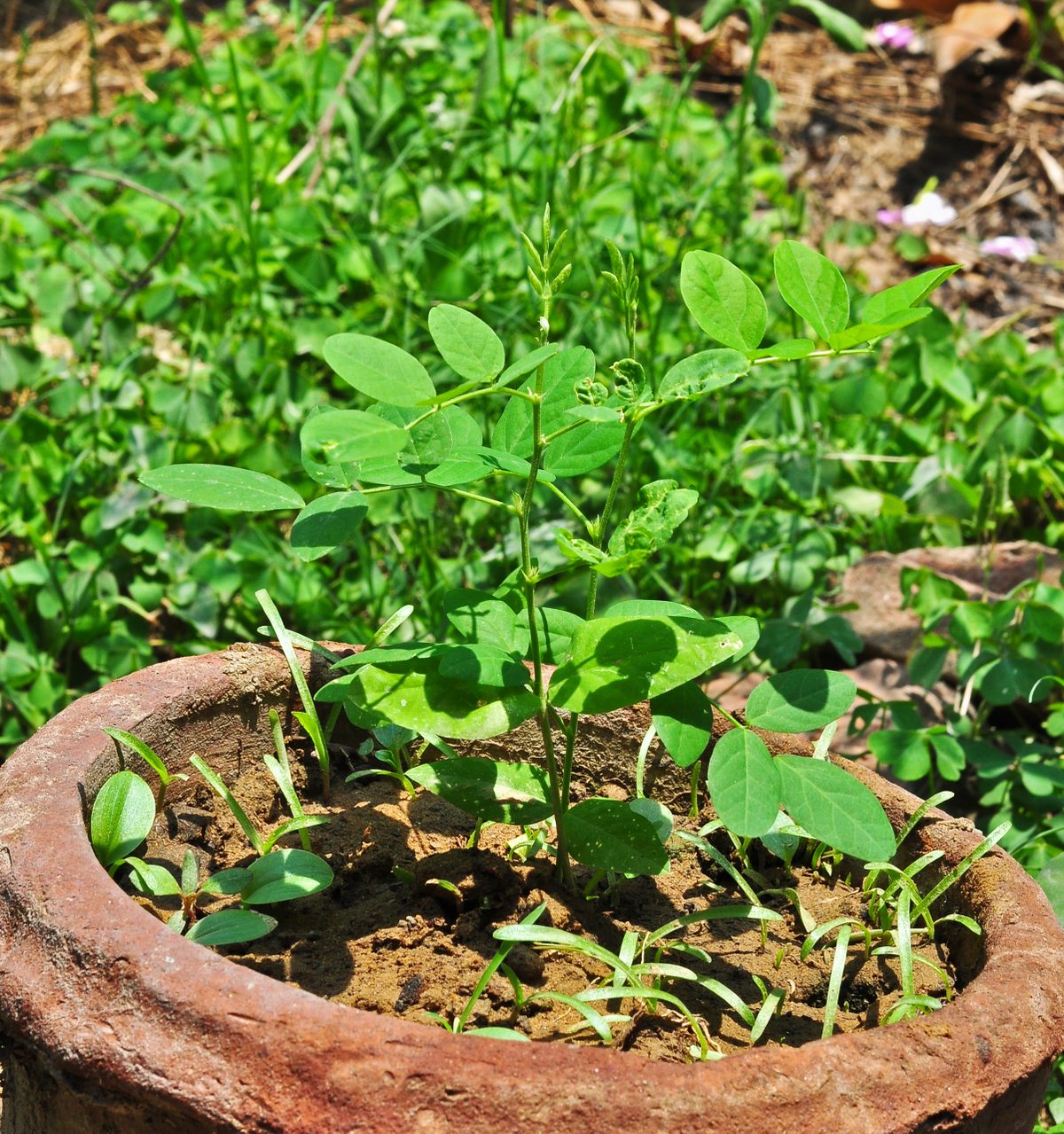
Asian Pigeonwings
Clitoria ternatea
Full sun and part shade (full sun preferred) · Zones 10a–12b · 3–4 ft (0.91–1.22 m)
-
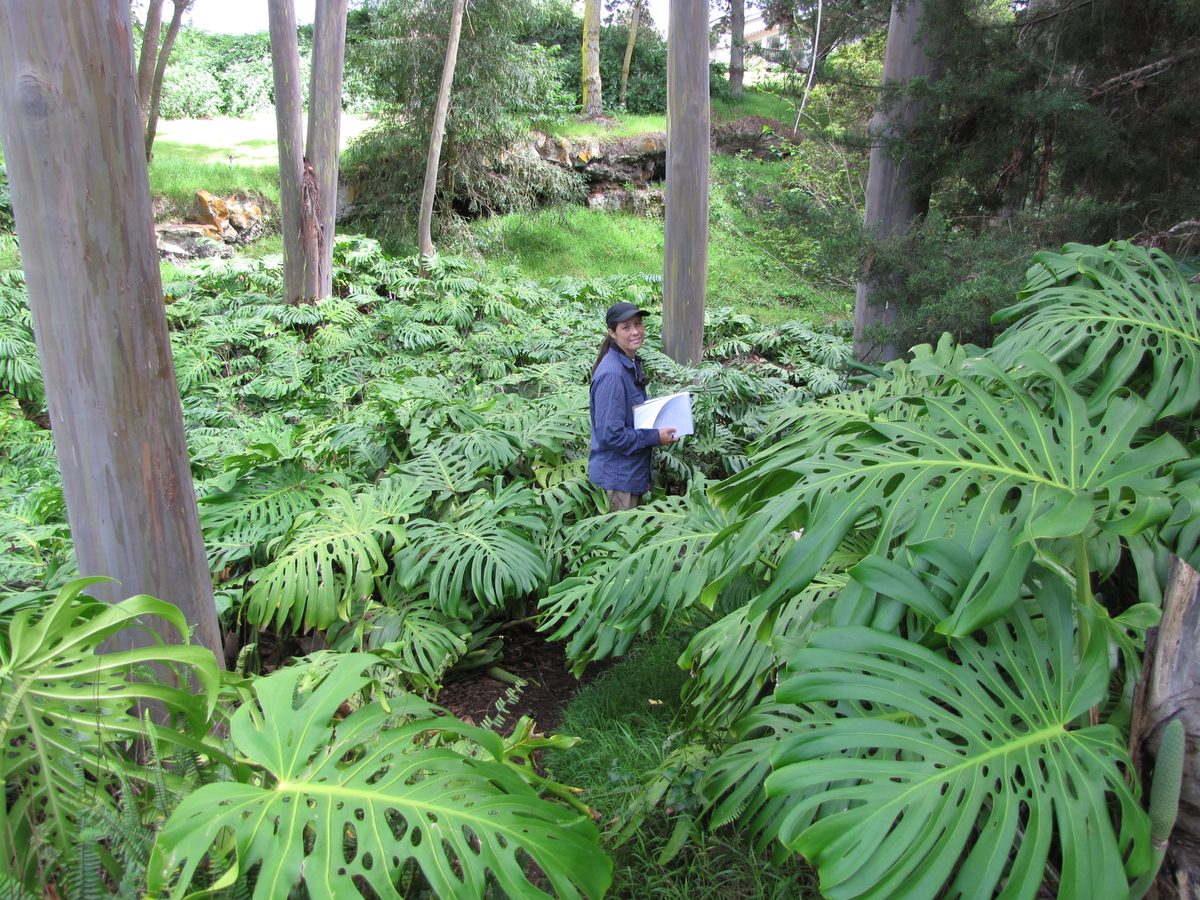
Monstera
Monstera deliciosa
Bright, indirect light; tolerates medium light and direct sun · Part shade and full shade (part shade preferred) · Zones 10a–12b
-
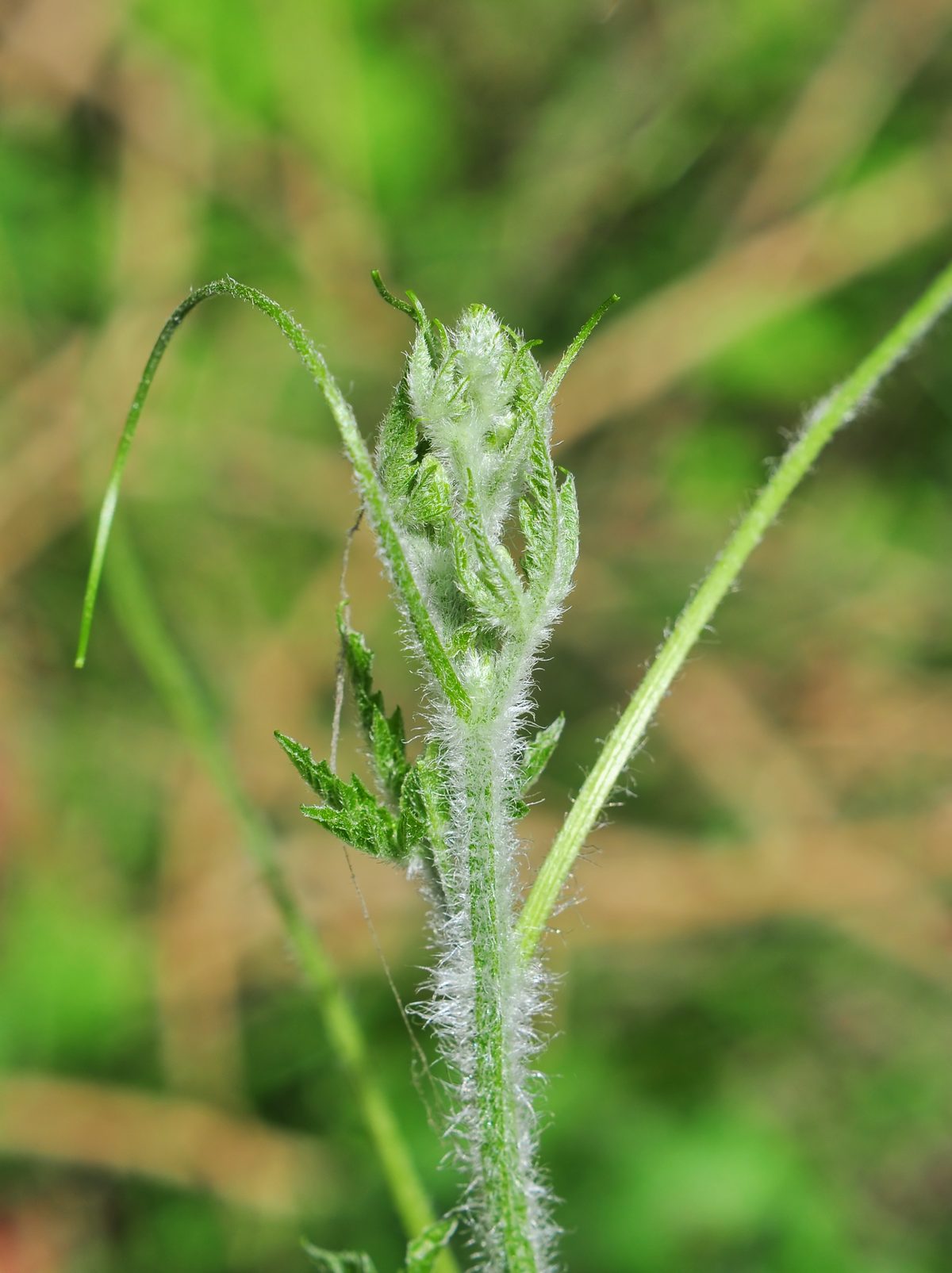
Balsampear
Momordica charantia
Full sun and part shade (full sun preferred) · Zones 9a–11b · 12–20 ft (3.66–6.1 m)
-

Virginia Creeper
Parthenocissus quinquefolia
Full sun, part shade and full shade (full sun preferred) · Zones 3a–10b · 3–40 ft (0.91–12.19 m)
-
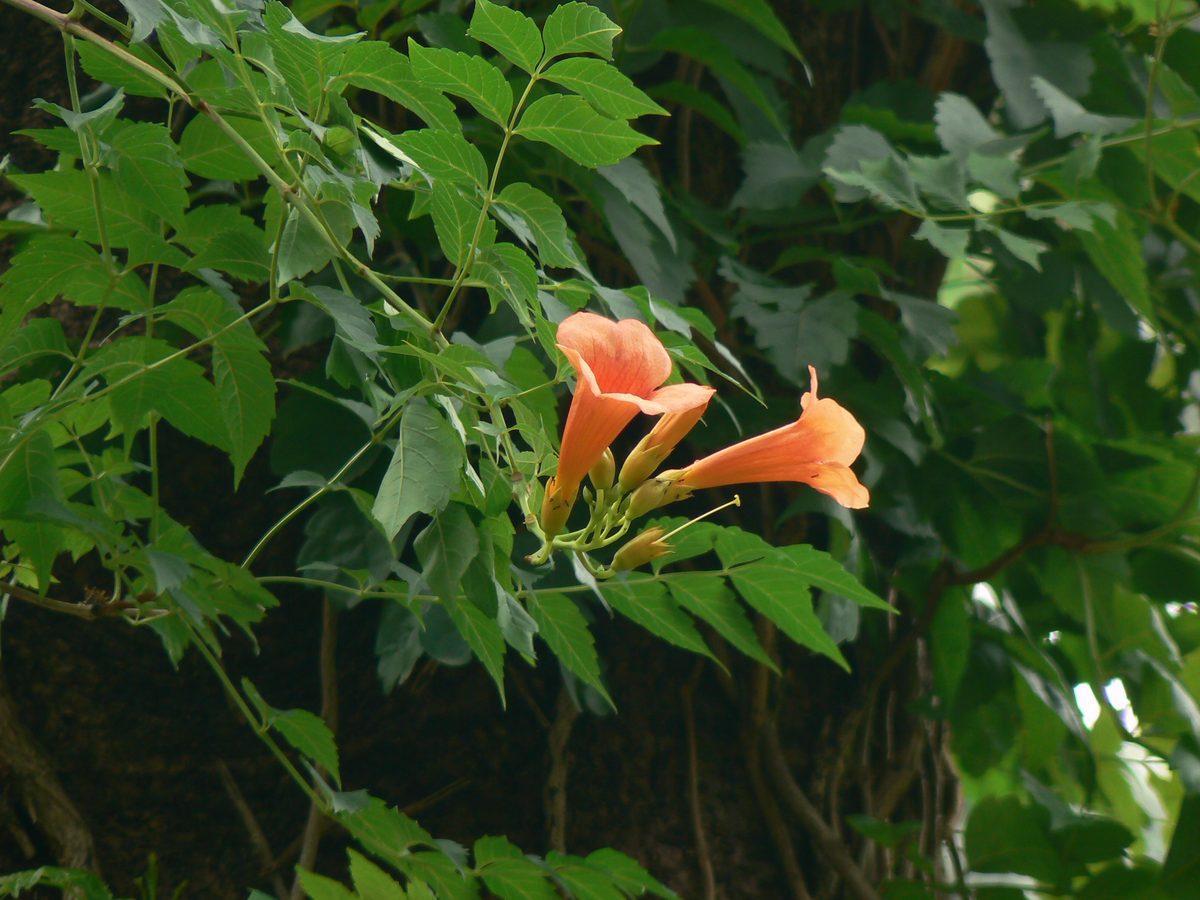
Trumpet Creeper
Campsis radicans
Full sun and part shade (full sun preferred) · Zones 4a–10b · 30–40 ft (9.14–12.19 m)
-
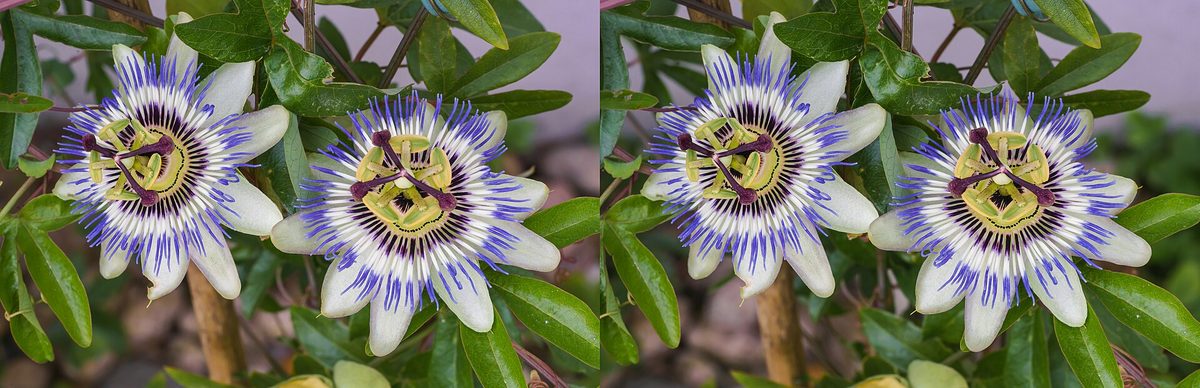
Bluecrown Passionflower
Passiflora caerulea
Full sun and part shade (full sun preferred) · Zones 6a–10b · 10–40 ft (3.05–12.19 m)
-
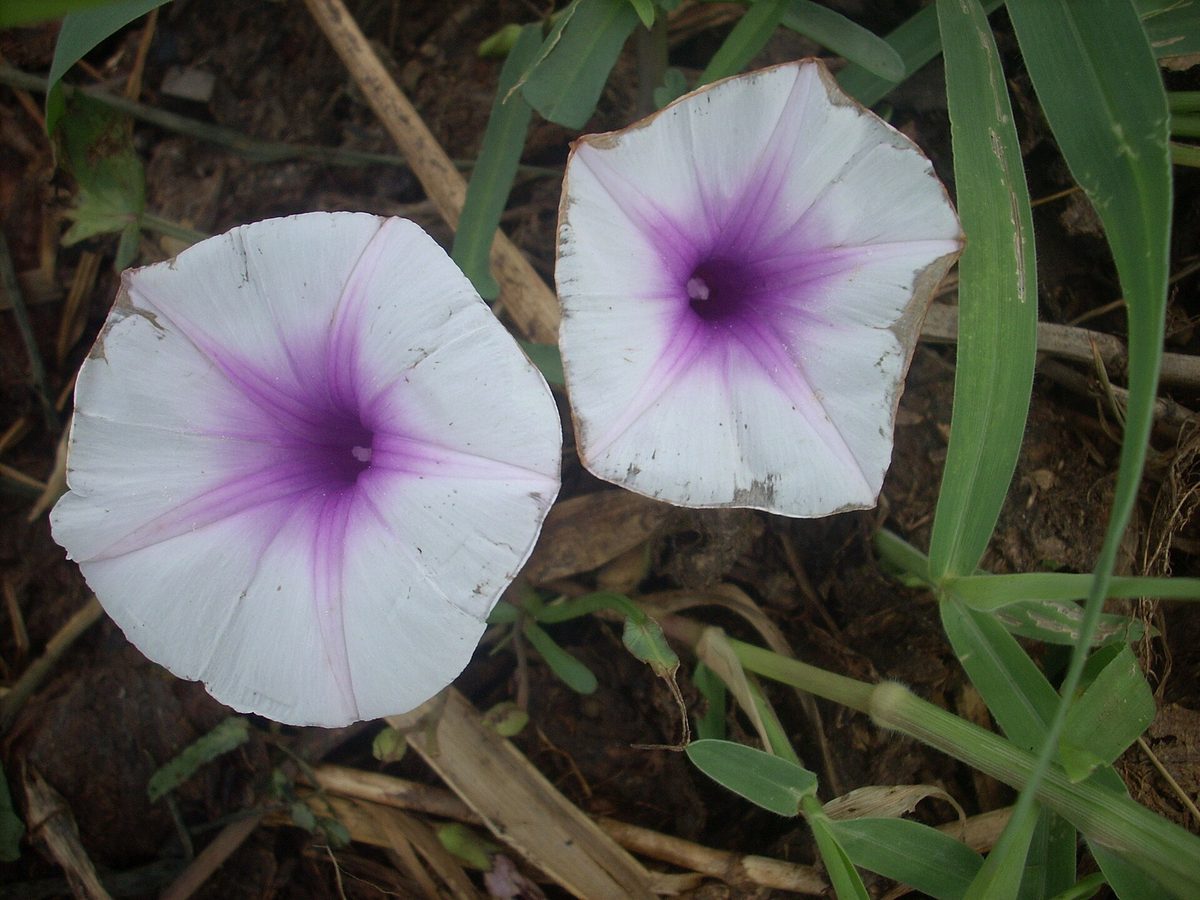
Swamp Morning-glory
Ipomoea aquatica
-
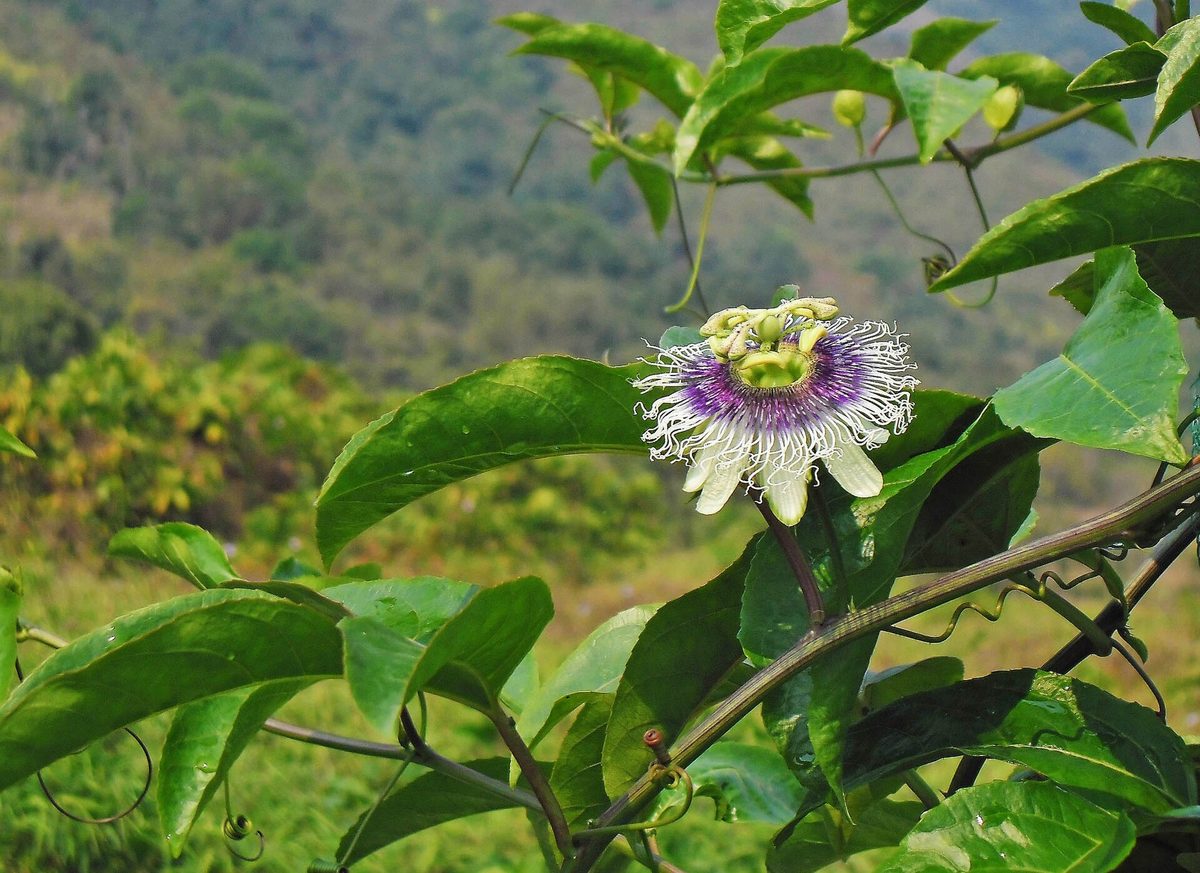
-
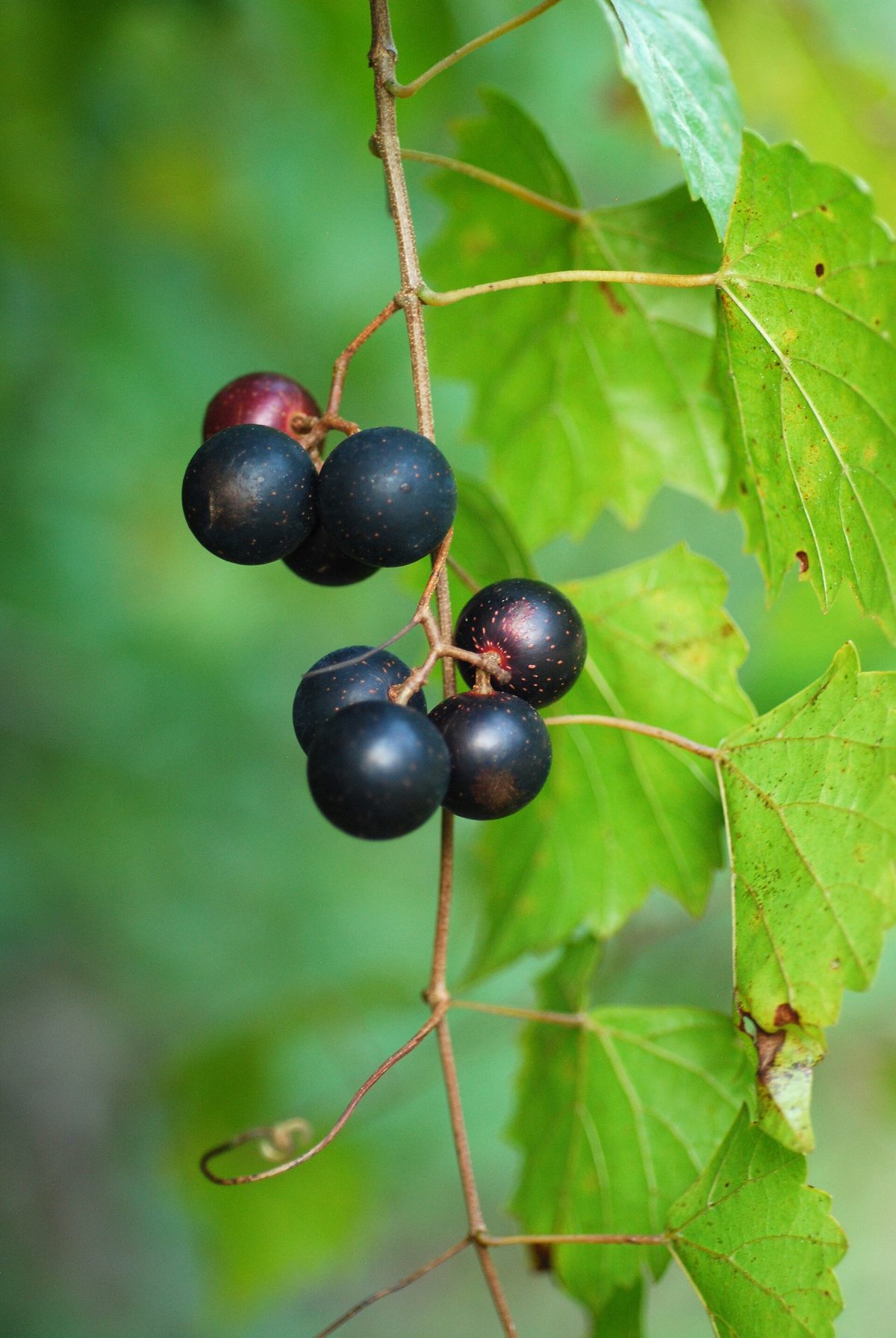
Muscadine
Vitis rotundifolia
Full sun and part shade (full sun preferred) · Zones 5a–9b · 90 ft (27.43 m)
-
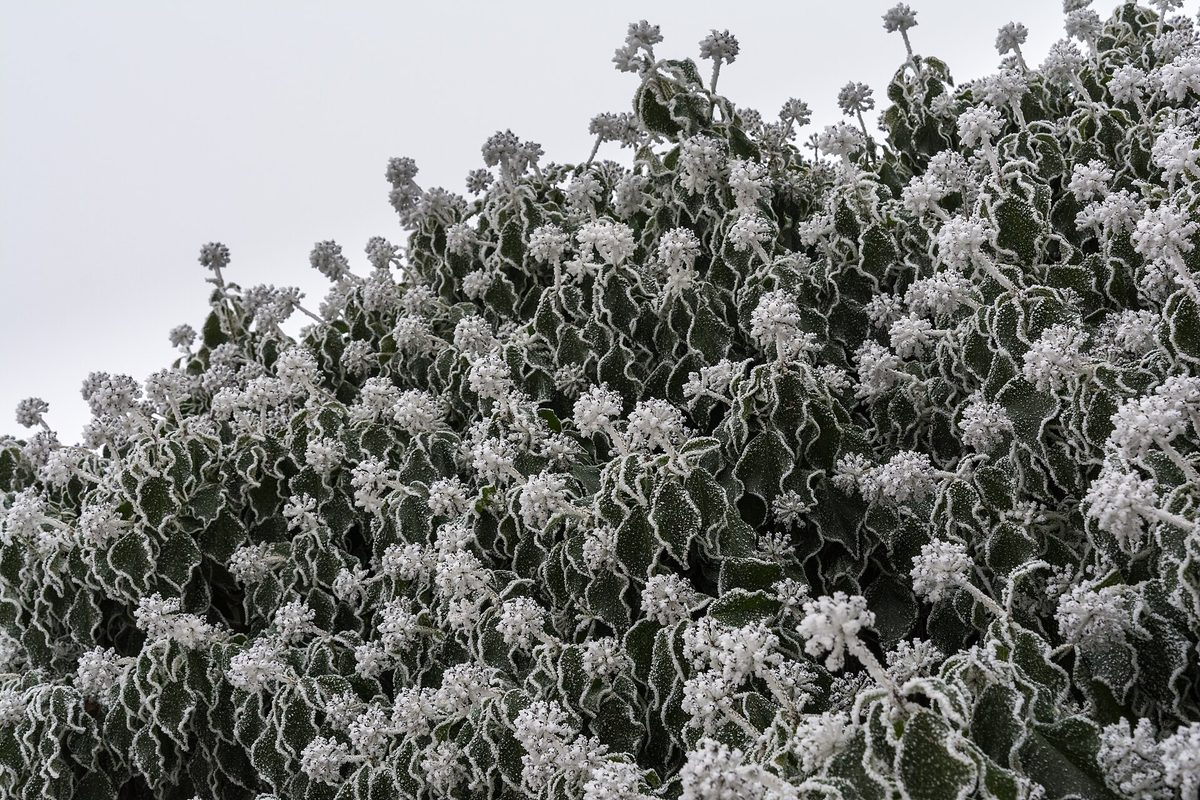
English Ivy
Hedera helix
Bright, indirect light; tolerates low light and medium light · Full sun, part shade and full shade (full sun preferred) · Zones 4a–13b
-
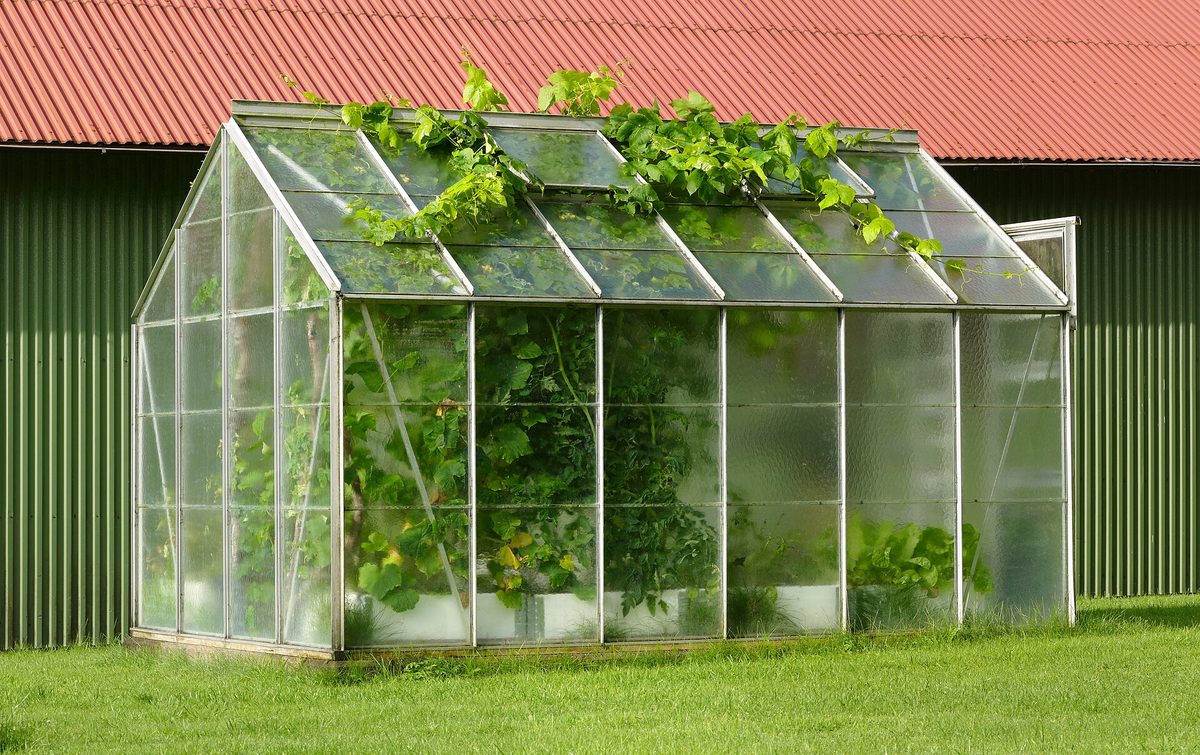
Wine Grape
Vitis vinifera
Full sun · Zones 6a–10b
-
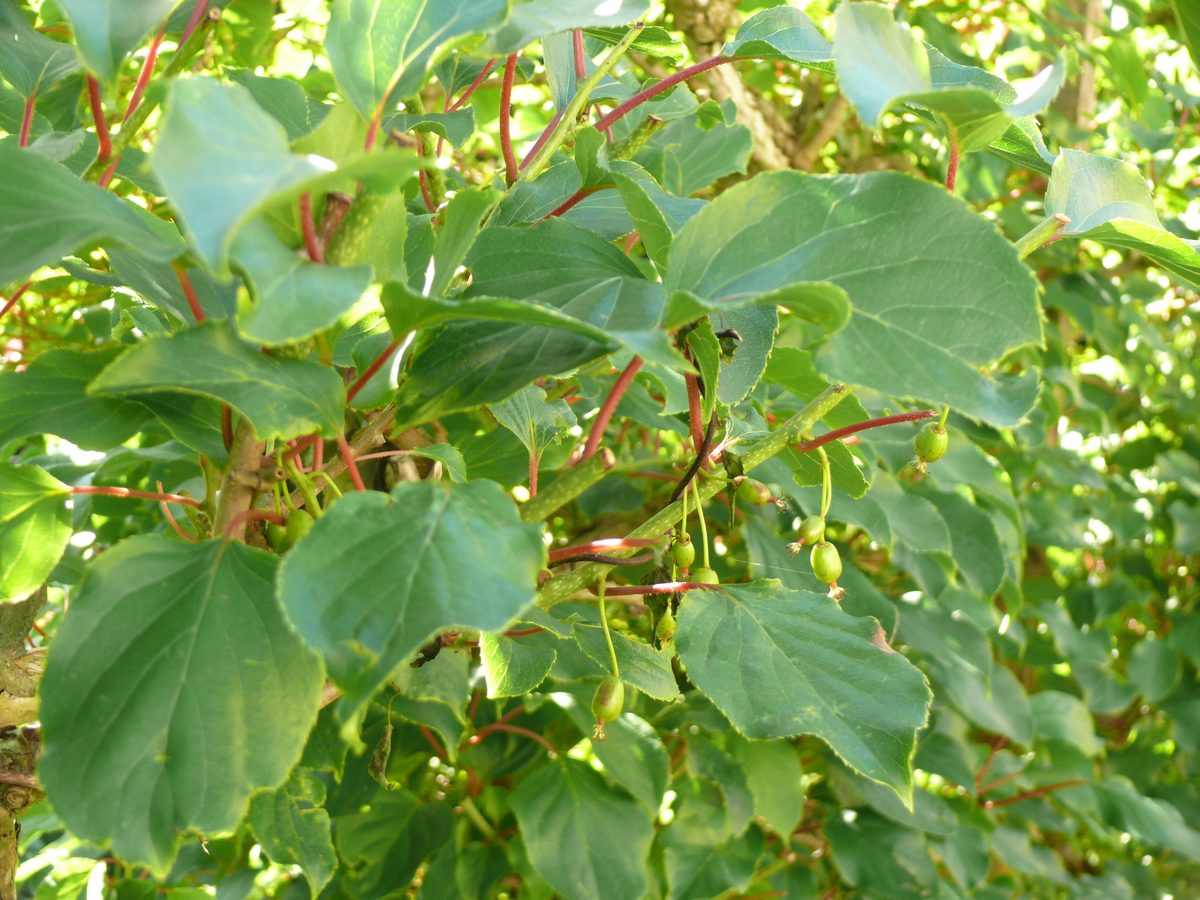
Tara Vine
Actinidia arguta
Full sun and part shade (full sun preferred) · Zones 3a–8b · Sources differ: University of Wisconsin-Madison Division of Extension (Wisconsin Horticulture); University of Wisconsin-Madison Division of Extension (Wisconsin Horticulture)
-
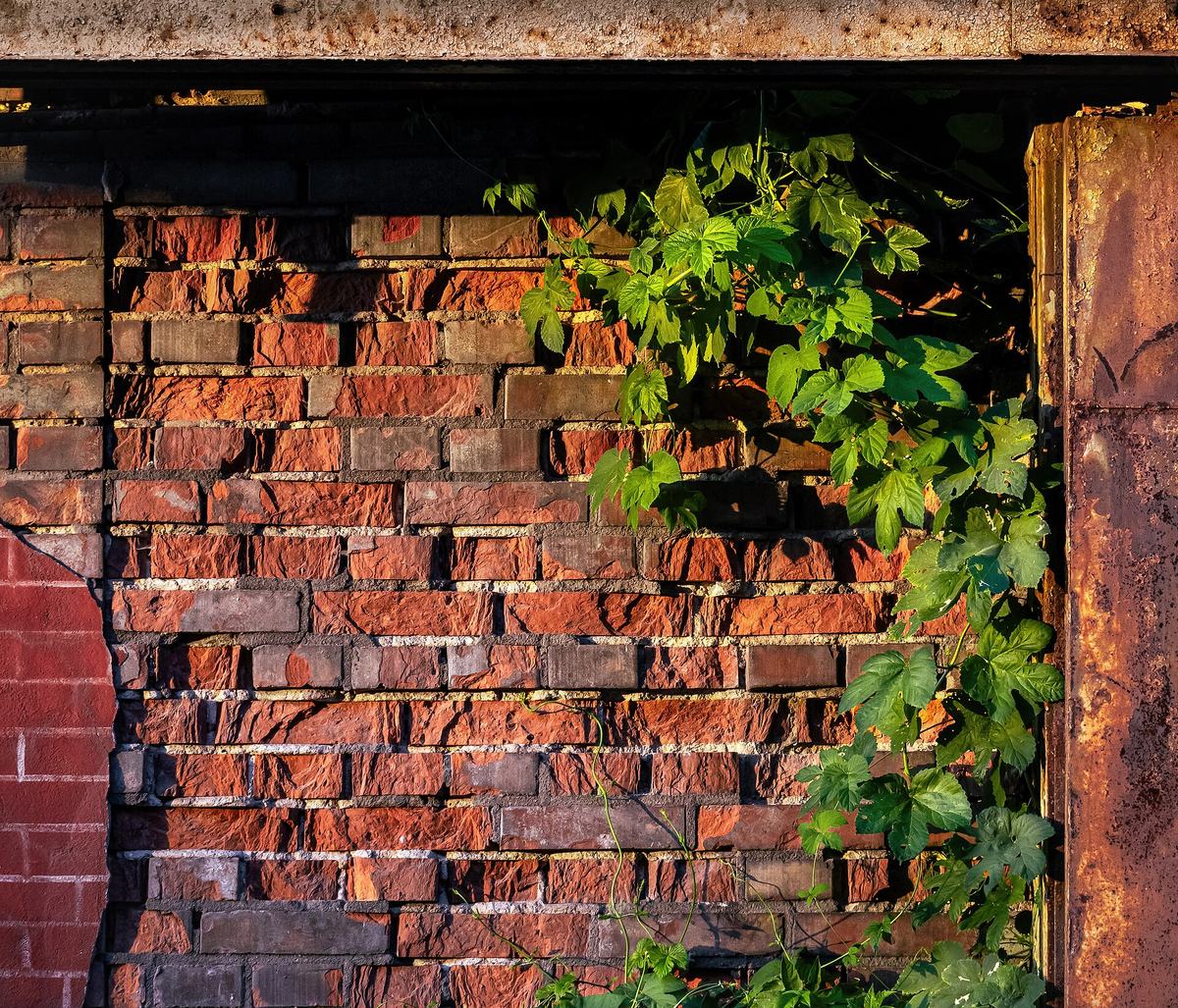
Common Hop
Humulus lupulus
Full sun and part shade (full sun preferred) · Zones 5a–8b · Sources differ: Utah State University Extension; Utah State University Extension
-
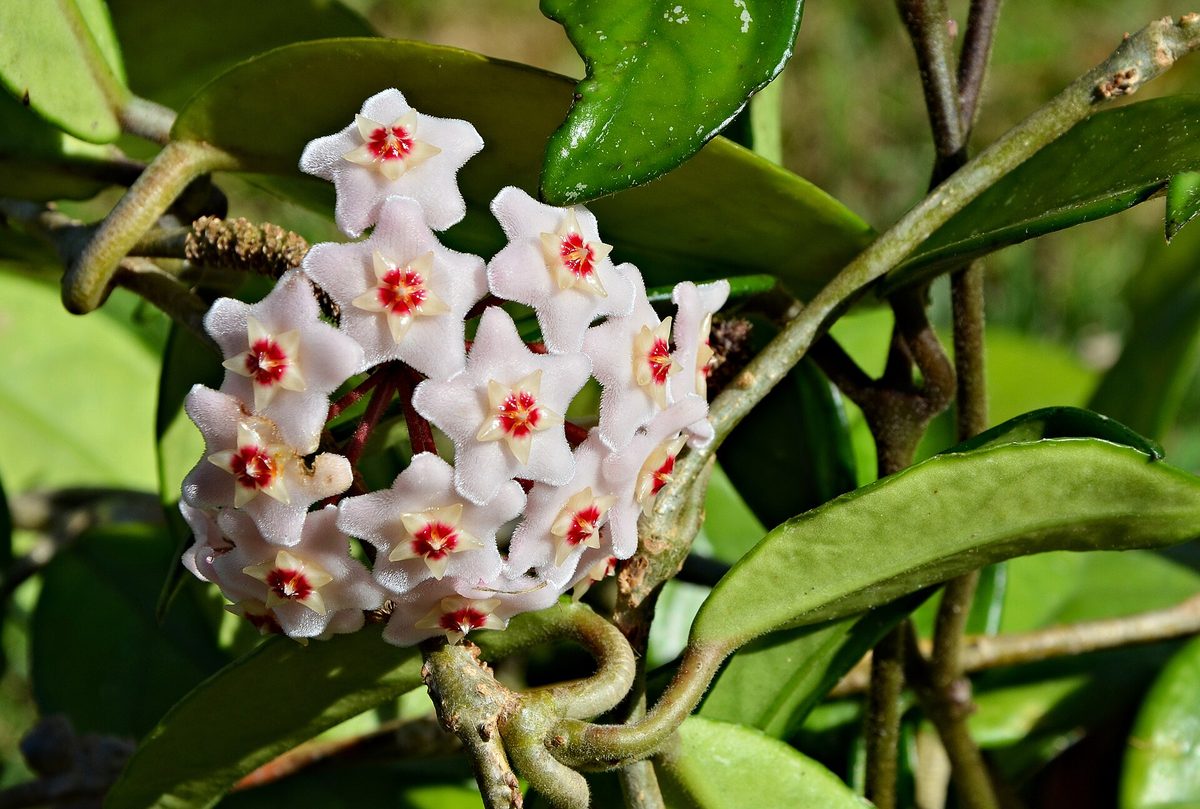
Porcelainflower
Hoya carnosa
Bright, indirect light; tolerates low light and medium light · Part shade
-
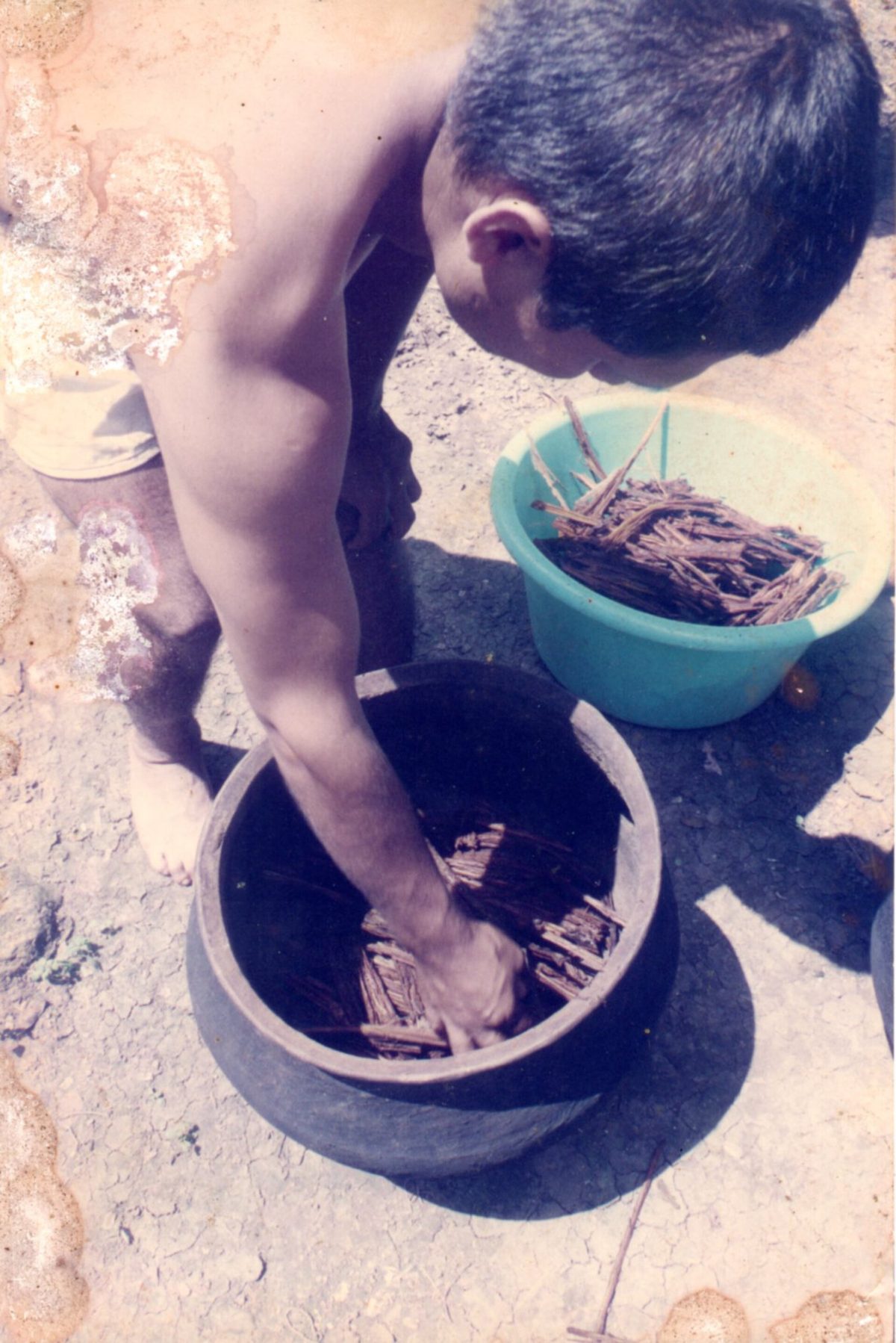
Ayahuasca
Banisteriopsis caapi
-
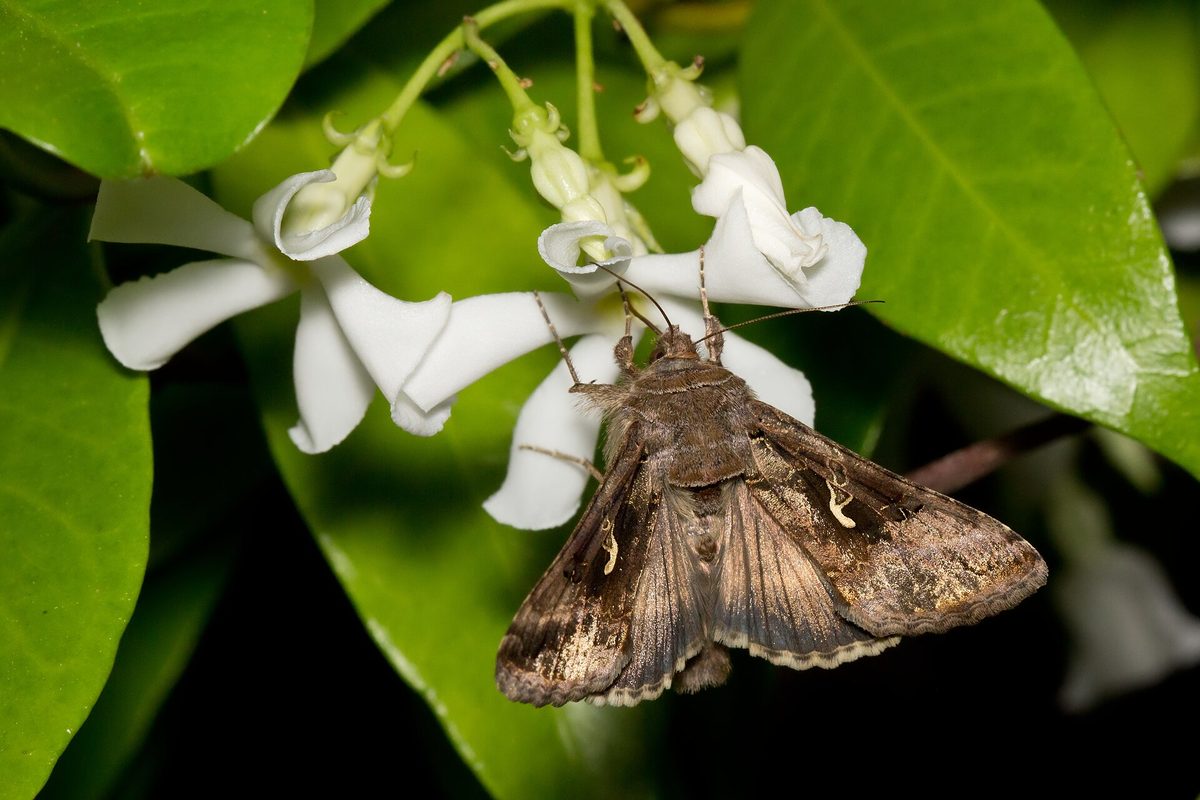
Confederate Jasmine
Trachelospermum jasminoides
Bright, indirect light; tolerates direct sun · Full sun and part shade (full sun preferred) · Zones 8a–10b
-
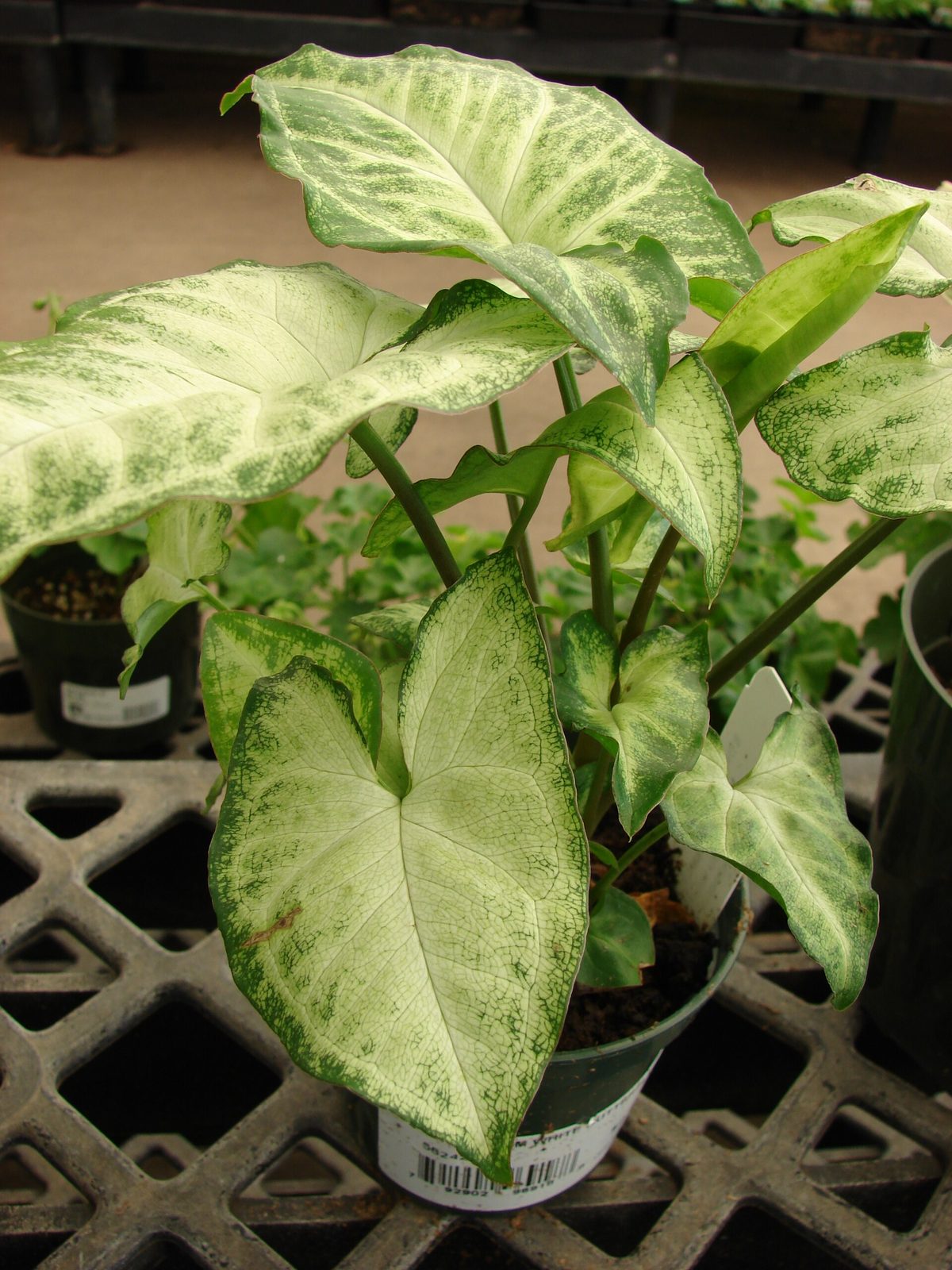
American Evergreen
Syngonium podophyllum
Medium light; tolerates low light and bright, indirect light · Part shade and full shade (part shade preferred) · Zones 10a–12b
-
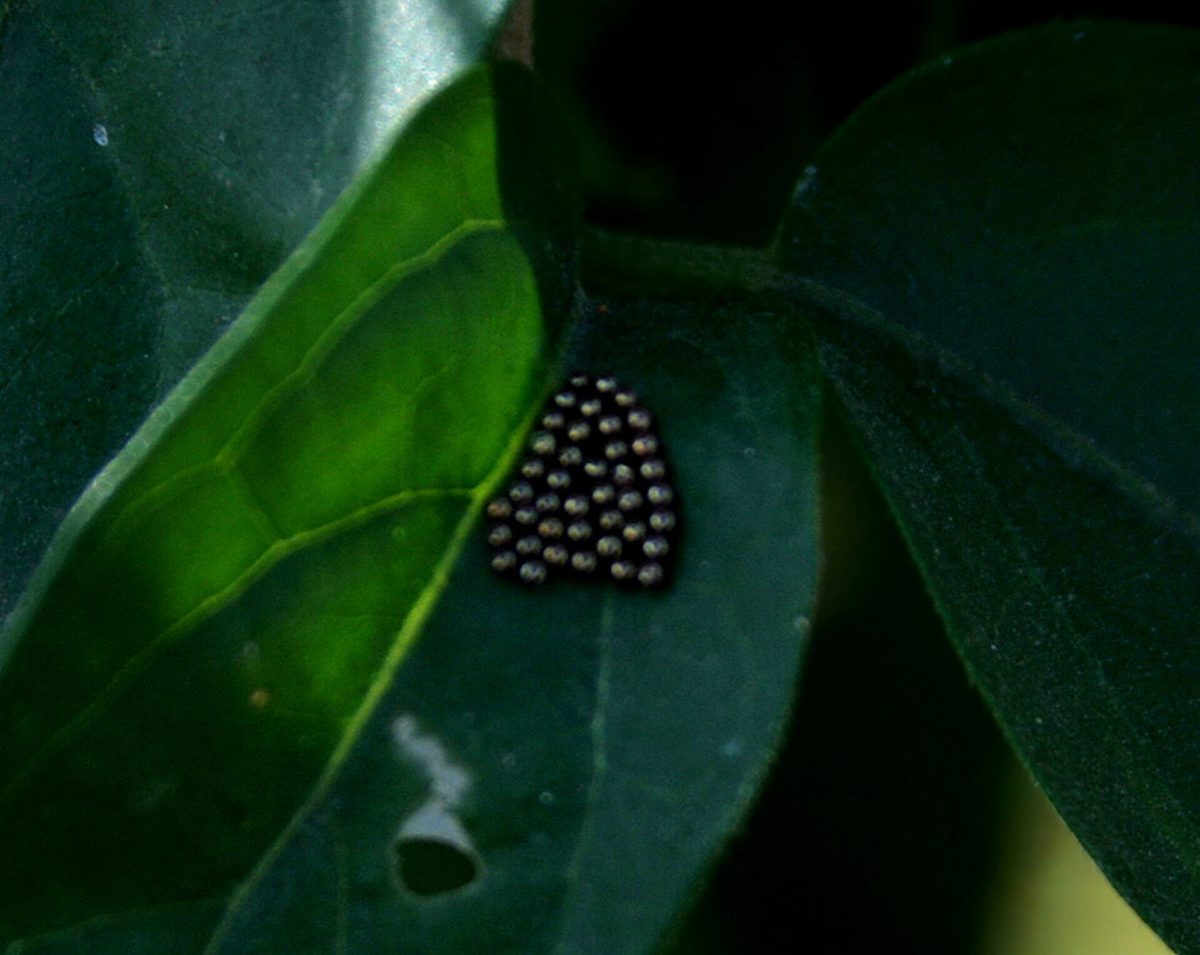
Miracle Fruit
Gymnema sylvestre
-
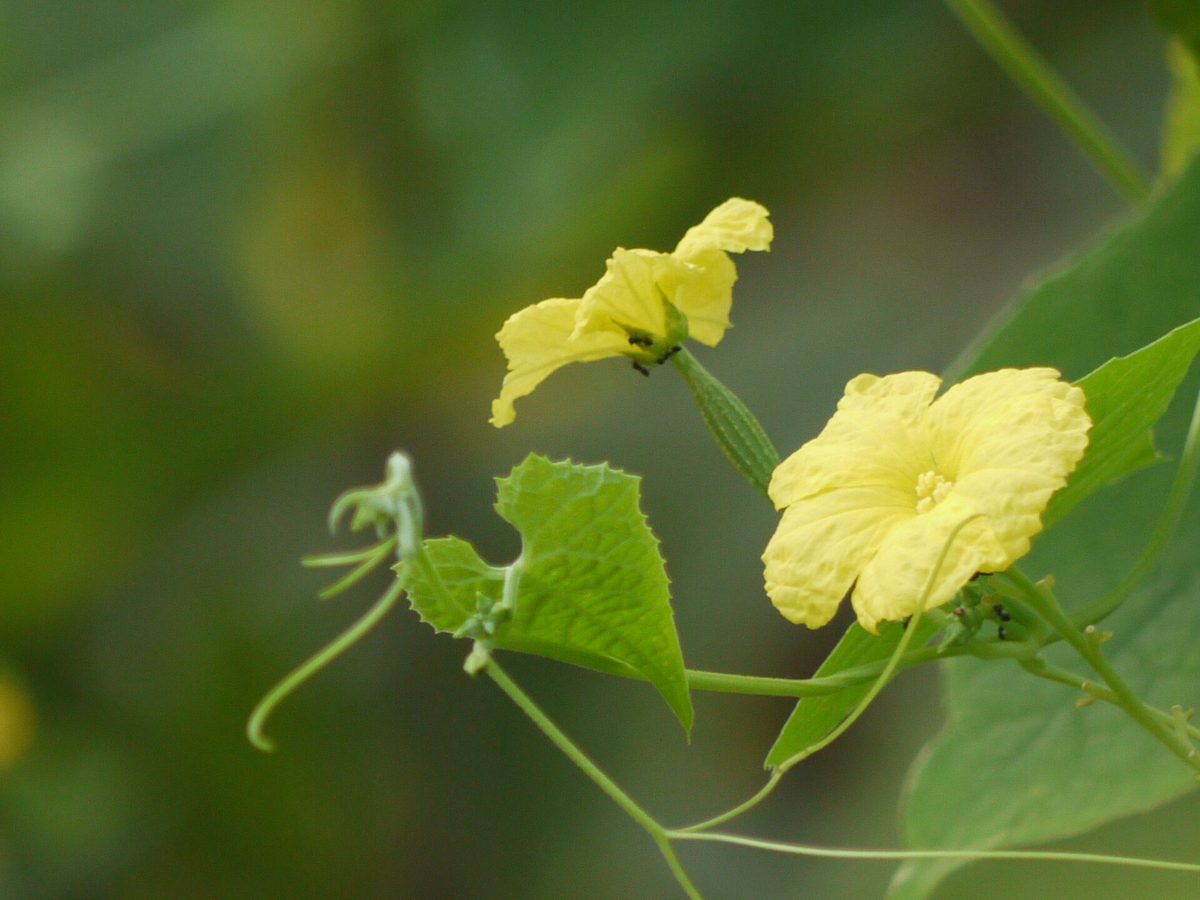
Sinkwa Towelsponge
Luffa acutangula
30 ft (9.14 m)
-
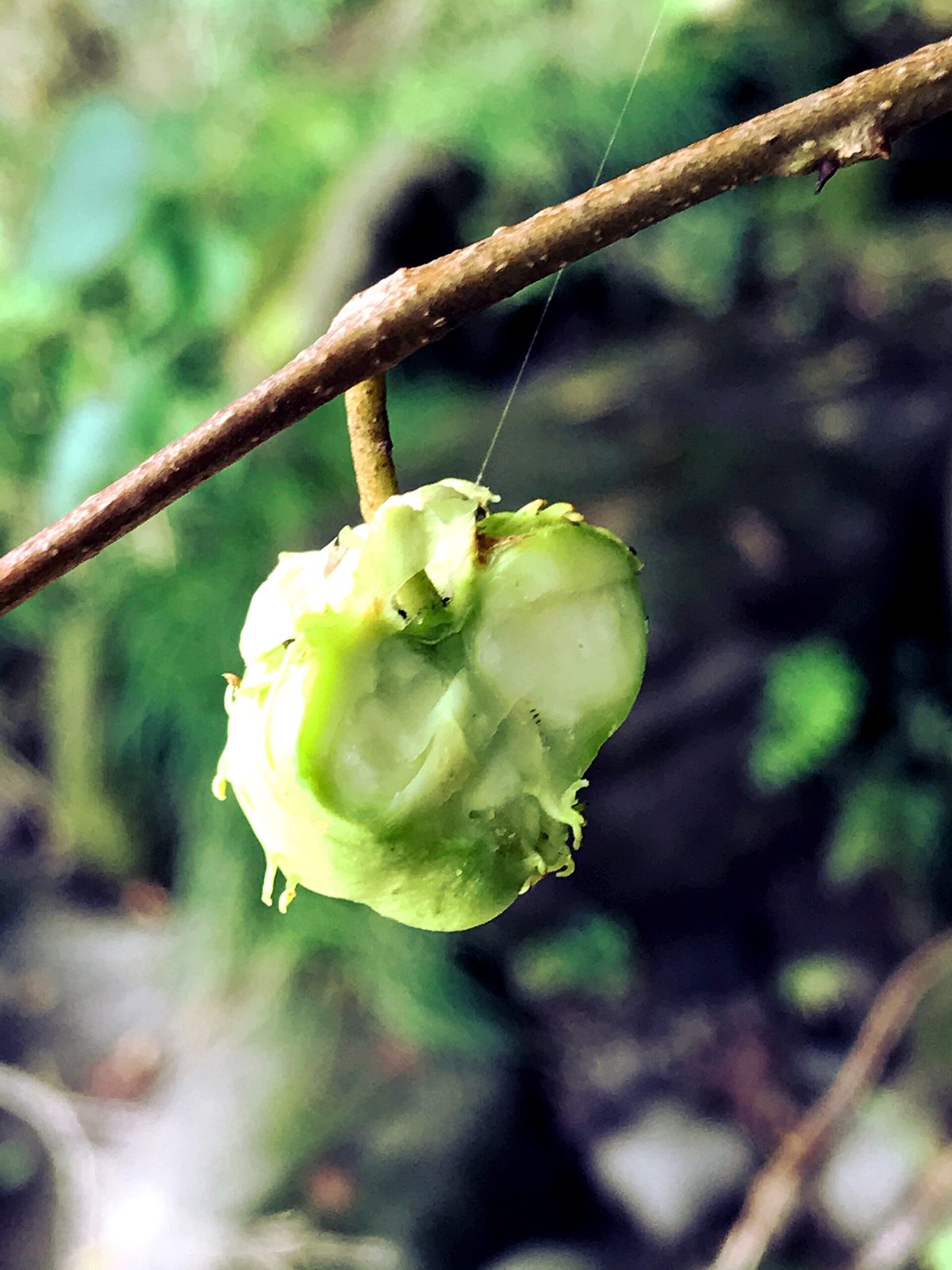
Silver Vine
Actinidia polygama
Zones 4a–4b
How to choose
Match the plant to the space you have before anything else. A climber needs a wall, trellis, or pole to grip as it spreads, so measure the space before you pick one. Indoor climbers trained on a moss pole need far less room than an outdoor vine meant to cover a fence or an arbor. Next, think about the plant's purpose. Some vines on this list are grown mainly for fruit. Others are grown for fragrant or showy flowers, or simply to screen a view or shade a wall. Check each plant's own guide for its light and water needs before you choose a spot, since these vary from one entry to the next. If you keep cats or dogs, check the toxicity notes on each guide. Some climbers on this list carry a listed risk, and others do not. Picking the right climber comes down to matching its growth habit and care needs to the space and animals you already have.
All vines and climbers, A to Z
Filter all 14 Vines and Climbers plants →
- American Evergreen Syngonium podophyllum
- Asian Pigeonwings Clitoria ternatea
- Balsampear Momordica charantia
- Common Hop Humulus lupulus
- Confederate Jasmine Trachelospermum jasminoides
- English Ivy Hedera helix
- Monstera Monstera deliciosa
- Muscadine Vitis rotundifolia
- Porcelainflower Hoya carnosa
- Pothos Epipremnum aureum
- Purple Granadilla Passiflora edulis
- Tara Vine Actinidia arguta
- Trumpet Creeper Campsis radicans
- Virginia Creeper Parthenocissus quinquefolia
Photo credits
- Pothos photo by Marek Argent (Abrimaal), CC BY-SA 3.0 via Wikimedia Commons
- Asian Pigeonwings photo by Joydeep, CC BY-SA 3.0 via Wikimedia Commons
- Monstera photo by Forest and Kim Starr, CC BY 3.0 via Wikimedia Commons
- Balsampear photo by Joydeep, CC BY-SA 3.0 via Wikimedia Commons
- Virginia Creeper photo by Mike1979 Russia, CC BY-SA 4.0 via Wikimedia Commons
- Trumpet Creeper photo by Dinesh Valke from Thane, India, CC BY-SA 2.0 via Wikimedia Commons
- Bluecrown Passionflower photo by Franz van Duns, CC BY-SA 4.0 via Wikimedia Commons
- Swamp Morning-glory photo by Manojk, CC BY 3.0 via Wikimedia Commons
- Purple Granadilla photo by Earth100, CC BY-SA 3.0 via Wikimedia Commons
- Muscadine photo by Douglas Goldman, CC BY-SA 4.0 via Wikimedia Commons
- English Ivy photo by Uoaei1, CC BY-SA 4.0 via Wikimedia Commons
- Wine Grape photo by W.carter, CC0 via Wikimedia Commons
- Tara Vine photo by Martinus KE, CC BY-SA 4.0 via Wikimedia Commons
- Common Hop photo by Radomianin, CC BY-SA 4.0 via Wikimedia Commons
- Porcelainflower photo by JLPC, CC BY-SA 3.0 via Wikimedia Commons
- Ayahuasca photo by Jaime Torres/Archivo Centro Takiwasi, CC BY-SA 4.0 via Wikimedia Commons
- Confederate Jasmine photo by Carlos Delgado, CC BY-SA 3.0 via Wikimedia Commons
- American Evergreen photo by Forest & Kim Starr, CC BY 3.0 via Wikimedia Commons
- Miracle Fruit photo by J.M.Garg, CC BY 3.0 via Wikimedia Commons
- Sinkwa Towelsponge photo by Dinesh Valke from Thane, India, CC BY-SA 2.0 via Wikimedia Commons
- Silver Vine photo by 小宮山広明, CC BY-SA 4.0 via Wikimedia Commons


How this page was made
- Written with AI assistance from the sources listed on this page. AI is never the source of a fact.