European Plum (Prunus domestica)
Formerly Prunus communis, Prunus pruna, Prunus ambigua
Give European plum full sun, medium water and well-drained soil to keep it healthy. Full sun means six or more hours of direct sunlight a day. Young trees need 1–2 inches (2.5–5 cm) of water a week, from rain or irrigation. The ASPCA lists the plant as toxic to both cats and dogs.
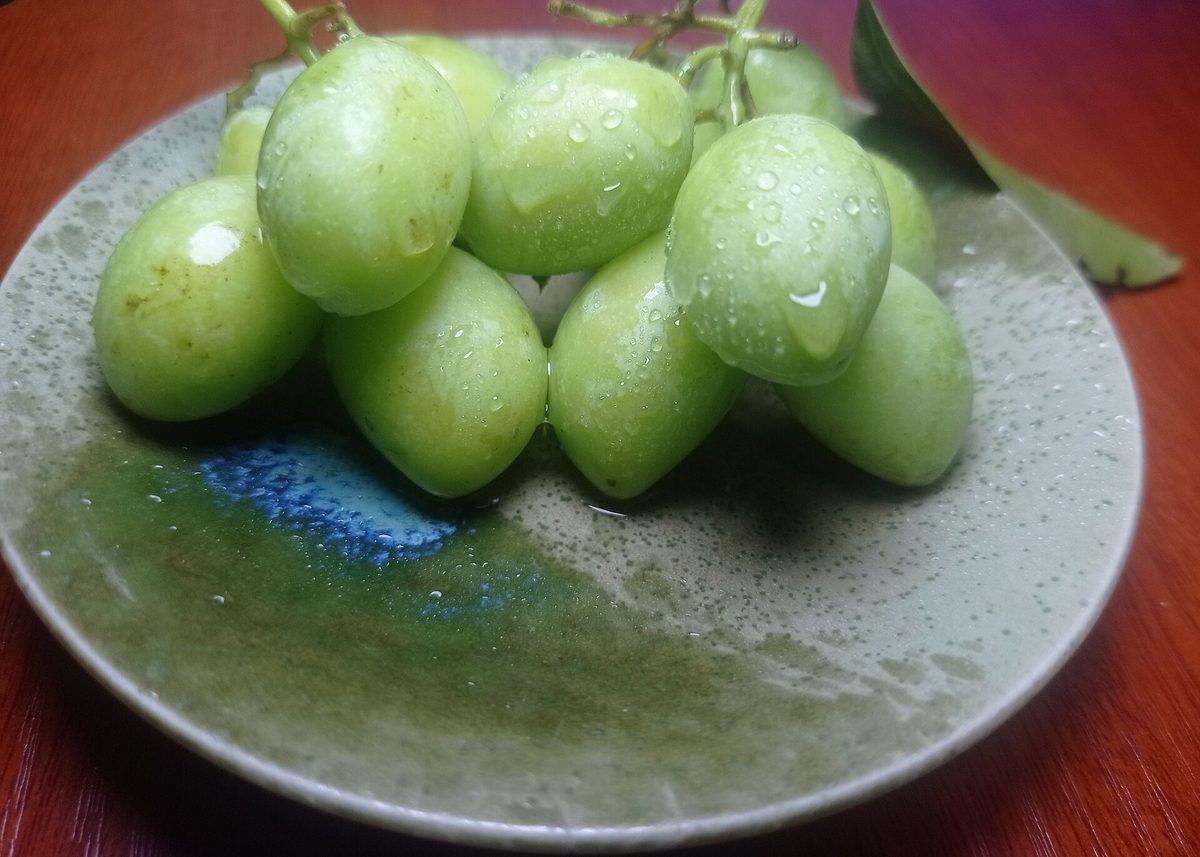
Photo: စာကလေး SarKaLay, CC0 via Wikimedia Commons

Quick facts
| Light: | Full sun11 source |
|---|---|
| Water: | Medium21 source |
| Soil: | Well drained and moist; pH 6–6.513 |
| Hardiness: | Zones 4a–9b11 source |
| Size: | 15–20 ft (4.57–6.1 m) × 10–20 ft (3.05–6.1 m)511 source |
| Growth rate: | Moderate11 source |
| Bloom: | White11 source |
| Cats: | Toxic to cats (1 source) 4 |
| Dogs: | Toxic to dogs (1 source) 4 |
| Native range: | IRN, TCS6 |
| Family: | Rosaceae |
How much light does a European Plum need?
European plum, Prunus domestica, grows best in full sun. Full sun means six or more hours of direct sunlight a day. It is the only outdoor light level listed for this tree. Choose a planting site where direct sun reaches the tree for at least that many hours each day.
- Light: Full sun1
How often to water a European Plum
Water needs for this tree are medium. Young fruit trees need 1–2 inches (2.5–5 cm) of water a week. Either rainwater or irrigation can supply that amount. The soil should be both well drained and moist. The weekly figure applies to young trees, and no cited source gives a separate amount for older trees.
- Water: Medium2
Best soil for a European Plum
Deep, well-drained soil is what this tree prefers. The texture can range from a sandy loam to a sandy clay loam. The listed drainage is both well drained and moist. Good drainage is named as a need for this tree. The preferred soil pH is between 6.0 and 6.5. Put together, the target is deep, well-drained soil in the pH 6–6.5 range.
Hardiness and temperature
USDA hardiness zones 4a to 9b are listed for this tree. The listed zones are 4a, 4b, 5a, 5b, 6a, 6b, 7a, 7b, 8a, 8b, 9a and 9b. A gardener in zone 3 or colder is outside the listed range. No cited source records a minimum temperature for this tree. Humidity is not documented on this page either.
- Hardiness: Zones 4a–9b1
Pruning a European Plum
The pruning type listed for European plum is light shaping. Start dormant pruning after February 1, since that timing lowers the risk of bacterial canker infection. Bacterial canker is among the diseases recorded for this tree. Dormant pruning is the only timing described, and no other pruning window is listed. No heavier cut, such as renewal pruning, is described.
- Pruning: Light shaping (Feb)3
How to plant a European Plum
This is a tree, and it suits USDA zones 4a to 9b. Give it room for a mature height of 15–20 ft (4.57–6.1 m) and a spread of 10–20 ft (3.05–6.1 m). Plant it where it gets full sun, with soil that is deep and well drained. It is a deciduous tree with white flowers and edible purple stone fruits. Its growth rate is moderate.
- Hardiness: Zones 4a–9b1
Winter care
The tree is deciduous. Its listed hardiness range runs from zone 4a at the cold end to zone 9b at the warm end. No cited source records a minimum temperature for the tree. No cited source describes winter protection, so this page does not give any. Check your own zone against the listed range before you plant.
- Hardiness: Zones 4a–9b1
Common problems
Codling moth is the main insect listed for European plum, but webworms, mites and borers can affect it. The list also includes plum curculio, which causes wormy fruit, peachtree borer, aphids, San Jose scale and spotted wing drosophila. Brown rot is the most common disease, and powdery mildew and rusts can appear too. Black knot, bacterial canker, coryneum blight and plum pockets are also listed.
| Problem | Kind |
|---|---|
| Codling moth | Pest |
| Webworms | Pest |
| Spider mites | Pest |
| Borers | Pest |
| Plum curculio | Pest |
| Peachtree borer | Pest |
| Aphids | Pest |
| San jose scale | Pest |
| Spotted wing drosophila | Pest |
| Brown rot | Disease |
| Powdery mildew | Disease |
| Rust | Disease |
| Black knot | Disease |
| Bacterial canker | Disease |
| Coryneum blight | Disease |
| Plum pockets | Disease |
Is European Plum toxic to cats and dogs?
The ASPCA lists European plum as toxic to cats. It also lists the plant as toxic to dogs. In short, the position for cats is toxic, and the position for dogs is toxic. This page does not name which parts of the plant are affected. No severity level is recorded for cats or for dogs. Do not let your cats or dogs eat any part of the tree.
Pet-safe alternatives
Recommended supplies
- Soil: a free-draining mix, and a pot with a drainage hole.
Questions and answers
- Is European plum toxic to cats and dogs?
- The ASPCA lists European plum as toxic to cats and as toxic to dogs. This page does not name the affected parts or give a severity level.
- How much sun does a European plum need?
- It needs full sun, which means six or more hours of direct sunlight a day. Full sun is the only outdoor light level listed for this tree.
- How big does a European plum tree get?
- A mature tree is 15–20 ft (4.57–6.1 m) tall, with a spread of 10–20 ft (3.05–6.1 m). The growth rate is listed as moderate.
Sources
- NC State Extension Gardener Plant Toolbox. https://plants.ces.ncsu.edu/plants/prunus-domestica/. Accessed 21 October 2026.
- University of Minnesota Extension. https://extension.umn.edu/fruit/growing-stone-fruits-home-garden. Accessed 28 October 2026.
- Clemson Cooperative Extension Home & Garden Information Center. https://hgic.clemson.edu/factsheet/plum/. Accessed 21 October 2026.
- ASPCA Animal Poison Control Center. https://www.aspca.org/pet-care/aspca-poison-control/toxic-and-non-toxic-plants/plum. Accessed 21 October 2026.
- University of Minnesota Extension. https://extension.umn.edu/garden-and-home/yard-and-garden/gardening-in-minnesota/growing-stone-fruits-in-the-home-garden. Accessed 14 October 2026.
- Royal Botanic Gardens, Kew (World Checklist of Vascular Plants). https://sftp.kew.org/pub/data-repositories/WCVP/wcvp.zip. Accessed 4 June 2026.
How this page was made
- Written with AI assistance from the sources listed on this page. AI is never the source of a fact.