Dwarf Umbrella Tree (Heptapleurum arboricola)
Formerly Schefflera arboricola
Keep your dwarf umbrella tree alive with bright, indirect light, and water it thoroughly before letting the soil dry out again. The ASPCA lists it as toxic to cats and toxic to dogs. The NC State Plant Toolbox says all parts of the plant are seriously toxic to dogs and cats.
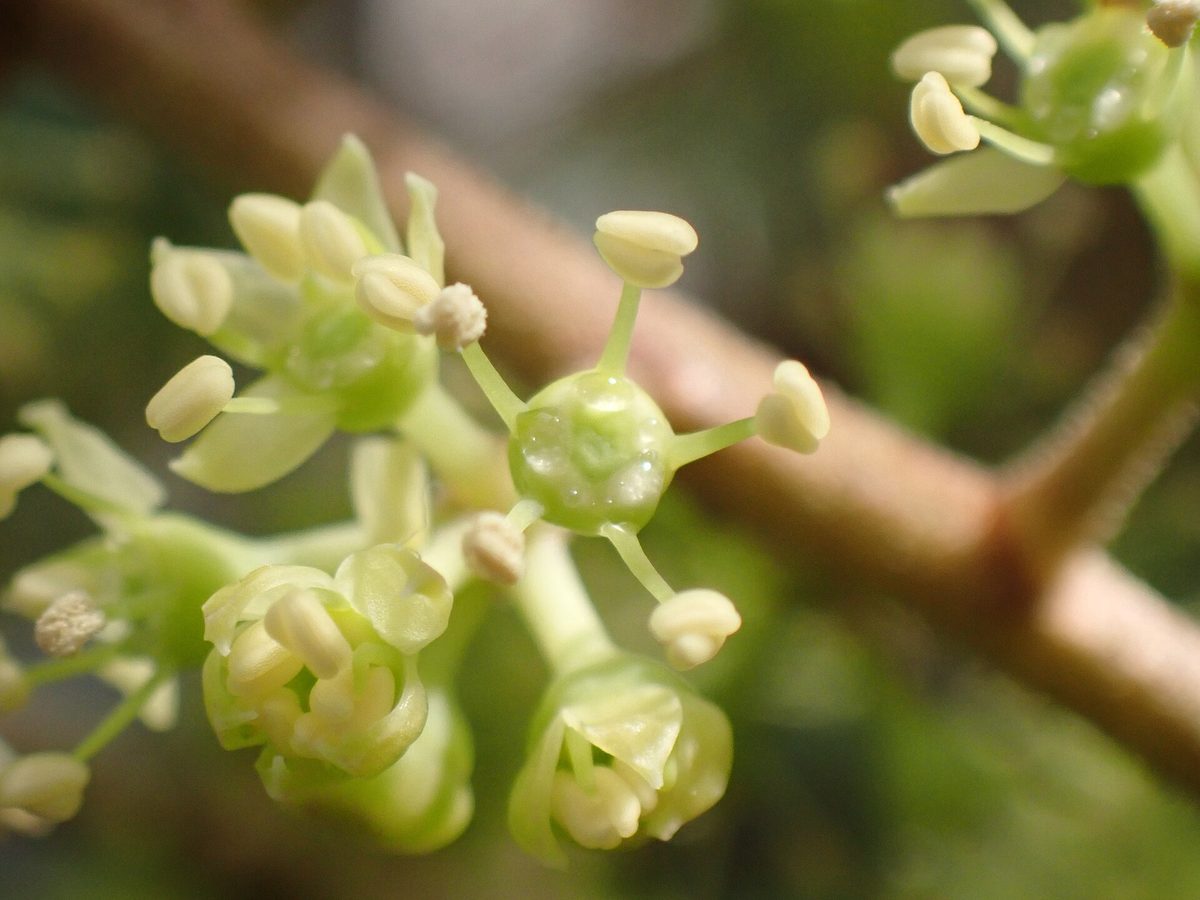
Photo: M108t, CC BY 4.0 via Wikimedia Commons

Quick facts
| Light: | Bright, indirect light; tolerates medium light and low light12 |
|---|---|
| Water: | Dry to medium21 source |
| Soil: | Well drained and moist11 source |
| Minimum temperature: | 50 °F (10 °C)21 source |
| Size: | 4–6 ft (1.22–1.83 m) × 4–6 ft (1.22–1.83 m)11 source |
| Growth rate: | Moderate11 source |
| Bloom: | Red11 source |
| Cats: | Toxic to cats Severity reported: Mild 31 |
| Dogs: | Toxic to dogs 31 |
| Native range: | CHH, TAI4 |
| Family: | Araliaceae |
How much light does a Dwarf Umbrella Tree need?
Indoors, this plant does best in bright, indirect light. NC State describes a southern, western or eastern exposure with filtered light. It also tolerates medium light and low light. Clemson says scheffleras prefer medium to bright light.
Outdoors, it can take part shade, full shade or full sun, with part shade preferred. As a houseplant, bright, direct light will burn the leaves.
How often to water a Dwarf Umbrella Tree
Water the plant thoroughly, then let the soil dry to ½ inch (1.3 cm) deep before you water again. The recorded water range for this plant runs from dry to medium.
Soil for this plant is described as well drained and moist. NC State describes the potting medium as well drained and rich in organic matter.
- Water: Dry to medium2
Best soil for a Dwarf Umbrella Tree
For soil, NC State recommends a well-drained potting medium rich in organic matter. The drainage categories recorded for this plant are well drained and moist, and both apply to its soil.
In Clemson's watering advice, the soil is allowed to dry to ½ inch (1.3 cm) deep before the next watering. NC State says the plant gets only 4 to 6 feet (1.22 to 1.83 m) high and wide in a container.
- Soil drainage: Well drained and moist1
Temperature and humidity
For this plant, Clemson advises you to maintain temperatures above 50 °F (10 °C). The NC State plant profile says that this plant likes high humidity.
If you grow it outdoors, it is listed for USDA hardiness zones 9b through 12b. NC State lists each half zone in that range, from 9b to 12b: 9b, 10a, 10b, 11a, 11b, 12a and 12b.
Pruning a Dwarf Umbrella Tree
Clemson advises that you prune just above a leaf to keep plants small. The pruning type recorded for this species is light shaping.
NC State gives its size in a container as 4 to 6 feet (1.22 to 1.83 m) high and wide. Its maintenance level is listed as low.
- Pruning: Light shaping2
How to propagate a Dwarf Umbrella Tree
Clemson says that this plant is propagated by seed, by cuttings and by air layering. In the plant record, the three methods are named as seed, stem cutting and layering.
Whichever method you choose, the plant is a shrub that reaches 4 to 6 feet (1.22 to 1.83 m) high in a container. NC State rates its growth rate as medium.
- Propagation: Seed, stem cuttings and layering2
Common problems
Clemson names mealybugs, scale insects and mites as common pests of scheffleras. NC State says red spider mites, mealybugs and scale can be a serious problem.
NC State reports no serious disease problems. Clemson adds that in the home, plant diseases are very rarely a problem.
| Problem | Kind |
|---|---|
| Spider mites | Pest |
| Mealybugs | Pest |
| Scale insects | Pest |
Is Dwarf Umbrella Tree toxic to cats and dogs?
The ASPCA lists this plant as toxic to cats. The ASPCA also lists it as toxic to dogs. NC State says all parts of this plant are seriously toxic to dogs and cats.
For cats, the recorded position is toxic, and the severity is listed as mild. NC State's wording is that this plant has low severity poison characteristics. For dogs, the recorded position is toxic. No severity is documented for dogs.
Pet-safe alternatives
Recommended supplies
- Light: bright, indirect light, such as near an east window; a full-spectrum grow light substitutes where no window does.
- Soil: a free-draining mix, and a pot with a drainage hole.
- Humidity: it wants humid air; a pebble tray or a humidifier is the usual fix.
Questions and answers
- Is the dwarf umbrella tree toxic to cats and dogs?
- The ASPCA lists it as toxic to both cats and dogs. NC State says all parts of the plant are seriously toxic to dogs and cats. For cats, it describes the plant as having low severity poison characteristics.
- How much light does a dwarf umbrella tree need indoors?
- It prefers bright, indirect light and tolerates medium light and low light. Clemson says scheffleras prefer medium to bright light. As a houseplant, bright, direct light will burn the leaves.
- What is the lowest temperature this plant should be kept at?
- Clemson advises maintaining temperatures above 50 °F (10 °C). NC State adds that the plant likes high humidity. Outdoors, it is listed for USDA zones 9b through 12b.
Sources
- NC State Extension Gardener Plant Toolbox. https://plants.ces.ncsu.edu/plants/heptapleurum-arboricola/. Accessed 21 October 2026.
- Clemson Cooperative Extension HGIC. https://hgic.clemson.edu/factsheet/schefflera-2/. Accessed 21 October 2026.
- ASPCA Animal Poison Control Center. https://www.aspca.org/pet-care/aspca-poison-control/toxic-and-non-toxic-plants/schefflera. Accessed 21 October 2026.
- Royal Botanic Gardens, Kew (World Checklist of Vascular Plants). https://sftp.kew.org/pub/data-repositories/WCVP/wcvp.zip. Accessed 4 June 2026.
How this page was made
- Written with AI assistance from the sources listed on this page. AI is never the source of a fact.