Arabian Coffee (Coffea arabica)
Formerly Coffea moka, Coffea sundana, Coffea vulgaris
Arabian coffee grows best indoors with bright, indirect light. It also needs high humidity to thrive. Watering needs are not documented here, so check the soil before you water. The soil should drain well and stay moist. This plant grows at a moderate rate. It produces white blooms. It is native to Ethiopia, Kenya, and Sudan. Coffee is toxic to cats. It is also toxic to dogs.
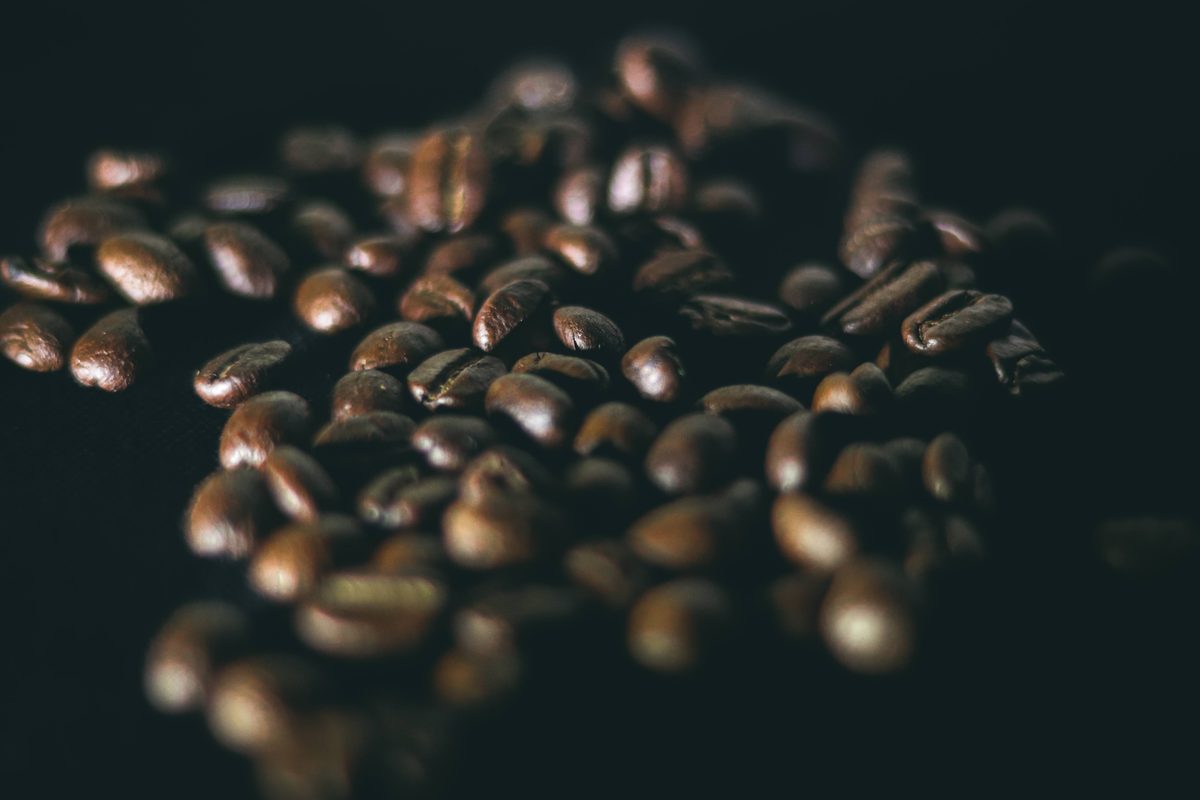
Photo: A S M Jobaer, CC BY-SA 4.0 via Wikimedia Commons

Quick facts
| Light: | Bright, indirect light11 source |
|---|---|
| Soil: | Well drained and moist; pH 6–821 source |
| Minimum temperature: | 41 °F (5 °C)31 source |
| Size: | 6–15 ft (1.83–4.57 m) × 6–15 ft (1.83–4.57 m)211 source |
| Growth rate: | Moderate21 |
| Bloom: | May–Jun, White271 source |
| Cats: | Toxic to cats (1 source) Severity reported: Severe 6 |
| Dogs: | Toxic to dogs (1 source) 6 |
| Native range: | ETH, KEN, SUD8 |
| Family: | Rubiaceae |
How much light does an Arabian Coffee need?
Place arabian coffee where it gets bright, indirect light instead of direct sun. Outdoors, give it part shade. Some sources also list full sun as a tolerated condition outdoors. This species grows at a moderate rate. Mature plants can spread 6 ft to 15 ft (1.83 m to 4.57 m) wide. It also needs high humidity to do well. Outdoors, it grows best in USDA hardiness zones 10a to 11b, and some sources extend that range to 12b. Its native range includes Ethiopia, Kenya, and Sudan. The soil should drain well and stay moist. A neutral soil pH between 6.0 and 8.0 suits this plant. You can propagate it from seed or stem cuttings. Coffee is toxic to both cats and dogs. Common pests include scale, mealybugs, and spider mites.
- Light: Bright, indirect light1
Best soil for an Arabian Coffee
Arabian coffee needs soil with good drainage. Keep the soil moist rather than letting it dry out completely. Aim for a neutral pH, between 6.0 and 8.0. Outdoors, this species grows best in USDA hardiness zones 10a to 11b, and some sources extend that range to 12b. Native populations are found in Ethiopia, Kenya, and Sudan. This plant also needs high humidity to grow well. It also needs bright, indirect light indoors. It grows at a moderate rate. You can propagate it from seed or stem cuttings. Coffee is toxic to cats and dogs, so keep plant parts away from pets. It produces white blooms.
Temperature and humidity
Arabian coffee struggles once temperatures fall to 41°F (5°C) or below. Constant cold at that point can cause leaf drop and tree decline. This plant also needs high humidity to do well indoors. Outdoors, it grows best in USDA zones 10a to 11b, with some sources listing a range up to 12b. It grows at a moderate rate. Its native range spans Ethiopia, Kenya, and Sudan. It also prefers bright, indirect light rather than direct sun. Mature plants can spread 6 ft to 15 ft (1.83 m to 4.57 m) wide. The soil should also drain well. It produces white blooms. Coffee is toxic to cats and dogs.
Pruning an Arabian Coffee
Arabian coffee tolerates light shaping to keep its form neat. For an older or overgrown plant, a hard renewal prune works too. Do this during the warm part of the year. This species grows at a moderate rate. Mature plants can spread 6 ft to 15 ft (1.83 m to 4.57 m) wide. The plant also needs bright, indirect light and high humidity to do well. It is native to Ethiopia, Kenya, and Sudan. It produces white blooms.
- Pruning: Light shaping and Hard renewal pruning4
How to propagate an Arabian Coffee
You can start arabian coffee from seed. Stem cuttings also work, taken from stems 3/16 to 5/16 in (5 to 8 mm) in diameter. This plant produces white blooms. Its native range includes Ethiopia, Kenya, and Sudan. It has also been introduced to Hawaii and Puerto Rico in the United States. This species grows at a moderate rate. It also needs bright, indirect light to grow well indoors. Coffee is toxic to cats and dogs, so keep seedlings and cuttings away from pets.
- Propagation: Seed and stem cuttings3
Common problems
Several pests can affect arabian coffee, including scale, mealybugs, thrips, caterpillars, and spider mites. The coffee berry borer and black twig borer are two more to watch for, along with leaf miners and green scale. Diseases include coffee leaf rust, coffee wilt disease, coffee berry disease, and American leaf spot. The soil should also have good drainage. Soil pH should stay between 6.0 and 8.0.
| Problem | Kind |
|---|---|
| Scale insects | Pest |
| Mealybugs | Pest |
| Thrips | Pest |
| Caterpillars | Pest |
| Spider mites | Pest |
| Coffee berry borer | Pest |
| Black twig borer | Pest |
| Leaf miner | Pest |
| Green scale | Pest |
| Coffee leaf rust | Disease |
| Coffee wilt disease | Disease |
| Coffee berry disease | Disease |
| American leaf spot | Disease |
Is Arabian Coffee toxic to cats and dogs?
Coffee is toxic to cats. It is toxic to dogs too. Dogs and cats are more sensitive to caffeine than people, and eating ground or whole coffee beans can cause severe poisoning. Keep beans, grounds, and plant parts out of reach, and contact your vet or a pet poison line if your cat or dog eats any of it right away. This plant also needs bright, indirect light and high humidity indoors. It grows at a moderate rate and spreads 6 ft to 15 ft (1.83 m to 4.57 m) wide outdoors. Common diseases include coffee leaf rust and coffee berry disease. Common pests include scale, mealybugs, and spider mites. It is native to Ethiopia, Kenya, and Sudan.
Pet-safe alternatives
Recommended supplies
- Light: bright, indirect light, such as near an east window; a full-spectrum grow light substitutes where no window does.
- Soil: a free-draining mix, and a pot with a drainage hole.
- Humidity: it wants humid air; a pebble tray or a humidifier is the usual fix.
Questions and answers
- Is Arabian coffee toxic to cats and dogs?
- Yes, Arabian coffee is toxic to both cats and dogs. Dogs and cats are more sensitive to caffeine than people, so eating beans or grounds can cause severe poisoning. Contact your vet or a pet poison line if that happens. It also needs bright, indirect light to stay healthy. This species grows at a moderate rate.
- How much light does Arabian coffee need indoors?
- Give it bright, indirect light rather than direct sun. Outdoors, it prefers part shade, though some sources also list it tolerating full sun. It also needs high humidity to thrive. The soil should also drain well and stay moist. This plant produces white blooms. This species grows at a moderate rate.
- What soil does Arabian coffee need?
- Plant it in well-drained soil that still stays moist. Aim for a neutral pH between 6.0 and 8.0. This species grows at a moderate rate. Native populations are found in Ethiopia, Kenya, and Sudan. It also needs bright, indirect light and high humidity. Coffee is toxic to cats and dogs.
Sources
- UF/IFAS Extension (EDIS). https://ask.ifas.ufl.edu/publication/FP135. Accessed 13 October 2026.
- NC State Extension Gardener Plant Toolbox. https://plants.ces.ncsu.edu/plants/coffea-arabica/. Accessed 24 September 2026.
- University of Florida IFAS Extension (EDIS). https://ask.ifas.ufl.edu/publication/HS306. Accessed 24 September 2026.
- University of Florida IFAS Extension (EDIS). https://ask.ifas.ufl.edu/hs306. Accessed 15 October 2026.
- EPPO Global Database. https://gd.eppo.int/taxon/COFAR/pests. Accessed 24 September 2026.
- Pet Poison Helpline. https://www.petpoisonhelpline.com/poison/java-beans/. Accessed 24 September 2026.
- Chicago Botanic Garden. https://www.chicagobotanic.org/plant-information/plant-finder/coffea-arabica-arabian-coffee. Accessed 24 September 2026.
- Royal Botanic Gardens, Kew (World Checklist of Vascular Plants). https://sftp.kew.org/pub/data-repositories/WCVP/wcvp.zip. Accessed 4 June 2026.
How this page was made
- Written with AI assistance from the sources listed on this page. AI is never the source of a fact.