Bird-of-paradise -tree (Strelitzia nicolai)
Formerly Strelitzia quensonii, Strelitzia alba subsp. nicolai
To keep a bird-of-paradise tree healthy, give it part shade outdoors and a spot in USDA zones 10a–11b. It is listed as toxic to both cats and dogs. A mature tree stands 20–30 ft (6.1–9.14 m) tall. This page does not document watering needs.
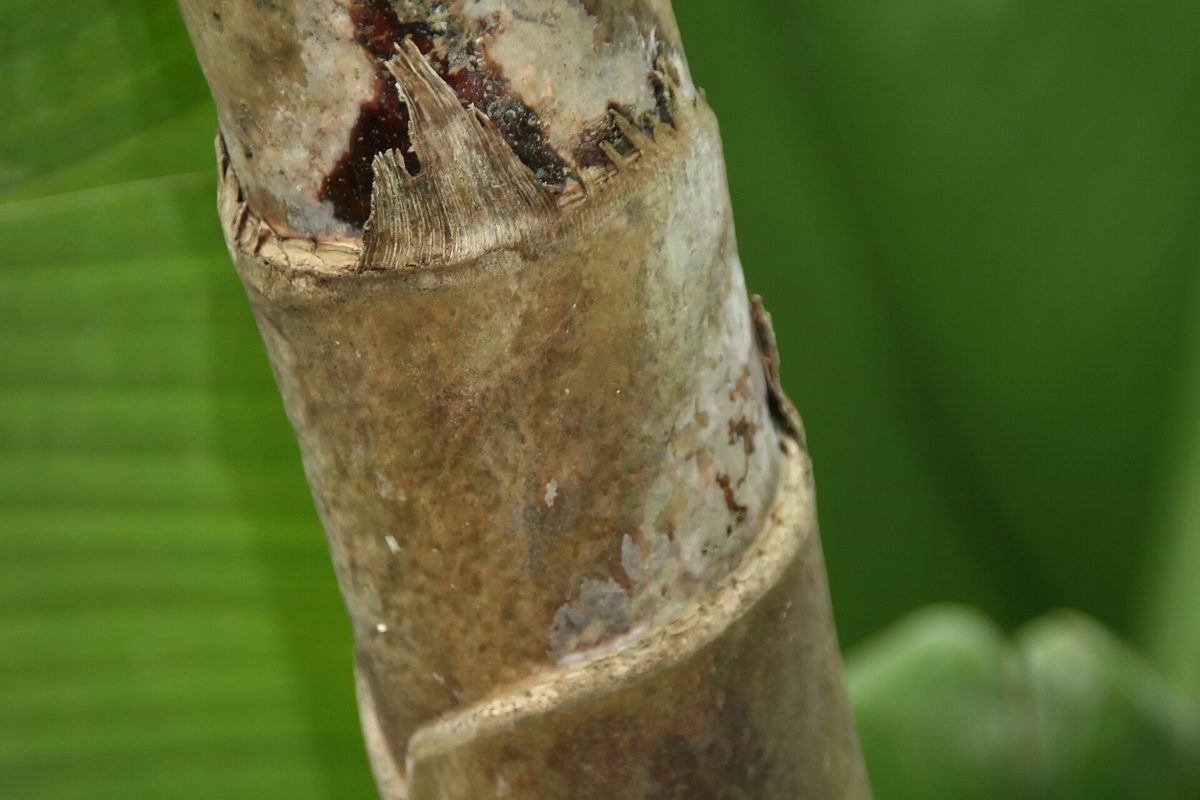
Photo: Photo by David J. Stang, CC BY-SA 4.0 via Wikimedia Commons

Quick facts
| Light: | Part shade11 source |
|---|---|
| Soil: | Well drained, moist and occasionally dry11 source |
| Hardiness: | Zones 10a–11b11 source |
| Size: | 20–30 ft (6.1–9.14 m) × 6–10 ft (1.83–3.05 m)11 source |
| Growth rate: | Moderate11 source |
| Bloom: | White, blue and purple11 source |
| Cats: | Toxic to cats (1 source) 1 |
| Dogs: | Toxic to dogs (1 source) 1 |
| Native range: | BOT, MOZ, NAT, ZIM2 |
| Family: | Strelitziaceae |
How much light does a Bird-of-paradise -tree need?
Outdoors, this tree prefers part shade, meaning direct sunlight for only part of the day, roughly 2 to 6 hours. Plan a spot that gets those hours of direct sun, with shade for the rest of the day. Indoors, it prefers bright, indirect light. This page lists no other indoor light conditions for it.
- Light: Part shade1
Best soil for a Bird-of-paradise -tree
Choose soil with good drainage for this tree. The soil can be well drained, moist or occasionally dry. Moist soil is on the list, and so is soil that is occasionally dry. Check your planting spot before you dig, and look for a place where the soil drains well. No soil pH range is documented for this plant. Without a pH figure, this page cannot give you a target for your soil.
- Soil drainage: Well drained, moist and occasionally dry1
Hardiness and temperature
This tree is listed for USDA hardiness zones 10a through 11b. Check your local zone before you plant it outdoors. It will not tolerate temperatures below 50 °F (10 °C). Any spot where temperatures fall below 50 °F (10 °C) is outside what this plant tolerates. It also prefers high humidity. Humid air matches what it prefers. Zones 10a to 11b are the only zones listed for it.
Fertilizing a Bird-of-paradise -tree
A balanced liquid fertilizer may be used once a month during spring and summer. That monthly schedule applies to the growing season. The wording is that you may feed it, not that you must. This plant has a moderate growth rate. No feeding advice is documented for autumn or winter.
- Fertilizer: Monthly in the growing season (Mar–Aug)1
How to plant a Bird-of-paradise -tree
Look up your USDA zone first. This tree is listed for zones 10a to 11b. Pick a spot with part shade, meaning 2 to 6 hours of direct sun. Leave room for a mature spread of 6–10 ft (1.83–3.05 m). Also check the space overhead for a height of 20–30 ft (6.1–9.14 m). Choose soil with good drainage.
- Hardiness: Zones 10a–11b1
Winter care
Protect this tree from temperatures below 50 °F (10 °C), which it will not tolerate. It is listed for zones 10a to 11b. Check whether winter in your area stays above 50 °F (10 °C). Indoors, it prefers bright, indirect light. It also prefers high humidity. The listed feeding schedule covers spring and summer. No frost protection methods are documented on this page.
How to propagate a Bird-of-paradise -tree
The best method of propagation is by division or seeds. Division and seed are the two methods on record for this tree. Choose between seed and division when you want a new plant. Plan space for a mature spread of 6–10 ft (1.83–3.05 m) for any new plant you grow. No other propagation methods are documented here.
- Propagation: Seed and division1
Common problems
Monitor for scale, spider mites, aphids and mealybugs. Four pest groups are named: scale, spider mites, aphids and mealybugs. Check your plant for these pests on a regular basis. No significant diseases are known for this plant. The record lists pests but no diseases.
| Problem | Kind |
|---|---|
| Scale insects | Pest |
| Spider mites | Pest |
| Aphids | Pest |
| Mealybugs | Pest |
Is Bird-of-paradise -tree toxic to cats and dogs?
The bird-of-paradise tree is listed as toxic to cats. It is listed as toxic to dogs as well. The NC State Extension Gardener Plant Toolbox marks it as a problem for cats. The same listing marks it as a problem for dogs. This page records no toxic parts and no severity for either animal. Cats and dogs are the only animals this site covers for toxicity. Treat the plant as a hazard for both pets wherever you place it.
Pet-safe alternatives
Recommended supplies
- Soil: a free-draining mix, and a pot with a drainage hole.
- Humidity: it wants humid air; a pebble tray or a humidifier is the usual fix.
Questions and answers
- Is the bird-of-paradise tree toxic to cats and dogs?
- It is listed as toxic to cats and also toxic to dogs. Treat it as a hazard for both pets wherever you keep it. This page records no severity or toxic parts.
- How much light does a bird-of-paradise tree need?
- Outdoors, it prefers part shade, which means direct sun for only part of the day. Indoors, it prefers bright, indirect light. No other light levels are documented here.
- What is the lowest temperature this tree tolerates?
- It will not tolerate temperatures below 50 °F (10 °C). Check your local winter lows against that figure. It is listed for USDA zones 10a to 11b. It also prefers high humidity.
Sources
- NC State Extension Gardener Plant Toolbox. https://plants.ces.ncsu.edu/plants/strelitzia-nicolai/. Accessed 21 October 2026.
- Royal Botanic Gardens, Kew (World Checklist of Vascular Plants). https://sftp.kew.org/pub/data-repositories/WCVP/wcvp.zip. Accessed 4 June 2026.
How this page was made
- Written with AI assistance from the sources listed on this page. AI is never the source of a fact.