American Basswood (Tilia americana)
Formerly Tilia caroliniana, Tilia leucocarpa, Tilia heterophylla
American basswood grows best in full sun to part shade, in soil with medium moisture that drains well. This tree is not toxic to cats or dogs, according to the ASPCA. It is a large deciduous shade tree suited to USDA zones 3a through 8b.
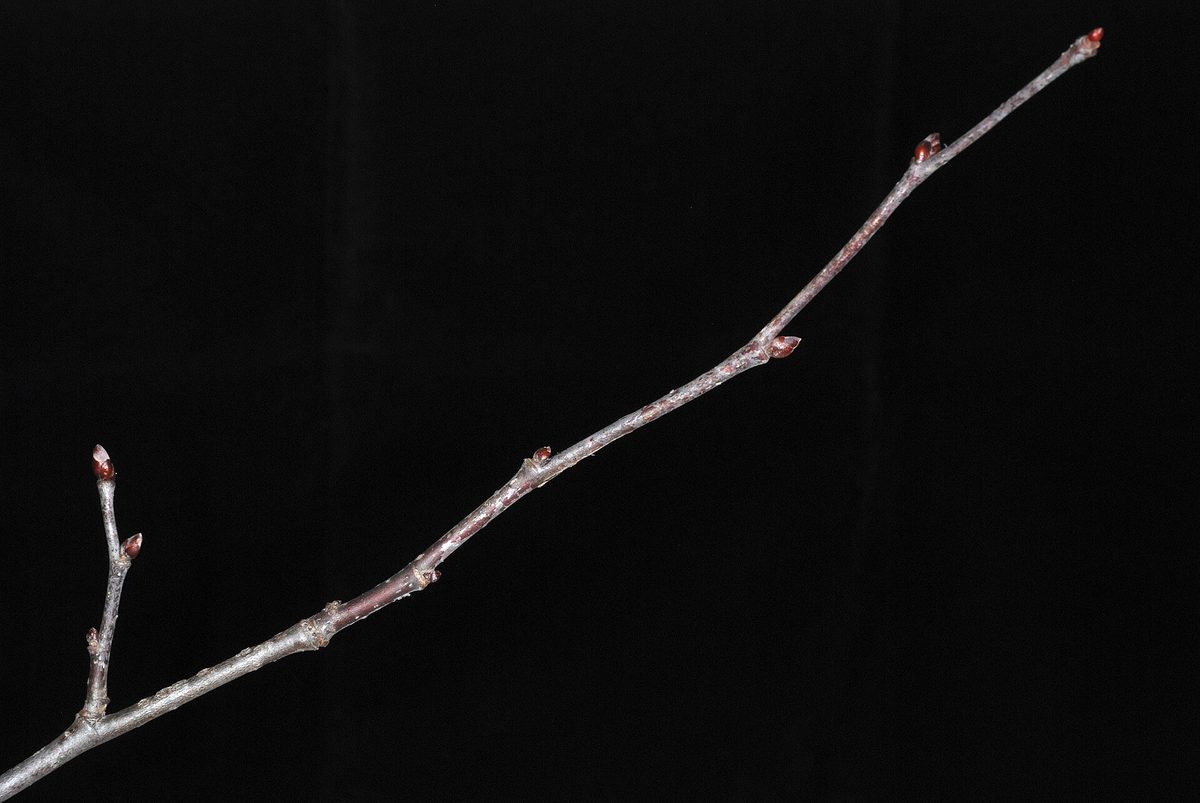
Photo: DouglasGoldman, CC BY-SA 4.0 via Wikimedia Commons

Quick facts
| Light: | Full sun and part shade (full sun preferred)11 source |
|---|---|
| Water: | Dry to medium11 source |
| Soil: | Well drained, moist and occasionally dry; pH 5–8121 source |
| Hardiness: | Zones 3a–8b11 source |
| Size: | 60–80.1 ft (18.3–24.4 m) × 29.9–60 ft (9.1–18.3 m)11 source |
| Growth rate: | Moderate11 source |
| Bloom: | May–Jul, Yellow11 source |
| Cats: | Non-toxic to cats 31 |
| Dogs: | Non-toxic to dogs 31 |
| Native range: | ALA, ARK, CNT, DEL, FLA, GEO, ILL, INI, IOW, KAN, KTY, LOU, MAI, MAN, MAS, MIC, MIN, MRY, MSI, MSO, MXC, MXE, MXG, MXN, MXS, MXT, NBR, NCA, NDA, NEB, NWH, NWJ, NWY, OHI, OKL, ONT, PEN, QUE, RHO, SAS, SCA, SDA, TEN, TEX, VER, VRG, WDC, WIS, WVA4 |
| Family: | Malvaceae |
How much light does an American Basswood need?
Give this tree a spot in full sun to part shade. It grows well across that whole range, from all-day sun to just a few hours of shade. This tree has a moderate growth rate and matures into a large shade tree 60 to 80 ft (18.3 to 24.4 m) tall. Its spread reaches 30 to 60 ft (9.1 to 18.3 m) at maturity. In late spring, it produces fragrant, pale yellow flowers. These blossoms appear in clusters called cymes.
- Light: Full sun and part shade (full sun preferred)1
How often to water an American Basswood
This tree does best in soil with medium moisture. It also tolerates drier conditions, within the dry-medium to medium range reported for the species. The soil should also drain well rather than stay soggy. This matches the well-drained, moist, and occasionally dry conditions listed for the species. This species is native across much of the eastern and central United States, and into parts of Canada and Mexico.
- Water: Dry to medium1
Best soil for an American Basswood
Soil for American basswood should be well-drained, moist, and occasionally dry. It also accepts a wide pH range, from 5.0 up to 8.0. A pH of 5.0 sits on the acidic side, while 8.0 is alkaline, and this species spans that whole range. This range covers most garden soils, from slightly acidic to slightly alkaline. The species prefers fertile loam that stays moist but drains well.
Hardiness and temperature
Hardiness zones for American basswood run from 3a to 8b. That span covers cold northern winters and much warmer southern ones. Zones 3a and 8b mark the coldest and warmest areas where it is reported to grow outdoors. Gardeners in both cold and warmer regions across this range can grow it outdoors. No cited source for this page records a specific minimum temperature for the species. This deciduous tree drops its leaves each year as the seasons change. Within that zone range, the conditions that suit your yard depend on where you live.
- Hardiness: Zones 3a–8b1
How to plant an American Basswood
You can plant American basswood outdoors in USDA hardiness zones 3a through 8b. Give it a site with full sun to part shade. Choose soil that is fertile, moist, and well-drained, with a pH between 5.0 and 8.0. Leave enough room for its mature size of 60 to 80 ft (18.3 to 24.4 m) tall and 30 to 60 ft (9.1 to 18.3 m) wide. This species is recommended for propagation from seed. It is native across much of the eastern and central United States, and into parts of Canada and Mexico. In late spring, established trees produce fragrant, pale yellow flowers.
- Hardiness: Zones 3a–8b1
Winter care
This tree survives winters across USDA zones 3a through 8b. Zone 3a covers some of the coldest winters in that range, and zone 8b covers the mildest. No cited source for this page gives a specific minimum temperature the tree can survive. This tree is deciduous and drops its leaves before winter each year. Within its hardiness range, it is grown outdoors year-round rather than moved indoors for winter. Its moderate growth rate continues across that zone range once it is established. It grows as a large shade tree within that same climate range.
- Hardiness: Zones 3a–8b1
How to propagate an American Basswood
Seed is the recommended way to propagate American basswood. This is the propagation method documented for the species. It is a tree species with a moderate growth rate once established. At maturity, it reaches 60 to 80 ft (18.3 to 24.4 m) tall and 30 to 60 ft (9.1 to 18.3 m) wide. This tree is also native to much of the eastern and central United States, where it is classified as native in the Lower 48 states.
- Propagation: Seed1
Common problems
Several pests can affect American basswood, including aphids, borers, Japanese beetles, lace bugs, caterpillars, and scale. Other pests reported on this tree include spider mites, leaf miners, the flatheaded appletree borer, spotted lanternfly, and the linden seed bug. Disease problems include verticillium wilt, powdery mildew, leaf spot, and canker. Verticillium wilt is uncommon, but a source notes it can kill the tree when it occurs.
| Problem | Kind |
|---|---|
| Aphids | Pest |
| Borers | Pest |
| Japanese beetles | Pest |
| Lace bugs | Pest |
| Caterpillars | Pest |
| Scale insects | Pest |
| Spider mites | Pest |
| Leaf miners | Pest |
| Flatheaded appletree borer | Pest |
| Spotted lanternfly | Pest |
| Lime seed bug | Pest |
| Verticillium wilt | Disease |
| Powdery mildew | Disease |
| Leaf spot | Disease |
| Canker | Disease |
Is American Basswood toxic to cats and dogs?
The ASPCA lists American basswood as non-toxic to cats. The ASPCA also lists it as non-toxic to dogs. NC State Extension's plant records also list this species as non-toxic for both cats and dogs. Both records agree, with no disagreement between sources on this tree's toxicity status. This species is classified as a tree. It is also a deciduous tree that loses its leaves in fall.
Recommended supplies
- Soil: a free-draining mix, and a pot with a drainage hole.
Questions and answers
- Is American basswood toxic to cats or dogs?
- No, the ASPCA lists American basswood as non-toxic to both cats and dogs. NC State Extension's plant records also list it as non-toxic for both pets. Both sources agree, with no disagreement on this tree's toxicity status.
- What growing conditions does American basswood need?
- American basswood grows best in full sun to part shade. It prefers soil with medium moisture that drains well, with a pH between 5.0 and 8.0. It is hardy in USDA zones 3a through 8b.
- How do you propagate American basswood?
- The recommended way to propagate American basswood is from seed. This tree is a large deciduous species that grows across USDA zones 3a through 8b. Seed remains the documented propagation method for this species.
Sources
- NC State Extension. https://plants.ces.ncsu.edu/plants/tilia-americana/. Accessed 21 October 2026.
- Cornell University CALS Woody Plants Database. https://woodyplants.cals.cornell.edu/plant/257. Accessed 21 October 2026.
- ASPCA Animal Poison Control Center. https://www.aspca.org/pet-care/aspca-poison-control/toxic-and-non-toxic-plants/linden. Accessed 21 October 2026.
- Royal Botanic Gardens, Kew (World Checklist of Vascular Plants). https://sftp.kew.org/pub/data-repositories/WCVP/wcvp.zip. Accessed 4 June 2026.
How this page was made
- Written with AI assistance from the sources listed on this page. AI is never the source of a fact.