Perennials
This hub collects care guides for perennial plants. A perennial lives for more than two years and grows back from the same roots each spring. Right now this list holds 74 plants. It includes garden species such as Echinacea purpurea and Monarda fistulosa. It also includes wild or weedy ones, such as Cirsium arvense and Rumex obtusifolius. Five of those guides are published so far. The rest are added as each one passes the site's research checks. A plant earns a place on this list for one reason: its life cycle fits the perennial pattern. It dies back each year and returns, instead of finishing its life in one season or two. That life-cycle test is the only one applied here. A spot on this list does not mean a plant is common, easy to grow, or better than another one here. Some entries are plants people choose on purpose, like border flowers and herbs. Others are species gardeners meet without planting them, spreading through lawns or waterways on their own. Several of the plants here carry a toxicity note for cats or dogs. Those notes name the plant parts involved and the signs a vet would want to know about. This list is not ranked, and it does not claim to cover every perennial species. It grows as new guides are finished, so a name you see here may still show as not yet published until its page is ready. Use this page to browse what the site covers. Then open a plant's own page for details on its light, water, and soil needs. Those needs differ widely, even among plants that share the one trait of coming back each year.
Lists in this category
Most-read plants here
-
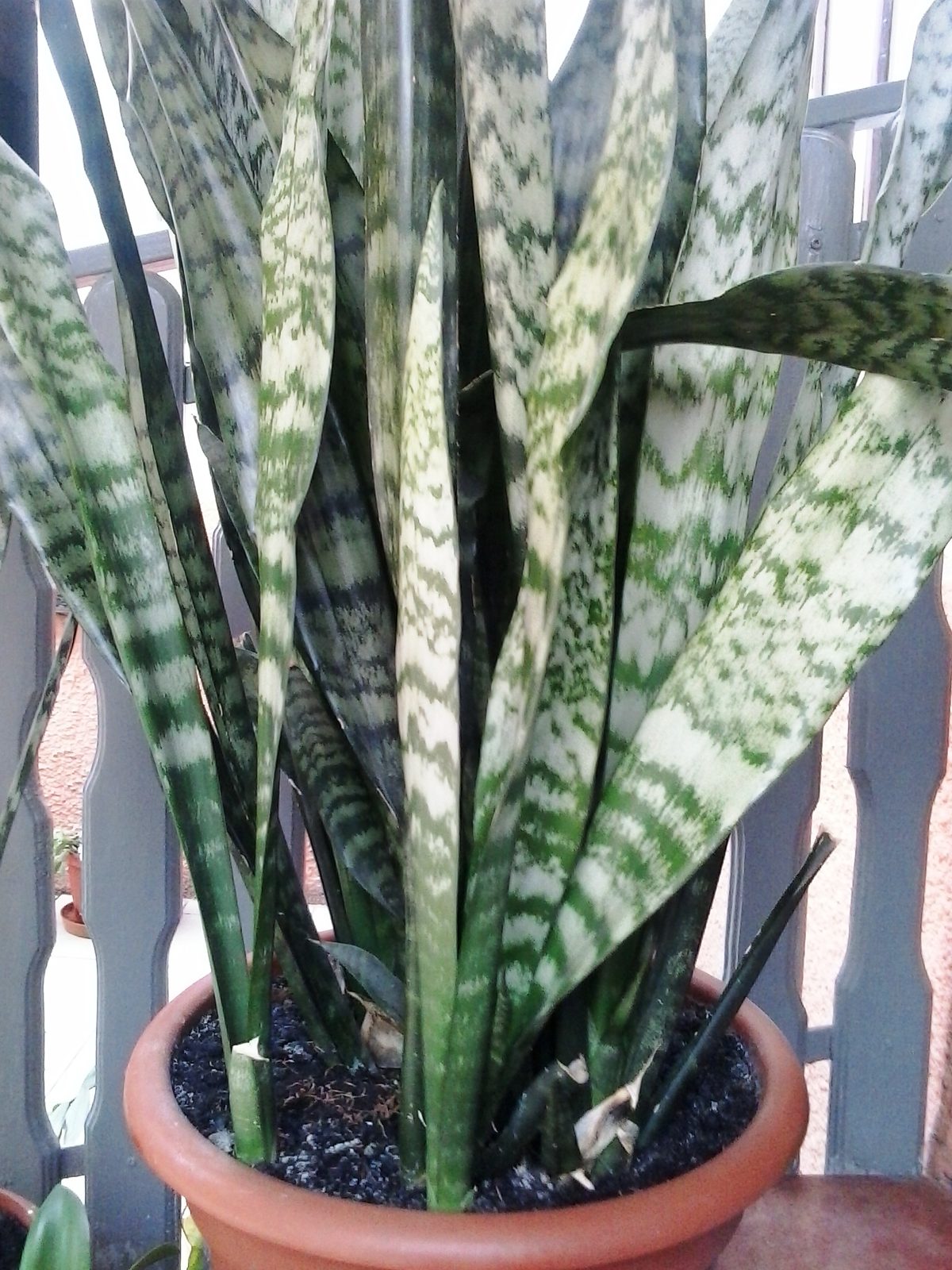
Snake Plant
Dracaena trifasciata
Bright, indirect light; tolerates low light · Part shade · Zones 10a–12b
-
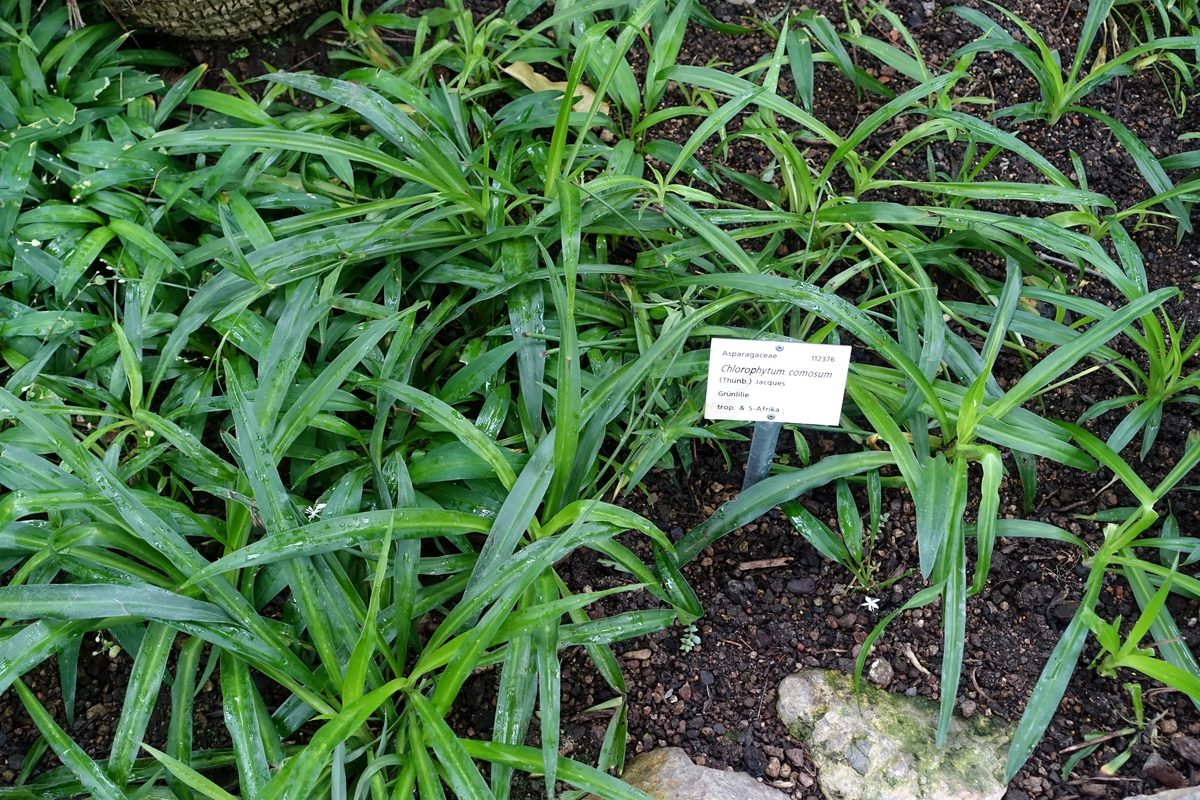
Spider Plant
Chlorophytum comosum
Medium light; tolerates low light and bright, indirect light · Part shade and full shade (part shade preferred) · Zones 9a–11b
-
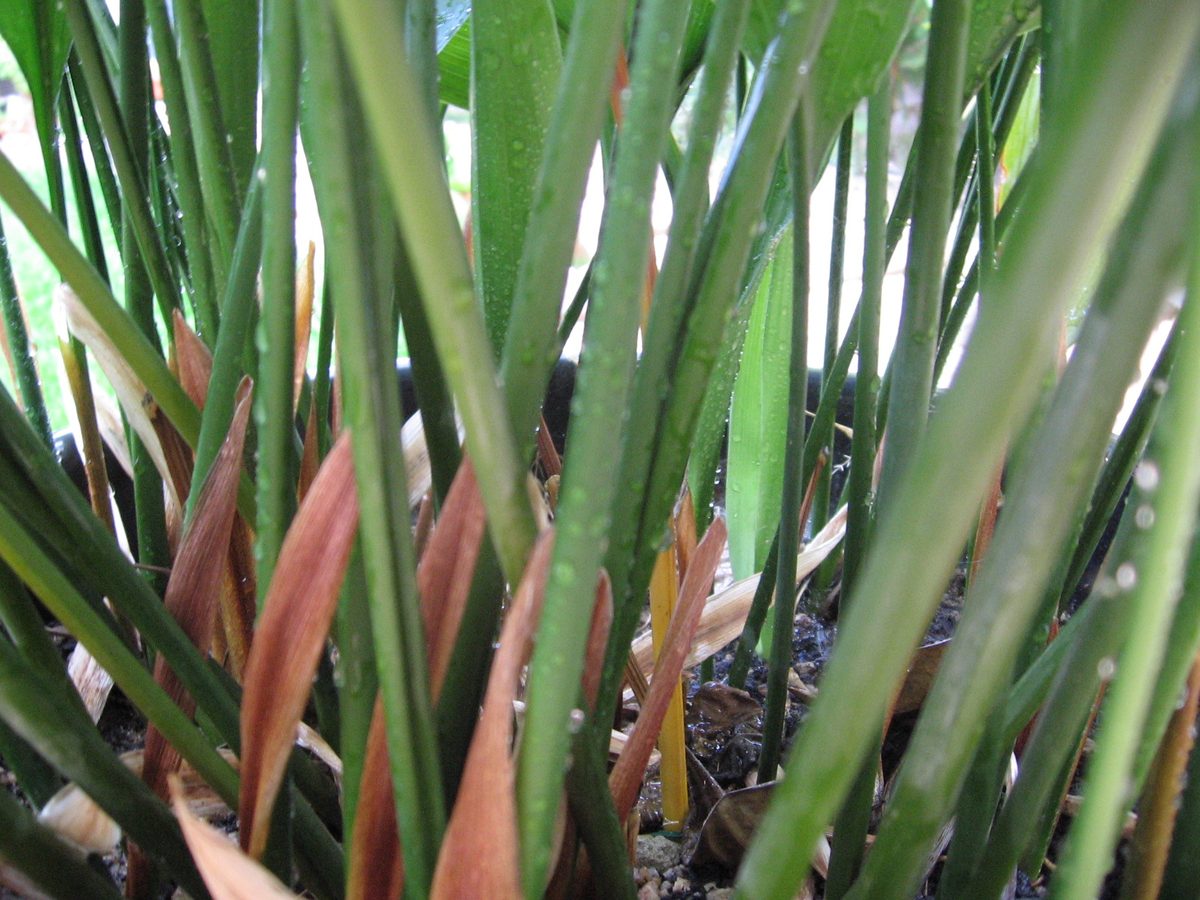
Cast Iron Plant
Aspidistra elatior
Low light · Part shade and full shade (part shade preferred) · Zones 7a–11b
-
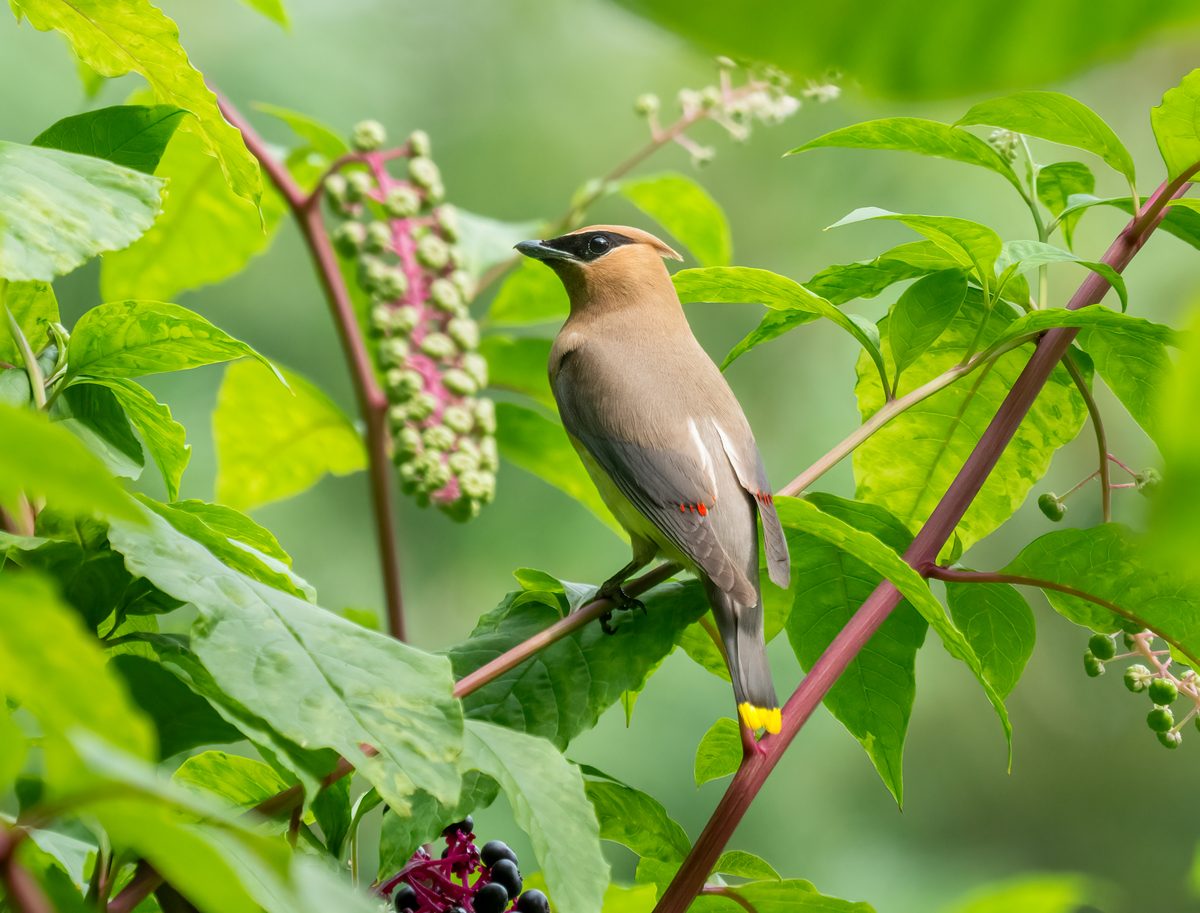
American Pokeweed
Phytolacca americana
Full sun and part shade (full sun preferred) · Zones 4a–8b · 4–10 ft (1.22–3.05 m)
-
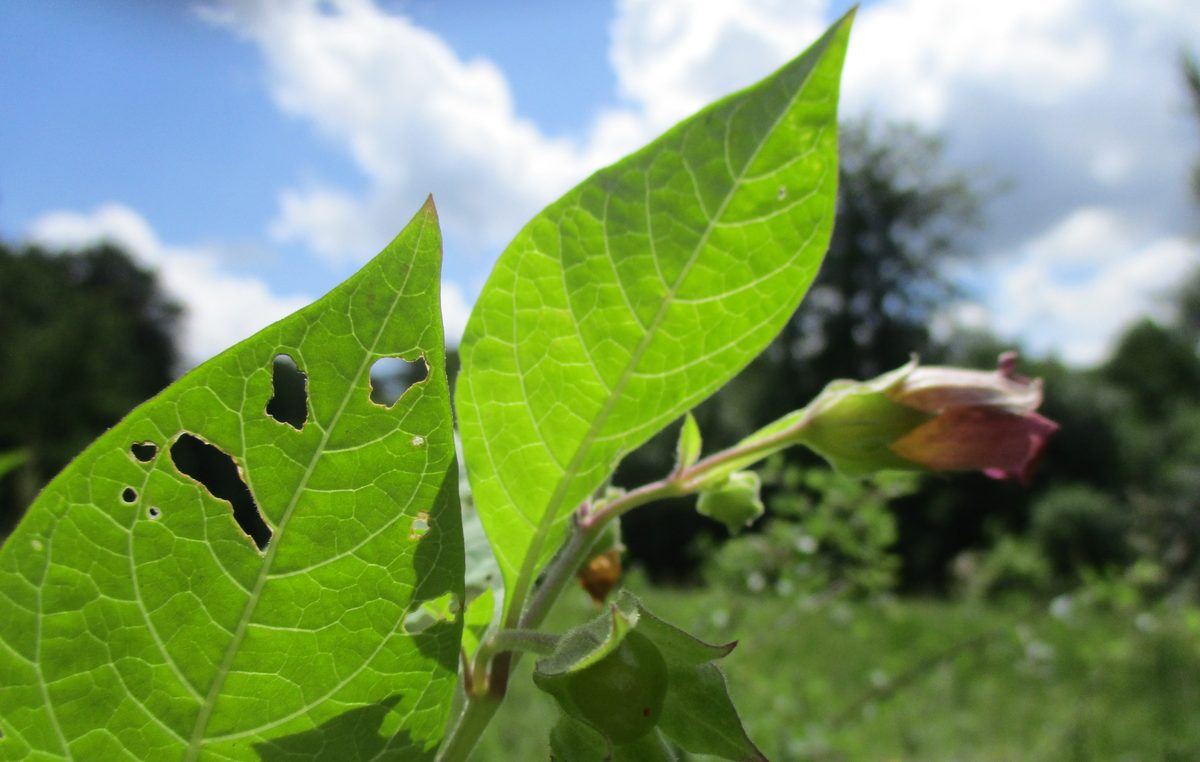
Belladonna
Atropa bella-donna
Full sun and part shade (full sun preferred) · Zones 5a–9b · 3–4 ft (0.91–1.22 m)
-
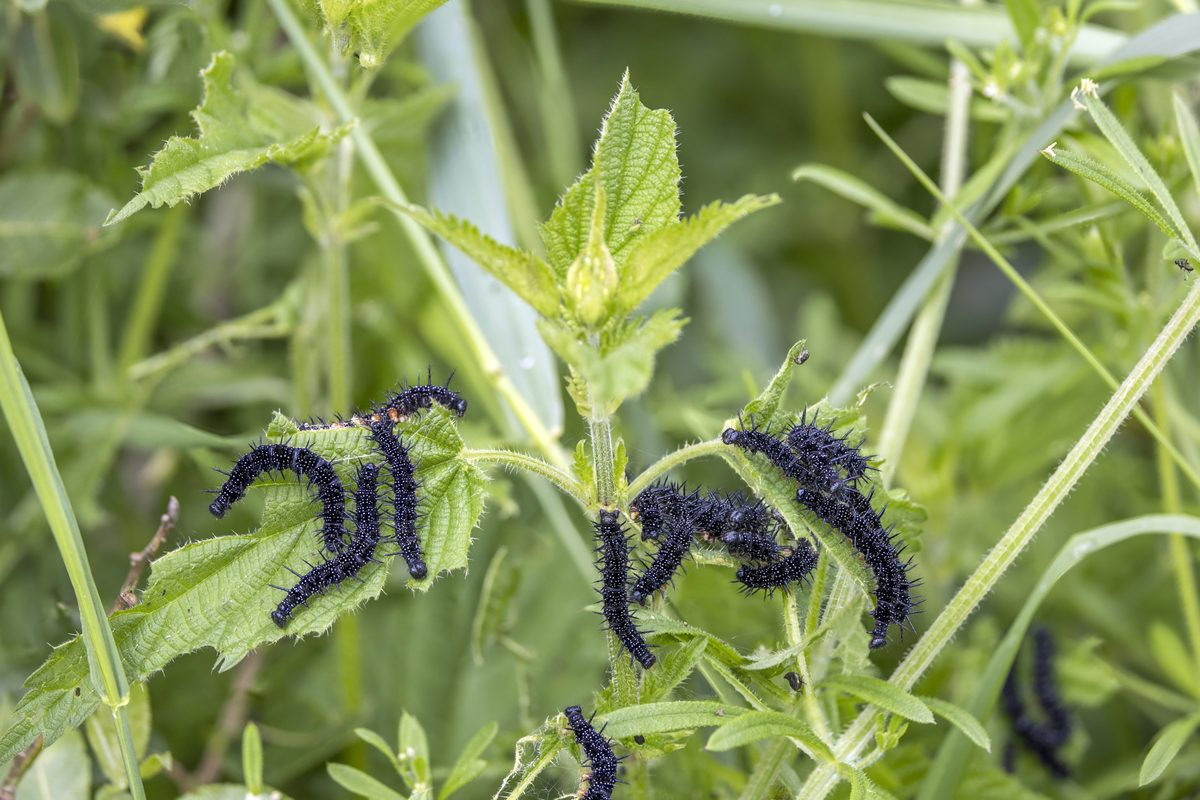
Stinging Nettle
Urtica dioica
Full sun, part shade and full shade (full sun preferred) · Zones 4a–10b · 10 ft (3.05 m)
-

-
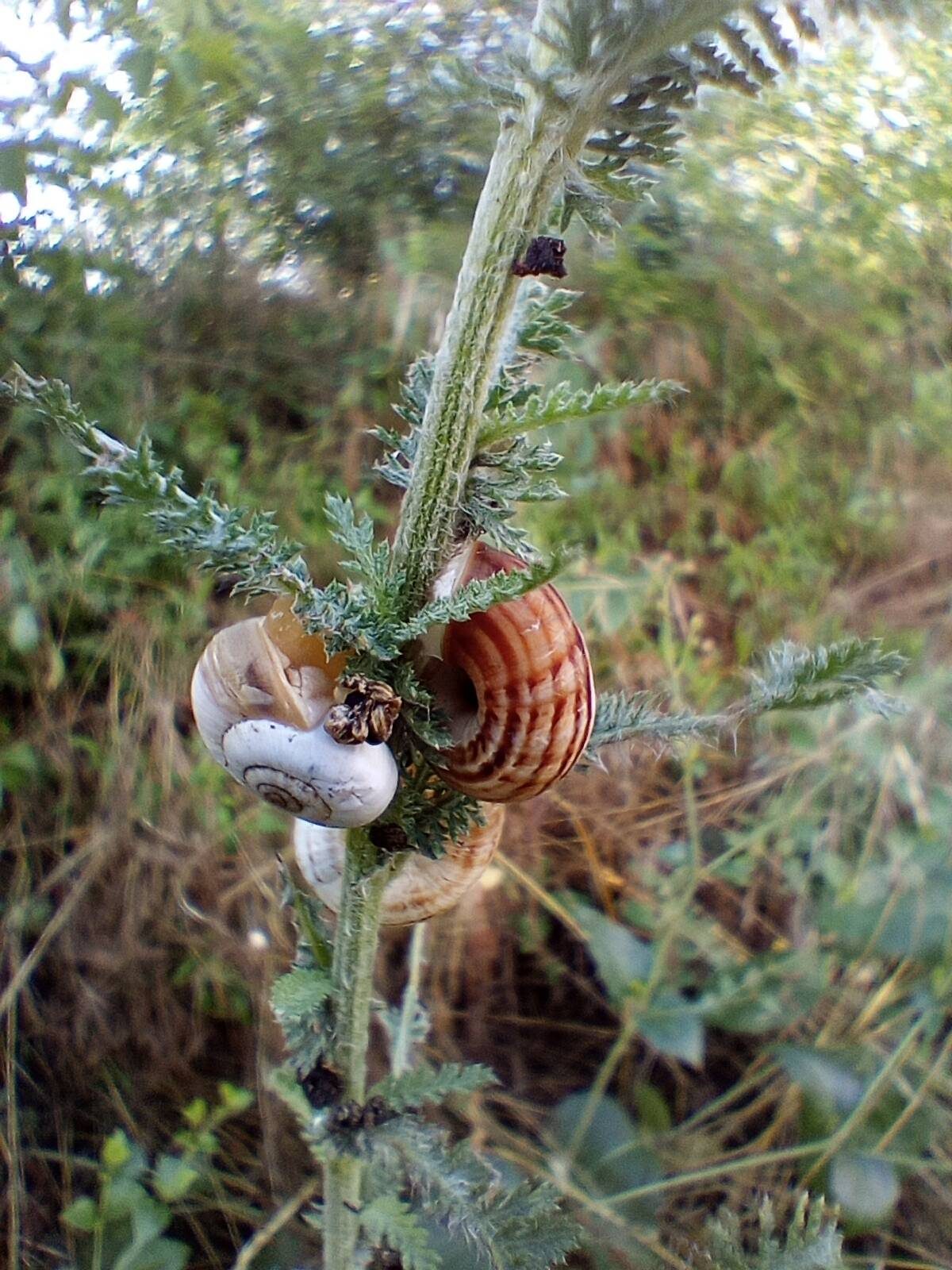
Common Yarrow
Achillea millefolium
Full sun and part shade (full sun preferred) · Zones 3a–9b · 1–3.3 ft (0.3–1 m)
-
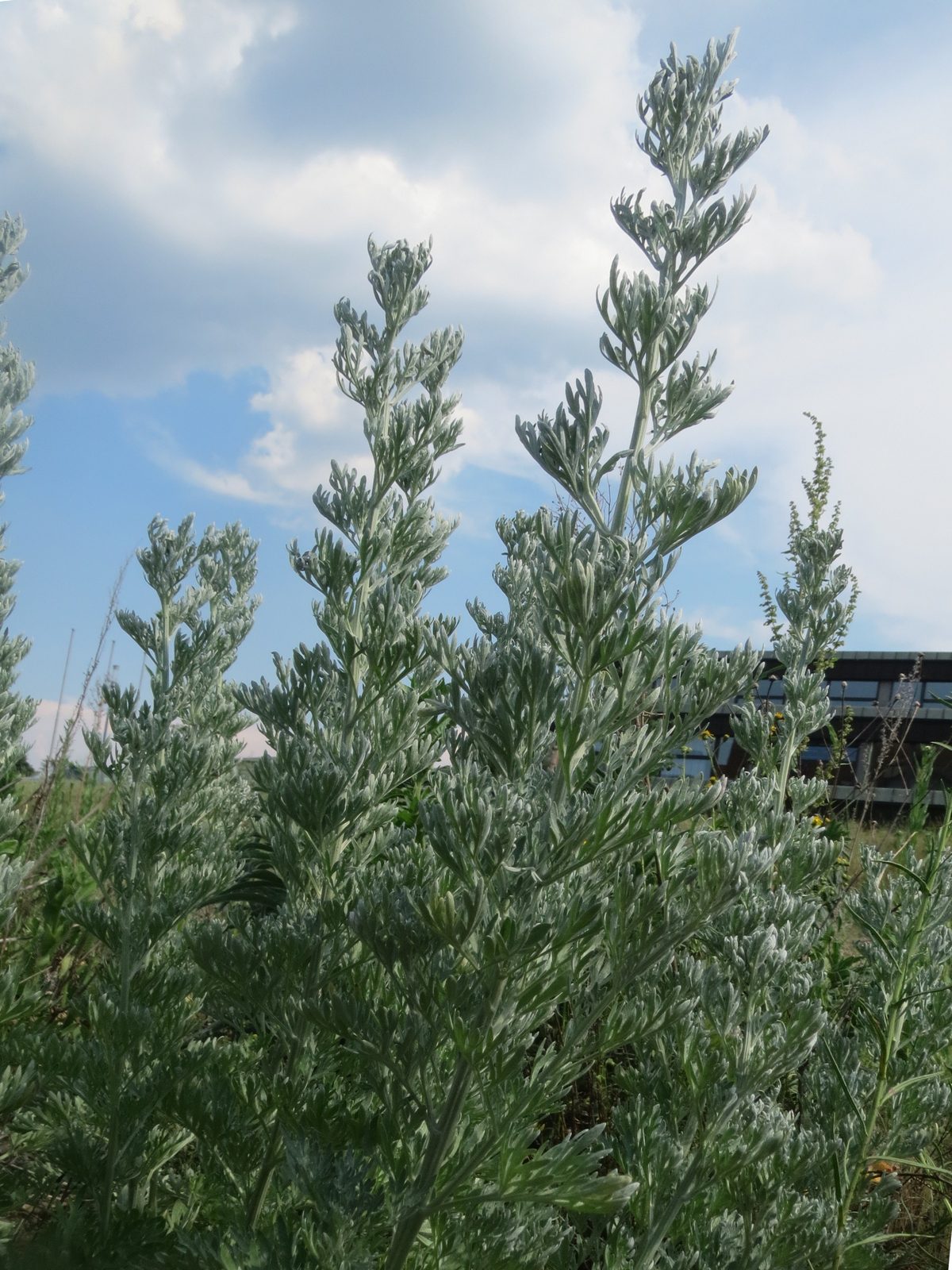
Absinthium
Artemisia absinthium
Full sun and part shade (full sun preferred) · Zones 3a–9b · 1.3–5 ft (0.4–1.52 m)
-
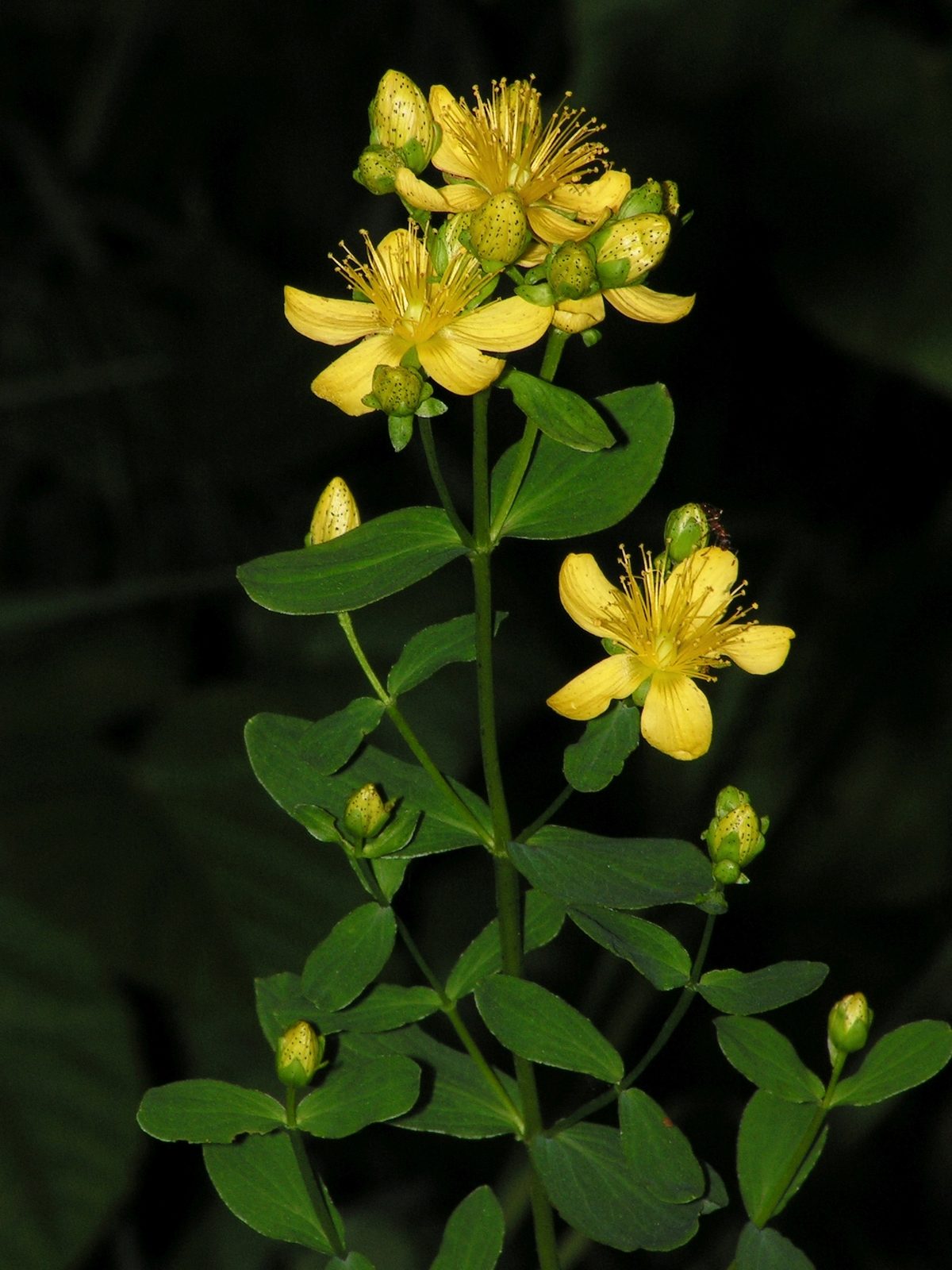
Common St. Johnswort
Hypericum perforatum
Full sun and part shade (full sun preferred) · Zones 3a–8b · 1–3.3 ft (0.3–1 m)
-

Japanese Knotweed
Reynoutria japonica
Full sun and part shade (full sun preferred) · Zones 5a–5b · 10–13 ft (3.05–3.96 m)
-
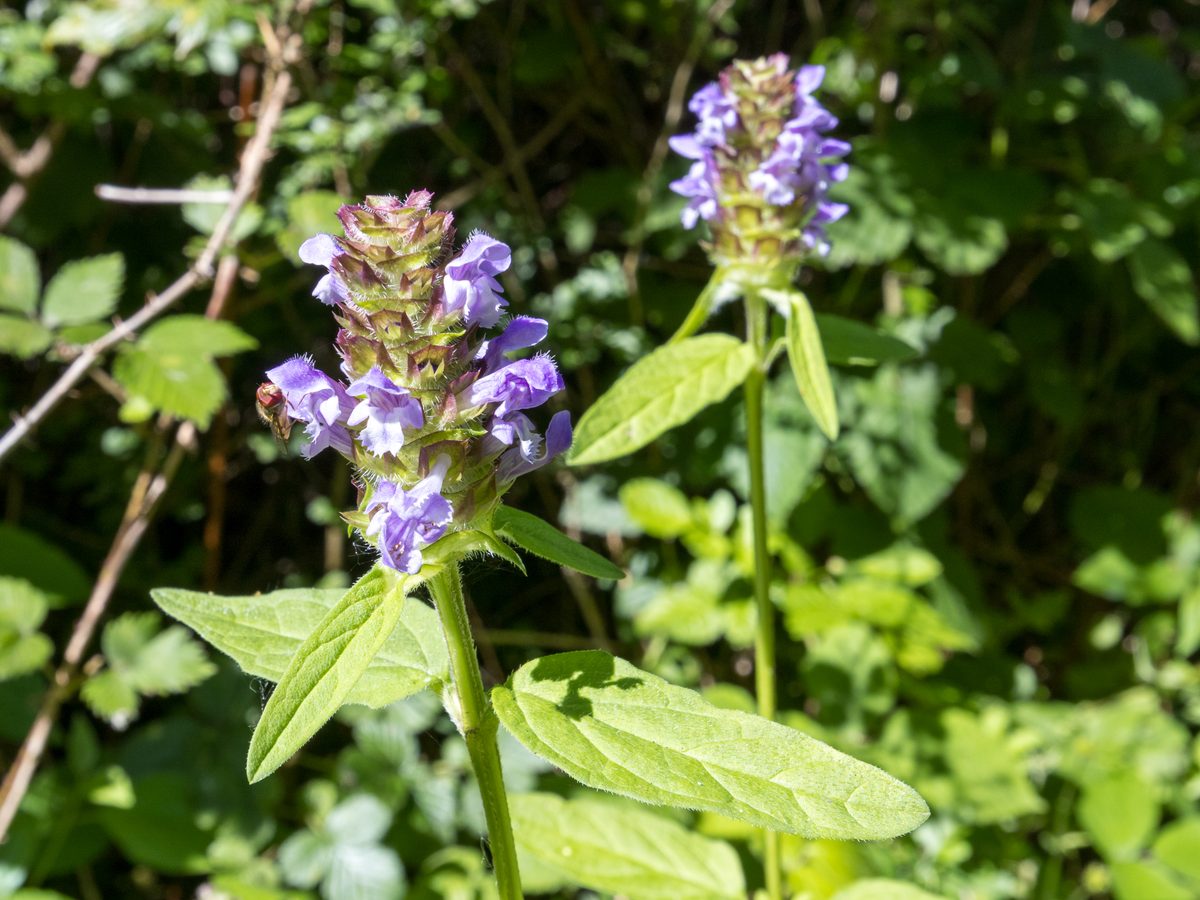
Common Selfheal
Prunella vulgaris
Full sun and part shade (full sun preferred) · Zones 3a–9b · 1.7 ft (0.51 m)
-
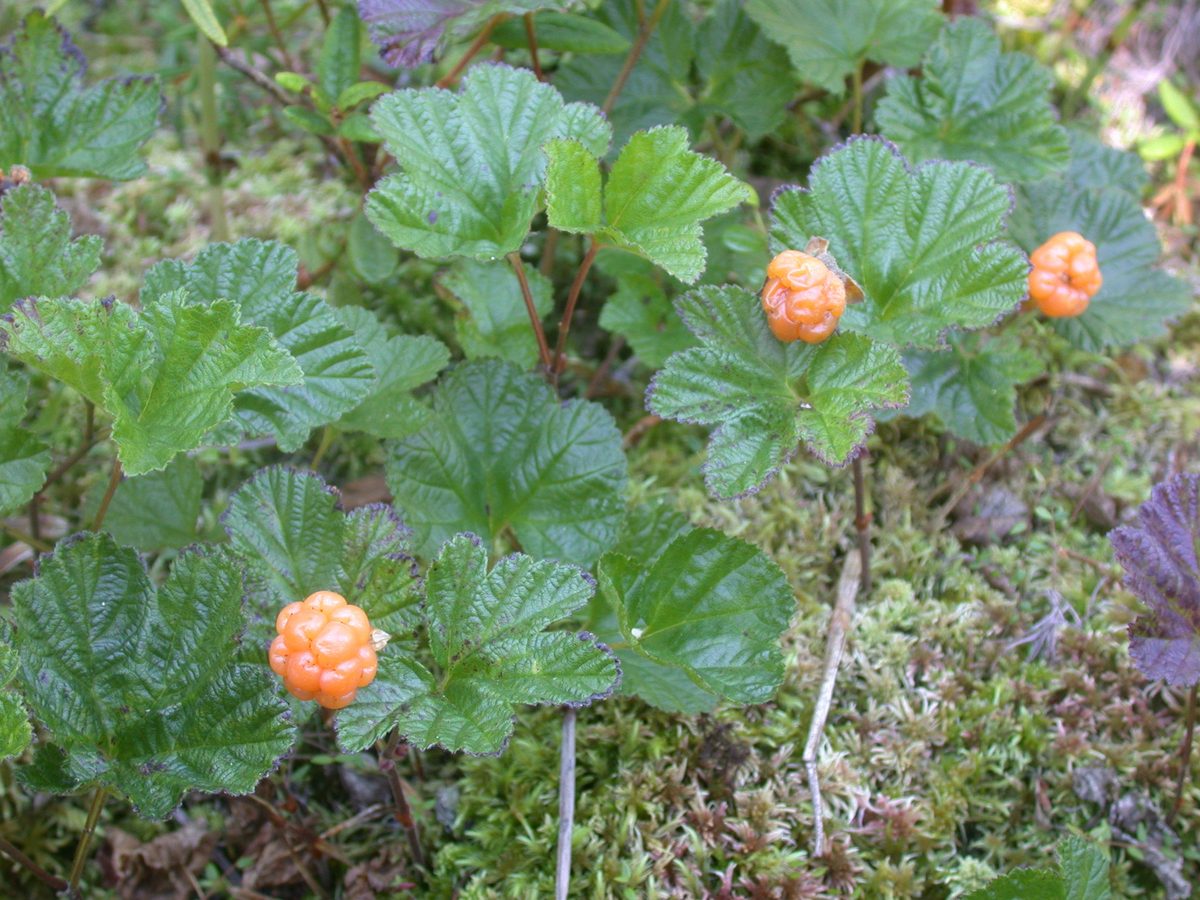
Cloudberry
Rubus chamaemorus
Full sun and part shade (full sun preferred) · 1 ft (0.3 m)
-
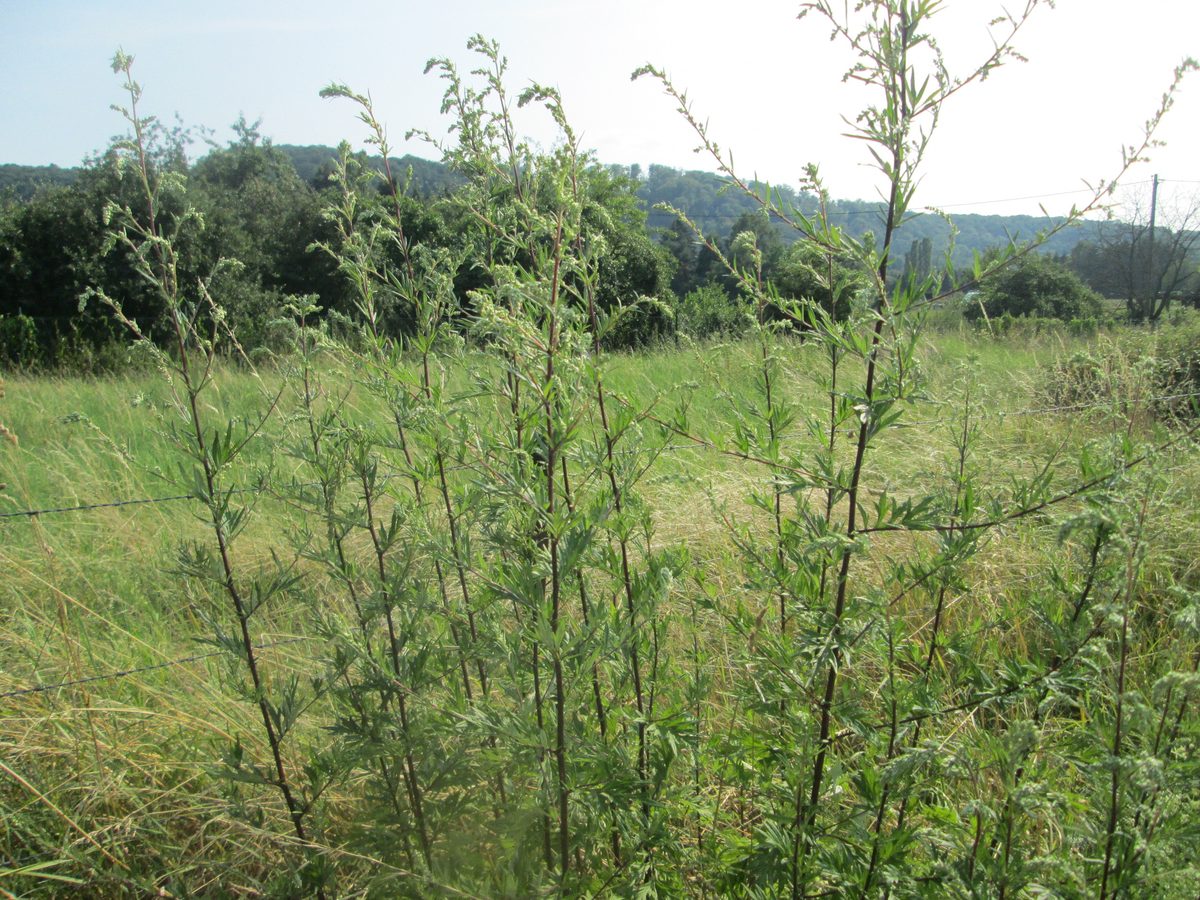
Common Wormwood
Artemisia vulgaris
Full sun and part shade (full sun preferred) · Zones 3a–8b · 2–6 ft (0.61–1.83 m)
-
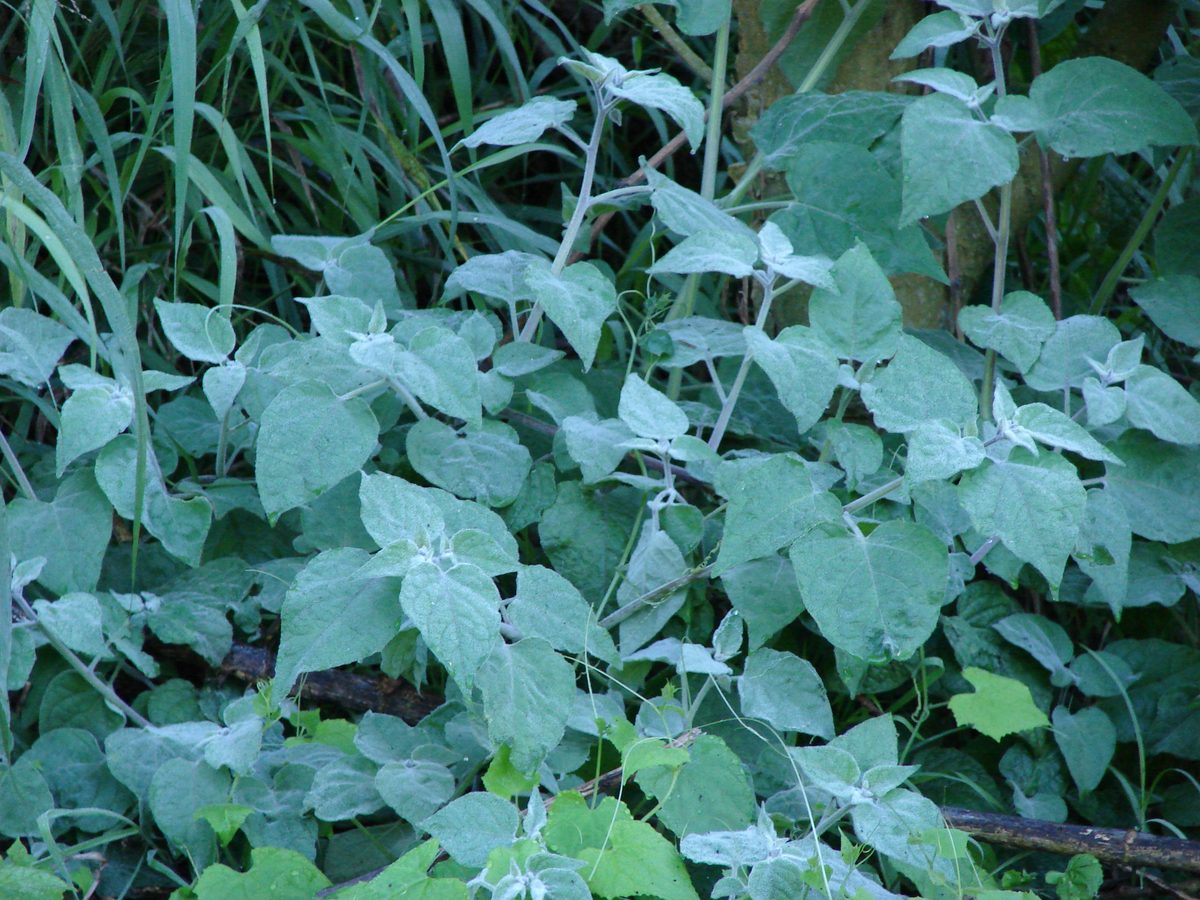
-
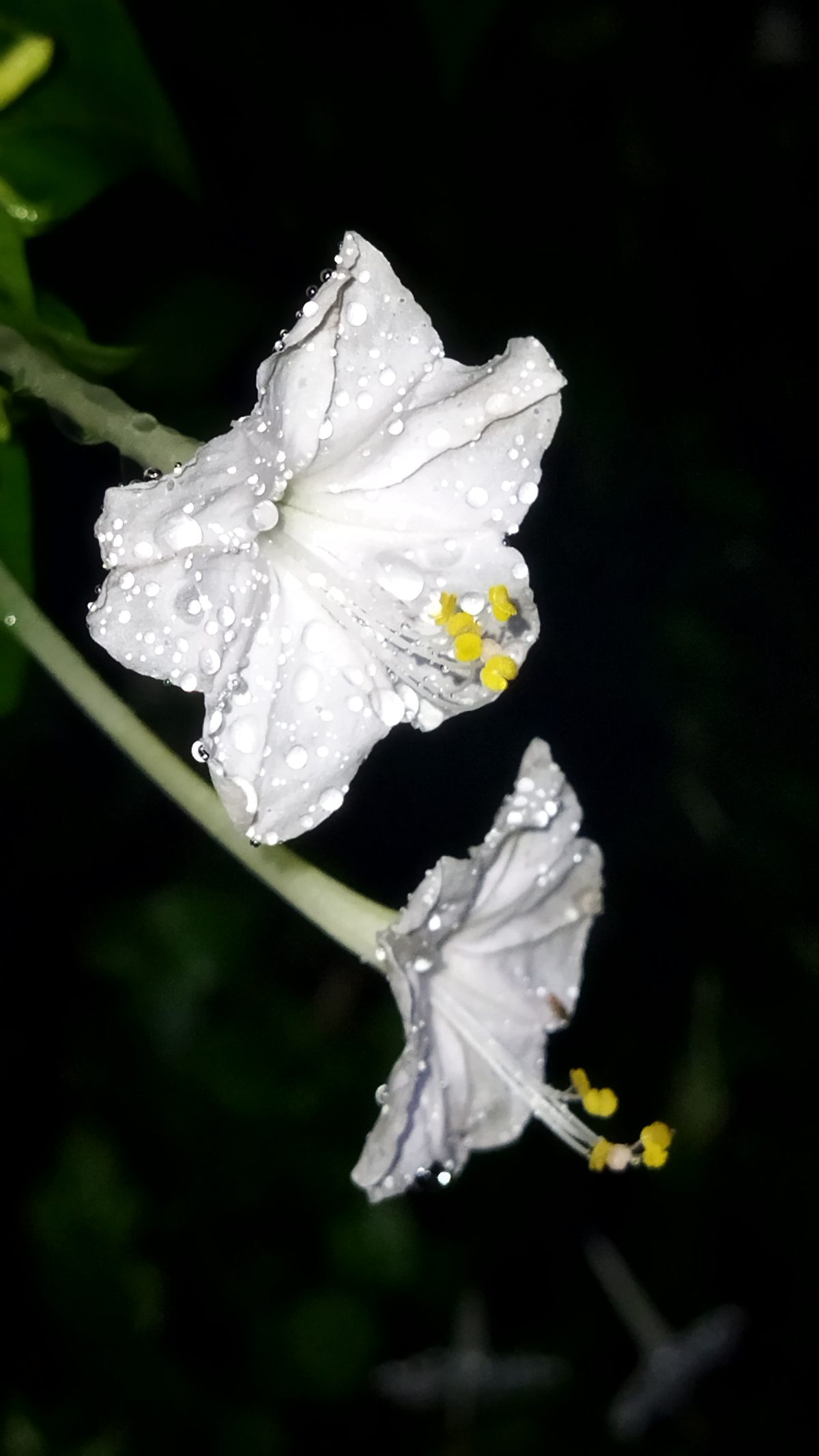
Marvel of Peru
Mirabilis jalapa
Full sun and part shade (full sun preferred) · Zones 9a–10b · 2–3 ft (0.61–0.91 m)
-
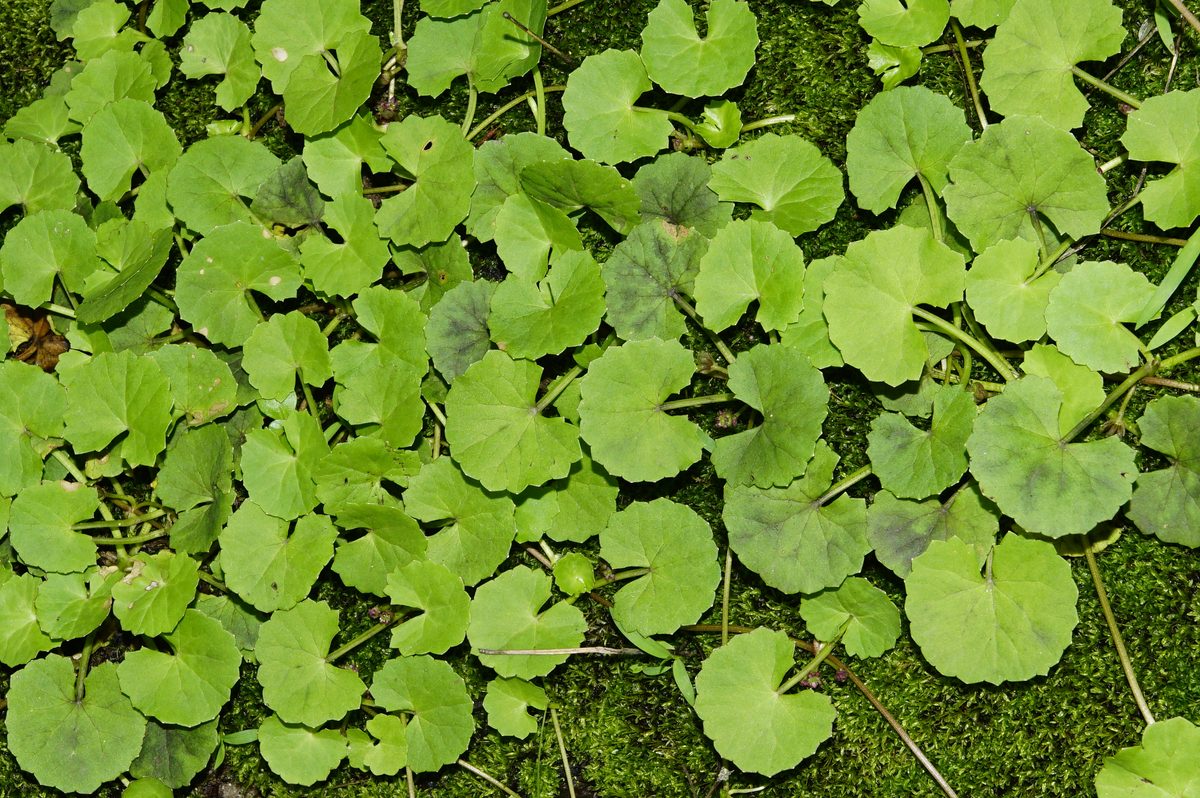
Spadeleaf
Centella asiatica
Full sun and part shade (full sun preferred) · Zones 10a–11b
-
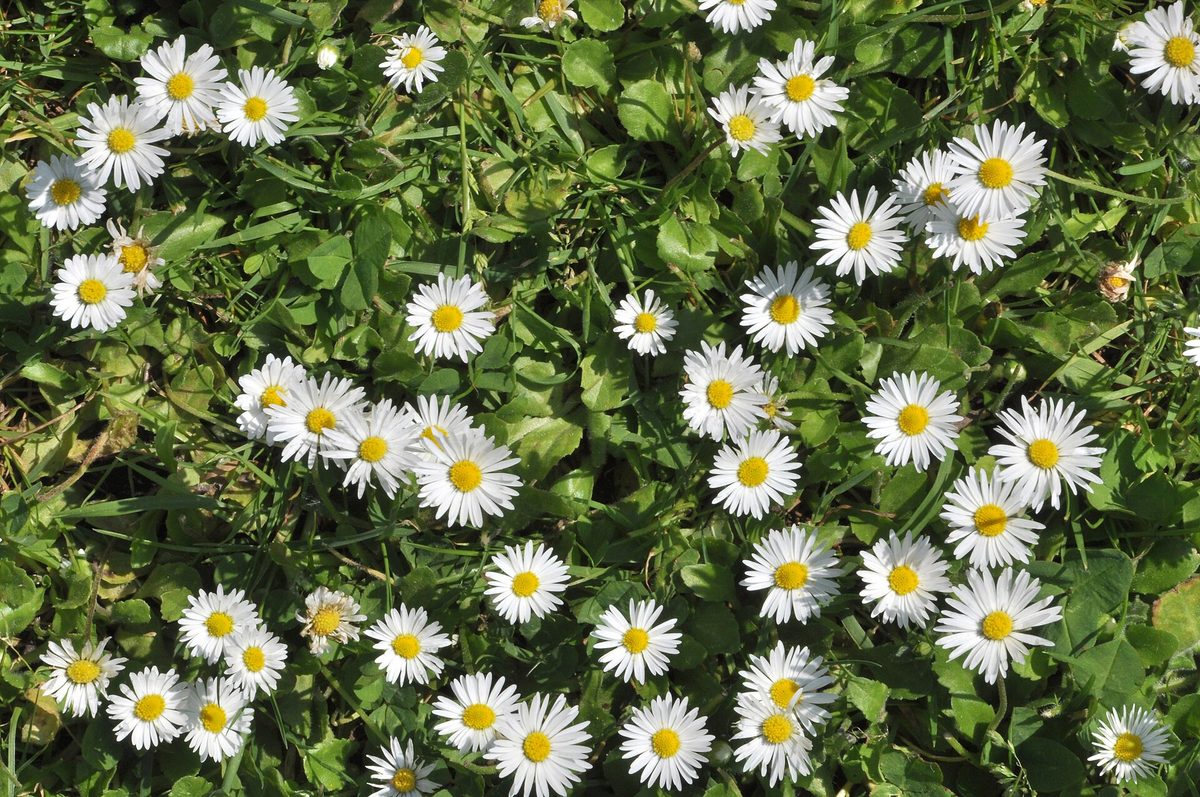
Lawndaisy
Bellis perennis
Full sun and part shade (full sun preferred) · Zones 4a–8b · 0.3–0.5 ft (0.08–0.15 m)
-
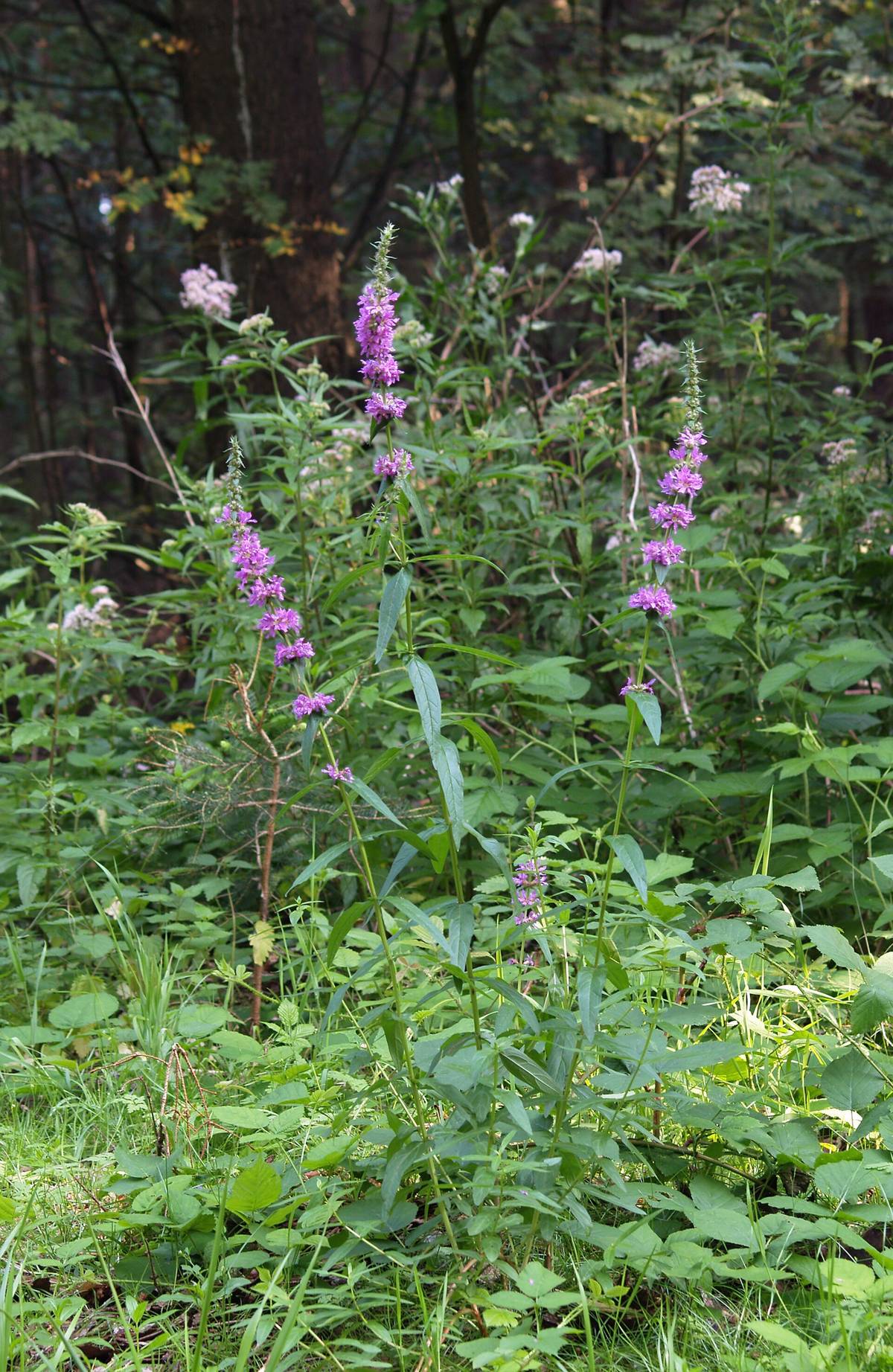
Purple Loosestrife
Lythrum salicaria
Full sun · Zones 3a–9b · 3–7 ft (0.91–2.13 m)
-
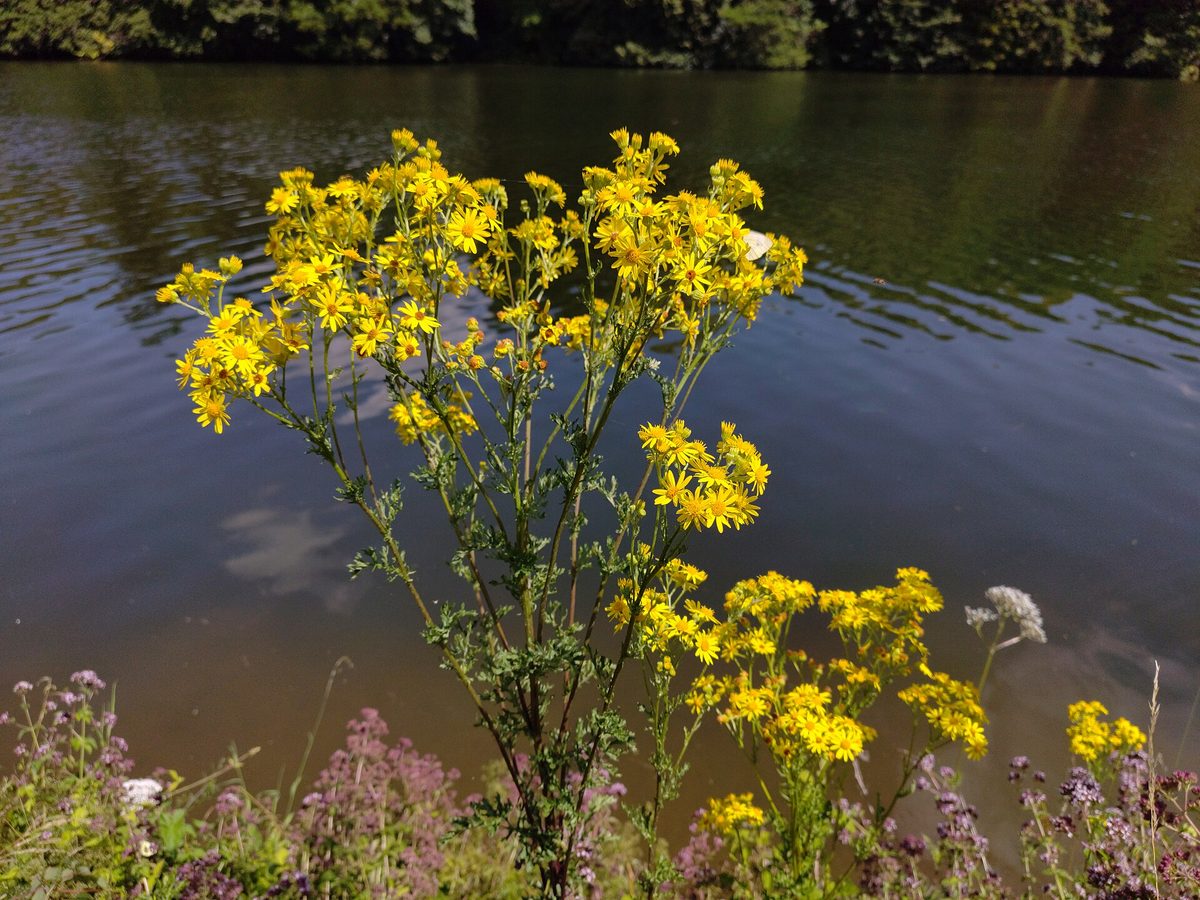
Stinking Willie
Jacobaea vulgaris
-
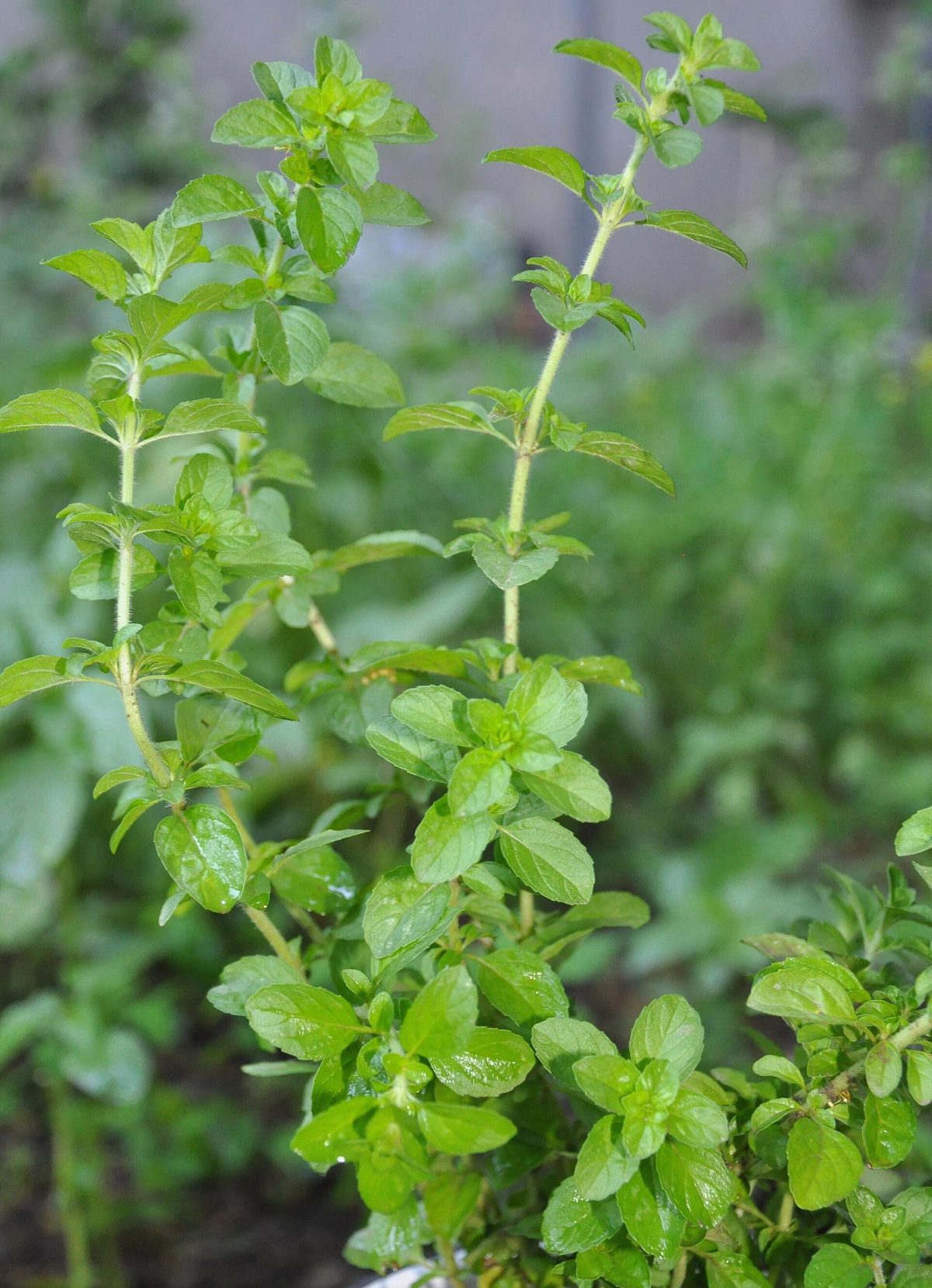
Pennyroyal
Mentha pulegium
-
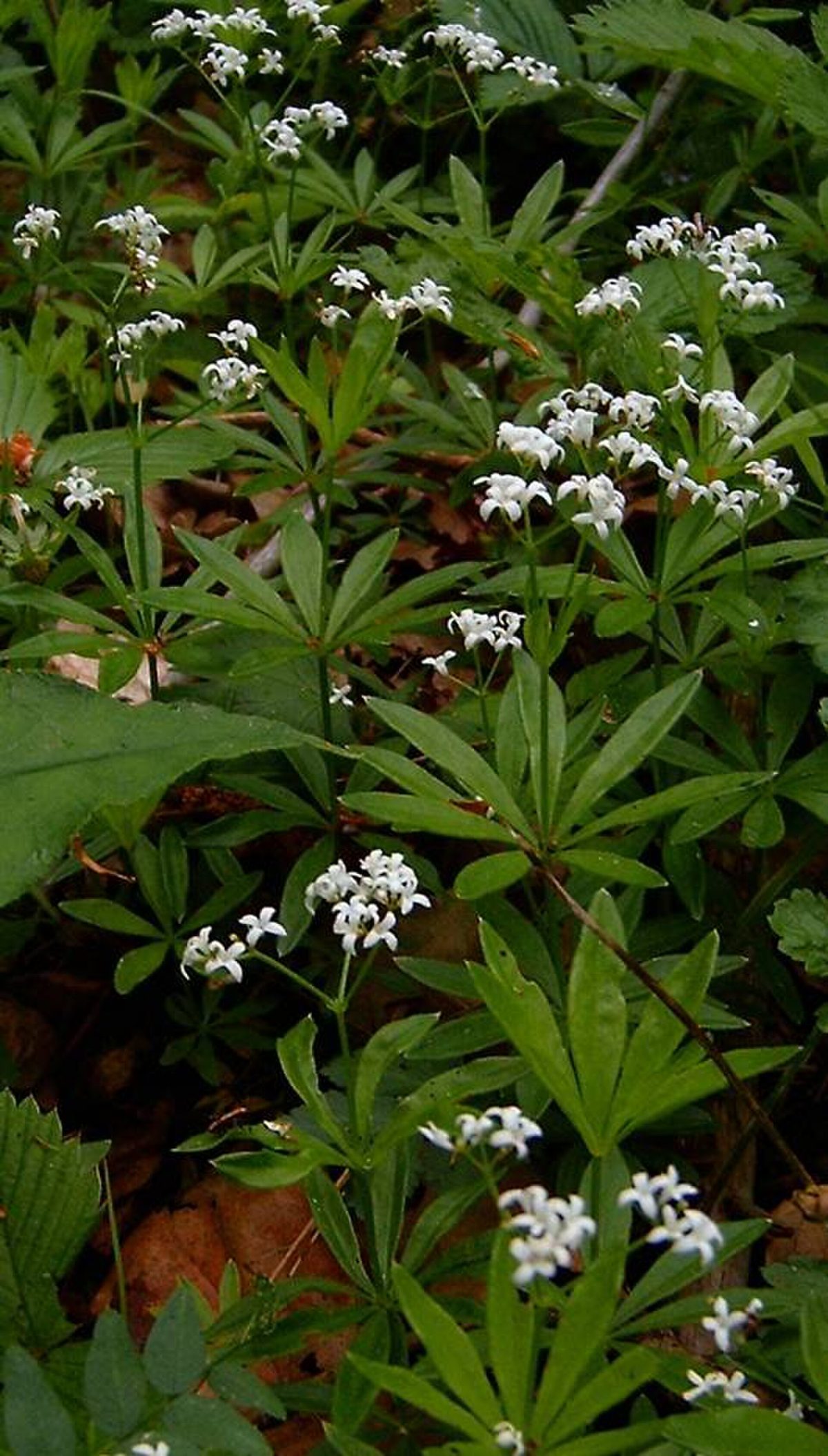
Sweetscented Bedstraw
Galium odoratum
Part shade and full shade (part shade preferred) · Zones 4a–8b · 0.5–1 ft (0.15–0.3 m)
-
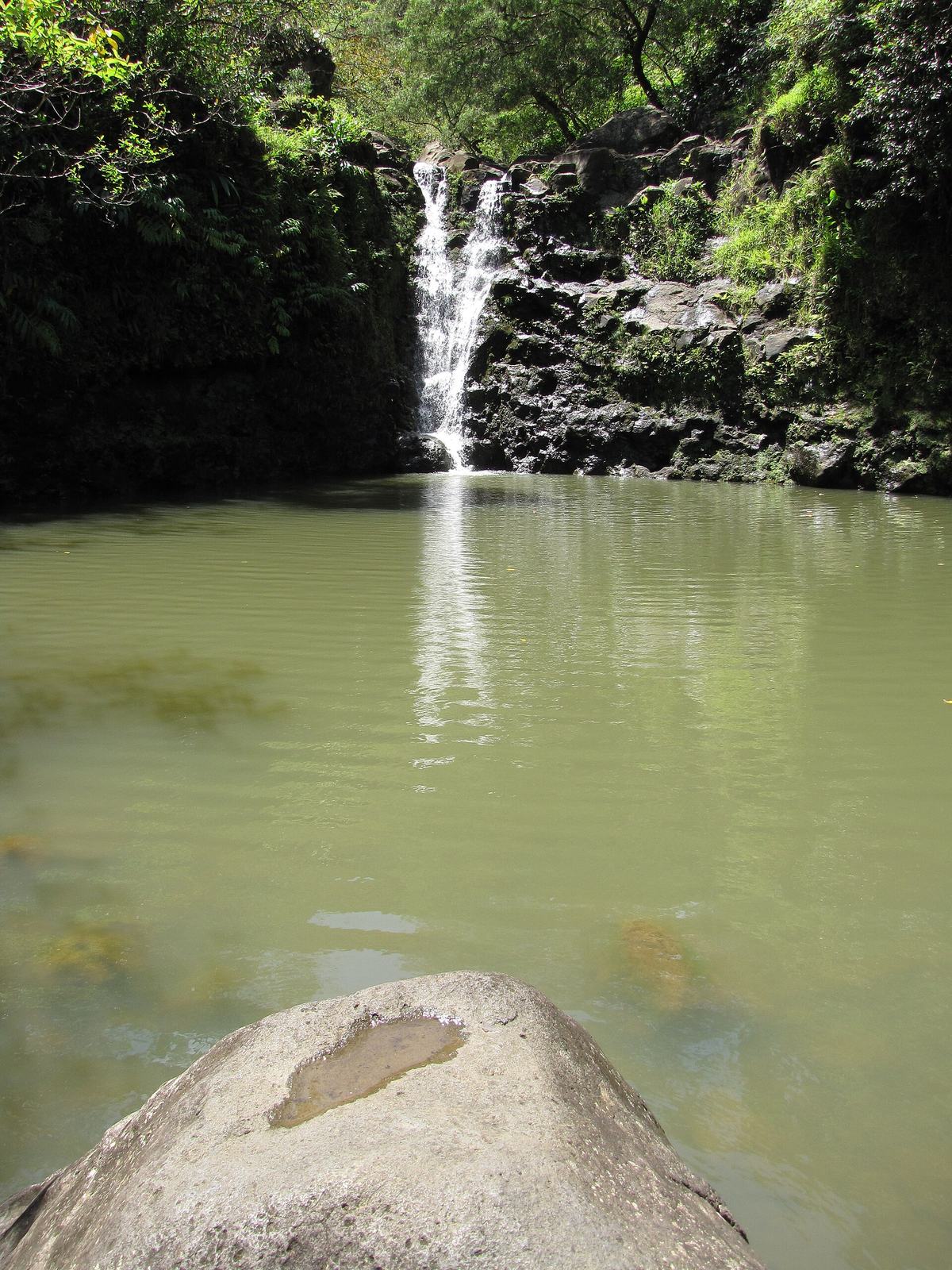
Bitter Ginger
Zingiber zerumbet
Part shade and full shade (part shade preferred) · Zones 8a–10b · 4–6 ft (1.22–1.83 m)
-
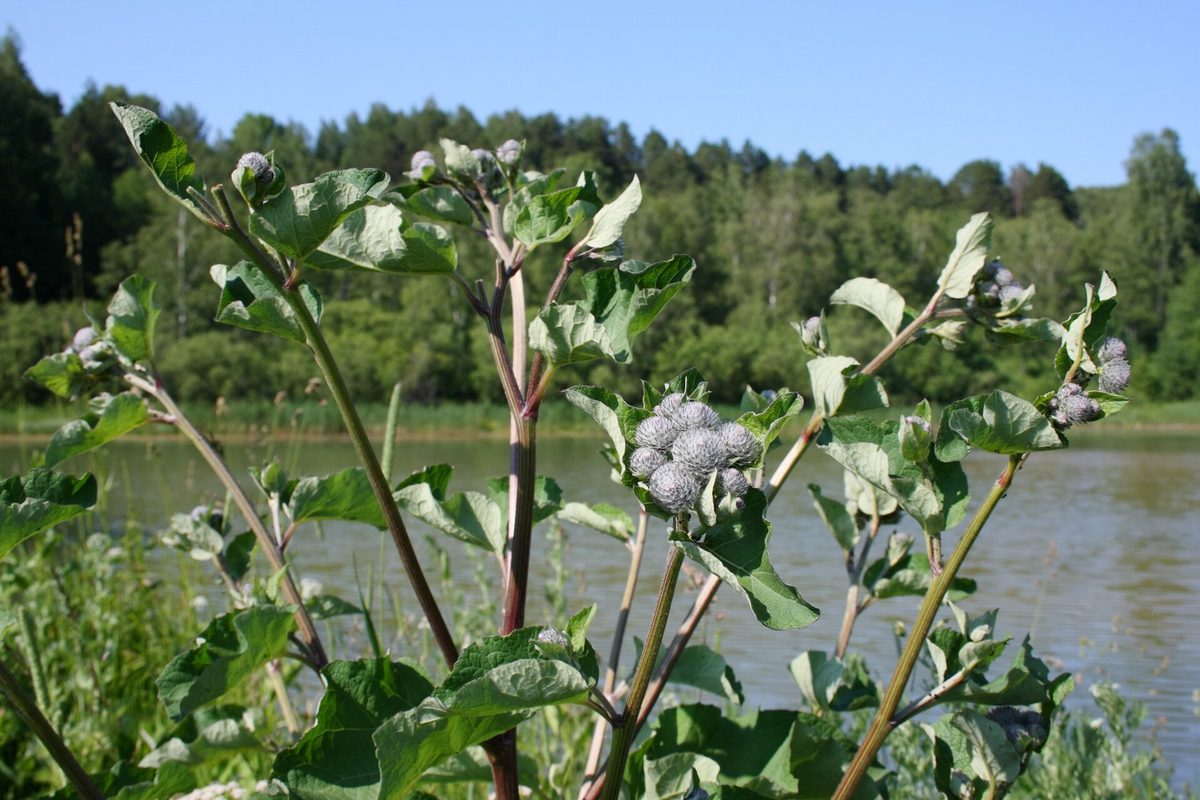
Greater Burdock
Arctium lappa
Full sun and part shade (full sun preferred) · Zones 3a–10b · 2–10 ft (0.61–3.05 m)
How to choose
Start by deciding what role you want a perennial to play, since this list runs from garden staples to wetland and weedy species. Some names here are picked on purpose for a border or a pond. Others are plants you only need to recognize, since they showed up without an invitation. Decide which kind you are looking for before you scroll through the full list. Next, check whether cats or dogs live in your house, since several plants on this list carry a toxicity note on their own page. Open that page before you plant anything a pet can reach. Once you have a short list of names, open each plant's own page rather than relying on this one. That is where the details on light, water, soil, and size live, since this page only tells you who belongs on the list and why. Not every name here has a finished page yet, so check back if the one you want still shows as not yet published.
All perennials, A to Z
Filter all 48 Perennials plants →
- Absinthium Artemisia absinthium
- Adam's Needle Yucca filamentosa
- American Pokeweed Phytolacca americana
- Baby Rubberplant Peperomia obtusifolia
- Bear's Breech Acanthus mollis
- Belladonna Atropa bella-donna
- Bishop's Goutweed Aegopodium podagraria
- Black Baneberry Actaea racemosa
- Blue Giant Hyssop Agastache foeniculum
- Butterfly Milkweed Asclepias tuberosa
- Calamus Acorus calamus
- Canada Goldenrod Solidago canadensis
- Cardinalflower Lobelia cardinalis
- Cast Iron Plant Aspidistra elatior
- Chameleon Houttuynia cordata
- Common Asparagus Fern Asparagus setaceus
- Common Comfrey Symphytum officinale
- Common Cowparsnip Heracleum maximum
- Common Milkweed Asclepias syriaca
- Common St. Johnswort Hypericum perforatum
- Common Wormwood Artemisia vulgaris
- Common Yarrow Achillea millefolium
- Daylily Hemerocallis fulva
- Dracaena masoniana Dracaena masoniana
- Greater Burdock Arctium lappa
- Indian Strawberry Potentilla indica
- Indianhemp Apocynum cannabinum
- Japanese Knotweed Reynoutria japonica
- Lawndaisy Bellis perennis
- New England Aster Symphyotrichum novae-angliae
- Oxeye Daisy Leucanthemum vulgare
- Papyrus Cyperus papyrus
- Peace Lily Spathiphyllum wallisii
- Peruvian Groundcherry Physalis peruviana
- Purple Coneflower Echinacea purpurea
- Purpletop Vervain Verbena bonariensis
- Queen of the Meadow Filipendula ulmaria
- Red Clover Trifolium pratense
- Sacred Lotus Nelumbo nucifera
- Snake Plant Dracaena trifasciata
- Spider Plant Chlorophytum comosum
- Stinging Nettle Urtica dioica
- Sweetscented Bedstraw Galium odoratum
- Sweetscented Joe Pye Weed Eutrochium purpureum
- White Clover Trifolium repens
- Wild Bergamot Monarda fistulosa
- Woodland Strawberry Fragaria vesca
- Zamioculcas zamiifolia Zamioculcas zamiifolia
Photo credits
- Snake Plant photo by Ujlak, CC BY-SA 3.0 via Wikimedia Commons
- Spider Plant photo by Daderot, CC0 via Wikimedia Commons
- Cast Iron Plant photo by Digigalos, CC BY-SA 3.0 via Wikimedia Commons
- American Pokeweed photo by Rhododendrites, CC BY-SA 4.0 via Wikimedia Commons
- Belladonna photo by Wikimedia Commons contributor, CC0 via Wikimedia Commons
- Stinging Nettle photo by Wikimedia Commons contributor, CC BY-SA 4.0 via Wikimedia Commons
- Sacred Lotus photo by Basile Morin, CC BY-SA 4.0 via Wikimedia Commons
- Common Yarrow photo by Natalka Ukraine (baby-bear.org), CC BY 4.0 via Wikimedia Commons
- Absinthium photo by Wikimedia Commons contributor, CC0 via Wikimedia Commons
- Common St. Johnswort photo by Bff, CC BY-SA 4.0 via Wikimedia Commons
- Japanese Knotweed photo by AnRo0002, CC0 via Wikimedia Commons
- Common Selfheal photo by JackyM59, CC BY-SA 4.0 via Wikimedia Commons
- Cloudberry photo by Wikimedia Commons contributor, CC BY-SA 4.0 via Wikimedia Commons
- Common Wormwood photo by Wikimedia Commons contributor, CC0 via Wikimedia Commons
- Peruvian Groundcherry photo by Forest & Kim Starr, CC BY 3.0 via Wikimedia Commons
- Marvel of Peru photo by Nativeplants garden, CC BY-SA 4.0 via Wikimedia Commons
- Spadeleaf photo by Vengolis, CC BY-SA 4.0 via Wikimedia Commons
- Lawndaisy photo by Marc Ryckaert (MJJR), CC BY 3.0 via Wikimedia Commons
- Purple Loosestrife photo by Jörg Hempel, CC BY-SA 3.0 via Wikimedia Commons
- Stinking Willie photo by DidierFy, CC BY-SA 4.0 via Wikimedia Commons
- Pennyroyal photo by Lazaregagnidze, CC BY-SA 4.0 via Wikimedia Commons
- Sweetscented Bedstraw photo by I.Sáček, senior, Public domain via Wikimedia Commons
- Bitter Ginger photo by Forest and Kim Starr, CC BY 3.0 via Wikimedia Commons
- Greater Burdock photo by Ilya Plekhanov, CC BY-SA 3.0 via Wikimedia Commons


How this page was made
- Written with AI assistance from the sources listed on this page. AI is never the source of a fact.