Rosemary (Salvia rosmarinus)
Formerly Rosmarinus officinalis, Rosmarinus palaui, Rosmarinus rigidus
Keep rosemary alive by giving it full sun and watering from dry to medium. Part shade is also listed for outdoor plants. The ASPCA lists rosemary as non-toxic to both cats and dogs. It is an evergreen shrub that reaches 4–5 ft (1.22–1.52 m) tall.
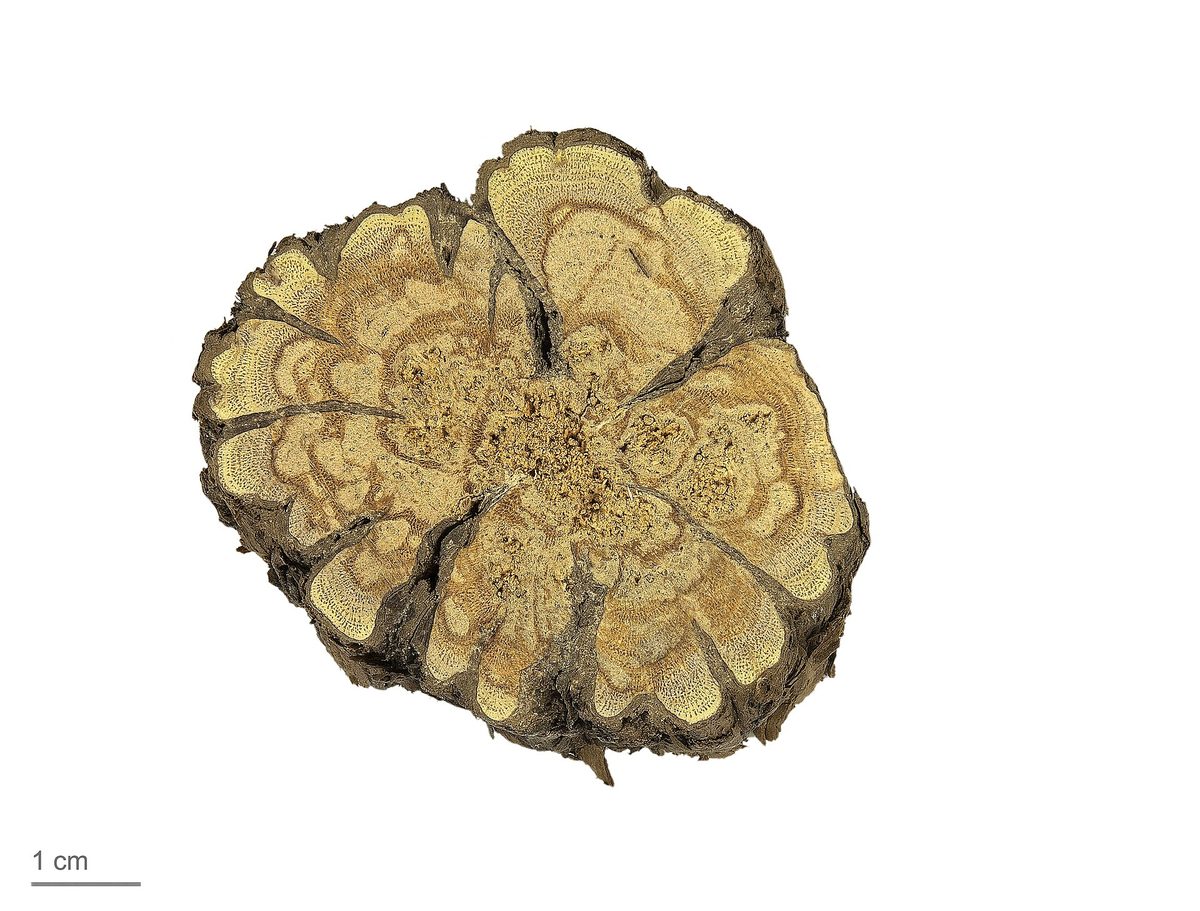
Photo: Roger Culos, CC BY-SA 4.0 via Wikimedia Commons

Quick facts
| Light: | Full sun and part shade (full sun preferred)12342 |
|---|---|
| Water: | Dry to medium13 |
| Soil: | Well drained, moist and occasionally dry; pH 6–71245 |
| Hardiness: | Zones 8a–10b144 |
| Size: | 4–5 ft (1.22–1.52 m) × 3–4 ft (0.91–1.22 m)11 source |
| Growth rate: | Moderate11 source |
| Bloom: | Mar–Aug, Blue, pink and white12Not documented by major sources |
| Cats: | Non-toxic to cats 89 |
| Dogs: | Non-toxic to dogs 89 |
| Family: | Lamiaceae |
How much light does a Rosemary need?
Full sun means six or more hours of direct sunlight a day, and it is the preferred exposure for rosemary outdoors. Part shade is also listed as acceptable. Place the plant in full sun in well-drained soil. Indoors, rosemary needs abundant light, at least six hours of direct sunlight.
How often to water a Rosemary
Dry to medium is the water range listed for rosemary. The soil it grows in can be moist or occasionally dry, as long as it is well drained. It is also described as highly salt and drought tolerant. Root rot is among its common diseases, and botrytis blight is another.
Best soil for a Rosemary
Choose well-drained soil, which may be moist at times and occasionally dry. A pH of 6 to 7 is the range given for rosemary. That soil should also contain a moderate amount of organic matter. In the ground, full sun and well-drained soil are the pairing named. Soil moisture can range from dry to medium.
Hardiness and temperature
Zones 8a through 10b are the USDA hardiness zones listed for rosemary. Zone 8a is the coldest zone listed and 10b is the warmest. Penn State Extension describes it as a tender perennial evergreen shrub for zones 8 to 10. It is a broadleaf evergreen. Poor circulation and high humidity can cause powdery mildew.
Fertilizing a Rosemary
Feed rosemary a low dose of water-soluble fertilizer every two weeks in the growing season. A biweekly schedule applies only to the growing season. Its growth rate is moderate. Maintenance is rated medium. Rosemary is an evergreen shrub that reaches 4–5 ft (1.22–1.52 m) tall.
- Fertilizer: Every two weeks in the growing season6
Pruning a Rosemary
Light shaping is the pruning type listed for rosemary. Herbs are pruned or harvested regularly to promote vigorous, well-shaped and sturdy growth. The shrub reaches 4–5 ft (1.22–1.52 m) tall and 3–4 ft (0.91–1.22 m) wide. Maintenance is rated medium.
- Pruning: Light shaping5
How to plant a Rosemary
Pick a spot with full sun and well-drained soil. Part shade is also listed. Outdoors, zones 8a through 10b are the listed range. Leave room for a mature spread of 3–4 ft (0.91–1.22 m). The shrub reaches 4–5 ft (1.22–1.52 m) tall. Aim for a soil pH between 6 and 7. Its growth rate is moderate.
Winter care
Rosemary is listed for USDA zones 8a through 10b. It is described as a tender perennial evergreen shrub. Indoors, rosemary needs abundant light, at least six hours of direct sunlight. Monitor an indoor plant for aphids, mealybugs, whiteflies and spider mites. The plant is a broadleaf evergreen.
How to propagate a Rosemary
Seed is one way to propagate rosemary, but the plants are slow to germinate. NC State Extension says gardeners might find more success with stem cuttings, layering or division than with seed. Seed, division, stem cuttings and layering are the four methods listed. The plant is an evergreen shrub in the mint family.
Common problems
Watch for aphids, mealybugs, whiteflies and spider mites, particularly on plants kept indoors. Root rot and botrytis are common diseases. Powdery mildew can follow poor circulation and high humidity. Monitor the plant for all four pests. Four pests and three diseases are listed in total.
| Problem | Kind |
|---|---|
| Aphids | Pest |
| Mealybugs | Pest |
| Spider mites | Pest |
| Whiteflies | Pest |
| Root rot | Disease |
| Botrytis blight | Disease |
| Powdery mildew | Disease |
Is Rosemary toxic to cats and dogs?
For cats, the ASPCA lists rosemary as non-toxic, and NC State Extension tags it as non-toxic for cats too. For dogs, the ASPCA also lists it as non-toxic, and NC State Extension tags it the same way. The ASPCA entry reads "Non-Toxic to Dogs, Non-Toxic to Cats, Non-Toxic to Horses." Both the cat listing and the dog listing record rosemary as non-toxic.
Recommended supplies
- Soil: a free-draining mix, and a pot with a drainage hole.
Questions and answers
- Is rosemary toxic to cats and dogs?
- The ASPCA lists rosemary as non-toxic to both cats and dogs. NC State Extension tags it as non-toxic for cats and for dogs as well. Cats and dogs each have their own listing, and both say non-toxic.
- How much sun does rosemary need?
- Outdoors, rosemary prefers full sun, which means six or more hours of direct sunlight a day. Part shade is also listed. Indoors it needs abundant light, at least six hours of direct sunlight.
- Which USDA zones suit rosemary?
- Rosemary is listed for USDA zones 8a through 10b. Zone 8a is the coldest zone listed. Penn State Extension describes it as a tender perennial evergreen shrub for zones 8 to 10.
Sources
- NC State Extension Gardener Plant Toolbox. https://plants.ces.ncsu.edu/plants/salvia-rosmarinus/. Accessed 25 October 2026.
- University of Wisconsin-Madison Division of Extension (Wisconsin Horticulture). https://hort.extension.wisc.edu/articles/rosemary-rosemarinus-officinalis/. Accessed 25 October 2026.
- Clemson Cooperative Extension HGIC. https://hgic.clemson.edu/factsheet/salt-tolerant-plants-for-the-south-carolina-coast/. Accessed 25 October 2026.
- Penn State Extension. https://extension.psu.edu/herb-garden-plants-rosemary. Accessed 25 October 2026.
- Clemson Cooperative Extension Home & Garden Information Center. https://hgic.clemson.edu/factsheet/herbs/. Accessed 25 October 2026.
- Penn State Extension. https://extension.psu.edu/growing-herbs-indoors. Accessed 25 October 2026.
- Brooklyn Botanic Garden. https://www.bbg.org/article/starting_an_herb_garden_in_small_outdoor_spaces. Accessed 25 October 2026.
- ASPCA Animal Poison Control Center. https://www.aspca.org/pet-care/aspca-poison-control/toxic-and-non-toxic-plants/rosemary. Accessed 27 October 2026.
- NC State Extension Gardener Plant Toolbox. https://plants.ces.ncsu.edu/plants/salvia-rosmarinus/common-name/rosemary/. Accessed 27 October 2026.
How this page was made
- Written with AI assistance from the sources listed on this page. AI is never the source of a fact.