Rubber Plant (Ficus elastica)
Also called Indian Rubberplant
Formerly Urostigma elasticum, Visiania elastica, Macrophthalma elastica
Give a rubber plant bright, indirect light, and water it thoroughly once the soil has dried slightly to the touch. It tolerates low light and medium light as well. The plant is toxic to both cats and dogs, and its sap contains an irritating chemical.
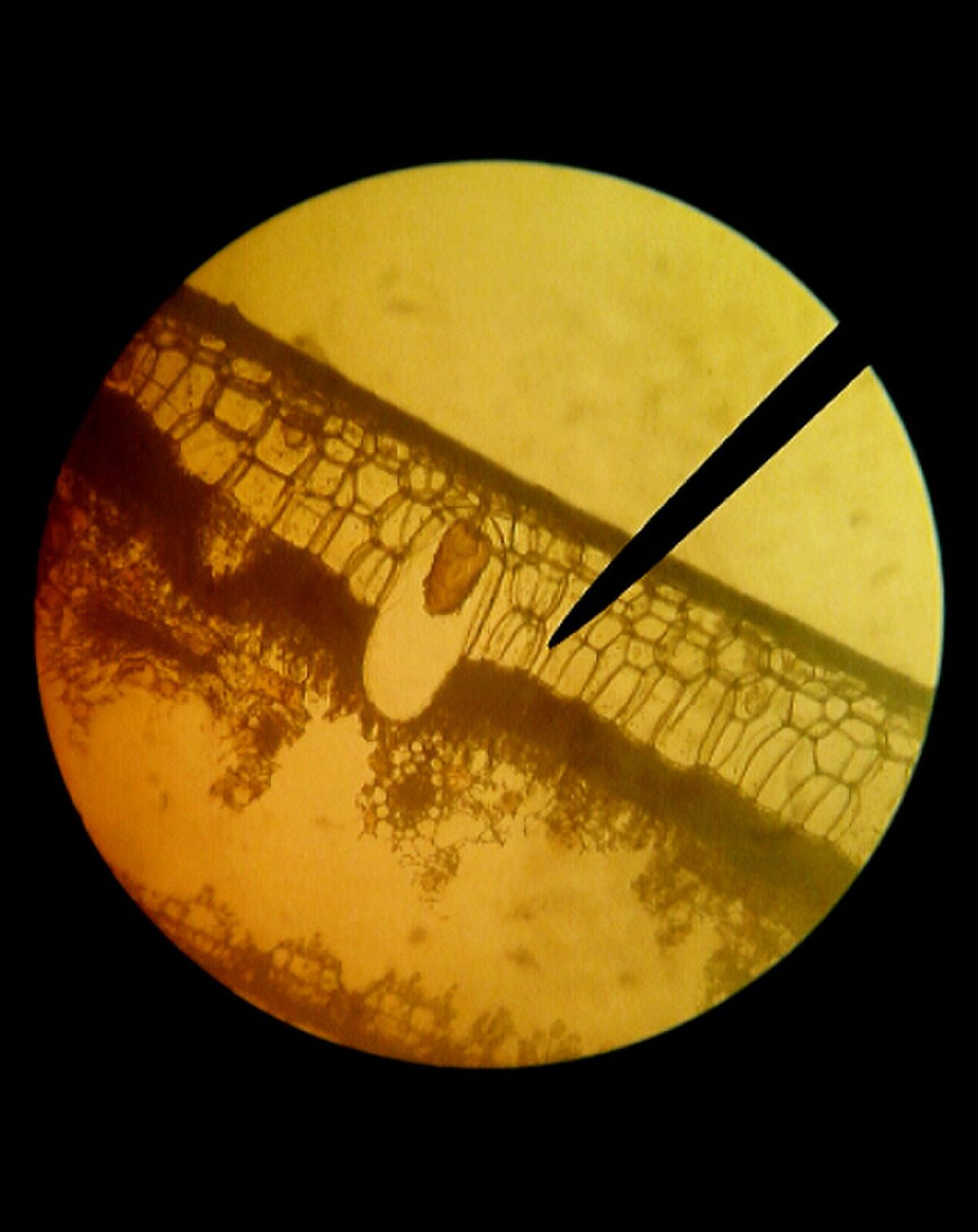
Photo: IsakMarija, CC BY-SA 4.0 via Wikimedia Commons

Quick facts
| Light: | Bright, indirect light; tolerates low light and medium light12 |
|---|---|
| Water: | Dry to medium21 source |
| Soil: | Well drained, occasionally dry and occasionally wet132 |
| Minimum temperature: | 55.4 °F (13 °C)21 |
| Size: | 35–45 ft (10.67–13.72 m) × 25–30 ft (7.62–9.14 m)31 source |
| Growth rate: | Rapid133 |
| Cats: | Toxic to cats 41 |
| Dogs: | Toxic to dogs 41 |
| Native range: | ASS, BAN, CHC, EHM, JAW, LAO, MLY, MYA, NEP, SUM, THA, VIE5 |
| Family: | Moraceae |
How much light does a Rubber Plant need?
Indoors, bright indirect light suits this plant best, and partial shade is also named. Protect it from the afternoon sun. Rubber plants prefer bright light but adapt to low light, and medium light is tolerated too. Outdoors, the listed range runs from full sun to full shade, with part shade preferred.
How often to water a Rubber Plant
Give the plant a thorough watering. Then let the soil dry slightly to the touch before the next watering. The moisture range recorded for this species runs from dry to medium. Good drainage is the soil condition recorded, and soil that is occasionally dry or occasionally wet is tolerated.
- Water: Dry to medium2
Best soil for a Rubber Plant
Good drainage is the soil condition recorded for this plant, which is listed as well drained. It tolerates soil that is occasionally wet, and it also tolerates soil that is occasionally dry. The recorded soil tolerances include clay, sand and loam textures. Alkaline and acidic soils are on the same list of tolerances as well. Drainage, wetness and dryness are the moisture conditions listed for the soil.
Temperature and humidity
Avoid temperatures lower than 55 °F (13 °C), which is the minimum temperature recorded for this plant. Sudden drops in temperature and cold drafts are also best avoided. Rubber plants prefer humid conditions, but they tolerate the dry air common in homes. Humidity is recorded as high for this species. Outdoors, the listed hardiness range runs from zone 9a to zone 12b.
Fertilizing a Rubber Plant
During active growth in spring and summer, use a water-soluble houseplant fertilizer. Apply it every two weeks. That growing season runs from March to August in the record. Fertilize regularly rather than occasionally during that period. The schedule is biweekly through the growing season.
- Fertilizer: Every two weeks in the growing season (Mar–Aug)2
Repotting a Rubber Plant
Late winter or early spring is the time to repot, if the plant needs it. The recorded window is February to March. Whatever soil you repot into should still be well drained, since good drainage is the condition recorded for this plant.
- Repotting: (Feb–Mar)2
Care calendar
| Task | Jan | Feb | Mar | Apr | May | Jun | Jul | Aug | Sep | Oct | Nov | Dec |
|---|---|---|---|---|---|---|---|---|---|---|---|---|
| Fertilize | Fertilize in Mar | Fertilize in Apr | Fertilize in May | Fertilize in Jun | Fertilize in Jul | Fertilize in Aug | ||||||
| Repot | Repot in Feb | Repot in Mar |
How to propagate a Rubber Plant
New plants can be propagated by stem cuttings or tip cuttings, and by air layering. The record lists two propagation methods: stem cuttings and layering. Stem cuttings are one of those methods, and layering is the other. Of the layering methods, air layering is the one named. Tip cuttings are named alongside stem cuttings.
- Propagation: Stem cuttings and layering2
Common problems
Mealybugs, scale insects and spider mites can be problematic on a rubber plant. Those three are the pests recorded for the species. Among the conditions to avoid are temperatures lower than 55 °F (13 °C), sudden drops in temperature and cold drafts. Dry household air is tolerated, as the plant prefers humid conditions but copes with the dry air common in homes.
- Common pests: mealybugs, scale insects and spider mites1
| Problem | Kind |
|---|---|
| Mealybugs | Pest |
| Scale insects | Pest |
| Spider mites | Pest |
Is Rubber Plant toxic to cats and dogs?
For cats, the plant is recorded as toxic. For dogs, the plant is also recorded as toxic. Ficus plants, including the rubber tree plant, contain an irritating chemical within the sap of the leaves and stems. That means the sap in both the leaves and the stems carries the irritant. The position is the same for both animals: the plant is toxic to cats and toxic to dogs.
Pet-safe alternatives
Recommended supplies
- Light: bright, indirect light, such as near an east window; a full-spectrum grow light substitutes where no window does.
- Soil: a free-draining mix, and a pot with a drainage hole.
- Humidity: it wants humid air; a pebble tray or a humidifier is the usual fix.
Questions and answers
- Is a rubber plant toxic to cats and dogs?
- The rubber plant is recorded as toxic to cats and also toxic to dogs. Ficus plants contain an irritating chemical within the sap of the leaves and stems.
- How often should I water a rubber plant?
- Water it thoroughly, then let the soil dry slightly to the touch before watering again. The recorded water range runs from dry to medium. Soil drainage should be good, and occasionally dry and occasionally wet conditions are tolerated.
- Does a rubber plant need a lot of light?
- It prefers bright, indirect light and needs protection from the afternoon sun. Rubber plants are adaptable to low light, and medium light is tolerated as well. Outdoors, part shade is the preferred light.
Sources
- NC State Extension Gardener Plant Toolbox. https://plants.ces.ncsu.edu/plants/ficus-elastica/. Accessed 14 October 2026.
- Clemson Cooperative Extension HGIC. https://hgic.clemson.edu/factsheet/rubber-plant/. Accessed 14 October 2026.
- University of Florida IFAS Extension (EDIS). https://ask.ifas.ufl.edu/publication/ST252. Accessed 14 October 2026.
- Pet Poison Helpline. https://www.petpoisonhelpline.com/poison/rubber-tree-plant/. Accessed 14 October 2026.
- Royal Botanic Gardens, Kew (World Checklist of Vascular Plants). https://sftp.kew.org/pub/data-repositories/WCVP/wcvp.zip. Accessed 4 June 2026.
How this page was made
- Written with AI assistance from the sources listed on this page. AI is never the source of a fact.