Shrubs
This category page brings together the shrub species profiled on this site. Each species gets its own page with details on light, water, soil, and care. Browse the list below before you settle on a shrub for your yard. This site does not identify a shrub from a photo or a written description. It also does not try to cover every shrub grown in gardens, only the species with a profile here. Where a listing exists, pet toxicity notes sit on the species page itself, scoped to cats and dogs. Think about your climate, the space you have, and whether pets share your home before you pick a shrub. Compare a few species pages side by side rather than choosing on looks alone. The next section walks through what to check on each one. A shrub that suits one yard is not automatically right for another. Use the species pages to weigh these details against your own garden before you decide. If a detail is not documented for a species, that page says so plainly instead of guessing. This page does not recommend particular products or sellers for any shrub listed here. It focuses on what each species needs so you can judge whether it fits your space. Start with the list below and open any species that catches your interest.
Lists in this category
Most-read plants here
-
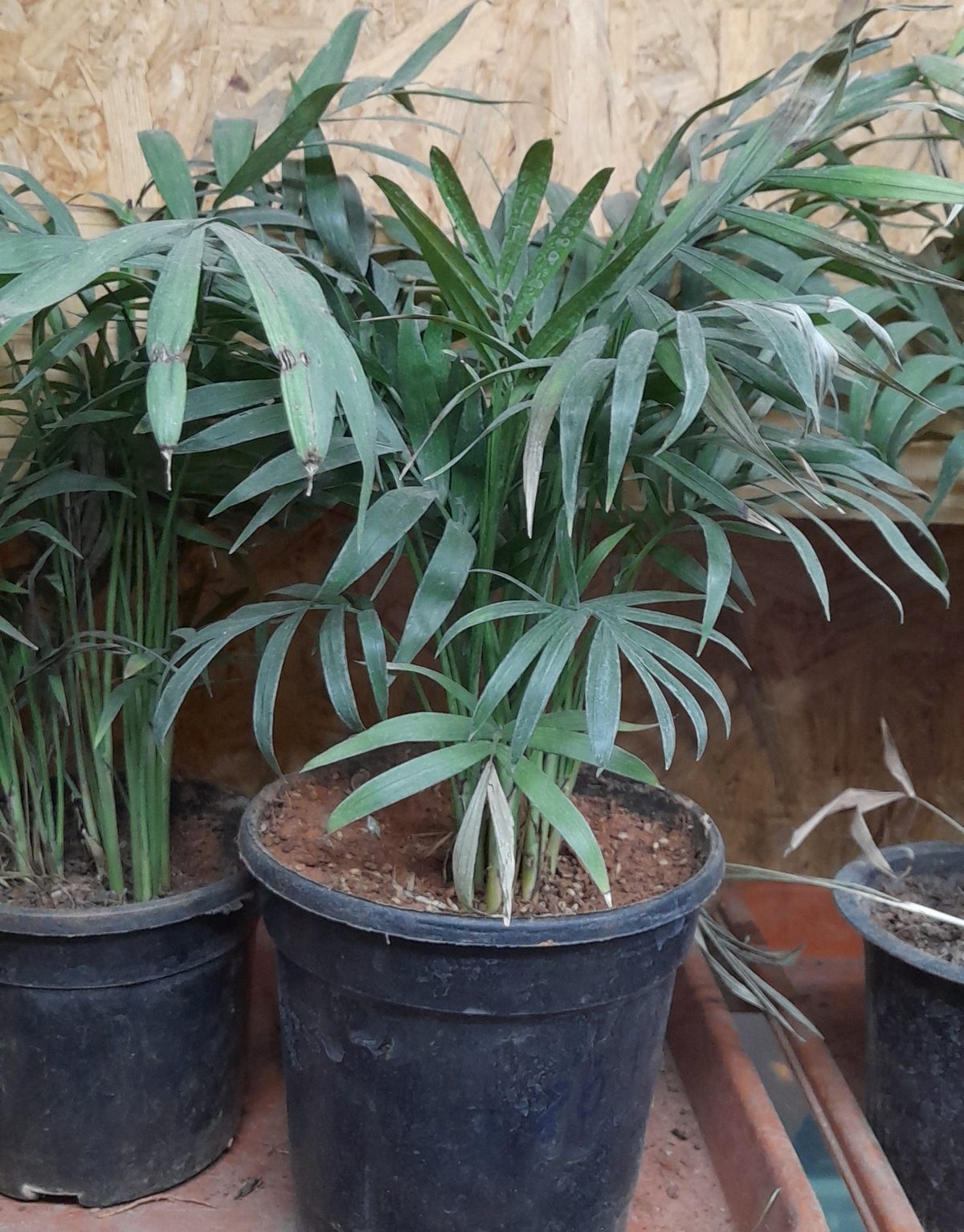
Parlor Palm
Chamaedorea elegans
Bright, indirect light; tolerates low light · Part shade and full shade (part shade preferred) · Zones 10a–12b
-
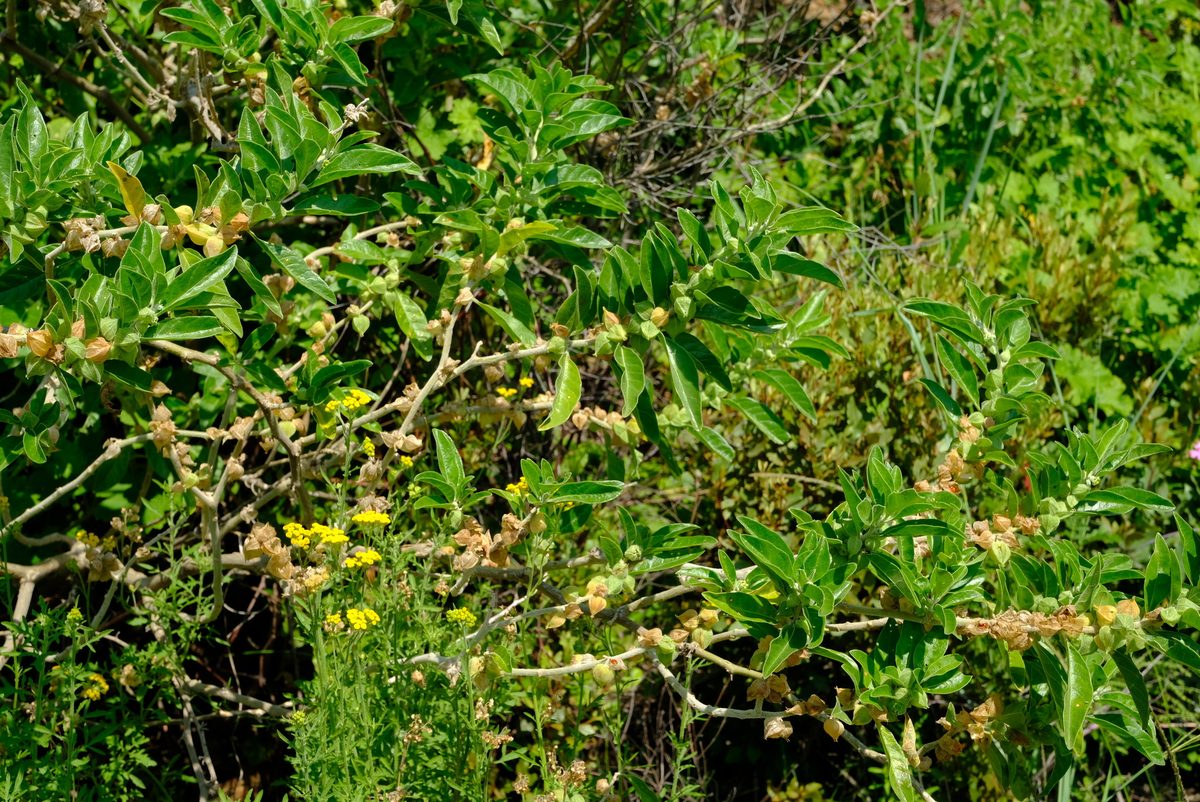
Withania
Withania somnifera
Direct sun · Full sun · Zones 8a–12b
-
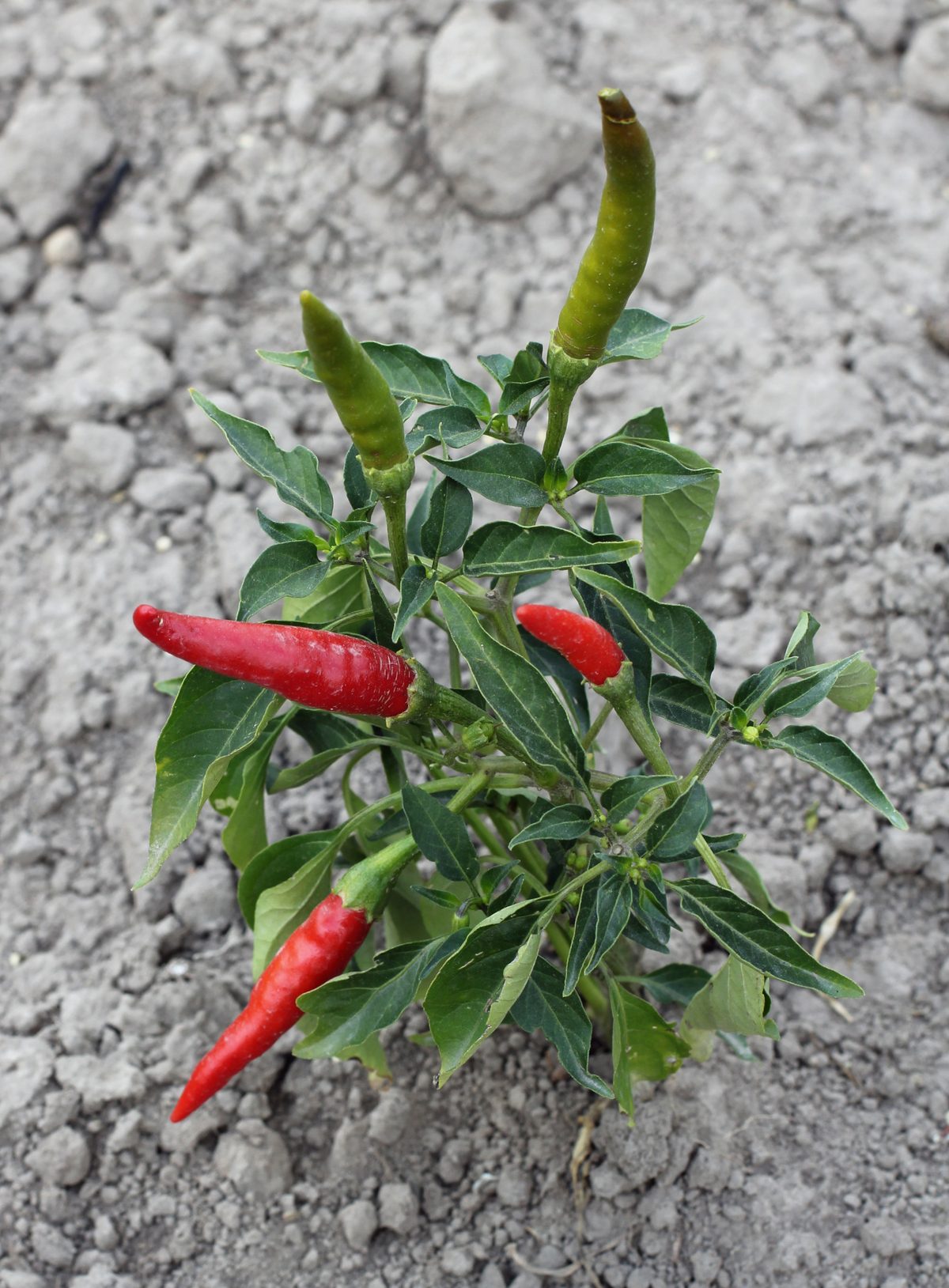
Cayenne Pepper
Capsicum annuum
Direct sun; tolerates bright, indirect light · Full sun · Zones 4a–11b
-
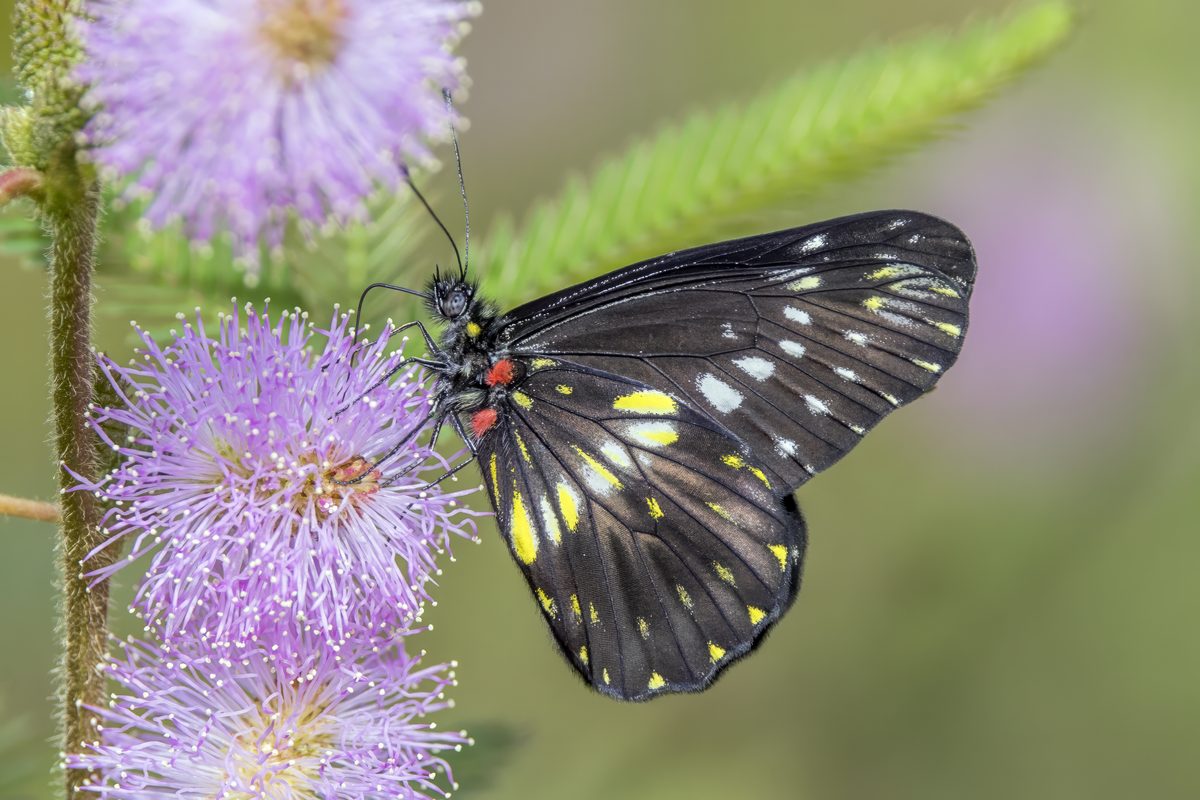
Shameplant
Mimosa pudica
Full sun · 3.3 ft (1 m)
-
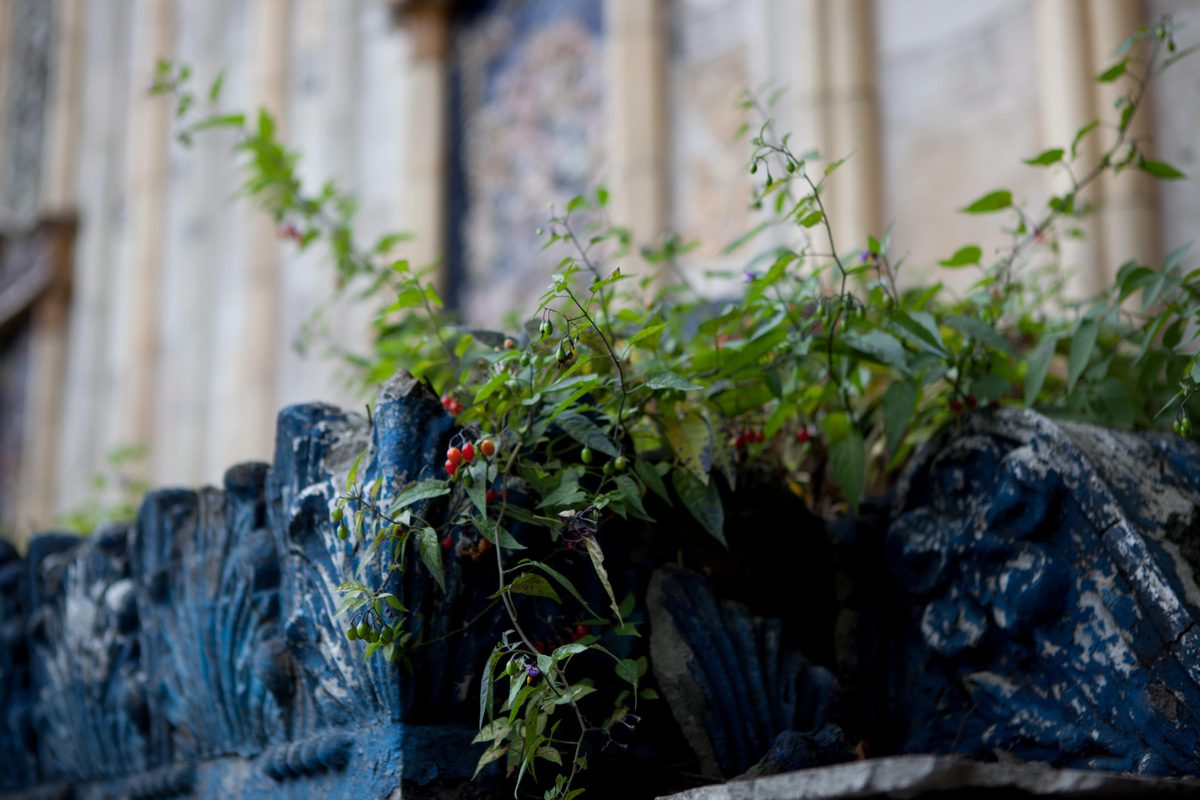
Climbing Nightshade
Solanum dulcamara
Full sun, part shade and full shade (full sun preferred) · Zones 4a–8b · 2–10 ft (0.61–3.05 m)
-
-
-
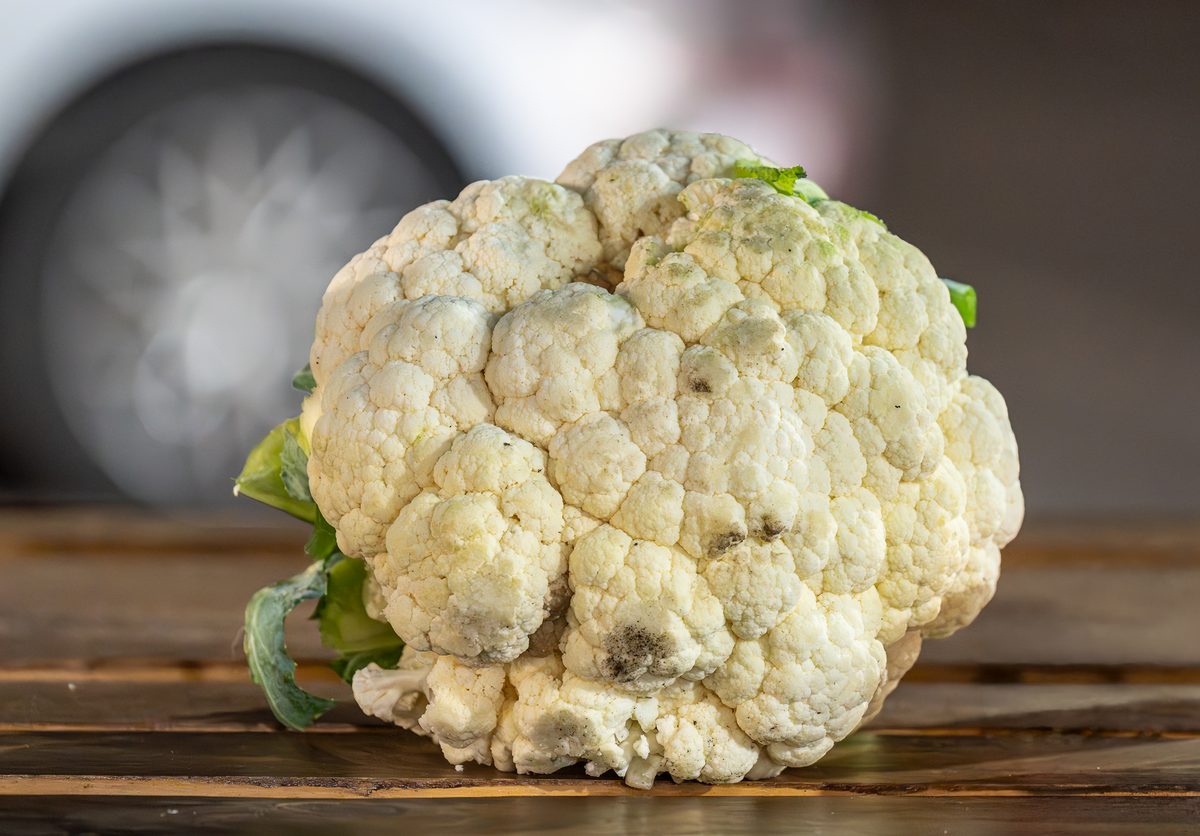
Cabbage
Brassica oleracea
Full sun and part shade (full sun preferred) · Zones 6a–9b · 0.8–2 ft (0.25–0.61 m)
-
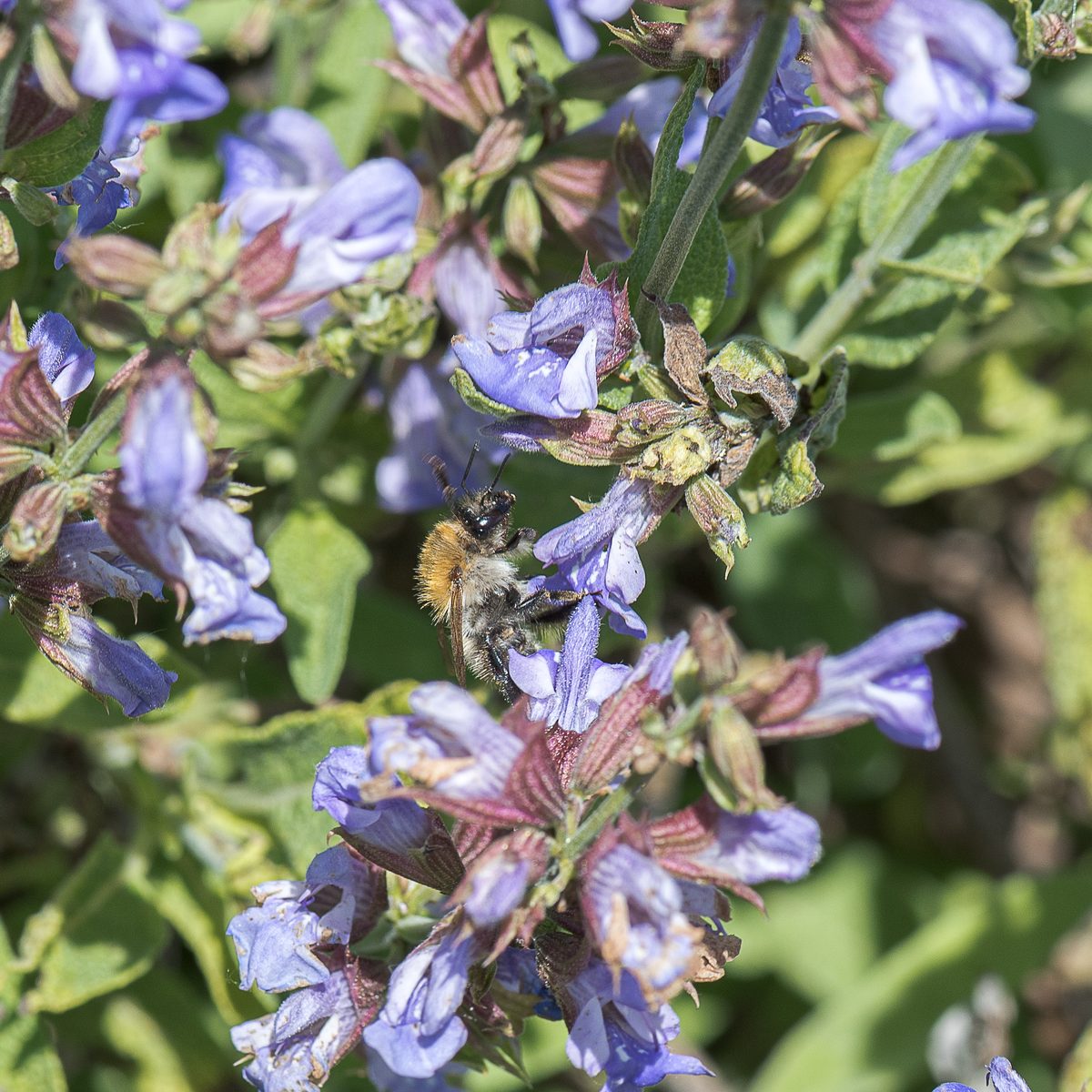
Kitchen Sage
Salvia officinalis
Full sun and part shade (full sun preferred) · Zones 4a–8b · 1–2 ft (0.3–0.6 m)
-
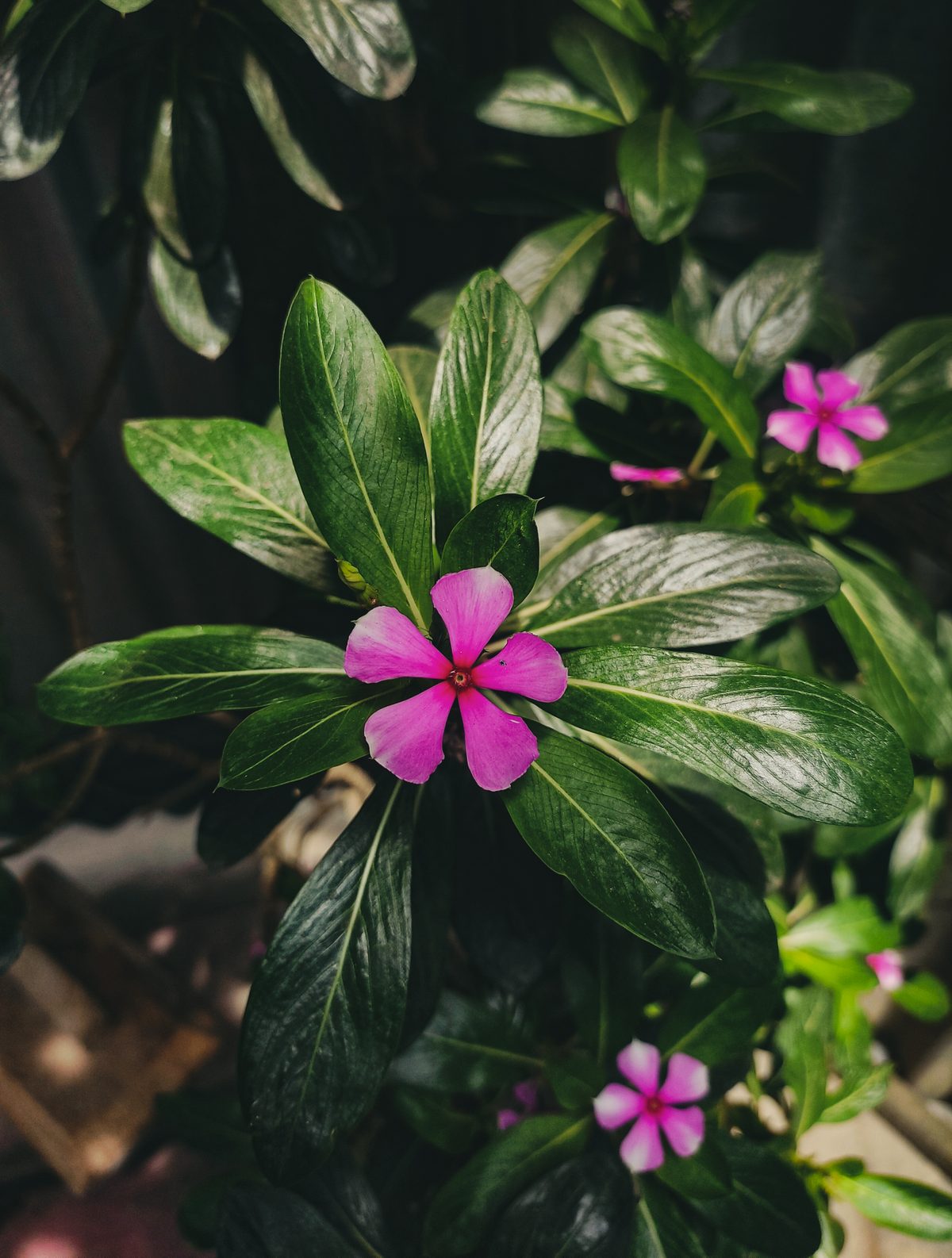
Madagascar Periwinkle
Catharanthus roseus
Full sun and part shade (full sun preferred) · Zones 9b–11b · 0.5–1.5 ft (0.15–0.46 m)
-
-
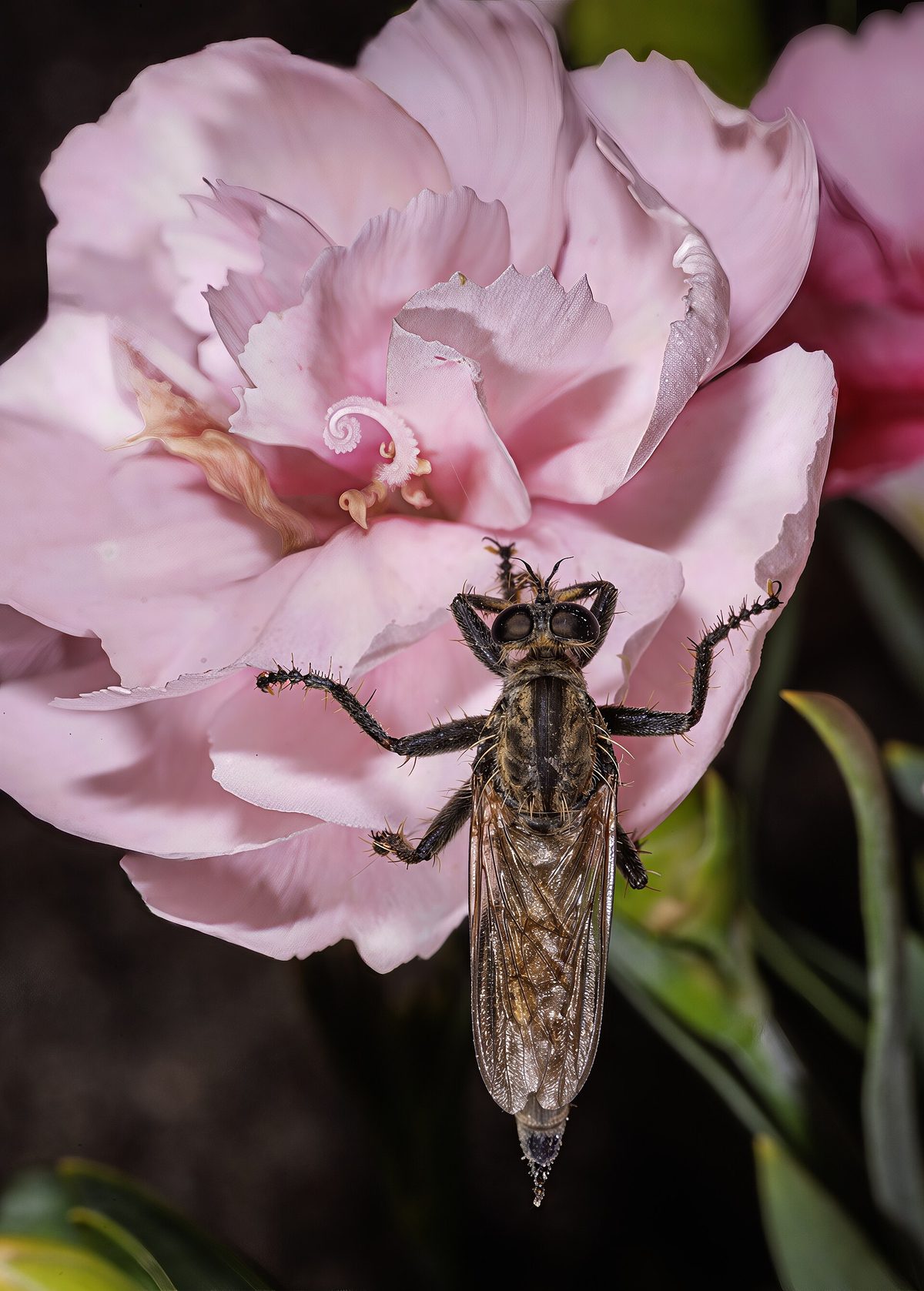
Carnation
Dianthus caryophyllus
Full sun and part shade (full sun preferred) · Zones 6a–9b · 1–4 ft (0.3–1.22 m)
-
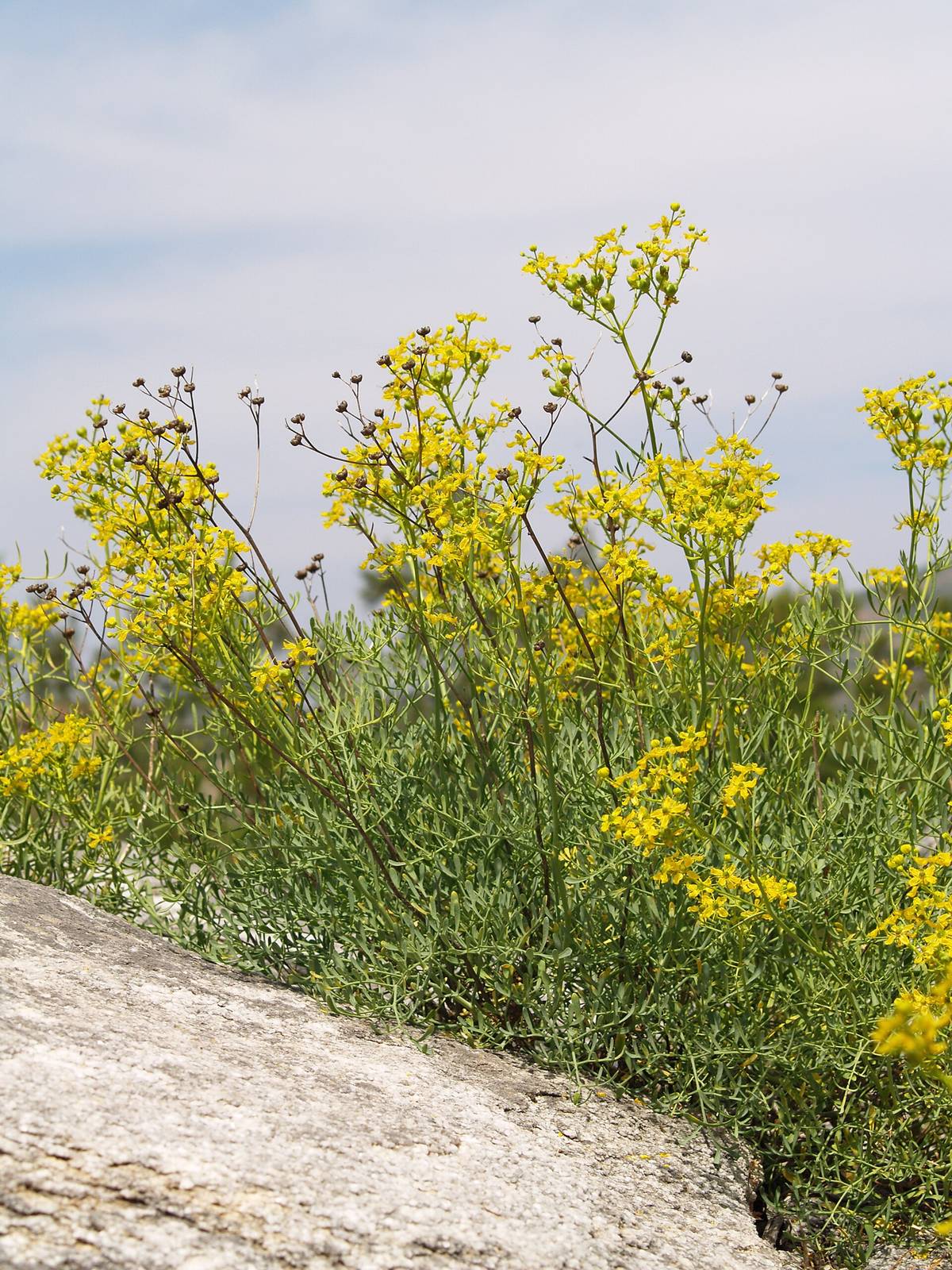
Common Rue
Ruta graveolens
Full sun and part shade (full sun preferred) · Zones 4a–10b · 2–3 ft (0.61–0.91 m)
-
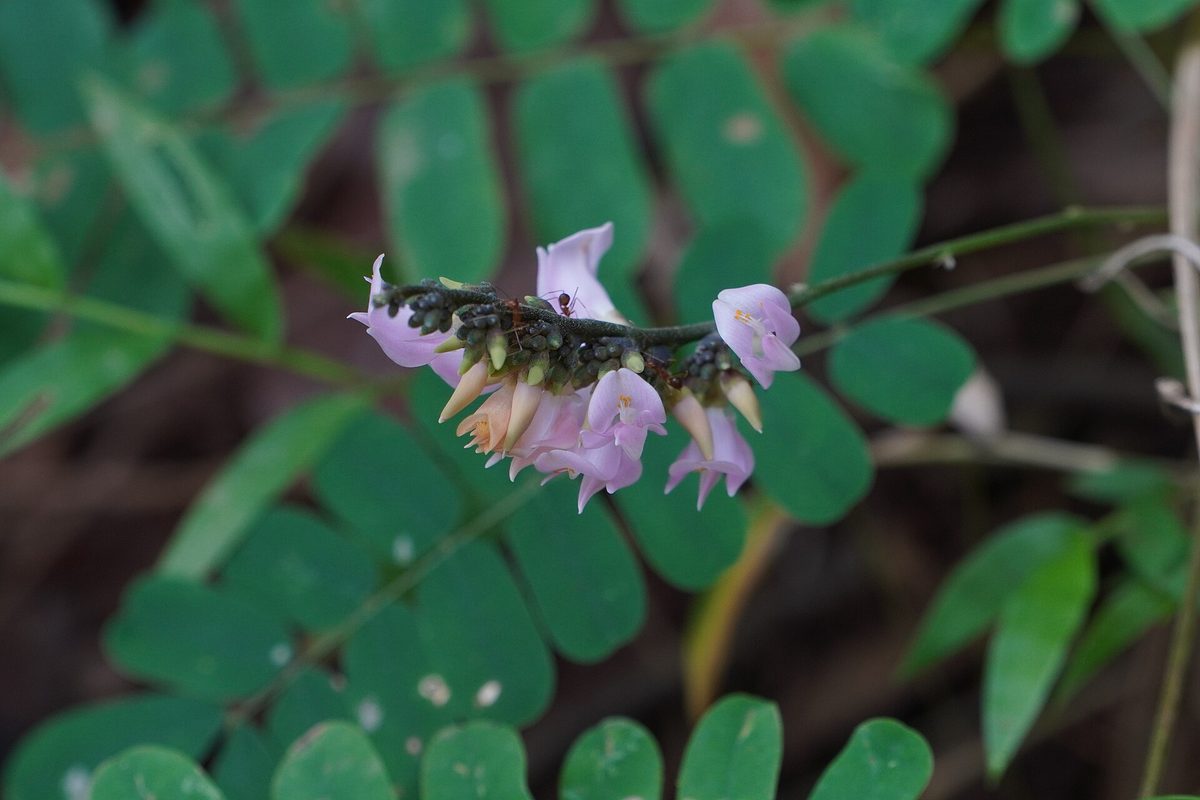
Rosarypea
Abrus precatorius
Full sun
-
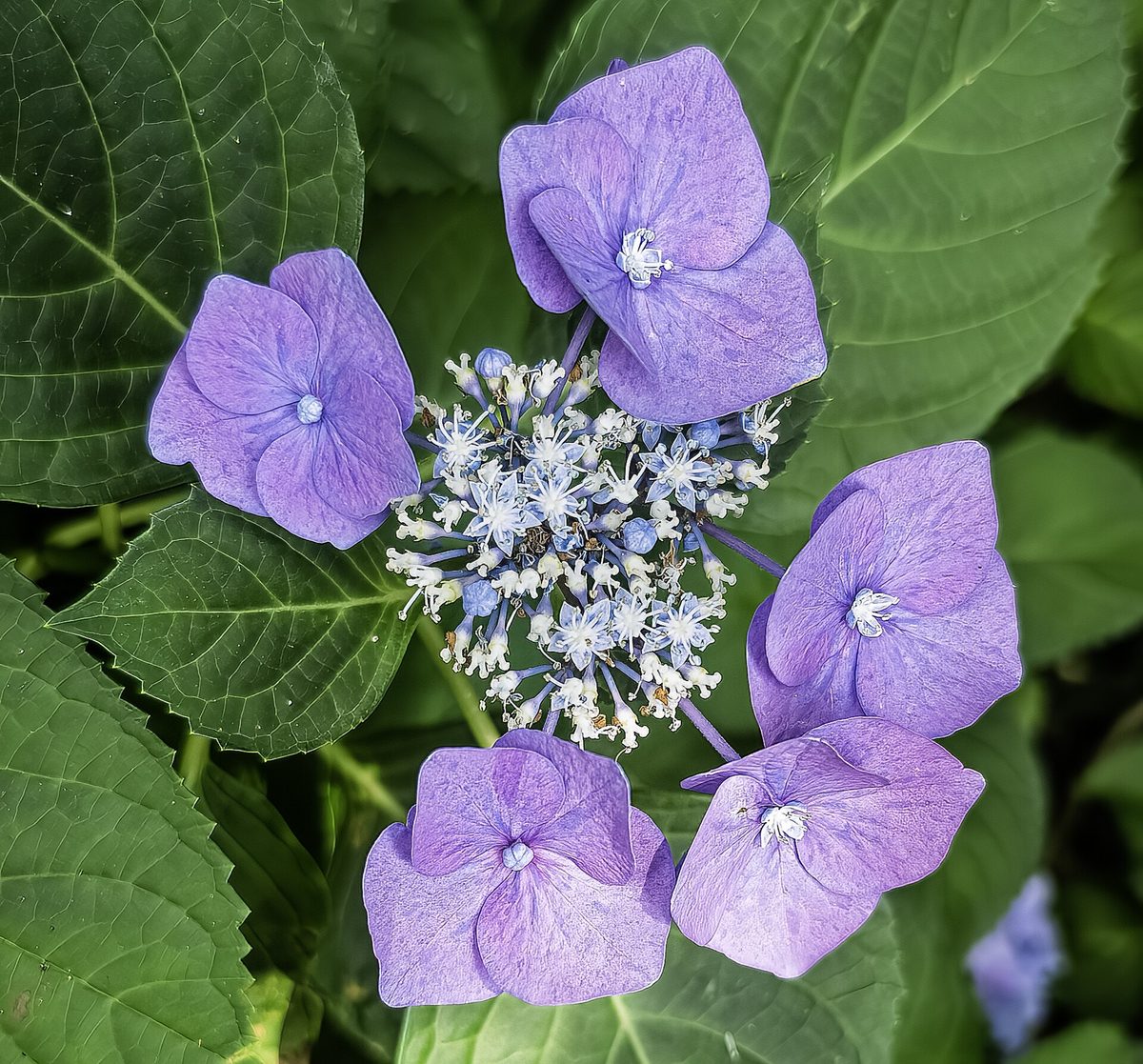
French Hydrangea
Hydrangea macrophylla
Sources differ: Iowa State University Extension and Outreach (Yard and Garden); Iowa State University Extension and Outreach (Yard and Garden); Iowa State University Extension and Outreach · Part shade and full shade (part shade preferred) · Zones 6a–11b
-
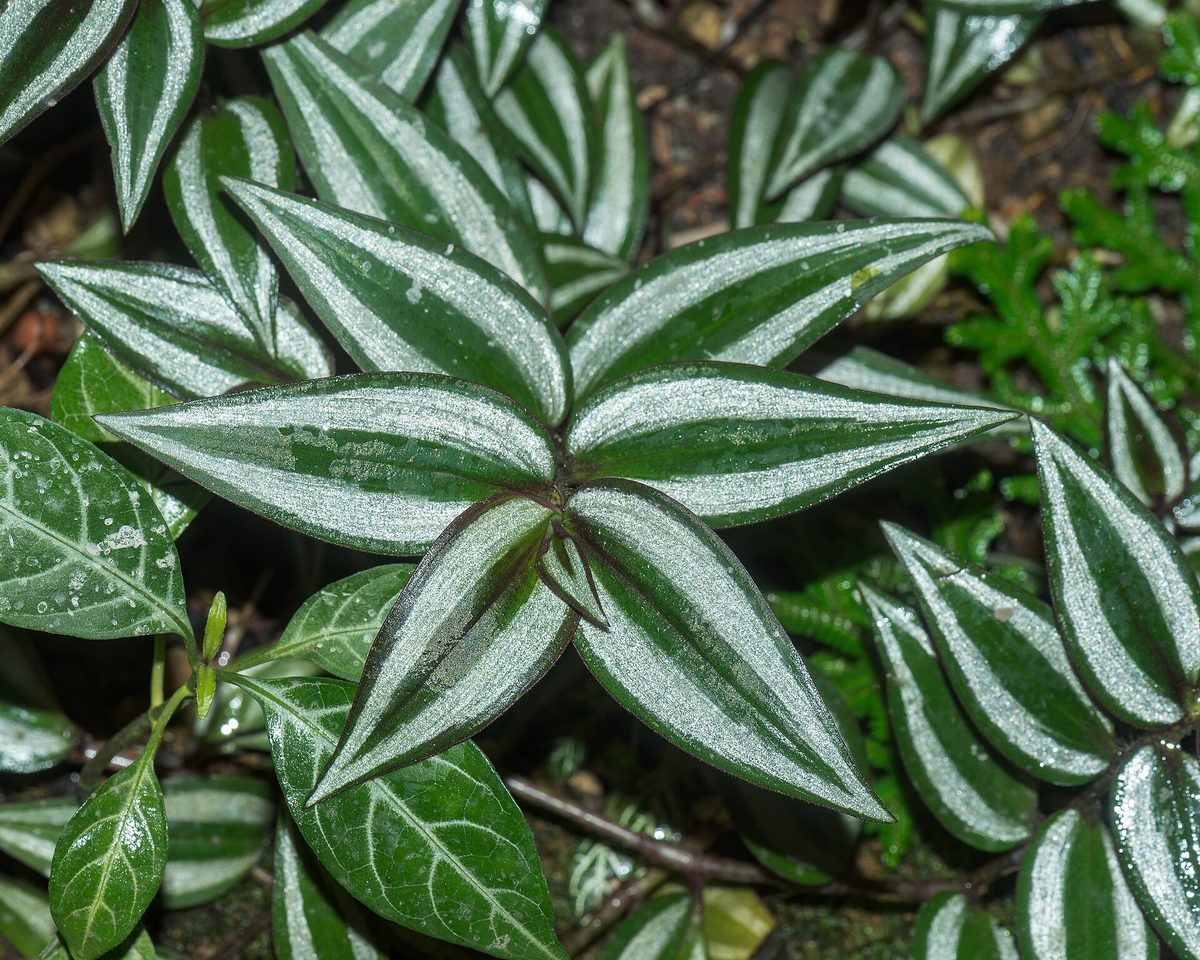
Inchplant
Tradescantia zebrina
Medium light · Full sun and part shade (full sun preferred) · Zones 9a–11b
-
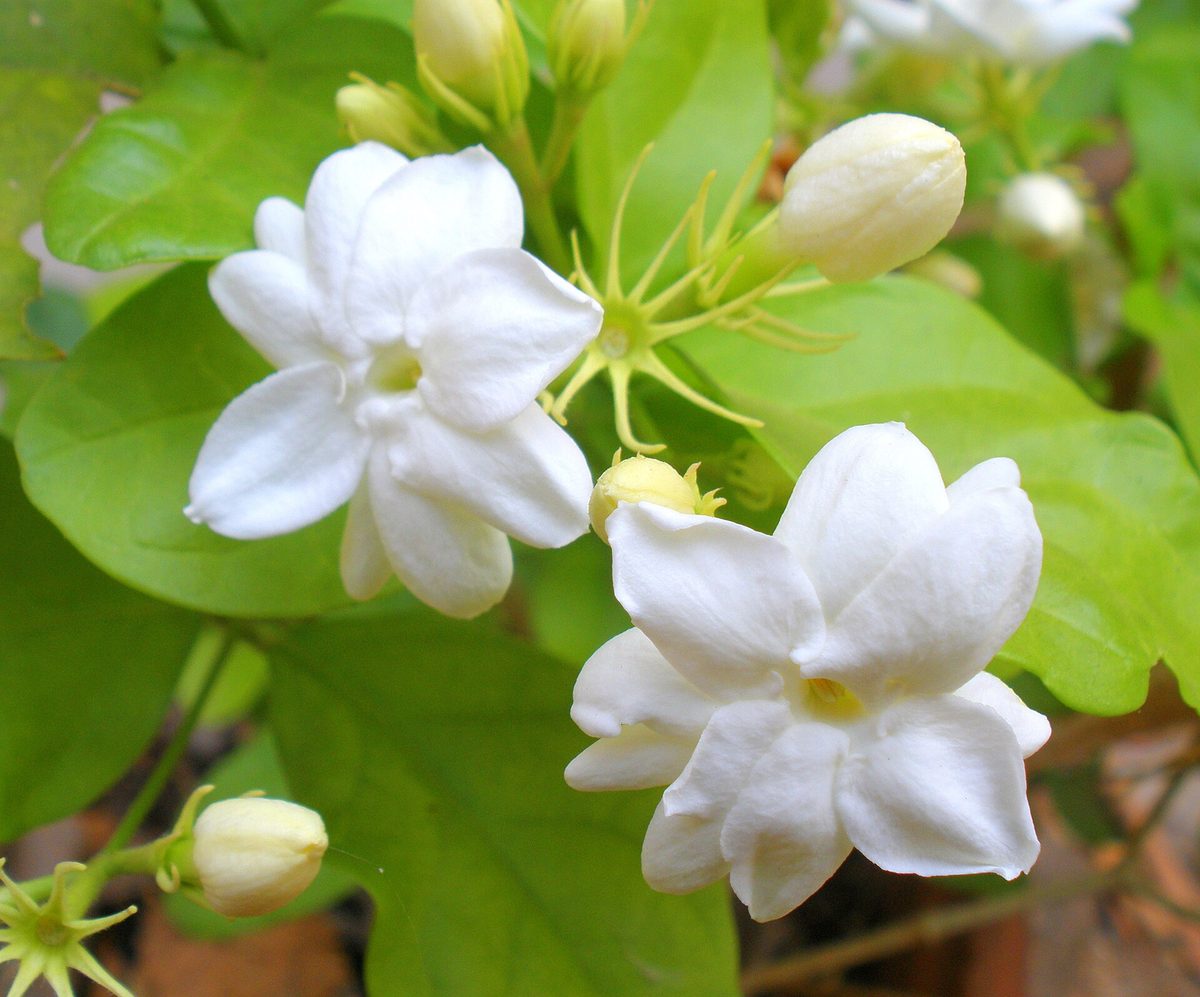
Arabian Jasmine
Jasminum sambac
Direct sun · Full sun
-
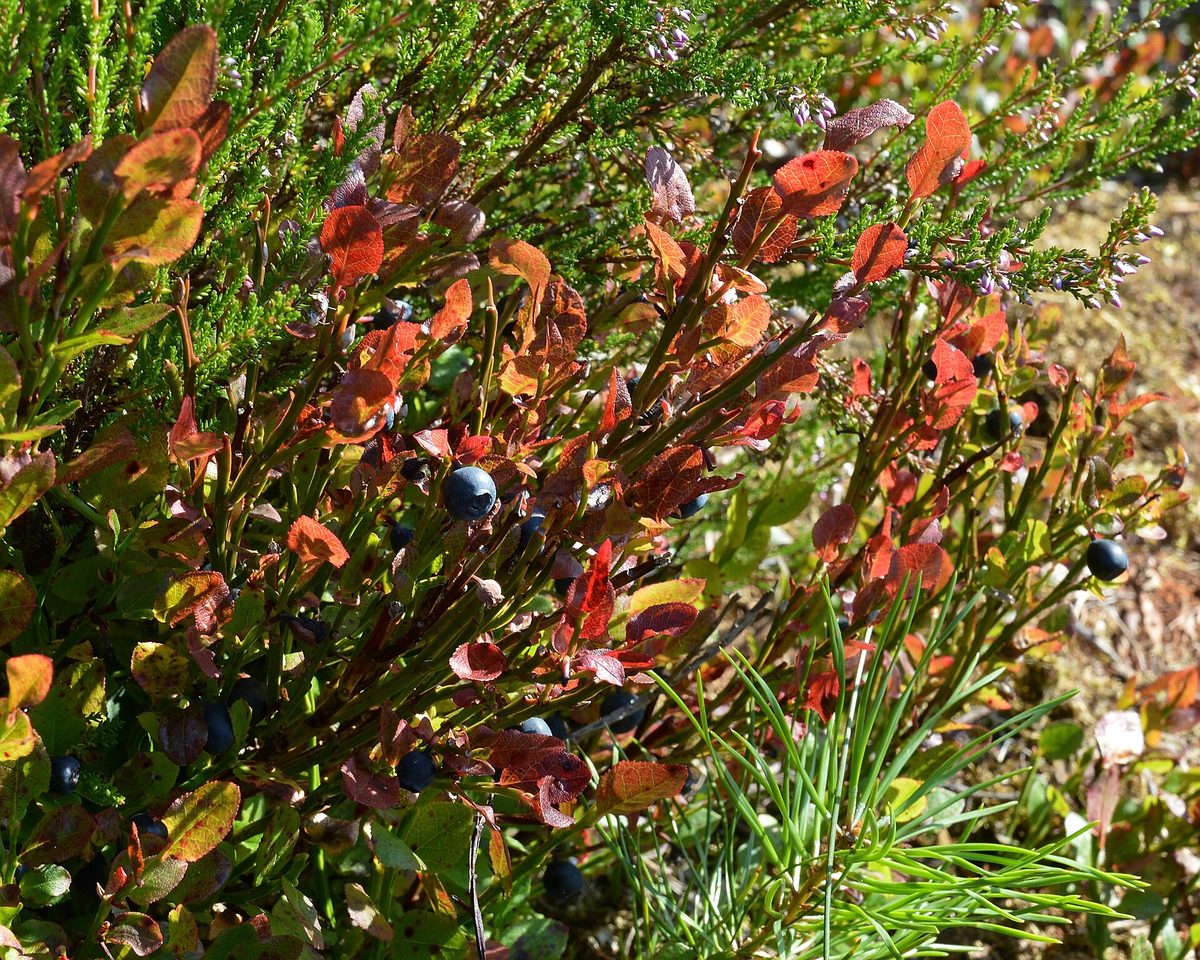
Whortleberry
Vaccinium myrtillus
3.9 ft (1.2 m)
-
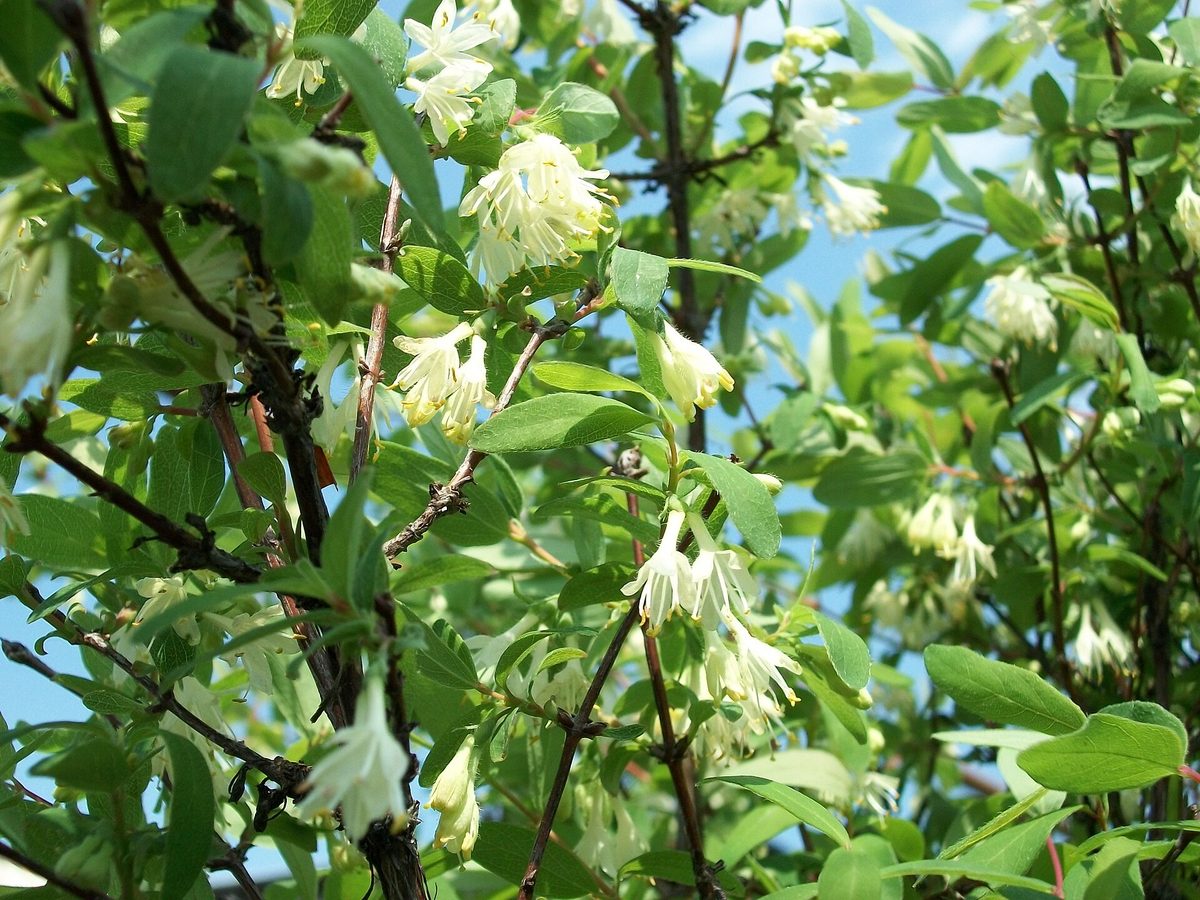
Sweetberry Honeysuckle
Lonicera caerulea
Full sun and part shade (full sun preferred) · Zones 2a–7b · 6 ft (1.83 m)
-
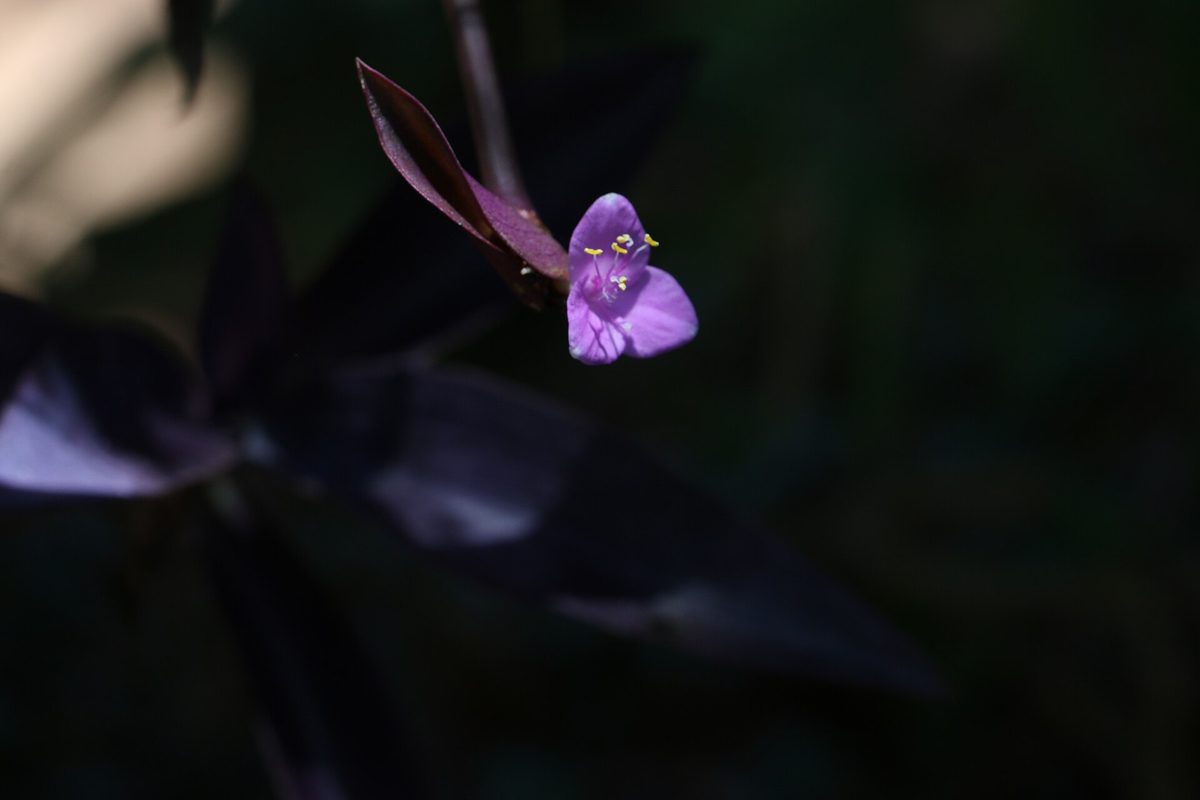
Purple Queen
Tradescantia pallida
Full sun and part shade (full sun preferred) · Zones 10a–11b · 1 ft (0.3 m)
-
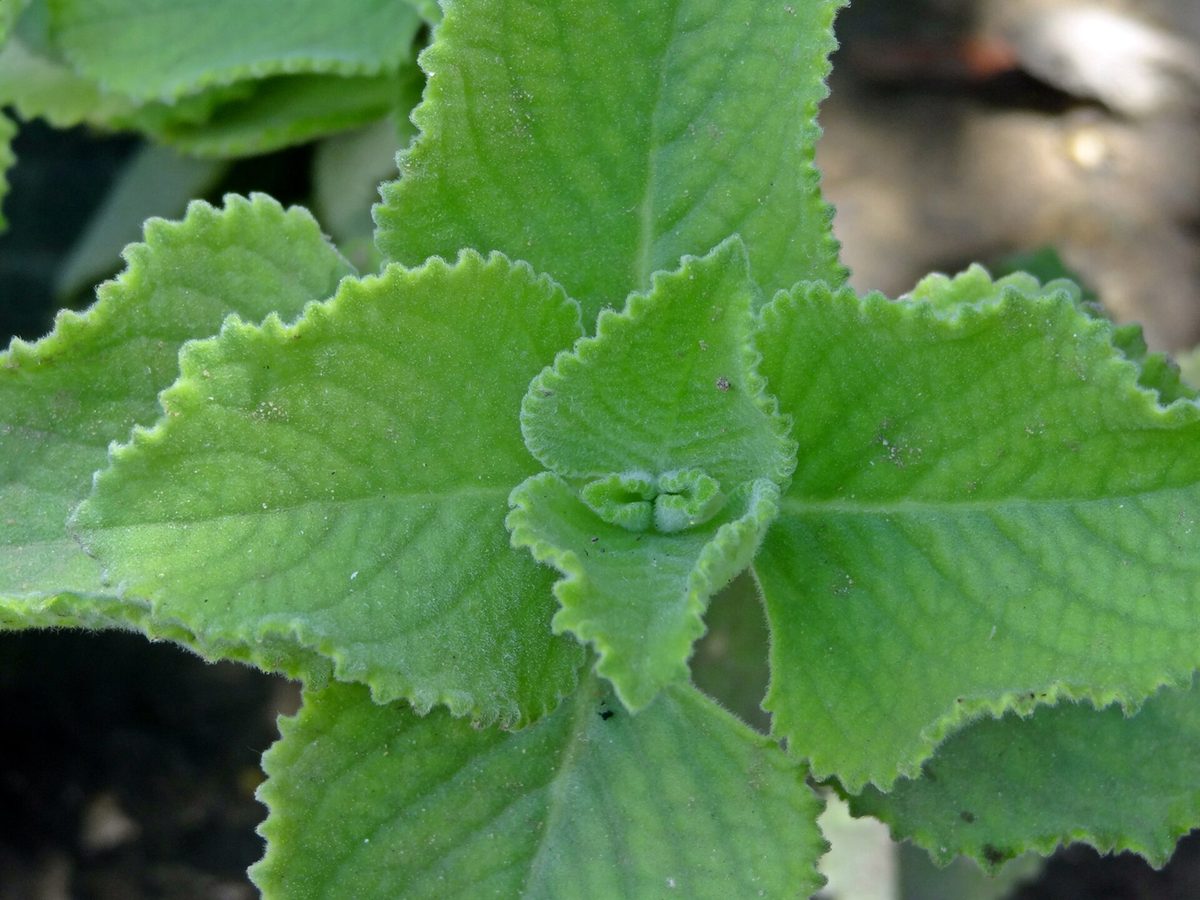
Mexican Mint
Coleus amboinicus
Full sun and part shade (full sun preferred) · Zones 9a–11b · 1–3.5 ft (0.3–1.07 m)
-
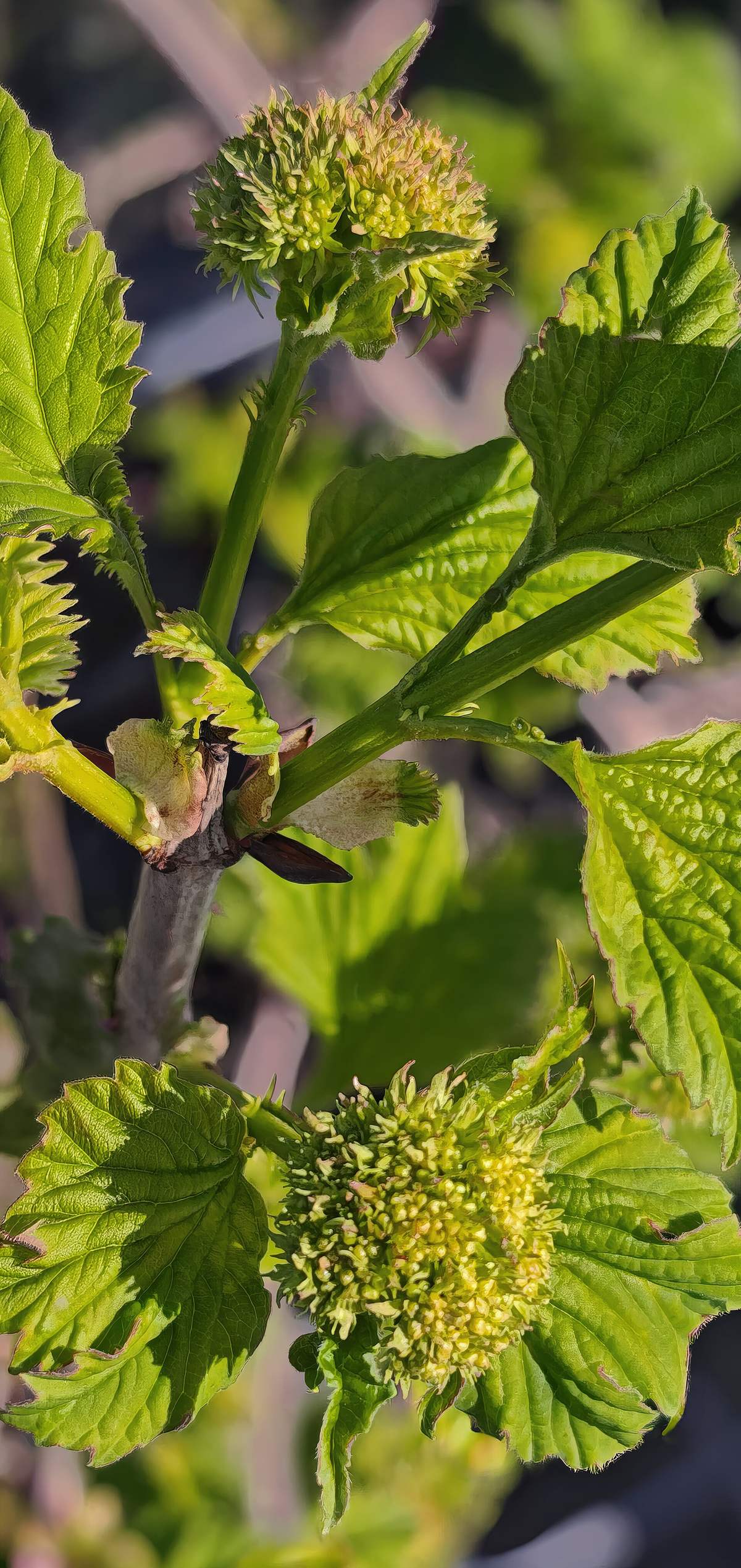
European Cranberrybush
Viburnum opulus
Full sun and part shade (full sun preferred) · Zones 2a–8b · 10–16 ft (3.05–4.88 m)
-
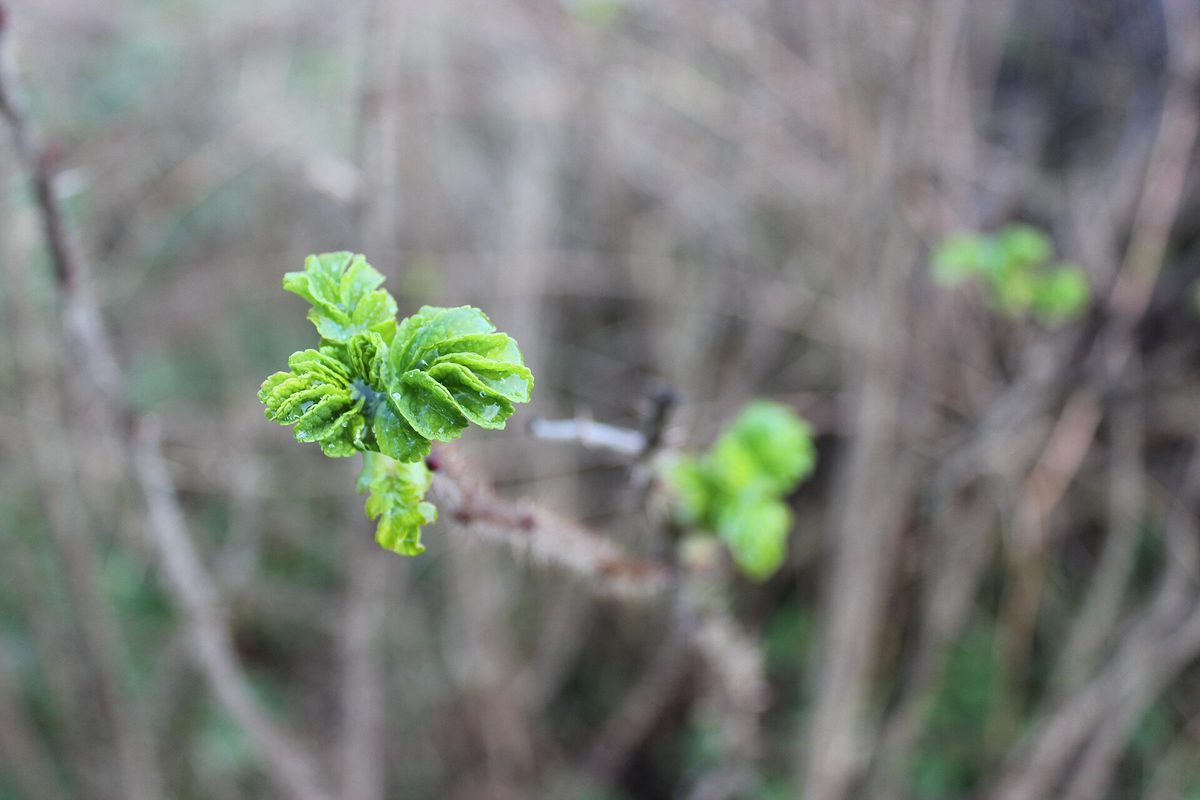
-
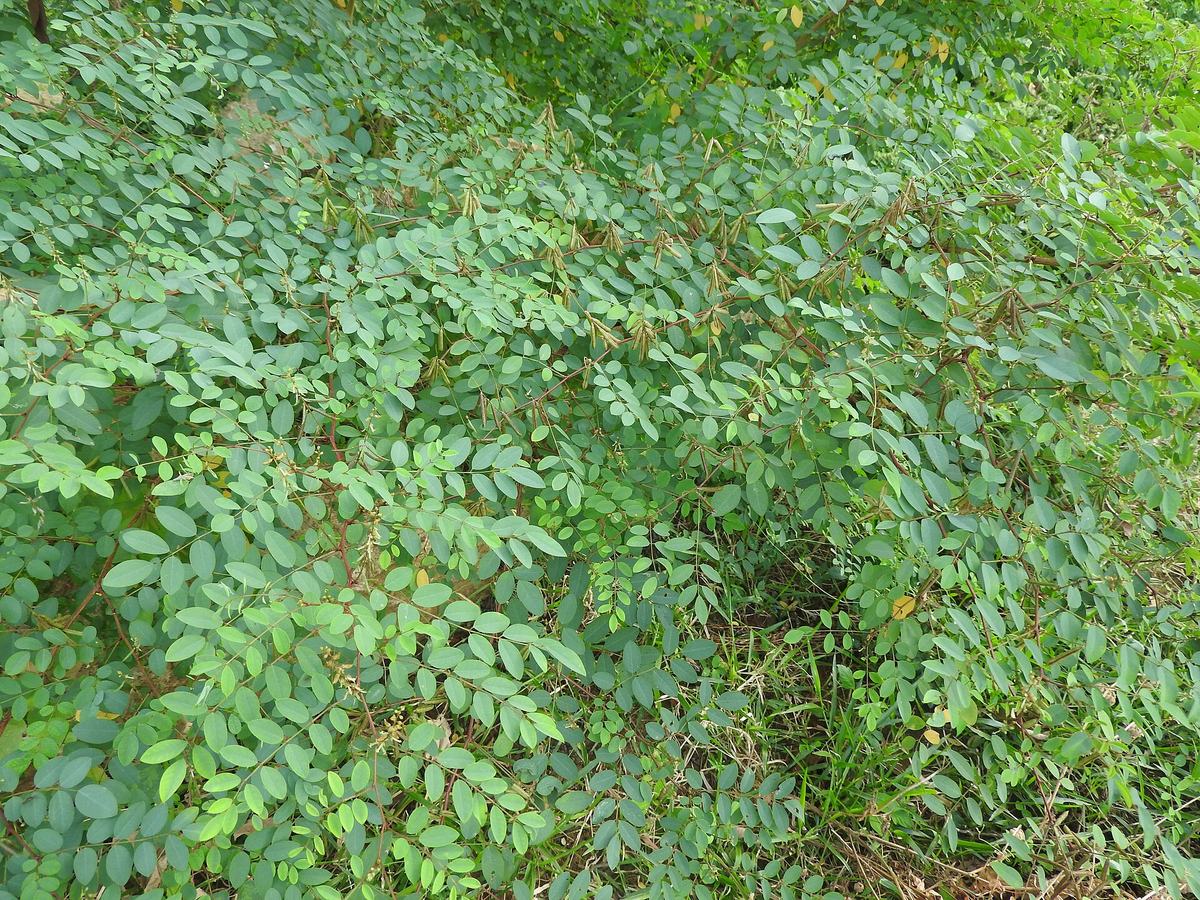
True Indigo
Indigofera tinctoria
Full sun and part shade (full sun preferred) · Zones 10a–12b · 2–3 ft (0.61–0.91 m)
How to choose
Start by matching a shrub's needs to the spot you have in mind. Each species page lists the light, water, and soil it needs, along with its mature size. Check that page before you decide whether a shrub fits a border, a hedge, or a container. If you have cats or dogs, look for the toxicity note on each species page and read it in full. A page that does not list a detail says so rather than leaving you to guess. Compare two or three species before you settle on one, since needs can differ a lot between them. Once you find a good match, open its page for full planting and care steps.
All shrubs, A to Z
- Aji Capsicum chinense
- American Beautyberry Callicarpa americana
- American Red Raspberry Rubus idaeus
- Autumn Olive Elaeagnus umbellata
- Black Chokeberry Aronia melanocarpa
- Cabbage Brassica oleracea
- Cape Jasmine Gardenia jasminoides
- Cape Leadwort Plumbago auriculata
- Carnation Dianthus caryophyllus
- Cayenne Pepper Capsicum annuum
- Ceylon Spinach Basella alba
- Climbing Nightshade Solanum dulcamara
- Common Coleus Coleus scutellarioides
- Common Rue Ruta graveolens
- Creeping Jenny Lysimachia nummularia
- Creosote Bush Larrea tridentata
- Dwarf Umbrella Tree Heptapleurum arboricola
- Eastern Poison Ivy Toxicodendron radicans
- Eastern Teaberry Gaultheria procumbens
- Eggplant Solanum melongena
- English Lavender Lavandula angustifolia
- European Cranberrybush Viburnum opulus
- European Gooseberry Ribes uva-crispa
- Flamingo-lily Anthurium andraeanum
- French Hydrangea Hydrangea macrophylla
- Garden Tomato Solanum lycopersicum
- Ground Ivy Glechoma hederacea
- Highbush Blueberry Vaccinium corymbosum
- Hollyleaved Barberry Berberis aquifolium
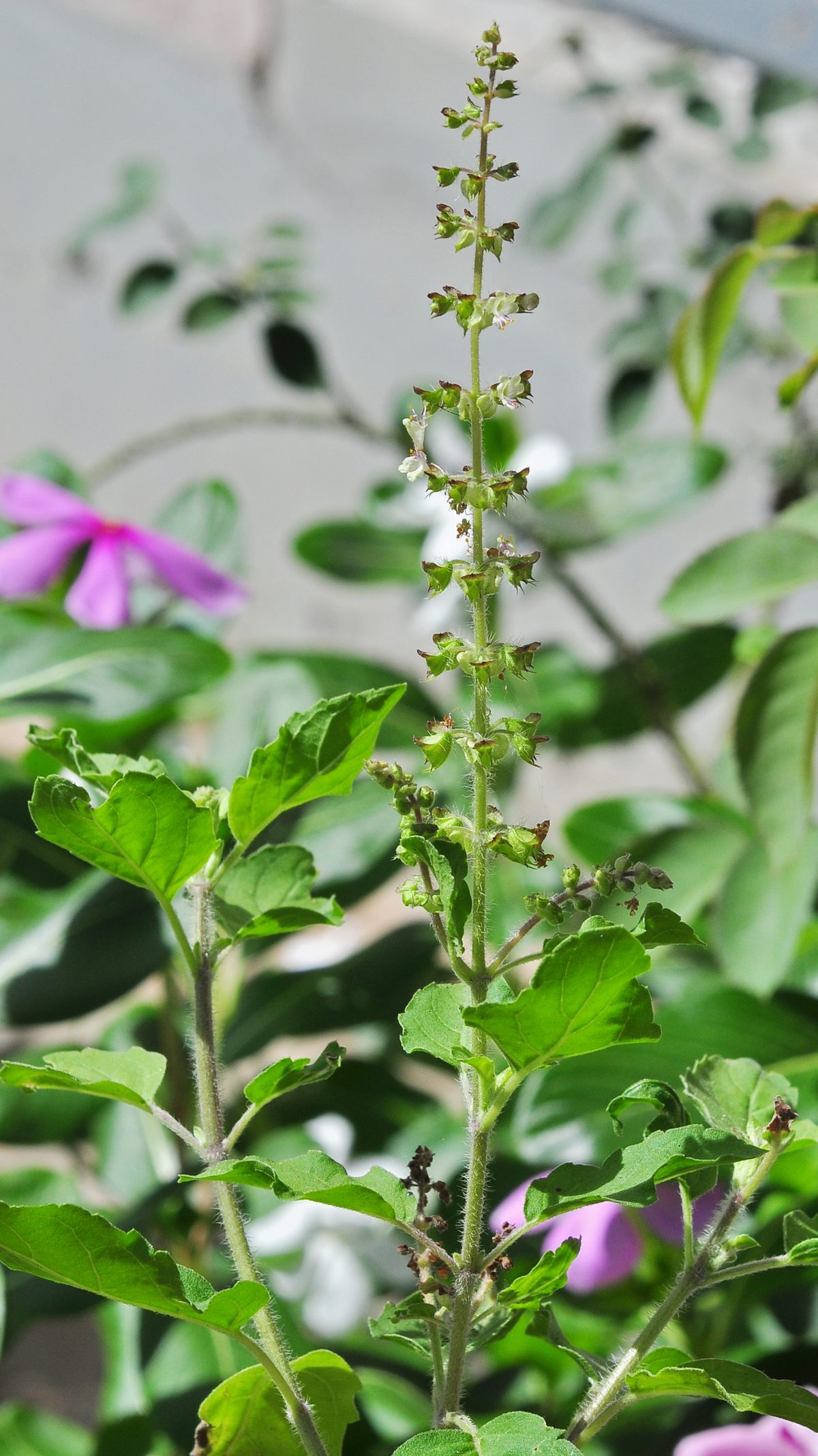
- Holy Basil Ocimum tenuiflorum
- Inchplant Tradescantia zebrina
- Kitchen Sage Salvia officinalis
- Lantana Lantana camara
- Lemon Beebrush Aloysia citrodora
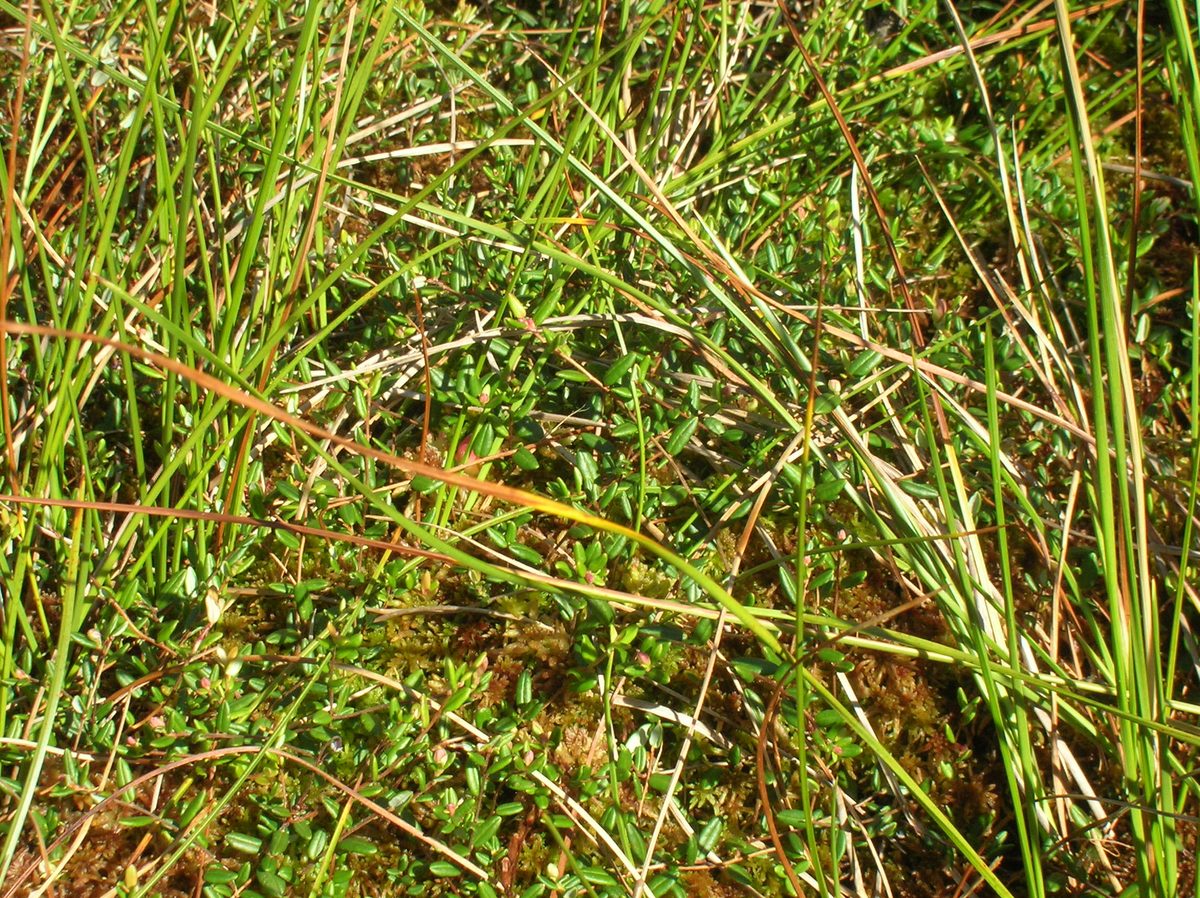
- Lingonberry Vaccinium vitis-idaea
- Lion's Ear Leonotis leonurus
- Madagascar Periwinkle Catharanthus roseus
- Mountain Laurel Kalmia latifolia
- Orange Eye Butterflybush Buddleja davidii
- Paperflower Bougainvillea glabra
- Parlor Palm Chamaedorea elegans
- Poinsettia Euphorbia pulcherrima
- Prayerplant Maranta leuconeura
- Purple Queen Tradescantia pallida
- Rosemary Salvia rosmarinus
- Rugosa Rose Rosa rugosa
- Russian Sage Salvia yangii
- Sacred Thorn-apple Datura wrightii
- Sago Palm Cycas revoluta
- Sweet Basil Ocimum basilicum
- Sweetwilliam Dianthus barbatus
- Wine Raspberry Rubus phoenicolasius
- Woolly Hedgenettle Stachys byzantina
- Yaupon Ilex vomitoria
Photo credits
- Parlor Palm photo by Yercaud-elango, CC BY-SA 4.0 via Wikimedia Commons
- Withania photo by botaneek, CC BY-SA 4.0 via Wikimedia Commons
- Cayenne Pepper photo by George Chernilevsky, Public domain via Wikimedia Commons
- Shameplant photo by Wikimedia Commons contributor, CC BY-SA 4.0 via Wikimedia Commons
- Climbing Nightshade photo by Gennady Grachev from Moscow, Russia, CC BY 2.0 via Wikimedia Commons
- Holy Basil photo by Joydeep, CC BY-SA 3.0 via Wikimedia Commons
- Lingonberry photo by Patafisik, CC BY-SA 4.0 via Wikimedia Commons
- Cabbage photo by Rjcastillo, CC BY-SA 4.0 via Wikimedia Commons
- Kitchen Sage photo by Flocci Nivis, CC BY 4.0 via Wikimedia Commons
- Madagascar Periwinkle photo by Tanvir Rahat, CC BY-SA 4.0 via Wikimedia Commons
- Lantana photo by Petro Stelte, CC BY-SA 4.0 via Wikimedia Commons
- Carnation photo by Didier Descouens, CC BY-SA 4.0 via Wikimedia Commons
- Common Rue photo by Jörg Hempel, CC BY-SA 3.0 via Wikimedia Commons
- Rosarypea photo by Vengolis, CC BY-SA 4.0 via Wikimedia Commons
- French Hydrangea photo by Didier Descouens, CC BY-SA 4.0 via Wikimedia Commons
- Inchplant photo by Flocci Nivis, CC BY 4.0 via Wikimedia Commons
- Arabian Jasmine photo by ml, CC BY-SA 3.0 via Wikimedia Commons
- Whortleberry photo by Ryan Hodnett, CC BY-SA 4.0 via Wikimedia Commons
- Sweetberry Honeysuckle photo by WildBoar, Public domain via Wikimedia Commons
- Purple Queen photo by V C Balakrishnan, CC BY-SA 4.0 via Wikimedia Commons
- Mexican Mint photo by Aathavan jaffna, CC BY-SA 3.0 via Wikimedia Commons
- European Cranberrybush photo by Didier Descouens, CC BY-SA 4.0 via Wikimedia Commons
- Rugosa Rose photo by Jiròni B., CC0 via Wikimedia Commons
- True Indigo photo by Yercaud-elango, CC BY-SA 4.0 via Wikimedia Commons


How this page was made
- Written with AI assistance from the sources listed on this page. AI is never the source of a fact.