Stinging Nettle (Urtica dioica)
Formerly Urtica angustifolia, Urtica major, Urtica sicula
Stinging nettle grows in full sun, part shade or full shade, and its water needs run from medium to wet. Full sun is the preferred light, and the plant is hardy in USDA zones 4a to 10b. On pets, it is toxic to cats and also toxic to dogs.
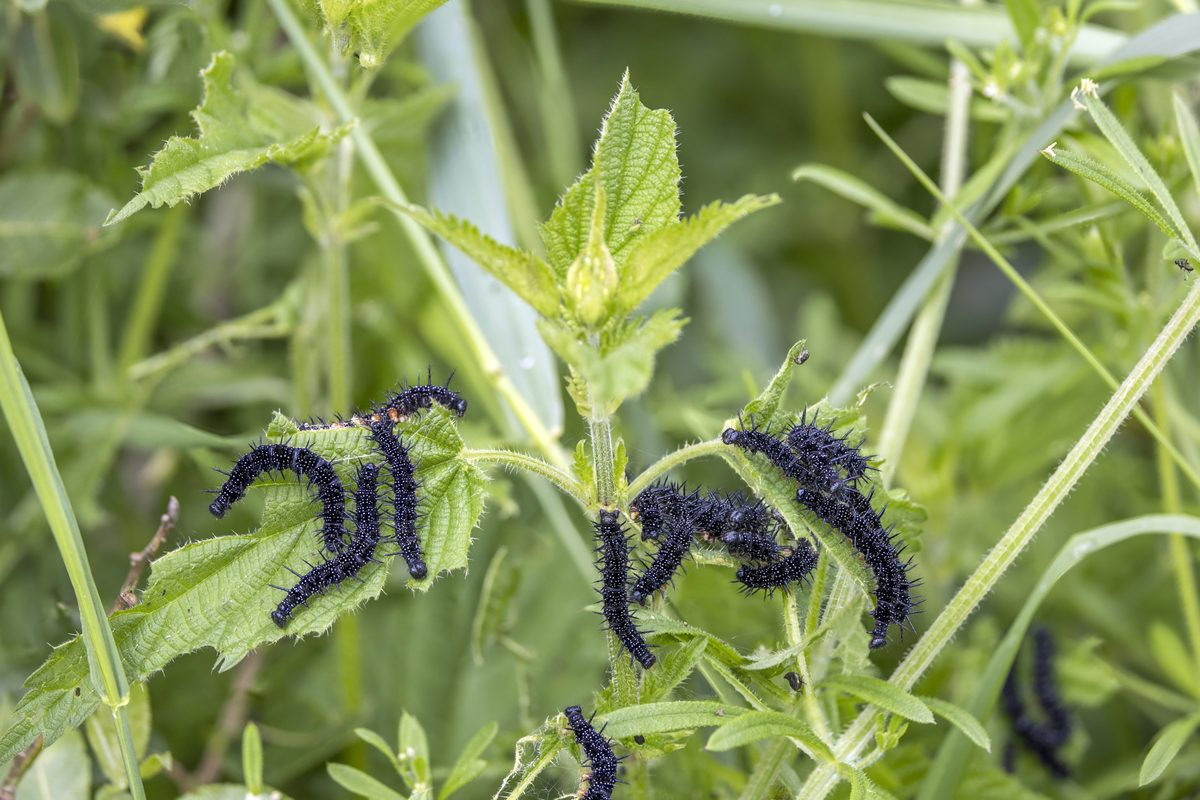
Photo: Wikimedia Commons contributor, CC BY-SA 4.0 via Wikimedia Commons

Quick facts
| Light: | Full sun, part shade and full shade (full sun preferred)11 source |
|---|---|
| Water: | Medium to wet11 source |
| Soil: | Well drained, moist and occasionally wet21 source |
| Hardiness: | Zones 4a–10b11 source |
| Size: | 10 ft (3.05 m) × 1–3 ft (0.3–0.91 m)211 source |
| Growth rate: | Rapid11 source |
| Bloom: | Jun–Sep, Green, white and brown211 source |
| Cats: | Toxic to cats (1 source) 5 |
| Dogs: | Toxic to dogs (1 source) 5 |
| Native range: | AFG, ALB, ALG, ALT, AMU, ASS, AUT, BGM, BLR, BLT, BRY, BUL, CHC, CHI, CHM, CHN, CHQ, CHT, CHX, COR, CTA, CZE, DEN, EAI, EHM, FIN, FOR, FRA, GER, GRB, GRC, HUN, ICE, IND, IRE, IRK, IRN, IRQ, ITA, JAP, KAM, KAZ, KGZ, KHA, KOR, KRA, KRI, KRY, LBS, MAG, MON, MOR, NCS, NEP, NET, NOR, PAK, POL, POR, PRM, ROM, RUC, RUE, RUN, RUS, RUW, SAK, SAR, SIC, SPA, SWE, SWI, TCS, TKM, TUE, TUN, TUR, TVA, TZK, UKR, UZB, WHM, WSB, YAK, YUG6 |
| Family: | Urticaceae |
How much light does a Stinging Nettle need?
Full sun is the preferred light for stinging nettle, meaning six or more hours of direct sunlight a day. The plant also grows in part shade and in full shade. Dappled sunlight, meaning shade through the upper canopy all day, is another listed condition. The listed light conditions run from direct sun to shade under a full canopy.
- Light: Full sun, part shade and full shade (full sun preferred)1
How often to water a Stinging Nettle
Stinging nettle needs conditions from medium to wet. It generally grows on deep, rich, moist soil. It does not do well in areas of drought. Soil drainage listings include moist and occasionally wet, as well as well drained. The water range covers medium at the low end and wet at the high end.
- Water: Medium to wet1
Best soil for a Stinging Nettle
Stinging nettle grows in soil that is well drained, moist or occasionally wet. The source describes its usual ground as deep, rich, moist soil. Dry spells are a problem, since it does not do well in areas of drought. Soil moisture should land between medium and wet for this plant. Deep soil is part of that description, along with rich soil. No cited source gives a soil pH range for this plant.
- Soil drainage: Well drained, moist and occasionally wet2
Hardiness and temperature
Stinging nettle is rated for USDA hardiness zones 4a to 10b. Zone 4a is the cold end of the listed range, and zone 10b is the warm end. Gardeners in zones 4a through 10b fall inside the listed range. No cited source records a minimum temperature for this plant. Humidity is not documented either.
- Hardiness: Zones 4a–10b1
How to plant a Stinging Nettle
USDA zones 4a to 10b are the listed range for planting stinging nettle. The mature spread is 1–3 ft (0.3–0.91 m). The plant can reach about 10 ft (3.05 m) tall. Its growth rate is rapid. Full sun is preferred, with part shade and full shade also accepted. Soil can be well drained, moist or occasionally wet.
- Hardiness: Zones 4a–10b1
Winter care
Stinging nettle is a perennial herb. It is listed for USDA zones 4a to 10b. Zone 4a is the coldest zone in its listed range. No cited source records a minimum temperature, so a lowest safe figure is not documented. No winter protection or mulching advice is on file for this plant.
- Hardiness: Zones 4a–10b1
How to propagate a Stinging Nettle
Stinging nettle propagates by seed and by division. The source says nettles reproduce via seed and rhizomes. Those are the two methods on record for this plant. Seed is the first method listed, and division is the second. No cited source gives sowing depth, timing or germination details.
- Propagation: Seed and division3
Common problems
Recorded pests include Japanese beetle, spider mites, thrips, leafhoppers, planthoppers, corn rootworm beetle and root knot nematode. Recorded diseases include tomato spotted wilt virus, leaf curl virus, Texas root rot, bacterial canker and phytoplasma. Japanese beetle and spider mites are the first two pests on the list. Tomato spotted wilt virus leads the disease list.
| Problem | Kind |
|---|---|
| Japanese beetle | Pest |
| Spider mites | Pest |
| Thrips | Pest |
| Leafhoppers | Pest |
| Planthoppers | Pest |
| Corn rootworm beetle | Pest |
| Root knot nematode | Pest |
| Tomato spotted wilt virus | Disease |
| Leaf curl virus | Disease |
| Texas root rot | Disease |
| Bacterial canker | Disease |
| Phytoplasma | Disease |
Is Stinging Nettle toxic to cats and dogs?
Stinging nettle is toxic to cats. The Pet Poison Helpline lists oral swelling, itching and pain among the signs after cats ingest it, with rapid onset. Pain is one of the listed signs in cats, alongside itching. Stinging nettle is also toxic to dogs. Dogs experience significant signs and may also develop vomiting, stumbling and muscle twitching. Cats and dogs are each listed as toxic. This page covers cats and dogs only.
Pet-safe alternatives
Recommended supplies
- Soil: a free-draining mix, and a pot with a drainage hole.
Questions and answers
- Is stinging nettle toxic to cats and dogs?
- Stinging nettle is listed as toxic to both cats and dogs. Listed signs include oral swelling, itching and pain in cats, and vomiting, stumbling and muscle twitching in dogs.
- How much sun does stinging nettle need?
- Full sun is preferred, meaning six or more hours of direct sunlight a day. The plant also grows in part shade and in full shade.
- Which zones can stinging nettle grow in?
- It is listed for USDA zones 4a to 10b. The plant is a perennial herb. Its water needs run from medium to wet.
Sources
- NC State Extension Gardener Plant Toolbox. https://plants.ces.ncsu.edu/plants/urtica-dioica/. Accessed 27 September 2026.
- Lady Bird Johnson Wildflower Center. https://www.wildflower.org/plants/result.php?id_plant=URDI. Accessed 5 October 2026.
- Oregon State University Extension Service. https://extension.oregonstate.edu/catalog/em-9373-wild-edibles-stinging-nettle. Accessed 5 October 2026.
- EPPO Global Database. https://gd.eppo.int/taxon/URTDI/pests. Accessed 27 September 2026.
- Pet Poison Helpline. https://www.petpoisonhelpline.com/poison/stinging-nettle/. Accessed 23 September 2026.
- Royal Botanic Gardens, Kew (World Checklist of Vascular Plants). https://sftp.kew.org/pub/data-repositories/WCVP/wcvp.zip. Accessed 4 June 2026.
How this page was made
- Written with AI assistance from the sources listed on this page. AI is never the source of a fact.