Yellow Trumpetbush (Tecoma stans)
Formerly Stenolobium stans, Bignonia stans, Gelseminum stans
Yellow trumpetbush needs full sun and a spot where the ground dries out between waterings. Part shade is also listed, though full sun is preferred. It is hardy outdoors in USDA zones 10b to 11b. It is a tree with yellow flowers. Pet toxicity for cats and dogs is not documented on this page.
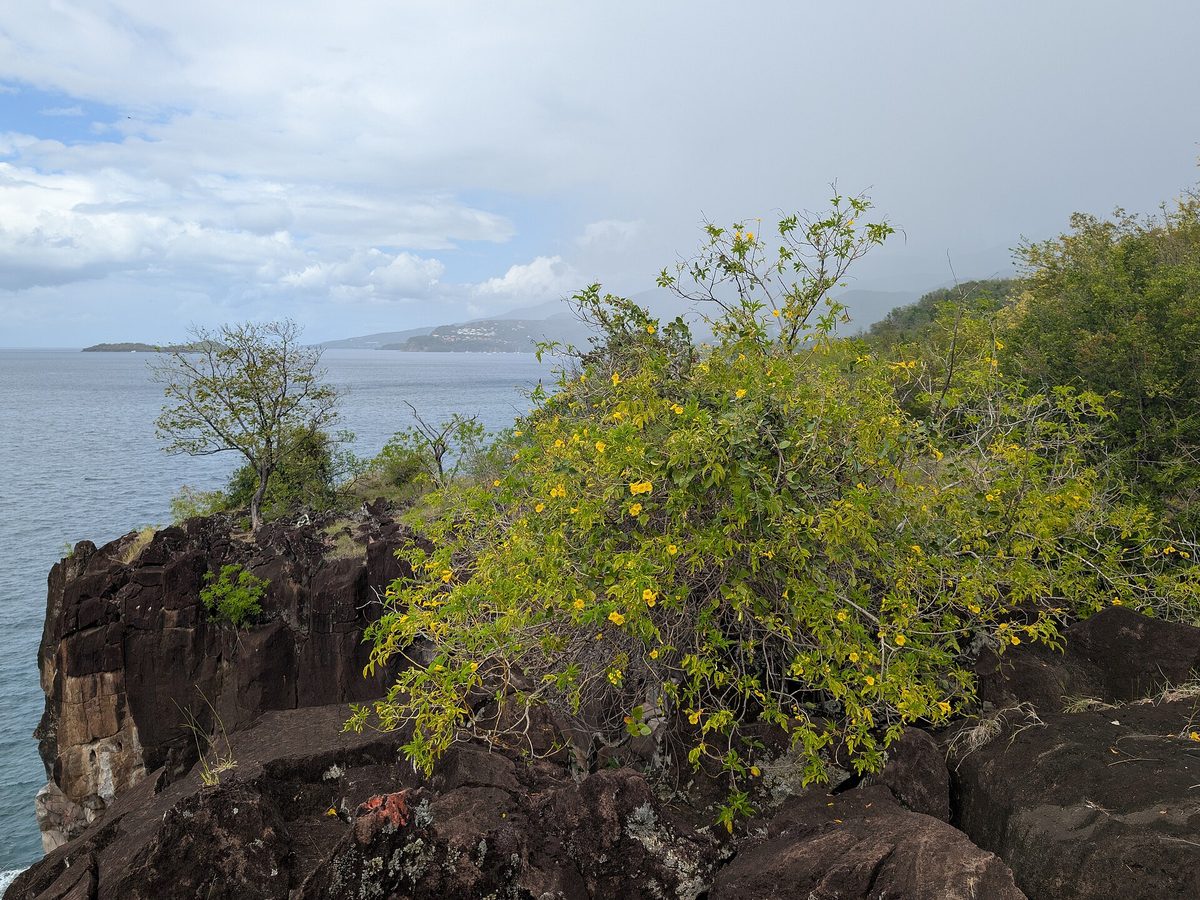
Photo: Krzysztof Ziarnek, Kenraiz, CC BY-SA 4.0 via Wikimedia Commons

Quick facts
| Water: | Dry11 source |
|---|---|
| Soil: | Well drained11 source |
| Size: | 10–30 ft (3.05–9.14 m) × 3–20 ft (0.91–6.1 m)231 source |
| Growth rate: | Moderate31 source |
| Bloom: | Apr–Nov, Yellow131 source |
| Cats: | Not documented by major sources |
| Dogs: | Not documented by major sources |
| Native range: | AGE, AGW, ARI, BAH, BOL, CAY, CLM, COS, CUB, DOM, ECU, ELS, FLA, GUA, HAI, HON, JAM, LEE, MXC, MXE, MXG, MXN, MXS, MXT, NIC, NLA, NWM, PAN, PER, PUE, SWC, TCI, TEX, TRT, VEN, VNA, WIN5 |
| Family: | Bignoniaceae |
How often to water a Yellow Trumpetbush
Let the ground dry out between waterings. Its recorded water need is dry, with no wetter range listed. Soils named for it are well drained: rocky, limestone, sand and loam. Outdoors, it is hardy in USDA zones 10b to 11b. Full sun is the preferred light, with part shade also listed.
- Water: Dry1
Best soil for a Yellow Trumpetbush
The listed soil drainage for this tree is well drained. No soil pH is documented on this page. For planting, leave room for a spread of 3 to 20 ft (0.91–6.1 m). Height can reach 10 to 30 ft (3.05–9.14 m). This is a tree with an erect habit.
- Soil drainage: Well drained1
How to propagate a Yellow Trumpetbush
Seed and stem cuttings are the listed propagation methods. Plants grow easily from seed. They can also be propagated from cuttings, and softwood cuttings are named. Plan for a mature tree 10 to 30 ft (3.05–9.14 m) tall and 3 to 20 ft (0.91–6.1 m) wide. The growth rate is recorded as moderate. Its habit is erect.
Common problems
Pests recorded for this tree are scale, whiteflies, spider mites and shot hole borer. It is described as relatively pest-free. Chewing insects and scale are called only minor problems. Cotton root rot is the disease listed for it. It is recorded under the name Phymatotrichopsis omnivora.
| Problem | Kind |
|---|---|
| Scale insects | Pest |
| Whiteflies | Pest |
| Spider mites | Pest |
| Shot hole borer | Pest |
| Cotton root rot | Disease |
Is Yellow Trumpetbush toxic to cats and dogs?
Recommended supplies
- Soil: a free-draining mix, and a pot with a drainage hole.
Questions and answers
- How much sun does yellow trumpetbush need?
- It prefers full sun outdoors, and part shade is also listed. The tree blooms best in full sun. Its flowers are yellow and trumpet-shaped. Plan for a mature height of 10 to 30 ft (3.05–9.14 m).
- Is yellow trumpetbush native to the United States?
- The native status record lists it as native in the lower 48 states and in Puerto Rico. It is listed as introduced in Hawaii. Its hardiness range is zones 10b to 11b.
- Can you grow yellow trumpetbush from cuttings or seed?
- Stem cuttings are a listed method, and softwood cuttings are named. Seed is also listed, and plants grow easily from it. The tree has a moderate growth rate.
Sources
- Lady Bird Johnson Wildflower Center. https://www.wildflower.org/plants/result.php?id_plant=TEST. Accessed 14 October 2026.
- University of Florida IFAS Extension (EDIS). https://ask.ifas.ufl.edu/publication/ST625. Accessed 14 October 2026.
- NC State Extension. https://plants.ces.ncsu.edu/plants/tecoma-stans/. Accessed 14 October 2026.
- EPPO Global Database. https://gd.eppo.int/taxon/TECST/pests. Accessed 14 October 2026.
- Royal Botanic Gardens, Kew (World Checklist of Vascular Plants). https://sftp.kew.org/pub/data-repositories/WCVP/wcvp.zip. Accessed 4 June 2026.
How this page was made
- Written with AI assistance from the sources listed on this page. AI is never the source of a fact.