Confederate Jasmine (Trachelospermum jasminoides)
Formerly Rhyncospermum jasminoides, Parechites adnascens, Parechites thunbergii
Give confederate jasmine full sun, with part shade as the other listed option, and a moist but well-drained soil. It is a rapid-growing evergreen vine that is listed for zones 8a–10b. The ASPCA lists it as non-toxic to both cats and dogs.
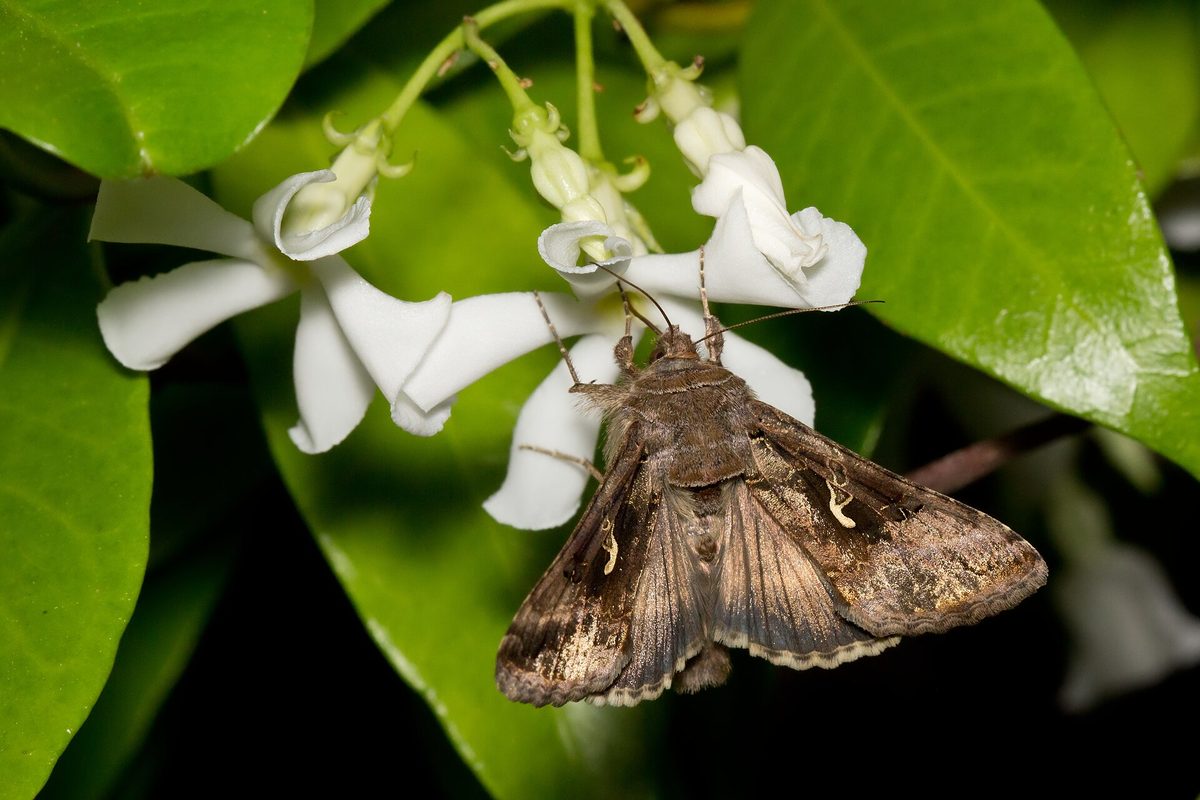
Photo: Carlos Delgado, CC BY-SA 3.0 via Wikimedia Commons

Quick facts
| Light: | Full sun and part shade (full sun preferred)12 |
|---|---|
| Soil: | Well drained and moist13 |
| Hardiness: | Zones 8a–10b111 source |
| Size: | 3–20 ft (0.91–6.1 m) × 3–4 ft (0.91–1.22 m)11 source |
| Growth rate: | Rapid11 source |
| Bloom: | White61 source |
| Cats: | Non-toxic to cats 51 |
| Dogs: | Non-toxic to dogs 51 |
| Native range: | CHC, CHH, CHN, CHS, CHT, JAP, KOR, TAI, VIE7 |
| Family: | Apocynaceae |
How much light does a Confederate Jasmine need?
Outdoors, confederate jasmine does best in full sun, meaning six or more hours of direct sunlight a day. It also grows in part shade, though full sun is the preferred exposure. Indoors, it grows best in bright indirect or curtain-filtered sunlight. Bright indirect light is the indoor preference for this vine.
Best soil for a Confederate Jasmine
Confederate jasmine grows best in a soil that is moist but well drained. The soil that works best has leaf mold added to it. Good drainage is also listed for this plant. The drainage values recorded are well drained and moist. No cited source records a preferred soil pH, so that value is not documented here. Soil texture and fertility are also not documented for this page.
Hardiness and temperature
This vine is listed for USDA hardiness zones 8a to 10b. That range covers 8a, 8b, 9a, 9b, 10a and 10b. The plant is a broadleaf evergreen. No cited source records a minimum temperature, so a lowest tolerated temperature is not documented. Humidity preferences are not documented either.
Pruning a Confederate Jasmine
Pruning for confederate jasmine is light shaping. Pinch the tips of the stems to stimulate lateral growth. If you need to restrain growth, prune after the plant has flowered. Its growth rate is listed as rapid. No heavier pruning method is recorded for this plant.
- Pruning: Light shaping3
How to plant a Confederate Jasmine
Plant confederate jasmine in USDA zones 8a to 10b. Expect a spread of 3–4 ft (0.91–1.22 m). Height ranges from 3 to 20 ft (0.91–6.1 m). Choose a spot with full sun to part shade and moist but well-drained soil. The plant is classed as a vine. Planting time is not documented here.
Winter care
Its listed hardiness range is zones 8a to 10b. That range runs from 8a at the cold end to 10b at the warm end. The plant is a broadleaf evergreen. No cited source records a minimum temperature, so a cold limit is not documented. Protection methods for winter are not documented either.
How to propagate a Confederate Jasmine
You can propagate confederate jasmine by stem cuttings or by layering. Stem cuttings give you additional plants. Layering is the second option listed beside cuttings. These are the two methods recorded for this vine. The details of rooting, such as hormone use, timing and cutting length, are not documented here.
Common problems
Watch for Japanese beetles, scales and spider mites on confederate jasmine. The diseases recorded for this plant are armillaria root rot and phytophthora root and crown rot. Both diseases are listed by name only, so symptoms and treatments are not documented here. Treatments for the pests are not documented here either.
| Problem | Kind |
|---|---|
| Japanese beetles | Pest |
| Scales | Pest |
| Spider mites | Pest |
| Armillaria root rot | Disease |
| Phytophthora root and crown rot | Disease |
Is Confederate Jasmine toxic to cats and dogs?
The ASPCA lists confederate jasmine as non-toxic to cats. The ASPCA also lists it as non-toxic to dogs. The NC State Extension Gardener Plant Toolbox likewise carries a non-toxic tag for both cats and dogs. For cats, the recorded position is non-toxic. For dogs, the recorded position is also non-toxic. This page covers pet toxicity for cats and dogs only, so other animals are outside its scope.
Recommended supplies
- Soil: a free-draining mix, and a pot with a drainage hole.
Questions and answers
- Is confederate jasmine toxic to cats and dogs?
- The ASPCA lists it as non-toxic to cats and non-toxic to dogs. The NC State Extension Gardener Plant Toolbox also records it as non-toxic for both. This page covers cats and dogs only.
- How much sun does confederate jasmine need?
- Full sun is preferred, meaning six or more hours of direct sunlight a day. It also grows in part shade. Indoors, bright indirect or curtain-filtered sunlight suits it best.
- How do I propagate confederate jasmine?
- You can propagate it by stem cuttings or by layering. These are the two methods recorded for this vine. Details such as timing are not documented here.
Sources
- NC State Extension Gardener Plant Toolbox. https://plants.ces.ncsu.edu/plants/trachelospermum-jasminoides/. Accessed 21 October 2026.
- Clemson Cooperative Extension Home & Garden Information Center. https://hgic.clemson.edu/factsheet/vine-selections-for-landscaping/. Accessed 21 October 2026.
- Clemson Cooperative Extension Home & Garden Information Center. https://hgic.clemson.edu/factsheet/jasmine/. Accessed 21 October 2026.
- UC Statewide Integrated Pest Management Program. https://ipm.ucanr.edu/home-and-landscape/star-jasmine/. Accessed 21 October 2026.
- ASPCA Animal Poison Control Center. https://www.aspca.org/pet-care/aspca-poison-control/toxic-and-non-toxic-plants/confederate-jasmine. Accessed 27 October 2026.
- Clemson Cooperative Extension Home & Garden Information Center. https://hgic.clemson.edu/factsheet/groundcovers/. Accessed 21 October 2026.
- Royal Botanic Gardens, Kew (World Checklist of Vascular Plants). https://sftp.kew.org/pub/data-repositories/WCVP/wcvp.zip. Accessed 4 June 2026.
How this page was made
- Written with AI assistance from the sources listed on this page. AI is never the source of a fact.