Rugosa Rose (Rosa rugosa)
Formerly Rosa kamtchatica, Rosa ferox, Rosa andreae
Give rugosa rose full sun and well-drained soil, with water needs that range from dry to medium. The page cites no toxicity record for cats or dogs, so that position is not documented here. It is a shrub that grows rapidly and is rated high for maintenance.
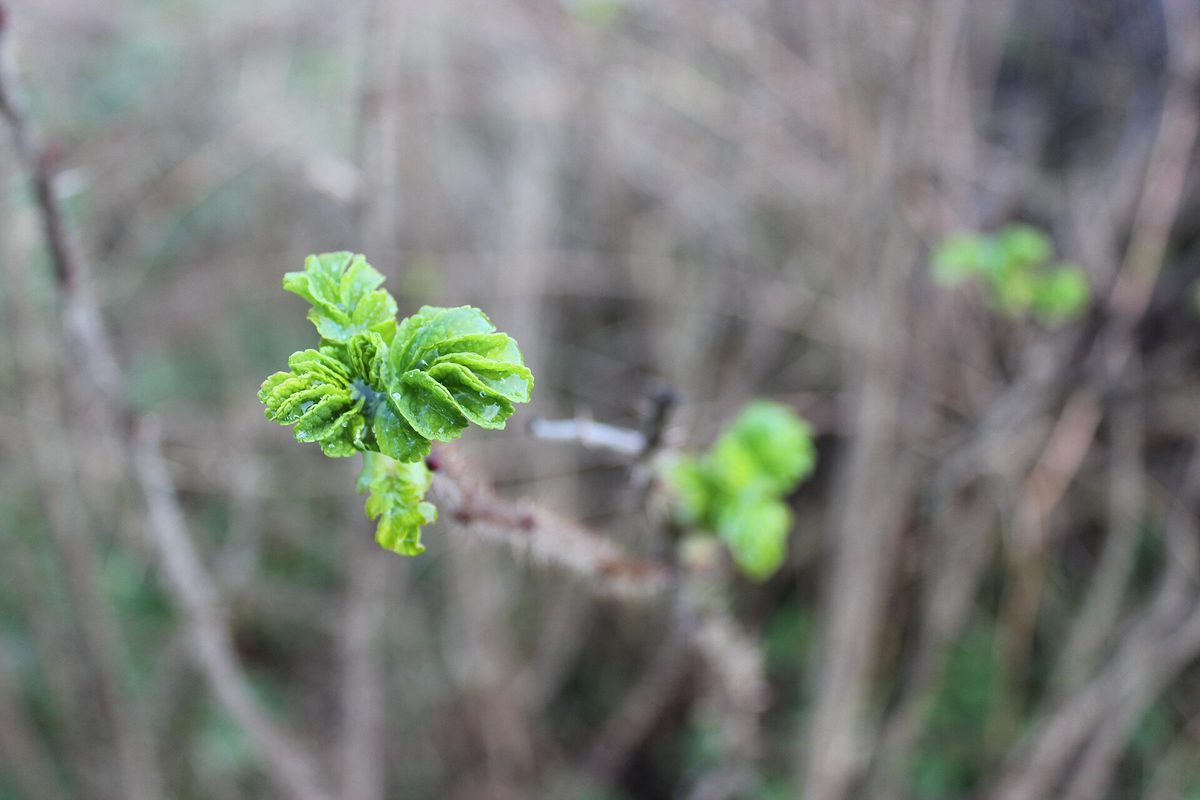
Photo: Jiròni B., CC0 via Wikimedia Commons

Quick facts
| Light: | Full sun12 |
|---|---|
| Water: | Dry to medium21 source |
| Soil: | Well drained, moist and occasionally dry; pH 5–821 |
| Hardiness: | Zones 2a–7b11 source |
| Size: | 3.9–5.9 ft (1.2–1.8 m) × 3.9–5.9 ft (1.2–1.8 m)12 |
| Growth rate: | Rapid11 source |
| Bloom: | May–Jul, Pink and white11 source |
| Cats: | Not documented by major sources |
| Dogs: | Not documented by major sources |
| Native range: | CHM, CHN, JAP, KAM, KOR, PRM, SAK4 |
| Family: | Rosaceae |
How much light does a Rugosa Rose need?
Full sun is what rugosa rose (Rosa rugosa) takes outdoors. The source describes that as six or more hours of direct sunlight a day. Full sun is the only outdoor light level listed for this shrub. The indoor light record also says direct sun, with no lower light level listed as tolerated. Choose a spot that gets that much direct sun each day.
How often to water a Rugosa Rose
Water needs for rugosa rose run from dry to medium. The cited source lists consistently moist, well-drained soil, along with occasional periods of dry soil and prolonged periods of dry soil. Soil drainage is recorded as well drained, moist and occasionally dry. Good drainage is part of the record for this shrub.
- Water: Dry to medium2
Best soil for a Rugosa Rose
Soil for this shrub can be well drained, moist or occasionally dry. The record lists good drainage as part of that range. Soil pH can run from 5 to 8, which spans acid to alkaline soil. Both ends of that pH range are listed as tolerated. Prolonged periods of dry soil are listed as well.
Hardiness and temperature
USDA zones 2a through 7b are the range recorded for this shrub. That covers every half-zone step, from 2a, 2b, 3a and 3b up to 7a and 7b. The range starts at zone 2a and ends at zone 7b. No cited source records a minimum temperature for it. Humidity is also not documented.
- Hardiness: Zones 2a–7b1
Fertilizing a Rugosa Rose
Fertilize rugosa rose monthly during the growing season. The schedule covers five months and then stops. Stopping feeding reduces new growth that may not harden off before winter. New growth that does not harden off before winter is the concern the source names.
- Fertilizer: Monthly in the growing season (Apr–Aug)3
How to plant a Rugosa Rose
Plant rugosa rose where your USDA zone falls between 2a and 7b. Its mature spread is 3.9–5.9 ft (1.2–1.8 m), and its height is the same. Choose a full sun spot with well-drained soil. Its flowers are pink or white. In the United States it is recorded as introduced in Alaska and in the lower 48 states. Its native range is listed as the regions coded CHM, CHN, JAP, KAM, KOR, PRM and SAK.
- Hardiness: Zones 2a–7b1
Winter care
Cold hardiness for this rose is recorded as zones 2a through 7b. No cited source gives a minimum temperature, so a lowest safe temperature is not documented. The fertilizer schedule ends feeding so that late growth can harden off before winter. Winter protection methods such as mulch or wrapping are not documented for this page.
- Hardiness: Zones 2a–7b1
Care calendar
| Task | Jan | Feb | Mar | Apr | May | Jun | Jul | Aug | Sep | Oct | Nov | Dec |
|---|---|---|---|---|---|---|---|---|---|---|---|---|
| Fertilize | Fertilize in Apr | Fertilize in May | Fertilize in Jun | Fertilize in Jul | Fertilize in Aug | |||||||
| Bloom | Bloom in May | Bloom in Jun | Bloom in Jul |
How to propagate a Rugosa Rose
Stem cuttings are the recommended way to propagate rugosa rose. The source names stem cutting as its propagation strategy. No other method is listed in the record for this shrub. Rapid growth is recorded for this shrub, and stem cutting is its only listed method. The record gives no timing, rooting medium or cutting length, so those details are not documented here.
- Propagation: Stem cuttings1
Common problems
Four diseases are listed for rugosa rose: rust, rose rosette, black spot and powdery mildew. The source says these may occur, not that they always do. No pests are listed in the record for this species. Deer tend to avoid it but may eat the flowers.
- Common diseases: rust, rose rosette, black spot and powdery mildew1
| Problem | Kind |
|---|---|
| Rust | Disease |
| Rose rosette | Disease |
| Black spot | Disease |
| Powdery mildew | Disease |
Is Rugosa Rose toxic to cats and dogs?
Recommended supplies
- Soil: a free-draining mix, and a pot with a drainage hole.
Questions and answers
- How much sun does rugosa rose need?
- It needs full sun, which the source describes as six or more hours of direct sunlight a day. Full sun is the only outdoor light level listed. The indoor light record also says direct sun.
- What size does rugosa rose reach?
- It reaches 3.9–5.9 ft (1.2–1.8 m) tall and the same distance across. Its growth rate is recorded as rapid. Maintenance is rated high. It is classed as a shrub.
- Which USDA zones suit rugosa rose?
- It is rated for zones 2a through 7b. That range covers every half-zone step between those two ends. Its flowers are pink or white. Deer tend to avoid it but may eat the flowers.
Sources
- NC State Extension Gardener Plant Toolbox. https://plants.ces.ncsu.edu/plants/rosa-rugosa/. Accessed 15 October 2026.
- Cornell University CALS Woody Plants Database. https://woodyplants.cals.cornell.edu/plant/225. Accessed 15 October 2026.
- Penn State Extension. https://extension.psu.edu/protecting-your-roses-through-pennsylvania-winters. Accessed 15 October 2026.
- Royal Botanic Gardens, Kew (World Checklist of Vascular Plants). https://sftp.kew.org/pub/data-repositories/WCVP/wcvp.zip. Accessed 4 June 2026.
How this page was made
- Written with AI assistance from the sources listed on this page. AI is never the source of a fact.