Japanese Apricot (Prunus mume)
Formerly Armeniaca mume, Prunopsis mume, Prunus anomala
Keep Japanese apricot (Prunus mume) in full sun, with part shade as the alternative, and plant it in well-drained soil. It is rated for zones 6a to 9b. The leaves, stems and seeds are toxic to both cats and dogs if ingested. Watering needs are not documented for this page.
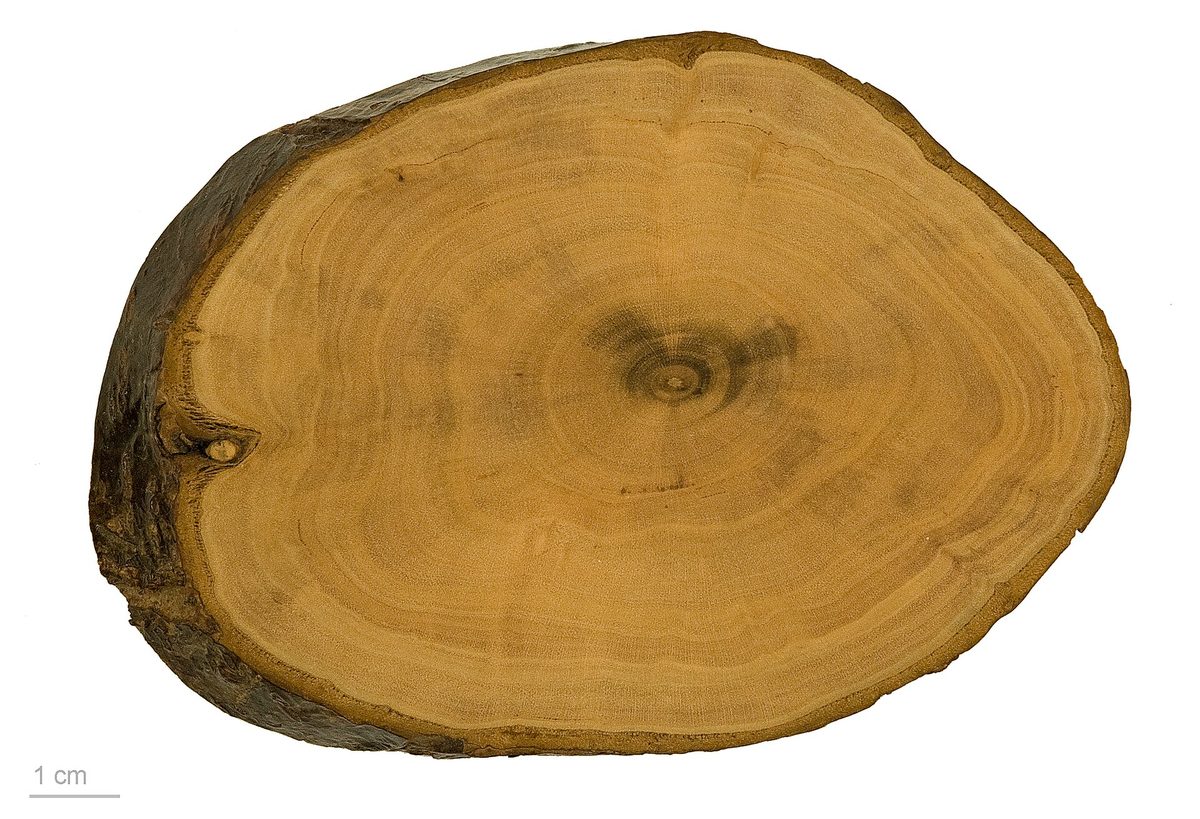
Photo: Jean-Pierre Chéreau & Roger Culos, CC BY-SA 3.0 via Wikimedia Commons

Quick facts
| Light: | Full sun and part shade (full sun preferred)12 |
|---|---|
| Soil: | Well drained21 source |
| Hardiness: | Zones 6a–9b11 source |
| Size: | 20–29.9 ft (6.1–9.1 m) × 15.1–20 ft (4.6–6.1 m)211 source |
| Growth rate: | Rapid11 source |
| Bloom: | Jan–Feb, Pink11 source |
| Cats: | Toxic to cats (1 source) 1 |
| Dogs: | Toxic to dogs (1 source) 1 |
| Native range: | CHC, LAO, VIE4 |
| Family: | Rosaceae |
How much light does a Japanese Apricot need?
Japanese apricot prefers full sun. Part shade is also listed as a condition the tree accepts, so full sun is the preference and part shade is the fallback. One extension listing describes the tree as preferring full sun to partial shade, along with moist, acidic, loamy soils. Another extension listing says it prefers full sun and fertile, well-drained, acid soils. When you have a choice of positions, pick the sunniest one first.
Best soil for a Japanese Apricot
Well-drained soil is the drainage preference recorded for this tree. The Clemson listing adds that it prefers fertile, acid soils. The NC State listing describes its preferred soils as moist, acidic and loamy. Both listings name acid soil as the preference. No cited source gives a soil pH range, so a specific number is not documented here.
- Soil drainage: Well drained2
Hardiness and temperature
Japanese apricot is rated for USDA hardiness zones 6a through 9b. That range takes in zones 6a, 6b, 7a, 7b, 8a, 8b, 9a and 9b. No cited source records a minimum temperature for the tree. Humidity needs are not documented either. Compare your own zone with this range before you decide where to grow it.
- Hardiness: Zones 6a–9b1
How to plant a Japanese Apricot
Plant Japanese apricot only where your garden falls in USDA zones 6a to 9b. It is listed as a tree that reaches 20 to 30 ft (6.1 to 9.1 m) tall. The mature spread is 15 to 20 ft (4.6 to 6.1 m) wide, so allow that much width at the planting spot. Choose a site with full sun and well-drained soil. The growth rate is rapid, and the tree is deciduous.
- Hardiness: Zones 6a–9b1
Winter care
Japanese apricot is deciduous. Its pale pink flowers usually open in late winter. The tree is rated for zones 6a through 9b, so a winter colder than zone 6a falls outside its listed range. No cited source records a minimum temperature or any winter protection steps. Winter care beyond the hardiness range is therefore not documented here.
- Hardiness: Zones 6a–9b1
How to propagate a Japanese Apricot
You can propagate Japanese apricot by seed, stem cuttings or grafting. The species can be grown from seed taken from ripened fruit. Cultivars are different, because the Brooklyn Botanic Garden says that to keep them true to form you must propagate from softwood cuttings. Take those cuttings in early summer and keep them misted. Grafting is the third method listed for this tree.
Common problems
Potential insect pests of Japanese apricot include aphids, scale insects, borers, spider mites and tent caterpillars. The listed diseases are bacterial canker, honey fungus, silver leaf and brown rot. The extension listing describes the tree as susceptible to all four of these diseases.
| Problem | Kind |
|---|---|
| Aphids | Pest |
| Scale insects | Pest |
| Borers | Pest |
| Spider mites | Pest |
| Tent caterpillars | Pest |
| Bacterial canker | Disease |
| Honey fungus | Disease |
| Silver leaf | Disease |
| Brown rot | Disease |
Is Japanese Apricot toxic to cats and dogs?
The leaves, stems and seeds of Japanese apricot are toxic to cats if ingested. The same parts are toxic to dogs if ingested. For both animals the value on file is toxic, and the listing names the leaves, stems and seeds. No cited source states a severity for either cats or dogs. If cats or dogs share your garden, keep that in mind when you choose where the tree goes.
Pet-safe alternatives
Recommended supplies
- Soil: a free-draining mix, and a pot with a drainage hole.
Questions and answers
- Which zones suit Japanese apricot?
- Japanese apricot is rated for USDA hardiness zones 6a through 9b. That covers every half-zone from 6a to 9b. It also prefers full sun and well-drained soil.
- Is Japanese apricot toxic to cats and dogs?
- The leaves, stems and seeds are toxic to cats if ingested. They are toxic to dogs if ingested as well. No cited source states a severity for either animal.
- How do you propagate Japanese apricot?
- You can use seed, stem cuttings or grafting. Seed comes from ripened fruit. To keep a cultivar true to form, take softwood cuttings in early summer and keep them misted.
Sources
- NC State Extension Gardener Plant Toolbox. https://plants.ces.ncsu.edu/plants/prunus-mume/. Accessed 21 October 2026.
- Clemson Cooperative Extension Home & Garden Information Center. https://hgic.clemson.edu/factsheet/ornamental-cherry-plum-apricot-almond/. Accessed 21 October 2026.
- Brooklyn Botanic Garden. https://www.bbg.org/article/japanese_flowering_apricot. Accessed 31 October 2026.
- Royal Botanic Gardens, Kew (World Checklist of Vascular Plants). https://sftp.kew.org/pub/data-repositories/WCVP/wcvp.zip. Accessed 4 June 2026.
How this page was made
- Written with AI assistance from the sources listed on this page. AI is never the source of a fact.