American Sycamore (Platanus occidentalis)
Formerly Platanus lobata, Platanus densicoma, Platanus pyramidalis
This tree does well outdoors in full sun, part shade or full shade, though full sun -- six or more hours of direct sunlight a day -- suits it best. Give it soil that stays medium to wet. It is listed as non-toxic to both cats and dogs.
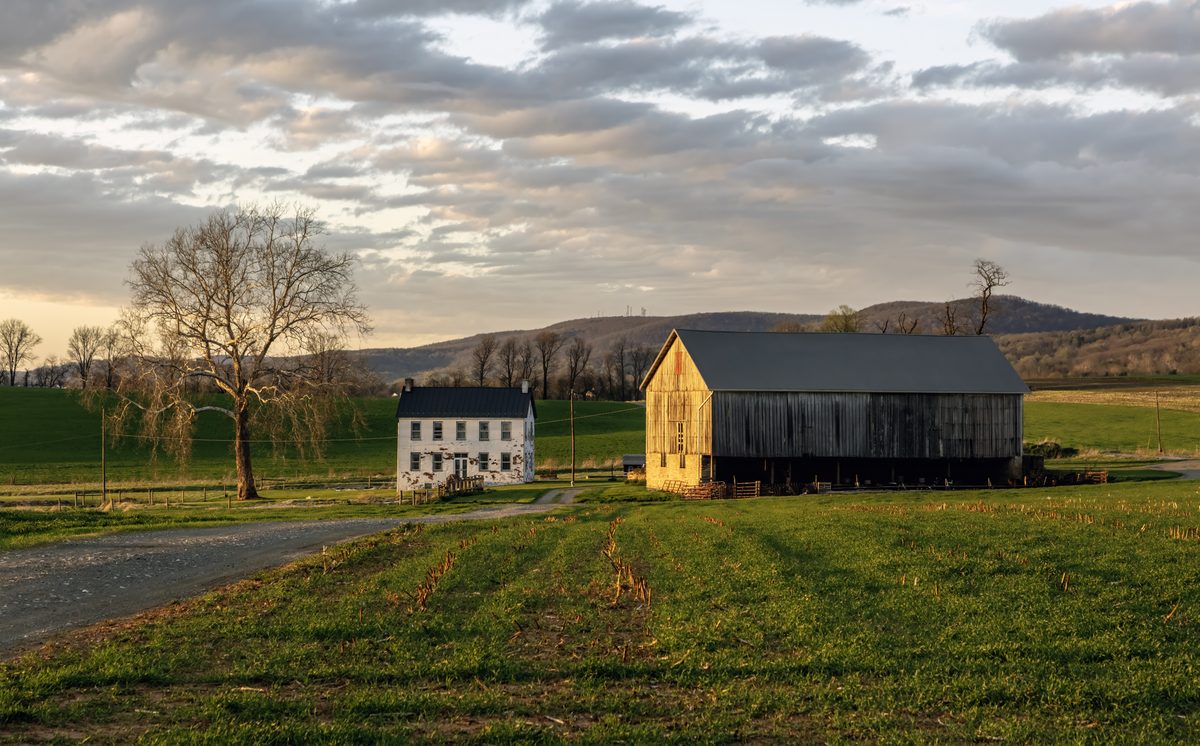
Photo: Acroterion, CC BY-SA 4.0 via Wikimedia Commons

Quick facts
| Light: | Full sun, part shade and full shade (full sun preferred)12 |
|---|---|
| Water: | Medium to wet21 source |
| Soil: | Well drained, moist and occasionally wet; pH 5–8234 |
| Hardiness: | Zones 4a–9b21 source |
| Size: | 75–100 ft (22.86–30.48 m) × 75–100 ft (22.86–30.48 m)2163 |
| Growth rate: | Rapid238 |
| Bloom: | Mar–Apr, Green, yellow, red and brown9211 source |
| Cats: | Non-toxic to cats 72 |
| Dogs: | Non-toxic to dogs 72 |
| Native range: | ALA, ARK, CNT, DEL, FLA, GEO, ILL, INI, IOW, KAN, KTY, LOU, MAI, MAS, MIC, MRY, MSI, MSO, NCA, NEB, NWH, NWJ, NWY, OHI, OKL, ONT, PEN, RHO, SCA, TEN, TEX, VER, VRG, WDC, WIS, WVA10 |
| Family: | Platanaceae |
How much light does an American Sycamore need?
Outdoors, you can grow this tree in full sun, part shade or full shade. Of these, full sun is its preferred light level. Full sun is defined as six or more hours of direct sunlight a day. It also tolerates part shade and full shade.
How often to water an American Sycamore
Water this tree enough to keep the soil medium to wet. It also tolerates soil that drains well, stays moist, or is occasionally wet. That range runs from well-drained ground up to spots that stay occasionally wet. That means medium-wet soil at the low end of its range and fully wet soil at the high end.
- Water: Medium to wet2
Best soil for an American Sycamore
This tree's soil can be well drained, moist or occasionally wet. A spot with any of those three conditions suits it, from ground that drains quickly to ground that holds water at times. Its soil pH can run from 5 to 8, from acidic to alkaline. That is a broad pH span, running from a fairly acidic mix at 5 up to a fairly alkaline one at 8.
Hardiness and temperature
Hardiness for this tree outdoors runs from USDA zone 4a up to zone 9b. That span starts at the colder zone 4a and runs to the warmer zone 9b. Within that full list, it is rated for zones 4a, 4b, 5a, 5b, 6a, 6b, 7a, 7b, 8a, 8b, 9a and 9b.
- Hardiness: Zones 4a–9b2
Pruning an American Sycamore
Prune this tree only from December through February. Limit pruning to light shaping and removing dead growth. Penn State Extension recommends pruning sycamores only during December and January, when the weather is dry. Avoid pruning it at other times of year.
- Pruning: Light shaping and Remove dead growth only (Jan–Feb, Dec)5
How to plant an American Sycamore
You can plant this tree outdoors in USDA hardiness zones 4a through 9b. At maturity, it typically reaches 75 to 100 ft (22.86-30.48 m) tall. Its spread at maturity also runs 75 to 100 ft (22.86-30.48 m), so give it plenty of room when you choose a planting site. It is native within the lower 48 states.
- Hardiness: Zones 4a–9b2
Winter care
This tree's USDA hardiness spans zone 4a through zone 9b outdoors. It is a deciduous tree. Prune it only during December through February. That pruning should be limited to light shaping or removing dead growth. Penn State Extension advises pruning only when the weather is dry.
- Hardiness: Zones 4a–9b2
Care calendar
| Task | Jan | Feb | Mar | Apr | May | Jun | Jul | Aug | Sep | Oct | Nov | Dec |
|---|---|---|---|---|---|---|---|---|---|---|---|---|
| Prune | Prune in Jan | Prune in Feb | Prune in Dec | |||||||||
| Bloom | Bloom in Mar | Bloom in Apr |
How to propagate an American Sycamore
You can propagate this tree from seed. Cultivars are propagated by stem cuttings instead, taken as either hardwood or softwood cuttings. That gives you two propagation routes: growing from seed, or taking a cutting from an existing plant. Which one you use depends on whether you are growing the species itself or a named cultivar of it.
- Propagation: Seed and stem cuttings3
Common problems
This tree can face several insect pests. These include sycamore lace bugs, sycamore leaf beetles, Japanese beetles, caterpillars, spider mites, aphids, scales and borers. Its disease problems include anthracnose, canker, leaf spot, powdery mildew and bacterial leaf scorch. Both lists cover insects and diseases reported for this species.
| Problem | Kind |
|---|---|
| Sycamore lace bug | Pest |
| Sycamore leaf beetle | Pest |
| Japanese beetle | Pest |
| Caterpillars | Pest |
| Spider mites | Pest |
| Aphids | Pest |
| Scales | Pest |
| Borers | Pest |
| Anthracnose | Disease |
| Canker | Disease |
| Leaf spot | Disease |
| Powdery mildew | Disease |
| Bacterial leaf scorch | Disease |
Is American Sycamore toxic to cats and dogs?
This tree is listed as non-toxic to both cats and dogs. The ASPCA lists it as non-toxic to dogs, cats and horses. NC State Extension separately lists it as non-toxic for cats. NC State Extension also lists it as non-toxic for dogs. Neither source lists any toxic parts or warning signs for cats or dogs. That ASPCA listing treats dogs, cats and horses the same way, as non-toxic.
Recommended supplies
- Soil: a free-draining mix, and a pot with a drainage hole.
Questions and answers
- Is American sycamore toxic to cats or dogs?
- This tree is not toxic to cats or dogs, according to the ASPCA and NC State Extension. Neither source records any toxic parts or symptoms for it.
- What light does American sycamore need outdoors?
- This tree takes full sun, part shade or full shade outdoors, with full sun as its preferred light level. Full sun means six or more hours of direct sunlight a day.
- How do you propagate American sycamore?
- You can grow this tree from seed. Cultivars are propagated instead from stem cuttings, either hardwood or softwood. This gives growers two ways to start new plants, from seed or from a cutting.
Sources
- Lady Bird Johnson Wildflower Center. https://www.wildflower.org/plants/result.php?id_plant=ploc. Accessed 15 October 2026.
- NC State Extension Gardener Plant Toolbox. https://plants.ces.ncsu.edu/plants/platanus-occidentalis/. Accessed 15 October 2026.
- University of Florida IFAS Extension (EDIS). https://ask.ifas.ufl.edu/publication/ST484. Accessed 14 October 2026.
- Cornell University CALS Woody Plants Database. https://woodyplants.cals.cornell.edu/plant/183. Accessed 14 October 2026.
- Penn State Extension. https://extension.psu.edu/canker-stain-in-sycamore-and-london-plane-tree. Accessed 14 October 2026.
- Clemson Cooperative Extension Home & Garden Information Center. https://hgic.clemson.edu/factsheet/sycamore/. Accessed 14 October 2026.
- ASPCA Animal Poison Control Center. https://www.aspca.org/pet-care/aspca-poison-control/toxic-and-non-toxic-plants/plantanus-occidentalis. Accessed 14 October 2026.
- USDA Forest Service Fire Effects Information System. https://www.fs.usda.gov/database/feis/plants/tree/plaocc/all.html. Accessed 14 October 2026.
- Lady Bird Johnson Wildflower Center (Native Plant Database). https://www.wildflower.org/plants/result.php?id_plant=PLOC. Accessed 31 October 2026.
- Royal Botanic Gardens, Kew (World Checklist of Vascular Plants). https://sftp.kew.org/pub/data-repositories/WCVP/wcvp.zip. Accessed 4 June 2026.
How this page was made
- Written with AI assistance from the sources listed on this page. AI is never the source of a fact.