Trees for zone 8
A USDA hardiness zone marks the average annual minimum winter temperature for a place. Zone 8 names one specific band on that scale, and every tree on this page is matched to it. That match means each one is rated to survive the winter lows zone 8 represents. The zone number says nothing about summer heat. It says nothing about rainfall or soil, either. A tree rated for zone 8 can still struggle if those other conditions do not suit it. Treat the zone rating as one filter among several, not as a full answer for a given yard. This list gathers seventy trees placed in the trees group and matched to zone 8. They are pulled from the wider set of species this site tracks. Each entry below names a species on the list and notes why the data places it here. This page gives no frost date or temperature figure specific to zone 8. Check those details for your own location before you plant, since a local microclimate can run warmer or colder than the zone number alone suggests. Use this list as a starting point for research, not as a guarantee that every tree on it will thrive in your yard.
Compared side by side
| Plant | Hardiness | Height | Light | Cats | Dogs |
|---|---|---|---|---|---|
| BoxelderAcer negundo | Zones 3a–9b | 30–50 ft (9.14–15.24 m) | Full sun and part shade (full sun preferred) | Not documented | Not documented |
| Japanese MapleAcer palmatum | Zones 5a–8b | 15–25 ft (4.57–7.62 m) | Full sun, part shade and full shade (full sun preferred) | Not documented | Not documented |
| Red MapleAcer rubrum | Zones 4a–9b | 40–70 ft (12.19–21.34 m) | Full sun and part shade (full sun preferred) | Non-toxic | Non-toxic |
| Silver MapleAcer saccharinum | Zones 3a–9b | 50–80 ft (15.24–24.38 m) | Full sun, part shade and full shade (full sun preferred) | Not documented | Not documented |
| Sugar MapleAcer saccharum | Zones 3a–8b | 50–80 ft (15.24–24.38 m) | Full sun, part shade and full shade (full sun preferred) | Not documented | Not documented |
| SilktreeAlbizia julibrissin | Zones 6a–9b | 20–40 ft (6.1–12.2 m) | Full sun and part shade (full sun preferred) | Not documented | Toxic (1 source) |
| Saskatoon ServiceberryAmelanchier alnifolia | Zones 4a–9b | Sources differ: USDA Forest Service Fire Effects Information System | Full sun, part shade and full shade (full sun preferred) | Not documented | Not documented |
| Monkeypuzzle TreeAraucaria araucana | Zones 7a–10b | 60–70 ft (18.29–21.34 m) | Not documented | Not documented | Not documented |
| Pacific MadroneArbutus menziesii | Zones 5a–8b | 30–65 ft (9.14–19.81 m) | Full sun and part shade (full sun preferred) | Not documented | Not documented |
| Strawberry TreeArbutus unedo | Zones 7a–10b | 12 ft (3.66 m) | Full sun and part shade (full sun preferred) | Not documented | Not documented |
| PawpawAsimina triloba | Zones 5a–9b | Sources differ: Clemson Cooperative Extension HGIC; Clemson Cooperative Extension HGIC; Lady Bird Johnson Wildflower Center; Clemson Cooperative Extension HGIC; Lady Bird Johnson Wildflower Center; Clemson Cooperative Extension Home & Garden Information Center | Full sun, part shade and full shade (full sun preferred) | Not documented | Not documented |
| Angel's-tearsBrugmansia suaveolens | Zones 7b–10b | 6–35 ft (1.83–10.67 m) | Full sun and part shade (full sun preferred) | Toxic (1 source) | Toxic (1 source) |
| CamelliaCamellia japonica | Zones 7a–9b | Sources differ: Cornell University CALS Woody Plants Database | Part shade | Non-toxic | Non-toxic |
| TeaCamellia sinensis | Zones 6a–9b | Sources differ: Clemson Cooperative Extension Home & Garden Information Center; Clemson Cooperative Extension Home & Garden Information Center | Full sun and part shade (full sun preferred) | Toxic (1 source) | Toxic (1 source) |
| European HornbeamCarpinus betulus | Zones 4a–8b | 40–60 ft (12.19–18.29 m) | Full sun and part shade (full sun preferred) | Not documented | Not documented |
| LuckynutCascabela thevetia | Zones 8a–10b | 4–8 ft (1.22–2.44 m) | Full sun and part shade (full sun preferred) | Toxic (1 source) | Toxic (1 source) |
| Southern CatalpaCatalpa bignonioides | Zones 5a–9b | 25–50 ft (7.62–15.24 m) | Full sun and part shade (full sun preferred) | Not documented | Not documented |
| Northern CatalpaCatalpa speciosa | Zones 4a–8b | 75–100 ft (22.86–30.48 m) | Full sun and part shade (full sun preferred) | Not documented | Not documented |
| Deodar CedarCedrus deodara | Zones 7a–9b | 30–50 ft (9.14–15.24 m) | Full sun and part shade (full sun preferred) | Not documented | Not documented |
| Common HackberryCeltis occidentalis | Zones 3a–9b | 40–80 ft (12.19–24.38 m) | Full sun, part shade and full shade (full sun preferred) | Not documented | Not documented |
| Eastern RedbudCercis canadensis | Zones 4a–9b | 20–35.1 ft (6.1–10.7 m) | Full sun, part shade and full shade (full sun preferred) | Not documented | Not documented |
| Judas-treeCercis siliquastrum | Zones 6a–9b | 15–25 ft (4.57–7.62 m) | Full sun and part shade (full sun preferred) | Not documented | Not documented |
| Hinoki False CypressChamaecyparis obtusa | Zones 4a–8b | 50–75 ft (15.24–22.86 m) | Full sun and part shade (full sun preferred) | Not documented | Not documented |
| Flowering DogwoodCornus florida | Zones 5a–9a | Sources differ: University of Florida IFAS Extension (EDIS); University of Florida IFAS Extension (EDIS); Lady Bird Johnson Wildflower Center (Native Plant Database) | Full sun and part shade (full sun preferred) | Not documented | Not documented |
| Kousa DogwoodCornus kousa | Zones 5a–8b | 20–30 ft (6.1–9.14 m) | Full sun and part shade (full sun preferred) | Not documented | Not documented |
| Cornelian CherryCornus mas | Zones 4a–8b | 15–25 ft (4.57–7.62 m) | Full sun and part shade (full sun preferred) | Not documented | Not documented |
| Common FilbertCorylus avellana | Zones 4a–8b | 10–15 ft (3.05–4.57 m) | Full sun and part shade (full sun preferred) | Not documented | Not documented |
| European SmoketreeCotinus coggygria | Zones 4a–8b | 10–15 ft (3.05–4.57 m) | Full sun and part shade (full sun preferred) | Not documented | Not documented |
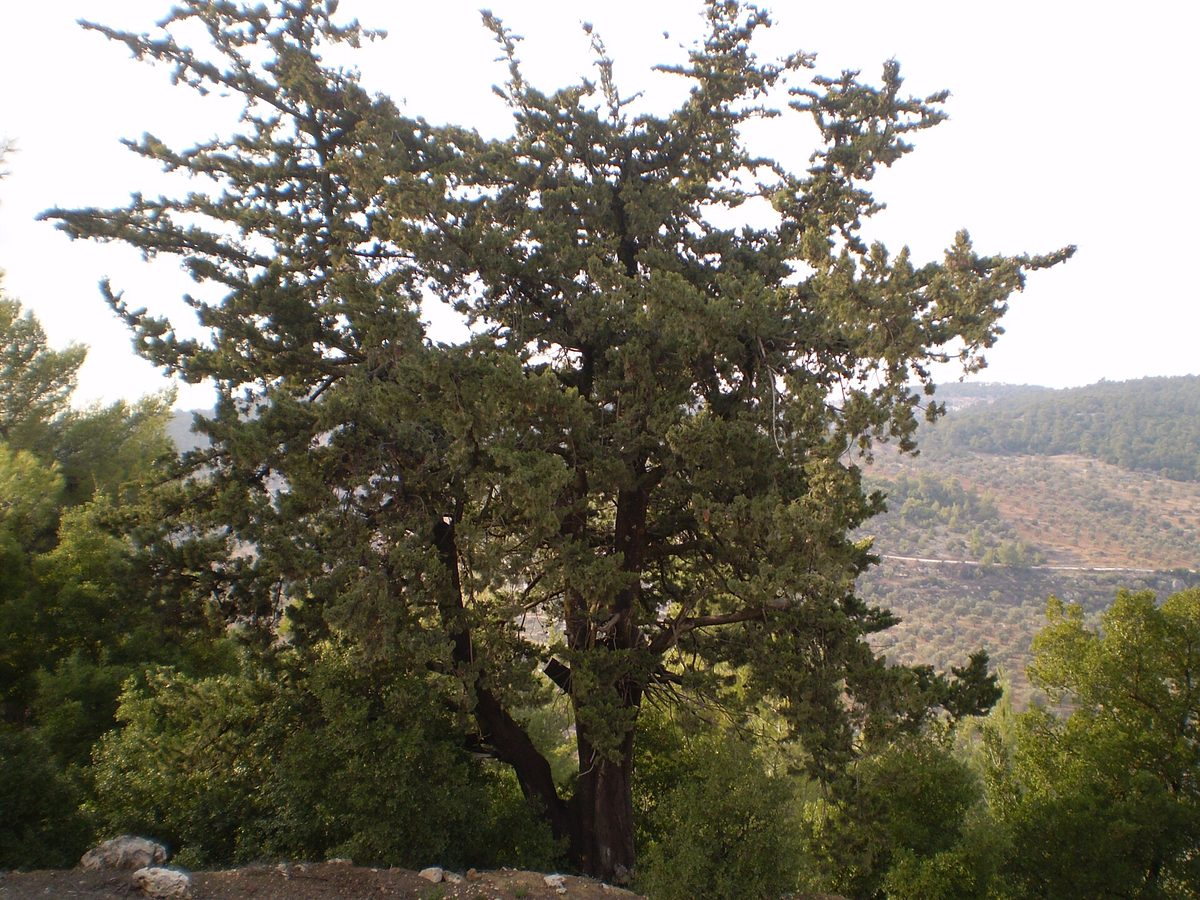
| Italian CypressCupressus sempervirens | Zones 7a–10b | 40–70 ft (12.19–21.34 m) | Full sun | Not documented | Not documented |
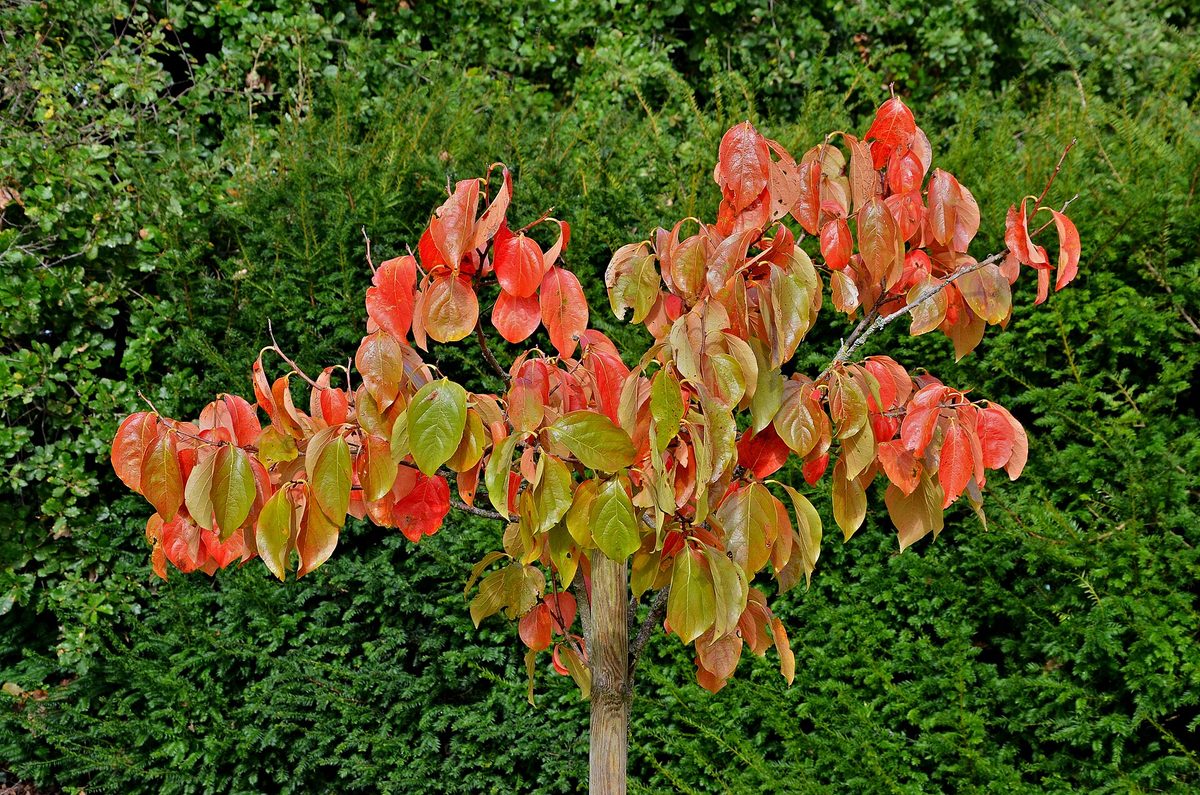
| Japanese PersimmonDiospyros kaki | Zones 7a–10b | 20–30 ft (6.1–9.14 m) | Full sun | Not documented | Not documented |
| Japanese SpindletreeEuonymus japonicus | Zones 6a–9b | 10–15 ft (3.05–4.57 m) | Full sun, part shade and full shade (full sun preferred) | Not documented | Not documented |
| PaperplantFatsia japonica | Zones 7b–10b | 6–19.5 ft (1.83–5.94 m) | Part shade and full shade (part shade preferred) | Non-toxic | Non-toxic |
| White AshFraxinus americana | Zones 3a–9b | 60–120 ft (18.29–36.58 m) | Full sun, part shade and full shade (full sun preferred) | Not documented | Not documented |
| European AshFraxinus excelsior | Zones 5a–8b | 70–98.4 ft (21.34–30 m) | Full sun | Not documented | Not documented |
| Green AshFraxinus pennsylvanica | Zones 3a–9b | 50–70 ft (15.24–21.34 m) | Full sun | Not documented | Not documented |
| Maidenhair TreeGinkgo biloba | Zones 3a–9b | Sources differ: University of Florida IFAS Extension (Ask IFAS) | Full sun and part shade (full sun preferred) | Toxic (1 source) | Toxic (1 source) |
| Rose of SharonHibiscus syriacus | Zones 5a–9b | 8–12 ft (2.44–3.66 m) | Full sun and part shade (full sun preferred) | Non-toxic | Non-toxic |
| Panicled HydrangeaHydrangea paniculata | Zones 3a–8b | Sources differ: University of Wisconsin-Madison Division of Extension (Wisconsin Horticulture) | Full sun and part shade (full sun preferred) | Toxic (1 source) | Toxic (1 source) |
| English HollyIlex aquifolium | Zones 7a–8b | 30–50 ft (9.14–15.24 m) | Full sun and part shade (full sun preferred) | Toxic (1 source) | Toxic (1 source) |
| Black WalnutJuglans nigra | Zones 4a–9b | 50–90 ft (15.24–27.43 m) | Full sun and part shade (full sun preferred) | Non-toxic | Toxic |
| Eastern RedcedarJuniperus virginiana | Zones 2a–9b | 30–40 ft (9.14–12.19 m) | Full sun, part shade and full shade (full sun preferred) | Not documented | Not documented |
| Goldenrain TreeKoelreuteria paniculata | Zones 5a–8b | 29.9–40 ft (9.1–12.2 m) | Full sun | Not documented | Not documented |
| Crepe MyrtleLagerstroemia indica | Zones 7a–9a | 10–30 ft (3.05–9.14 m) | Full sun | Non-toxic | Non-toxic |
| Sweet BayLaurus nobilis | Zones 7a–10b | 8–12 ft (2.44–3.66 m) | Full sun and part shade (full sun preferred) | Toxic | Toxic |
| SweetgumLiquidambar styraciflua | Zones 5a–9b | 60–100 ft (18.29–30.48 m) | Full sun and part shade (full sun preferred) | Not documented | Not documented |
| TuliptreeLiriodendron tulipifera | Zones 4a–9b | 80–120 ft (24.38–36.58 m) | Full sun, part shade and full shade (full sun preferred) | Non-toxic | Non-toxic |
| Osage-orangeMaclura pomifera | Zones 4a–9b | 29.5 ft (9 m) | Full sun and part shade (full sun preferred) | Not documented | Not documented |
| Southern MagnoliaMagnolia grandiflora | Zones 7a–10a | 60–90 ft (18.29–27.43 m) | Full sun and part shade (full sun preferred) | Not documented | Not documented |
| European Crab AppleMalus domestica | Zones 4a–9b | 15–30 ft (4.57–9.14 m) | Full sun and part shade (full sun preferred) | Toxic (1 source) | Toxic (1 source) |
| European Crab AppleMalus sylvestris | Zones 4a–8b | 32 ft (9.75 m) | Full sun and part shade (full sun preferred) | Toxic (1 source) | Toxic (1 source) |
| ChinaberrytreeMelia azedarach | Zones 7a–10b | 30–40 ft (9.14–12.19 m) | Full sun and part shade (full sun preferred) | Toxic | Toxic |
| Dawn RedwoodMetasequoia glyptostroboides | Zones 4a–8b | 62–100.1 ft (18.9–30.5 m) | Full sun and part shade (full sun preferred) | Not documented | Not documented |
| White MulberryMorus alba | Zones 4a–8b | 30–50 ft (9.14–15.24 m) | Full sun and part shade (full sun preferred) | Non-toxic | Non-toxic |
| MyrtleMyrtus communis | Zones 8a–9b | 8–12 ft (2.44–3.66 m) | Full sun and part shade (full sun preferred) | Not documented | Not documented |
| BlackgumNyssa sylvatica | Zones 4a–9b | 30–50 ft (9.14–15.24 m) | Full sun and part shade (full sun preferred) | Not documented | Not documented |
| PrincesstreePaulownia tomentosa | Zones 5a–9b | 40–50 ft (12.19–15.24 m) | Full sun and part shade (full sun preferred) | Not documented | Not documented |
| Fraser's PhotiniaPhotinia × fraseri | Zones 7a–9b | 10–20 ft (3.05–6.1 m) | Full sun and part shade (full sun preferred) | Not documented | Not documented |
| Sitka SprucePicea sitchensis | Zones 7a–8b | 40–230 ft (12.19–70.1 m) | Full sun and part shade (full sun preferred) | Not documented | Not documented |
| Lodgepole PinePinus contorta | Zones 4a–8b | 20–50 ft (6.1–15.24 m) | Full sun | Not documented | Not documented |
| Italian Stone PinePinus pinea | Zones 7a–11b | 40–60 ft (12.19–18.29 m) | Full sun | Not documented | Not documented |
| Loblolly PinePinus taeda | Zones 6a–9b | 60–90 ft (18.29–27.43 m) | Full sun | Not documented | Not documented |
| Chinese PistachePistacia chinensis | Zones 6a–9b | 30–35 ft (9.14–10.67 m) | Full sun | Not documented | Not documented |
| American SycamorePlatanus occidentalis | Zones 4a–9b | 75–100 ft (22.86–30.48 m) | Full sun, part shade and full shade (full sun preferred) | Non-toxic | Non-toxic |
| Oriental PlanetreePlatanus orientalis | Zones 7a–9a | 69.9–80.1 ft (21.3–24.4 m) | Full sun and part shade (full sun preferred) | Not documented | Not documented |
| Yew Plum PinePodocarpus macrophyllus | Zones 7a–9b | 15–50 ft (4.57–15.24 m) | Full sun and part shade (full sun preferred) | Toxic (1 source) | Toxic (1 source) |
| White PoplarPopulus alba | Zones 3a–9b | 50–75 ft (15.24–22.86 m) | Full sun | Not documented | Not documented |
| Eastern CottonwoodPopulus deltoides | Zones 3a–9b | 75–100 ft (22.86–30.48 m) | Full sun, part shade and full shade (full sun preferred) | Not documented | Not documented |
| Sweet CherryPrunus avium | Zones 3a–8b | 15–30 ft (4.57–9.14 m) | Full sun | Toxic | Toxic |
| Cherry PlumPrunus cerasifera | Zones 5a–8b | 15–30 ft (4.57–9.14 m) | Full sun and part shade (full sun preferred) | Toxic (1 source) | Toxic (1 source) |
| Sour CherryPrunus cerasus | Zones 3a–8b | 30 ft (9.14 m) | Full sun | Toxic | Toxic |
| European PlumPrunus domestica | Zones 4a–9b | 15–20 ft (4.57–6.1 m) | Full sun | Toxic (1 source) | Toxic (1 source) |
| Cherry LaurelPrunus laurocerasus | Zones 6a–8b | 10–20 ft (3.05–6.1 m) | Full sun, part shade and full shade (full sun preferred) | Toxic (1 source) | Toxic (1 source) |
| Portugal LaurelPrunus lusitanica | Zones 6a–9b | 10–20 ft (3.05–6.1 m) | Not documented | Not documented | Not documented |
| Japanese ApricotPrunus mume | Zones 6a–9b | 20–29.9 ft (6.1–9.1 m) | Full sun and part shade (full sun preferred) | Toxic (1 source) | Toxic (1 source) |
| Black CherryPrunus serotina | Zones 2a–8b | 25–110 ft (7.62–33.53 m) | Full sun, part shade and full shade (full sun preferred) | Toxic | Toxic |
| Japanese Flowering CherryPrunus serrulata | Zones 5a–8b | 15–25 ft (4.57–7.62 m) | Full sun and part shade (full sun preferred) | Toxic (1 source) | Toxic (1 source) |
| Callery PearPyrus calleryana | Zones 5a–9b | 30–50 ft (9.14–15.24 m) | Full sun and part shade (full sun preferred) | Not documented | Not documented |
| Chinese PearPyrus pyrifolia | Zones 5a–8b | 20–40 ft (6.1–12.2 m) | Full sun and part shade (full sun preferred) | Not documented | Not documented |
| White OakQuercus alba | Zones 3a–9b | 50–100 ft (15.24–30.48 m) | Full sun and part shade (full sun preferred) | Not documented | Not documented |
| Bur OakQuercus macrocarpa | Zones 3a–8b | 70–80 ft (21.34–24.38 m) | Full sun, part shade and full shade (full sun preferred) | Not documented | Not documented |
| English OakQuercus robur | Zones 5a–8b | 50–60 ft (15.24–18.29 m) | Full sun | Not documented | Not documented |
| Northern Red OakQuercus rubra | Zones 4a–8b | Sources differ: Cornell University CALS Woody Plants Database; Cornell University CALS Woody Plants Database; Cornell University CALS Woody Plants Database | Full sun, part shade and full shade (full sun preferred) | Not documented | Not documented |
| Cork OakQuercus suber | Zones 8a–10b | 69.9–100.1 ft (21.3–30.5 m) | Full sun and part shade (full sun preferred) | Not documented | Not documented |
| Live OakQuercus virginiana | Not documented | 40–80 ft (12.19–24.38 m) | Full sun and part shade (full sun preferred) | Not documented | Not documented |
| Staghorn SumacRhus typhina | Zones 3a–9b | 35–40 ft (10.67–12.19 m) | Full sun and part shade (full sun preferred) | Not documented | Not documented |
| Black LocustRobinia pseudoacacia | Zones 3a–8b | 39.4–59.1 ft (12–18 m) | Full sun and part shade (full sun preferred) | Toxic | Toxic |
| Cabbage PalmettoSabal palmetto | Zones 7b–11b | Sources differ: USDA Forest Service Fire Effects Information System; Lady Bird Johnson Wildflower Center; Lady Bird Johnson Wildflower Center; Clemson Cooperative Extension Home & Garden Information Center; Clemson Cooperative Extension Home & Garden Information Center; Clemson Cooperative Extension HGIC; USDA Forest Service Fire Effects Information System; Clemson Cooperative Extension Home & Garden Information Center | Full sun and part shade (full sun preferred) | Not documented | Not documented |
| White WillowSalix alba | Zones 2a–9b | Not documented | Full sun and part shade (full sun preferred) | Not documented | Not documented |
| Weeping WillowSalix babylonica | Zones 6a–8b | 30–50 ft (9.14–15.24 m) | Full sun and part shade (full sun preferred) | Not documented | Not documented |
| SassafrasSassafras albidum | Zones 4a–9b | 30–60 ft (9.14–18.29 m) | Full sun, part shade and full shade (full sun preferred) | Not documented | Not documented |
| RedwoodSequoia sempervirens | Zones 7a–9b | 299.9 ft (91.4 m) | Full sun and part shade (full sun preferred) | Not documented | Not documented |
| Giant SequoiaSequoiadendron giganteum | Zones 6a–8b | Sources differ: Oregon State University Extension Service; Lady Bird Johnson Wildflower Center; Utah State University Extension (Botanical Center); Utah State University Extension (Varga Arboretum); OSU Extension Service; Lady Bird Johnson Wildflower Center | Full sun | Not documented | Not documented |
| Japanese Pagoda TreeStyphnolobium japonicum | Zones 4a–8b | 50–75 ft (15.24–22.86 m) | Full sun and part shade (full sun preferred) | Not documented | Not documented |
| Bald CypressTaxodium distichum | Zones 4a–9b | Sources differ: University of Florida IFAS Extension (EDIS) | Full sun and part shade (full sun preferred) | Not documented | Not documented |
| CacaoTheobroma cacao | Zones 8a–10b | 24.9–29.9 ft (7.6–9.1 m) | Part shade | Toxic | Toxic |
| American BasswoodTilia americana | Zones 3a–8b | 60–80.1 ft (18.3–24.4 m) | Full sun and part shade (full sun preferred) | Non-toxic | Non-toxic |
| Poison SumacToxicodendron vernix | Zones 3a–8b | 20 ft (6.1 m) | Full sun and part shade (full sun preferred) | Non-toxic | Non-toxic |
| American ElmUlmus americana | Zones 3a–9b | 60–89.9 ft (18.3–27.4 m) | Full sun and part shade (full sun preferred) | Not documented | Not documented |
| Chinese ElmUlmus parvifolia | Not documented | 40–50 ft (12.19–15.24 m) | Full sun and part shade (full sun preferred) | Not documented | Not documented |
| Slippery ElmUlmus rubra | Zones 3a–9b | 40–70 ft (12.19–21.34 m) | Full sun and part shade (full sun preferred) | Not documented | Not documented |
| Lilac ChastetreeVitex agnus-castus | Zones 7a–8b | 8–20 ft (2.44–6.1 m) | Full sun and part shade (full sun preferred) | Not documented | Not documented |
| California Fan PalmWashingtonia filifera | Not documented | 100 ft (30.48 m) | Full sun | Not documented | Not documented |
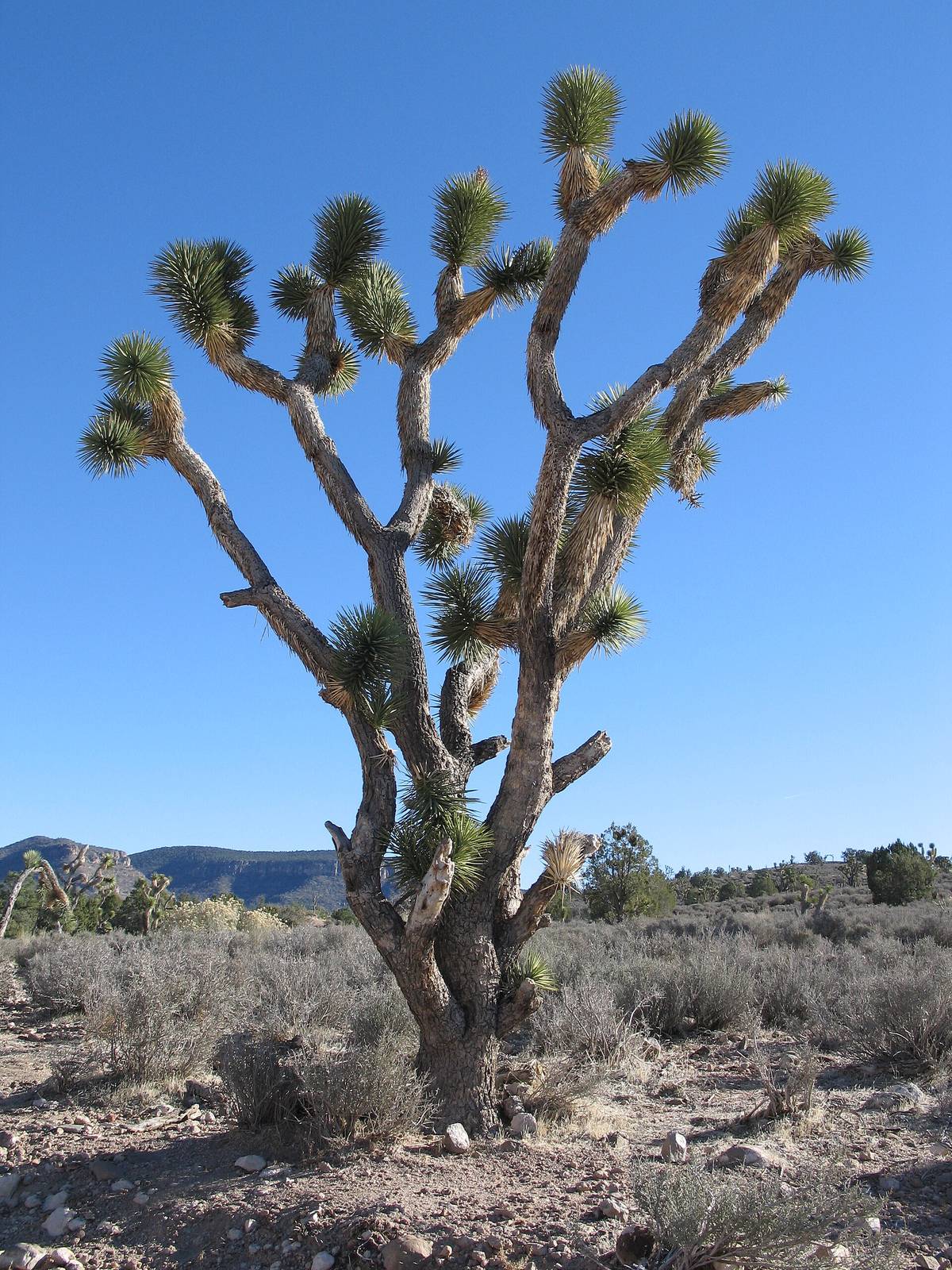
| Joshua TreeYucca brevifolia | Zones 7a–10b | 20 ft (6.1 m) | Full sun | Toxic | Toxic |
| Japanese ZelkovaZelkova serrata | Zones 5a–8b | 50–80 ft (15.24–24.38 m) | Full sun | Not documented | Not documented |
The plants
-
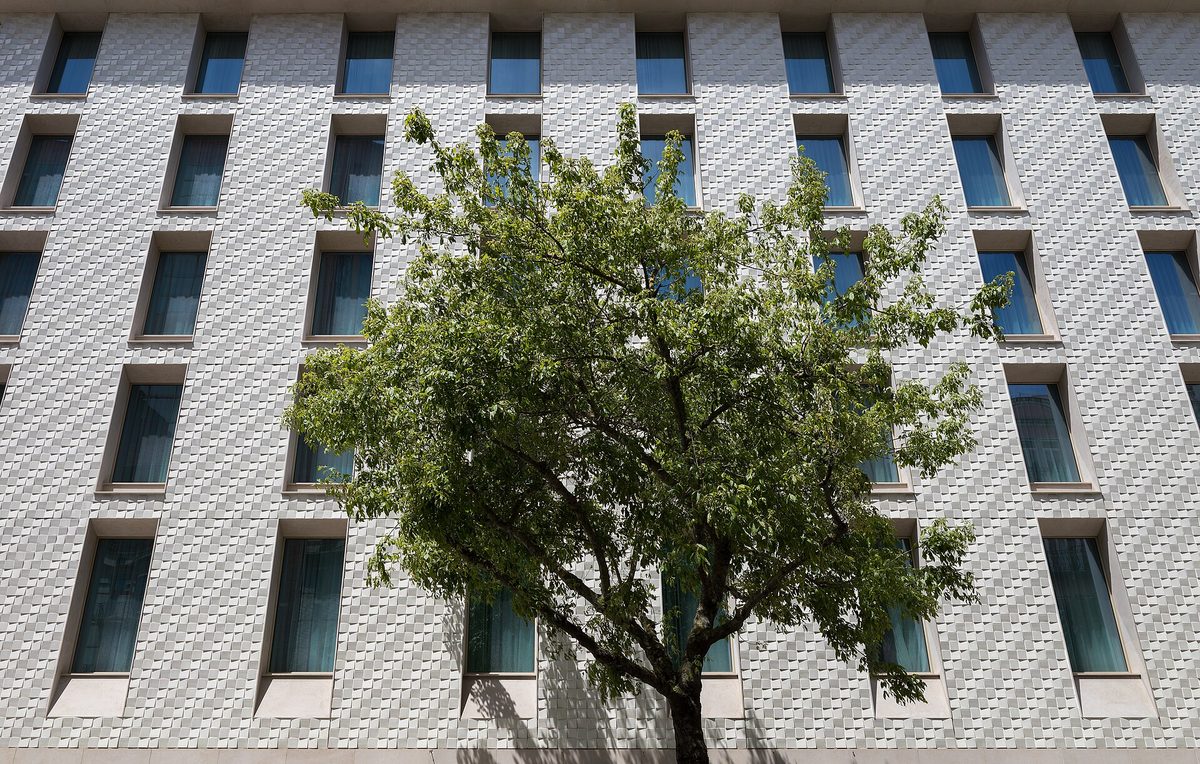
Boxelder
Acer negundo
Zones 3a–9b · 30–50 ft (9.14–15.24 m) · Full sun and part shade (full sun preferred)
-
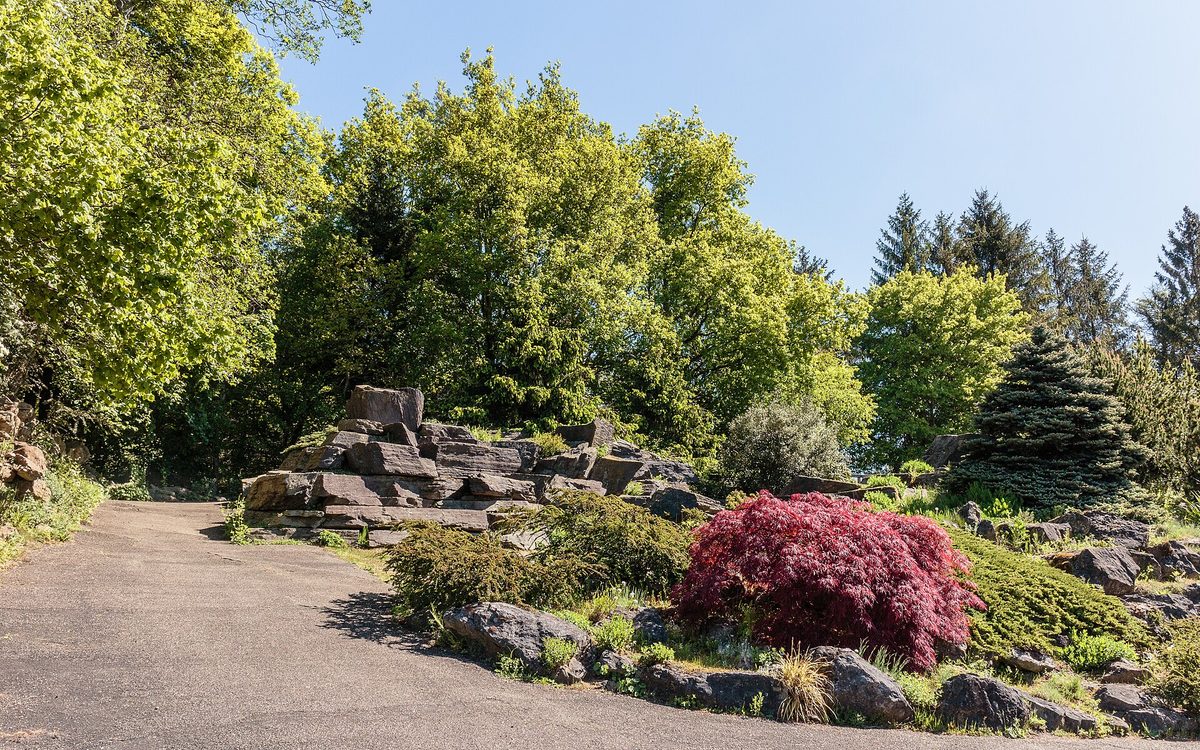
Japanese Maple
Acer palmatum
Zones 5a–8b · 15–25 ft (4.57–7.62 m) · Full sun, part shade and full shade (full sun preferred)
-
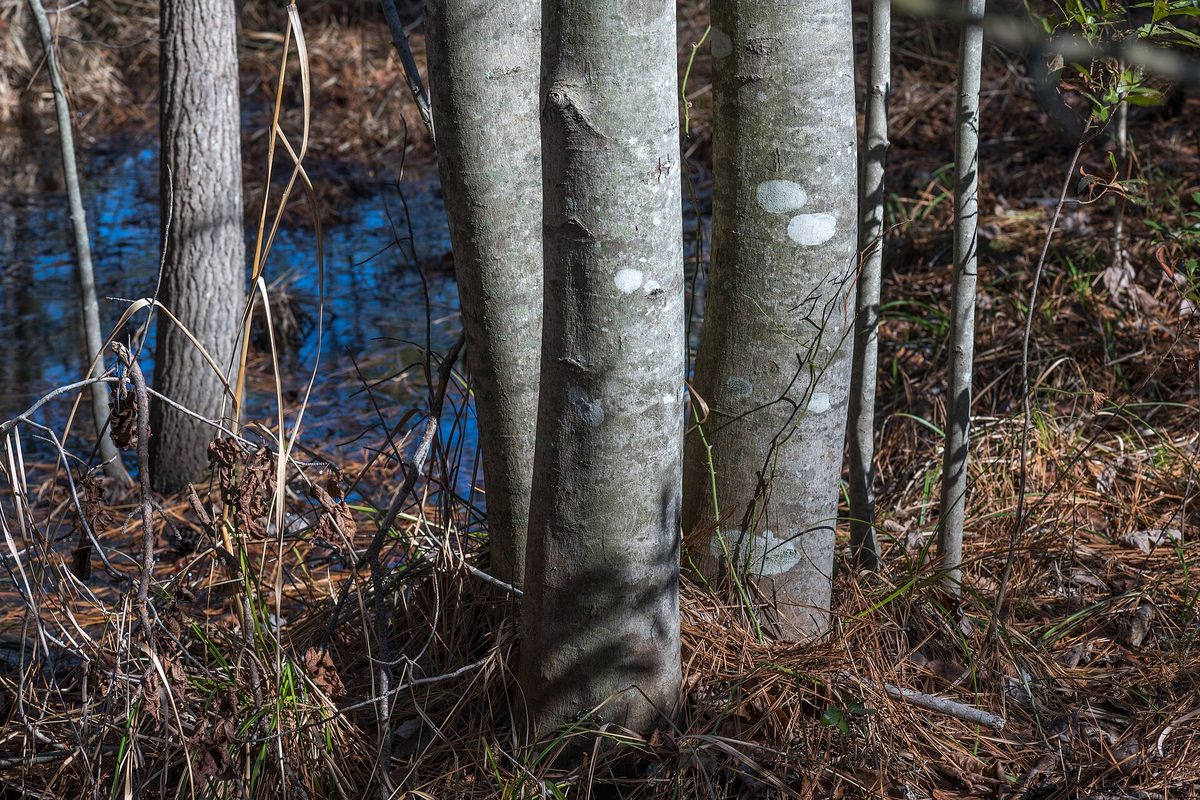
Red Maple
Acer rubrum
Zones 4a–9b · 40–70 ft (12.19–21.34 m) · Full sun and part shade (full sun preferred)
-
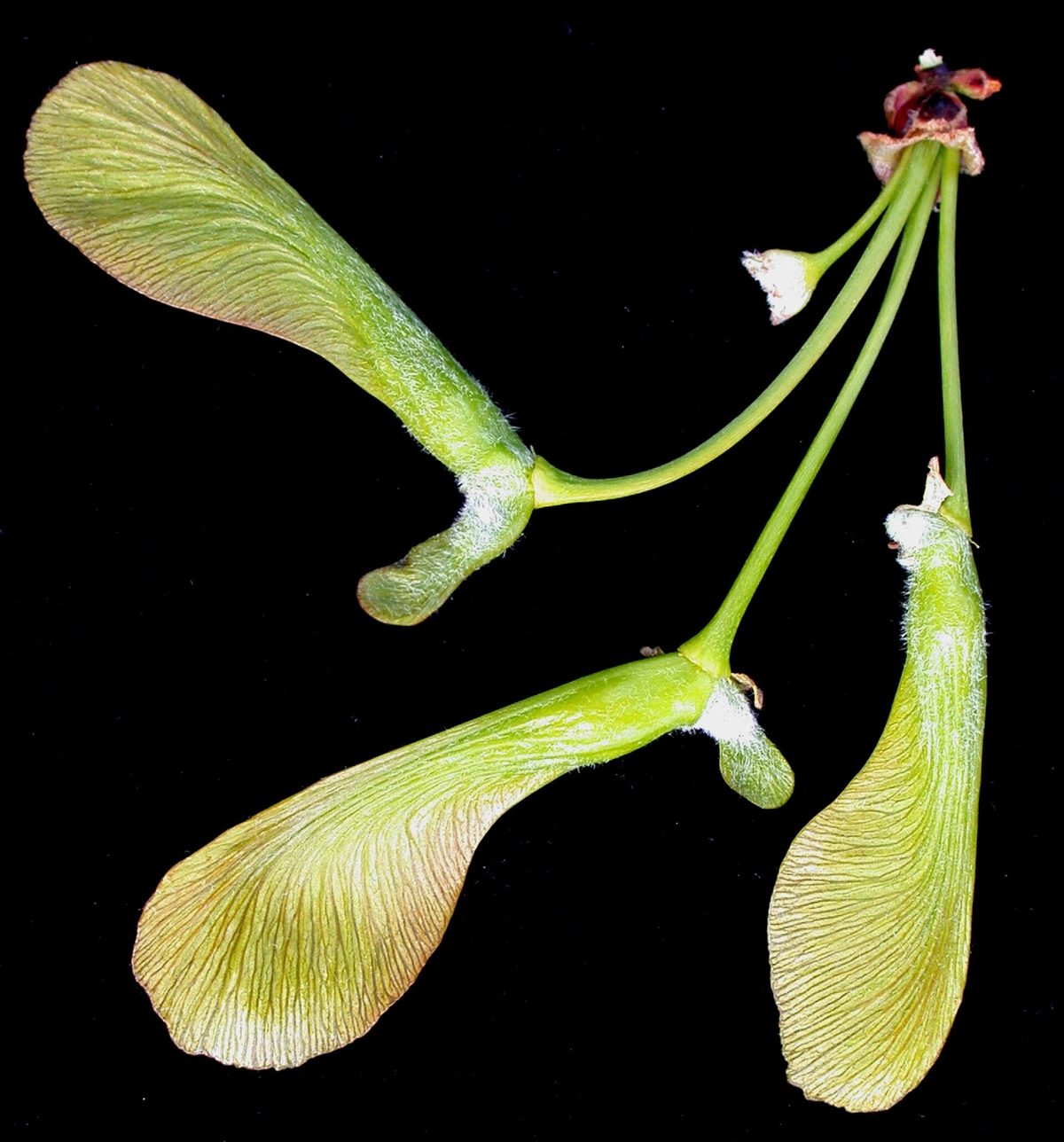
Silver Maple
Acer saccharinum
Zones 3a–9b · 50–80 ft (15.24–24.38 m) · Full sun, part shade and full shade (full sun preferred)
-
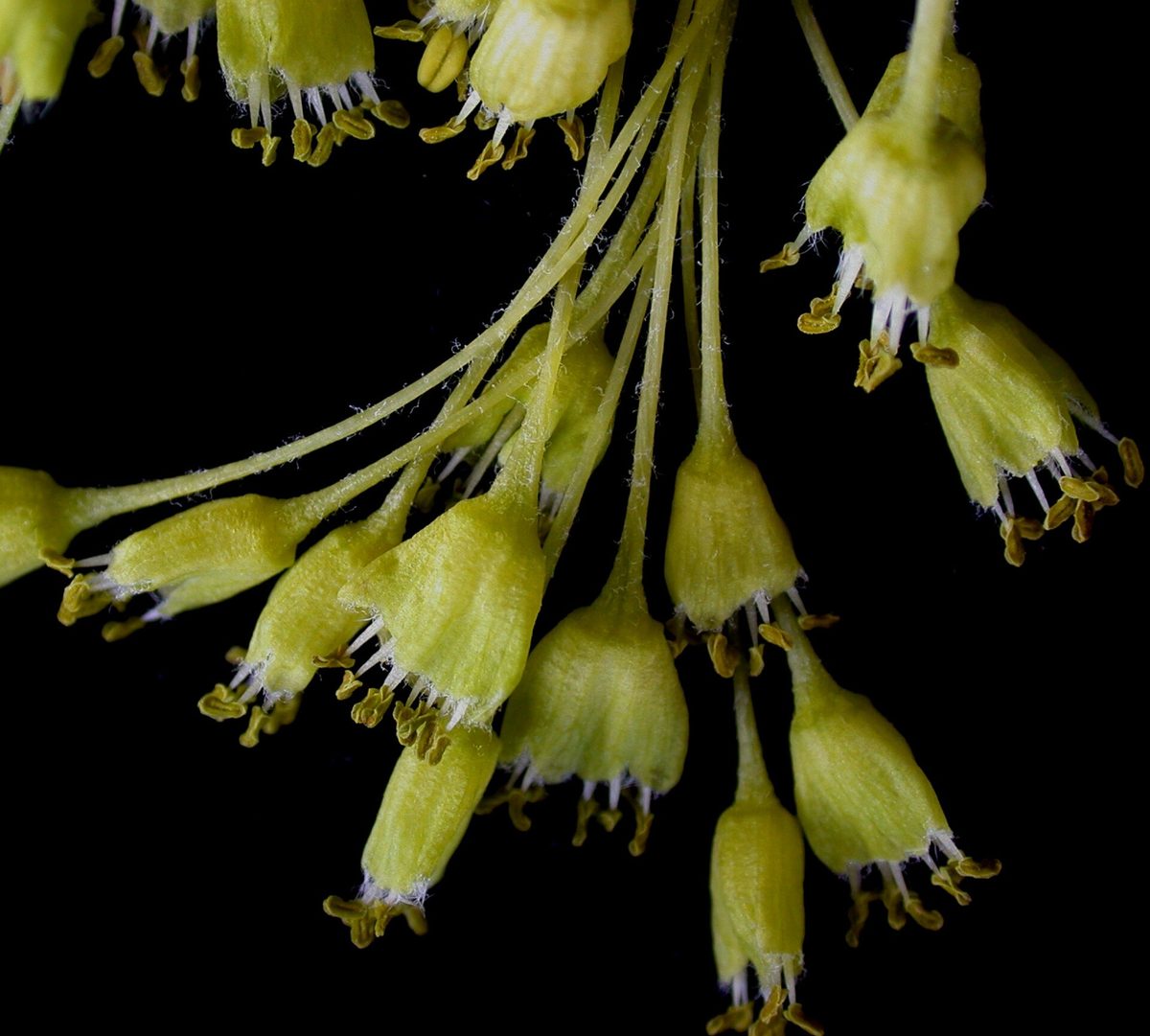
Sugar Maple
Acer saccharum
Zones 3a–8b · 50–80 ft (15.24–24.38 m) · Full sun, part shade and full shade (full sun preferred)
Acer saccharum is named here by its own genus and species, written out from the slug that identifies it on this page. It belongs to the trees group gathered for zone 8, placing it among the seventy species listed for the same zone.
-
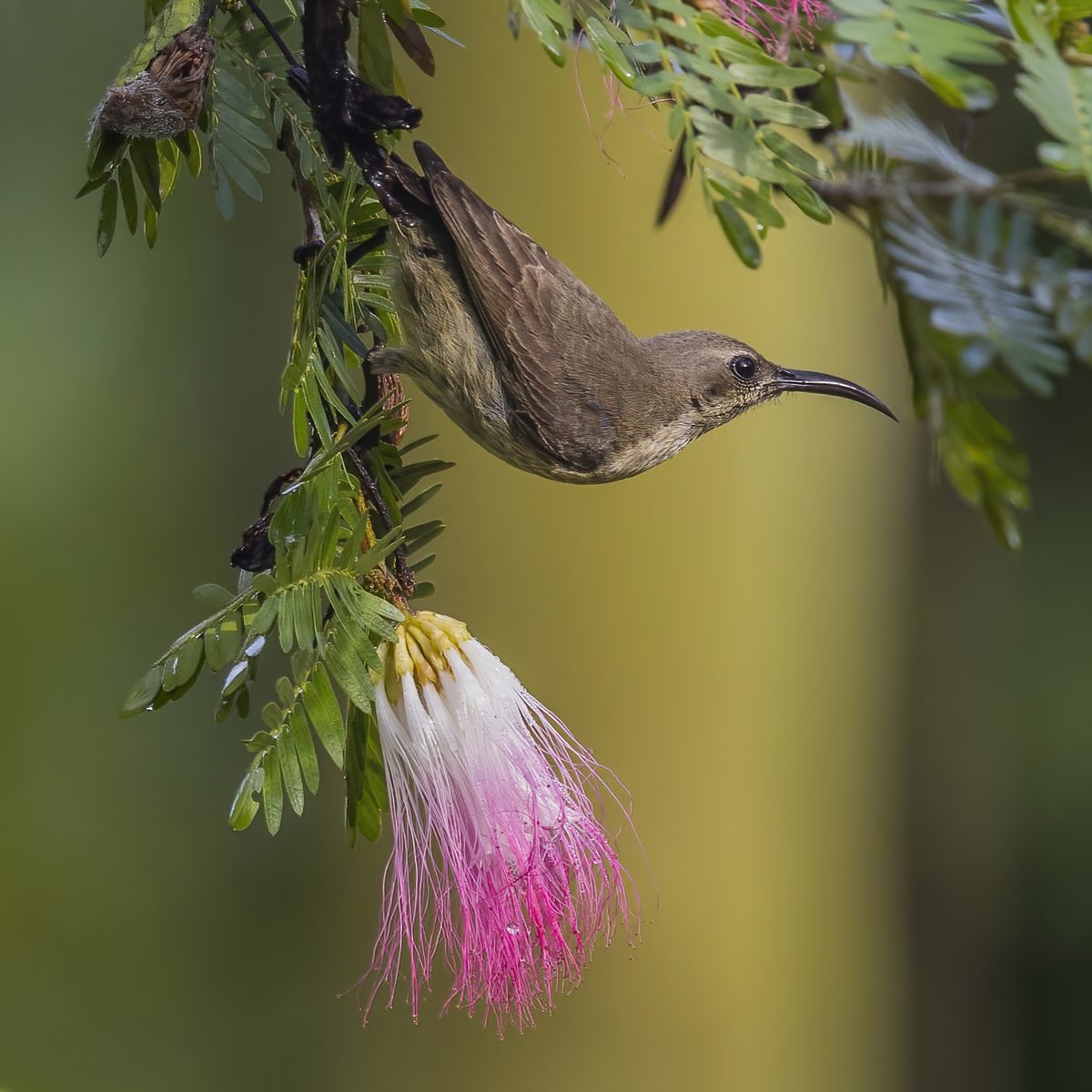
Silktree
Albizia julibrissin
Zones 6a–9b · 20–40 ft (6.1–12.2 m) · Full sun and part shade (full sun preferred)
Albizia julibrissin reaches this list through membership in the trees group for zone 8, not through any ranking among the species gathered here. Its slug spells out the species name directly, as it does for every tree on this page.
-
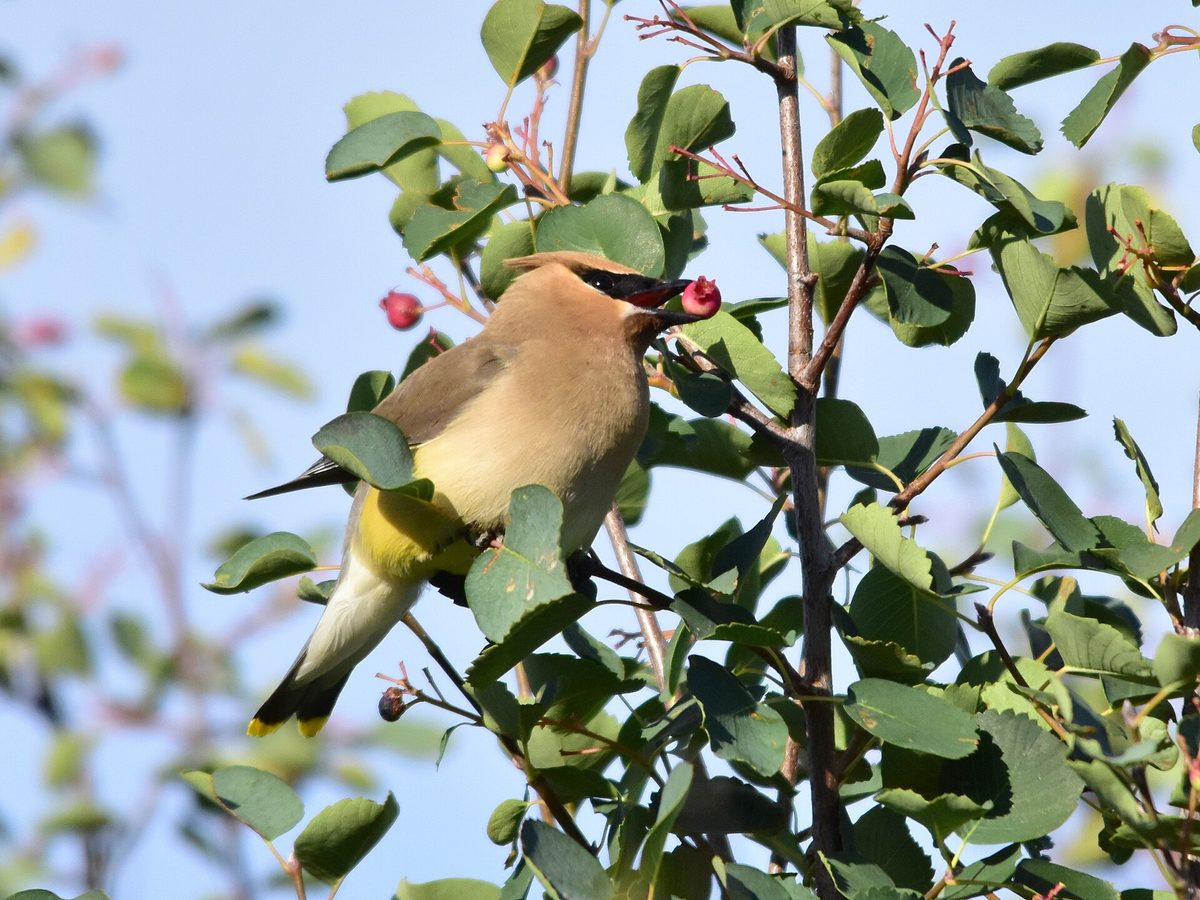
Saskatoon Serviceberry
Amelanchier alnifolia
Zones 4a–9b · Sources differ: USDA Forest Service Fire Effects Information System · Full sun, part shade and full shade (full sun preferred)
The slug amelanchier-alnifolia reads as Amelanchier alnifolia once the hyphen is removed, and that is the species recorded on this list. It takes its place in the trees group for zone 8 alongside every other member this page names.
-
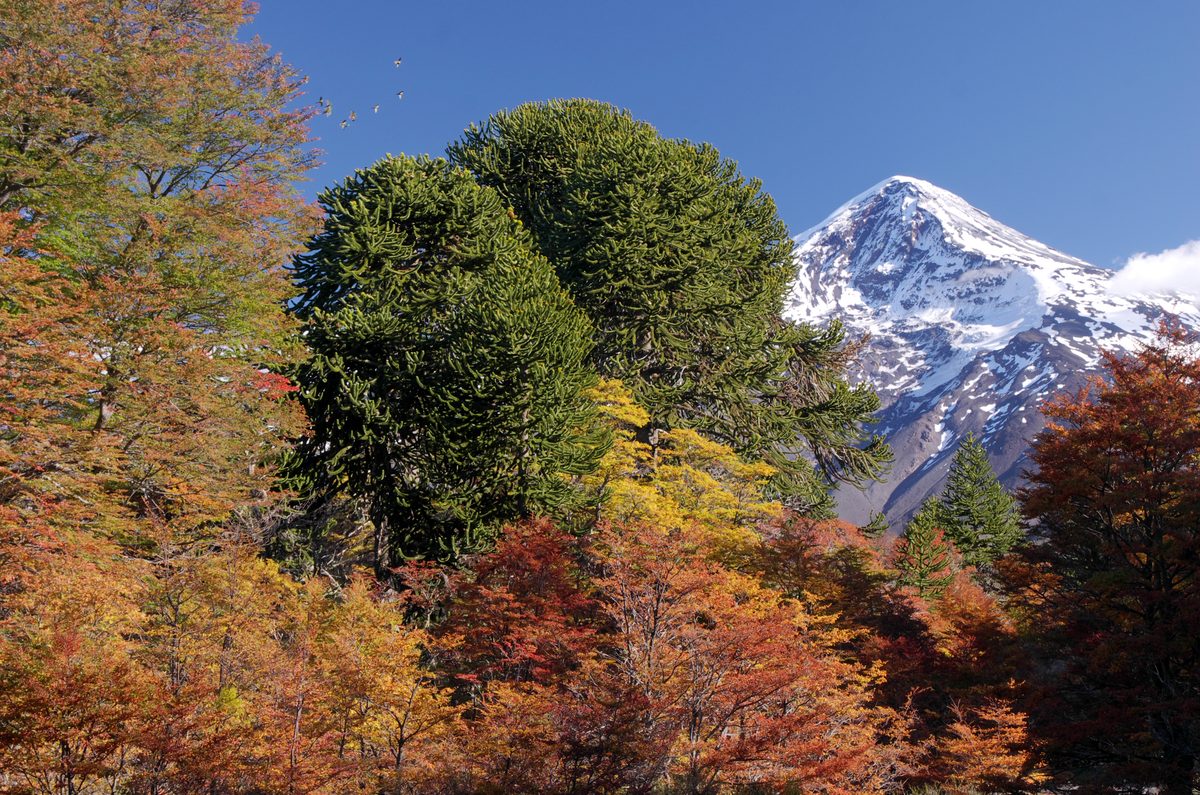
Monkeypuzzle Tree
Araucaria araucana
Zones 7a–10b · 60–70 ft (18.29–21.34 m)
Araucaria araucana appears because the dataset behind this page lists it as a member of the zone 8 trees group. Nothing on this page ranks it against the other species here, since the list simply records which trees are matched to this zone.
-
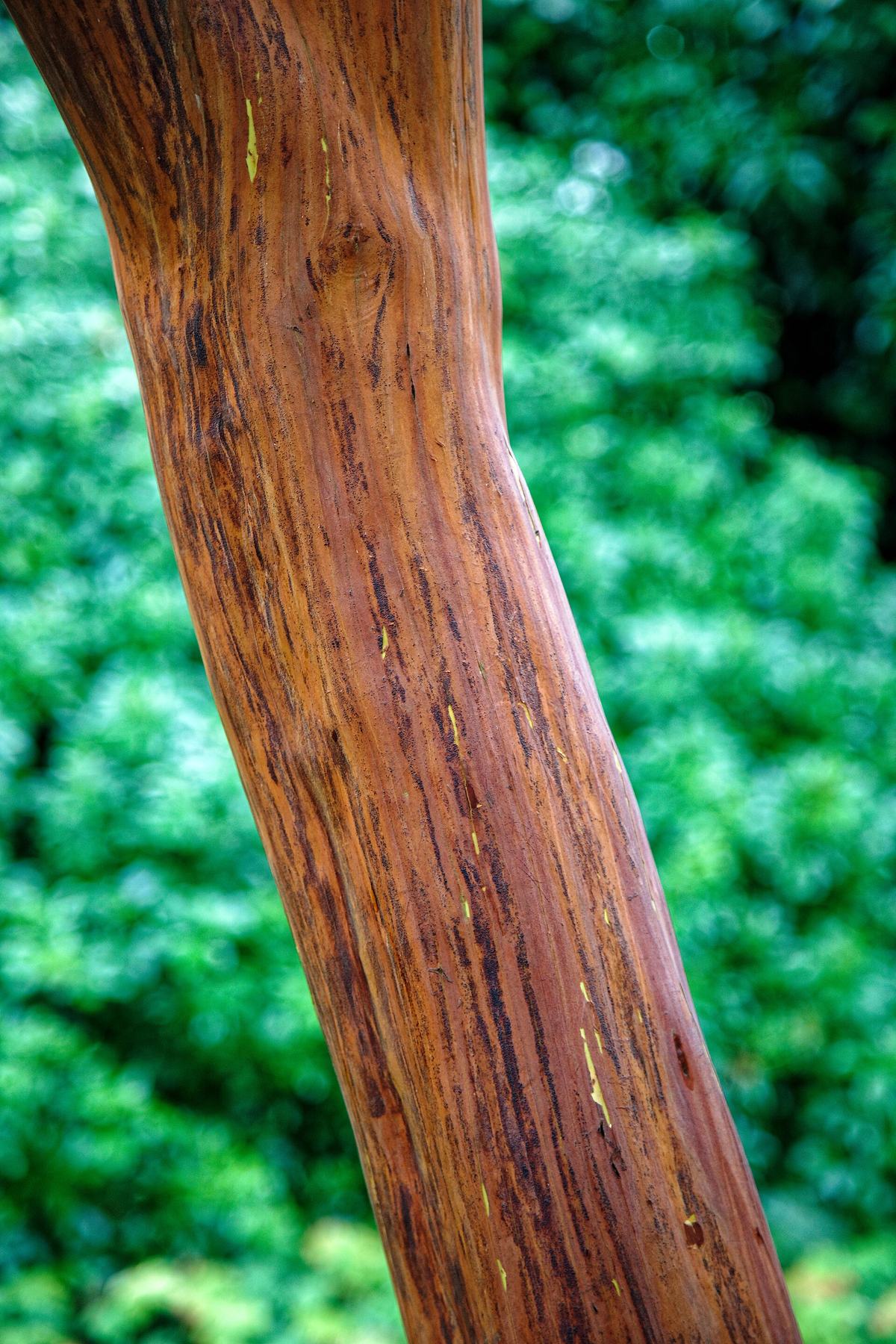
Pacific Madrone
Arbutus menziesii
Zones 5a–8b · 30–65 ft (9.14–19.81 m) · Full sun and part shade (full sun preferred)
-
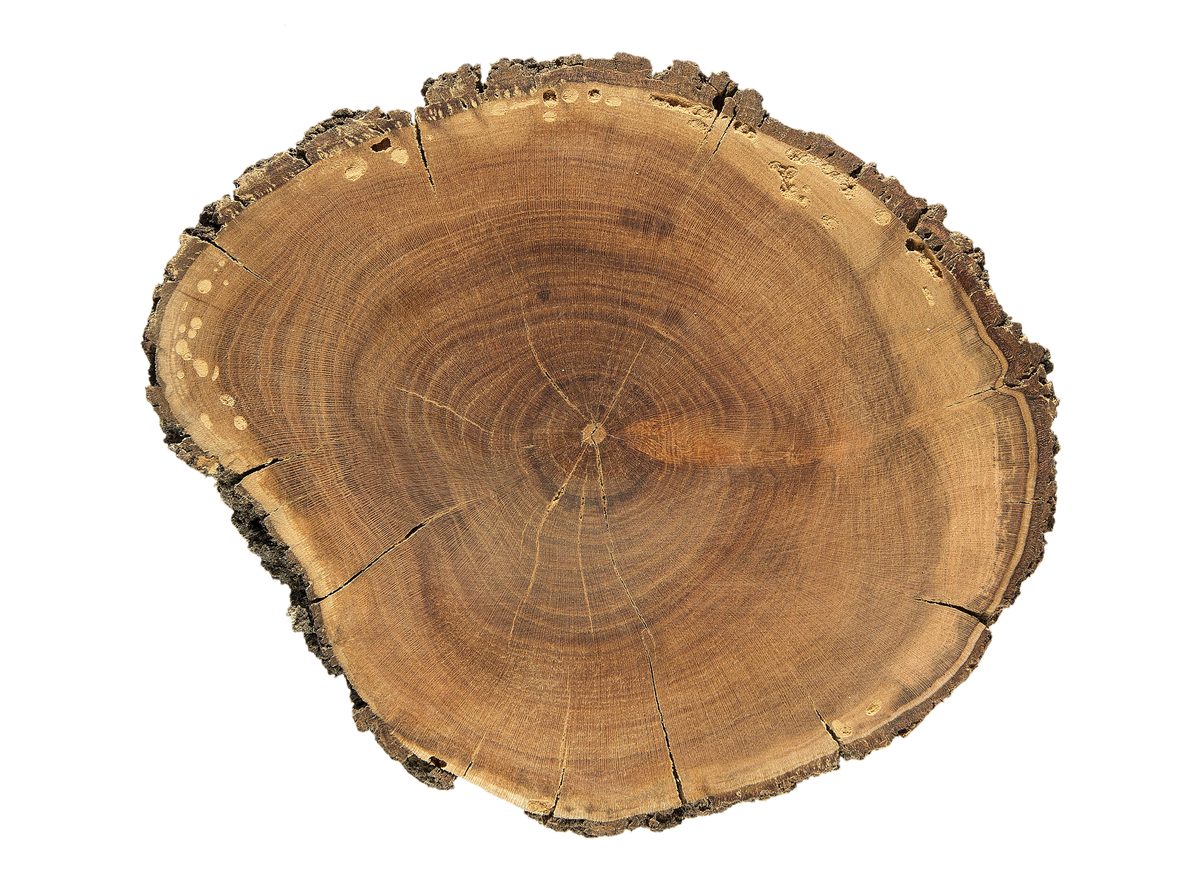
Strawberry Tree
Arbutus unedo
Zones 7a–10b · 12 ft (3.66 m) · Full sun and part shade (full sun preferred)
Arbutus unedo is counted as a member of the zone 8 set compiled for this page, one entry among the seventy named here. Its listing reflects membership in the trees group, not a comparison to any other tree on the page.
-
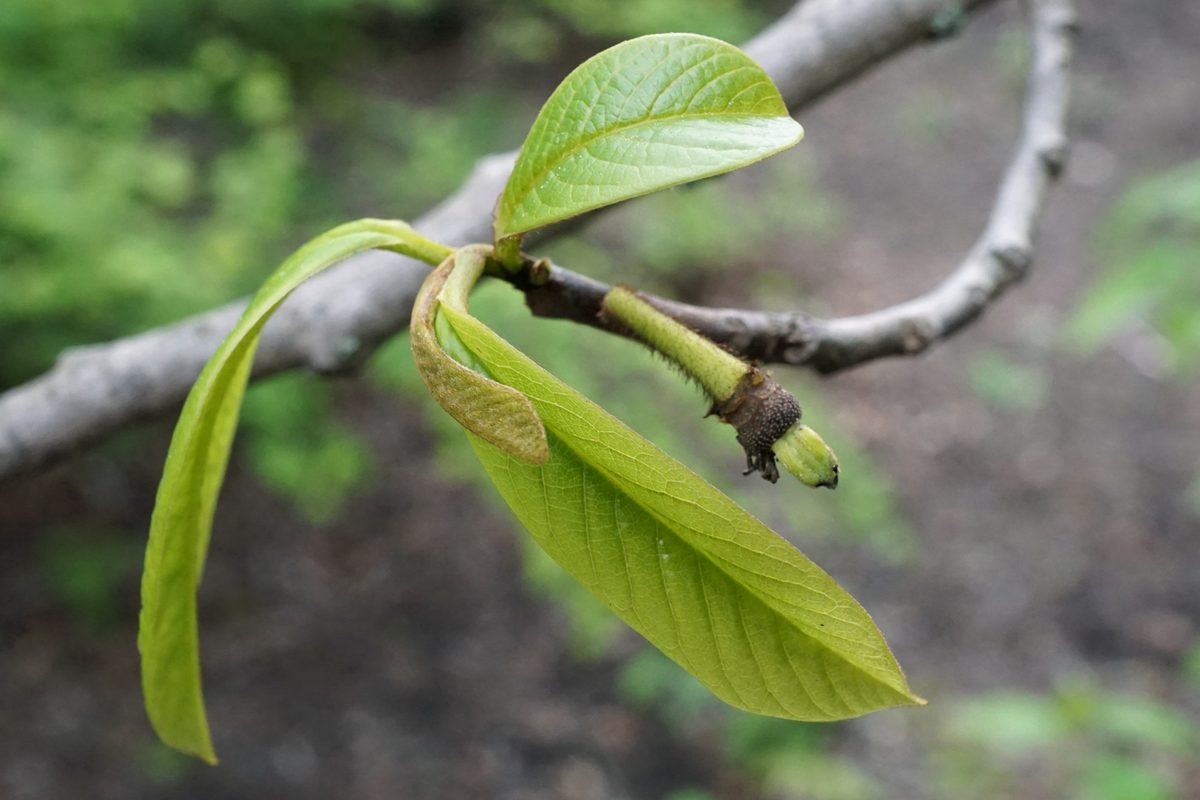
Pawpaw
Asimina triloba
Zones 5a–9b · Sources differ: Clemson Cooperative Extension HGIC; Clemson Cooperative Extension HGIC; Lady Bird Johnson Wildflower Center; Clemson Cooperative Extension HGIC; Lady Bird Johnson Wildflower Center; Clemson Cooperative Extension Home & Garden Information Center · Full sun, part shade and full shade (full sun preferred)
Asimina triloba holds a place on this list because the underlying data assigns it to the trees group for zone 8. That assignment is the only basis for its inclusion here, separate from how any other listed species came to be placed on the page.
-
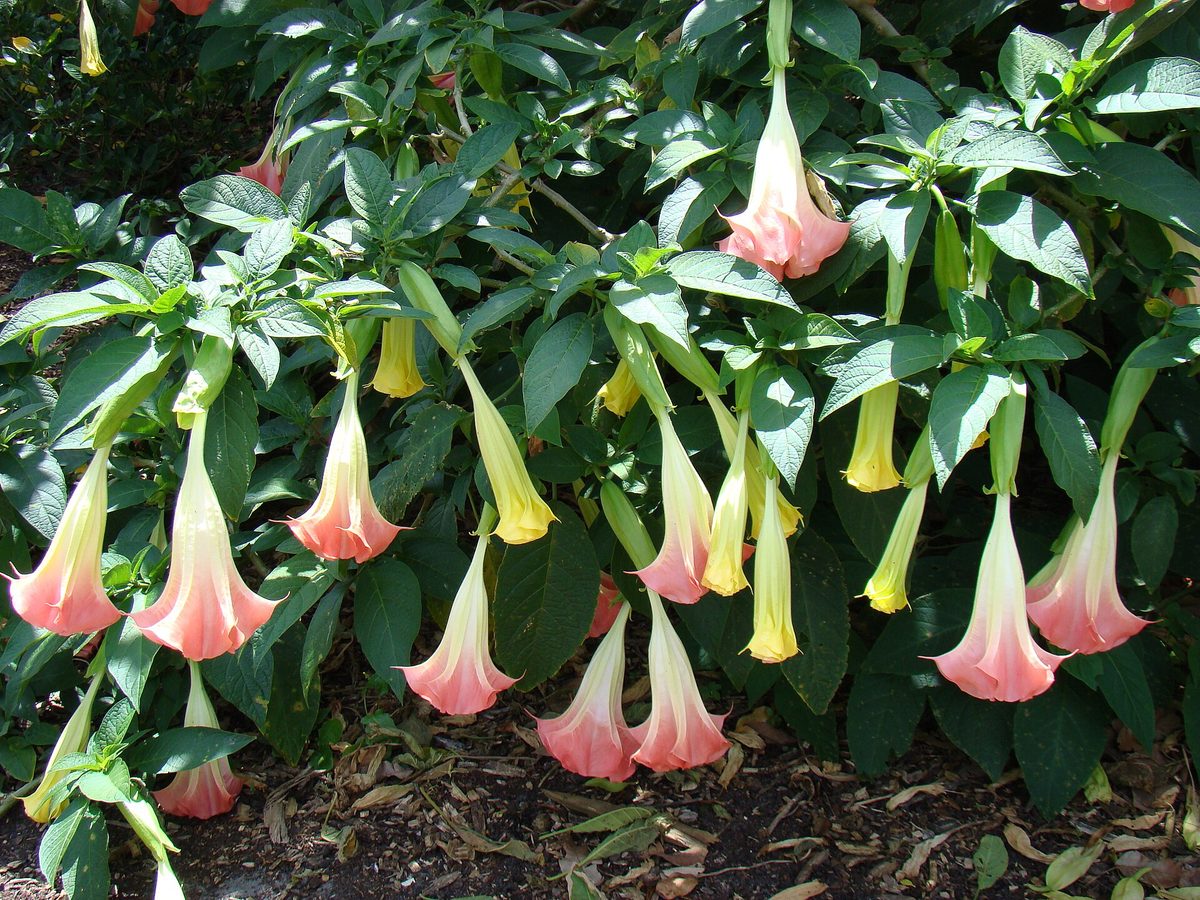
Angel's-tears
Brugmansia suaveolens
Zones 7b–10b · 6–35 ft (1.83–10.67 m) · Full sun and part shade (full sun preferred)
-
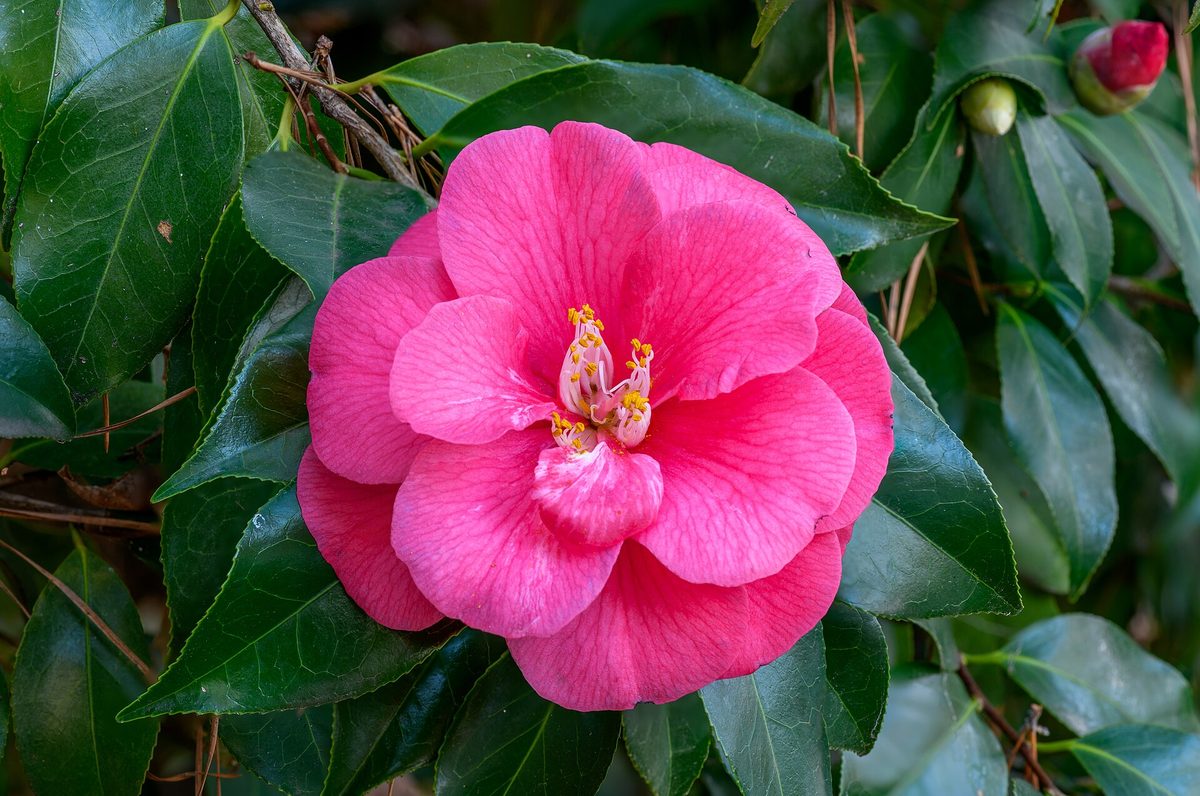
Camellia
Camellia japonica
Zones 7a–9b · Sources differ: Cornell University CALS Woody Plants Database · Part shade
This page records Camellia japonica as part of the zone 8 trees group. That status comes from the membership data, not from a description of the plant itself. It shares that status with every other tree named on this list.
-
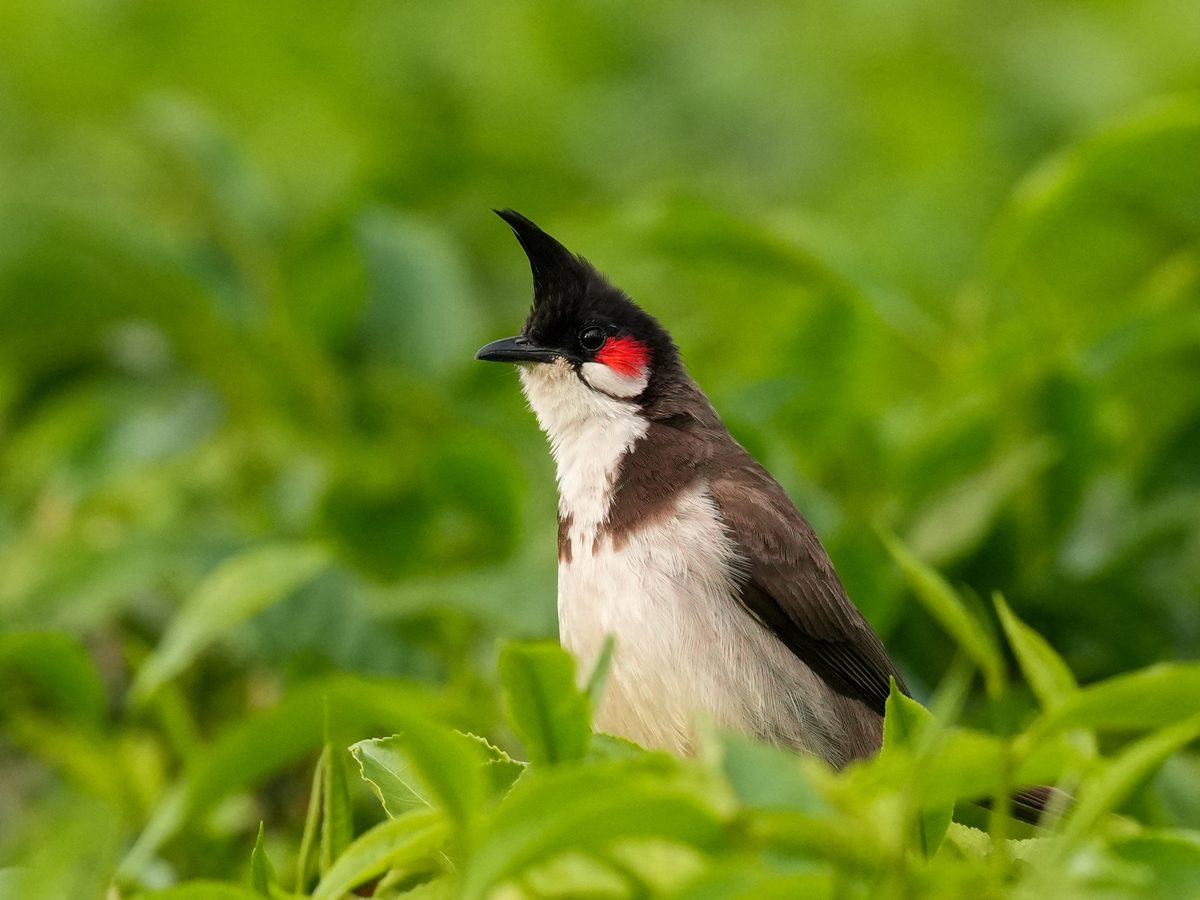
Tea
Camellia sinensis
Zones 6a–9b · Sources differ: Clemson Cooperative Extension Home & Garden Information Center; Clemson Cooperative Extension Home & Garden Information Center · Full sun and part shade (full sun preferred)
-
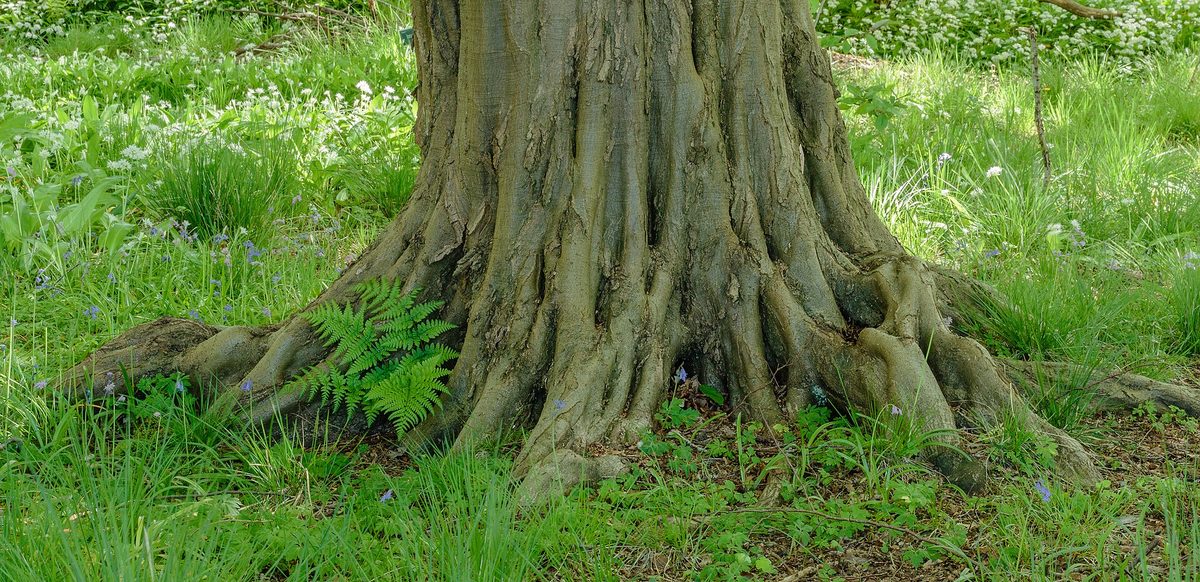
European Hornbeam
Carpinus betulus
Zones 4a–8b · 40–60 ft (12.19–18.29 m) · Full sun and part shade (full sun preferred)
-
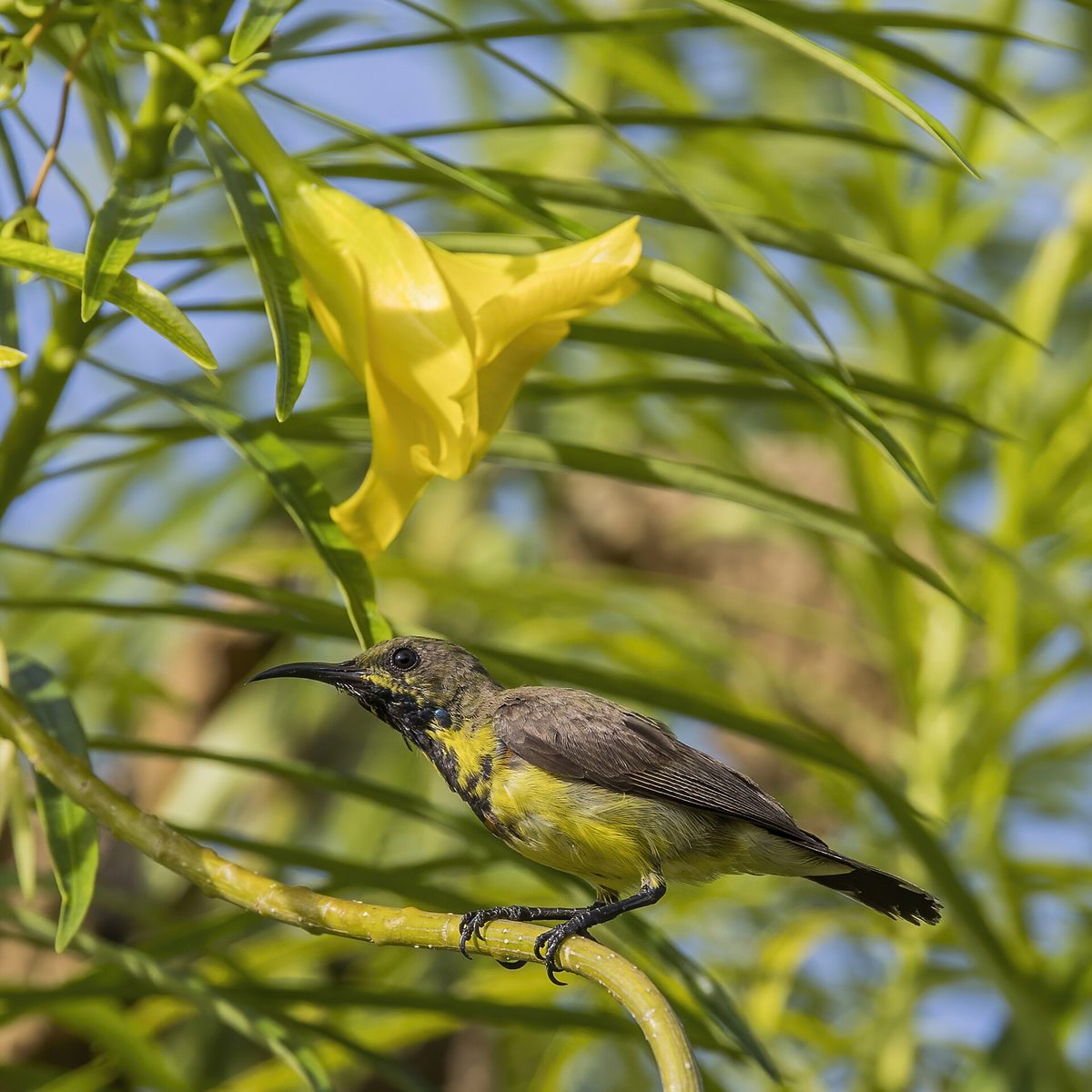
Luckynut
Cascabela thevetia
Zones 8a–10b · 4–8 ft (1.22–2.44 m) · Full sun and part shade (full sun preferred)
-
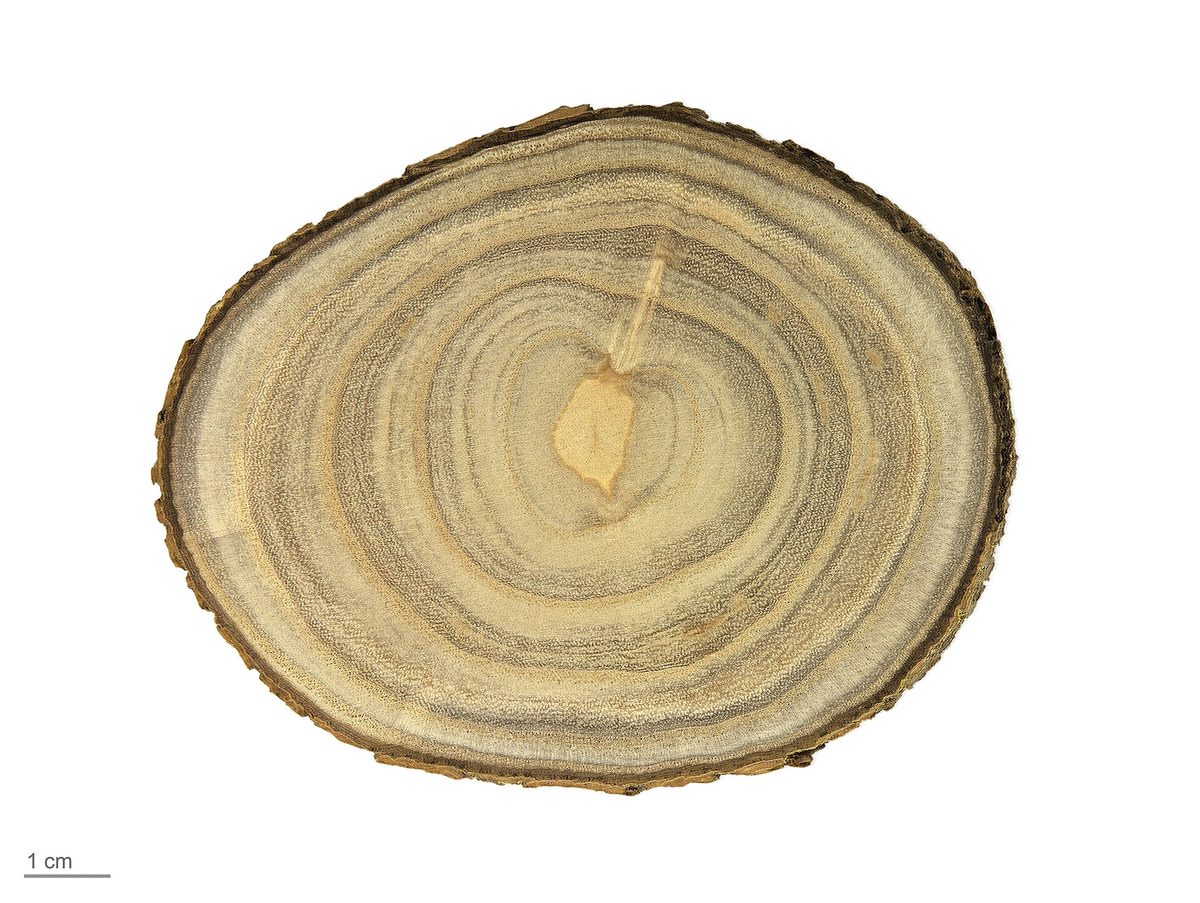
Southern Catalpa
Catalpa bignonioides
Zones 5a–9b · 25–50 ft (7.62–15.24 m) · Full sun and part shade (full sun preferred)
-
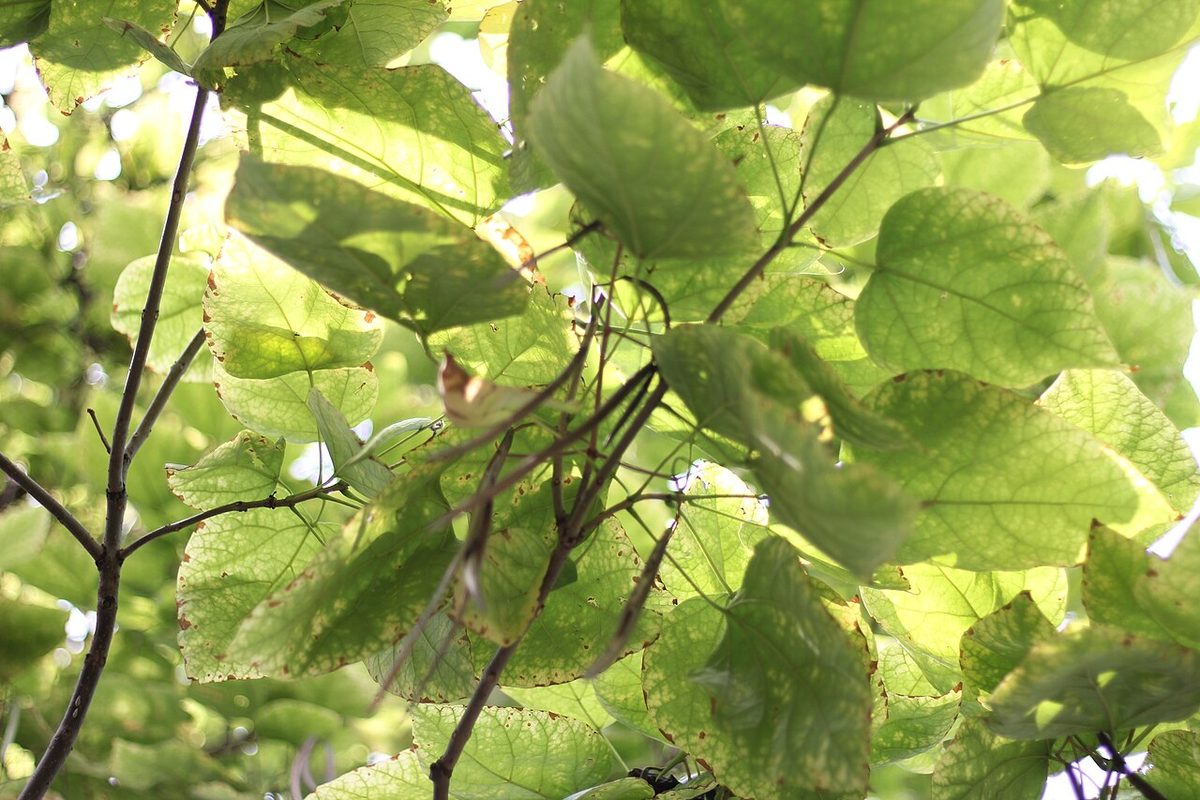
Northern Catalpa
Catalpa speciosa
Zones 4a–8b · 75–100 ft (22.86–30.48 m) · Full sun and part shade (full sun preferred)
-
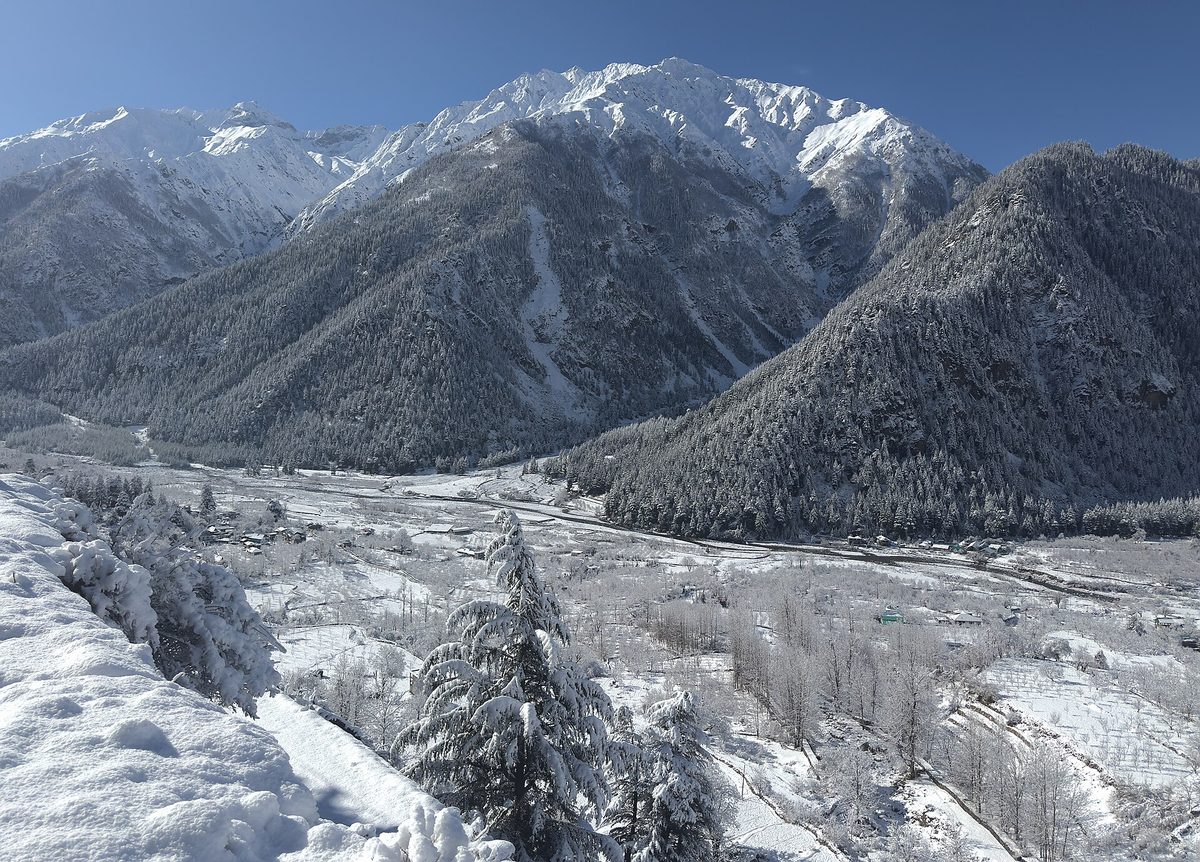
Deodar Cedar
Cedrus deodara
Zones 7a–9b · 30–50 ft (9.14–15.24 m) · Full sun and part shade (full sun preferred)
-
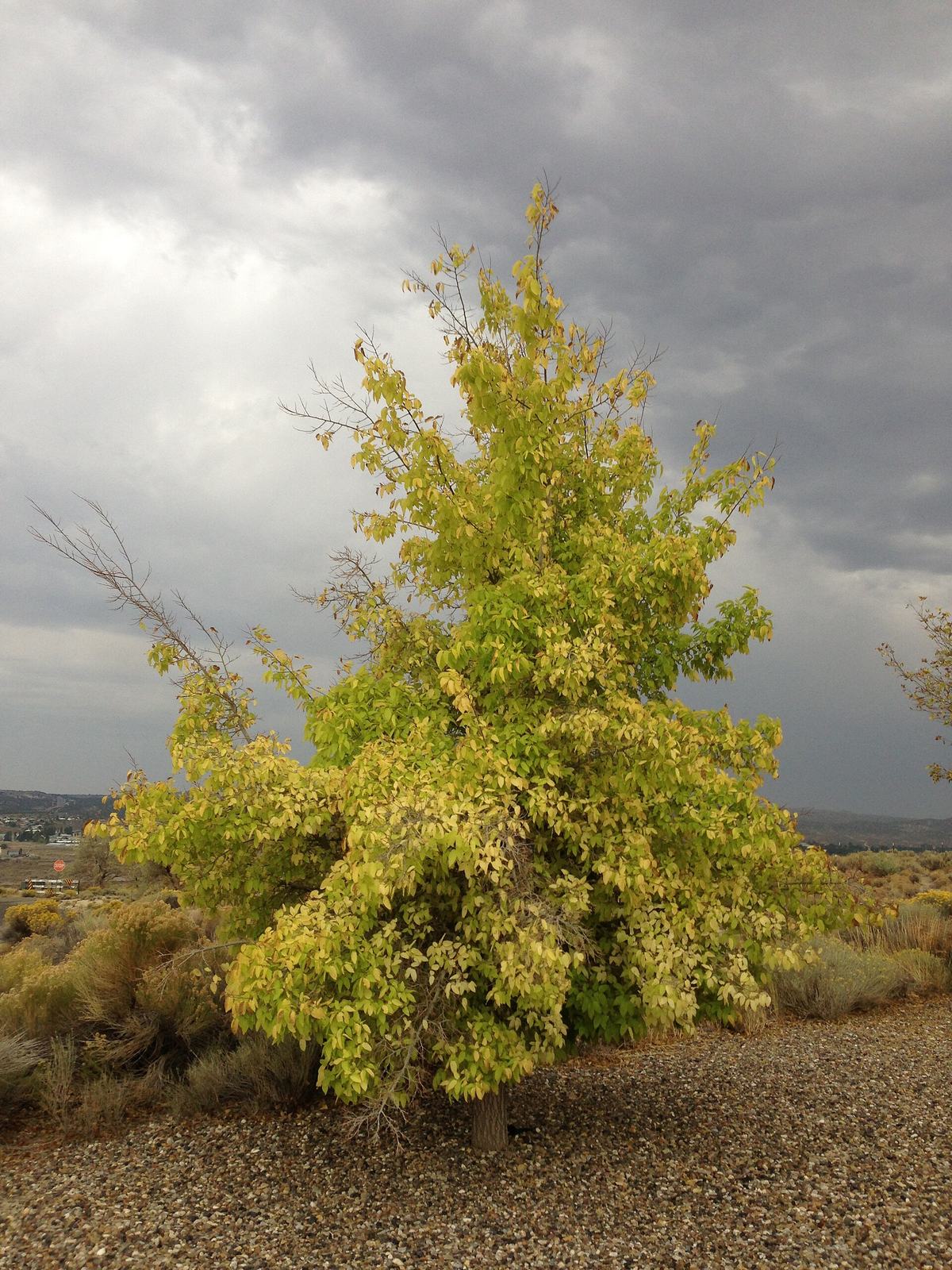
Common Hackberry
Celtis occidentalis
Zones 3a–9b · 40–80 ft (12.19–24.38 m) · Full sun, part shade and full shade (full sun preferred)
-
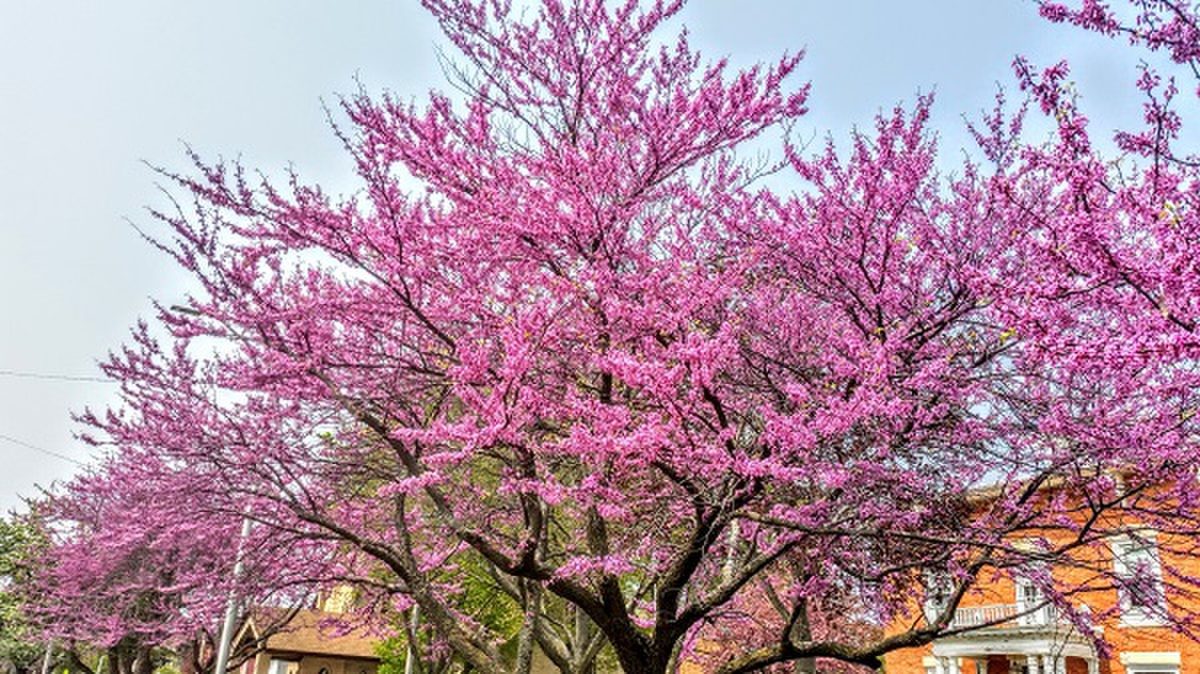
Eastern Redbud
Cercis canadensis
Zones 4a–9b · 20–35.1 ft (6.1–10.7 m) · Full sun, part shade and full shade (full sun preferred)
Cercis canadensis belongs to the trees group recorded for zone 8, one of seventy species this page names for that zone. The list places it here on membership alone, with no ranking implied between it and the trees around it.
-
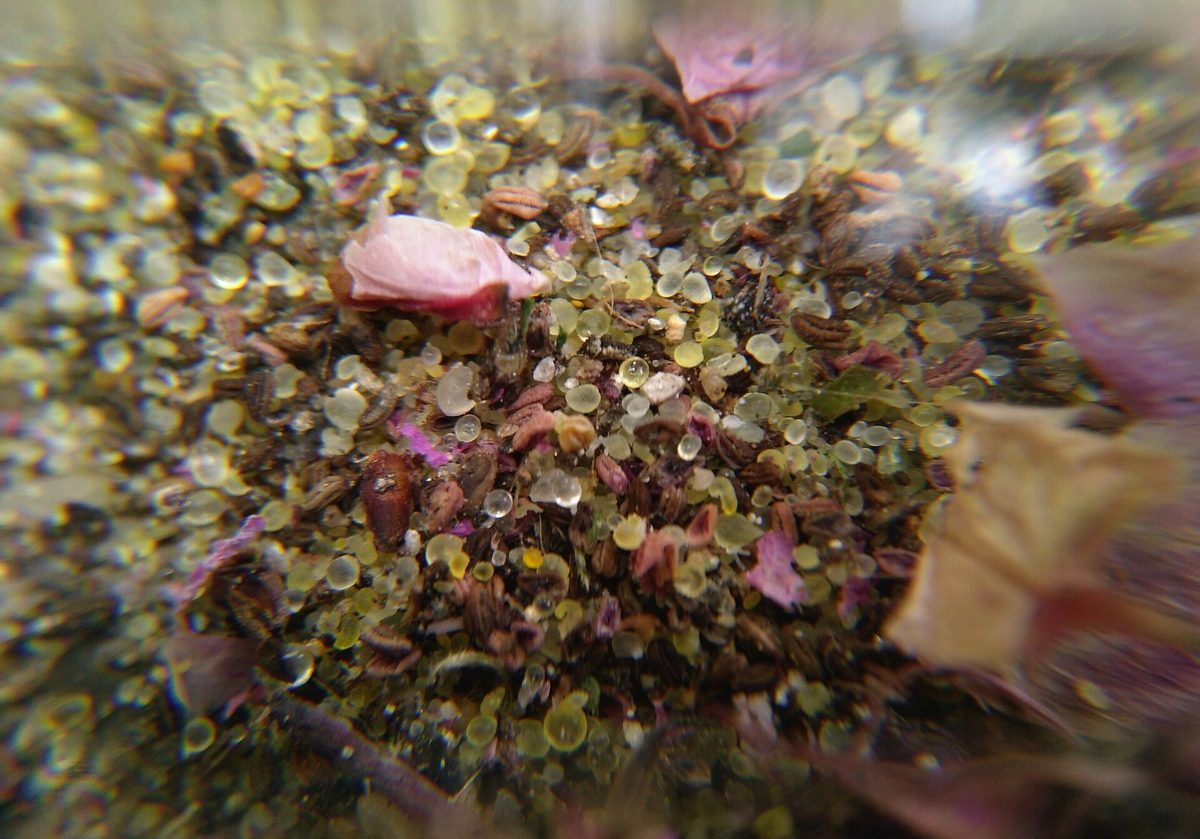
Judas-tree
Cercis siliquastrum
Zones 6a–9b · 15–25 ft (4.57–7.62 m) · Full sun and part shade (full sun preferred)
-
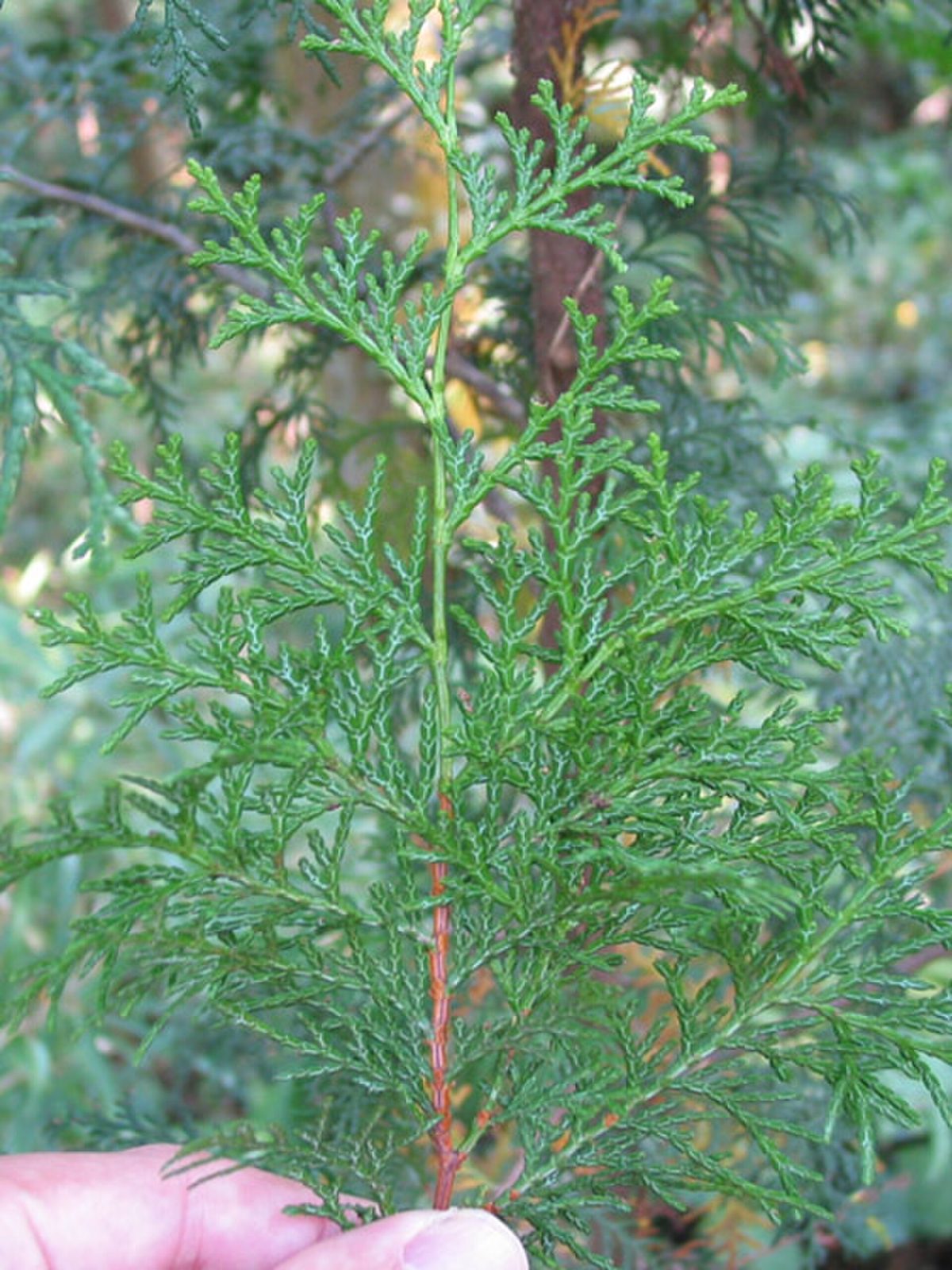
Hinoki False Cypress
Chamaecyparis obtusa
Zones 4a–8b · 50–75 ft (15.24–22.86 m) · Full sun and part shade (full sun preferred)
-
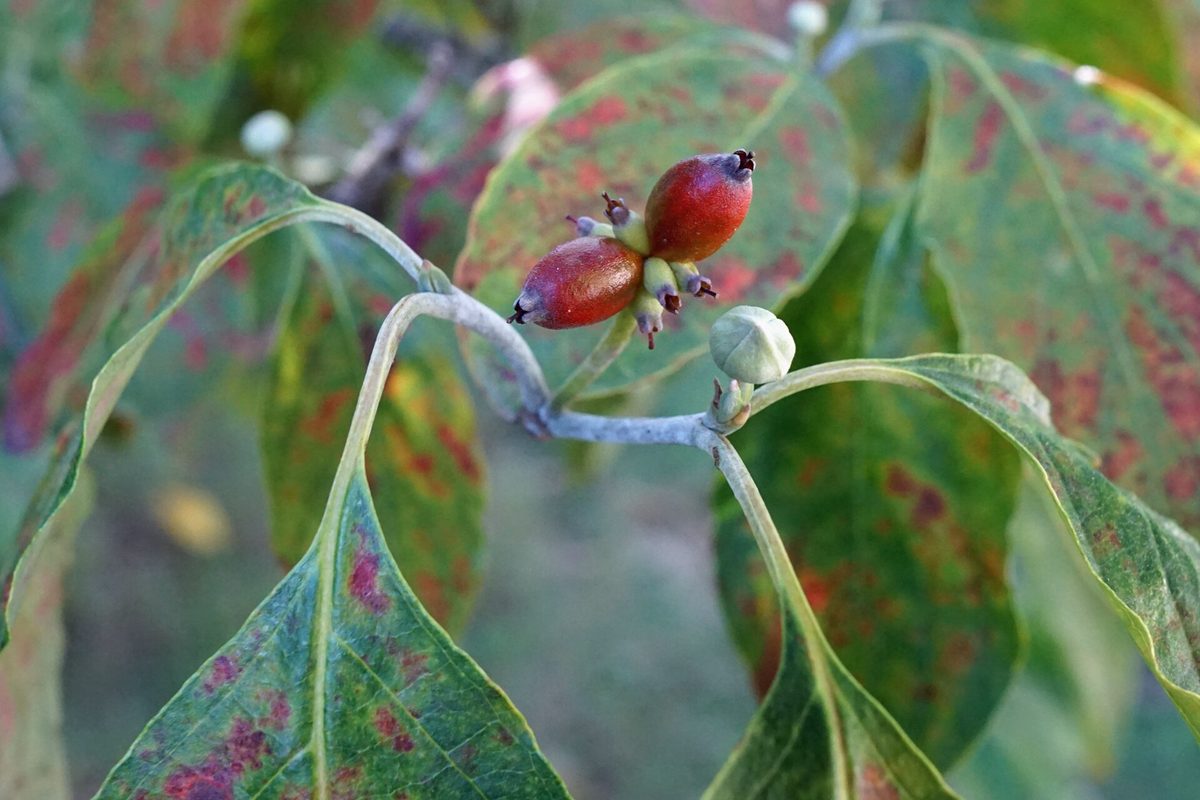
Flowering Dogwood
Cornus florida
Zones 5a–9a · Sources differ: University of Florida IFAS Extension (EDIS); University of Florida IFAS Extension (EDIS); Lady Bird Johnson Wildflower Center (Native Plant Database) · Full sun and part shade (full sun preferred)
-
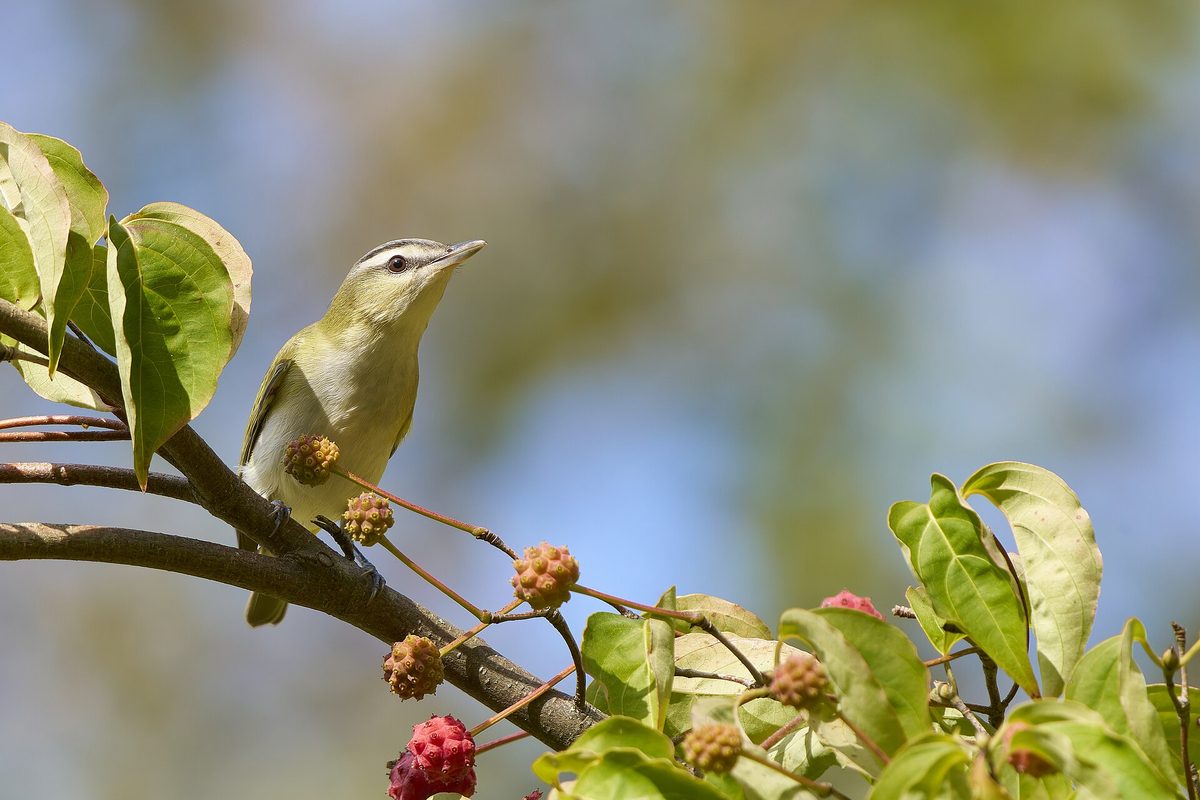
Kousa Dogwood
Cornus kousa
Zones 5a–8b · 20–30 ft (6.1–9.14 m) · Full sun and part shade (full sun preferred)
The data behind this page lists Cornus kousa as a member of the zone 8 trees group. Every other species on this list falls under that same category. No further description beyond that membership is recorded for it here.
-
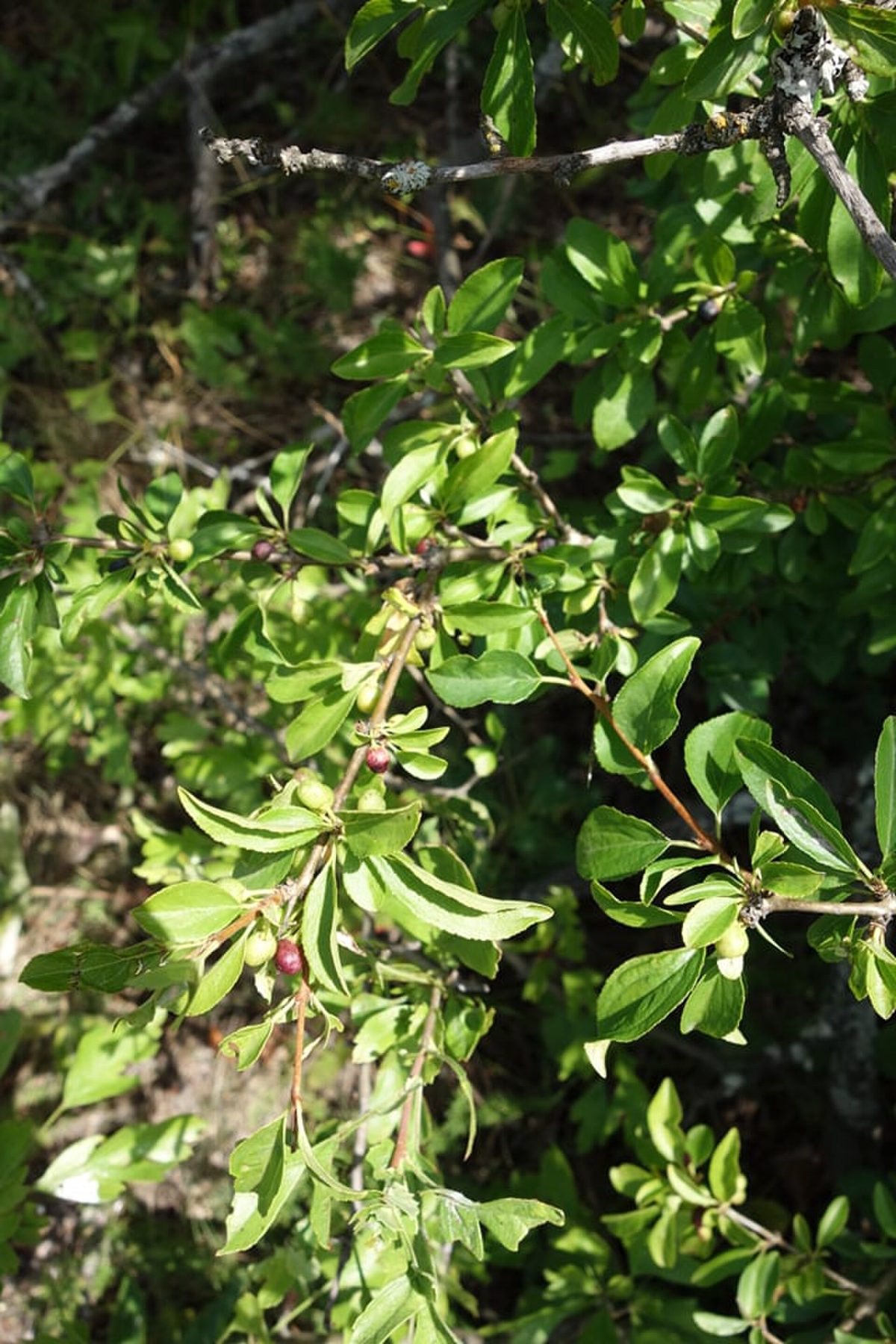
Cornelian Cherry
Cornus mas
Zones 4a–8b · 15–25 ft (4.57–7.62 m) · Full sun and part shade (full sun preferred)
-
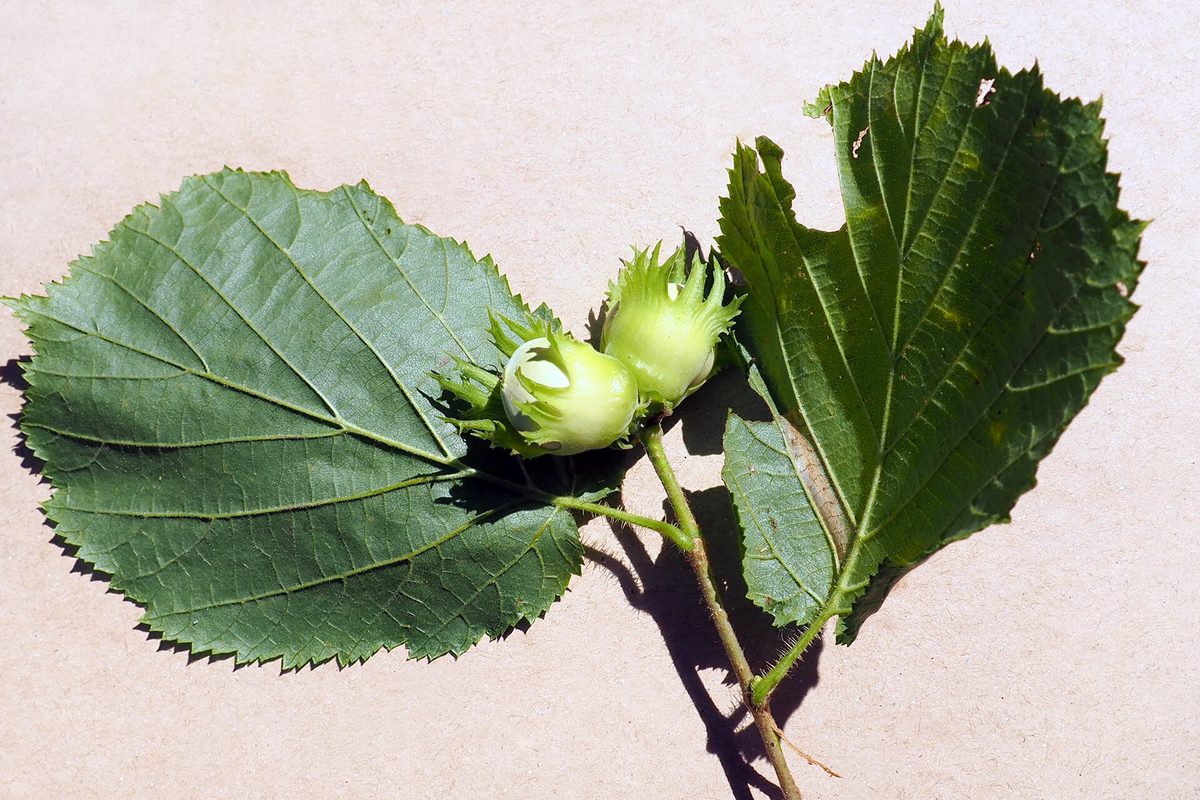
Common Filbert
Corylus avellana
Zones 4a–8b · 10–15 ft (3.05–4.57 m) · Full sun and part shade (full sun preferred)
Corylus avellana is the tenth name in this set, included because the dataset marks it as belonging to the zone 8 trees group. That membership is the full extent of what this page states about it.
-
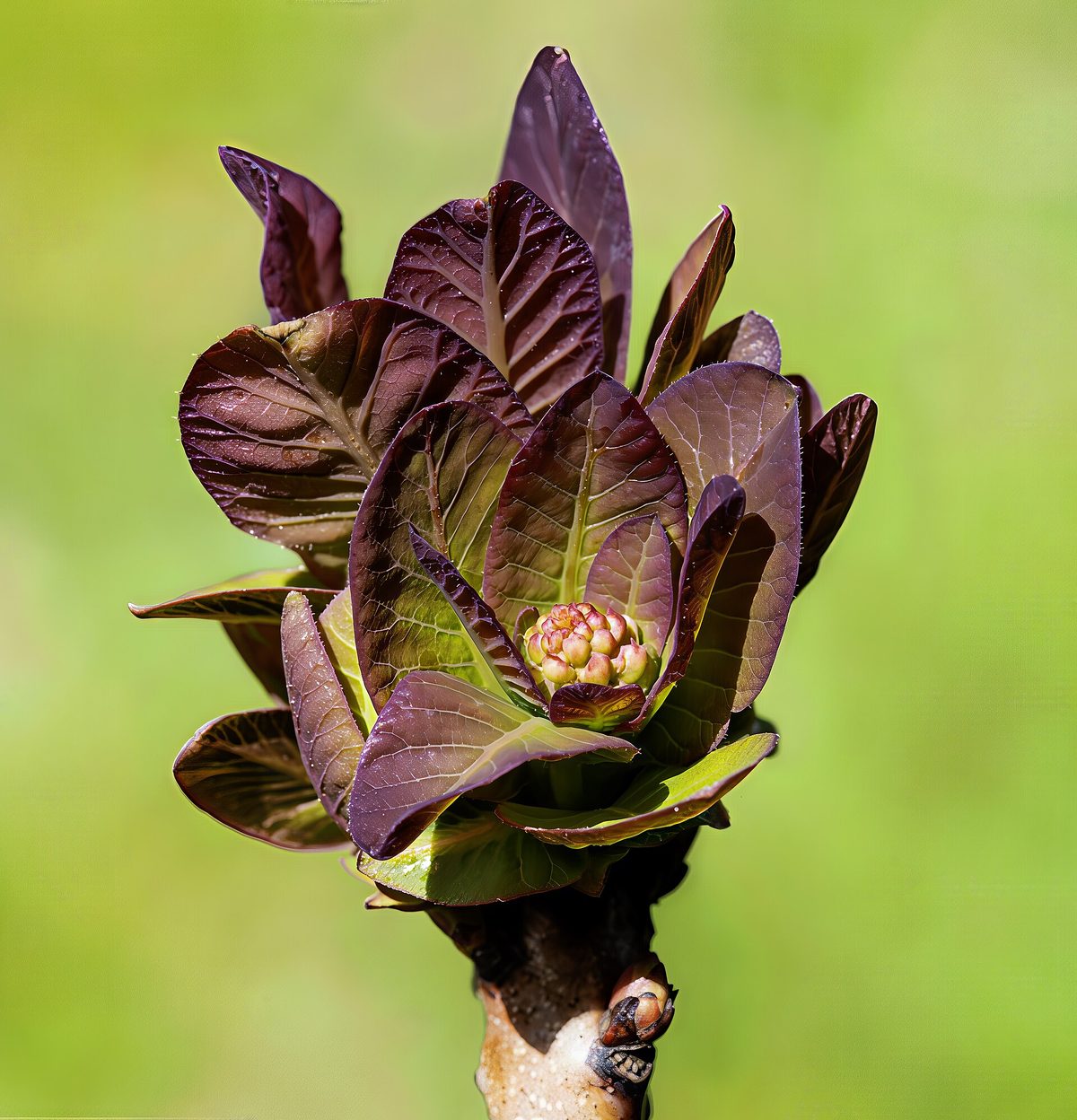
European Smoketree
Cotinus coggygria
Zones 4a–8b · 10–15 ft (3.05–4.57 m) · Full sun and part shade (full sun preferred)
-
-
-
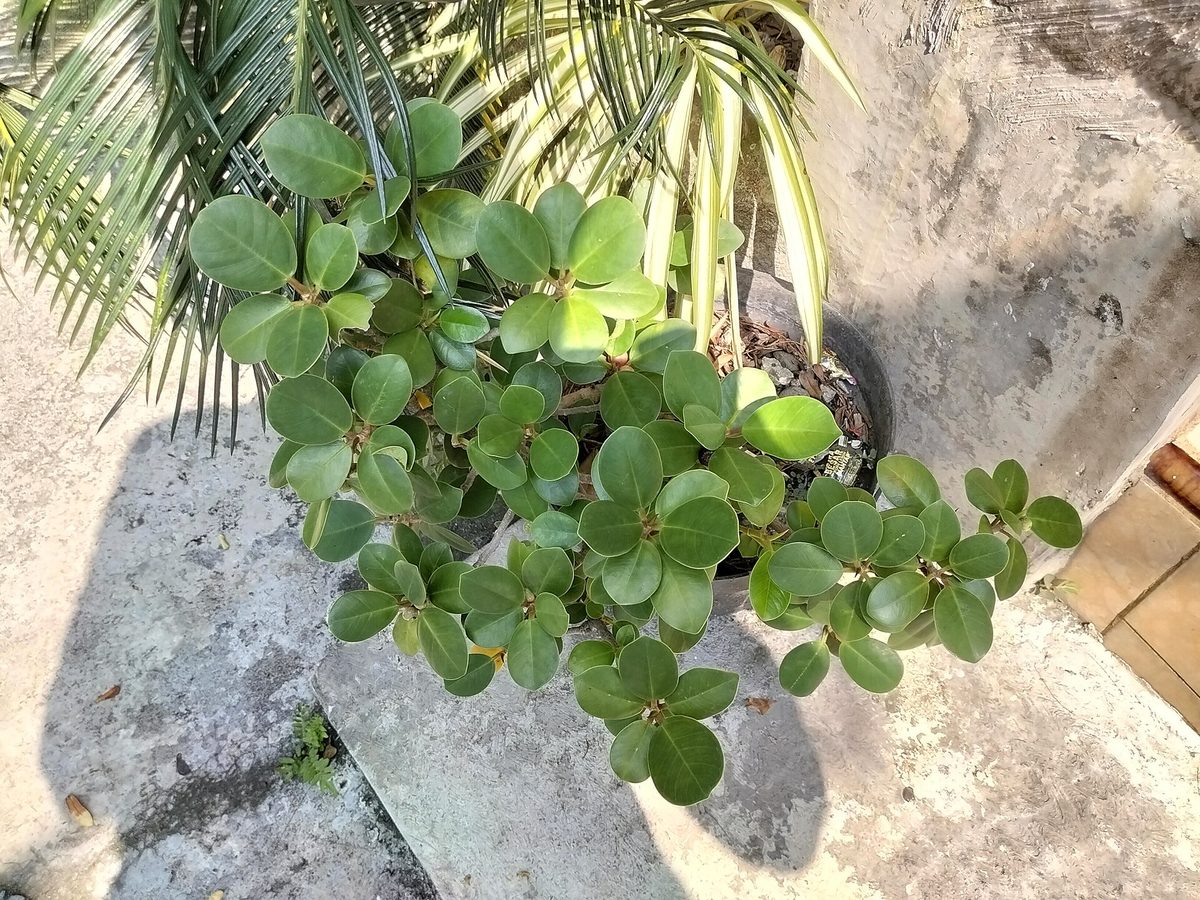
Japanese Spindletree
Euonymus japonicus
Zones 6a–9b · 10–15 ft (3.05–4.57 m) · Full sun, part shade and full shade (full sun preferred)
-
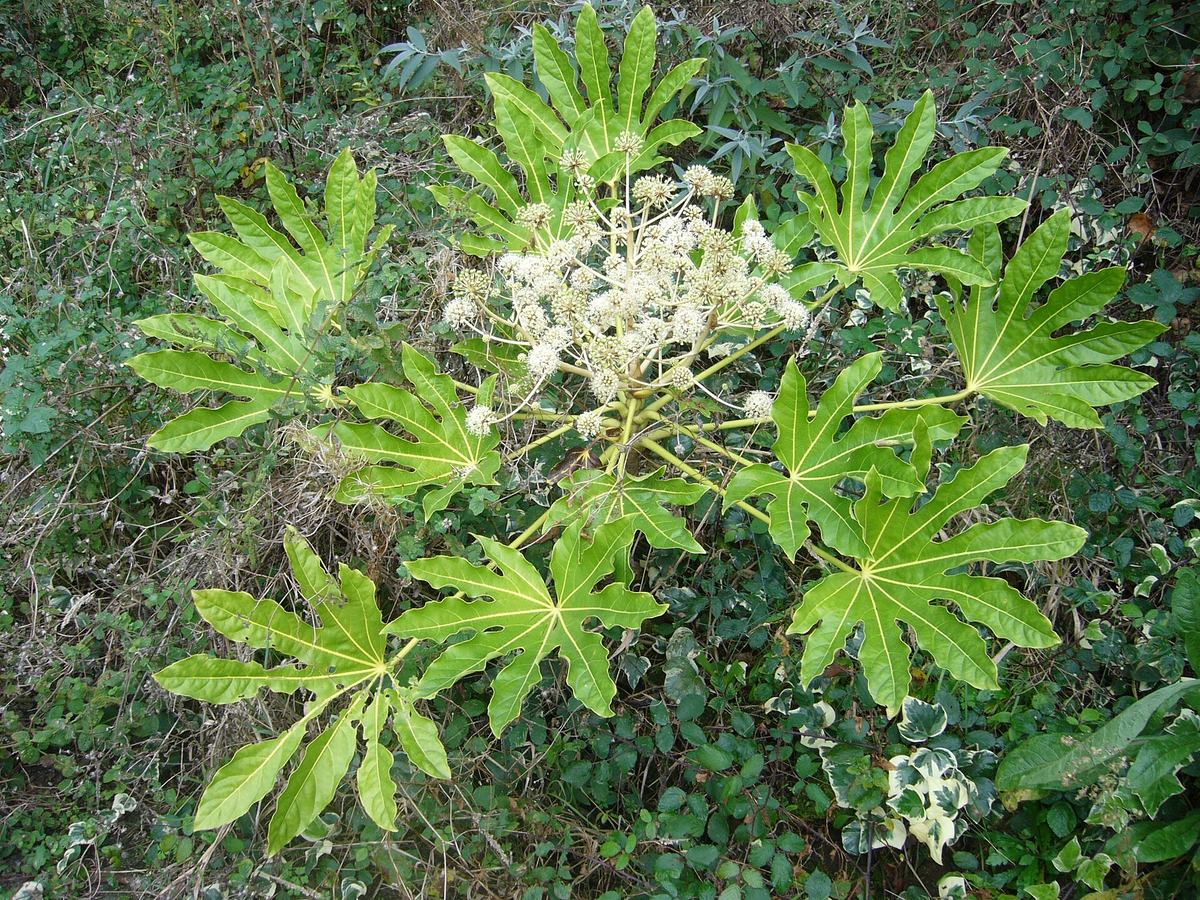
Paperplant
Fatsia japonica
Zones 7b–10b · 6–19.5 ft (1.83–5.94 m) · Part shade and full shade (part shade preferred)
-
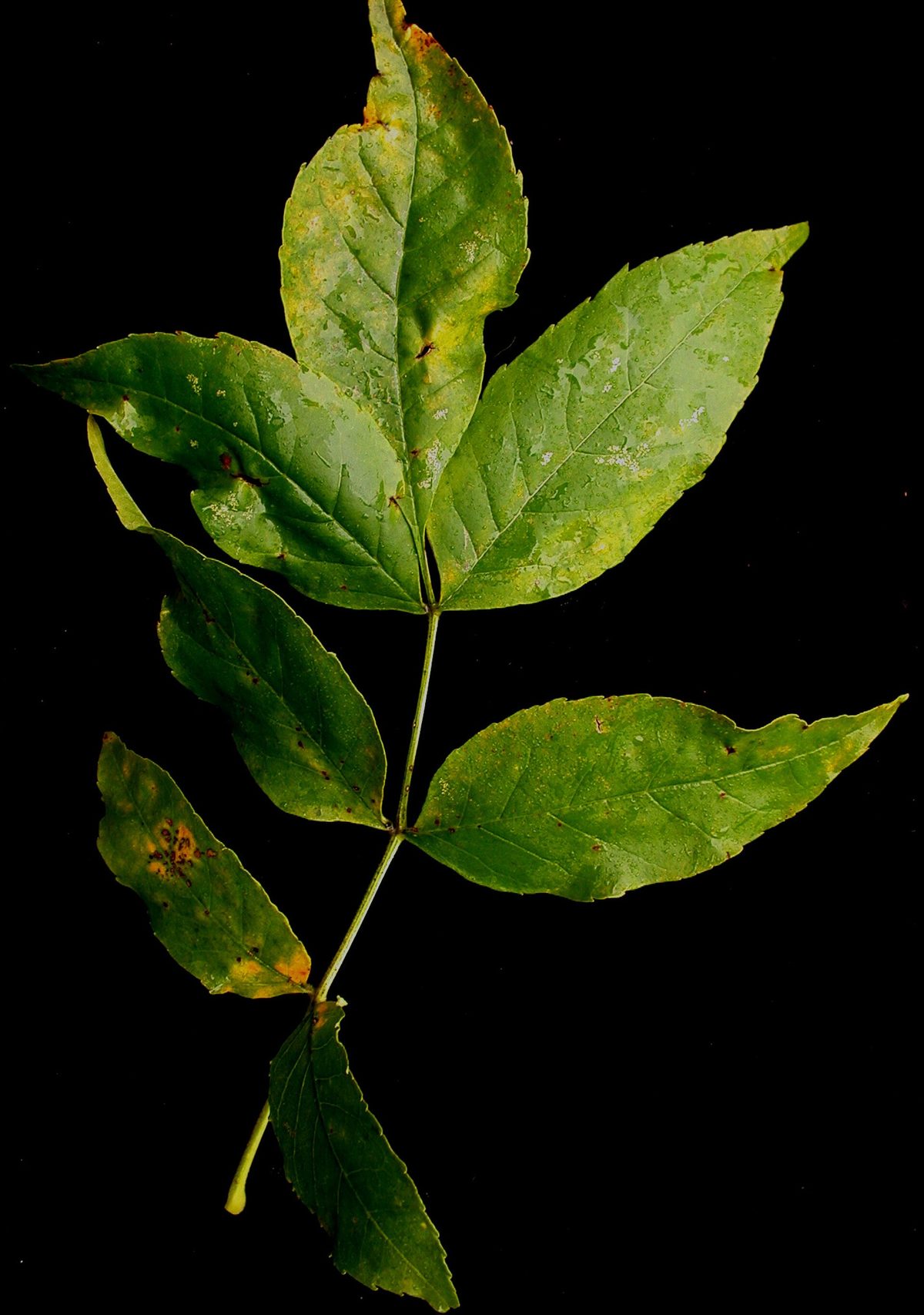
White Ash
Fraxinus americana
Zones 3a–9b · 60–120 ft (18.29–36.58 m) · Full sun, part shade and full shade (full sun preferred)
-
-
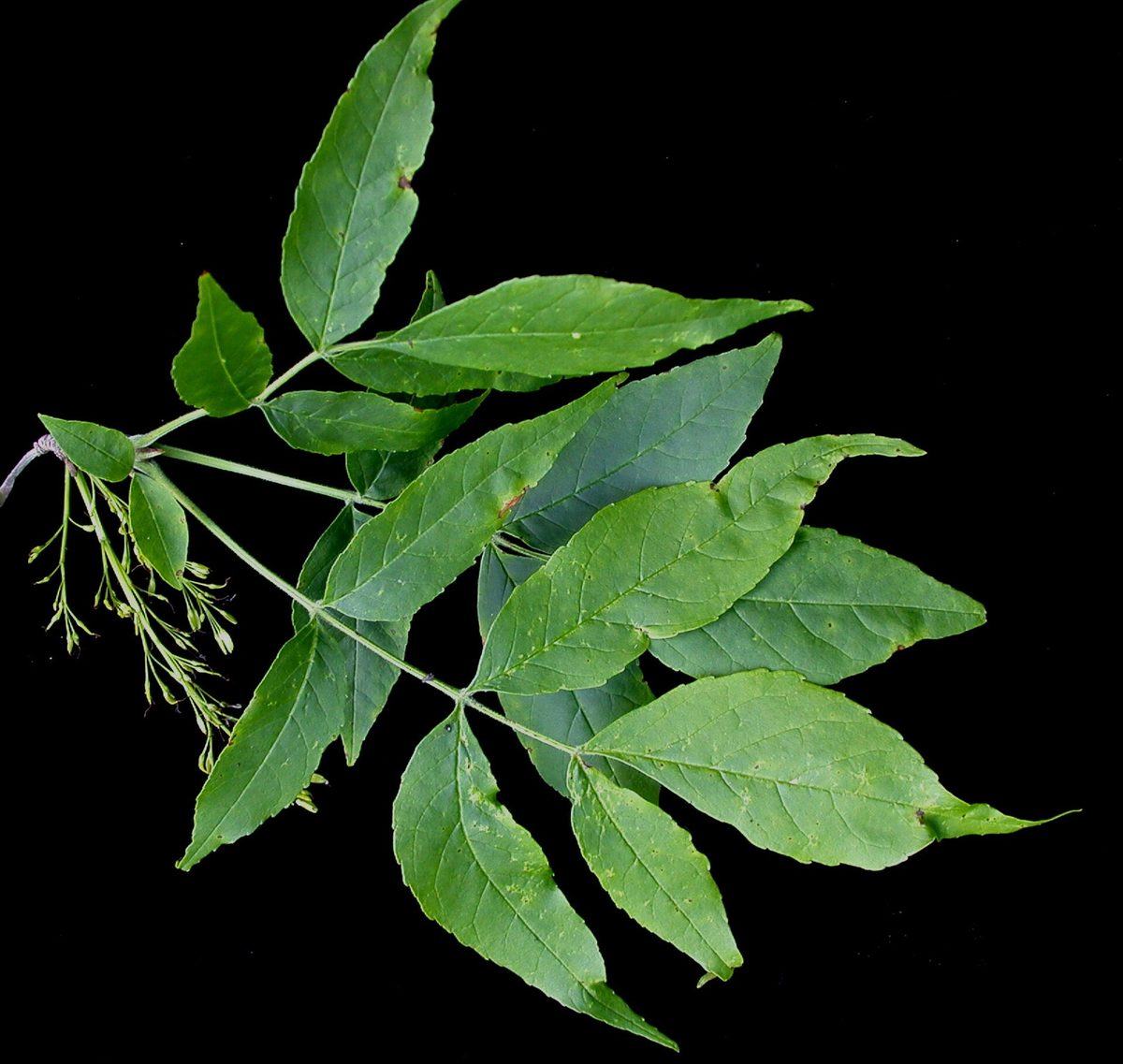
Green Ash
Fraxinus pennsylvanica
Zones 3a–9b · 50–70 ft (15.24–21.34 m) · Full sun
-
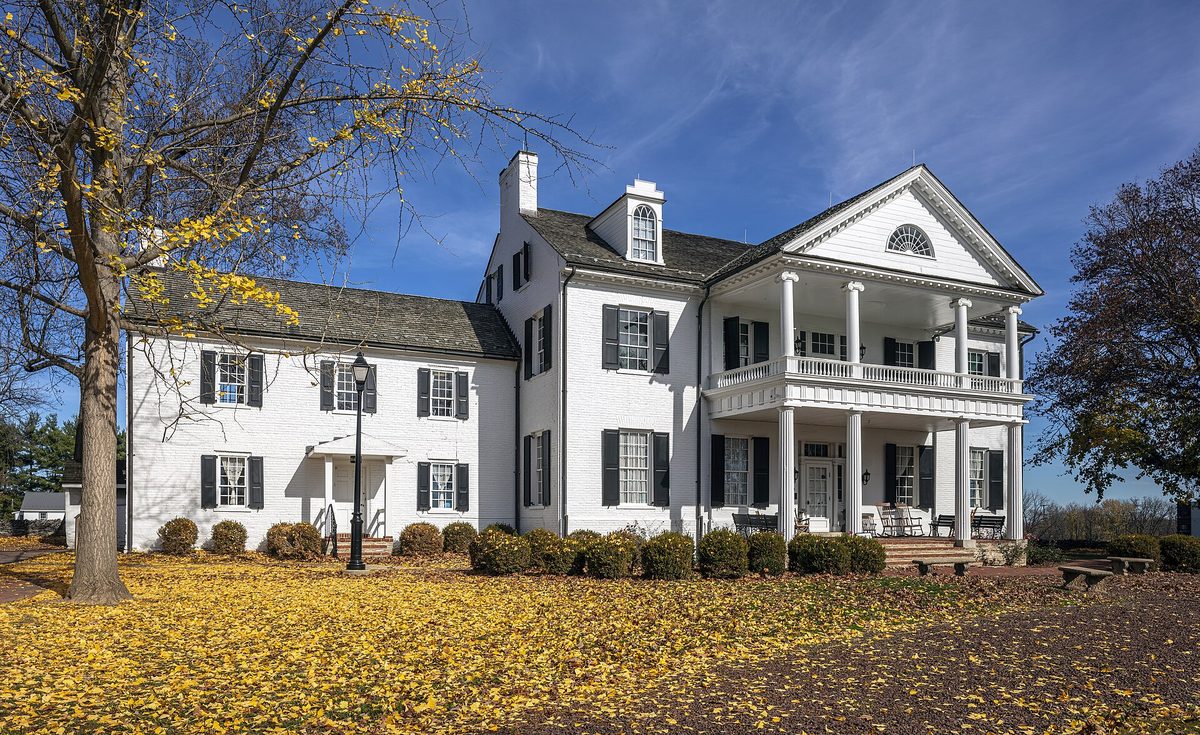
Maidenhair Tree
Ginkgo biloba
Zones 3a–9b · Sources differ: University of Florida IFAS Extension (Ask IFAS) · Full sun and part shade (full sun preferred)
-
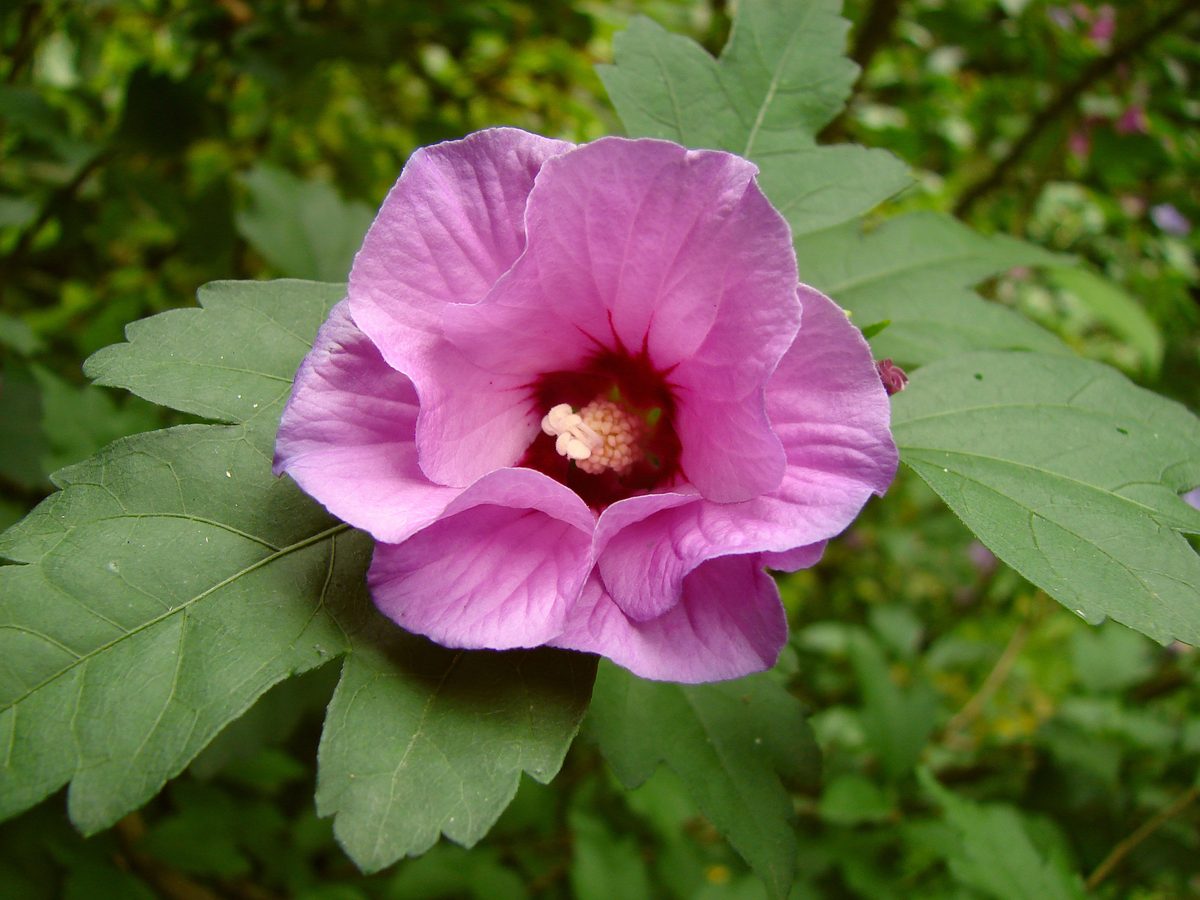
Rose of Sharon
Hibiscus syriacus
Zones 5a–9b · 8–12 ft (2.44–3.66 m) · Full sun and part shade (full sun preferred)
-
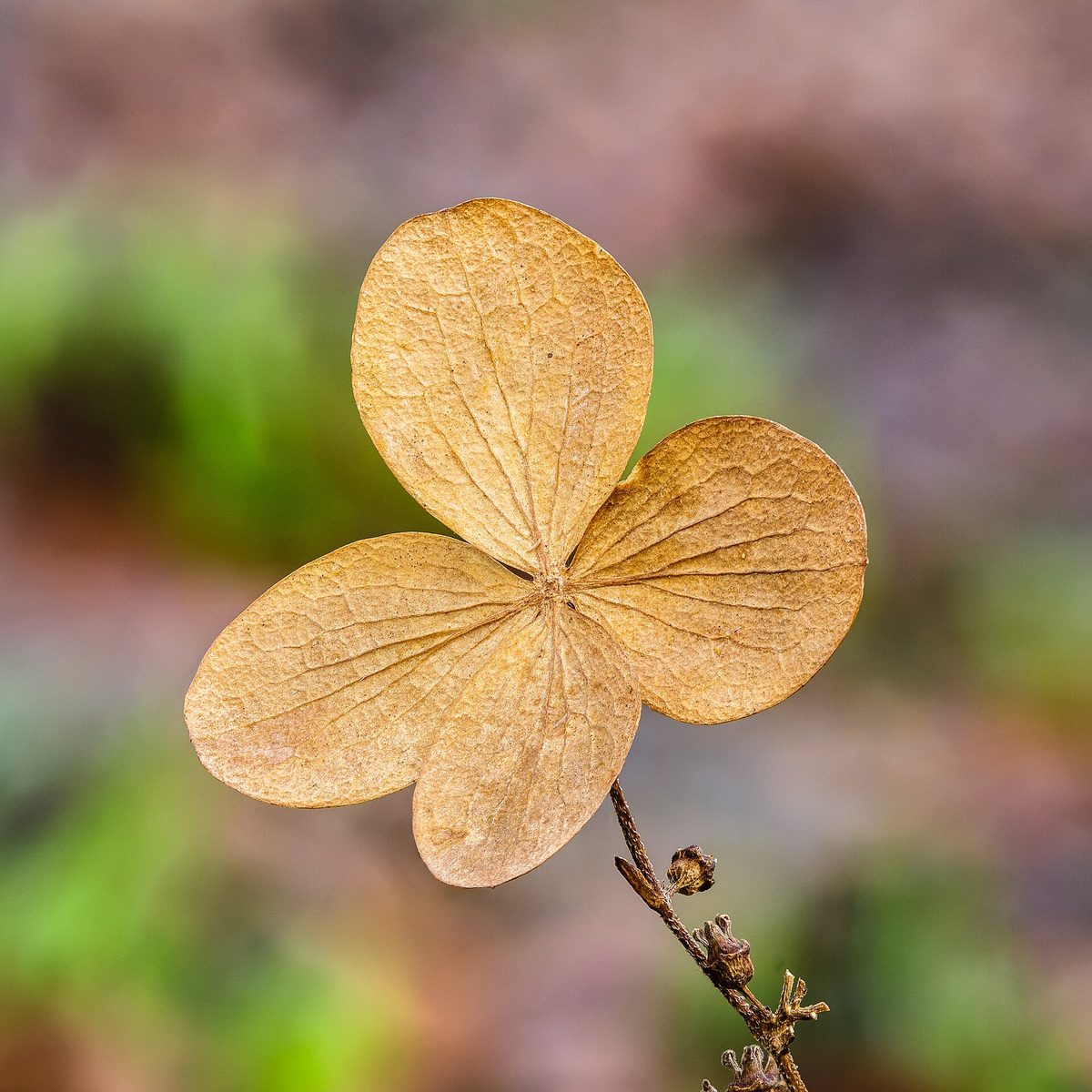
Panicled Hydrangea
Hydrangea paniculata
Zones 3a–8b · Sources differ: University of Wisconsin-Madison Division of Extension (Wisconsin Horticulture) · Full sun and part shade (full sun preferred)
-
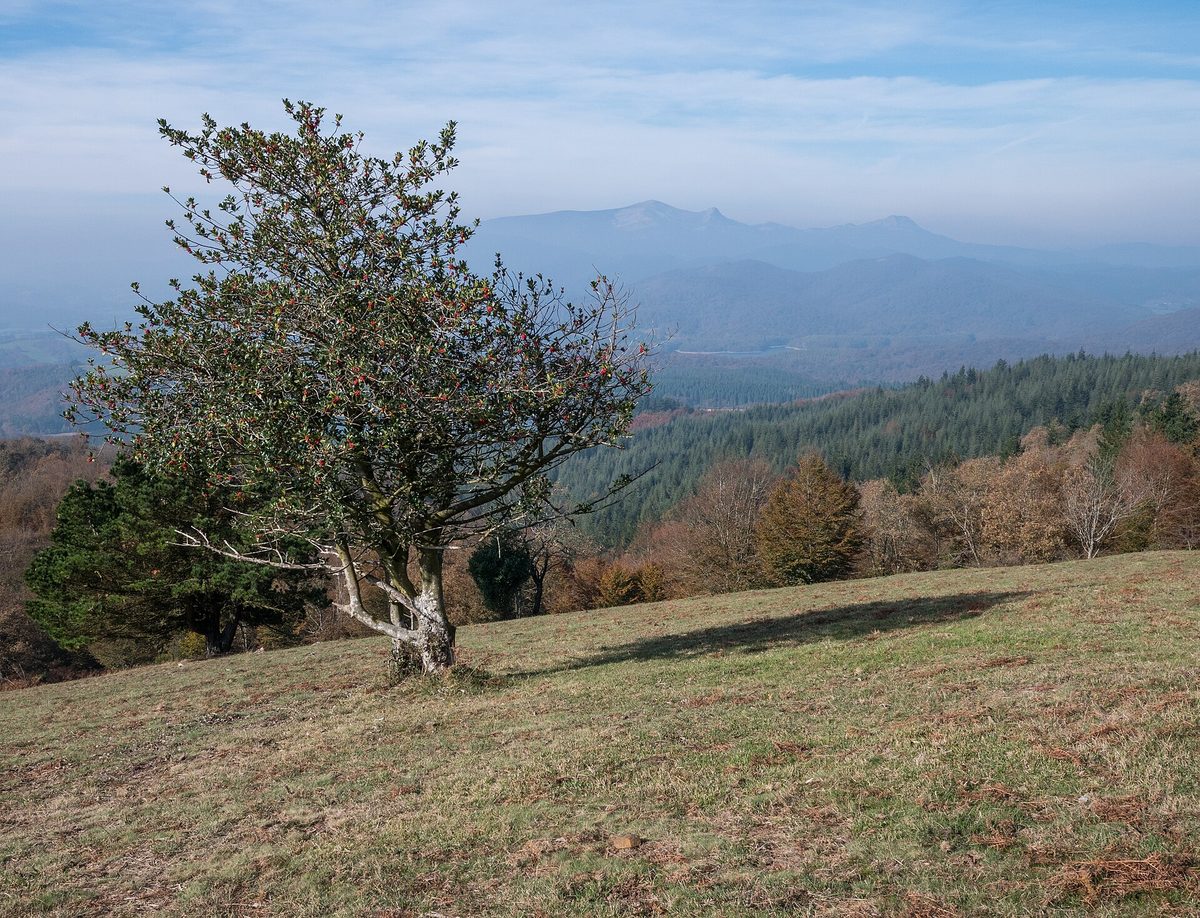
English Holly
Ilex aquifolium
Zones 7a–8b · 30–50 ft (9.14–15.24 m) · Full sun and part shade (full sun preferred)
-
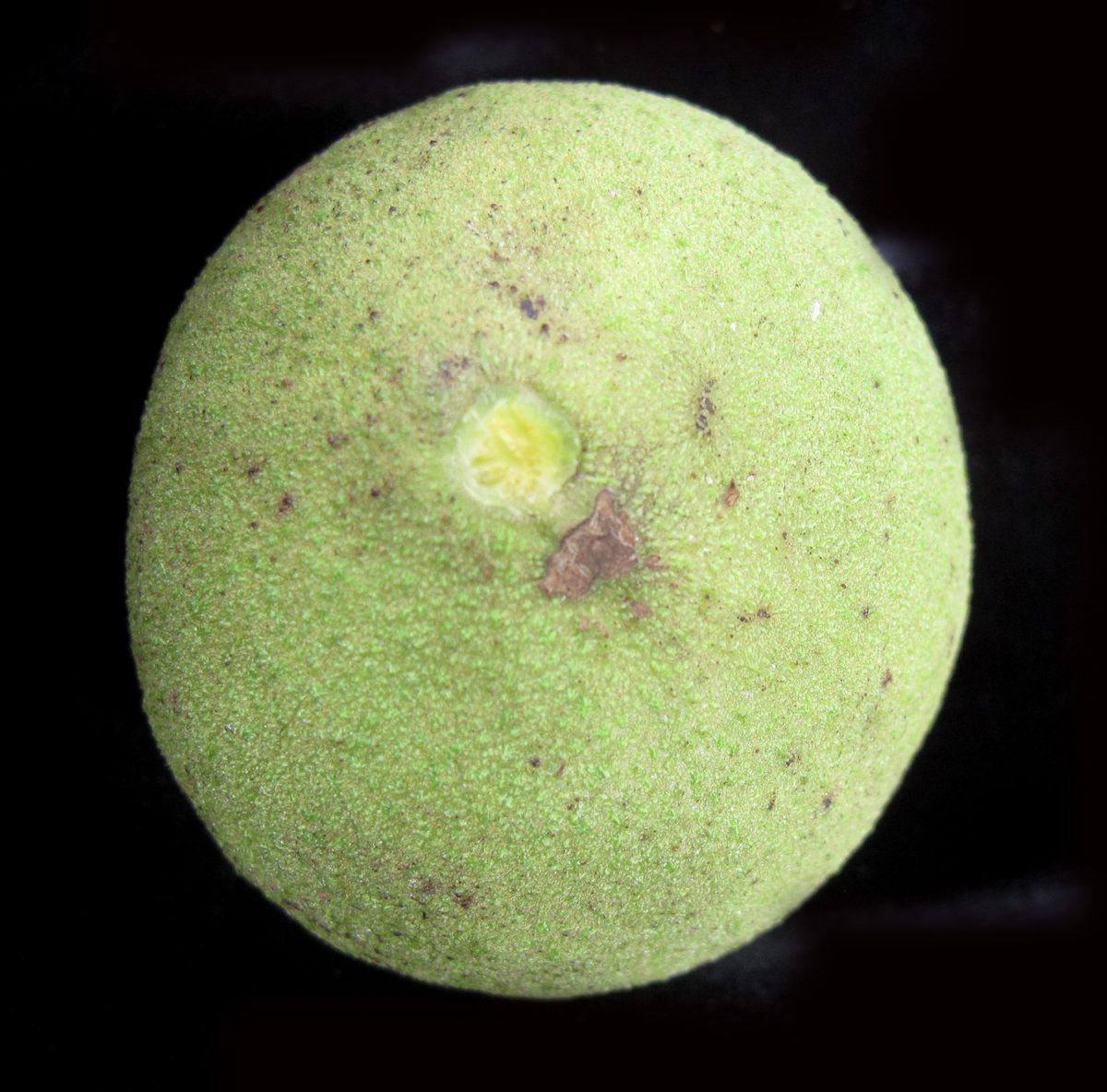
Black Walnut
Juglans nigra
Zones 4a–9b · 50–90 ft (15.24–27.43 m) · Full sun and part shade (full sun preferred)
-
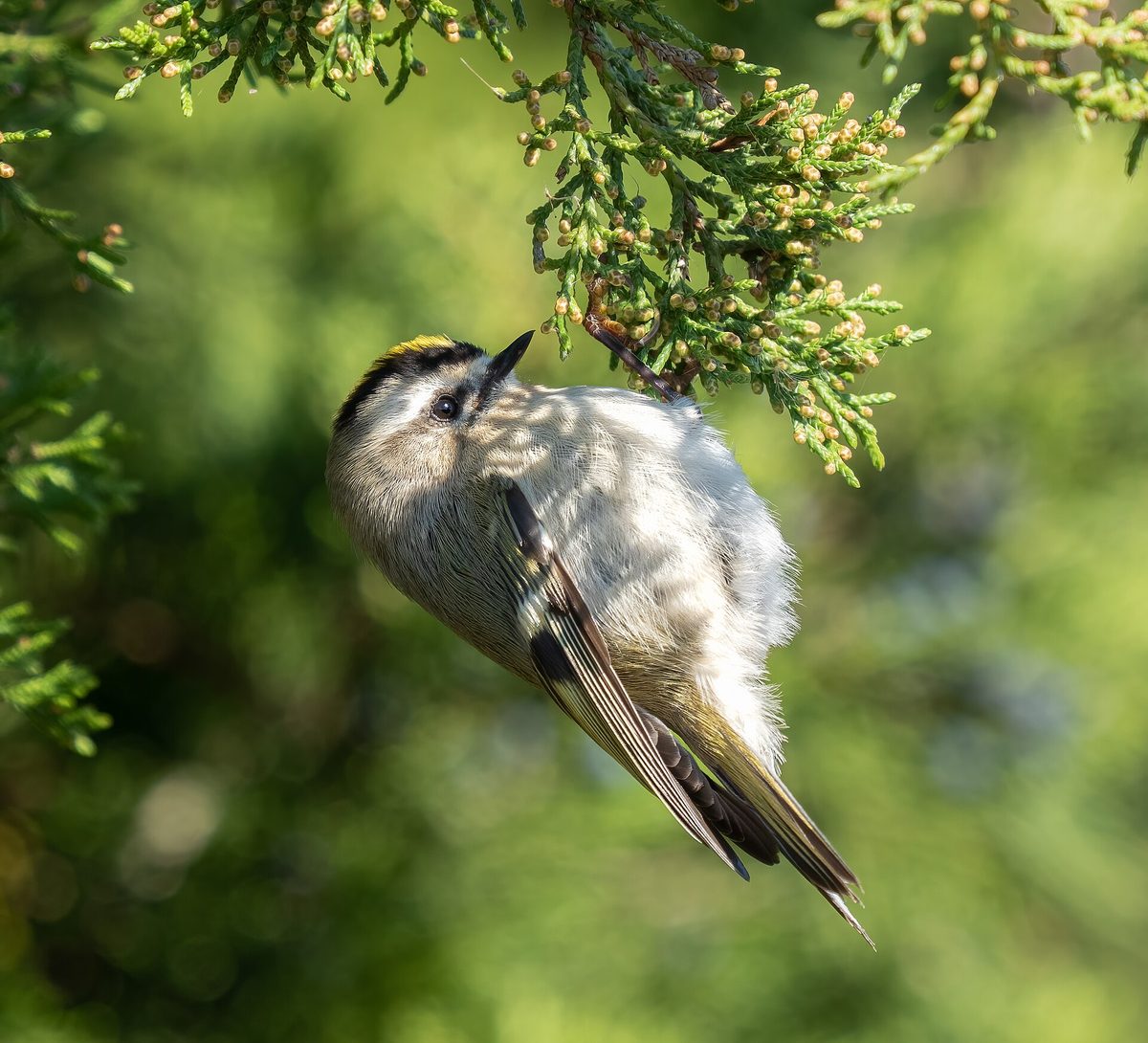
Eastern Redcedar
Juniperus virginiana
Zones 2a–9b · 30–40 ft (9.14–12.19 m) · Full sun, part shade and full shade (full sun preferred)
-
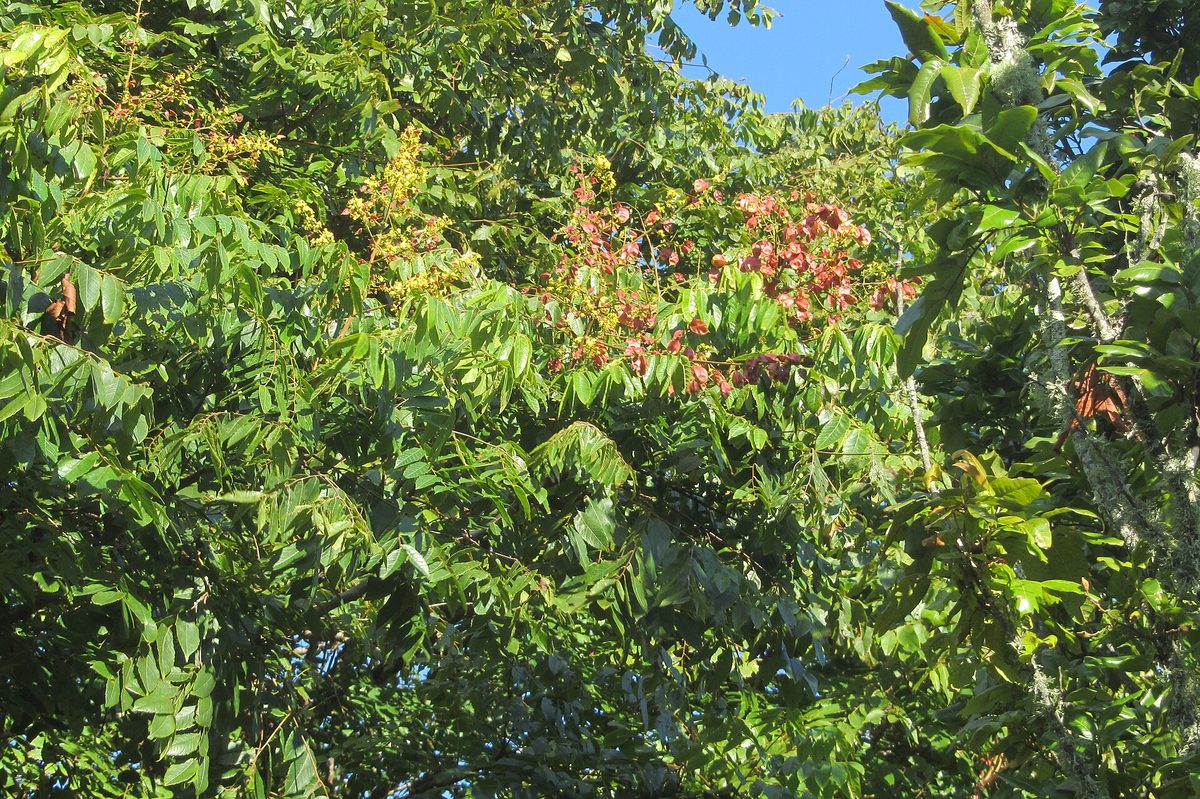
-
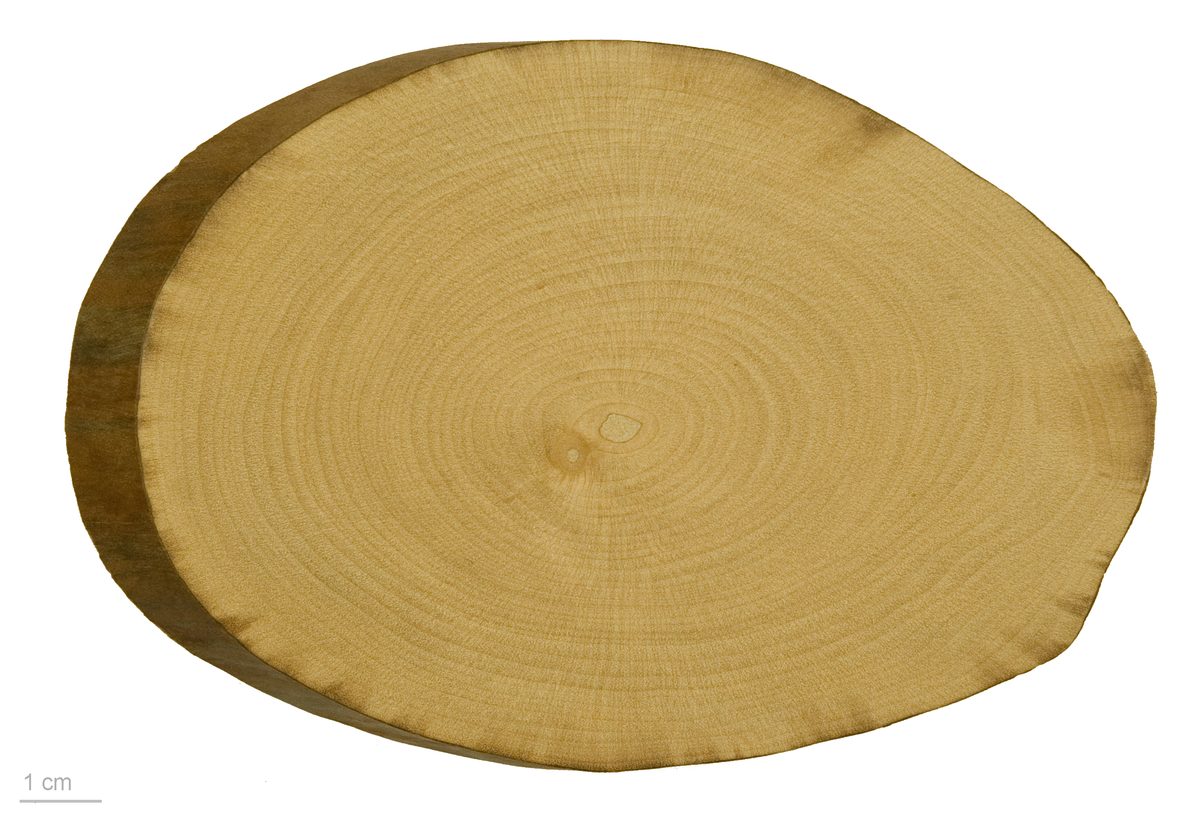
-
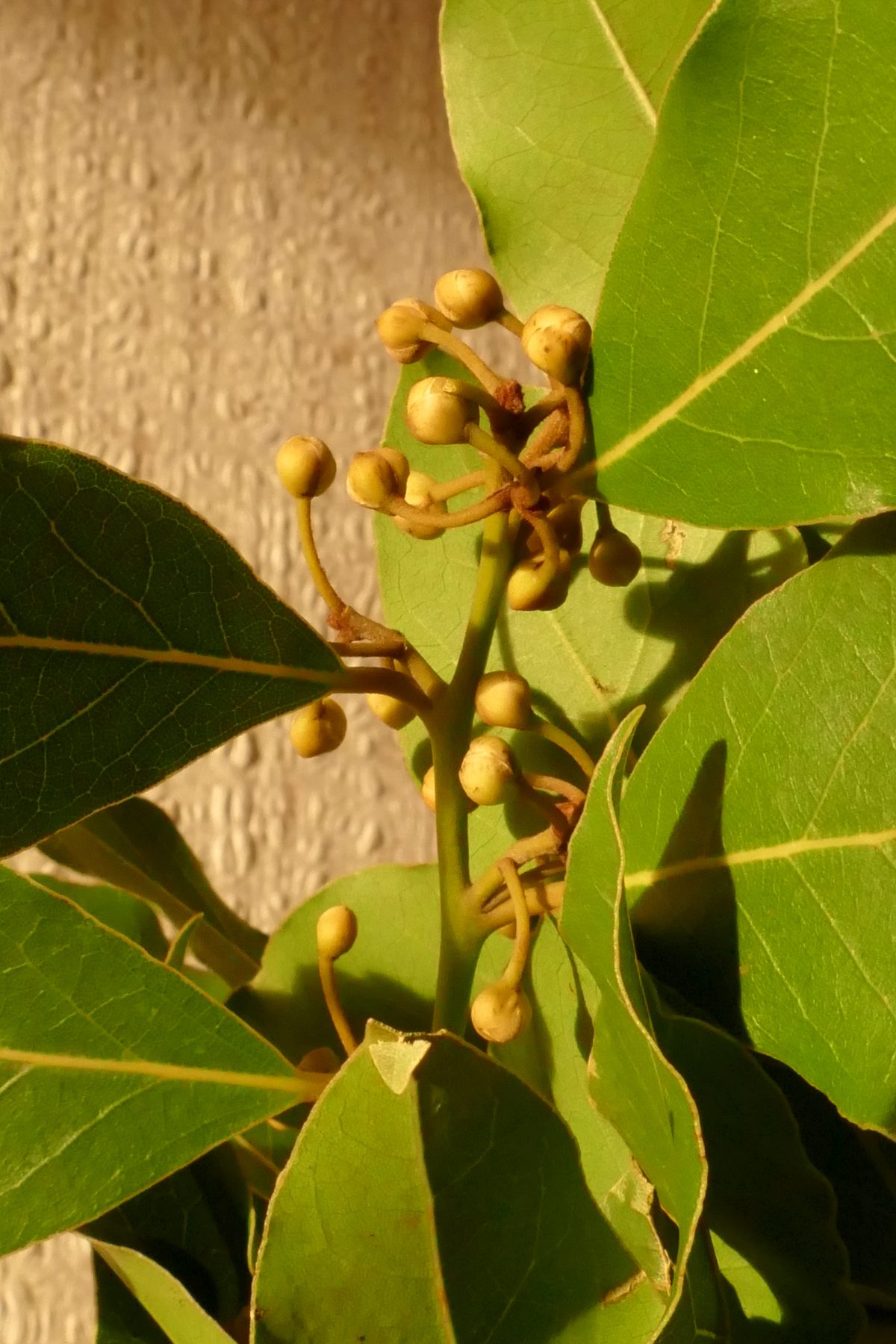
Sweet Bay
Laurus nobilis
Zones 7a–10b · 8–12 ft (2.44–3.66 m) · Full sun and part shade (full sun preferred)
-
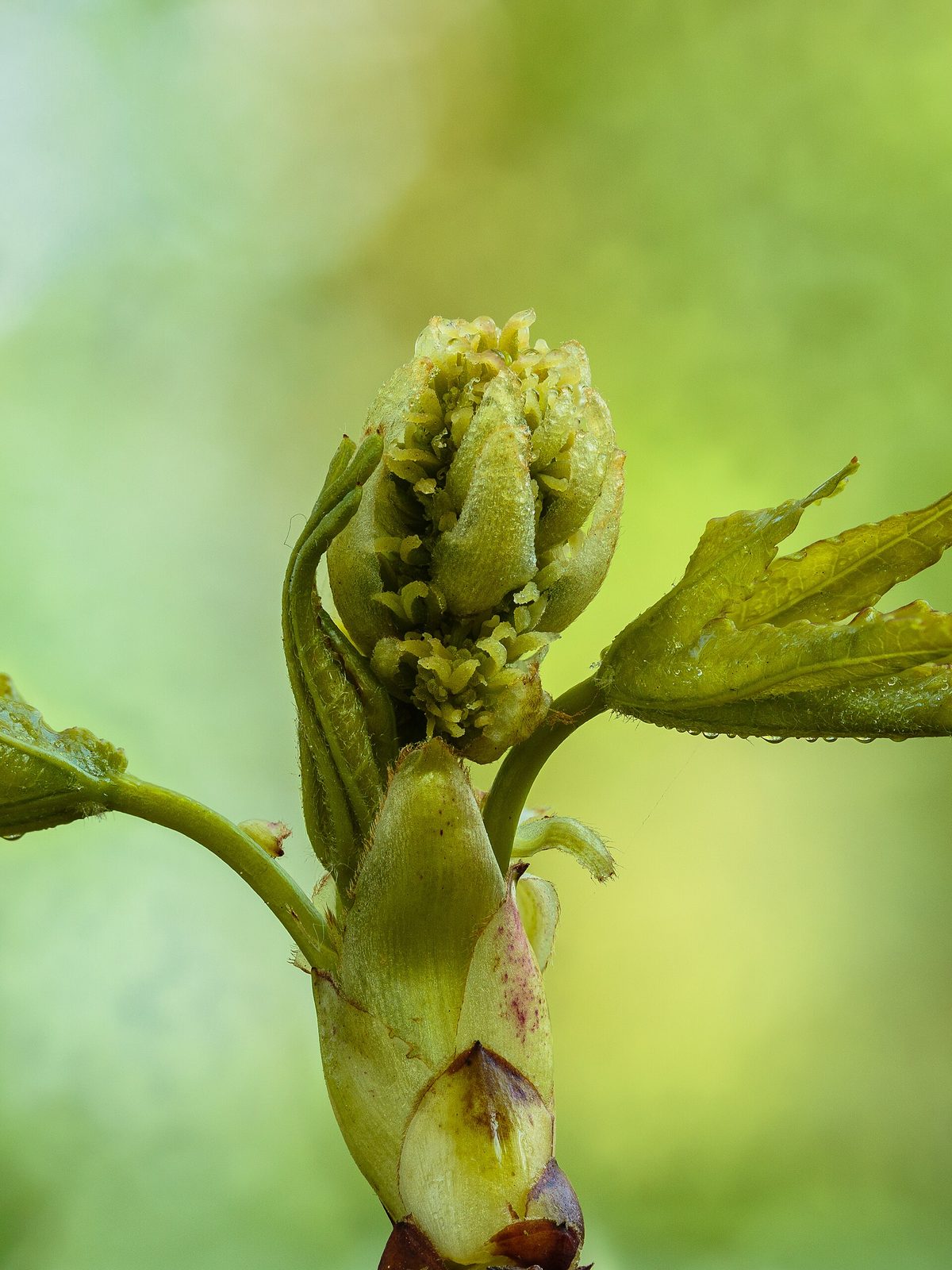
Sweetgum
Liquidambar styraciflua
Zones 5a–9b · 60–100 ft (18.29–30.48 m) · Full sun and part shade (full sun preferred)
-
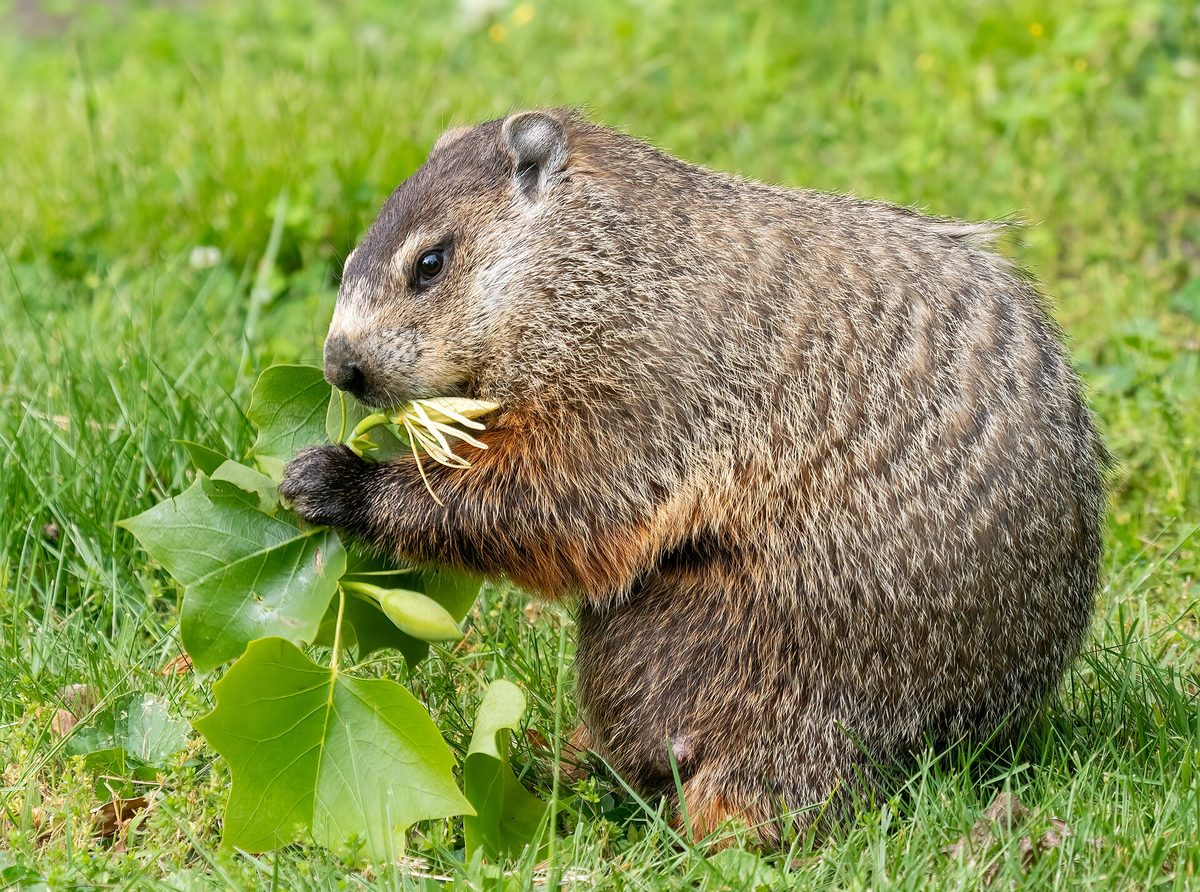
Tuliptree
Liriodendron tulipifera
Zones 4a–9b · 80–120 ft (24.38–36.58 m) · Full sun, part shade and full shade (full sun preferred)
-
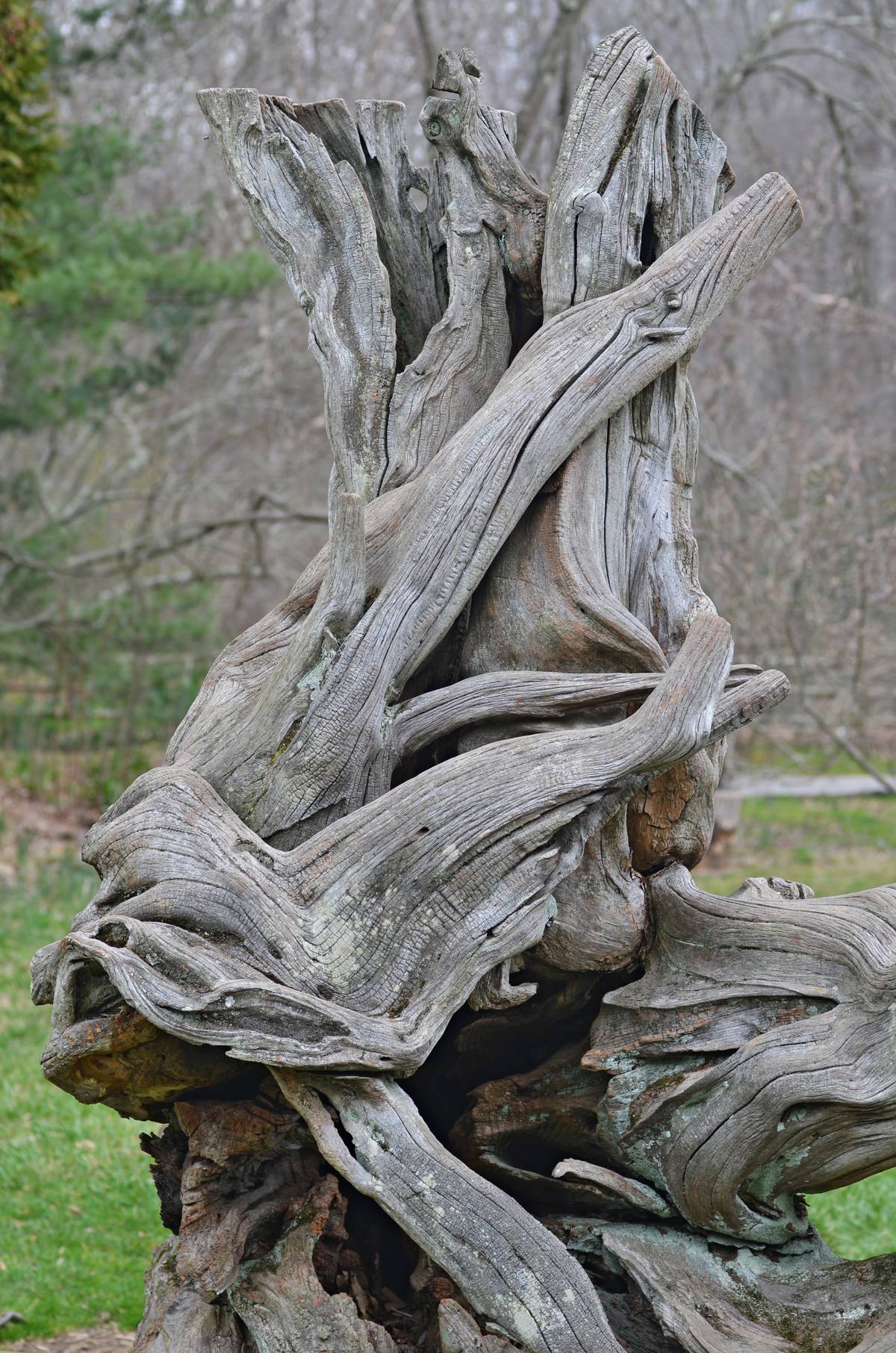
Osage-orange
Maclura pomifera
Zones 4a–9b · 29.5 ft (9 m) · Full sun and part shade (full sun preferred)
-
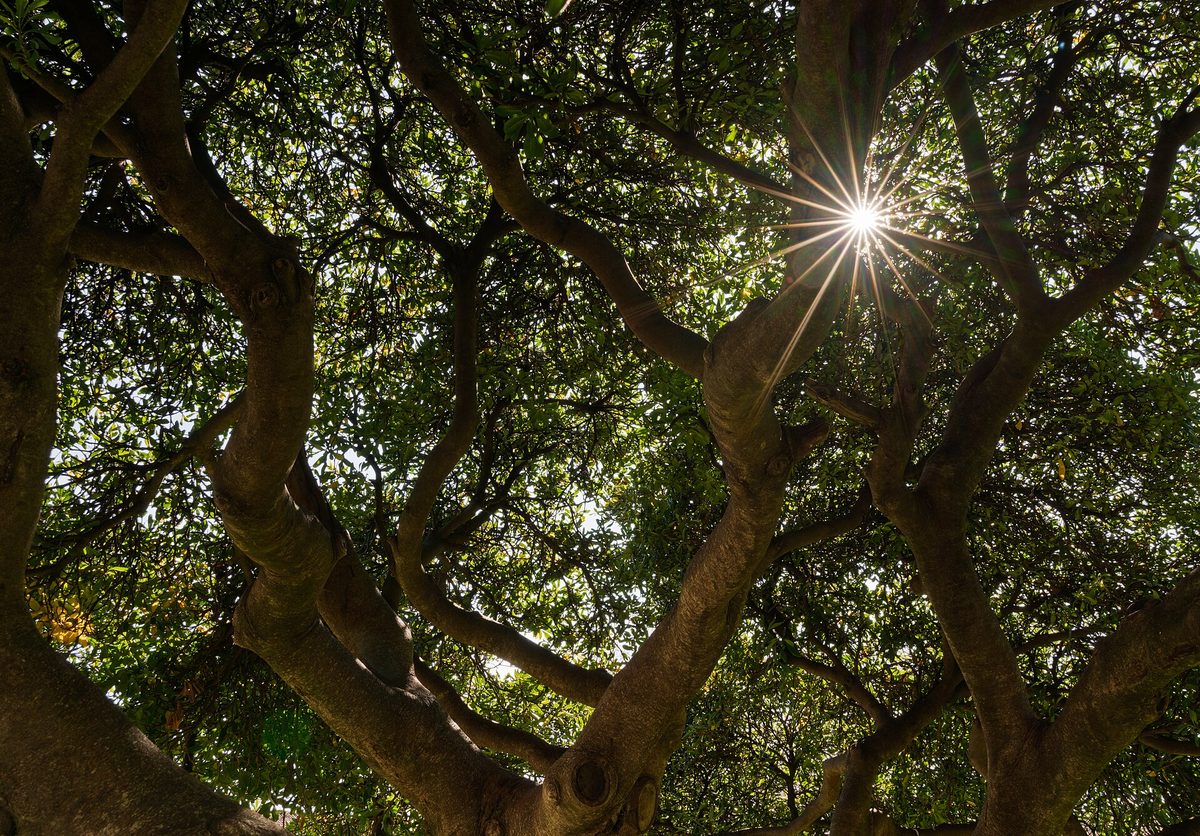
Southern Magnolia
Magnolia grandiflora
Zones 7a–10a · 60–90 ft (18.29–27.43 m) · Full sun and part shade (full sun preferred)
-
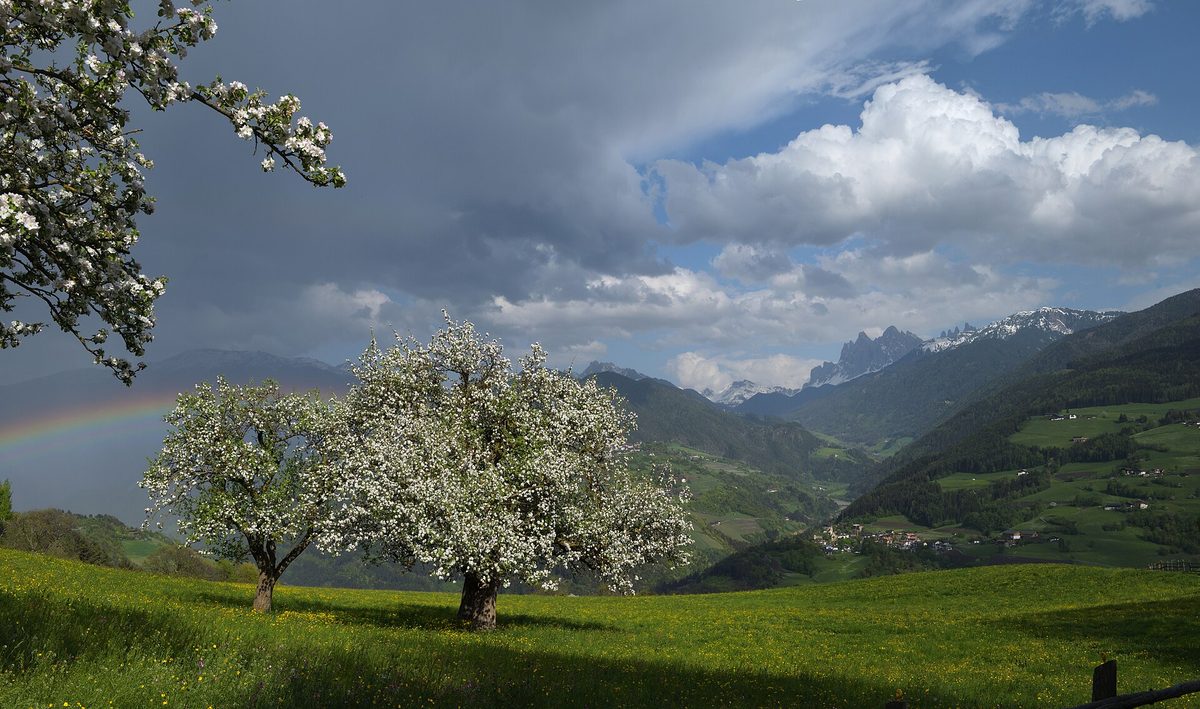
European Crab Apple
Malus domestica
Zones 4a–9b · 15–30 ft (4.57–9.14 m) · Full sun and part shade (full sun preferred)
-
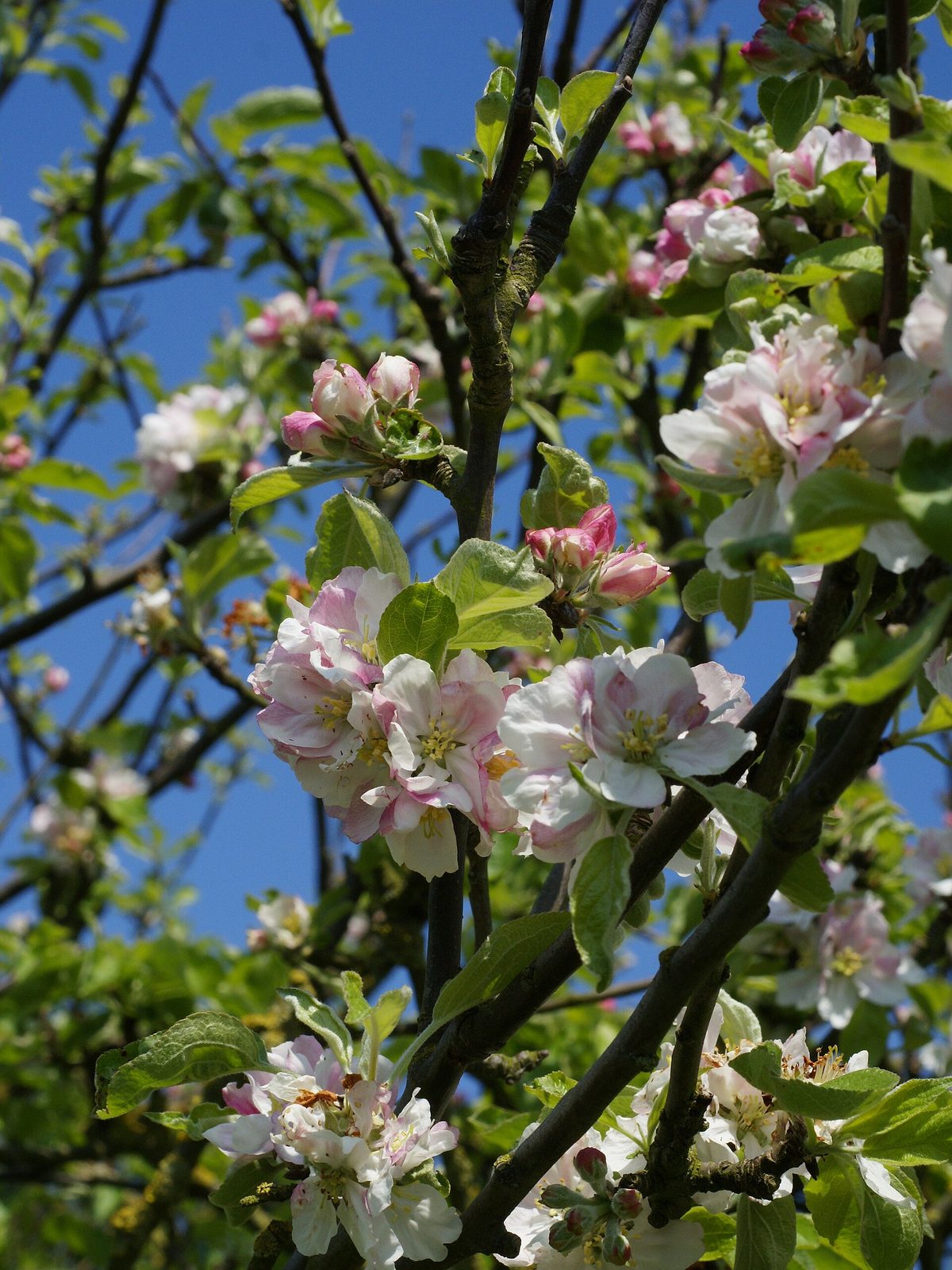
European Crab Apple
Malus sylvestris
Zones 4a–8b · 32 ft (9.75 m) · Full sun and part shade (full sun preferred)
-
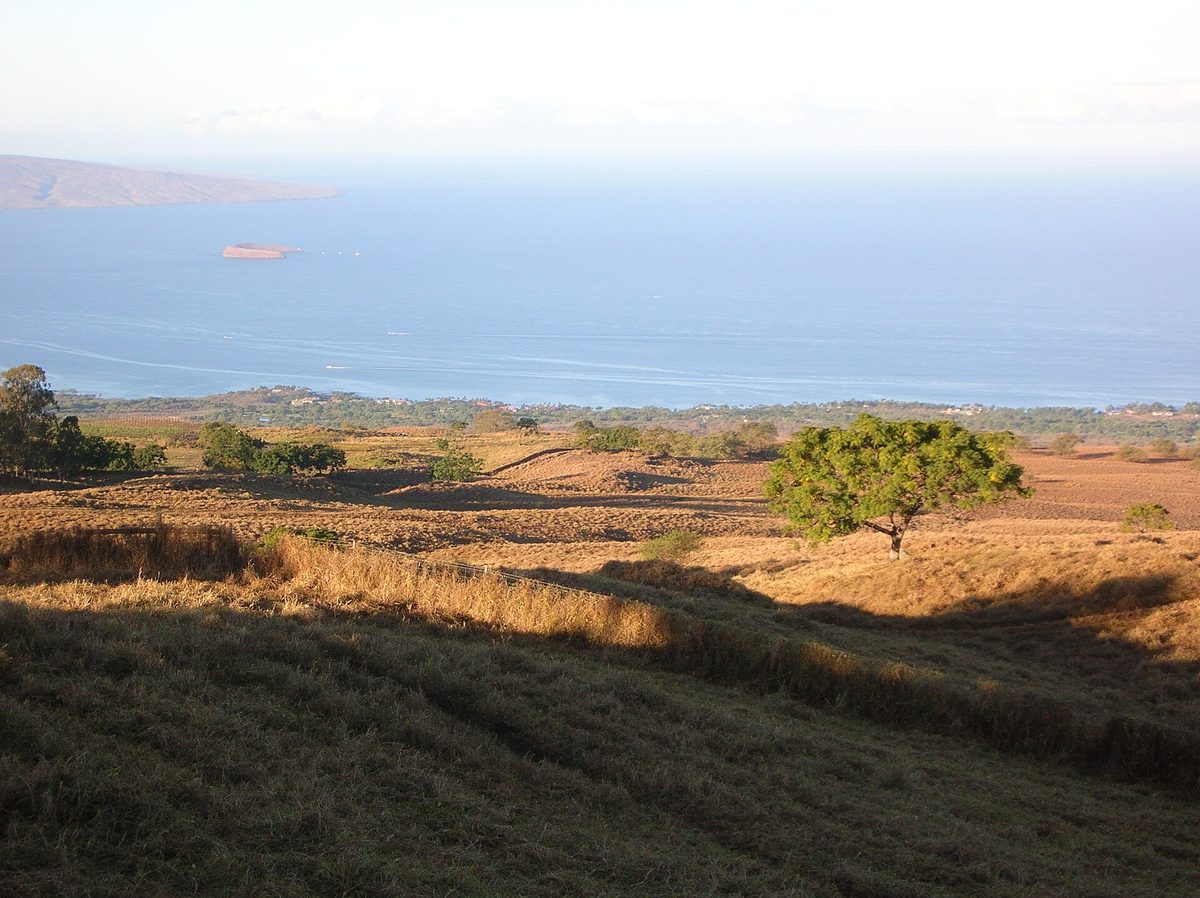
Chinaberrytree
Melia azedarach
Zones 7a–10b · 30–40 ft (9.14–12.19 m) · Full sun and part shade (full sun preferred)
-
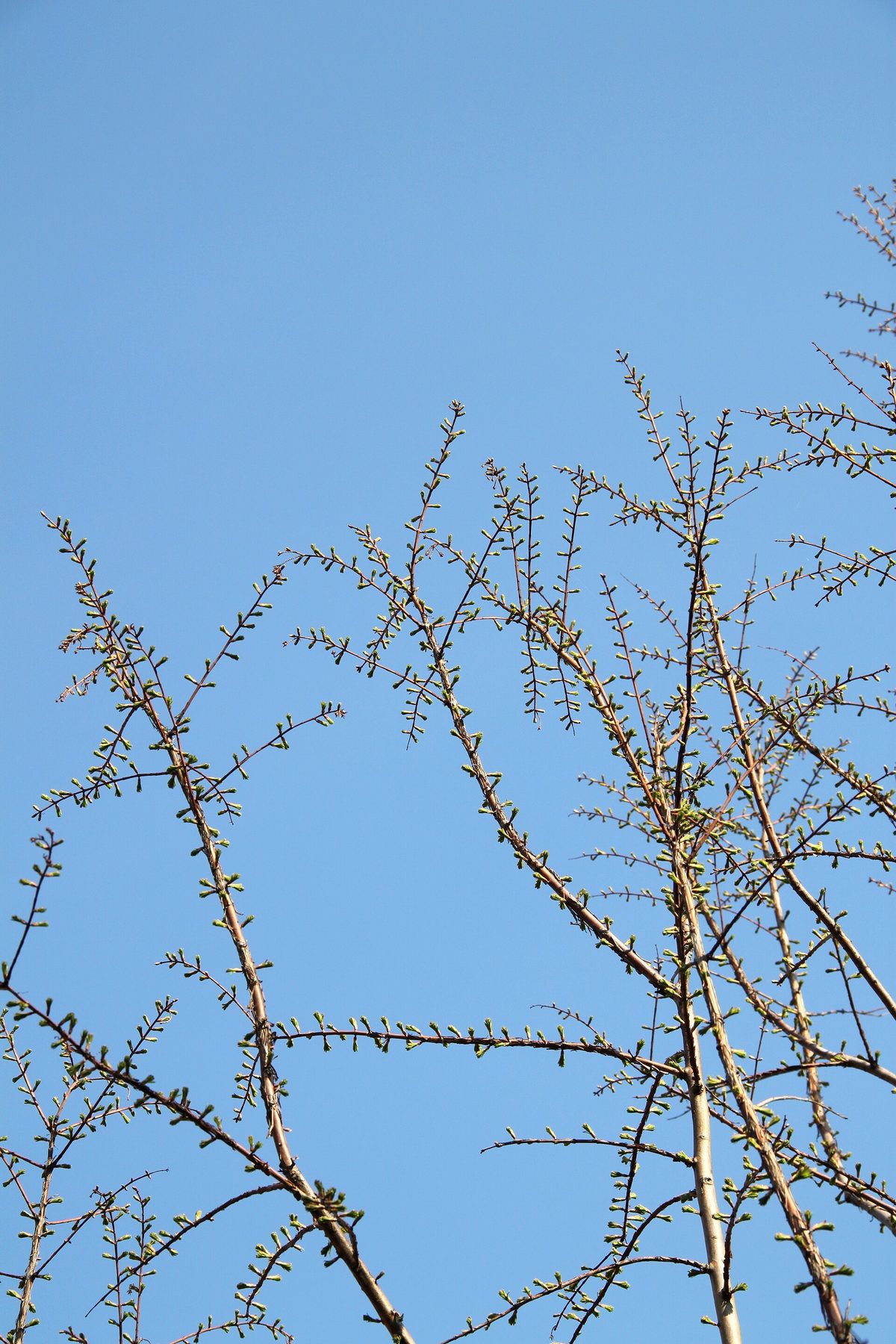
Dawn Redwood
Metasequoia glyptostroboides
Zones 4a–8b · 62–100.1 ft (18.9–30.5 m) · Full sun and part shade (full sun preferred)
-
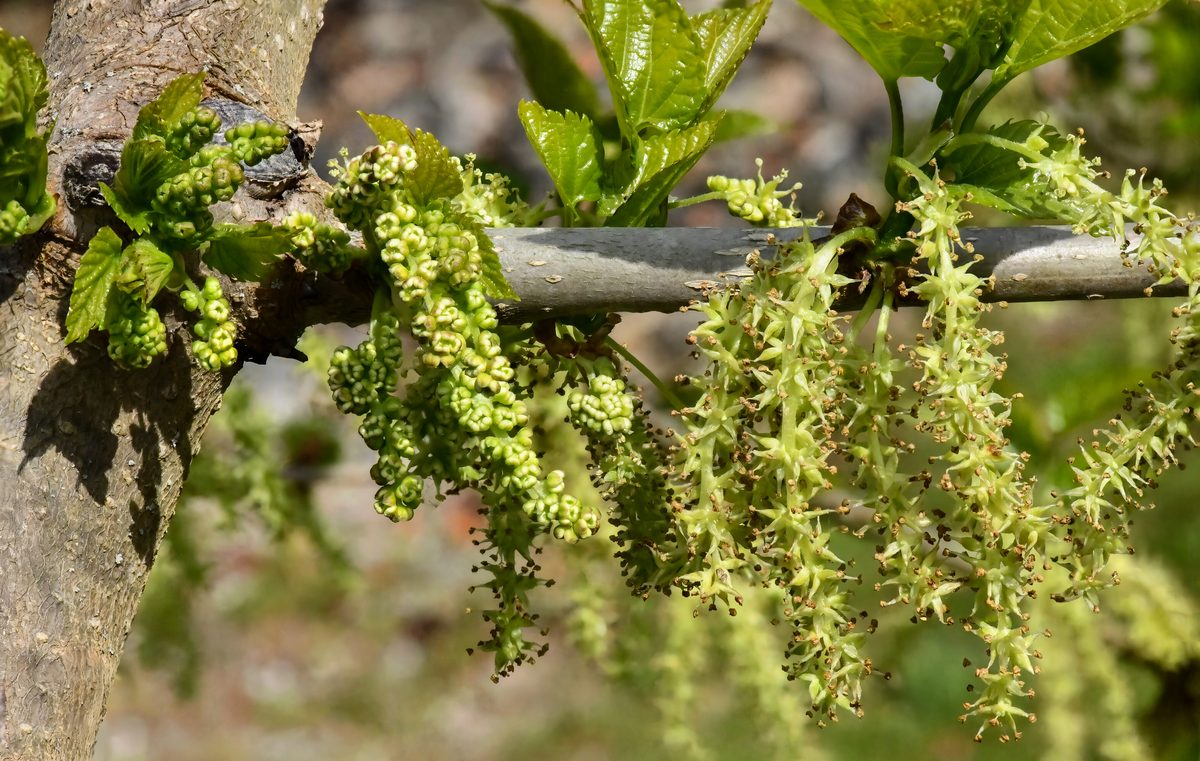
White Mulberry
Morus alba
Zones 4a–8b · 30–50 ft (9.14–15.24 m) · Full sun and part shade (full sun preferred)
-
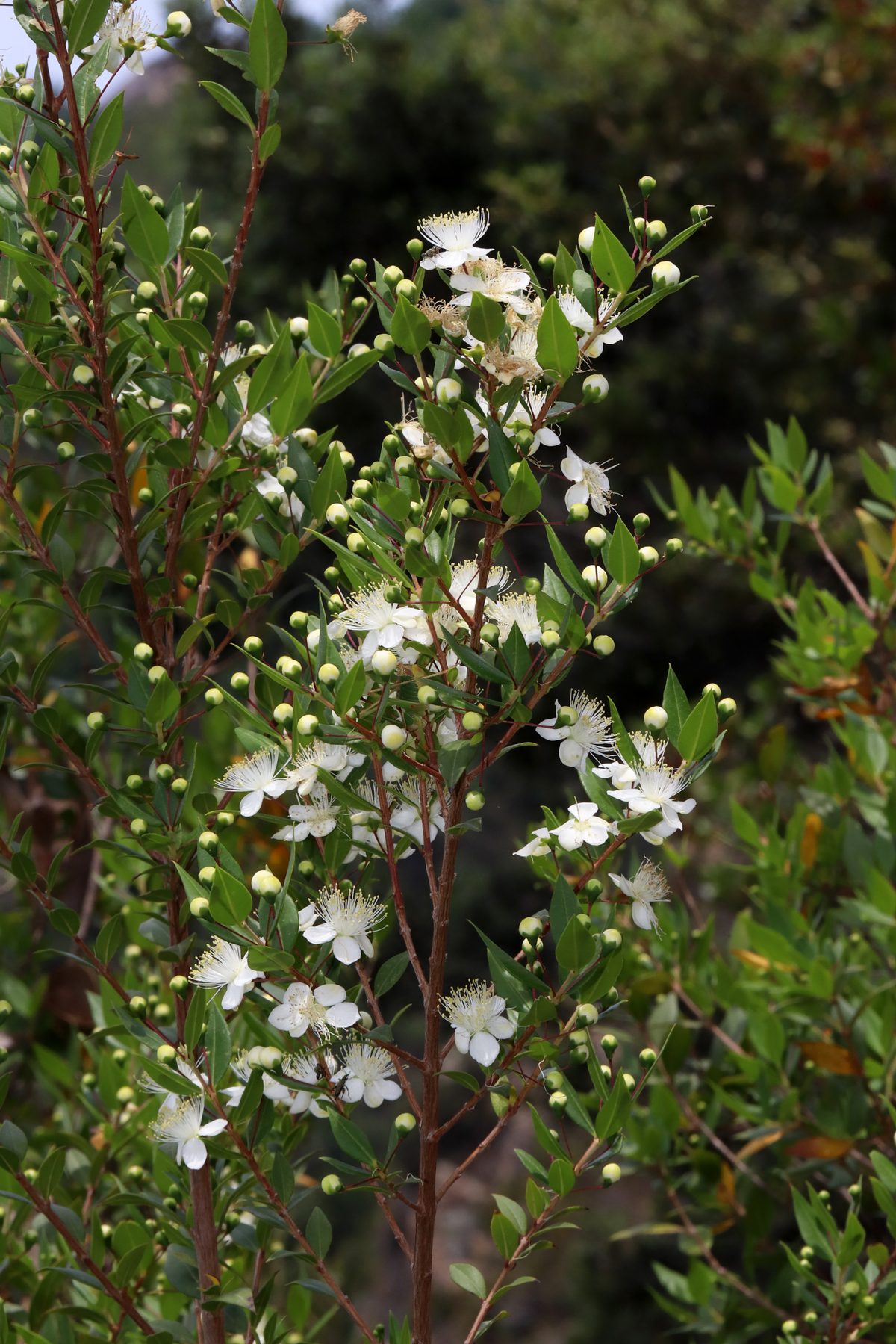
Myrtle
Myrtus communis
Zones 8a–9b · 8–12 ft (2.44–3.66 m) · Full sun and part shade (full sun preferred)
-
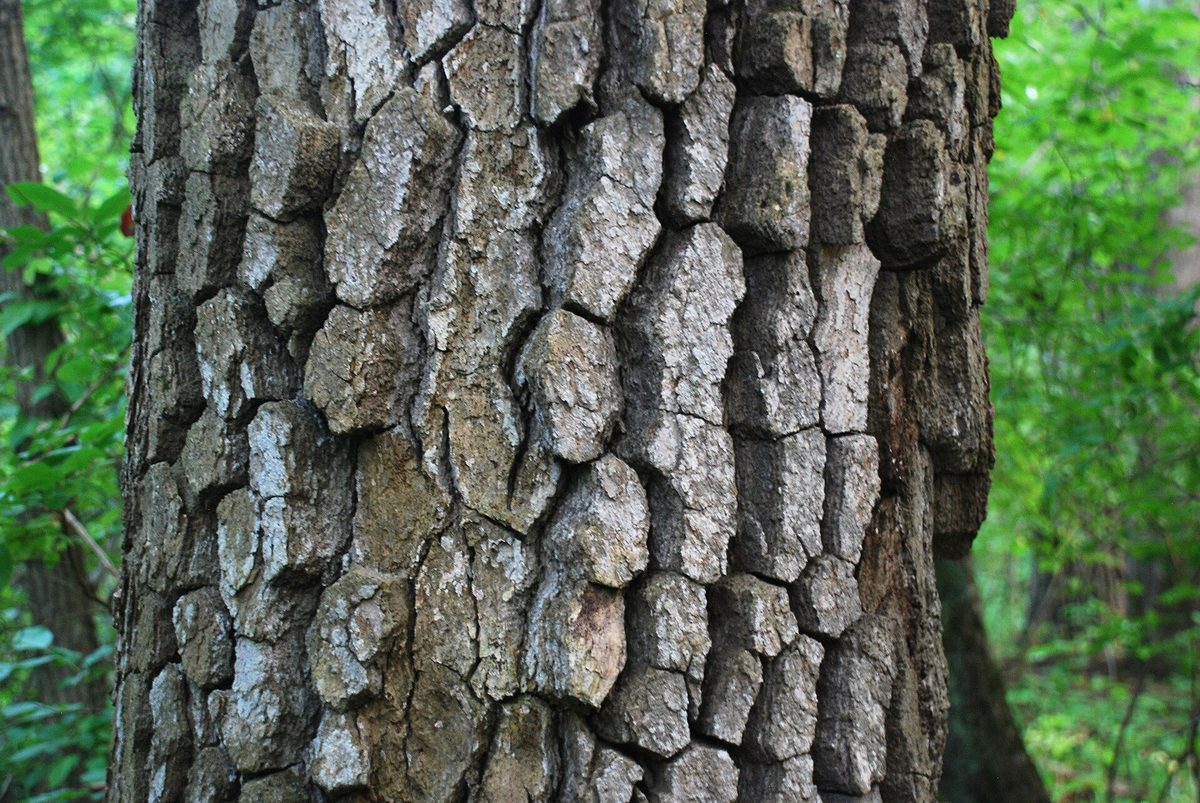
Blackgum
Nyssa sylvatica
Zones 4a–9b · 30–50 ft (9.14–15.24 m) · Full sun and part shade (full sun preferred)
-
Princesstree
Paulownia tomentosa
Zones 5a–9b · 40–50 ft (12.19–15.24 m) · Full sun and part shade (full sun preferred)
-
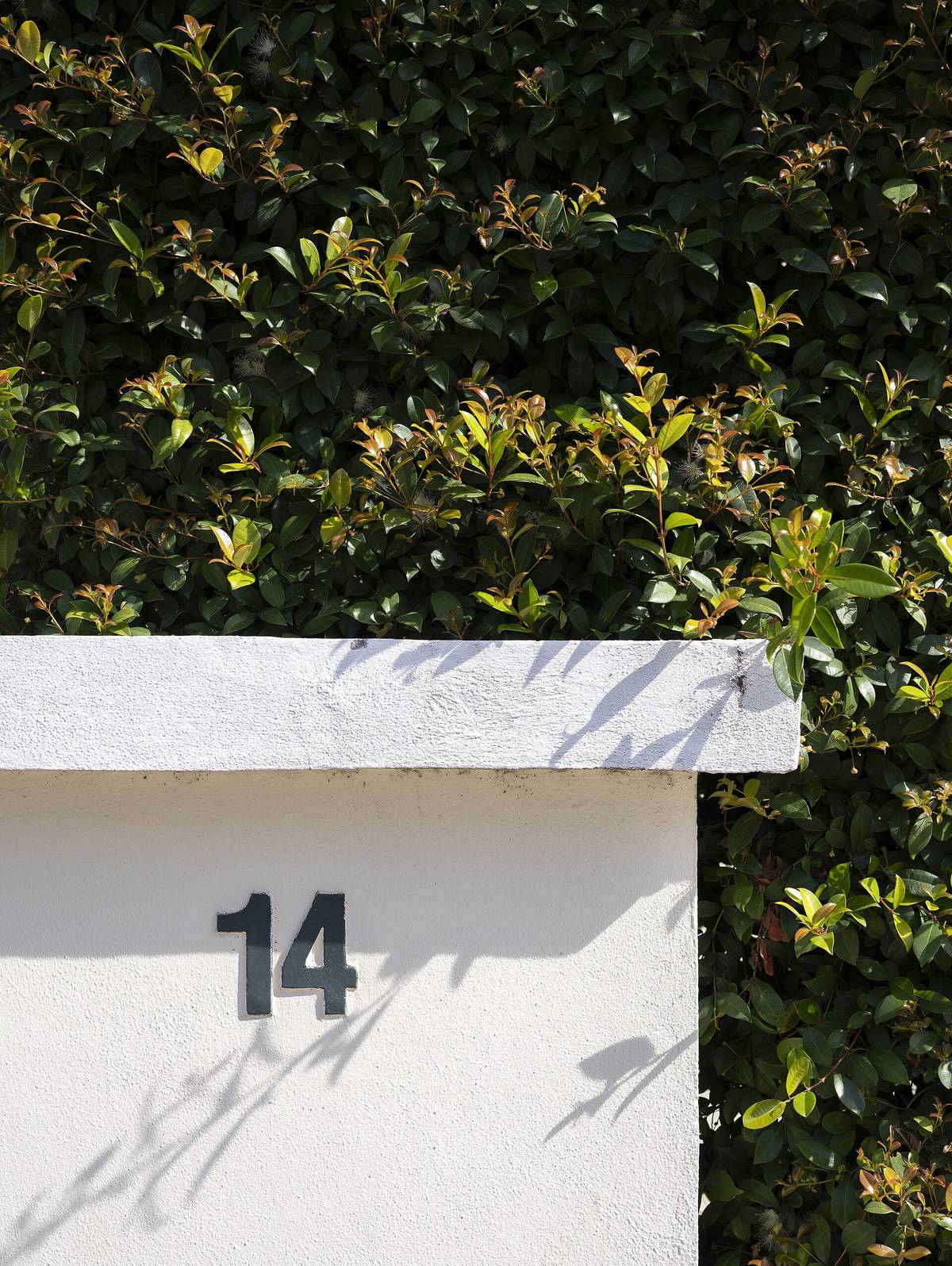
Fraser's Photinia
Photinia × fraseri
Zones 7a–9b · 10–20 ft (3.05–6.1 m) · Full sun and part shade (full sun preferred)
-
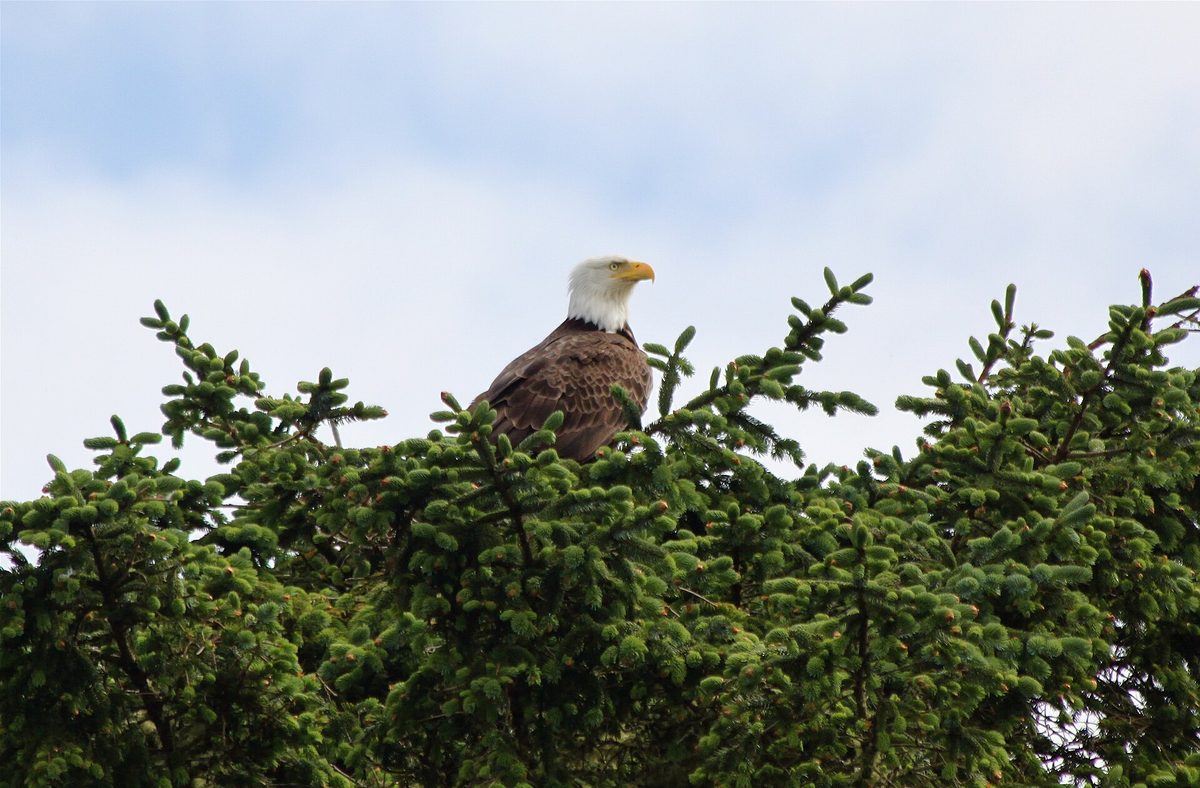
Sitka Spruce
Picea sitchensis
Zones 7a–8b · 40–230 ft (12.19–70.1 m) · Full sun and part shade (full sun preferred)
-
Lodgepole Pine
Pinus contorta
Zones 4a–8b · 20–50 ft (6.1–15.24 m) · Full sun
-
-
-
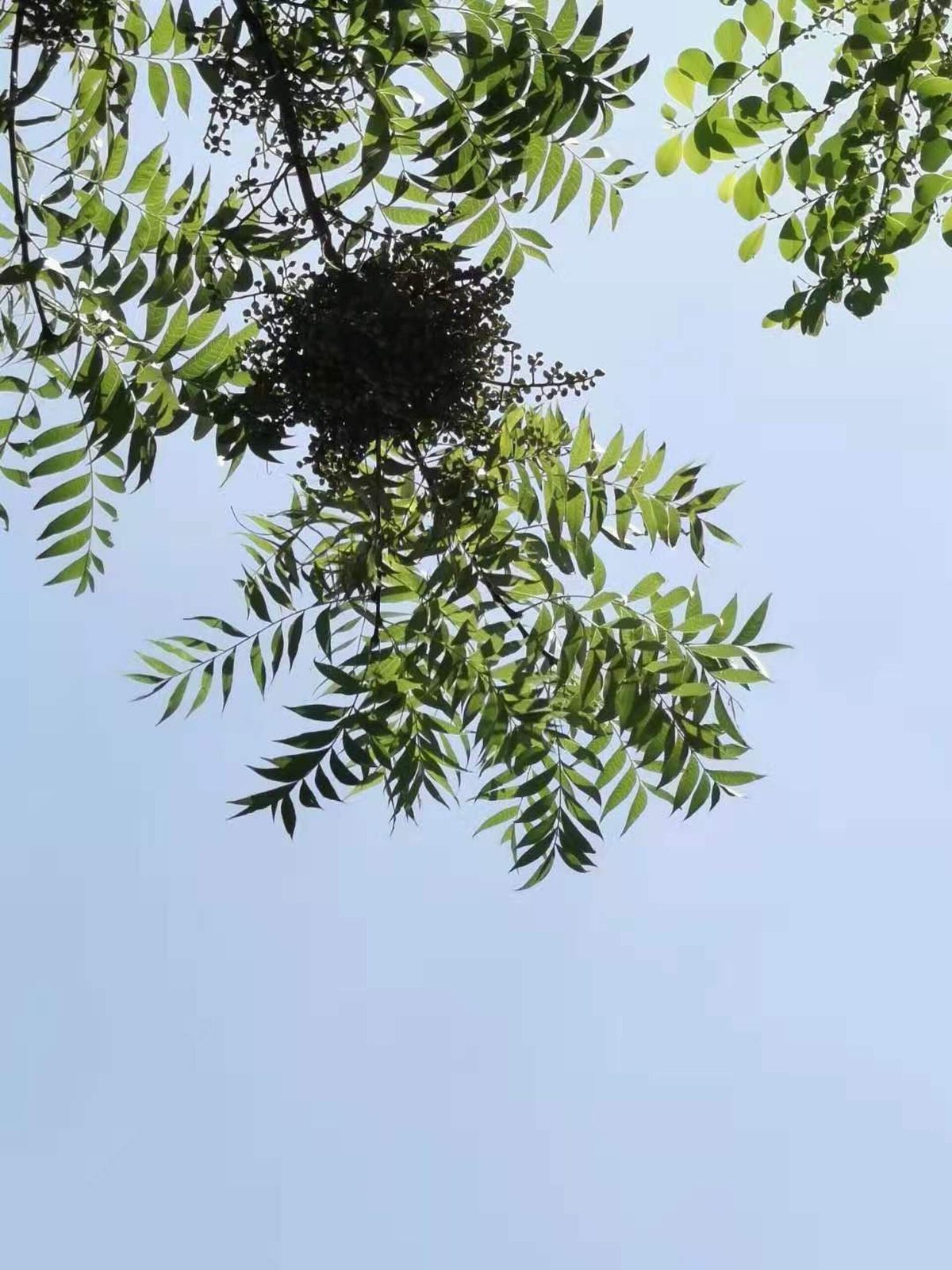
Chinese Pistache
Pistacia chinensis
Zones 6a–9b · 30–35 ft (9.14–10.67 m) · Full sun
-
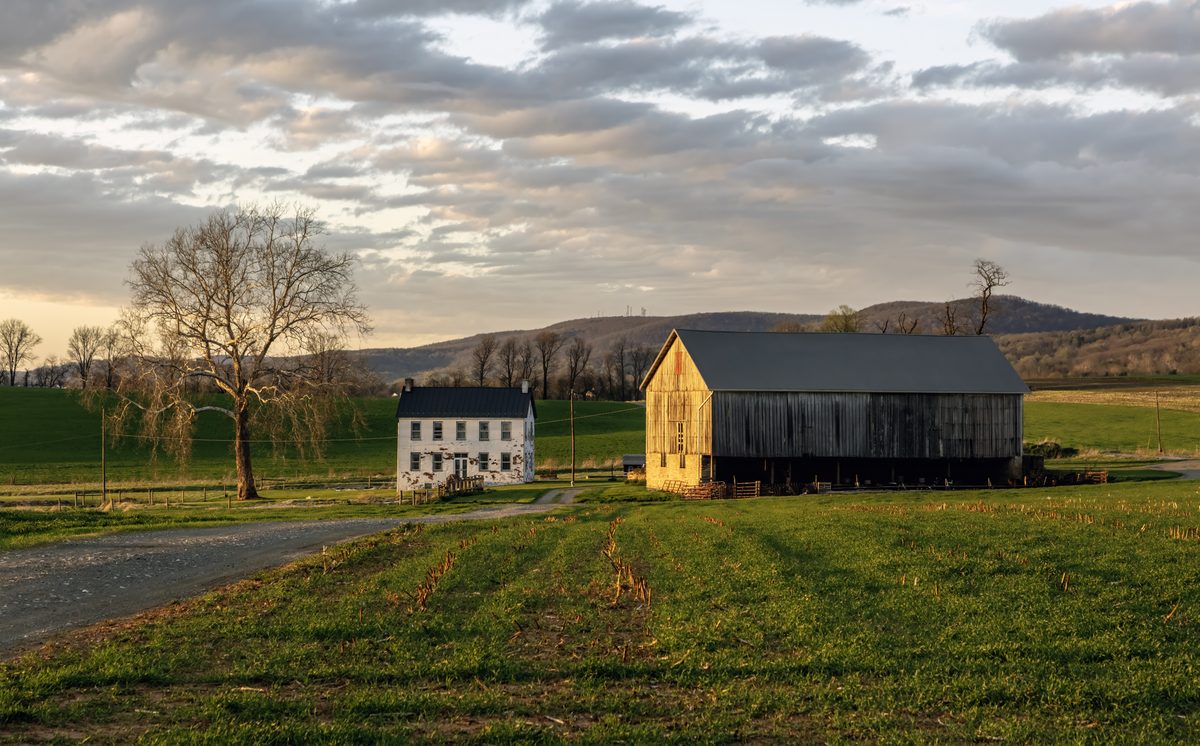
American Sycamore
Platanus occidentalis
Zones 4a–9b · 75–100 ft (22.86–30.48 m) · Full sun, part shade and full shade (full sun preferred)
-
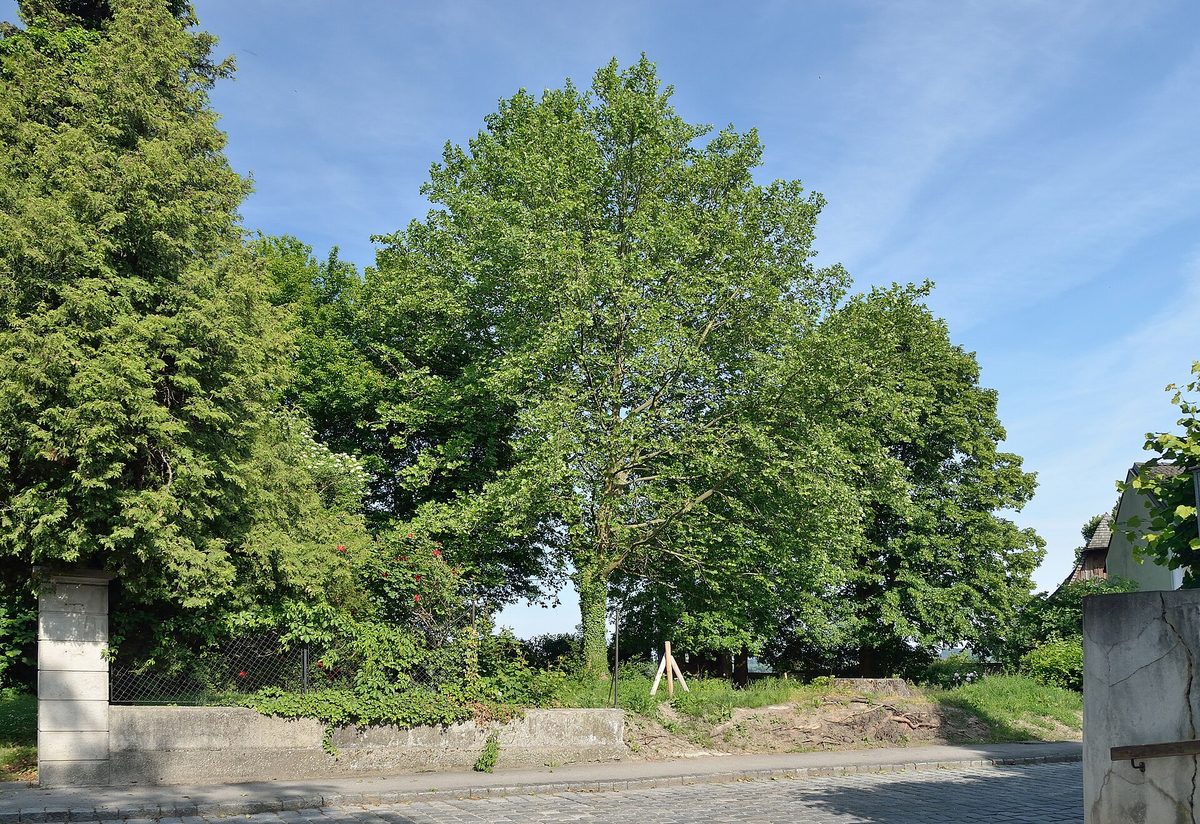
Oriental Planetree
Platanus orientalis
Zones 7a–9a · 69.9–80.1 ft (21.3–24.4 m) · Full sun and part shade (full sun preferred)
-
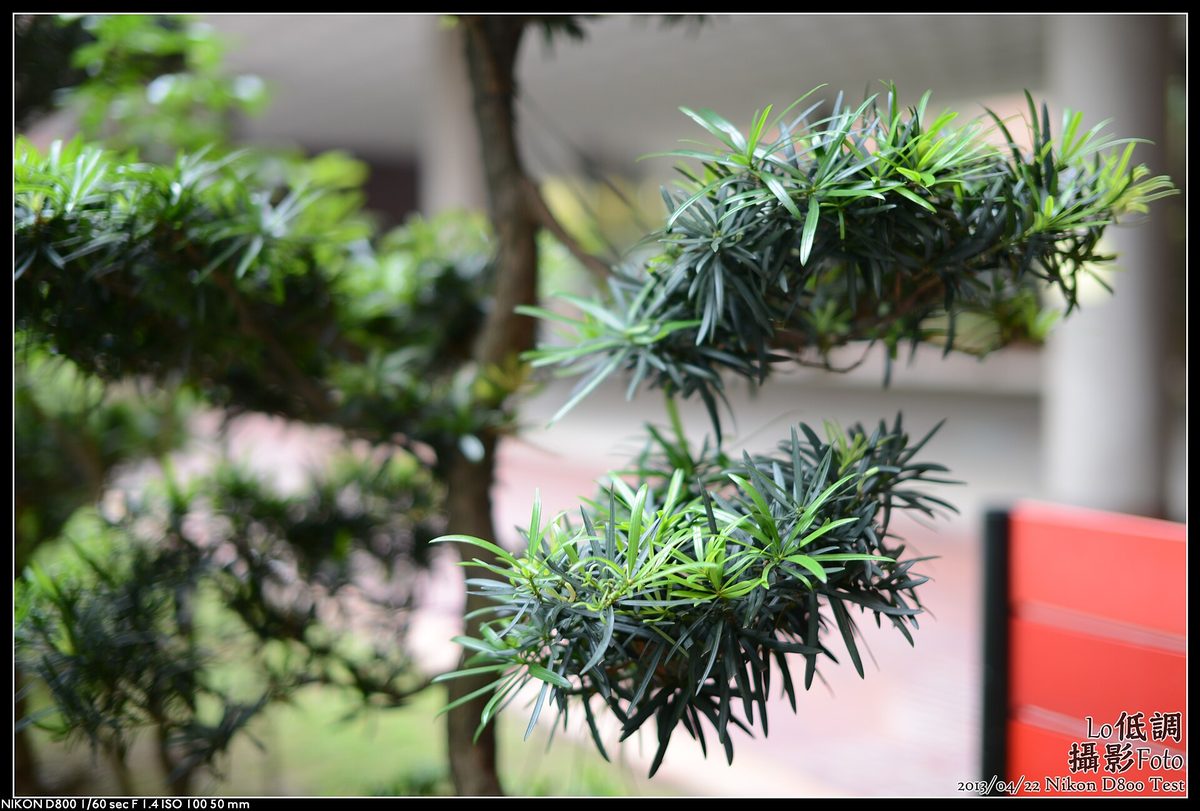
Yew Plum Pine
Podocarpus macrophyllus
Zones 7a–9b · 15–50 ft (4.57–15.24 m) · Full sun and part shade (full sun preferred)
-
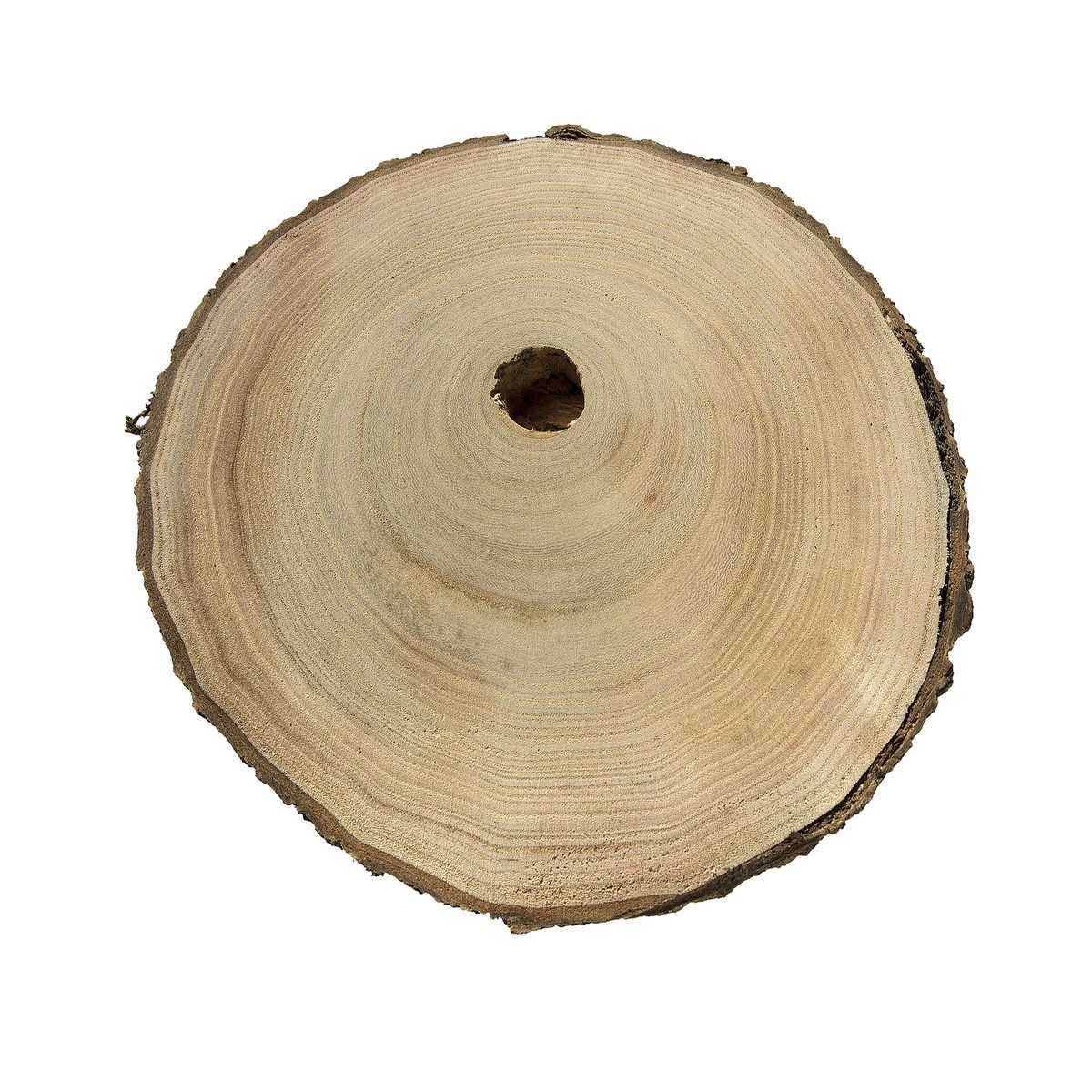
-
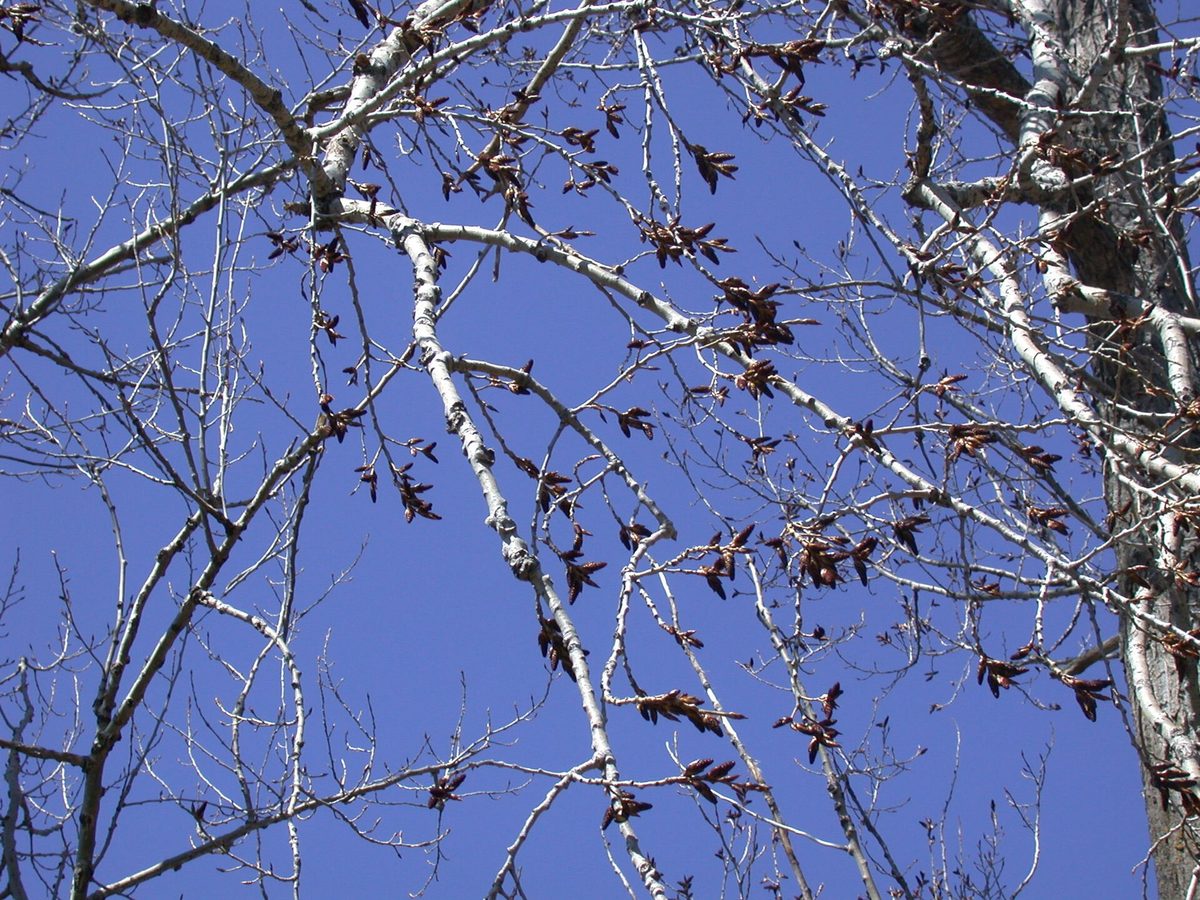
Eastern Cottonwood
Populus deltoides
Zones 3a–9b · 75–100 ft (22.86–30.48 m) · Full sun, part shade and full shade (full sun preferred)
-
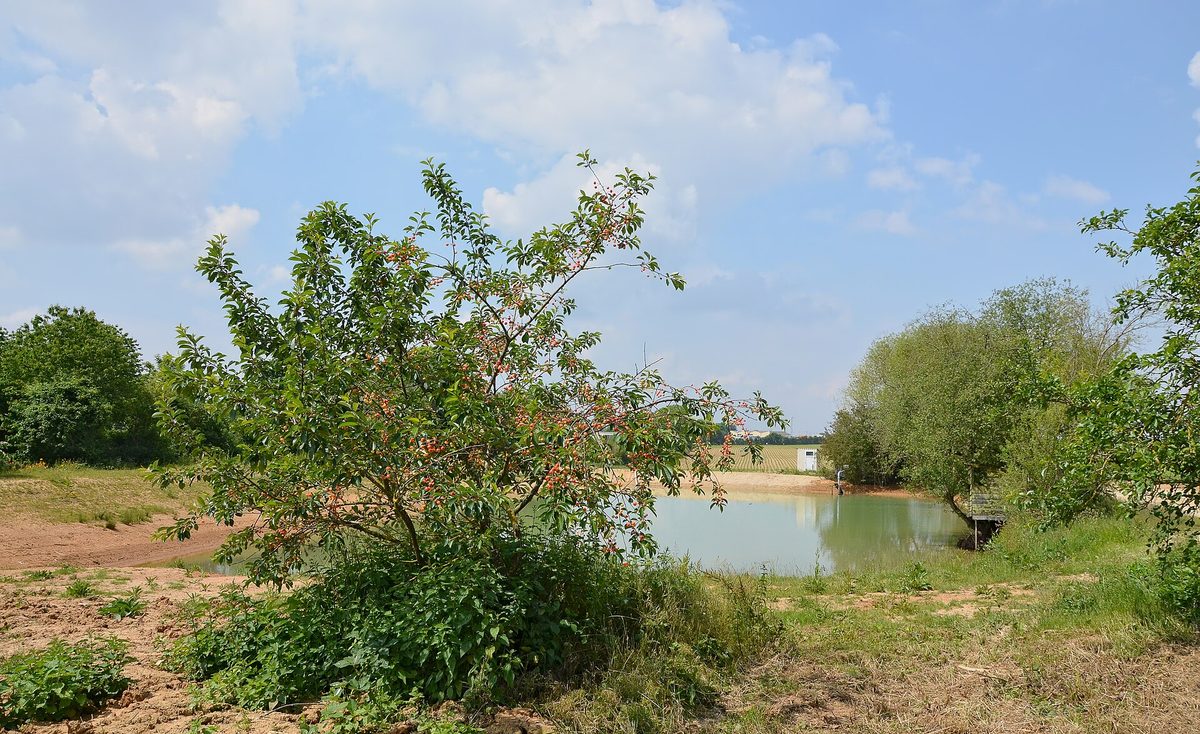
-
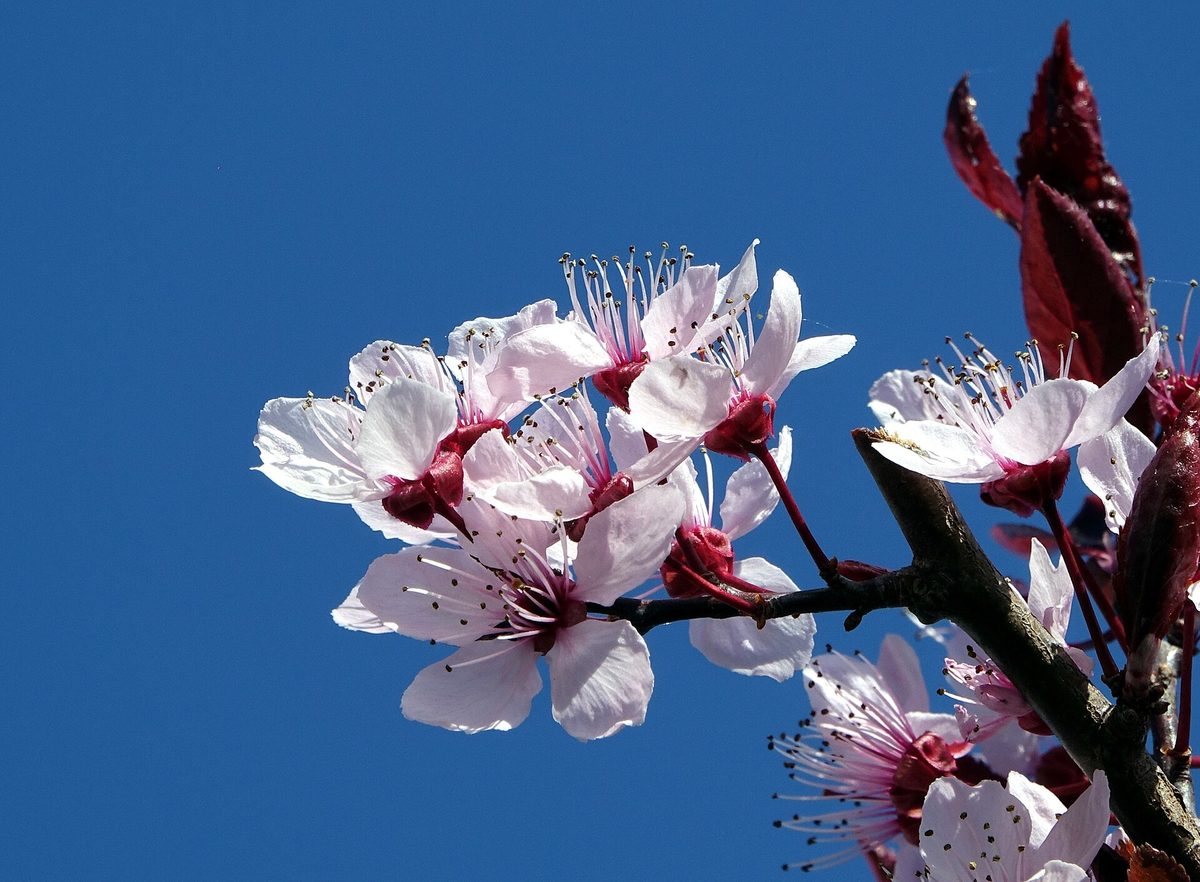
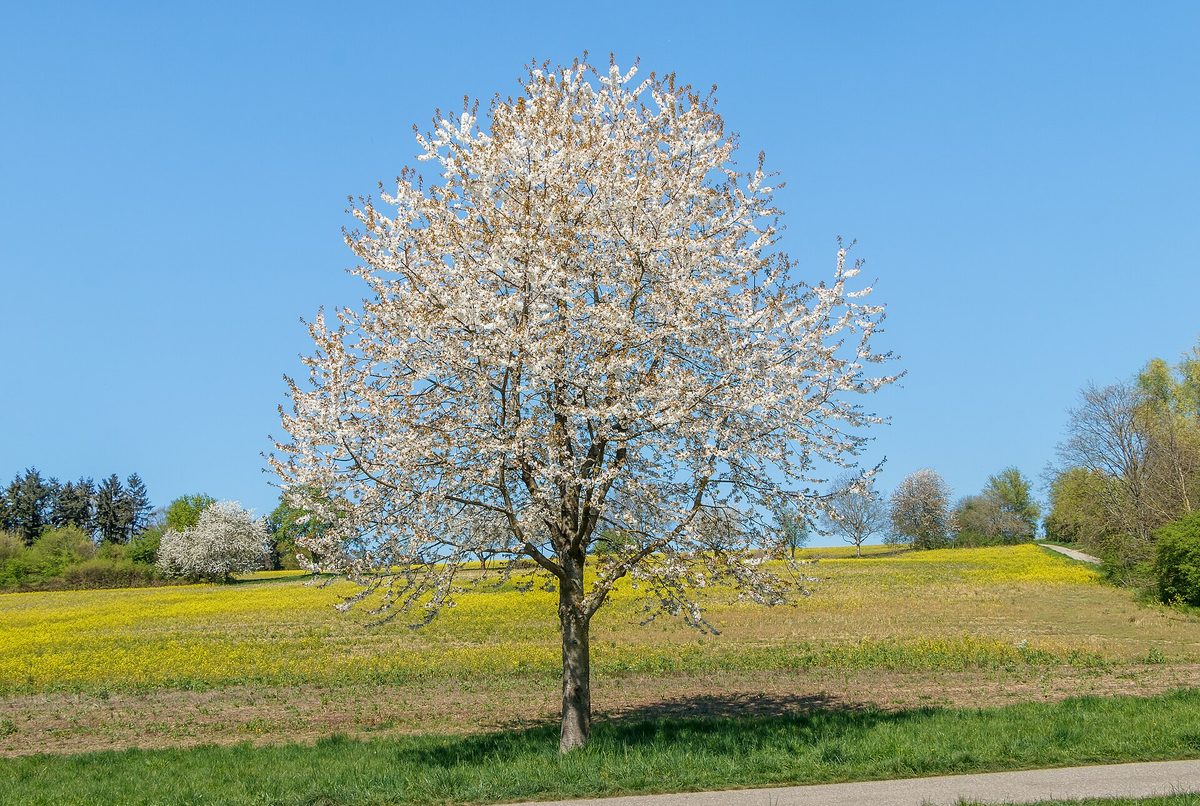
Cherry Plum
Prunus cerasifera
Zones 5a–8b · 15–30 ft (4.57–9.14 m) · Full sun and part shade (full sun preferred)
-
-
-
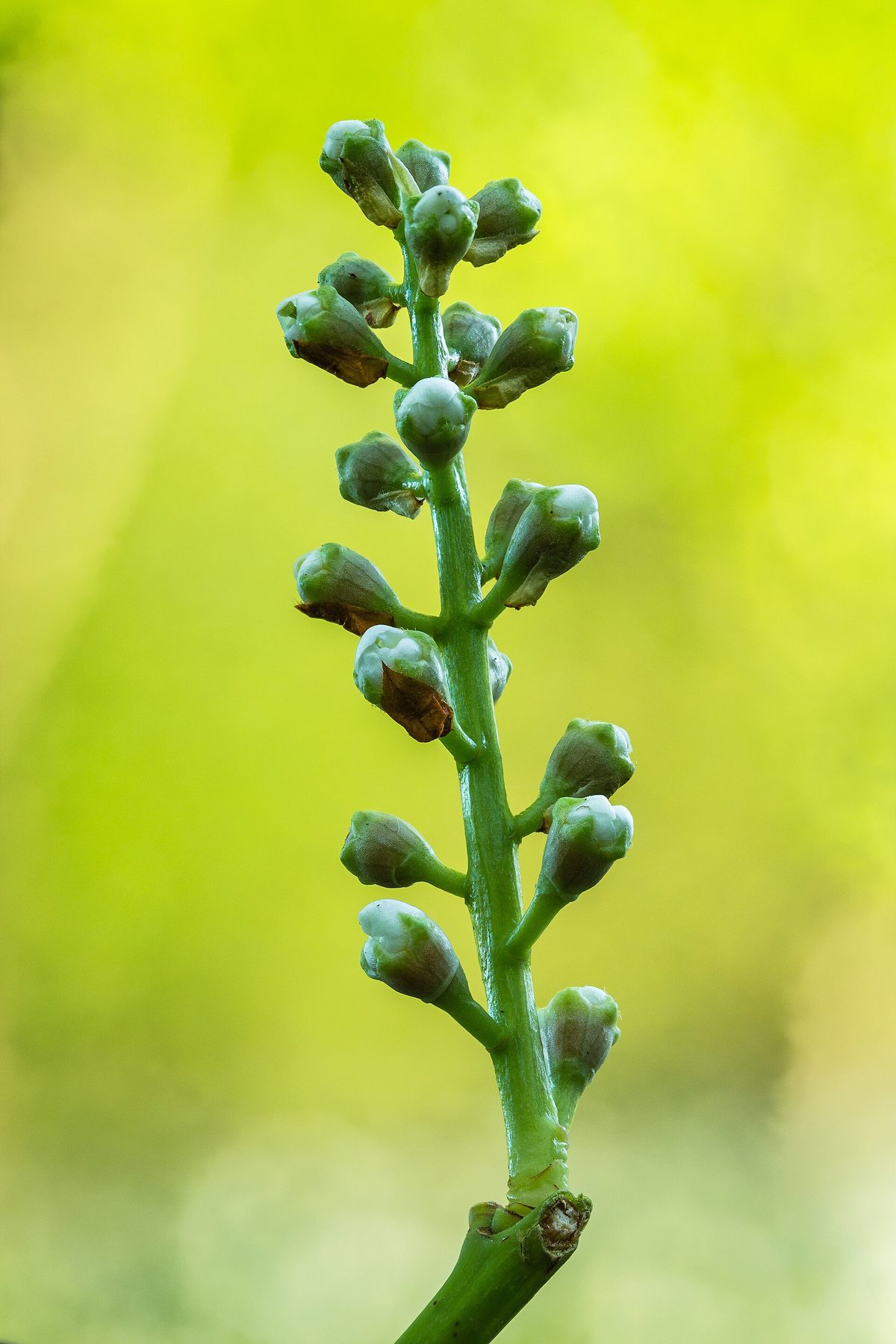
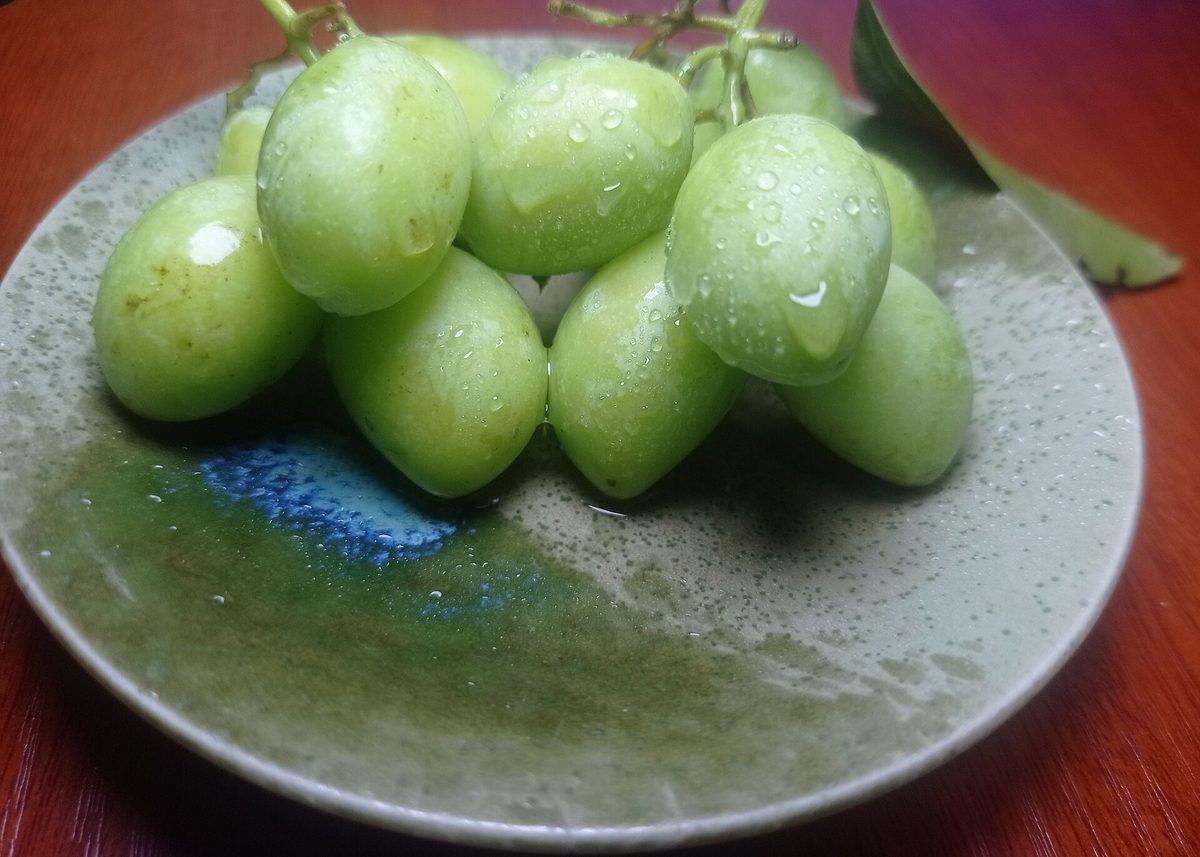
Cherry Laurel
Prunus laurocerasus
Zones 6a–8b · 10–20 ft (3.05–6.1 m) · Full sun, part shade and full shade (full sun preferred)
-
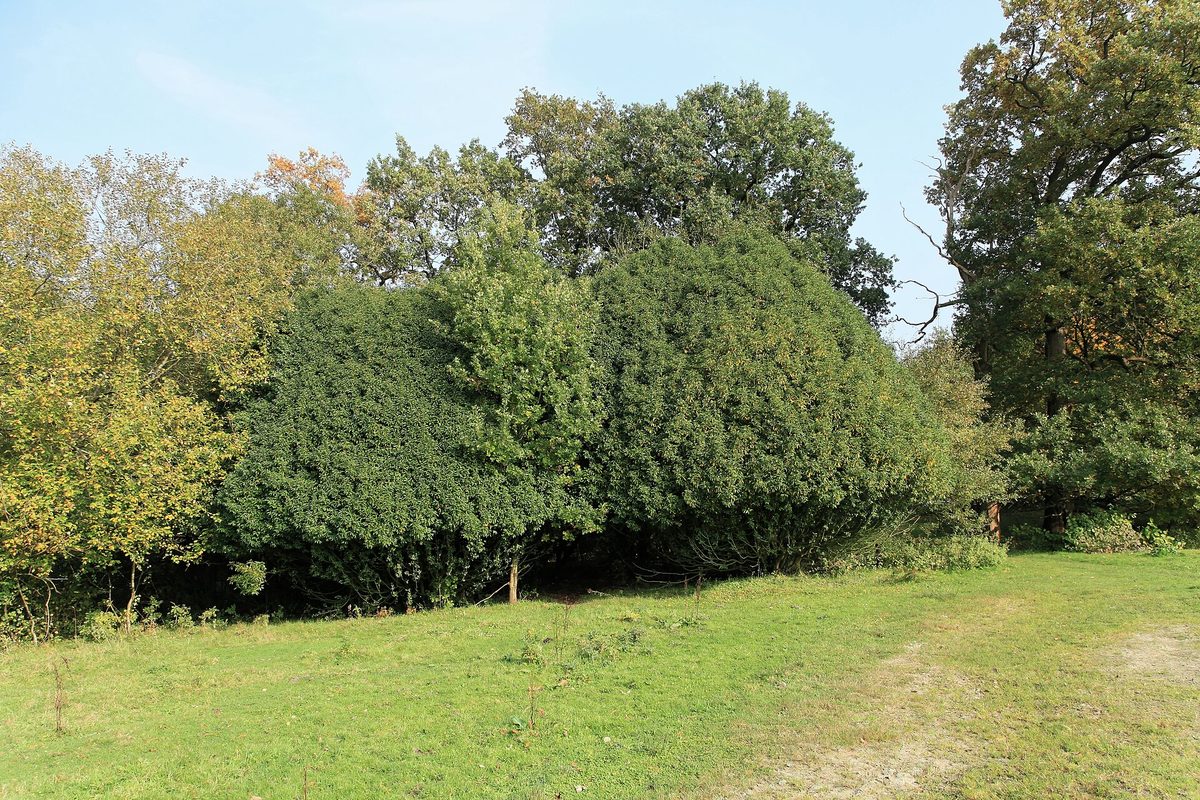
Portugal Laurel
Prunus lusitanica
Zones 6a–9b · 10–20 ft (3.05–6.1 m)
-
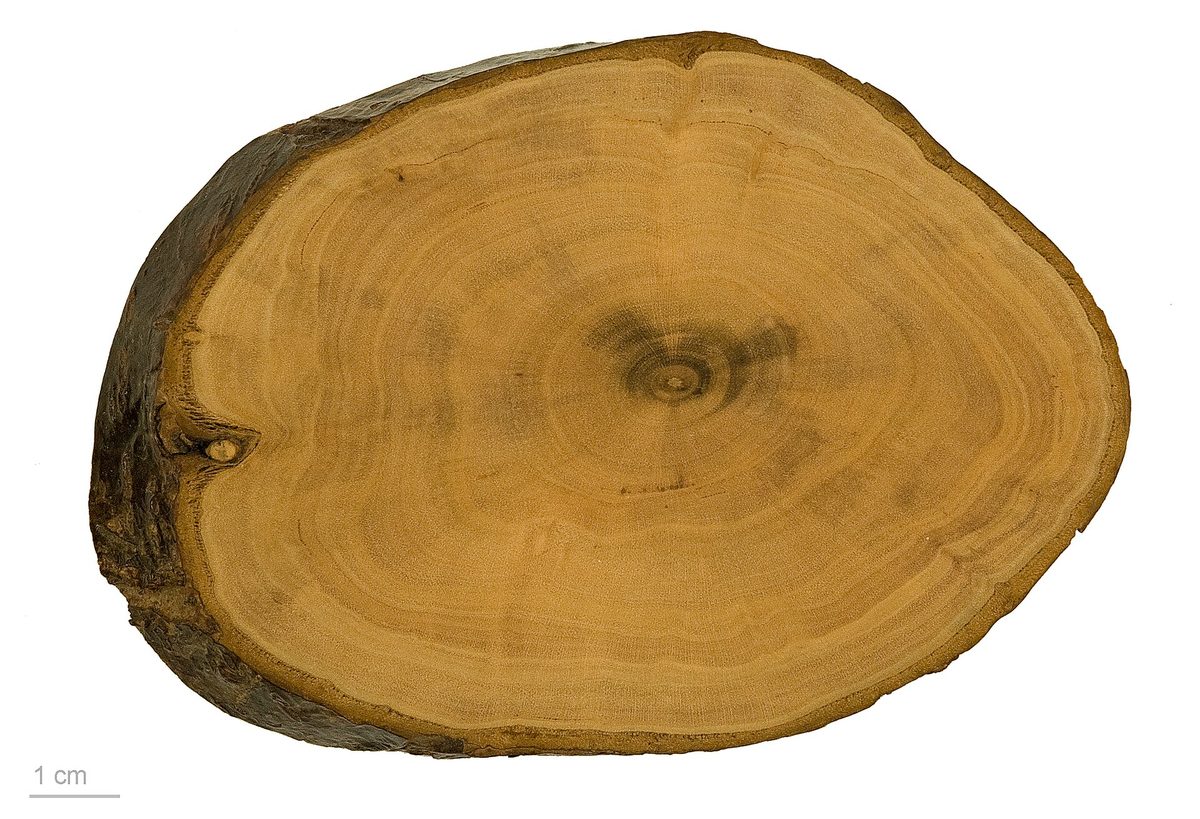
Japanese Apricot
Prunus mume
Zones 6a–9b · 20–29.9 ft (6.1–9.1 m) · Full sun and part shade (full sun preferred)
-
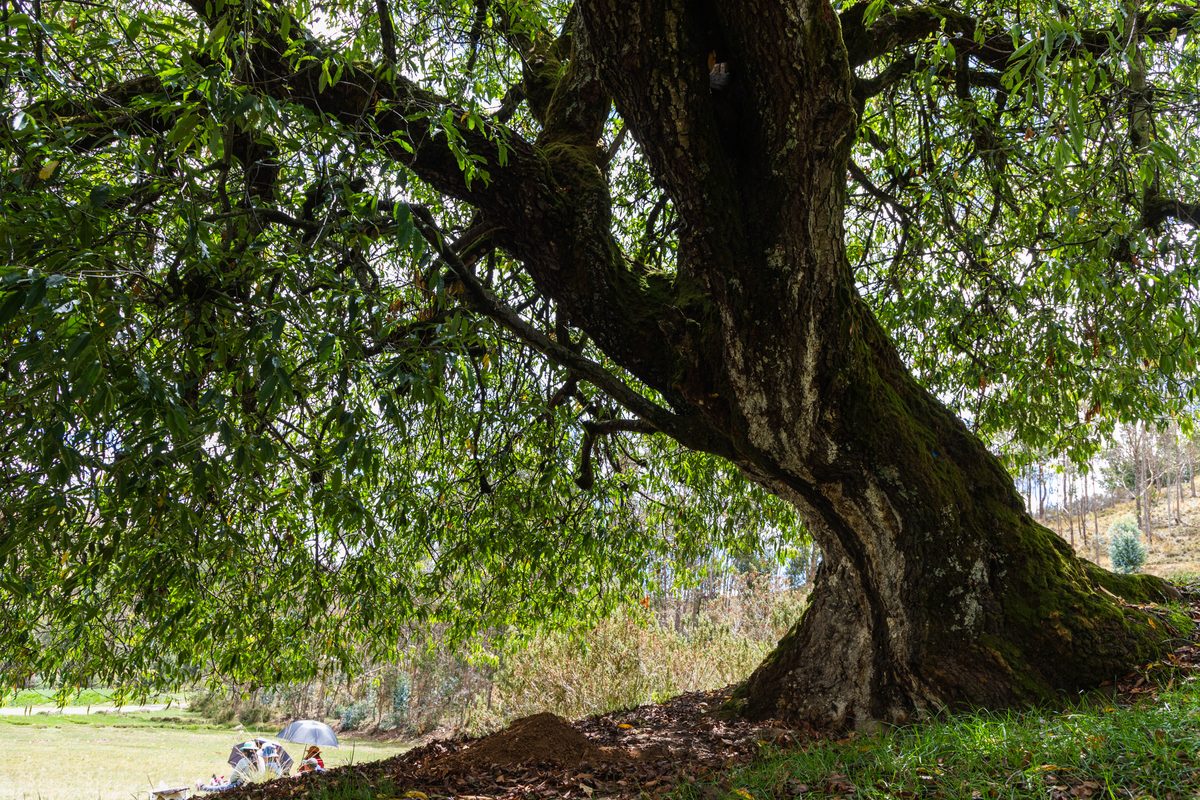
Black Cherry
Prunus serotina
Zones 2a–8b · 25–110 ft (7.62–33.53 m) · Full sun, part shade and full shade (full sun preferred)
-
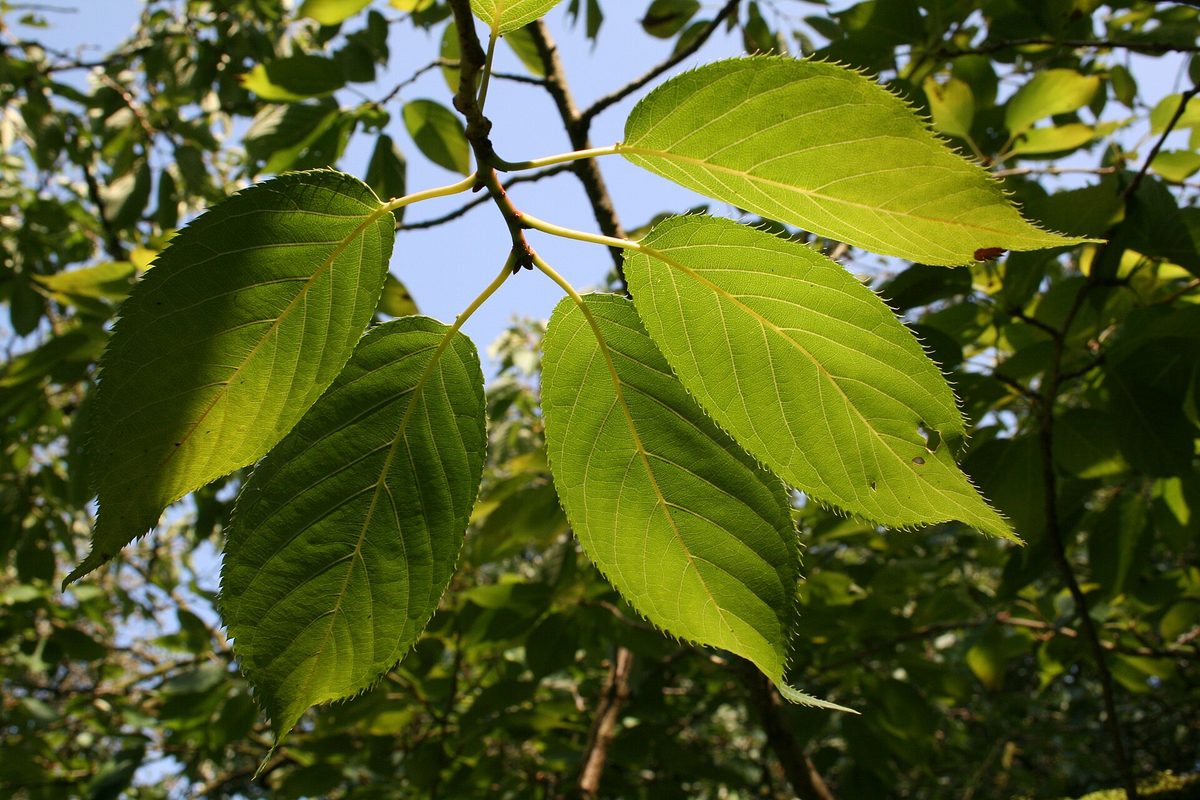
Japanese Flowering Cherry
Prunus serrulata
Zones 5a–8b · 15–25 ft (4.57–7.62 m) · Full sun and part shade (full sun preferred)
-
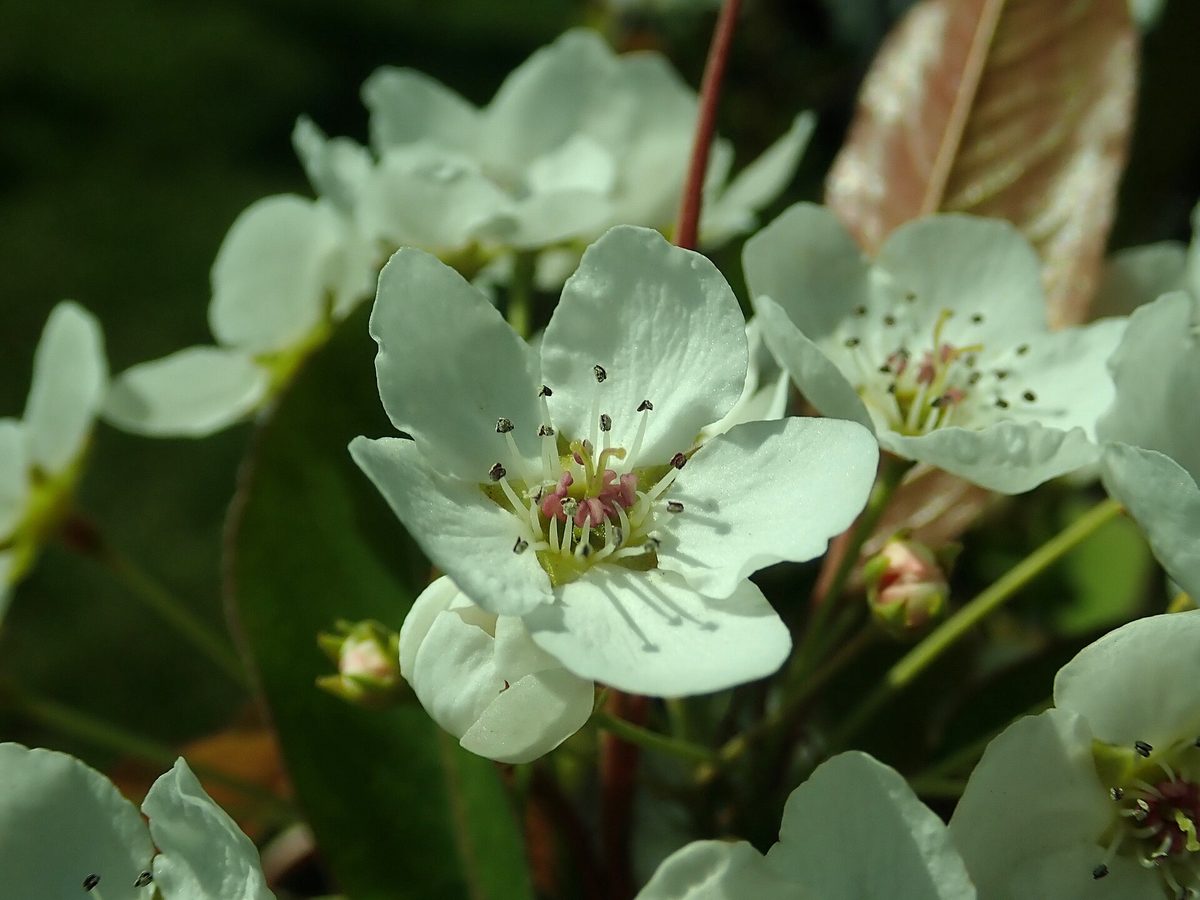
Callery Pear
Pyrus calleryana
Zones 5a–9b · 30–50 ft (9.14–15.24 m) · Full sun and part shade (full sun preferred)
-
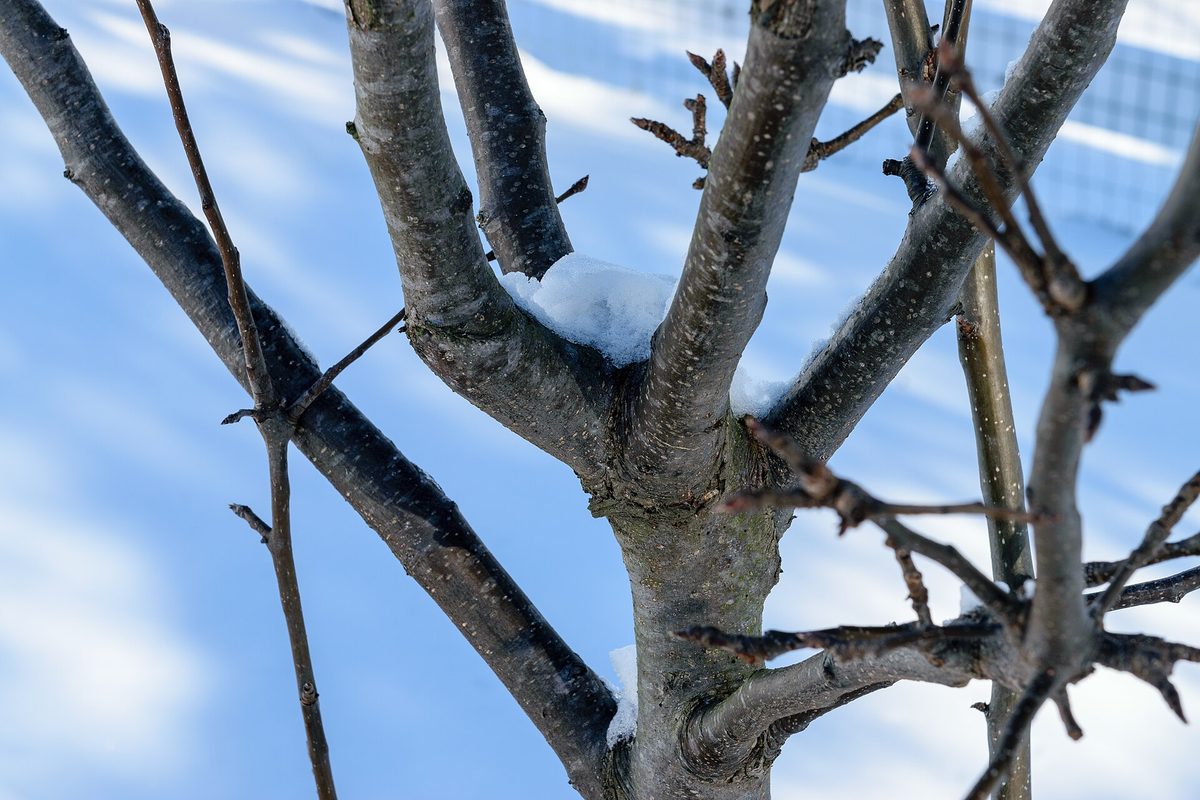
Chinese Pear
Pyrus pyrifolia
Zones 5a–8b · 20–40 ft (6.1–12.2 m) · Full sun and part shade (full sun preferred)
-
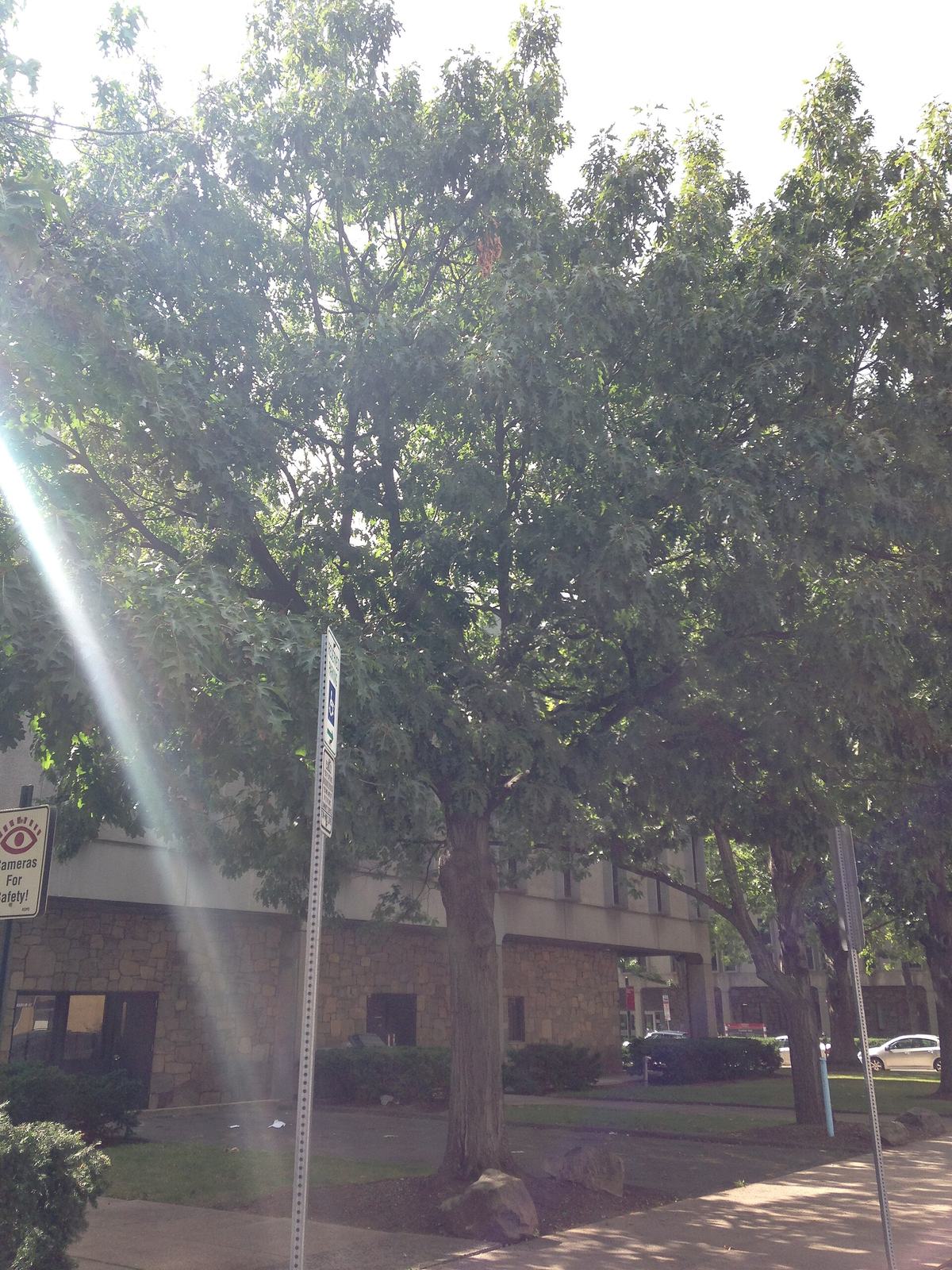
White Oak
Quercus alba
Zones 3a–9b · 50–100 ft (15.24–30.48 m) · Full sun and part shade (full sun preferred)
-
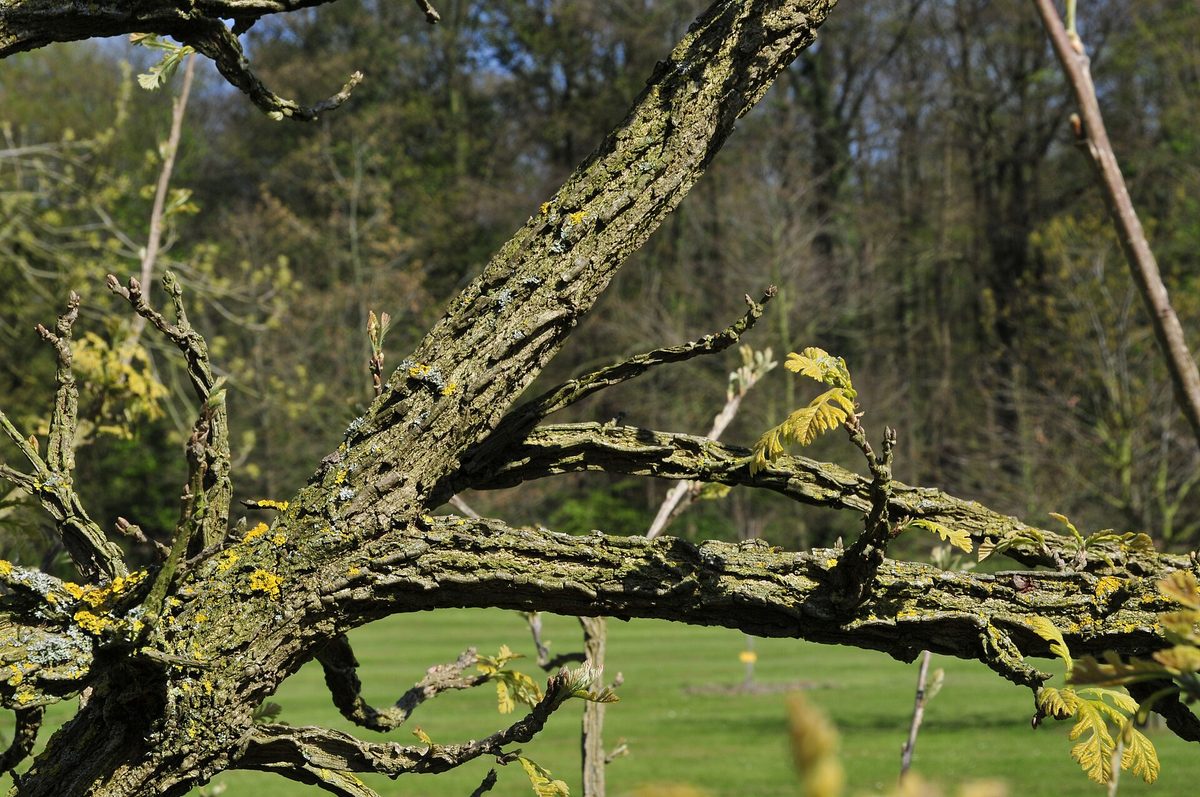
Bur Oak
Quercus macrocarpa
Zones 3a–8b · 70–80 ft (21.34–24.38 m) · Full sun, part shade and full shade (full sun preferred)
-
-
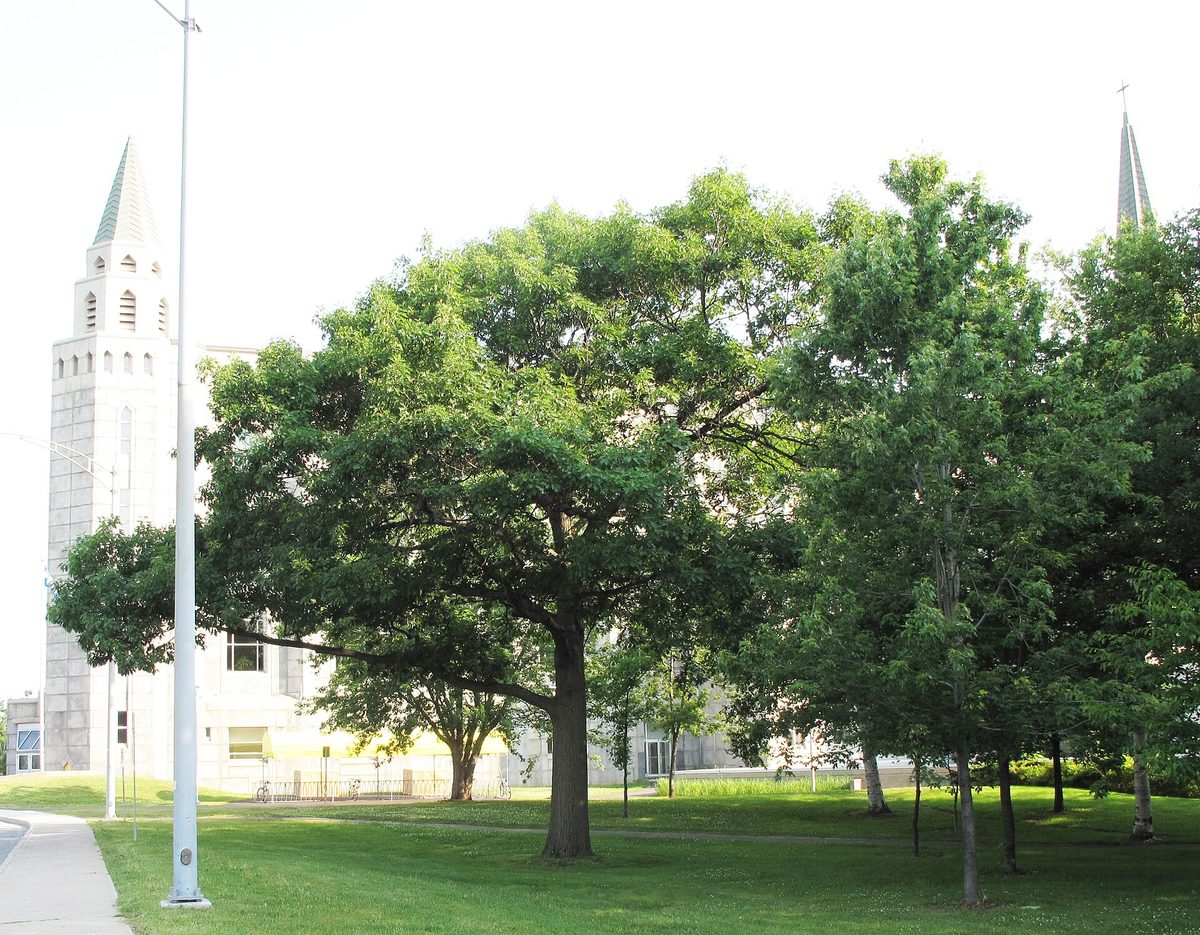
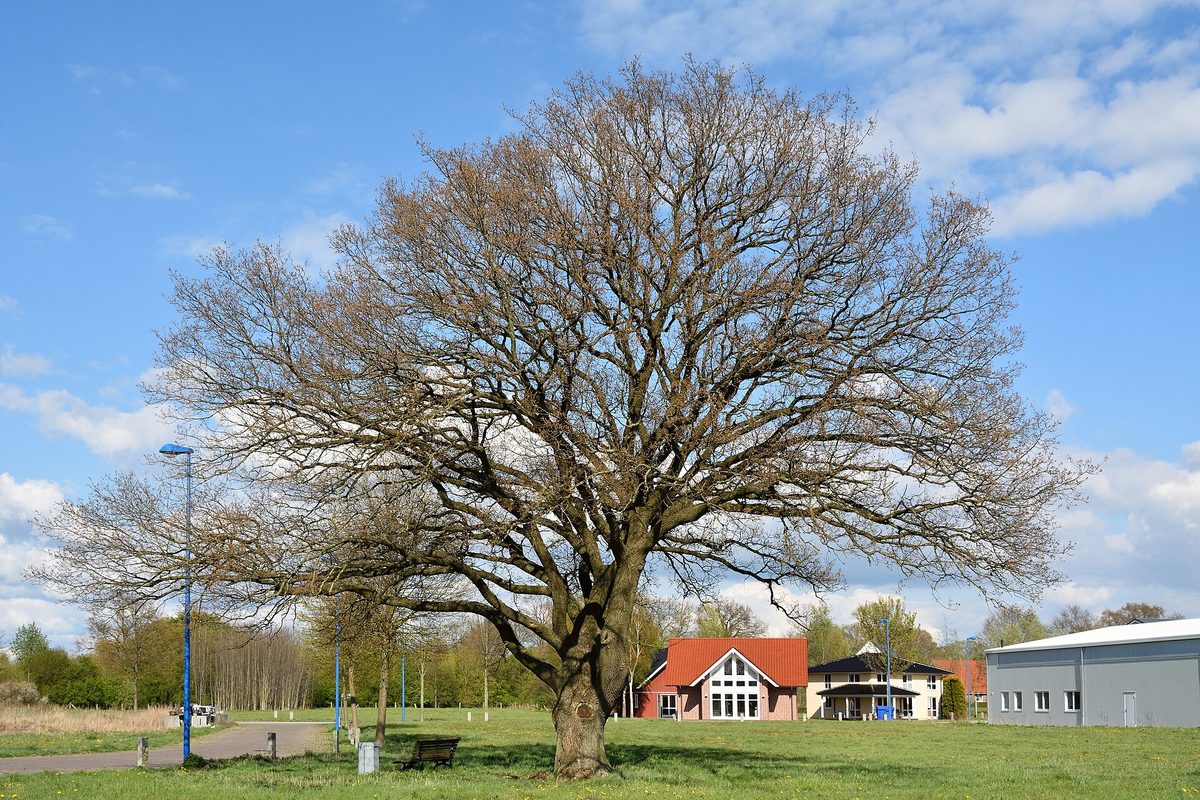
Northern Red Oak
Quercus rubra
Zones 4a–8b · Sources differ: Cornell University CALS Woody Plants Database; Cornell University CALS Woody Plants Database; Cornell University CALS Woody Plants Database · Full sun, part shade and full shade (full sun preferred)
-
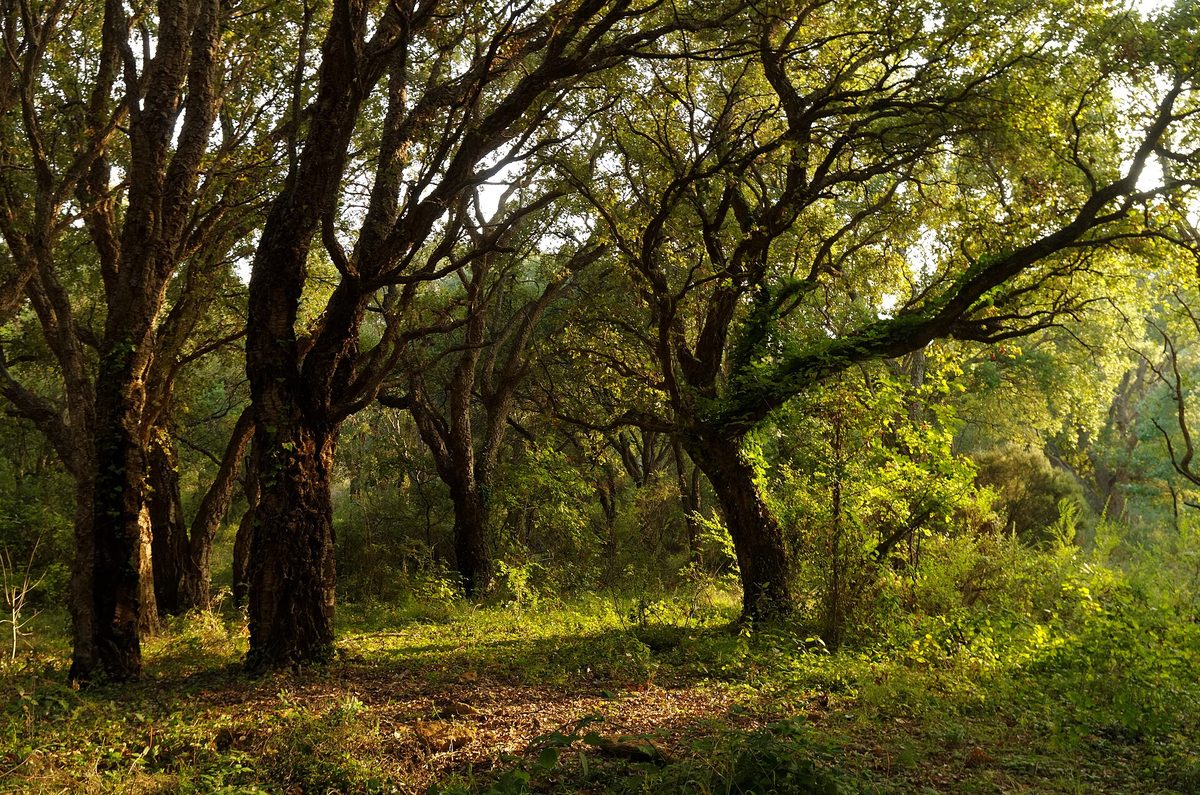
Cork Oak
Quercus suber
Zones 8a–10b · 69.9–100.1 ft (21.3–30.5 m) · Full sun and part shade (full sun preferred)
-
-
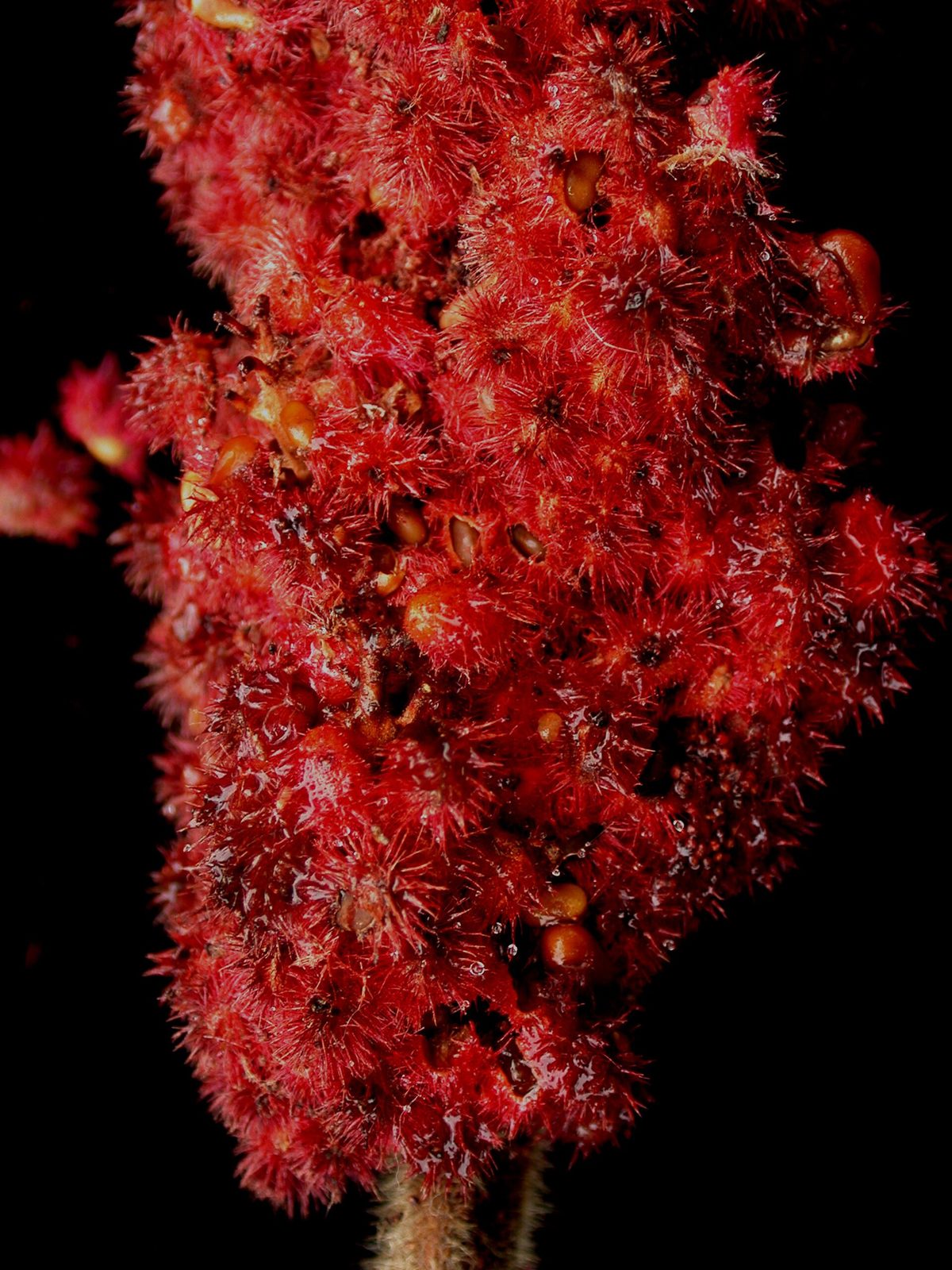
Staghorn Sumac
Rhus typhina
Zones 3a–9b · 35–40 ft (10.67–12.19 m) · Full sun and part shade (full sun preferred)
-
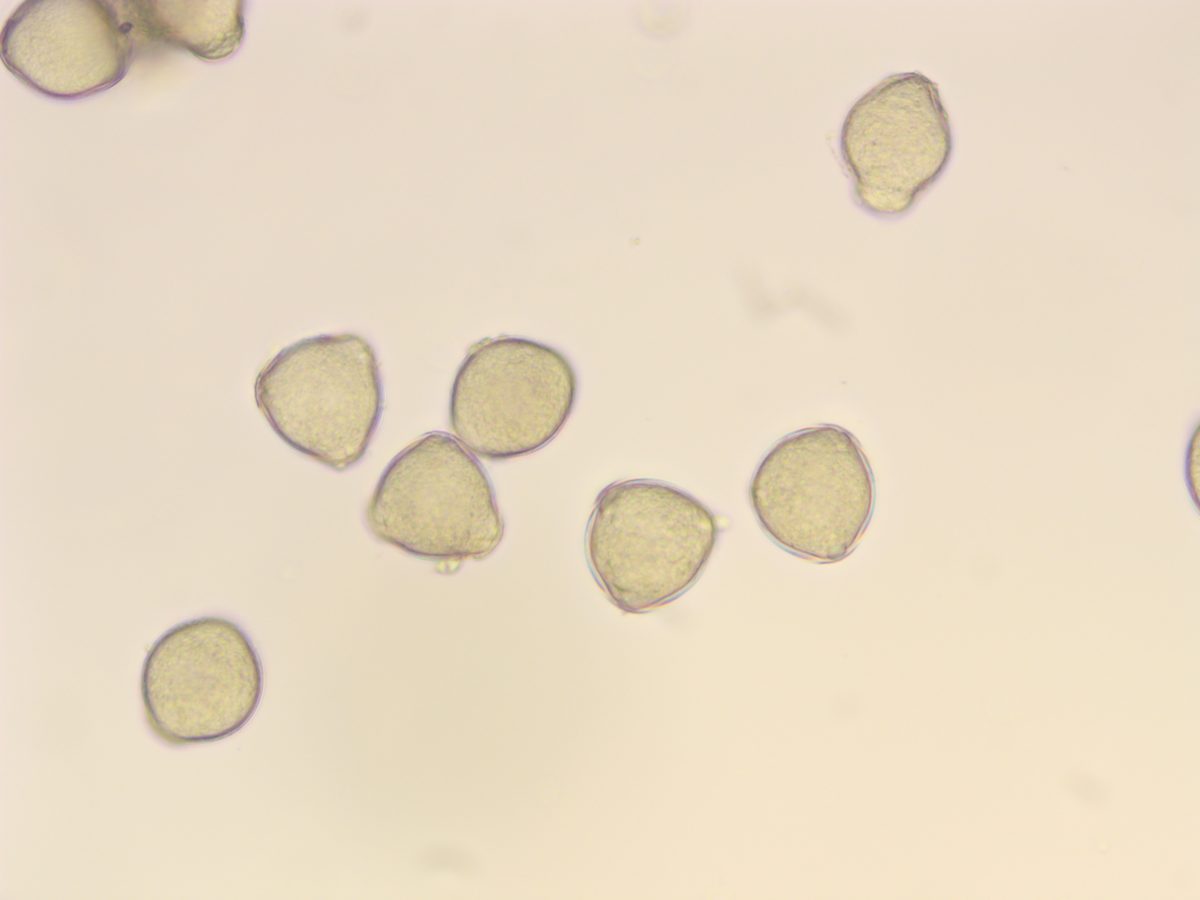
Black Locust
Robinia pseudoacacia
Zones 3a–8b · 39.4–59.1 ft (12–18 m) · Full sun and part shade (full sun preferred)
-
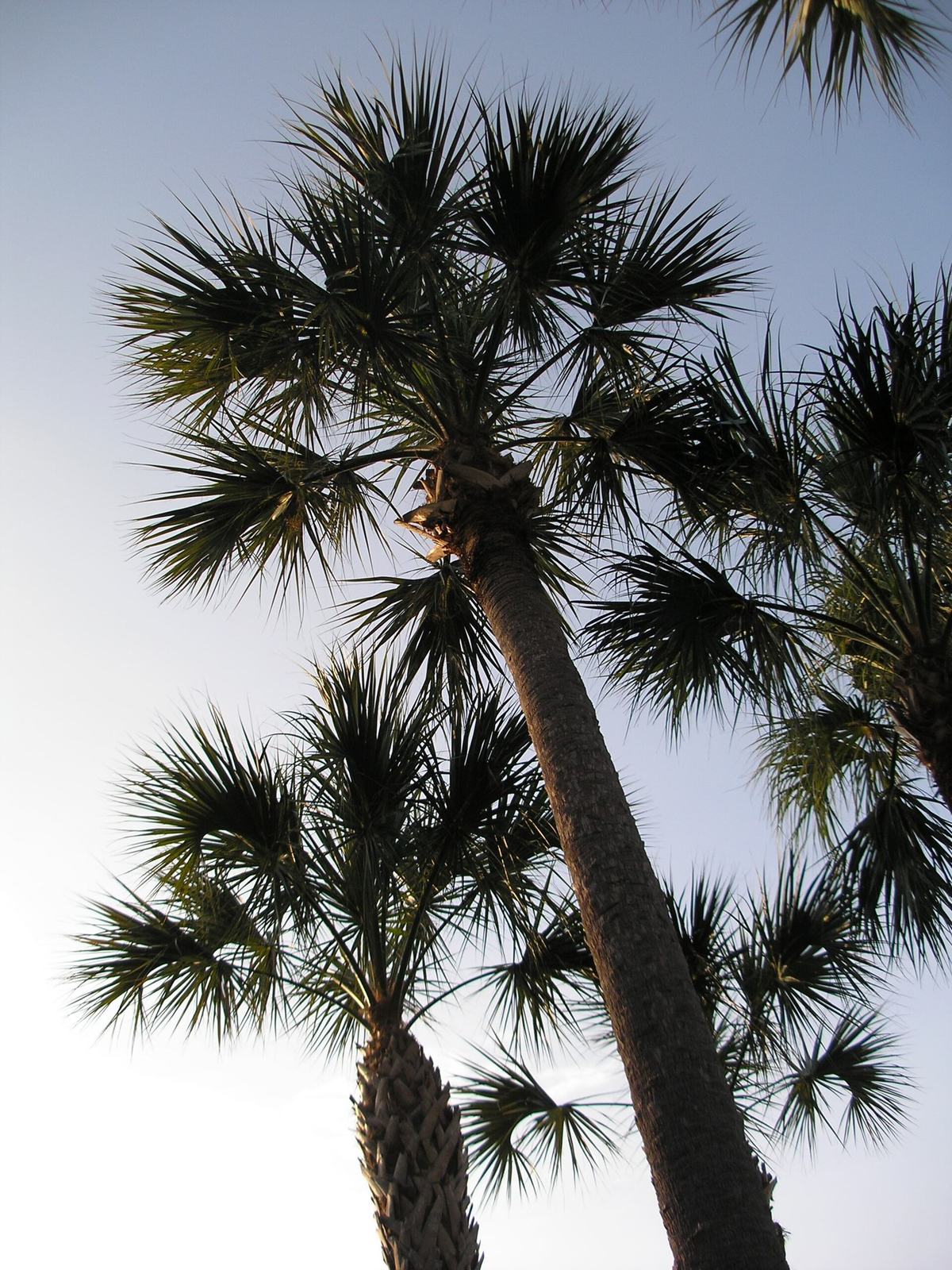
Cabbage Palmetto
Sabal palmetto
Zones 7b–11b · Sources differ: USDA Forest Service Fire Effects Information System; Lady Bird Johnson Wildflower Center; Lady Bird Johnson Wildflower Center; Clemson Cooperative Extension Home & Garden Information Center; Clemson Cooperative Extension Home & Garden Information Center; Clemson Cooperative Extension HGIC; USDA Forest Service Fire Effects Information System; Clemson Cooperative Extension Home & Garden Information Center · Full sun and part shade (full sun preferred)
-
-
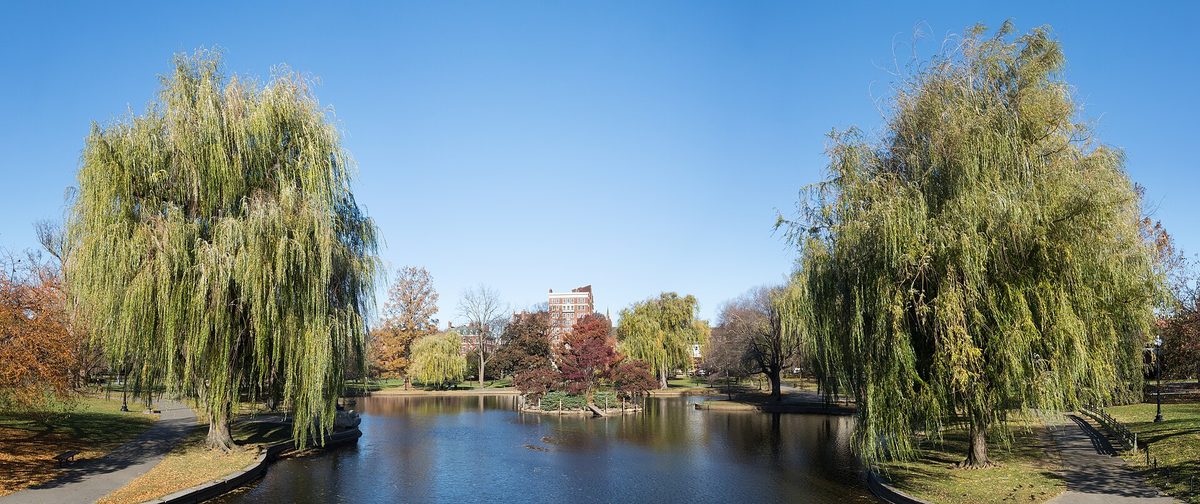
Weeping Willow
Salix babylonica
Zones 6a–8b · 30–50 ft (9.14–15.24 m) · Full sun and part shade (full sun preferred)
-
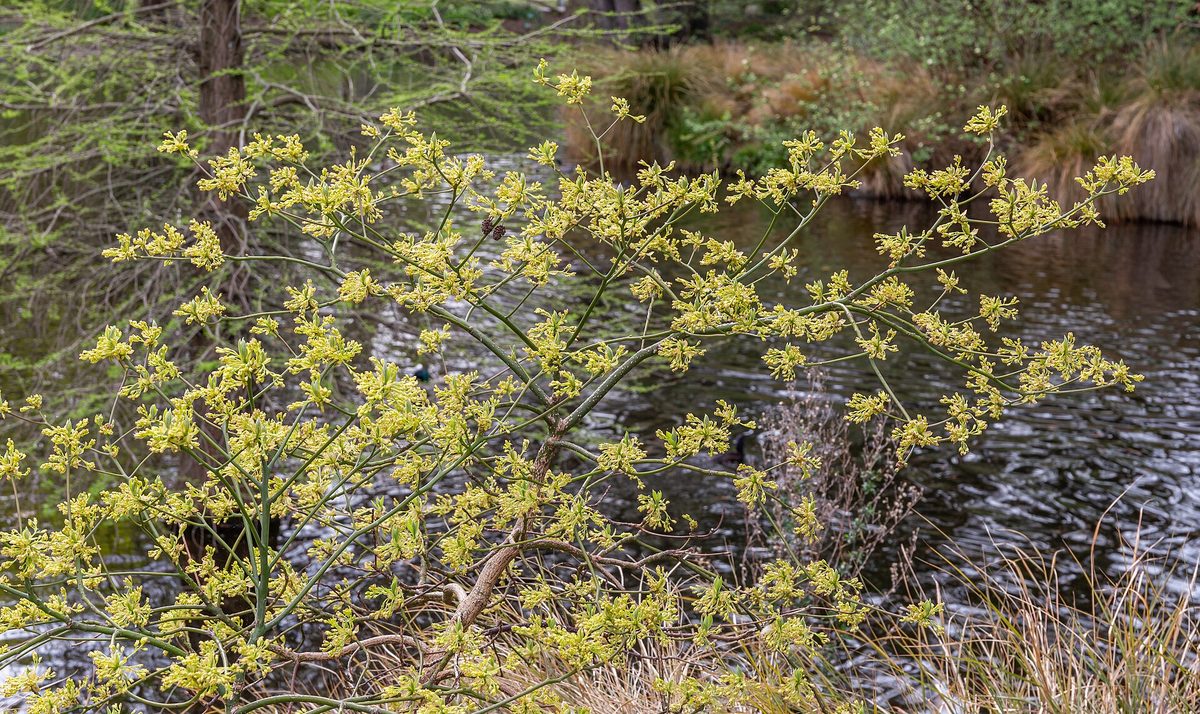
Sassafras
Sassafras albidum
Zones 4a–9b · 30–60 ft (9.14–18.29 m) · Full sun, part shade and full shade (full sun preferred)
-
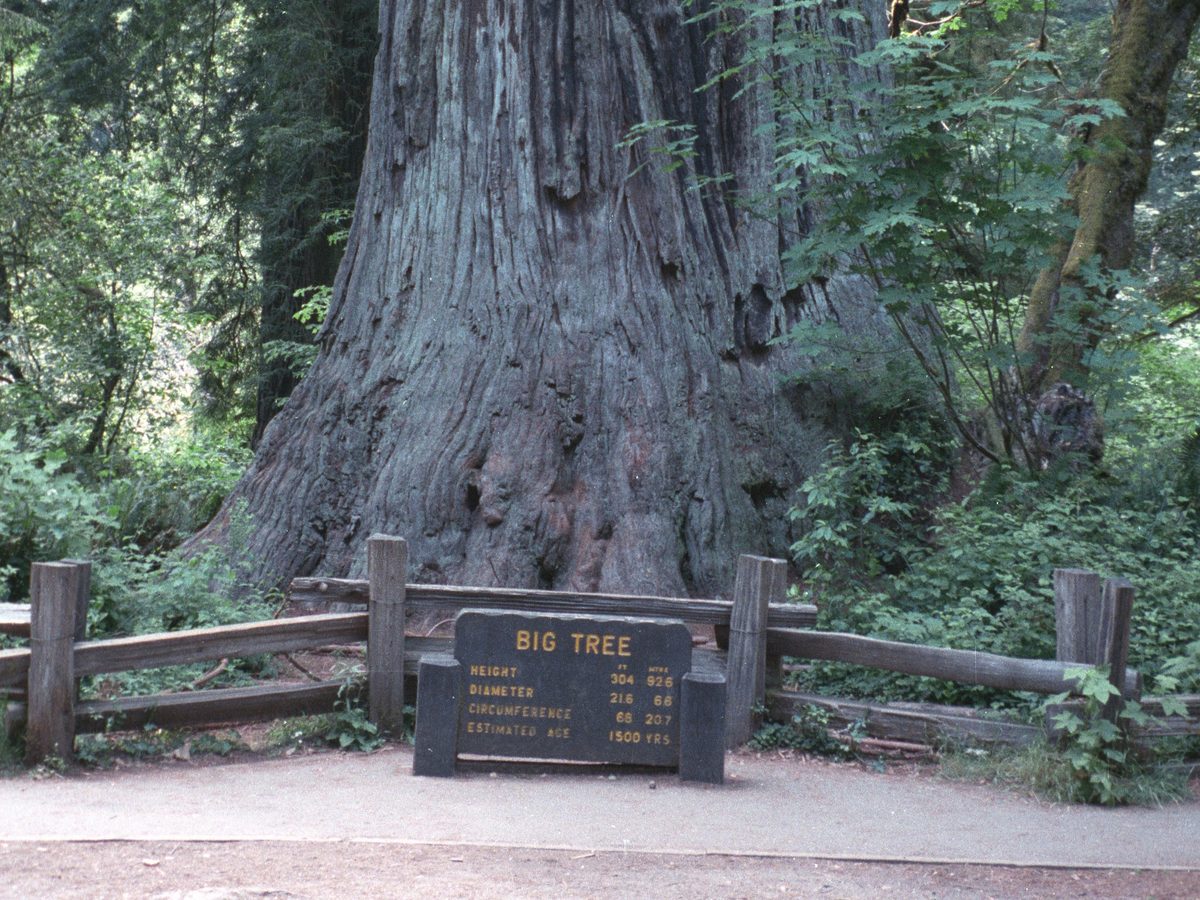
Redwood
Sequoia sempervirens
Zones 7a–9b · 299.9 ft (91.4 m) · Full sun and part shade (full sun preferred)
-
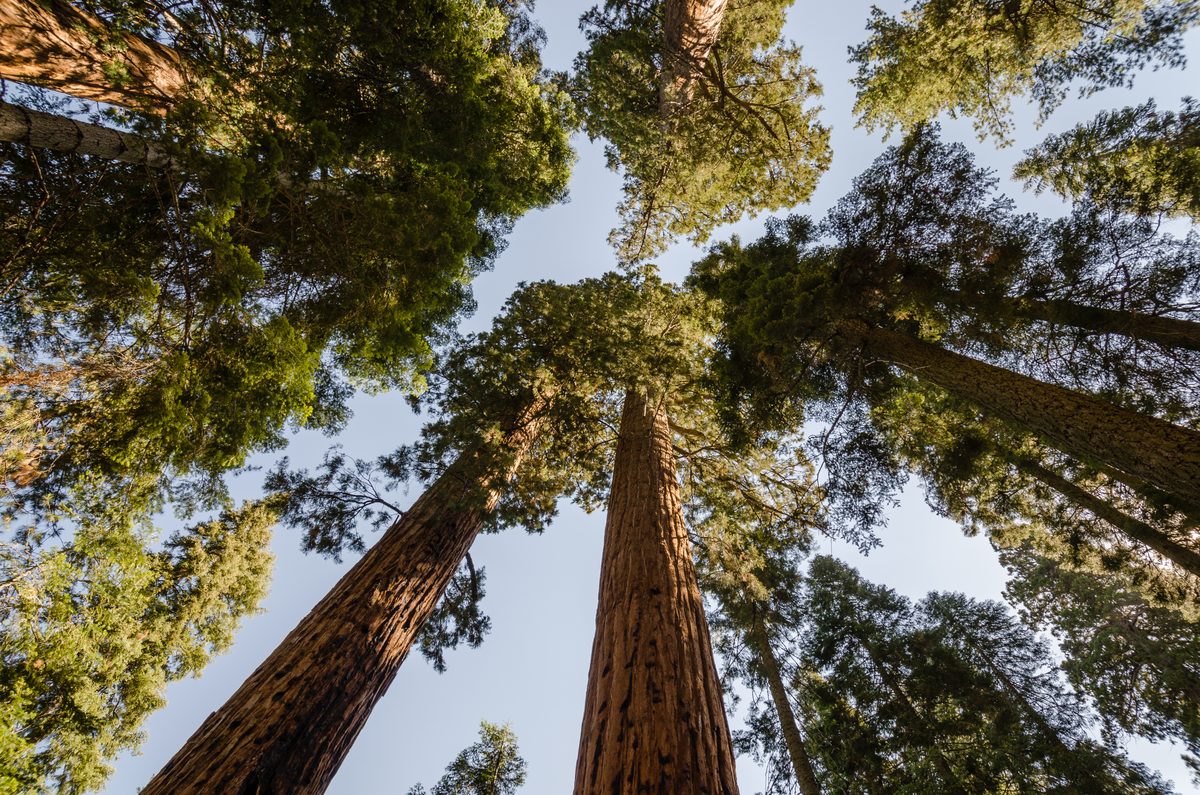
Giant Sequoia
Sequoiadendron giganteum
Zones 6a–8b · Sources differ: Oregon State University Extension Service; Lady Bird Johnson Wildflower Center; Utah State University Extension (Botanical Center); Utah State University Extension (Varga Arboretum); OSU Extension Service; Lady Bird Johnson Wildflower Center · Full sun
-
Japanese Pagoda Tree
Styphnolobium japonicum
Zones 4a–8b · 50–75 ft (15.24–22.86 m) · Full sun and part shade (full sun preferred)
-
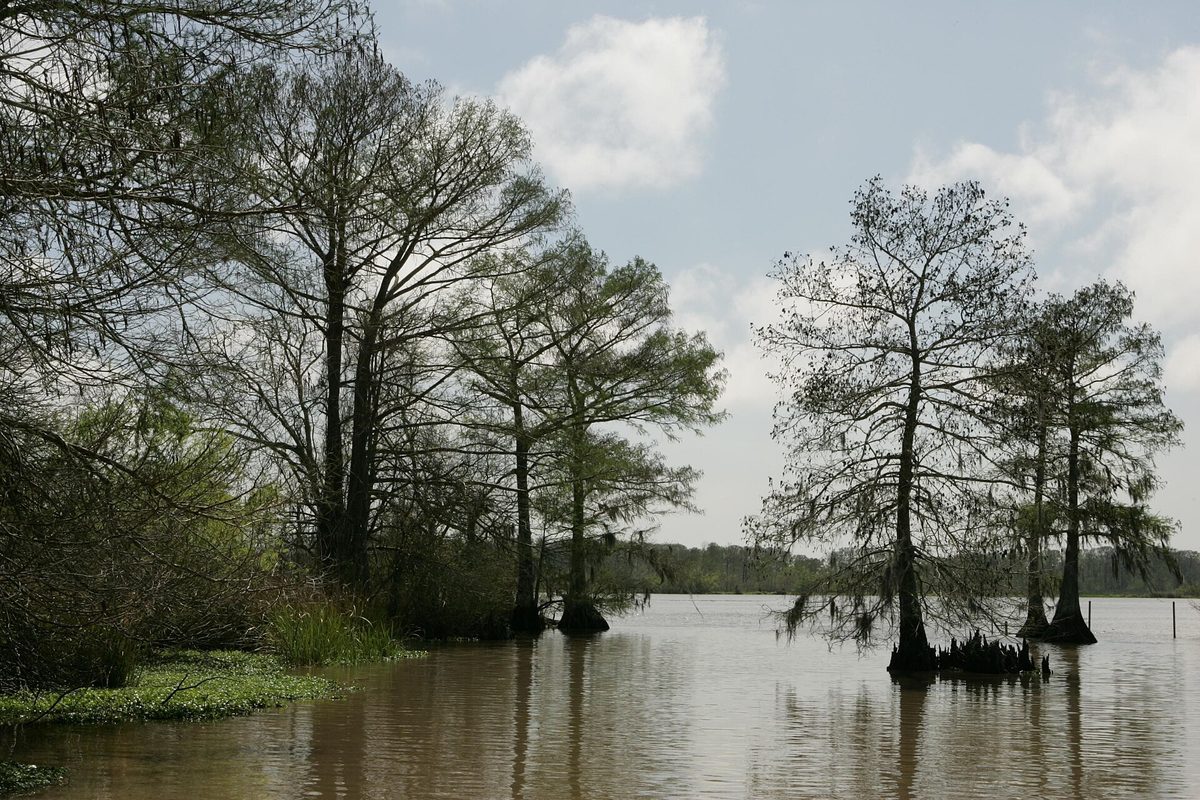
Bald Cypress
Taxodium distichum
Zones 4a–9b · Sources differ: University of Florida IFAS Extension (EDIS) · Full sun and part shade (full sun preferred)
-
-
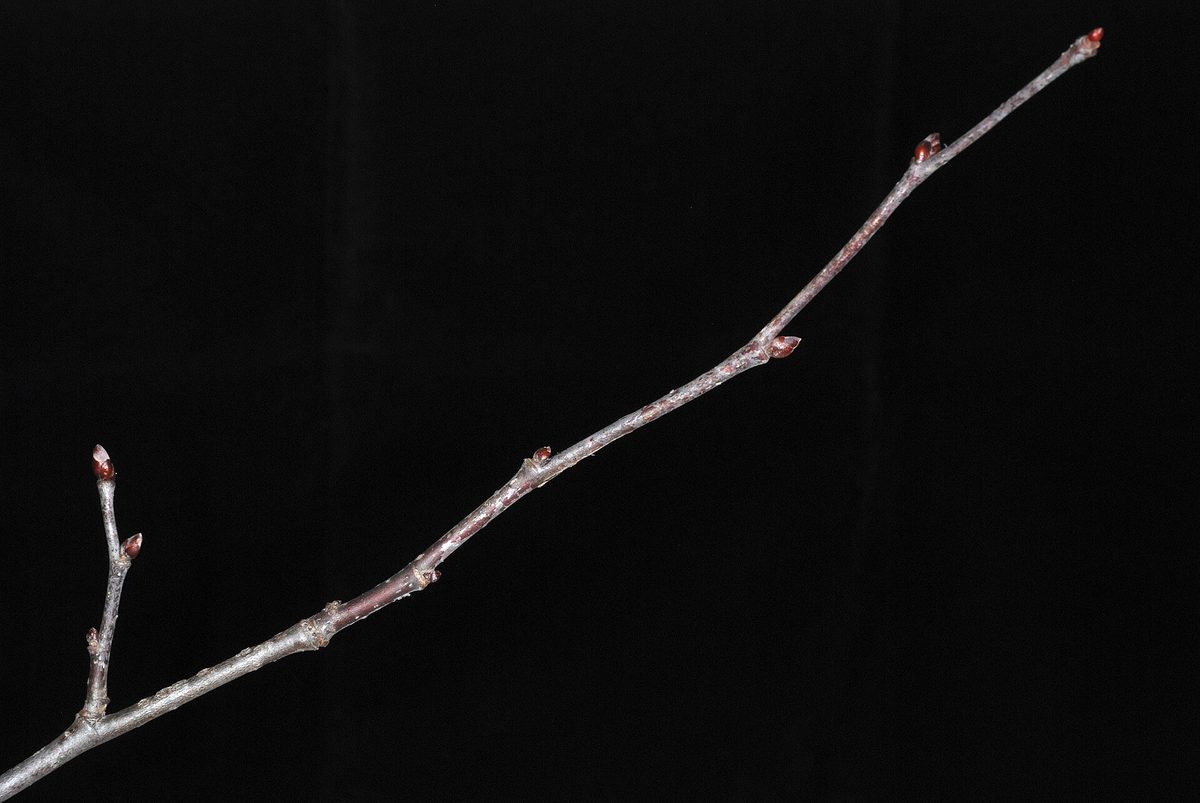
American Basswood
Tilia americana
Zones 3a–8b · 60–80.1 ft (18.3–24.4 m) · Full sun and part shade (full sun preferred)
-
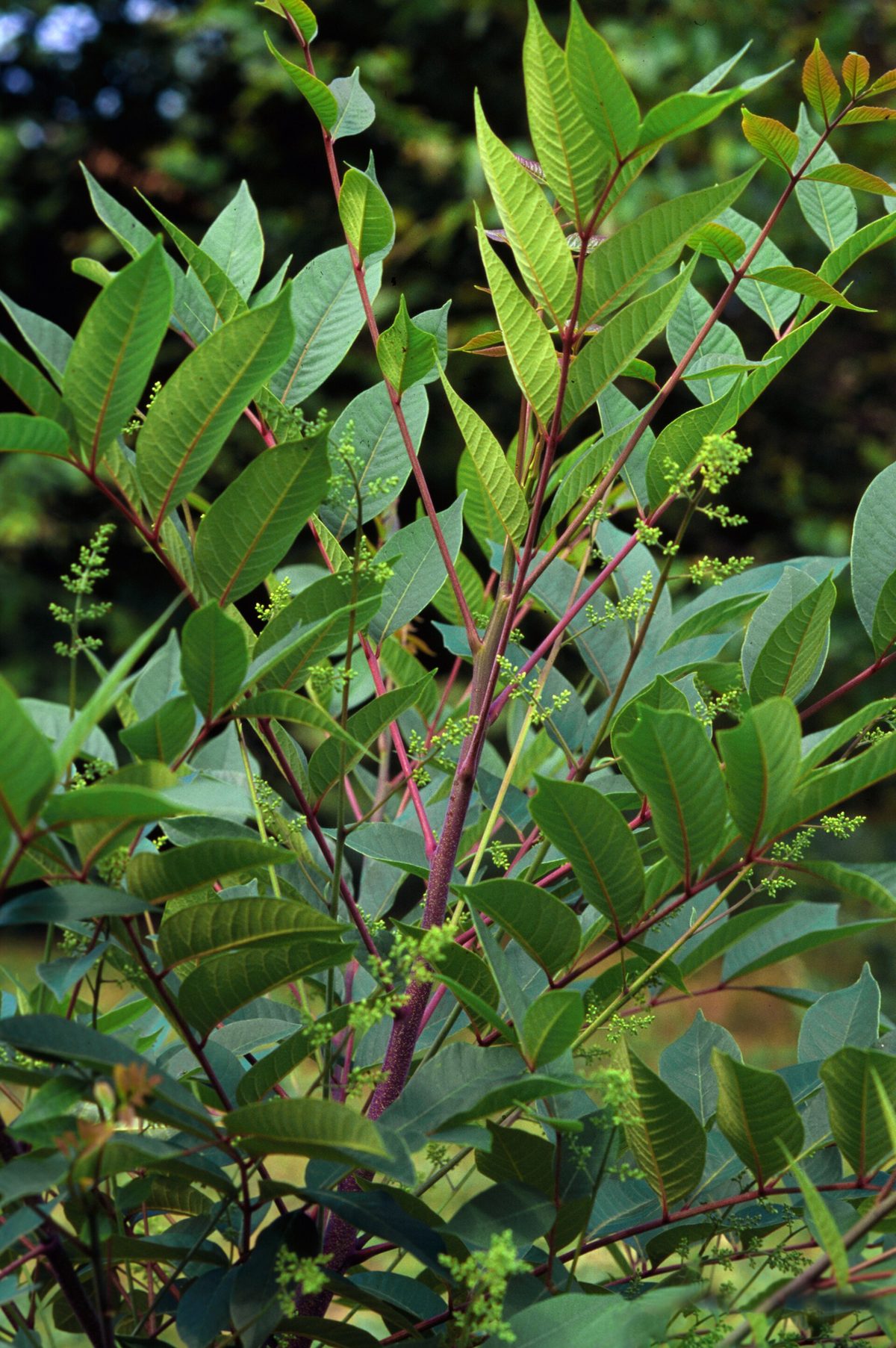
Poison Sumac
Toxicodendron vernix
Zones 3a–8b · 20 ft (6.1 m) · Full sun and part shade (full sun preferred)
-
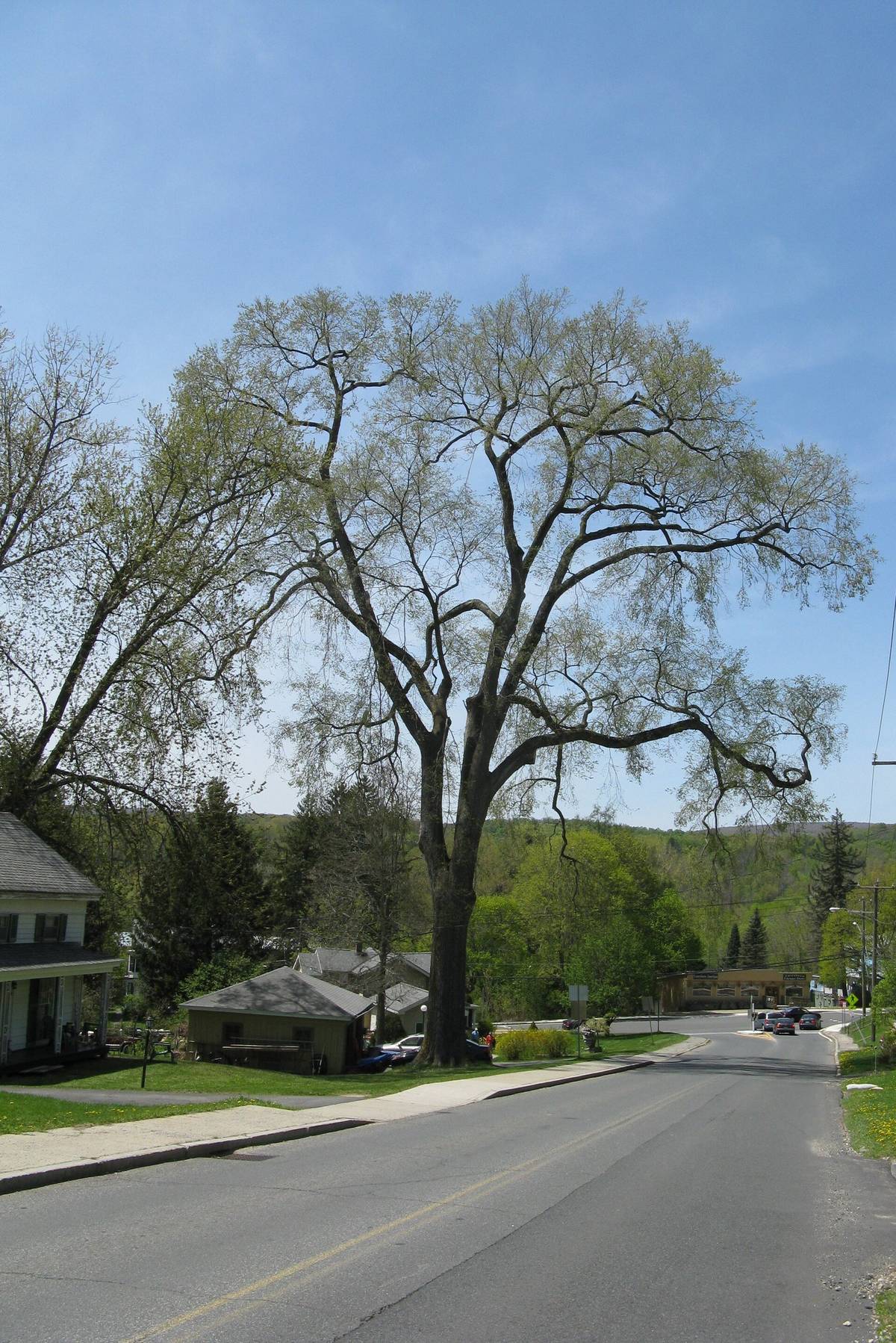
American Elm
Ulmus americana
Zones 3a–9b · 60–89.9 ft (18.3–27.4 m) · Full sun and part shade (full sun preferred)
-
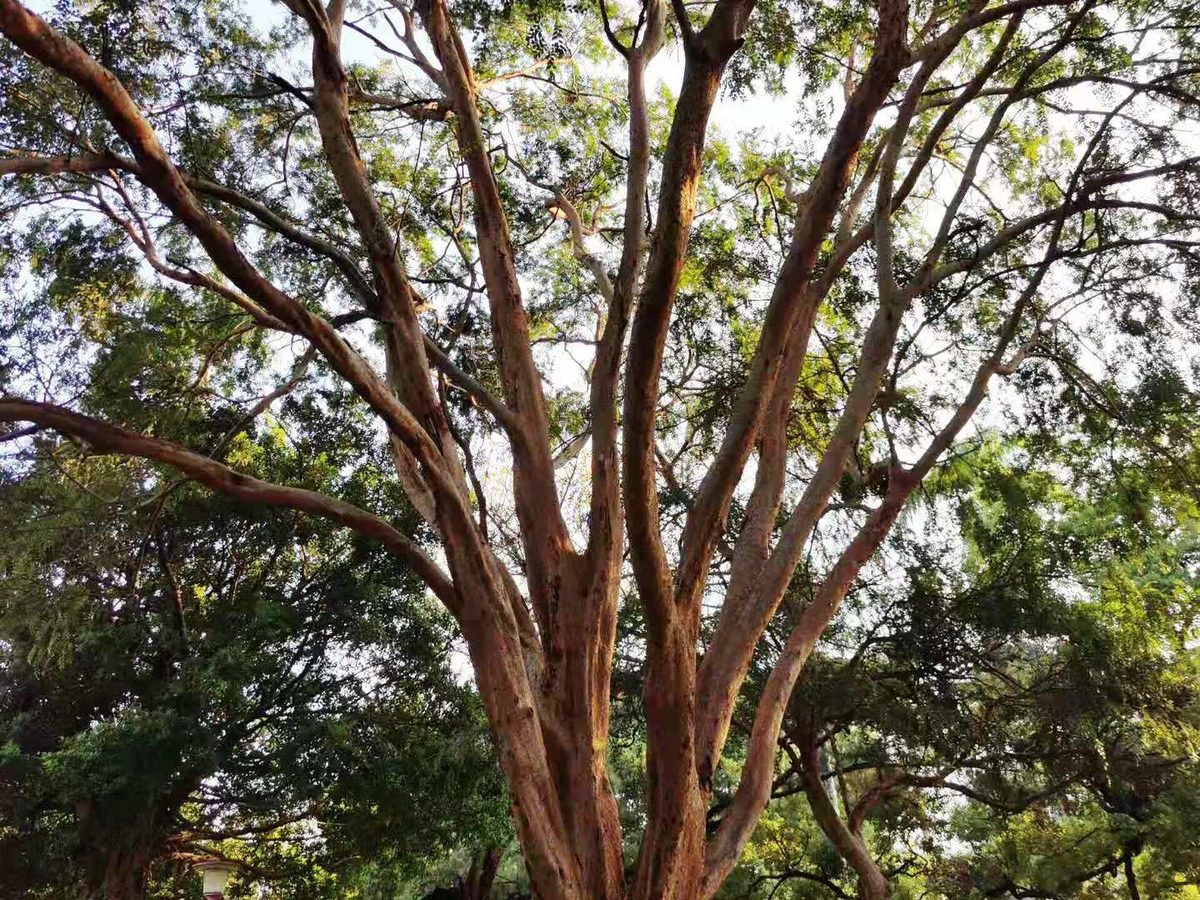
Chinese Elm
Ulmus parvifolia
40–50 ft (12.19–15.24 m) · Full sun and part shade (full sun preferred)
-
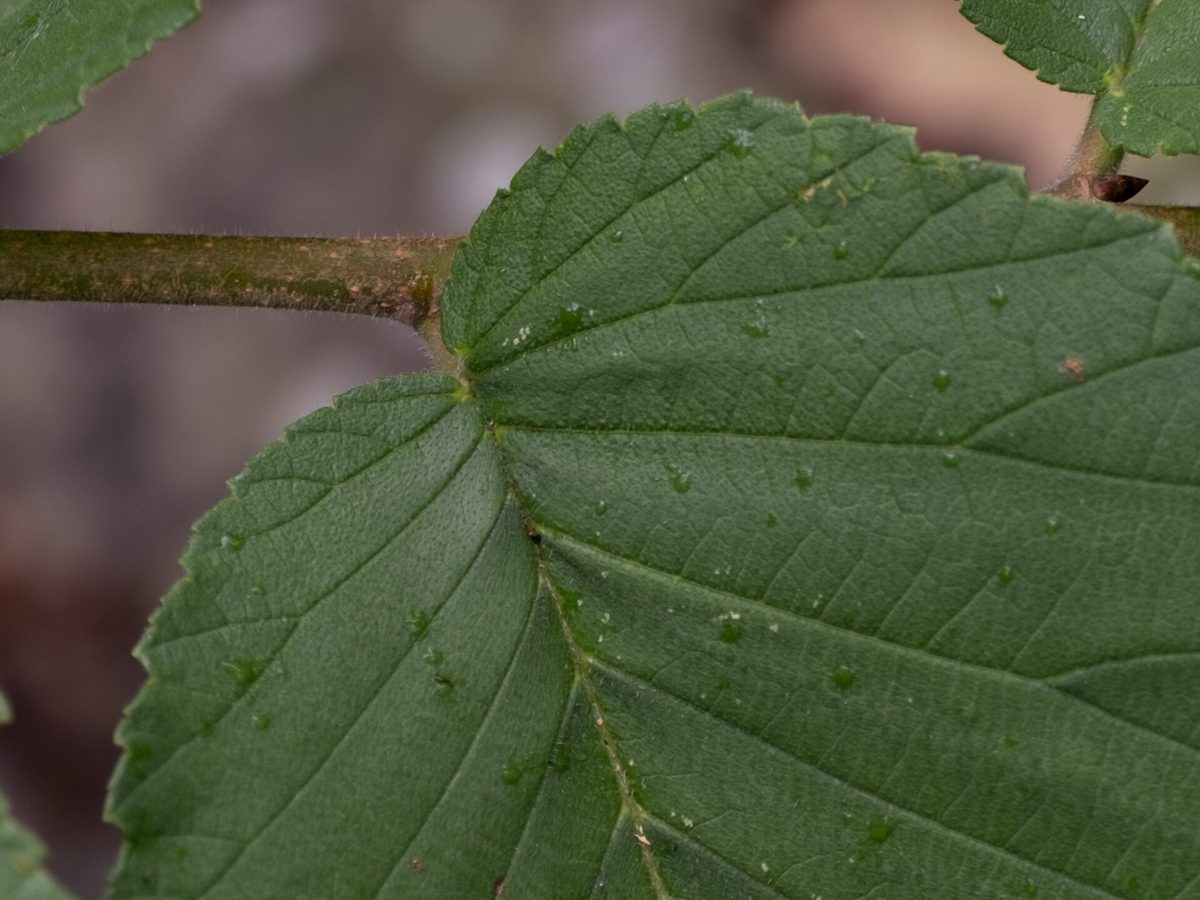
Slippery Elm
Ulmus rubra
Zones 3a–9b · 40–70 ft (12.19–21.34 m) · Full sun and part shade (full sun preferred)
-
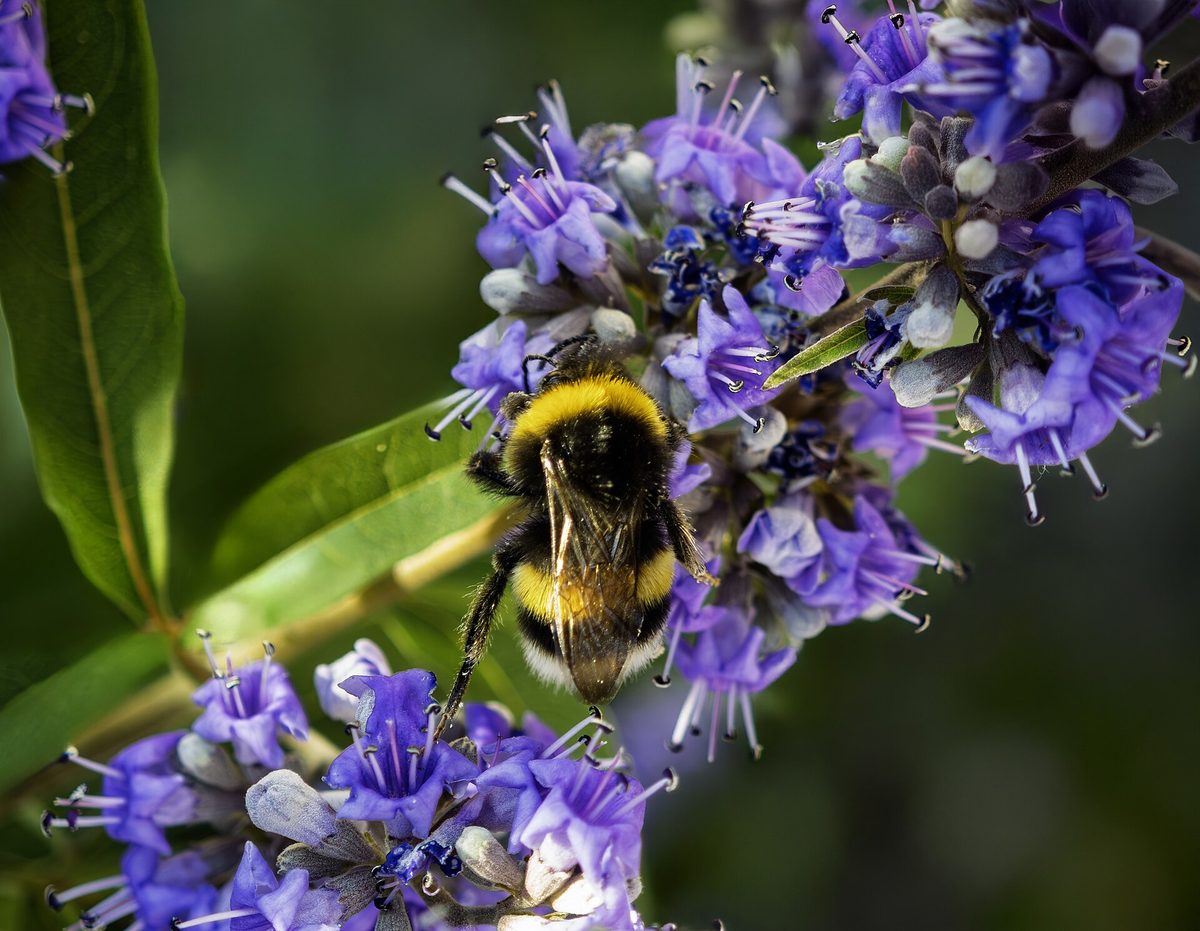
Lilac Chastetree
Vitex agnus-castus
Zones 7a–8b · 8–20 ft (2.44–6.1 m) · Full sun and part shade (full sun preferred)
-
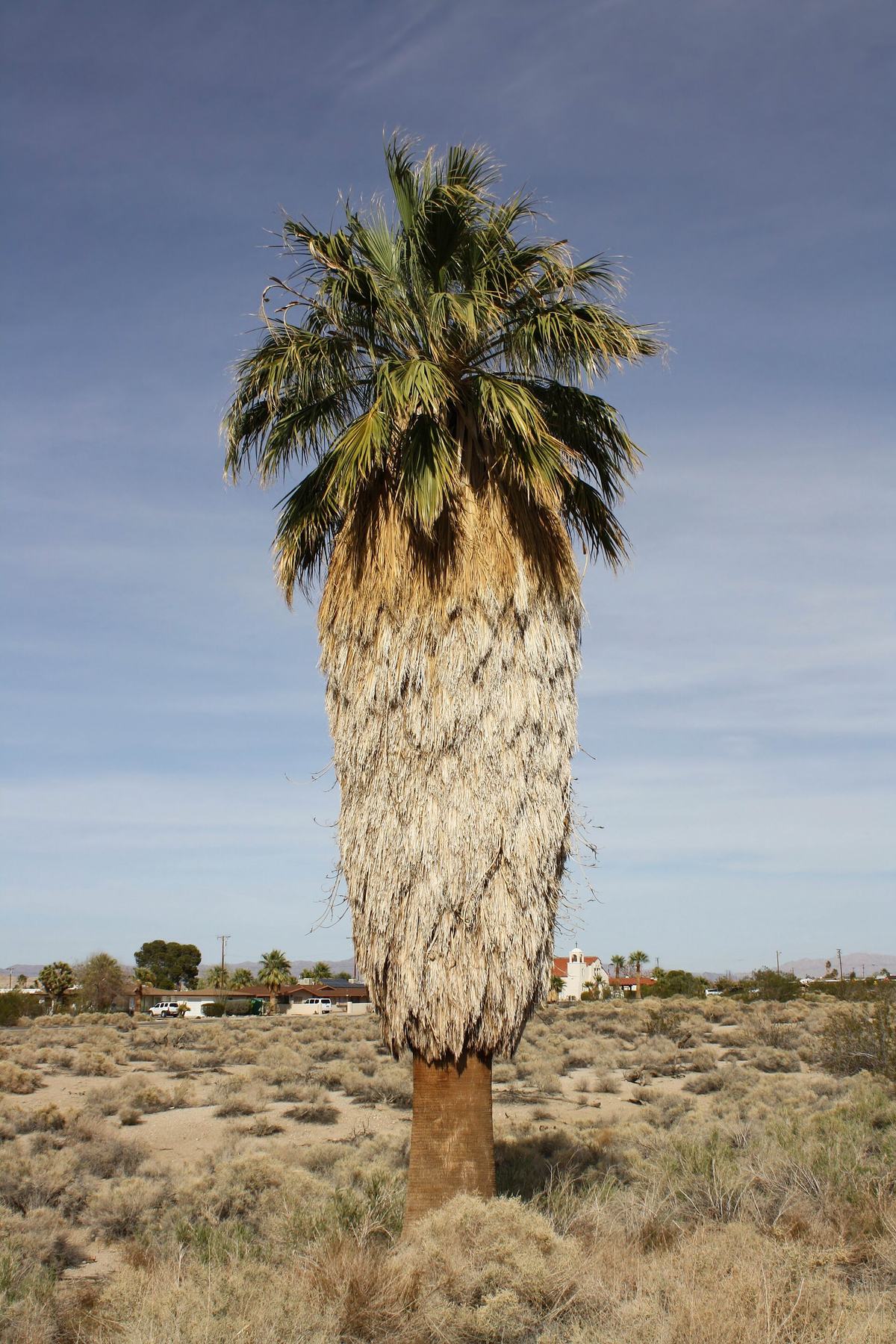
California Fan Palm
Washingtonia filifera
100 ft (30.48 m) · Full sun
-
-
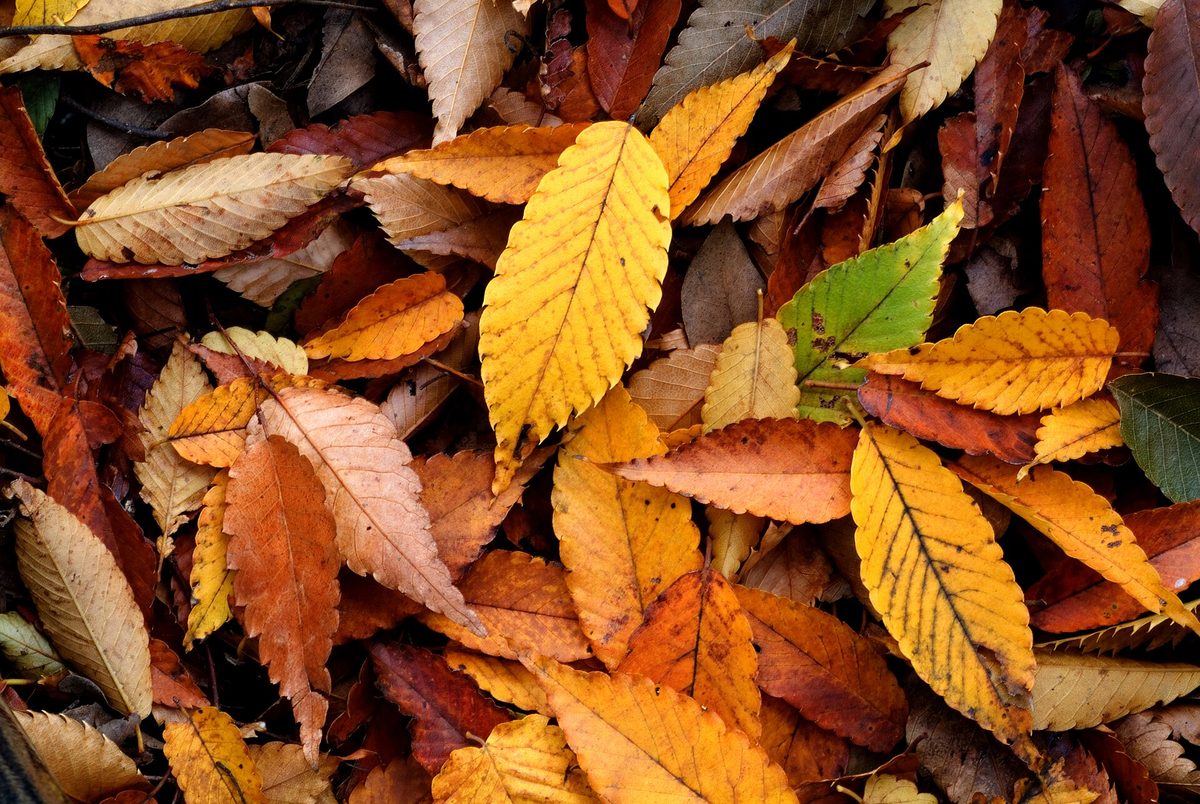
Japanese Zelkova
Zelkova serrata
Zones 5a–8b · 50–80 ft (15.24–24.38 m) · Full sun
How we chose
A tree, and hardy through at least zone 8a according to the cited sources
Photo credits
- Boxelder photo by Jules Verne Times Two, CC BY-SA 4.0 via Wikimedia Commons
- Japanese Maple photo by Agnes Monkelbaan, CC BY-SA 4.0 via Wikimedia Commons
- Red Maple photo by PumpkinSky, CC BY-SA 3.0 via Wikimedia Commons
- Silver Maple photo by Wikimedia Commons contributor, CC BY-SA 4.0 via Wikimedia Commons
- Sugar Maple photo by Wikimedia Commons contributor, CC BY-SA 4.0 via Wikimedia Commons
- Silktree photo by Wikimedia Commons contributor, CC BY-SA 4.0 via Wikimedia Commons
- Saskatoon Serviceberry photo by USFWS Mountain-Prairie, Public domain via Wikimedia Commons
- Monkeypuzzle Tree photo by Leonardo Sandon, CC BY-SA 4.0 via Wikimedia Commons
- Pacific Madrone photo by Acabashi, CC BY-SA 4.0 via Wikimedia Commons
- Strawberry Tree photo by Roger Culos, CC BY-SA 4.0 via Wikimedia Commons
- Pawpaw photo by Plant Image Library from Boston, USA, CC BY-SA 2.0 via Wikimedia Commons
- Angel's-tears photo by Asit K. Ghosh Thaumaturgist, CC BY-SA 3.0 via Wikimedia Commons
- Camellia photo by PumpkinSky, CC BY-SA 3.0 via Wikimedia Commons
- Tea photo by Wikimedia Commons contributor, CC BY-SA 4.0 via Wikimedia Commons
- European Hornbeam photo by Dominicus Johannes Bergsma, CC BY-SA 4.0 via Wikimedia Commons
- Luckynut photo by Wikimedia Commons contributor, CC BY-SA 4.0 via Wikimedia Commons
- Southern Catalpa photo by Roger Culos, CC BY-SA 4.0 via Wikimedia Commons
- Northern Catalpa photo by Zerocool.marko, CC BY-SA 4.0 via Wikimedia Commons
- Deodar Cedar photo by UnpetitproleX, CC BY-SA 4.0 via Wikimedia Commons
- Common Hackberry photo by Famartin, CC BY-SA 4.0 via Wikimedia Commons
- Eastern Redbud photo by Downspec, CC BY-SA 4.0 via Wikimedia Commons
- Judas-tree photo by Eiku, CC BY-SA 4.0 via Wikimedia Commons
- Hinoki False Cypress photo by Hamachidori, CC BY-SA 2.1 via Wikimedia Commons
- Flowering Dogwood photo by Plant Image Library from Boston, USA, CC BY-SA 2.0 via Wikimedia Commons
- Kousa Dogwood photo by Paul Danese, CC BY-SA 4.0 via Wikimedia Commons
- Cornelian Cherry photo by Milimidragan 92, CC BY-SA 4.0 via Wikimedia Commons
- Common Filbert photo by Hladac, CC BY-SA 4.0 via Wikimedia Commons
- European Smoketree photo by Didier Descouens, CC BY-SA 4.0 via Wikimedia Commons
- Italian Cypress photo by Historyfeelings, CC BY-SA 3.0 via Wikimedia Commons
- Japanese Persimmon photo by JLPC, CC BY-SA 3.0 via Wikimedia Commons
- Japanese Spindletree photo by Abdul Hanif Arromy, CC BY 4.0 via Wikimedia Commons
- Paperplant photo by Fernando Losada Rodríguez, CC BY-SA 4.0 via Wikimedia Commons
- White Ash photo by Wikimedia Commons contributor, CC BY-SA 4.0 via Wikimedia Commons
- European Ash photo by Dominicus Johannes Bergsma, CC BY-SA 4.0 via Wikimedia Commons
- Green Ash photo by Wikimedia Commons contributor, CC BY-SA 4.0 via Wikimedia Commons
- Maidenhair Tree photo by Acroterion, CC BY-SA 4.0 via Wikimedia Commons
- Rose of Sharon photo by Chrumps, CC BY-SA 2.5 via Wikimedia Commons
- Panicled Hydrangea photo by Agnes Monkelbaan, CC BY-SA 4.0 via Wikimedia Commons
- English Holly photo by Basotxerri, CC BY-SA 4.0 via Wikimedia Commons
- Black Walnut photo by Wikimedia Commons contributor, CC BY-SA 4.0 via Wikimedia Commons
- Eastern Redcedar photo by Rhododendrites, CC BY-SA 4.0 via Wikimedia Commons
- Goldenrain Tree photo by Ewen Cameron, CC BY 4.0 via Wikimedia Commons
- Crepe Myrtle photo by Jean-Pierre Chéreau & Roger Culos, CC BY-SA 3.0 via Wikimedia Commons
- Sweet Bay photo by Bff, CC BY-SA 3.0 via Wikimedia Commons
- Sweetgum photo by Dominicus Johannes Bergsma, CC BY-SA 4.0 via Wikimedia Commons
- Tuliptree photo by Rhododendrites, CC BY-SA 4.0 via Wikimedia Commons
- Osage-orange photo by Photo by and (c)2016 Derek Ramsey (Ram-Man), CC BY-SA 4.0 via Wikimedia Commons
- Southern Magnolia photo by Jules Verne Times Two, CC BY-SA 4.0 via Wikimedia Commons
- European Crab Apple photo by 1=Photos by Moroder for natural monuments in South Tyrol, CC BY-SA 3.0 via Wikimedia Commons
- European Crab Apple photo by (Hans Hillewaert), CC BY-SA 3.0 via Wikimedia Commons
- Chinaberrytree photo by Forest & Kim Starr, CC BY 3.0 via Wikimedia Commons
- Dawn Redwood photo by Wikimedia Commons contributor, CC BY-SA 3.0 via Wikimedia Commons
- White Mulberry photo by Didier Descouens, CC BY-SA 4.0 via Wikimedia Commons
- Myrtle photo by LIGURIAN VASCULAR FLORA, CC BY 2.0 via Wikimedia Commons
- Blackgum photo by DouglasGoldman, CC BY-SA 4.0 via Wikimedia Commons
- Princesstree photo by karitsu, CC BY-SA 2.0 via Wikimedia Commons
- Fraser's Photinia photo by Jules Verne Times Two, CC BY-SA 4.0 via Wikimedia Commons
- Sitka Spruce photo by Roy Luck, CC BY 2.0 via Wikimedia Commons
- Italian Stone Pine photo by Wikimedia Commons contributor, CC BY-SA 4.0 via Wikimedia Commons
- Loblolly Pine photo by USDAgov, Public domain via Wikimedia Commons
- Chinese Pistache photo by Ping an Chang, CC BY-SA 4.0 via Wikimedia Commons
- American Sycamore photo by Acroterion, CC BY-SA 4.0 via Wikimedia Commons
- Oriental Planetree photo by Herzi Pinki, CC BY-SA 4.0 via Wikimedia Commons
- Yew Plum Pine photo by Pacific Chillino from Hong Kong, Hong Kong, CC BY-SA 2.0 via Wikimedia Commons
- White Poplar photo by Roger Culos, CC BY-SA 4.0 via Wikimedia Commons
- Eastern Cottonwood photo by Wikimedia Commons contributor, CC BY-SA 4.0 via Wikimedia Commons
- Sweet Cherry photo by JLPC, CC BY-SA 3.0 via Wikimedia Commons
- Cherry Plum photo by Gzen92, CC BY-SA 4.0 via Wikimedia Commons
- Sour Cherry photo by H. Zell, CC BY-SA 3.0 via Wikimedia Commons
- European Plum photo by စာကလေး SarKaLay, CC0 via Wikimedia Commons
- Cherry Laurel photo by Dominicus Johannes Bergsma., CC BY-SA 4.0 via Wikimedia Commons
- Portugal Laurel photo by Frank Vincentz, CC BY-SA 3.0 via Wikimedia Commons
- Japanese Apricot photo by Jean-Pierre Chéreau & Roger Culos, CC BY-SA 3.0 via Wikimedia Commons
- Black Cherry photo by Guillermo Carlos Gómez, CC BY-SA 4.0 via Wikimedia Commons
- Japanese Flowering Cherry photo by Jean-Pol GRANDMONT, CC BY-SA 3.0 via Wikimedia Commons
- Callery Pear photo by Salicyna, CC BY-SA 4.0 via Wikimedia Commons
- Chinese Pear photo by PumpkinSky, CC BY-SA 3.0 via Wikimedia Commons
- White Oak photo by Jyamuca, CC BY-SA 3.0 via Wikimedia Commons
- Bur Oak photo by Homoarborea, CC0 via Wikimedia Commons
- English Oak photo by Nightflyer ( ) 21:26, 10 May 2015 (UTC), CC BY 3.0 via Wikimedia Commons
- Northern Red Oak photo by Wikimedia Commons contributor, CC BY-SA 4.0 via Wikimedia Commons
- Cork Oak photo by Mawoing, CC BY-SA 3.0 via Wikimedia Commons
- Live Oak photo by Wikimedia Commons contributor, Public domain via Wikimedia Commons
- Staghorn Sumac photo by Wikimedia Commons contributor, CC BY-SA 4.0 via Wikimedia Commons
- Black Locust photo by Svetit, CC BY-SA 4.0 via Wikimedia Commons
- Cabbage Palmetto photo by William Bumgarner (en.wp:Zsinj), Public domain via Wikimedia Commons
- White Willow photo by Ermell, CC BY-SA 4.0 via Wikimedia Commons
- Weeping Willow photo by Rhododendrites, CC BY-SA 4.0 via Wikimedia Commons
- Sassafras photo by Wikimedia Commons contributor, CC BY-SA 4.0 via Wikimedia Commons
- Redwood photo by Grossbildjaeger, CC BY-SA 3.0 via Wikimedia Commons
- Giant Sequoia photo by Tuxyso, CC BY-SA 3.0 via Wikimedia Commons
- Japanese Pagoda Tree photo by Isiwal, CC BY-SA 4.0 via Wikimedia Commons
- Bald Cypress photo by Steve Hillebrand, U.S. Fish and Wildlife Service, Public domain via Wikimedia Commons
- Cacao photo by Nativeplants garden, CC BY-SA 4.0 via Wikimedia Commons
- American Basswood photo by DouglasGoldman, CC BY-SA 4.0 via Wikimedia Commons
- Poison Sumac photo by James H. Miller & Ted Bodner, Southern Weed Science Society, Bugwood.org, CC BY 3.0 via Wikimedia Commons
- American Elm photo by John Phelan, CC BY 3.0 via Wikimedia Commons
- Chinese Elm photo by Ping an Chang, CC BY-SA 4.0 via Wikimedia Commons
- Slippery Elm photo by Alex Abair, CC BY 4.0 via Wikimedia Commons
- Lilac Chastetree photo by Didier Descouens, CC BY-SA 4.0 via Wikimedia Commons
- California Fan Palm photo by Bernard Gagnon, CC BY-SA 3.0 via Wikimedia Commons
- Joshua Tree photo by Keith Pomakis, CC BY-SA 2.5 via Wikimedia Commons
- Japanese Zelkova photo by 池田正樹 ( talk )masaki ikeda, Public domain via Wikimedia Commons


How this page was made
- Written with AI assistance from the sources listed on this page. AI is never the source of a fact.