Boxelder (Acer negundo)
Formerly Acer californicum, Negundo aceroides, Rulac negundo
Outdoors, this tree takes full sun to part shade. It needs medium to wet soil moisture to thrive. It is a fast-growing tree. It can reach 30-50 ft (9.1-15.2 m) tall. It suits USDA zones 3a through 9b. Its soil pH range runs from 5.0 to 8.0. No cited source documents its toxicity to cats or dogs.
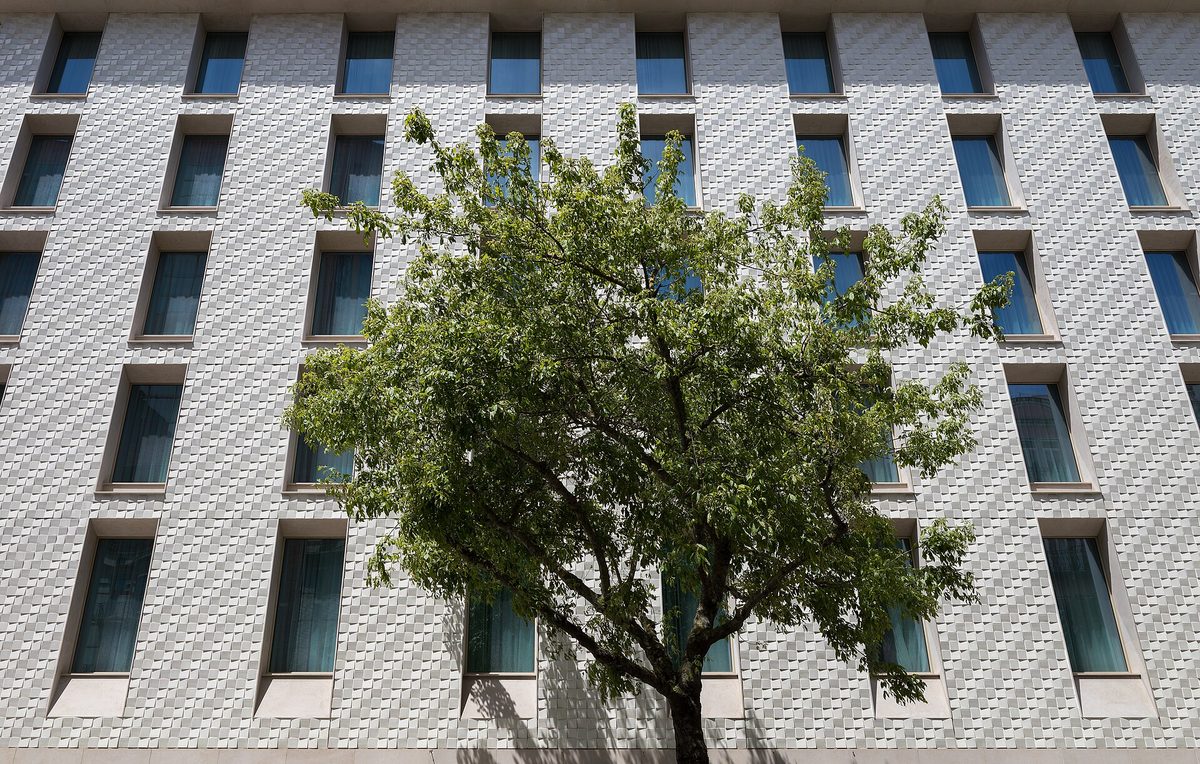
Photo: Jules Verne Times Two, CC BY-SA 4.0 via Wikimedia Commons

Quick facts
| Light: | Full sun and part shade (full sun preferred)12 |
|---|---|
| Water: | Medium to wet11 source |
| Soil: | Well drained, moist, occasionally dry, occasionally wet and poorly drained; pH 5–812 |
| Hardiness: | Zones 3a–9b11 source |
| Size: | 30–50 ft (9.14–15.24 m) × 30–50 ft (9.14–15.24 m)12 |
| Growth rate: | Rapid13 |
| Bloom: | Yellow, green and brown11 source |
| Cats: | Not documented by major sources |
| Dogs: | Not documented by major sources |
| Native range: | ABT, ALA, ARI, ARK, BRC, CAL, CNT, COL, DEL, FLA, GEO, GUA, HON, IDA, ILL, INI, IOW, KAN, KTY, LOU, MAI, MAN, MAS, MIC, MIN, MNT, MRY, MSI, MSO, MXC, MXE, MXG, MXN, MXS, MXT, NBR, NCA, NDA, NEB, NEV, NSC, NWH, NWJ, NWM, NWT, NWY, OHI, OKL, ONT, ORE, PEI, PEN, QUE, RHO, SAS, SCA, SDA, TEN, TEX, UTA, VER, VRG, WAS, WDC, WIS, WVA, WYO, YUK4 |
| Family: | Sapindaceae |
How much light does a Boxelder need?
Direct sun for six or more hours a day suits this tree best. It also tolerates part shade, so a spot with some afternoon cover still works. It is a fast-growing species, often reaching full size quickly once established. At maturity it stands 30-50 ft (9.1-15.2 m) tall.
How often to water a Boxelder
Give this tree medium to wet soil moisture; it prefers conditions on the wetter side. It naturally favors moist spots, and you'll often find it along waterways, floodplains, and wooded areas. It also tolerates well-drained, occasionally dry, occasionally wet, or even poorly drained soil. This is a fast-growing tree that reaches 30-50 ft (9.1-15.2 m) tall at maturity.
- Water: Medium to wet1
Best soil for a Boxelder
This tree tolerates a wide range of soil moisture, from well-drained to poorly drained ground. It also handles occasionally dry spells, occasionally wet periods, and poorly drained spots without trouble. Soil pH can run from 5.0 to 8.0, covering acid, neutral, and alkaline ground without trouble. It favors moist ground too, and you'll often find it along waterways and floodplains in the wild.
Hardiness and temperature
Boxelder tolerates USDA zones 3a through 9b, a broad range that includes cold northern climates and warm southern ones. Within that zone range, it grows quickly and takes full sun to part shade. Its native range stretches from Alberta and the Yukon in the north to Mexico in the south. It also prefers medium to wet soil and often grows along waterways and floodplains.
- Hardiness: Zones 3a–9b1
How to plant a Boxelder
Plant boxelder where it gets full sun to part shade, since both exposures suit this tree. Choose a site with medium to wet soil, ideally near a natural water source if you have one. USDA zones 3a through 9b all work for this species, a span that covers most of the continental US. At maturity it reaches 30-50 ft (9.1-15.2 m) tall.
- Hardiness: Zones 3a–9b1
Winter care
This species' native range reaches from Alberta and the Yukon down to Mexico, spanning a wide set of climates. It also suits USDA zones 3a through 9b, which covers most of the continental US. Within that range, it keeps its fast growth rate going year after year. It also tolerates well-drained, occasionally dry, occasionally wet, and poorly drained soil.
- Hardiness: Zones 3a–9b1
How to propagate a Boxelder
Seed is the method used to grow new boxelder trees. This fast-growing species establishes quickly once seedlings take root. New plantings do best with full sun to part shade and medium to wet soil. It also tolerates well-drained, occasionally dry, occasionally wet, or poorly drained soil.
- Propagation: Seed3
Common problems
Boxelder bugs feed on seeds from female trees, but they cause little other damage to the tree itself. Borers are another pest that can affect this species. Diseases to watch for include anthracnose, powdery mildew, and canker. Fast growth is typical for this tree, and it tolerates a wide range of soil conditions.
| Problem | Kind |
|---|---|
| Boxelder bugs | Pest |
| Borers | Pest |
| Anthracnose | Disease |
| Powdery mildew | Disease |
| Canker | Disease |
Is Boxelder toxic to cats and dogs?
Recommended supplies
- Soil: a free-draining mix, and a pot with a drainage hole.
Questions and answers
- What zones can boxelder grow in?
- Boxelder grows in USDA hardiness zones 3a through 9b, a wide range covering most of the continental United States. It also tolerates full sun to part shade and medium to wet soil within that range. Its native range stretches from Alberta and the Yukon south to Mexico.
- Does boxelder have any common pests or diseases?
- Boxelder bugs and borers are the main pests, while anthracnose, powdery mildew, and canker are the diseases to watch for. Boxelder bugs mostly feed on seeds from female trees and cause little other harm.
- Is boxelder toxic to cats or dogs?
- No cited source lists a toxicity status for boxelder in cats or dogs, so that isn't documented here. What is documented is that it grows as a fast tree suited to full sun to part shade and medium to wet soil.
Sources
- NC State Extension Gardener Plant Toolbox. https://plants.ces.ncsu.edu/plants/acer-negundo/. Accessed 14 October 2026.
- Cornell University CALS Woody Plants Database. https://woodyplants.cals.cornell.edu/plant/361. Accessed 14 October 2026.
- USDA Forest Service Fire Effects Information System. https://www.fs.usda.gov/database/feis/plants/tree/aceneg/all.html. Accessed 14 October 2026.
- Royal Botanic Gardens, Kew (World Checklist of Vascular Plants). https://sftp.kew.org/pub/data-repositories/WCVP/wcvp.zip. Accessed 4 June 2026.
How this page was made
- Written with AI assistance from the sources listed on this page. AI is never the source of a fact.