Saskatoon Serviceberry (Amelanchier alnifolia)
Formerly Amelanchier florida, Amelanchier ephemerotricha, Pyrus alnifolia
This tree grows best in full sun outdoors. It also tolerates part shade and full shade. Give it a medium amount of water. Plant it in soil that drains well. The soil can be occasionally dry or occasionally wet. Its flowers bloom white. No cited source lists a toxicity status for cats or dogs with this plant.
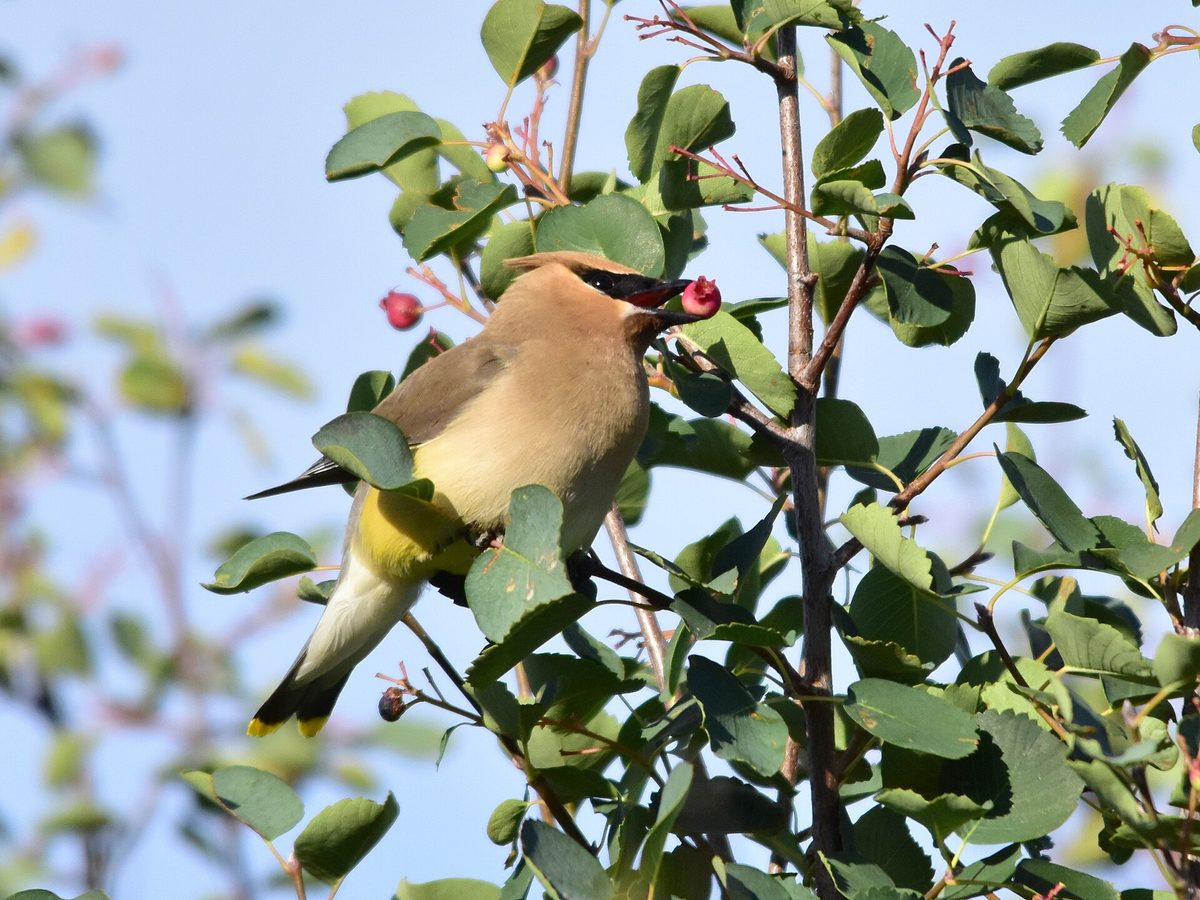
Photo: USFWS Mountain-Prairie, Public domain via Wikimedia Commons

Quick facts
| Light: | Full sun, part shade and full shade (full sun preferred)12 |
|---|---|
| Water: | Medium21 source |
| Soil: | Well drained, occasionally dry and occasionally wet; pH 6–812 |
| Hardiness: | Zones 4a–9b11 source |
| Size: | Sources differ: USDA Forest Service Fire Effects Information System × 6–10 ft (1.83–3.05 m)241Sources differ |
| Growth rate: | Moderate11 source |
| Bloom: | White21 |
| Cats: | Not documented by major sources |
| Dogs: | Not documented by major sources |
| Native range: | ABT, ARI, ASK, BRC, CAL, COL, IDA, IOW, KAN, MAN, MIN, MNT, NDA, NEB, NEV, NWM, NWT, NWY, ONT, ORE, SAS, SDA, TEX, UTA, WAS, WYO, YUK5 |
| Family: | Rosaceae |
How much light does a Saskatoon Serviceberry need?
Full sun outdoors suits Saskatoon serviceberry best, with at least six hours of direct light a day. It also grows in part shade. Full shade is tolerated too, though full sun remains the preferred spot for this tree. This tree also needs medium water and well-drained soil wherever it is planted. Its flowers are white. At maturity, this tree spreads about 6-8 ft (1.8-2.4 m) wide. This tree is also rated for USDA hardiness zones 4a through 9b outdoors.
How often to water a Saskatoon Serviceberry
Give Saskatoon serviceberry a medium amount of water. Plant it in soil that drains well. That soil can also turn occasionally dry or occasionally wet. This tree grows best in full sun outdoors, though it also takes part shade or full shade. Its mature spread reaches about 6-8 ft (1.8-2.4 m) wide. Soil pH between 6.0 and 8.0 is considered neutral for this tree. It also grows at a moderate pace outdoors. This species is native to Alaska and across the Lower 48 states, according to the USDA. This tree is also native to a wide range of US states and Canadian provinces, from Alaska to Texas.
- Water: Medium2
Best soil for a Saskatoon Serviceberry
Well-drained soil works best for Saskatoon serviceberry. It also tolerates soil that turns occasionally dry or occasionally wet. Keep the soil pH between 6.0 and 8.0, which counts as neutral. This tree grows best with medium water and full sun outdoors. It also tolerates part shade or full shade. This tree has a moderate growth rate. It grows in USDA hardiness zones 4a to 9b. This tree can also be propagated by stem cuttings, layering, or division. Its flowers are white, blooming on a tree that reaches 6-8 ft (1.8-2.4 m) wide.
Hardiness and temperature
USDA hardiness zones 4a through 9b suit Saskatoon serviceberry outdoors. It is native across a wide range of US states and Canadian provinces, from Alaska to Texas. The USDA also lists it as native in Alaska and across the Lower 48 states. This species grows at a moderate pace. This tree also needs full sun and medium water outdoors. Soil that drains well, with a pH between 6.0 and 8.0, suits it best. It reaches a mature spread of 6-8 ft (1.8-2.4 m). Its flowers are white. Flatheaded appletree borers and fire blight are among the problems reported for this species outdoors.
- Hardiness: Zones 4a–9b1
How to plant a Saskatoon Serviceberry
Plant Saskatoon serviceberry where USDA hardiness zones 4a through 9b apply outdoors. Give it a spot with full sun; it also tolerates part shade or full shade. Well-drained soil with a pH between 6.0 and 8.0 suits it best. This tree reaches a mature spread of 6-8 ft (1.8-2.4 m). This tree grows at a moderate pace once planted. It is native to a wide range of US states and Canadian provinces, from Alaska to Texas. The USDA also lists it as native in Alaska and across the Lower 48 states. Its flowers are white.
- Hardiness: Zones 4a–9b1
Winter care
Winter hardiness for this tree spans USDA zones 4a through 9b. It is native from Alaska south into the western and central United States and Canada. The USDA also lists it as native in Alaska and across the Lower 48 states. Its growth rate is moderate, neither fast nor slow. This tree also needs full sun outdoors, though it tolerates part shade or full shade too. Keep its soil well drained and give it medium water. It can also be propagated by stem cuttings, layering, or division. Its mature spread reaches 6-8 ft (1.8-2.4 m) wide.
- Hardiness: Zones 4a–9b1
How to propagate a Saskatoon Serviceberry
Growers can start new Saskatoon serviceberry plants from stem cuttings, by layering, or through division. This tree reaches a mature spread of about 6-8 ft (1.8-2.4 m). It grows at a moderate pace. This tree also grows best in full sun and with medium water outdoors. Plant propagated specimens in well-drained soil, as this tree prefers. This tree is rated for USDA hardiness zones 4a through 9b outdoors. Its flowers are white. This tree is native to Alaska and across the Lower 48 states.
- Propagation: Stem cuttings, layering and division2
Common problems
Flatheaded appletree borers, eastern tent caterpillars, forest tent caterpillars, apple curculios, and roundheaded appletree borers can affect this tree outdoors. Fire blight, cedar-quince rust, cedar-hawthorn rust, and cotton root rot are diseases reported on this species. This tree also needs well-drained soil outdoors. This tree also needs full sun and medium water. This tree grows at a moderate pace and is rated for USDA hardiness zones 4a through 9b.
| Problem | Kind |
|---|---|
| Flatheaded appletree borer | Pest |
| Eastern tent caterpillar | Pest |
| Forest tent caterpillar | Pest |
| Apple curculio | Pest |
| Roundheaded appletree borer | Pest |
| Fire blight | Disease |
| Cedar quince rust | Disease |
| Cedar hawthorn rust | Disease |
| Cotton root rot | Disease |
Is Saskatoon Serviceberry toxic to cats and dogs?
Recommended supplies
- Soil: a free-draining mix, and a pot with a drainage hole.
Questions and answers
- What zones can Saskatoon serviceberry grow in?
- This tree is rated for USDA hardiness zones 4a through 9b outdoors. It is also native to Alaska and across the Lower 48 states, according to the USDA. This species also grows at a moderate pace outdoors.
- Does Saskatoon serviceberry need full sun?
- This tree grows best in full sun outdoors, though it also tolerates part shade or full shade. Give it medium water and well-drained soil as well. Its mature spread reaches about 6-8 ft (1.8-2.4 m) wide.
- How do you propagate Saskatoon serviceberry?
- Growers can start new plants from stem cuttings, by layering, or through division. This tree also grows at a moderate pace once it becomes established outdoors. This tree is also rated for USDA hardiness zones 4a through 9b.
Sources
- NC State Extension Gardener Plant Toolbox. https://plants.ces.ncsu.edu/plants/amelanchier-alnifolia/. Accessed 14 October 2026.
- Lady Bird Johnson Wildflower Center. https://www.wildflower.org/plants/result.php?id_plant=amal2. Accessed 14 October 2026.
- EPPO Global Database. https://gd.eppo.int/taxon/AMEAL/pests. Accessed 14 October 2026.
- USDA Forest Service Fire Effects Information System. https://www.fs.usda.gov/database/feis/plants/shrub/amealn/all.html. Accessed 14 October 2026.
- Royal Botanic Gardens, Kew (World Checklist of Vascular Plants). https://sftp.kew.org/pub/data-repositories/WCVP/wcvp.zip. Accessed 4 June 2026.
How this page was made
- Written with AI assistance from the sources listed on this page. AI is never the source of a fact.