Silktree (Albizia julibrissin)
Formerly Acacia julibrissin, Mimosa julibrissin, Feuilleea julibrissin
Silktree, Albizia julibrissin, prefers full sun and also grows in part shade. Its water needs run from dry to medium. It is rated for USDA hardiness zones 6a to 9b. A cited source lists it as toxic to dogs. Toxicity to cats is not documented for this plant.
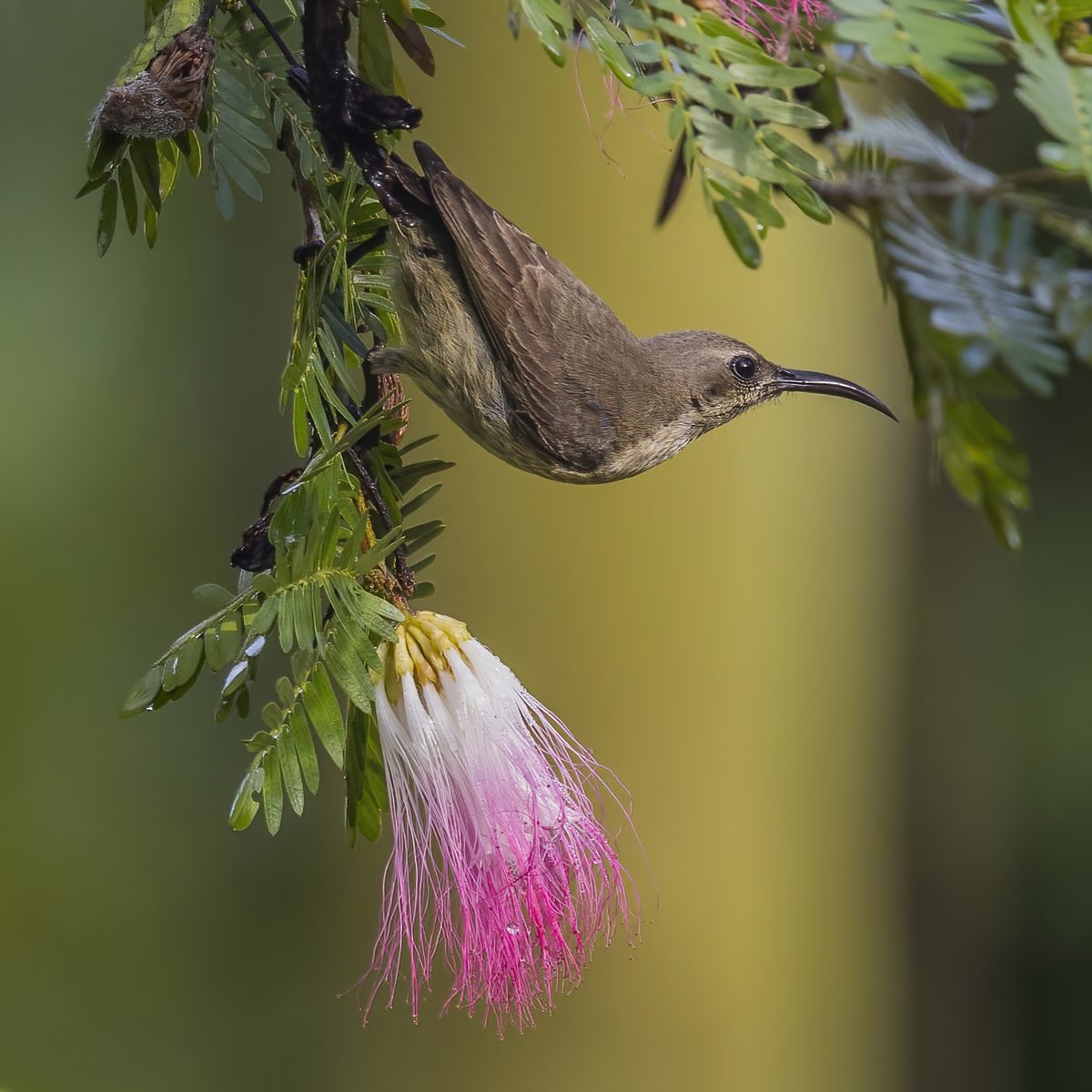
Photo: Wikimedia Commons contributor, CC BY-SA 4.0 via Wikimedia Commons

Quick facts
| Light: | Full sun and part shade (full sun preferred)12 |
|---|---|
| Water: | Dry to medium31 source |
| Soil: | Well drained, moist and occasionally dry; pH 5–824 |
| Hardiness: | Zones 6a–9b11 source |
| Size: | 20–40 ft (6.1–12.2 m) × 20–49.9 ft (6.1–15.2 m)11 source |
| Growth rate: | Rapid1321 |
| Bloom: | Pink and white12 |
| Cats: | Not documented by major sources |
| Dogs: | Toxic to dogs (1 source) 1 |
| Native range: | ASS, BAN, CHC, CHN, CHS, CHT, EHM, IRN, JAP, KOR, MYA, NEP, NNS, TAI, TCS, WHM7 |
| Family: | Fabaceae |
How much light does a Silktree need?
Silktree prefers full sun, which means six or more hours of direct sunlight a day. Part shade is also listed as an acceptable exposure for the tree. The record names both conditions, with full sun marked as the preferred one. The same listing describes silktree as a deciduous tree or shrub.
How often to water a Silktree
Silktree's water range runs from dry to medium. The tree tolerates drought conditions well. It shows a deeper green color and a more lush appearance when it is given adequate moisture. Its soil can be well drained, moist or occasionally dry. A medium water level sits at the upper end of its documented range. No watering schedule is documented for this page.
- Water: Dry to medium3
Best soil for a Silktree
Silktree is listed for well-drained soil. Its drainage range also includes moist soil and soil that is occasionally dry. The tolerated soil pH runs from 5 to 8, which spans acid to alkaline soil. Soil at pH 5 and soil at pH 8 both fall inside the tolerated range, as does everything between them. No cited source here names a soil texture or an amendment.
Hardiness and temperature
Silktree is rated for USDA hardiness zones 6a to 9b. That spans eight listed zone steps: 6a, 6b, 7a, 7b, 8a, 8b, 9a and 9b. No cited source records a minimum temperature for this tree. A humidity preference is not documented either. Gardeners in zone 5 or colder fall outside the listed range, as do those in zone 10 or warmer.
- Hardiness: Zones 6a–9b1
Pruning a Silktree
The pruning listed for silktree is light shaping. The source generally advises pruning when plants are dormant after cold weather. Light pruning can be done at any time. Dormant pruning is the general recommendation, while light pruning is the exception that suits any time. Silktree is deciduous. Heavier cuts are not described in the cited material.
- Pruning: Light shaping5
How to plant a Silktree
Plant silktree in USDA zones 6a to 9b. Plan for a mature height of 20–40 ft (6.1–12.2 m). Leave room for a mature width of 20–50 ft (6.1–15.2 m). Its growth rate is listed as rapid. Give it full sun, with part shade as the alternative. In the lower 48 US states it is introduced.
- Hardiness: Zones 6a–9b1
Winter care
Silktree is hardy in USDA zones 6a to 9b. It is a deciduous tree or shrub. No cited source records a minimum temperature or a frost-protection method. In zone 5 or colder, the tree sits outside its listed range. The pruning guidance applies here: prune when plants are dormant after cold, and light pruning can be done at any time.
- Hardiness: Zones 6a–9b1
How to propagate a Silktree
Propagation for silktree is listed by seed. Silktree seeds are dormant because of a hard seed coat. The seeds must be scarified to germinate. Seed is the only propagation method recorded for this page. No cutting or division method is documented. Dormancy in the seeds is the reason the source gives for scarifying them.
- Propagation: Seed6
Common problems
Silktree is susceptible to mimosa webworm, mites, shot hole borer and cottony cushion scale. The NC State listing also names Armillaria fungus and root rot among its susceptibilities. The diseases listed are fusarium wilt, leaf spot and rust. The Cornell entry describes the Fusarium vascular wilt disease as widespread in the southern US.
| Problem | Kind |
|---|---|
| Mimosa webworm | Pest |
| Mites | Pest |
| Shot hole borer | Pest |
| Cottony cushion scale | Pest |
| Fusarium wilt | Disease |
| Leaf spot | Disease |
| Rust | Disease |
Is Silktree toxic to cats and dogs?
A cited source lists silktree as toxic to dogs. That source describes a neurotoxin that can be toxic when ingested. Toxicity to cats is not documented on this page. No cited source here names the plant parts involved or a severity. Cats and dogs are the only pets this site covers.
Pet-safe alternatives
Recommended supplies
- Soil: a free-draining mix, and a pot with a drainage hole.
Questions and answers
- Is silktree toxic to dogs?
- A cited source lists silktree as toxic to dogs and describes a neurotoxin that can be toxic when ingested. Toxicity to cats is not documented on this page. That is a gap in the record, not a statement either way.
- How much sun does silktree need?
- Silktree prefers full sun, meaning six or more hours of direct sunlight a day. Part shade is also listed as an acceptable exposure. Its water needs run from dry to medium.
- Which zones can grow silktree?
- Silktree is rated for USDA zones 6a to 9b, which covers 6a, 6b, 7a, 7b, 8a, 8b, 9a and 9b. In the lower 48 US states it has introduced status.
Sources
- NC State Extension Gardener Plant Toolbox. https://plants.ces.ncsu.edu/plants/albizia-julibrissin/. Accessed 24 September 2026.
- UF/IFAS Extension (EDIS). https://ask.ifas.ufl.edu/publication/ST068. Accessed 24 September 2026.
- UF/IFAS Extension (EDIS). https://ask.ifas.ufl.edu/st068. Accessed 24 September 2026.
- Cornell University CALS Woody Plants Database. https://woodyplants.cals.cornell.edu/plant/318. Accessed 24 September 2026.
- University of Illinois Extension. https://web.extension.illinois.edu/askextension/thisQuestion.cfm?ThreadID=12715&catID=162&AskSiteID=75. Accessed 28 October 2026.
- USDA Forest Service Fire Effects Information System. https://www.fs.usda.gov/database/feis/plants/tree/albjul/all.html. Accessed 24 September 2026.
- Royal Botanic Gardens, Kew (World Checklist of Vascular Plants). https://sftp.kew.org/pub/data-repositories/WCVP/wcvp.zip. Accessed 4 June 2026.
How this page was made
- Written with AI assistance from the sources listed on this page. AI is never the source of a fact.