European Ash (Fraxinus excelsior)
Formerly Fraxinus nana, Fraxinus heterophylla, Leptalix nana
Grow European ash (Fraxinus excelsior) in full sun. Give it a medium amount of water. It is a tree for zones 5a–8b. The soil should be well drained and moist. A mature tree reaches 70–98.4 ft (21.34–30 m) tall. No pet toxicity record for cats or dogs is on file. Its bloom color is green.
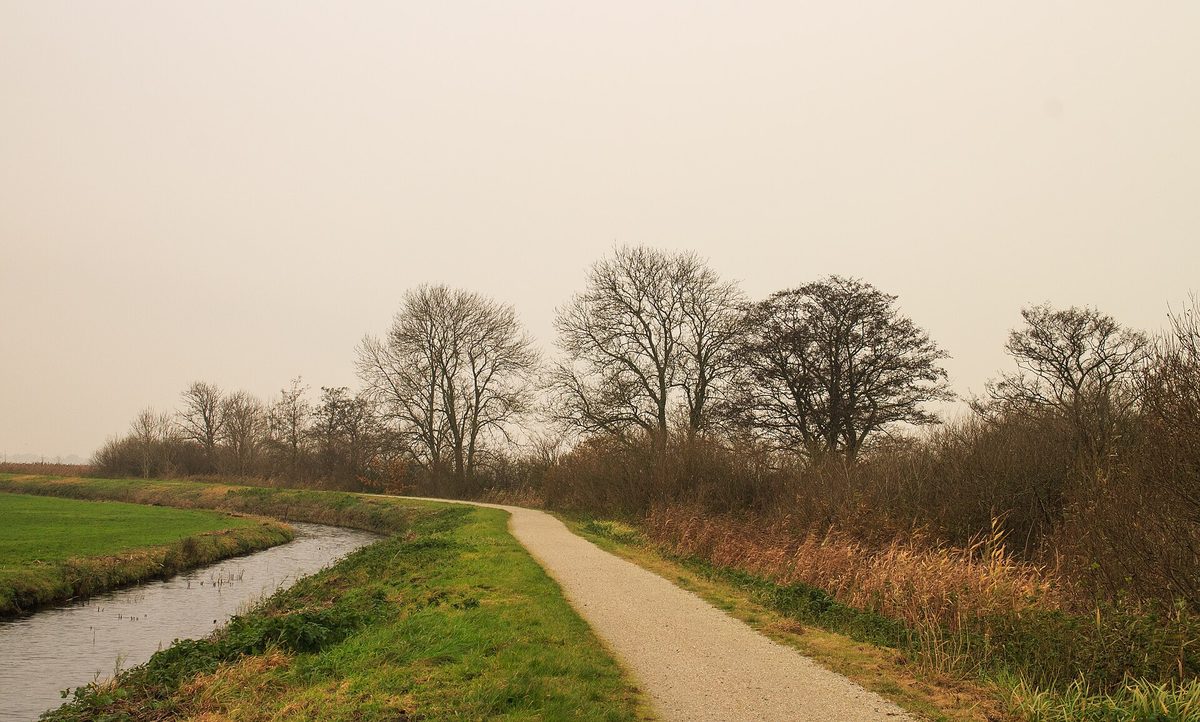
Photo: Dominicus Johannes Bergsma, CC BY-SA 4.0 via Wikimedia Commons

Quick facts
| Light: | Full sun11 source |
|---|---|
| Water: | Medium21 source |
| Soil: | Well drained, moist and occasionally dry11 source |
| Hardiness: | Zones 5a–8b221 source |
| Size: | 70–98.4 ft (21.34–30 m) × 60–90 ft (18.29–27.43 m)14 |
| Growth rate: | Moderate221 source |
| Bloom: | Green51 source |
| Cats: | Not documented by major sources |
| Dogs: | Not documented by major sources |
| Native range: | AUT, BGM, BLR, BLT, BUL, CZE, DEN, EAI, FRA, GER, GRB, GRC, HUN, IRE, IRN, ITA, KRY, LBS, NCS, NET, NOR, POL, ROM, RUC, RUE, RUS, SIC, SPA, SWE, SWI, TCS, TUR, UKR, YUG6 |
| Family: | Oleaceae |
How much light does a European Ash need?
Full sun is the outdoor light that this tree is recorded as needing. Full sun is also the only value listed, and no shade range is given. Choose an open site where the tree can sit in full sun. European ash is a tree, and this light listing is meant for outdoor planting.
- Light: Full sun1
How often to water a European Ash
Medium is the water rating for European ash, at both ends of its range. The soil it suits is well drained, moist and occasionally dry. Occasional periods of dry soil are part of that description. Moist soil is named in the same listing as well-drained soil. Check whether the soil is still moist or has dried out before you water.
- Water: Medium2
Best soil for a European Ash
Drainage is the soil trait on record for this tree: well drained, moist and occasionally dry. The listing names moist and well-drained soil together. It also names occasional periods of dry soil. The water rating for this tree is medium, which sits alongside that soil description. Choose a spot where excess water drains away, because the listing says well drained. A moist, well-drained spot matches the soil record best. No soil pH range is on file, so pH is not documented.
- Soil drainage: Well drained, moist and occasionally dry1
Hardiness and temperature
Zones 5a–8b make up the hardiness range recorded for European ash, a tree. The coldest zone in that range is 5a, and the warmest is 8b. A gardener in zone 4 or colder lives outside the recorded range. Check your own USDA zone against this range before you plant.
How to plant a European Ash
Before planting, check that your site falls within zones 5a–8b. Allow room for a mature height of 70–98.4 ft (21.34–30 m) and a spread of 60–90 ft (18.29–27.43 m). The tree's growth rate is moderate. Pick a site with full sun and well-drained, moist soil. In the contiguous United States, European ash is introduced rather than native.
Winter care
Cold tolerance is recorded as a zone range of 5a to 8b. A tree in zone 8b sits at the warm edge of the range, while zone 5a is the cold edge. Check your local zone before counting on this tree through winter. European ash is a tree, and this zone range is how its cold tolerance is recorded.
Common problems
Emerald ash borer (Agrilus planipennis) is the common pest on record for European ash, a tree that grows in zones 5a–8b. The pest listing for this species contains that one entry and no other. Because only this pest is listed, no other insect is named for the tree.
| Problem | Kind |
|---|---|
| Emerald ash borer | Pest |
| Ash dieback | Disease |
| Bacterial canker | Disease |
Is European Ash toxic to cats and dogs?
Recommended supplies
- Soil: a free-draining mix, and a pot with a drainage hole.
Questions and answers
- How much sun does European ash need?
- European ash is listed for full sun outdoors. Full sun is the only light value on record for it, and no shade range is given. Choose an open site for planting, where the tree can sit in full sun.
- How big does European ash get?
- A mature tree reaches 70–98.4 ft (21.34–30 m) tall. Its spread is 60–90 ft (18.29–27.43 m), so leave plenty of room around it when you plant. The growth rate is moderate.
- Is European ash native to the United States?
- In the contiguous United States, European ash is introduced rather than native. Its listed native range includes Austria, France, Germany, Italy, Spain, Sweden and Turkey.
Sources
- Cornell University CALS Woody Plants Database. https://woodyplants.cals.cornell.edu/plant/99. Accessed 31 October 2026.
- Utah State University Extension (TreeBrowser). https://extension.usu.edu/treebrowser/catalog/ash-european. Accessed 14 October 2026.
- EPPO Global Database. https://gd.eppo.int/taxon/FRXEX/pests. Accessed 14 October 2026.
- Oregon State University Extension Service. https://extension.oregonstate.edu/es/node/190881/printable/print. Accessed 14 October 2026.
- Chicago Botanic Garden. https://www.chicagobotanic.org/plant-information/plant-finder/fraxinus-excelsior-kimberly-blue-european-ash. Accessed 14 October 2026.
- Royal Botanic Gardens, Kew (World Checklist of Vascular Plants). https://sftp.kew.org/pub/data-repositories/WCVP/wcvp.zip. Accessed 4 June 2026.
How this page was made
- Written with AI assistance from the sources listed on this page. AI is never the source of a fact.