Osage-orange (Maclura pomifera)
Formerly Maclura aurantiaca, Toxylon maclura, Ioxylon pomiferum
Osage-orange (Maclura pomifera) is a deciduous tree that does best in full sun and takes medium water. It is listed for USDA zones 4a to 9b and grows at a rapid rate. It has native status in the lower 48 US states. Toxicity for cats and for dogs is not documented on this page.
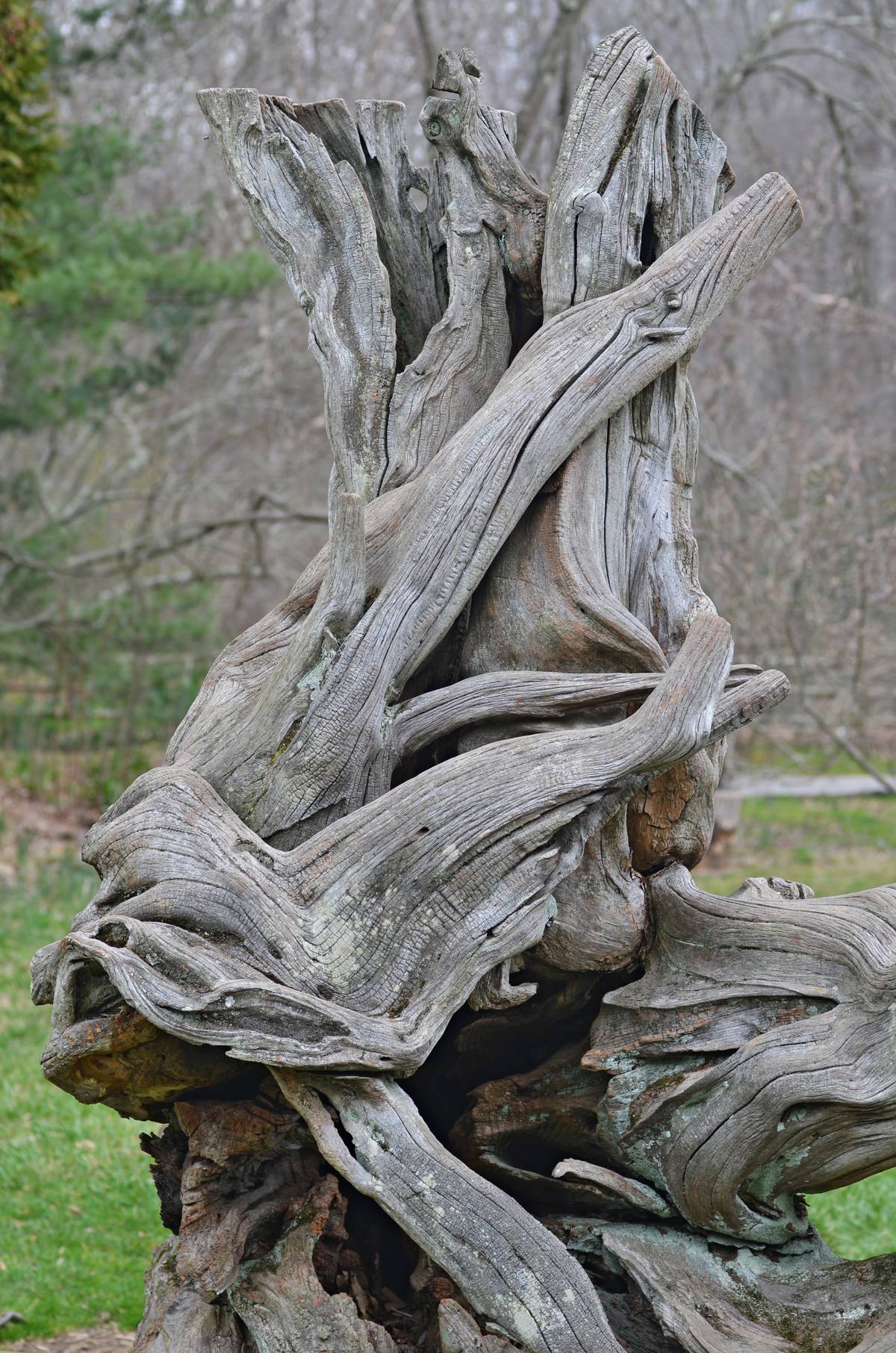
Photo: Photo by and (c)2016 Derek Ramsey (Ram-Man), CC BY-SA 4.0 via Wikimedia Commons

Quick facts
| Light: | Full sun and part shade (full sun preferred)12 |
|---|---|
| Water: | Medium21 source |
| Soil: | Well drained, occasionally dry and occasionally wet; pH 5–831 source |
| Hardiness: | Zones 4a–9b11 source |
| Size: | 29.5 ft (9 m) × 20–40 ft (6.1–12.19 m)431 source |
| Growth rate: | Rapid11 source |
| Bloom: | Apr–Jun, Yellow and green5121 source |
| Cats: | Not documented by major sources |
| Dogs: | Not documented by major sources |
| Native range: | ARK, OKL, TEX6 |
| Family: | Moraceae |
How much light does an Osage-orange need?
Full sun is the preferred exposure, meaning six or more hours of direct sunlight a day. Part shade is also listed as an exposure this tree tolerates, though full sun is marked as the preferred one. A spot with at least six hours of direct sun matches the preferred setting.
How often to water an Osage-orange
A medium amount of water suits this tree. Its soil moisture range runs from occasionally dry to occasionally wet, with well drained soil. The moisture tolerance listing also includes prolonged periods of dry soil and occasionally saturated, very wet soil. Medium is the only water level recorded, with the same value at both the low and high end of the range.
- Water: Medium2
Best soil for an Osage-orange
Soil pH can run from 5 to 8, which spans acid to alkaline conditions. Drainage is listed as well drained, occasionally dry and occasionally wet. The moisture listing also names occasionally saturated or very wet soil, and prolonged periods of dry soil. Consistently moist, well-drained soil is on the same list. No amendment or soil test is recorded for this page, so only the pH and drainage ranges are stated.
Hardiness and temperature
Hardiness zones 4a through 9b are listed for this tree. That is twelve zone subdivisions: 4a, 4b, 5a, 5b, 6a, 6b, 7a, 7b, 8a, 8b, 9a and 9b. Zone 4a is the cold end of that range and 9b is the warm end. No cited source records a minimum temperature, so no figure in degrees is given here. Humidity is not documented either.
- Hardiness: Zones 4a–9b1
How to plant an Osage-orange
Check your USDA zone first, because this tree is listed for zones 4a to 9b. Its mature spread is listed as 20 to 40 ft (6.1 to 12.19 m). Mature height averages about 30 ft (9 m). Full sun is preferred, and part shade is also listed. The recorded soil pH range is 5 to 8. The growth rate is rapid. No planting date or frost timing is recorded for this page.
- Hardiness: Zones 4a–9b1
Winter care
Deciduous is the recorded leaf habit for this tree. Its listed hardiness zones are 4a to 9b. Zones colder than 4a and warmer than 9b fall outside that listed range. No cited source records a minimum temperature, so no cold limit in degrees is given here. Winter protection, mulching and wrapping are not documented for this page.
- Hardiness: Zones 4a–9b1
How to propagate an Osage-orange
Propagation is recorded by seed only. The listed seed treatments are soaking in water for 2 days or stratifying in sand or peat for 30 days. The two treatments are given as alternatives. Growing from seed is the route this page covers. Cuttings and other methods are not recorded here.
- Propagation: Seed4
Is Osage-orange toxic to cats and dogs?
Recommended supplies
- Soil: a free-draining mix, and a pot with a drainage hole.
Questions and answers
- How much sun does Osage-orange need?
- Full sun is preferred, meaning six or more hours of direct sunlight a day. Part shade is also listed as an exposure this tree tolerates. Both exposures are recorded for planting this tree outdoors.
- What soil pH does Osage-orange accept?
- The recorded pH range is 5 to 8, from acid to alkaline soil. Drainage is listed as well drained, occasionally dry and occasionally wet. Prolonged dry periods are also included in its moisture tolerance listing.
- Which USDA zones suit Osage-orange?
- It is listed for USDA zones 4a to 9b. It is a deciduous tree with a rapid growth rate, and it is native to the lower 48 US states. Mature height averages about 30 ft (9 m), and spread is listed as 20 to 40 ft (6.1 to 12.19 m).
Sources
- NC State Extension Gardener Plant Toolbox. https://plants.ces.ncsu.edu/plants/maclura-pomifera/. Accessed 24 September 2026.
- Lady Bird Johnson Wildflower Center. https://www.wildflower.org/plants/result.php?id_plant=MAPO. Accessed 24 September 2026.
- Cornell University CALS Woody Plants Database. https://woodyplants.cals.cornell.edu/plant/143. Accessed 31 October 2026.
- USDA Forest Service Fire Effects Information System. https://www.fs.usda.gov/database/feis/plants/tree/macpom/all.html. Accessed 24 September 2026.
- Lady Bird Johnson Wildflower Center (Native Plant Database). https://www.wildflower.org/plants/result.php?id_plant=mapo. Accessed 27 October 2026.
- Royal Botanic Gardens, Kew (World Checklist of Vascular Plants). https://sftp.kew.org/pub/data-repositories/WCVP/wcvp.zip. Accessed 4 June 2026.
How this page was made
- Written with AI assistance from the sources listed on this page. AI is never the source of a fact.