Panicled Hydrangea (Hydrangea paniculata)
Formerly Heteromalla paniculata, Hydrangea kamienskii, Hydrangea schindleri
Give panicled hydrangea full sun or part shade, with full sun preferred. Its water range runs from dry to medium. It is a deciduous shrub or small tree hardy in zones 3a to 8b. It is recorded as toxic to both cats and dogs, because all parts contain cyanide-containing compounds.
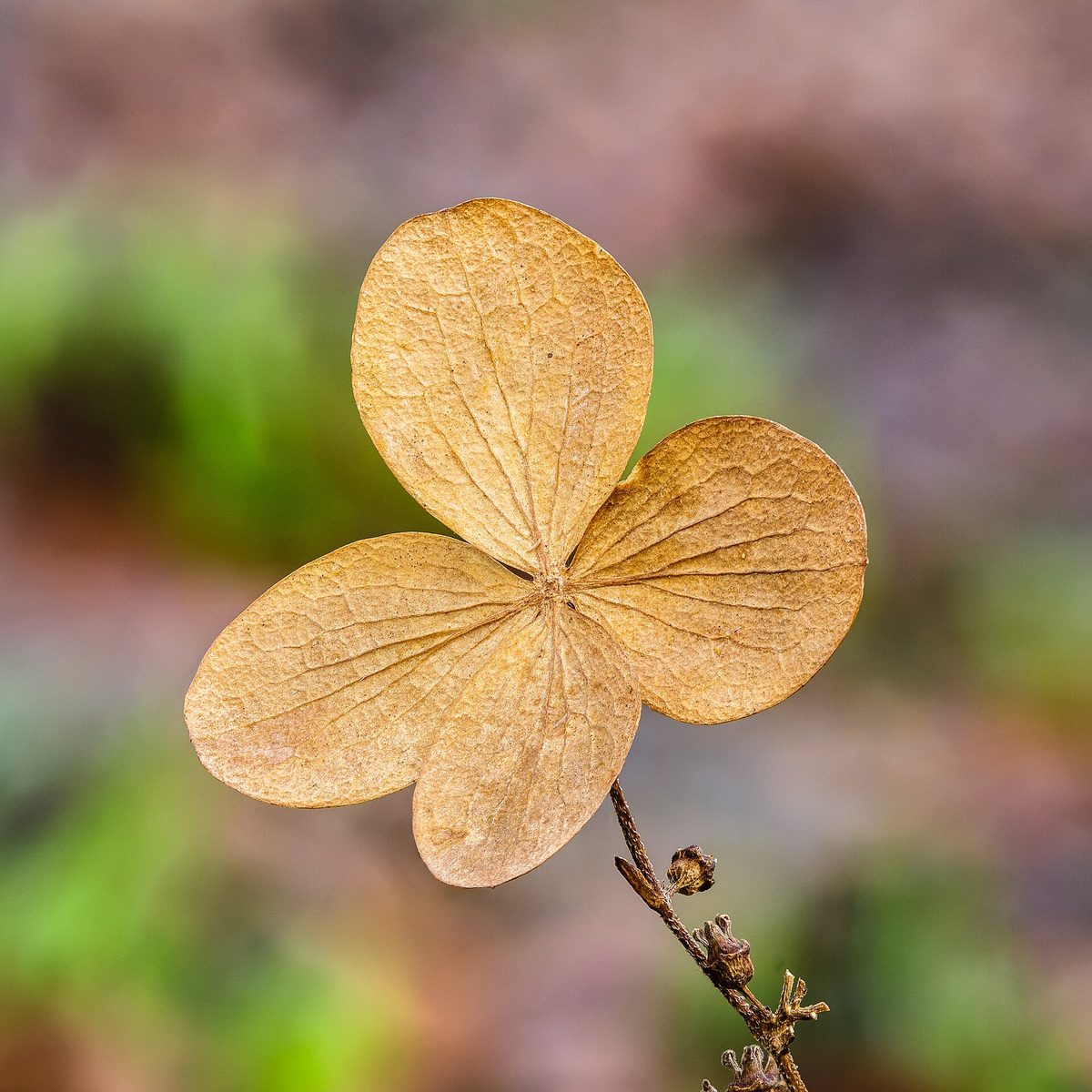
Photo: Agnes Monkelbaan, CC BY-SA 4.0 via Wikimedia Commons

Quick facts
| Light: | Full sun and part shade (full sun preferred)11 source |
|---|---|
| Water: | Dry to medium21 source |
| Soil: | Well drained, moist, occasionally wet and occasionally dry; pH 5–821 source |
| Hardiness: | Zones 3a–8b31 source |
| Size: | Sources differ: University of Wisconsin-Madison Division of Extension (Wisconsin Horticulture) × 10–20 ft (3.05–6.1 m)673Sources differ |
| Growth rate: | Rapid3331 source |
| Bloom: | Aug–Sep, White, pink and brown731 source |
| Cats: | Toxic to cats (1 source) 5 |
| Dogs: | Toxic to dogs (1 source) 5 |
| Native range: | CHC, CHN, CHS, JAP, KUR, SAK, TAI8 |
| Family: | Hydrangeaceae |
How much light does a Panicled Hydrangea need?
Panicled hydrangea grows in full sun or part shade, and full sun is the preferred exposure. Panicle hydrangeas tolerate more sun than other hydrangea species. They also thrive in morning sun with afternoon shade. That pattern fits the part shade the plant is listed to take.
- Light: Full sun and part shade (full sun preferred)1
How often to water a Panicled Hydrangea
The water range listed for panicled hydrangea runs from dry at the low end to medium at the high end. Consistently moist, well-drained soil suits it, and occasional periods of dry soil are tolerated. Soil that is occasionally wet also falls within the drainage conditions listed for this shrub.
- Water: Dry to medium2
Best soil for a Panicled Hydrangea
Soil for this shrub can be well drained, moist, occasionally wet or occasionally dry. It tolerates acid to alkaline soil, with a pH range of 5 to 8. Moist, well-drained soil with occasional periods of dry soil is the pattern described. A pH of 5.0 is acid and a pH of 8.0 is alkaline, and the plant tolerates both ends of the range.
Hardiness and temperature
Zones 3a through 8b are listed for panicled hydrangea on the USDA hardiness map. That covers every half-step from 3a, 3b, 4a and 4b up through 8a and 8b. Zone 3a is the coldest end of the range, and 8b is the warmest. No cited source records a minimum temperature or a humidity preference for this plant.
- Hardiness: Zones 3a–8b3
Pruning a Panicled Hydrangea
This shrub can be cut to the ground in late winter or very early spring, which is the renewal timing recorded for it. The pruning type recorded for panicled hydrangea is hard renewal. Panicled hydrangea is a deciduous shrub or small tree, and the cut-to-the-ground option applies to it.
- Pruning: Hard renewal pruning (Jan–Mar)4
How to plant a Panicled Hydrangea
Plant it in USDA zones 3a to 8b, the range listed for panicled hydrangea. Allow for a mature spread of 10 to 20 ft (3.05 to 6.1 m). Choose a spot with full sun, which is preferred, or part shade. It has a rapid growth rate and is deciduous. Soil can be well drained or moist, with a pH from 5 to 8.
- Hardiness: Zones 3a–8b3
Winter care
Winter hardiness is listed as zones 3a to 8b. The plant is deciduous. Late winter to very early spring is when it can be cut to the ground. Zone 3a is the coldest zone listed, and 8b is the warmest. No cited source records a minimum temperature for it.
- Hardiness: Zones 3a–8b3
Care calendar
| Task | Jan | Feb | Mar | Apr | May | Jun | Jul | Aug | Sep | Oct | Nov | Dec |
|---|---|---|---|---|---|---|---|---|---|---|---|---|
| Prune | Prune in Jan | Prune in Feb | Prune in Mar | |||||||||
| Bloom | Bloom in Aug | Bloom in Sep |
How to propagate a Panicled Hydrangea
You can propagate panicled hydrangea by seed or by stem cutting. Those are the two methods recorded for it. The plant itself is a deciduous shrub or small tree with a rapid growth rate. A mature plant is listed at 10 to 20 ft (3.05 to 6.1 m) wide.
- Propagation: Seed and stem cuttings3
Common problems
Pests recorded for panicled hydrangea are aphids, scales, nematodes and mites, which may be seen but are rarely a problem. Recorded diseases include powdery mildew, leaf spot, rust, mildew, bud blight and bacterial wilt. Of the two lists, diseases name six problems and pests name four.
| Problem | Kind |
|---|---|
| Aphids | Pest |
| Scales | Pest |
| Nematodes | Pest |
| Mites | Pest |
| Powdery mildew | Disease |
| Leaf spot | Disease |
| Rust | Disease |
| Mildew | Disease |
| Bud blight | Disease |
| Bacterial wilt | Disease |
Is Panicled Hydrangea toxic to cats and dogs?
For cats, the position on panicled hydrangea is recorded as toxic. For dogs, it is also recorded as toxic. The cited Pet Poison Helpline entry for hydrangea says that all parts of the plant contain cyanide-containing compounds. That wording leaves no part out, so the whole plant is covered. This site covers cats and dogs for pet toxicity, and the record marks both of them as toxic for this plant.
Pet-safe alternatives
Recommended supplies
- Soil: a free-draining mix, and a pot with a drainage hole.
Questions and answers
- Does panicled hydrangea need full sun?
- Full sun is preferred, but part shade is also listed. Panicle hydrangeas tolerate more sun than other hydrangea species and thrive in morning sun and afternoon shade.
- Is panicled hydrangea toxic to cats and dogs?
- Panicled hydrangea is recorded as toxic to cats and to dogs. The Pet Poison Helpline says all parts of the hydrangea plant contain cyanide-containing compounds.
- Can you cut panicled hydrangea back hard?
- It can be cut to the ground in late winter or very early spring. That is the hard renewal pruning type recorded for it.
Sources
- Clemson Cooperative Extension Home & Garden Information Center. https://hgic.clemson.edu/in-the-limelight-hydrangea-paniculata/. Accessed 14 October 2026.
- Cornell CALS Woody Plants Database. https://woodyplants.cals.cornell.edu/plant/478. Accessed 30 October 2026.
- NC State Extension Gardener Plant Toolbox. https://plants.ces.ncsu.edu/plants/hydrangea-paniculata/. Accessed 14 October 2026.
- Penn State Extension. https://extension.psu.edu/when-to-prune-which-hydrangea-species. Accessed 14 October 2026.
- Pet Poison Helpline. https://www.petpoisonhelpline.com/poison/hydrangea/. Accessed 14 October 2026.
- Clemson Cooperative Extension Home & Garden Information Center. https://hgic.clemson.edu/hydrangea-hysteria/. Accessed 14 October 2026.
- University of Wisconsin-Madison Division of Extension (Wisconsin Horticulture). https://hort.extension.wisc.edu/articles/summer-flowering-trees-shrubs-and-vines/. Accessed 14 October 2026.
- Royal Botanic Gardens, Kew (World Checklist of Vascular Plants). https://sftp.kew.org/pub/data-repositories/WCVP/wcvp.zip. Accessed 4 June 2026.
How this page was made
- Written with AI assistance from the sources listed on this page. AI is never the source of a fact.