White Poplar (Populus alba)
Formerly Populus nivea, Populus hickeliana, Populus subintegerrima
Full sun is the light this tree prefers. Its water range runs from dry to medium. It is deciduous and grows at a rapid rate. Mature height is 50–75 ft (15.24–22.86 m). It is rated for zones 3a–9b. Soil can range from pH 5 to 8. Toxicity to cats and dogs is not documented here.
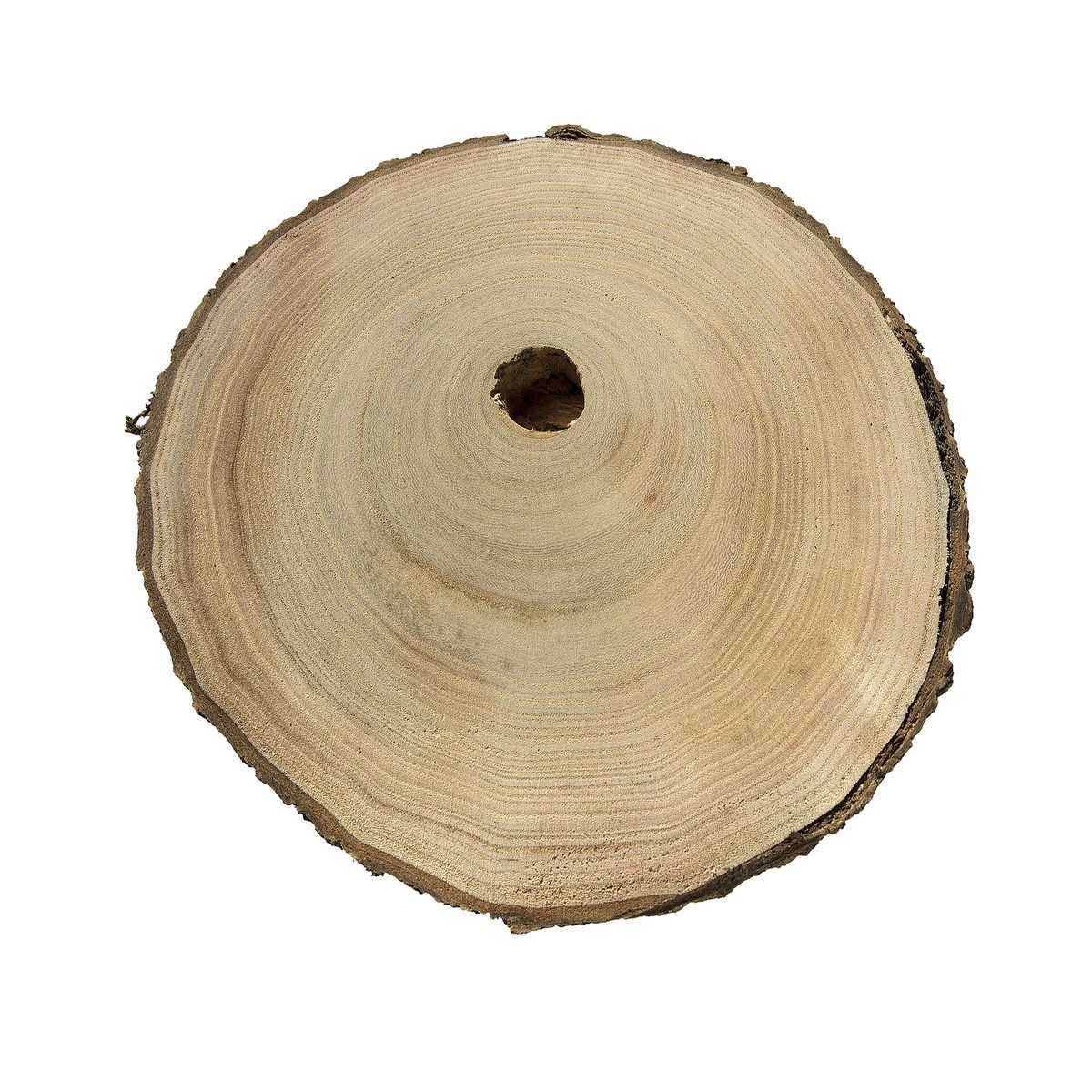
Photo: Roger Culos, CC BY-SA 4.0 via Wikimedia Commons

Quick facts
| Light: | Full sun12 |
|---|---|
| Water: | Dry to medium11 source |
| Soil: | Well drained, moist, occasionally dry and occasionally wet; pH 5–812 |
| Hardiness: | Zones 3a–9b11 source |
| Size: | 50–75 ft (15.24–22.86 m) × 40–70 ft (12.19–21.34 m)121 source |
| Growth rate: | Rapid14 |
| Bloom: | Green and red11 source |
| Cats: | Not documented by major sources |
| Dogs: | Not documented by major sources |
| Native range: | AFG, ALB, ALG, ALT, AUT, BUL, CHX, COR, CZE, EAI, FRA, GER, GRC, HUN, IRN, ITA, KAZ, KRI, LBS, LBY, MOR, NCS, PAK, POL, POR, ROM, RUC, RUE, RUS, SAR, SIC, SPA, SWI, TCS, TKM, TUN, TUR, TZK, UKR, UZB, WHM, WSB, YUG5 |
| Family: | Salicaceae |
How much light does a White Poplar need?
Plant white poplar where it gets full sun, defined as 6 or more hours of direct sunlight a day. Full sun is the only light level recorded as a preference for this species. The NC State Extension description pairs full sun with average, consistently moist, well-drained soil.
How often to water a White Poplar
Its recorded water range runs from dry at the low end to medium at the high end. The extension description calls for average, consistently moist, well-drained soil. Soil drainage is recorded as well drained, moist, occasionally dry and occasionally wet. The Cornell listing describes consistently moist, well-drained soil.
- Water: Dry to medium1
Best soil for a White Poplar
This tree tolerates acid to alkaline soil, from pH 5 to 8. Drainage is recorded as good, and Cornell describes consistently moist, well-drained soil. The full list of drainage conditions is well drained, moist, occasionally dry and occasionally wet. The extension description names average, consistently moist, well-drained soils. At the wide end, pH 8 sits in the alkaline range and pH 5 in the acid range.
Hardiness and temperature
Hardiness for this tree is listed as zones 3a–9b. The listing gives half-zone steps. The steps are 3a, 3b, 4a, 4b, 5a, 5b, 6a, 6b, 7a, 7b, 8a, 8b, 9a and 9b. That is fourteen steps in all. The lowest zone listed is 3a. The highest zone listed is 9b. No cited source records a minimum temperature or a humidity need for this tree.
- Hardiness: Zones 3a–9b1
How to plant a White Poplar
The listed zone range for this tree is 3a–9b. Allow room for a tree that reaches 50–75 ft (15.24–22.86 m) tall. The site should give full sun and good drainage. Soil pH from 5 to 8 is tolerated. In the lower 48 states, its native status is introduced. The NC State Extension lists its growth rate as rapid.
- Hardiness: Zones 3a–9b1
Winter care
This tree is deciduous, and the extension entry calls it an aggressive, fast growing tree in the willow family. Cold-hardiness is listed from zone 3a to zone 9b. Zone 3a is the coldest zone listed. Zone 9b is the warmest zone listed. Both ends of the listing are given as half-zone values.
- Hardiness: Zones 3a–9b1
How to propagate a White Poplar
Propagation methods recorded for this tree are seed and stem cuttings. Seed is the first method listed. Stem cuttings are the second. A laboratory result is on record for seed: soaking reduced the germination of white poplar seeds. Whichever method you use, the finished tree is rated for full sun and zones 3a–9b.
- Propagation: Seed and stem cuttings3
Common problems
Borers, aphids, caterpillars and scale insects are the pests recorded for white poplar. The diseases listed are dieback, canker, leaf spot, rust and powdery mildew. The extension entry describes the tree as susceptible to every item in both lists. Nine problems are recorded in all, five diseases and four pests.
| Problem | Kind |
|---|---|
| Borers | Pest |
| Aphids | Pest |
| Caterpillars | Pest |
| Scale insects | Pest |
| Dieback | Disease |
| Canker | Disease |
| Leaf spot | Disease |
| Rust | Disease |
| Powdery mildew | Disease |
Is White Poplar toxic to cats and dogs?
Recommended supplies
- Soil: a free-draining mix, and a pot with a drainage hole.
Questions and answers
- How much sun does white poplar need?
- White poplar prefers full sun, which is 6 or more hours of direct sunlight a day. Full sun is the only light level recorded for it. The extension description pairs it with average, consistently moist, well-drained soil.
- How tall does white poplar grow?
- Mature height is listed as 50–75 ft (15.24–22.86 m). The extension entry gives its growth rate as rapid. It is a deciduous tree. In the lower 48 states its native status is introduced.
- What soil pH does white poplar tolerate?
- It tolerates acid to alkaline soil, from pH 5 to 8. Drainage is recorded as well drained, moist, occasionally dry and occasionally wet. Good drainage is the NC State Extension entry.
Sources
- NC State Extension. https://plants.ces.ncsu.edu/plants/populus-alba/. Accessed 21 October 2026.
- Cornell University CALS Woody Plants Database. https://woodyplants.cals.cornell.edu/plant/187. Accessed 21 October 2026.
- USDA Forest Service Fire Effects Information System. https://www.fs.usda.gov/database/feis/plants/tree/popspp/all.html. Accessed 1 November 2026.
- Utah State University Extension. https://extension.usu.edu/forestry/tree-identification/poplar-aspen/white-poplar. Accessed 14 October 2026.
- Royal Botanic Gardens, Kew (World Checklist of Vascular Plants). https://sftp.kew.org/pub/data-repositories/WCVP/wcvp.zip. Accessed 4 June 2026.
How this page was made
- Written with AI assistance from the sources listed on this page. AI is never the source of a fact.