Luckynut (Cascabela thevetia)
Formerly Thevetia peruviana, Cerbera thevetia, Cerbera peruviana
Luckynut grows best outdoors in full sun to part shade, in well-drained soil with a pH between 6 and 8, and it is hardy in USDA zones 8a to 10b. It grows at a moderate rate to about 4-8 ft (1.22-2.44 m) tall and 4-5 ft (1.22-1.52 m) wide. It is toxic to both cats and dogs, so keep it out of reach of pets.
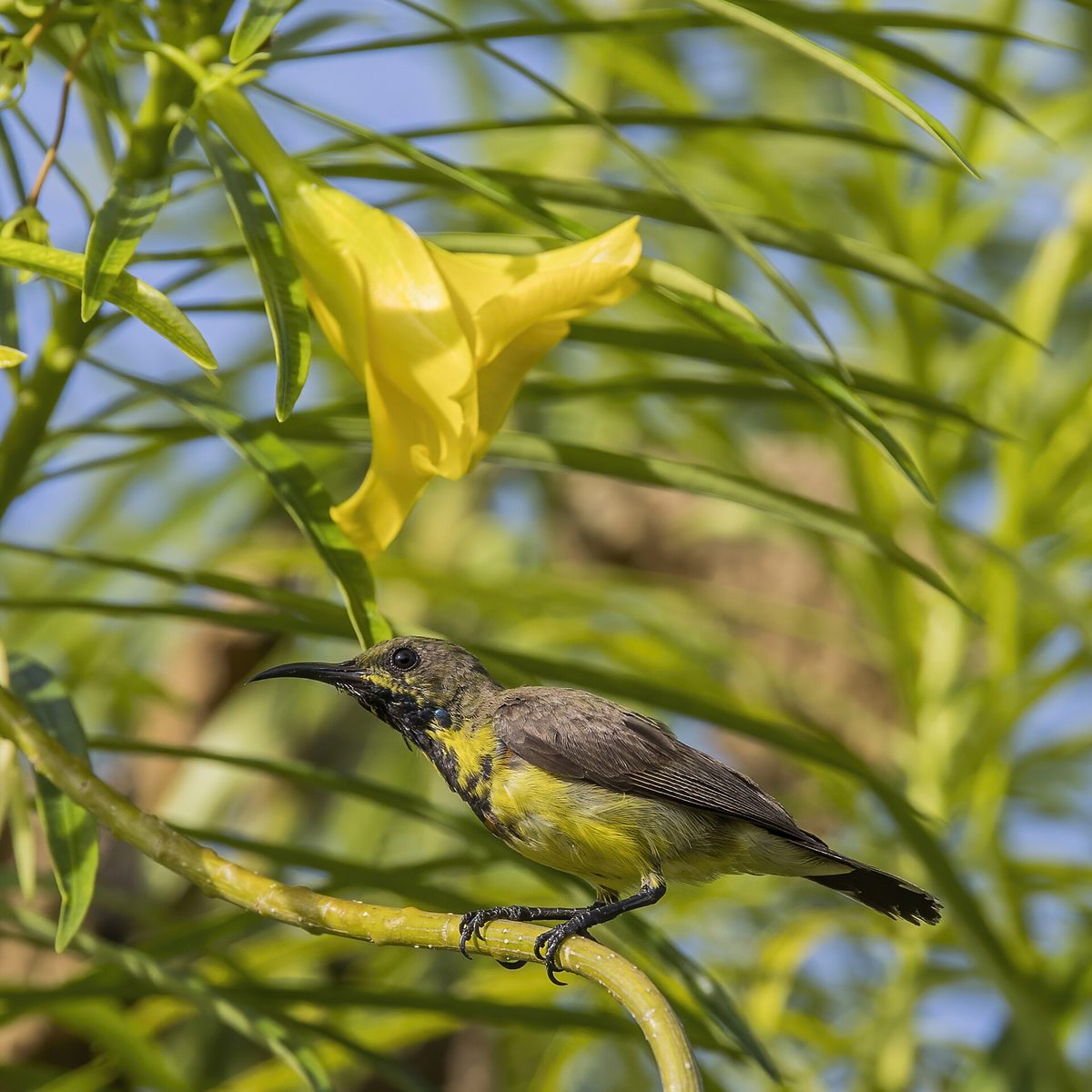
Photo: Wikimedia Commons contributor, CC BY-SA 4.0 via Wikimedia Commons

Quick facts
| Soil: | Well drained; pH 6–811 source |
|---|---|
| Size: | 4–8 ft (1.22–2.44 m) × 4–5 ft (1.22–1.52 m)11 source |
| Growth rate: | Moderate11 source |
| Bloom: | Yellow and orange11 source |
| Cats: | Toxic to cats (1 source) 2 |
| Dogs: | Toxic to dogs (1 source) 2 |
| Family: | Apocynaceae |
Best soil for a Luckynut
Luckynut needs soil with good drainage, and if you grow it in a container, use a fertile potting mix that drains well too. In the ground, it does best in rich, sandy garden soil, but it also tolerates average soil with medium moisture. The soil pH range documented for luckynut is 6 to 8, which spans neutral to alkaline conditions.
Pruning a Luckynut
Luckynut tolerates light pruning to shape it, and the best time to do this is after flowering ends, from late summer into fall. This light shaping is the only pruning documented for luckynut; no other pruning method is recorded for the species. Its flowers are yellow and orange, and they appear before the late-summer to fall period when pruning works best.
- Pruning: Light shaping1
How to propagate a Luckynut
Luckynut can be propagated by taking stem cuttings, and the cuttings are taken in late summer. That makes late summer the time to take cuttings if you want to start new luckynut plants this way. Stem cuttings are the only method documented for propagating this species.
- Propagation: Stem cuttings1
Common problems
The pest problems documented for luckynut are minor and limited to mealybugs, scale and aphids. Leaf spot is the disease recorded for this plant, showing up on the leaves. If you see leaf spot, remove the affected leaves from the plant.
| Problem | Kind |
|---|---|
| Mealybugs | Pest |
| Scale insects | Pest |
| Aphids | Pest |
| Leaf spot | Disease |
Is Luckynut toxic to cats and dogs?
The ASPCA's Animal Poison Control Center lists luckynut as toxic to cats. The same ASPCA listing also records luckynut as toxic to dogs, so the risk applies to both common household pets. Because of this listed toxicity, it is best to keep luckynut out of reach of cats and dogs, whether you grow it indoors in a pot or outdoors in the yard or garden.
Pet-safe alternatives
Recommended supplies
- Soil: a free-draining mix, and a pot with a drainage hole.
Questions and answers
- Is luckynut toxic to cats and dogs?
- Yes, the ASPCA's Animal Poison Control Center names luckynut as toxic to both cats and dogs. Keep it out of reach of pets in the home and yard.
- What pests and diseases affect luckynut?
- Luckynut can have minor problems with mealybugs, scale and aphids, and it can develop leaf spot on its leaves. If leaf spot appears, remove the affected leaves from the plant.
- How do you propagate a luckynut plant?
- Luckynut is propagated from stem cuttings, and these cuttings are taken in late summer. This is the only propagation method documented for the species.
Sources
- NC State Extension Gardener Plant Toolbox. https://plants.ces.ncsu.edu/plants/cascabela-thevetia/. Accessed 15 November 2026.
- ASPCA Animal Poison Control Center. https://www.aspca.org/pet-care/aspca-poison-control/toxic-and-non-toxic-plants/yellow-oleander. Accessed 15 November 2026.
How this page was made
- Written with AI assistance from the sources listed on this page. AI is never the source of a fact.