Lilac Chastetree (Vitex agnus-castus)
Formerly Agnus-castus vulgaris, Vitex agnus, Vitex hybrida
Give lilac chastetree full sun, with part shade as an accepted option. Its water need runs from dry to medium. Keep it out of wet soil. It is hardy in USDA zones 7a to 8b. It can reach 8–20 ft (2.44–6.1 m) tall. The flowers come in pink, purple, white and blue. Toxicity to cats and dogs is not documented on this page.
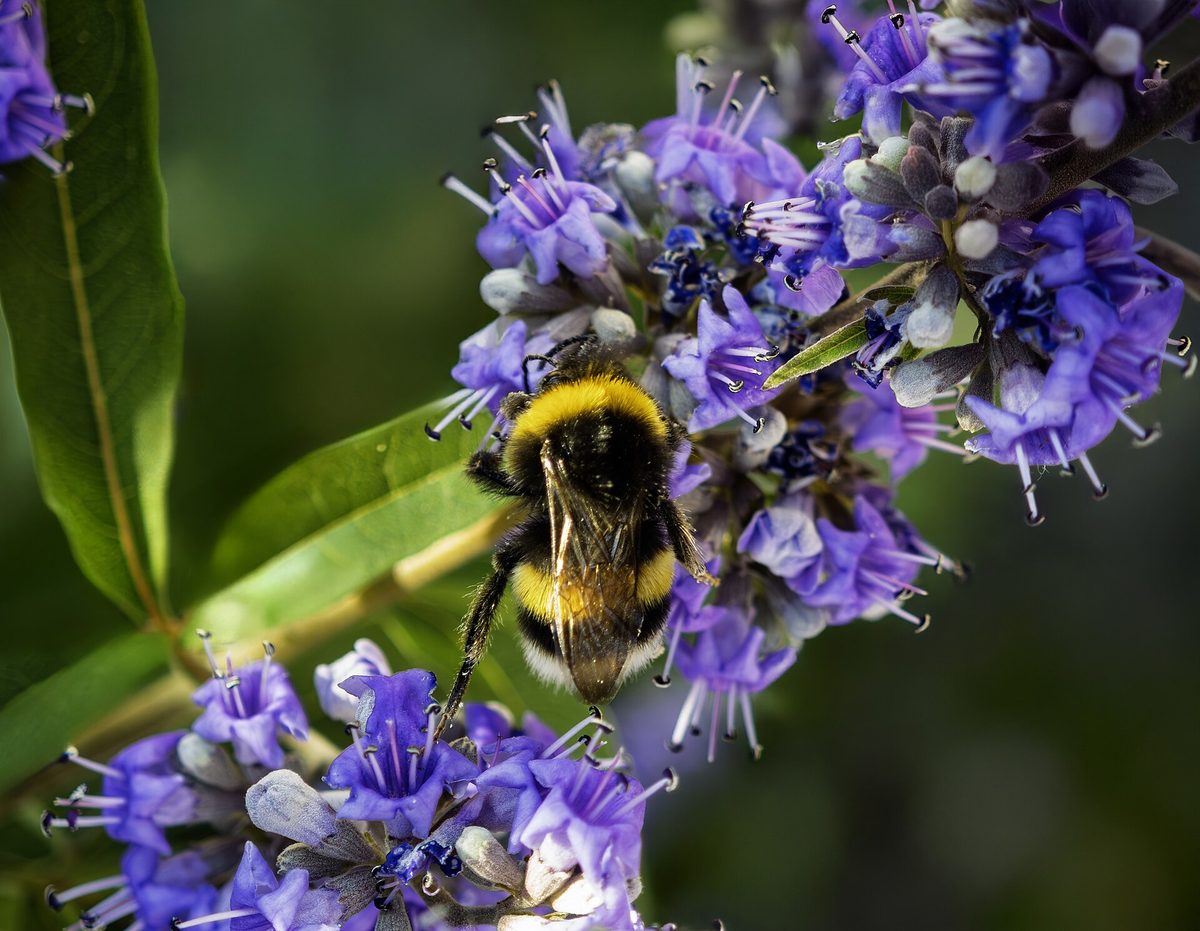
Photo: Didier Descouens, CC BY-SA 4.0 via Wikimedia Commons

Quick facts
| Light: | Full sun and part shade (full sun preferred)123 |
|---|---|
| Water: | Dry to medium21 source |
| Soil: | Well drained, moist and occasionally dry124 |
| Hardiness: | Zones 7a–8b11 source |
| Size: | 8–20 ft (2.44–6.1 m) × 5–20 ft (1.52–6.1 m)11 source |
| Growth rate: | Rapid131 |
| Bloom: | Jun–Sep, Pink, purple, white and blue411 source |
| Cats: | Not documented by major sources |
| Dogs: | Not documented by major sources |
| Native range: | AFG, ALB, ALG, BAL, BUL, COR, CYP, EAI, EGY, FRA, GRC, GST, IND, IRN, IRQ, ITA, KRI, KRY, LBS, LBY, MOR, NCS, PAK, PAL, SAR, SIC, SPA, TCS, TKM, TUE, TUN, TUR, TZK, YUG5 |
| Family: | Lamiaceae |
How much light does a Lilac Chastetree need?
Plant lilac chastetree in full sun, which means six or more hours of direct sunlight a day. Full sun is the preferred exposure for this shrub or tree. Part shade is also listed as a condition it grows in. The University of Florida source names full sun or light shade for it.
How often to water a Lilac Chastetree
The water need for lilac chastetree runs from dry to medium. The University of Florida source says it prefers soil that is moist or on the dry side, not wet. Wet soil is the condition to avoid. Soil that is not well drained or remains wet can lead to root rot and dieback.
- Water: Dry to medium2
Best soil for a Lilac Chastetree
Lilac chastetree prefers a loose, well-drained soil that is moist or on the dry side. Its drainage is listed as well drained, moist and occasionally dry. Good drainage is the listing from the NC State source. Soil that is not well drained or remains wet can lead to root rot and dieback. The water need for this plant runs from dry to medium. Moist and occasionally dry are both accepted soil conditions. No cited source records a preferred soil pH, so that value is not documented.
Hardiness and temperature
Lilac chastetree is hardy in USDA zones 7a to 8b. The NC State source says chaste tree is hardy in zones 7 to 8. If you garden in a zone colder than 7a, your site falls outside the listed hardy range. Within that range, the plant is listed as growing in well drained soil.
- Hardiness: Zones 7a–8b1
How to plant a Lilac Chastetree
Choose a spot in USDA zones 7a to 8b, the range listed as hardy for lilac chastetree. Allow for a mature spread of 5–20 ft (1.52–6.1 m). The height at maturity is 8–20 ft (2.44–6.1 m). Pick a sunny site with well-drained soil, because it prefers full sun and soil that is not wet. Growth is rapid, adding up to 24 in (61 cm) a year in height. Its native status in the lower 48 states and Puerto Rico is introduced.
- Hardiness: Zones 7a–8b1
Winter care
Hardiness for lilac chastetree is listed as USDA zones 7a to 8b. The NC State source says chaste tree is hardy in zones 7 to 8. In a zone colder than 7a, your site falls outside the listed hardy range. The soil drainage listing for this plant is well drained, moist and occasionally dry.
- Hardiness: Zones 7a–8b1
How to propagate a Lilac Chastetree
You can propagate lilac chastetree from seed or from stem cuttings. The stem cuttings named for it are softwood cuttings. Seed is the other method listed for this shrub or tree. Both methods are recorded for the species, and no other method is listed.
Common problems
Thrips can cause damage to lilac chastetree. Thrips are the pest on file for this plant. Root rot and leaf spot are the diseases listed for it. Leaf spot can almost defoliate the tree. Root rot and dieback can affect plants in soil that is not well drained or remains wet.
| Problem | Kind |
|---|---|
| Thrips | Pest |
| Root rot | Disease |
| Leaf spot | Disease |
Is Lilac Chastetree toxic to cats and dogs?
Recommended supplies
- Soil: a free-draining mix, and a pot with a drainage hole.
Questions and answers
- How much sun does lilac chastetree need?
- It prefers full sun, which means six or more hours of direct sunlight a day. Part shade is also listed as a condition it grows in. Light shade is named as acceptable too.
- Which USDA zones suit lilac chastetree?
- It is listed as hardy in USDA zones 7a to 8b. The NC State source says zones 7 to 8. Its mature height is 8–20 ft (2.44–6.1 m), so check your available space.
- When does lilac chastetree bloom, and what color are the flowers?
- The Clemson source says it begins to bloom in June and continues until September. The flower colors listed are pink, purple, white and blue. The NC State source describes the flower clusters as fragrant.
Sources
- NC State Extension Gardener Plant Toolbox. https://plants.ces.ncsu.edu/plants/vitex-agnus-castus/. Accessed 14 October 2026.
- University of Florida IFAS Extension (EDIS). https://ask.ifas.ufl.edu/publication/ST667. Accessed 14 October 2026.
- University of Florida IFAS Extension (EDIS). https://ask.ifas.ufl.edu/publication/ST666. Accessed 14 October 2026.
- Clemson Cooperative Extension HGIC. https://hgic.clemson.edu/factsheet/chastetree/. Accessed 14 October 2026.
- Royal Botanic Gardens, Kew (World Checklist of Vascular Plants). https://sftp.kew.org/pub/data-repositories/WCVP/wcvp.zip. Accessed 4 June 2026.
How this page was made
- Written with AI assistance from the sources listed on this page. AI is never the source of a fact.