Chinese Pear (Pyrus pyrifolia)
Formerly Pyrus autumnalis, Pyrus serotina, Pyrus lasiogyna
Give Chinese pear (Pyrus pyrifolia) full sun, with part shade also listed, and plant it in well-drained soil. This deciduous tree is hardy in zones 5a–8b. Watering needs are not documented on this page. Toxicity to cats and dogs is also not documented here.
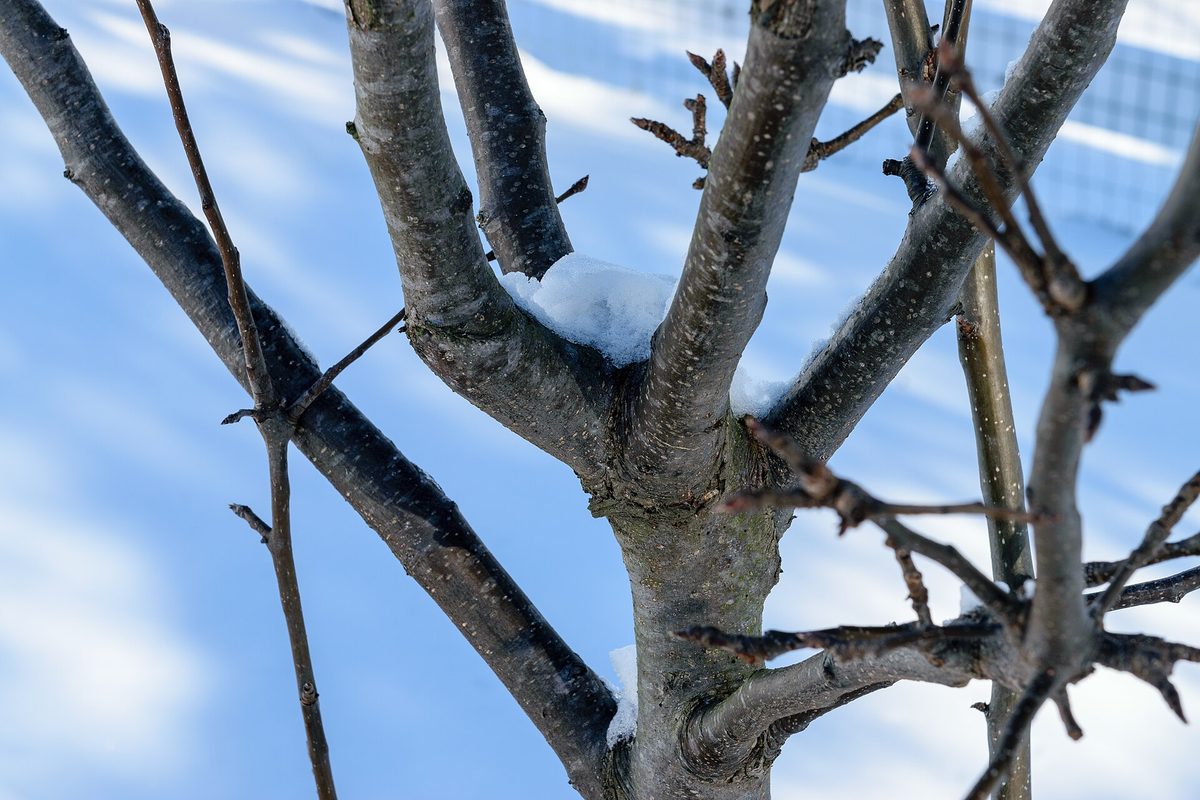
Photo: PumpkinSky, CC BY-SA 3.0 via Wikimedia Commons

Quick facts
| Light: | Full sun and part shade (full sun preferred)11 source |
|---|---|
| Soil: | Well drained; pH 5.9–6.512 |
| Hardiness: | Zones 5a–8b11 source |
| Size: | 20–40 ft (6.1–12.2 m) × 16.1–40 ft (4.9–12.2 m)11 source |
| Growth rate: | Rapid11 source |
| Bloom: | Apr–May, Mar–Apr and May–Jun, White134 |
| Cats: | Not documented by major sources |
| Dogs: | Not documented by major sources |
| Native range: | CHC, CHS, LAO, VIE5 |
| Family: | Rosaceae |
How much light does a Chinese Pear need?
Chinese pear grows best in full sun, which the source describes as 6 or more hours of direct sunlight a day. Part shade is also listed for this tree, though full sun is the preferred setting. A site with open sky overhead suits a tree that reaches 20–40 ft (6.1–12.2 m) tall.
- Light: Full sun and part shade (full sun preferred)1
Best soil for a Chinese Pear
Chinese pear needs well-drained soil. The sources describe it as good drainage and as deep, well-drained soils. The listed soil pH range is 5.9–6.5, which is slightly acidic to nearly neutral. A soil that falls in that band and drains well matches both of the conditions recorded for this tree.
Hardiness and temperature
Chinese pear is listed for USDA hardiness zones 5a–8b. That range covers a wide spread of winter lows, from the colder zone 5 to the milder zone 8. No cited source records a minimum temperature for this tree. Humidity needs are not documented on this page either.
- Hardiness: Zones 5a–8b1
Fertilizing a Chinese Pear
Chinese pear is fed lightly, about once a year. One extension source gives a rate of half to a third of a cup of 10-10-10 fertilizer for each year of tree age. It sets a maximum of 8 cups per tree. Count the age of your tree in years and keep to that cap as it grows.
- Fertilizer: Light, once a year2
How to plant a Chinese Pear
Chinese pear is listed for USDA zones 5a–8b, so check your zone before you buy a tree. Choose a spot in full sun with deep, well-drained soil. Allow for a mature spread of 16.1–40 ft (4.9–12.2 m) and a height of 20–40 ft (6.1–12.2 m). The tree grows at a rapid rate, so give it room from the start.
- Hardiness: Zones 5a–8b1
Winter care
Chinese pear is deciduous, which means it drops its leaves for the cold season. It is listed for zones 5a–8b, so it is recorded for places with cold winters as well as milder ones. No cited source records a minimum temperature for the tree. Winter protection steps are not documented on this page.
- Hardiness: Zones 5a–8b1
How to propagate a Chinese Pear
Grafting is the only propagation method recorded for Chinese pear, Pyrus pyrifolia. No other method, such as growing from seed or taking cuttings, is documented on this page. The tree is a deciduous tree that grows at a rapid rate, and grafting is the method listed for making a new one.
- Propagation: Grafting1
Common problems
Fire blight is the main problem for Chinese pear, and one extension source calls it the most significant problem limiting Asian pear production. Other recorded diseases are pseudomonas shoot blight, rust, blossom rot, pear scab and blossom wilt. Recorded pests are codling moths, aphids, pear blister mite, pear midge, pear slug and cherry slugworm. Codling moths and aphids are the most common insect problems in South Carolina.
| Problem | Kind |
|---|---|
| Codling moths | Pest |
| Aphids | Pest |
| Pear blister mite | Pest |
| Pear midge | Pest |
| Pear slug | Pest |
| Cherry slugworm | Pest |
| Fire blight | Disease |
| Pseudomonas shoot blight | Disease |
| Rust | Disease |
| Blossom rot | Disease |
| Pear scab | Disease |
| Blossom wilt | Disease |
Is Chinese Pear toxic to cats and dogs?
Recommended supplies
- Soil: a free-draining mix, and a pot with a drainage hole.
Questions and answers
- What hardiness zones suit Chinese pear?
- Chinese pear is listed for USDA hardiness zones 5a through 8b. It is a deciduous tree, so it loses its leaves in the cold season. No minimum temperature is recorded in the sources used for this page.
- How big does a Chinese pear tree get?
- A mature Chinese pear stands 20–40 ft (6.1–12.2 m) tall. Its spread is listed as 16.1–40 ft (4.9–12.2 m). The growth rate is rapid, which is worth knowing before you pick a planting spot.
- What color are Chinese pear flowers?
- The flowers of Chinese pear are white. The bloom windows listed are Apr–May, Mar–Apr and May–Jun. One source describes five-petaled white flowers that bloom for a full week even in inclement spring weather.
Sources
- NC State Extension Gardener Plant Toolbox. https://plants.ces.ncsu.edu/plants/pyrus-pyrifolia/. Accessed 15 October 2026.
- Clemson Cooperative Extension HGIC. https://hgic.clemson.edu/factsheet/asian-pear/. Accessed 15 October 2026.
- Chicago Botanic Garden. https://www.chicagobotanic.org/plant-information/plant-finder/pyrus-pyrifolia-var-culta-nijisseiki-twentieth-century-asian-pear. Accessed 21 October 2026.
- Chicago Botanic Garden. https://www.chicagobotanic.org/plant-information/plant-finder/pyrus-pyrifolia-korean-giant-korean-giant-asian-pear. Accessed 21 October 2026.
- Royal Botanic Gardens, Kew (World Checklist of Vascular Plants). https://sftp.kew.org/pub/data-repositories/WCVP/wcvp.zip. Accessed 4 June 2026.
How this page was made
- Written with AI assistance from the sources listed on this page. AI is never the source of a fact.