Perennials for zone 8
USDA zone 8 describes one thing: the average coldest temperature winters typically reach there. It is an average over many years, not a forecast for any single winter. The number says nothing about summer heat, rainfall, or soil. Two gardens can share a zone 8 rating and still differ in all three. What it tells you is simpler: whether a perennial's roots can likely survive a typical zone 8 winter outdoors. That single test is the one this page applies to every plant on it. A plant that fails to meet that threshold anywhere on the list is left off, regardless of any other quality it might have. This page gathers 42 perennials rated hardy to zone 8, out of the full list this site tracks. A perennial lives for more than two growing seasons, dying back and returning rather than finishing its life in one year. Pairing that habit with a zone 8 rating means each entry is expected to survive winter outdoors there and return next spring. It does not mean every zone 8 garden will suit it equally. Frost dates still vary within the zone, so check local figures before you plant from this list. Treat the zone number as a starting filter, not the whole answer for your yard.
Compared side by side
| Plant | Hardiness | Height | Light | Cats | Dogs |
|---|---|---|---|---|---|
| Bear's BreechAcanthus mollis | Zones 7a–10b | 4–6 ft (1.22–1.83 m) | Full sun and part shade (full sun preferred) | Not documented | Not documented |
| Common YarrowAchillea millefolium | Zones 3a–9b | 1–3.3 ft (0.3–1 m) | Full sun and part shade (full sun preferred) | Toxic | Toxic |
| CalamusAcorus calamus | Zones 4a–10b | 2–2.5 ft (0.61–0.76 m) | Full sun and part shade (full sun preferred) | Not documented | Not documented |
| Blue Giant HyssopAgastache foeniculum | Zones 4a–8b | 3–5 ft (0.91–1.52 m) | Full sun, part shade and full shade (full sun preferred) | Not documented | Not documented |
| Devil's TongueAmorphophallus konjac | Zones 6a–11b | 4–6 ft (1.22–1.83 m) | Part shade, full sun and full shade (part shade preferred) | Not documented | Not documented |
| Garden SnapdragonAntirrhinum majus | Zones 7a–10b | 0.5–3 ft (0.15–0.91 m) | Full sun and part shade (full sun preferred) | Non-toxic | Non-toxic |
| IndianhempApocynum cannabinum | Zones 3a–11b | 3–4 ft (0.91–1.22 m) | Full sun and part shade (full sun preferred) | Toxic (1 source) | Toxic |
| Greater BurdockArctium lappa | Zones 3a–10b | 2–10 ft (0.61–3.05 m) | Full sun and part shade (full sun preferred) | Not documented | Not documented |
| Mountain ArnicaArnica montana | Zones 4a–9b | 0.5–2 ft (0.15–0.61 m) | Full sun and part shade (full sun preferred) | Not documented | Not documented |
| AbsinthiumArtemisia absinthium | Zones 3a–9b | 1.3–5 ft (0.4–1.52 m) | Full sun and part shade (full sun preferred) | Toxic (1 source) | Toxic (1 source) |
| Common WormwoodArtemisia vulgaris | Zones 3a–8b | 2–6 ft (0.61–1.83 m) | Full sun and part shade (full sun preferred) | Not documented | Not documented |
| Common MilkweedAsclepias syriaca | Zones 3a–9b | 3–5 ft (0.91–1.52 m) | Full sun | Toxic | Toxic |
| Butterfly MilkweedAsclepias tuberosa | Zones 3a–9b | 1–2 ft (0.3–0.6 m) | Full sun and part shade (full sun preferred) | Toxic (1 source) | Toxic (1 source) |
| Cast Iron PlantAspidistra elatior | Zones 7a–11b | 1–3 ft (0.3–0.91 m) | Part shade and full shade (part shade preferred) | Non-toxic | Non-toxic |
| BelladonnaAtropa bella-donna | Zones 5a–9b | 3–4 ft (0.91–1.22 m) | Full sun and part shade (full sun preferred) | Toxic | Toxic |
| Herb of GraceBacopa monnieri | Zones 8a–11b | Not documented | Full sun and part shade (full sun preferred) | Not documented | Not documented |
| LawndaisyBellis perennis | Zones 4a–8b | 0.3–0.5 ft (0.08–0.15 m) | Full sun and part shade (full sun preferred) | Not documented | Not documented |
| Indian ShotCanna indica | Zones 8a–11b | 1.5–8.2 ft (0.46–2.49 m) | Full sun and part shade (full sun preferred) | Non-toxic | Non-toxic |
| Cayenne PepperCapsicum annuum | Zones 4a–11b | 1–4 ft (0.3–1.22 m) | Full sun | Toxic | Toxic |
| VetivergrassChrysopogon zizanioides | Zones 8b–10b | Sources differ: University of Florida IFAS Extension (EDIS) | Full sun and part shade (full sun preferred) | Not documented | Not documented |
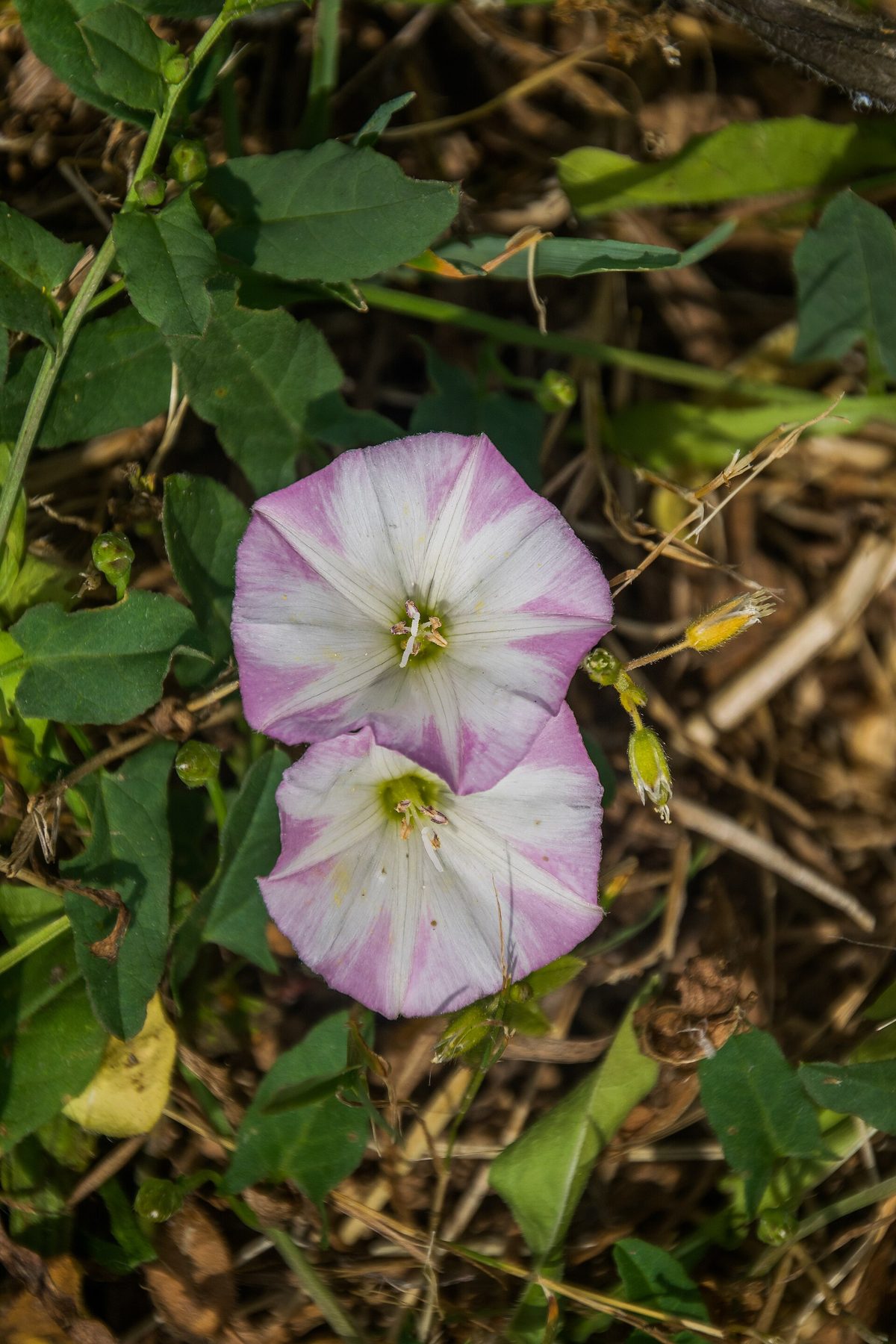
| Field BindweedConvolvulus arvensis | Not documented | Not documented | Full sun and part shade (full sun preferred) | Not documented | Not documented |
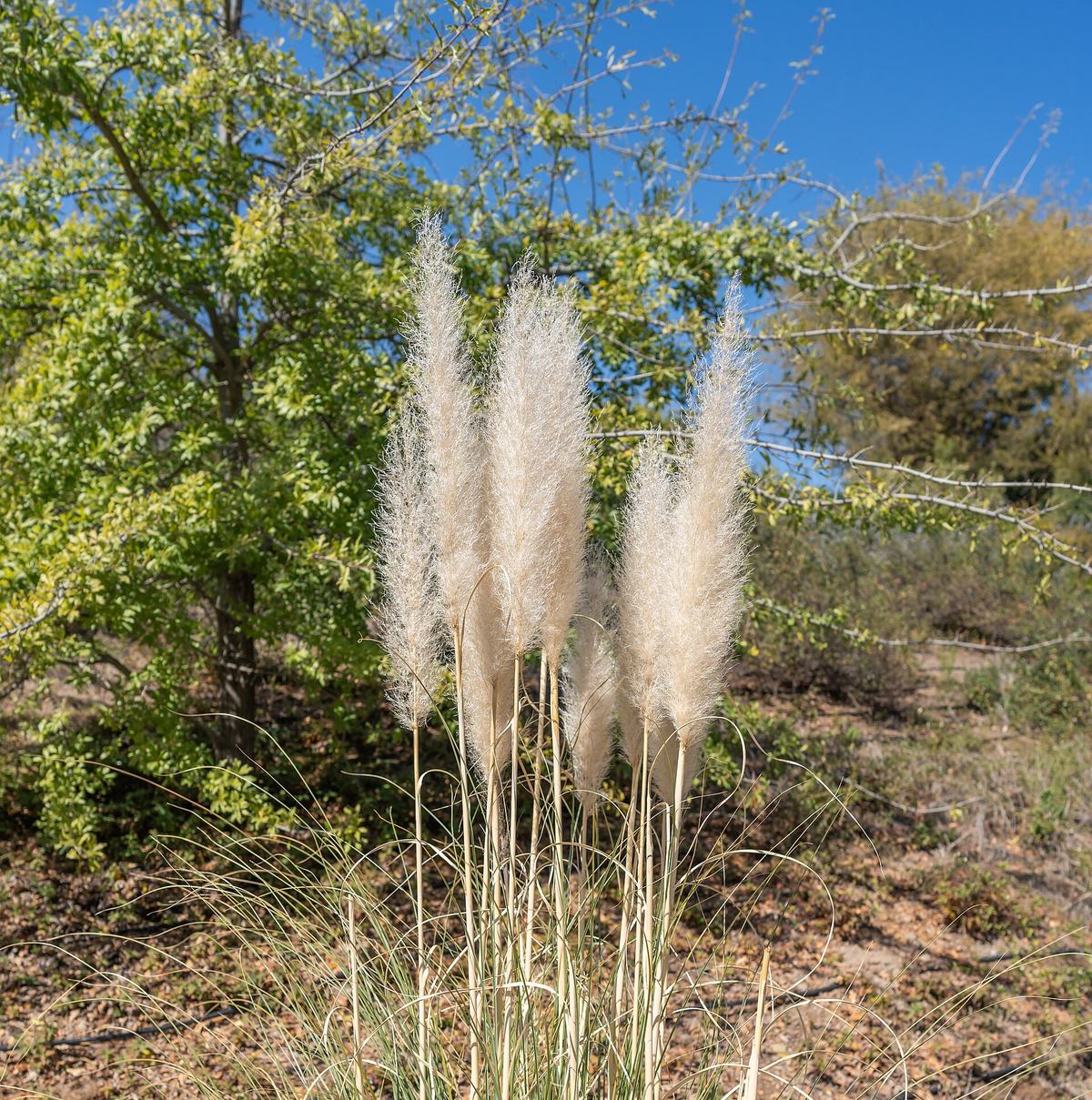
| Uruguayan Pampas GrassCortaderia selloana | Zones 6a–10b | 6–12 ft (1.83–3.66 m) | Full sun and part shade (full sun preferred) | Non-toxic | Non-toxic |
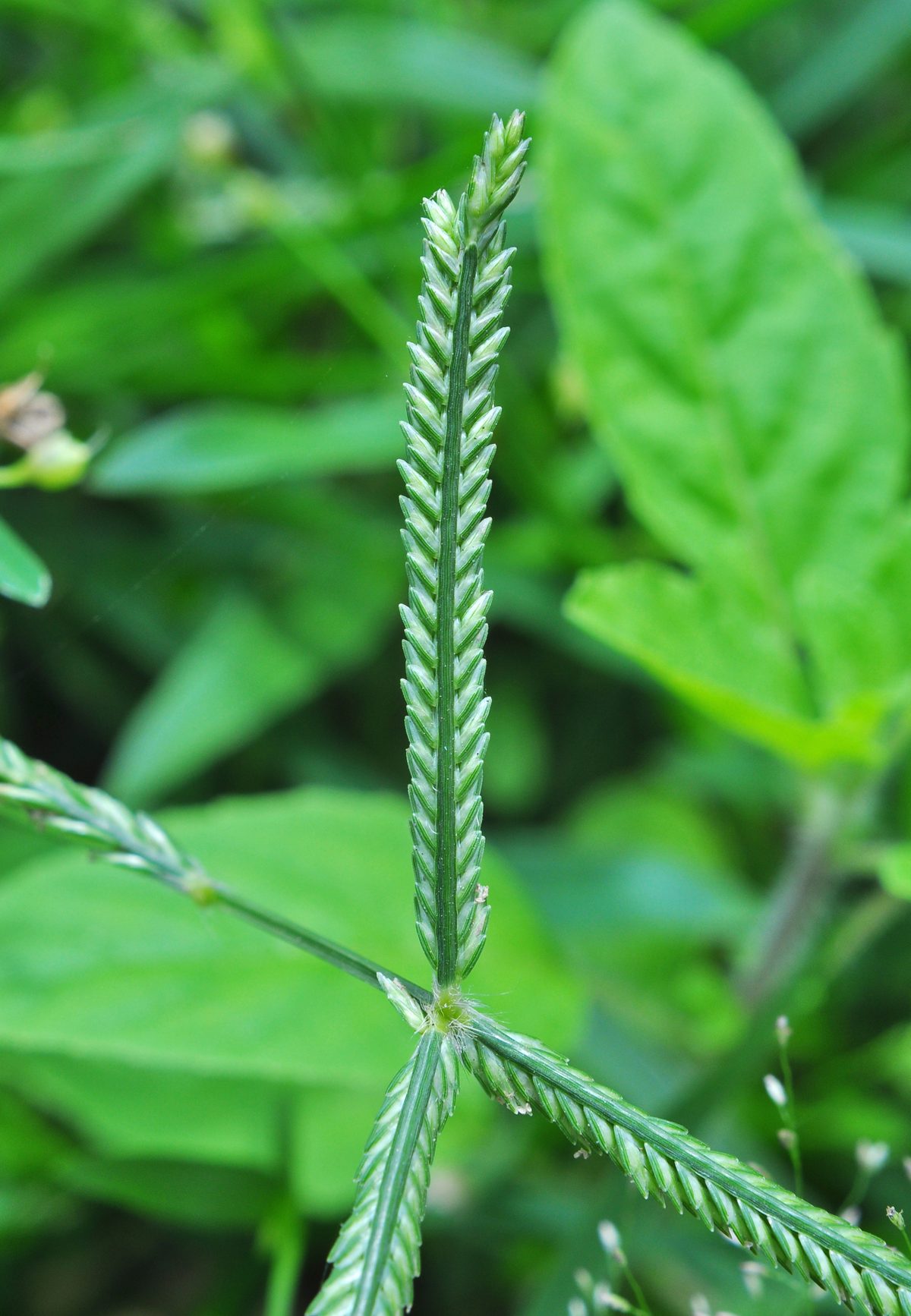
| BermudagrassCynodon dactylon | Zones 6a–10b | 0.2–0.5 ft (0.07–0.15 m) | Full sun | Not documented | Not documented |
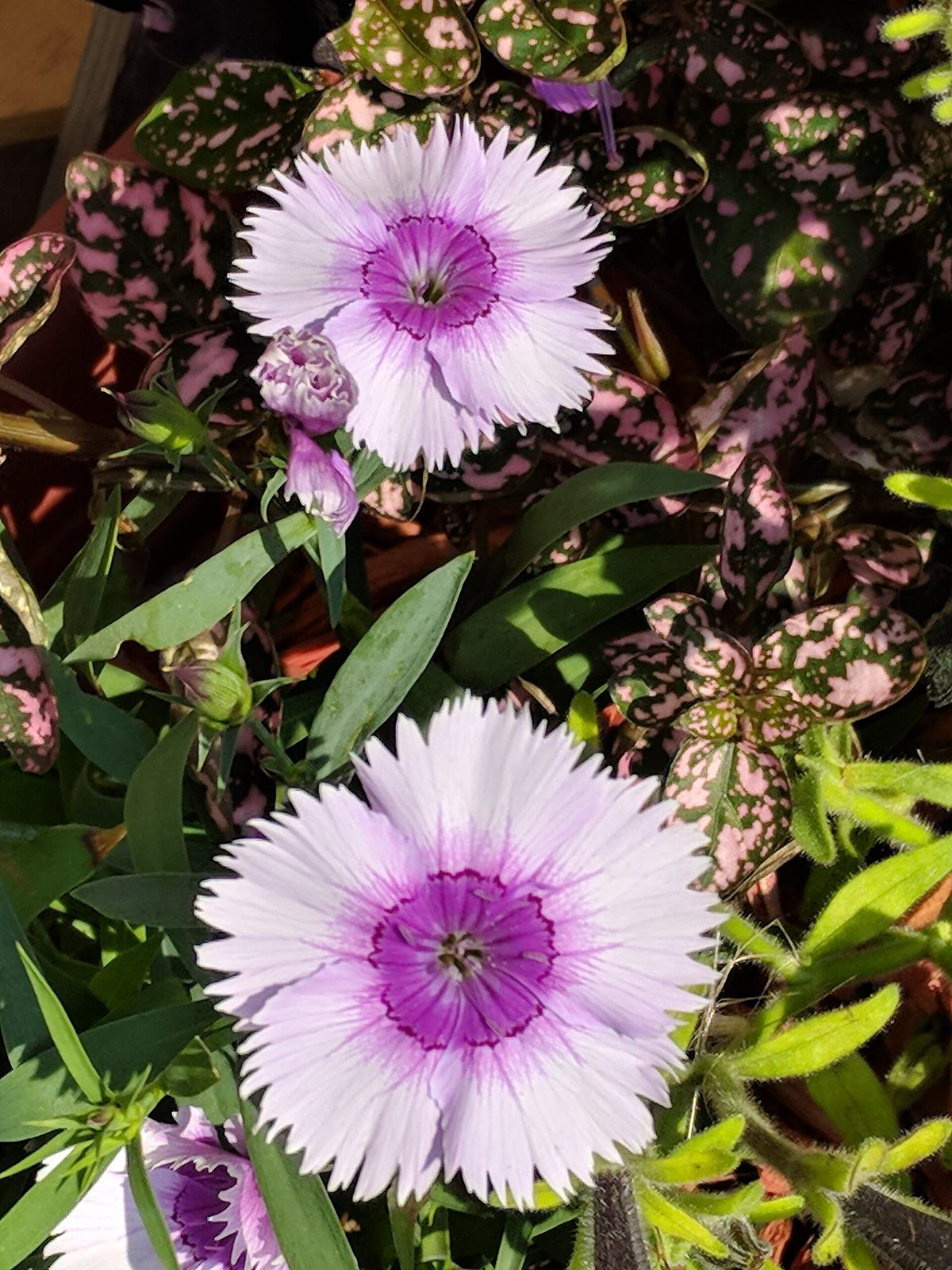
| Feathered PinkDianthus plumarius | Zones 3a–9b | 0.5–2 ft (0.15–0.61 m) | Full sun and part shade (full sun preferred) | Not documented | Not documented |
| Purple ConeflowerEchinacea purpurea | Zones 3a–8b | 3–4 ft (0.91–1.22 m) | Full sun and part shade (full sun preferred) | Not documented | Not documented |
| Queen of the MeadowFilipendula ulmaria | Zones 3a–9b | 4 ft (1.22 m) | Full sun and part shade (full sun preferred) | Not documented | Not documented |
| Woodland StrawberryFragaria vesca | Zones 4a–9b | 0.7–0.8 ft (0.2–0.25 m) | Part shade and full shade (part shade preferred) | Non-toxic | Non-toxic |
| Sweetscented BedstrawGalium odoratum | Zones 4a–8b | 0.5–1 ft (0.15–0.3 m) | Part shade and full shade (part shade preferred) | Not documented | Not documented |
| Ground IvyGlechoma hederacea | Not documented | 0.2–1 ft (0.05–0.3 m) | Full sun, part shade and full shade (full sun preferred) | Not documented | Not documented |
| DaylilyHemerocallis fulva | Zones 3a–8b | 3–6 ft (0.91–1.83 m) | Full sun and part shade (full sun preferred) | Toxic | Non-toxic |
| Common CowparsnipHeracleum maximum | Zones 4a–10a | 3.3–9.8 ft (1–3 m) | Full sun, part shade and full shade (full sun preferred) | Toxic (1 source) | Toxic (1 source) |
| ChameleonHouttuynia cordata | Zones 4a–10b | 0.5–1.7 ft (0.15–0.51 m) | Full sun, part shade and full shade (full sun preferred) | Not documented | Not documented |
| Common HopHumulus lupulus | Zones 5a–8b | Sources differ: Utah State University Extension; Utah State University Extension | Full sun and part shade (full sun preferred) | Not documented | Toxic |
| Common St. JohnswortHypericum perforatum | Zones 3a–8b | 1–3.3 ft (0.3–1 m) | Full sun and part shade (full sun preferred) | Toxic | Toxic |
| Perennial PeaLathyrus latifolius | Zones 4a–8b | 6–10 ft (1.83–3.05 m) | Full sun and part shade (full sun preferred) | Not documented | Not documented |
| CardinalflowerLobelia cardinalis | Zones 3a–9b | 4–5 ft (1.22–1.52 m) | Full sun, part shade and full shade (full sun preferred) | Toxic (1 source) | Toxic (1 source) |
| Wild BergamotMonarda fistulosa | Zones 3a–9b | 2–5 ft (0.61–1.52 m) | Full sun and part shade (full sun preferred) | Not documented | Not documented |
| Sacred LotusNelumbo nucifera | Zones 4a–10b | 5–8 ft (1.52–2.44 m) | Full sun | Not documented | Not documented |
| Reed CanarygrassPhalaris arundinacea | Zones 4a–9b | 2–5 ft (0.61–1.52 m) | Full sun and part shade (full sun preferred) | Not documented | Not documented |
| Scarlet RunnerPhaseolus coccineus | Zones 7a–11b | 8–12 ft (2.44–3.66 m) | Full sun | Not documented | Not documented |
| Peruvian GroundcherryPhysalis peruviana | Zones 3a–9b | 1–3 ft (0.3–0.91 m) | Full sun | Not documented | Not documented |
| American PokeweedPhytolacca americana | Zones 4a–8b | 4–10 ft (1.22–3.05 m) | Full sun and part shade (full sun preferred) | Toxic (1 source) | Toxic |
| Narrowleaf PlantainPlantago lanceolata | Zones 5a–9b | Not documented | Full sun | Not documented | Not documented |
| Indian StrawberryPotentilla indica | Zones 5a–9b | 0.2–0.7 ft (0.08–0.2 m) | Full sun and part shade (full sun preferred) | Non-toxic | Non-toxic |
| Common SelfhealPrunella vulgaris | Zones 3a–9b | 1.7 ft (0.51 m) | Full sun and part shade (full sun preferred) | Not documented | Not documented |
| Softseed Wild PetuniaRuellia simplex | Zones 8a–10b | 3–4 ft (0.91–1.22 m) | Full sun and part shade (full sun preferred) | Not documented | Not documented |
| Carolina HorsenettleSolanum carolinense | Zones 7a–10b | 3–3.9 ft (0.91–1.2 m) | Full sun | Toxic (1 source) | Toxic (1 source) |
| Canada GoldenrodSolidago canadensis | Zones 5a–9b | 2–4 ft (0.61–1.22 m) | Full sun and part shade (full sun preferred) | Not documented | Not documented |
| Common ComfreySymphytum officinale | Zones 4a–8b | 1–3 ft (0.3–0.91 m) | Full sun and part shade (full sun preferred) | Not documented | Not documented |
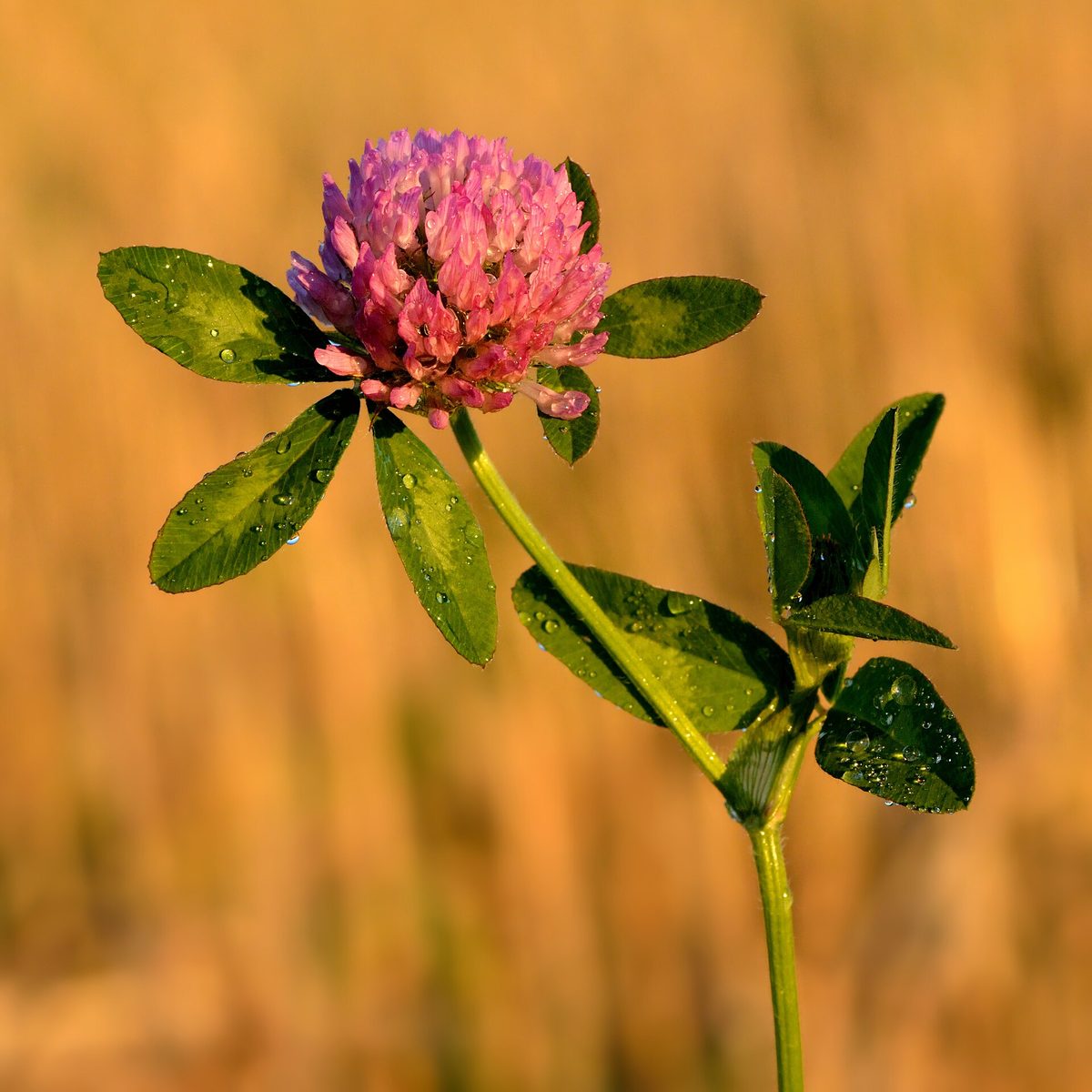
| Red CloverTrifolium pratense | Zones 3a–9b | 0.5–2 ft (0.15–0.61 m) | Full sun | Not documented | Not documented |
| White CloverTrifolium repens | Zones 3a–10b | 0.3–0.5 ft (0.1–0.15 m) | Full sun and part shade (full sun preferred) | Not documented | Not documented |
| Stinging NettleUrtica dioica | Zones 4a–10b | 10 ft (3.05 m) | Full sun, part shade and full shade (full sun preferred) | Toxic (1 source) | Toxic (1 source) |
| Common MulleinVerbascum thapsus | Zones 3a–9b | 3–10 ft (0.91–3.05 m) | Full sun and part shade (full sun preferred) | Not documented | Not documented |
| Purpletop VervainVerbena bonariensis | Zones 7a–11b | 4–5 ft (1.22–1.52 m) | Full sun and part shade (full sun preferred) | Not documented | Not documented |
| Adam's NeedleYucca filamentosa | Zones 4a–10b | 3–15 ft (0.91–4.57 m) | Full sun, part shade and full shade (full sun preferred) | Toxic | Toxic |
The plants
-
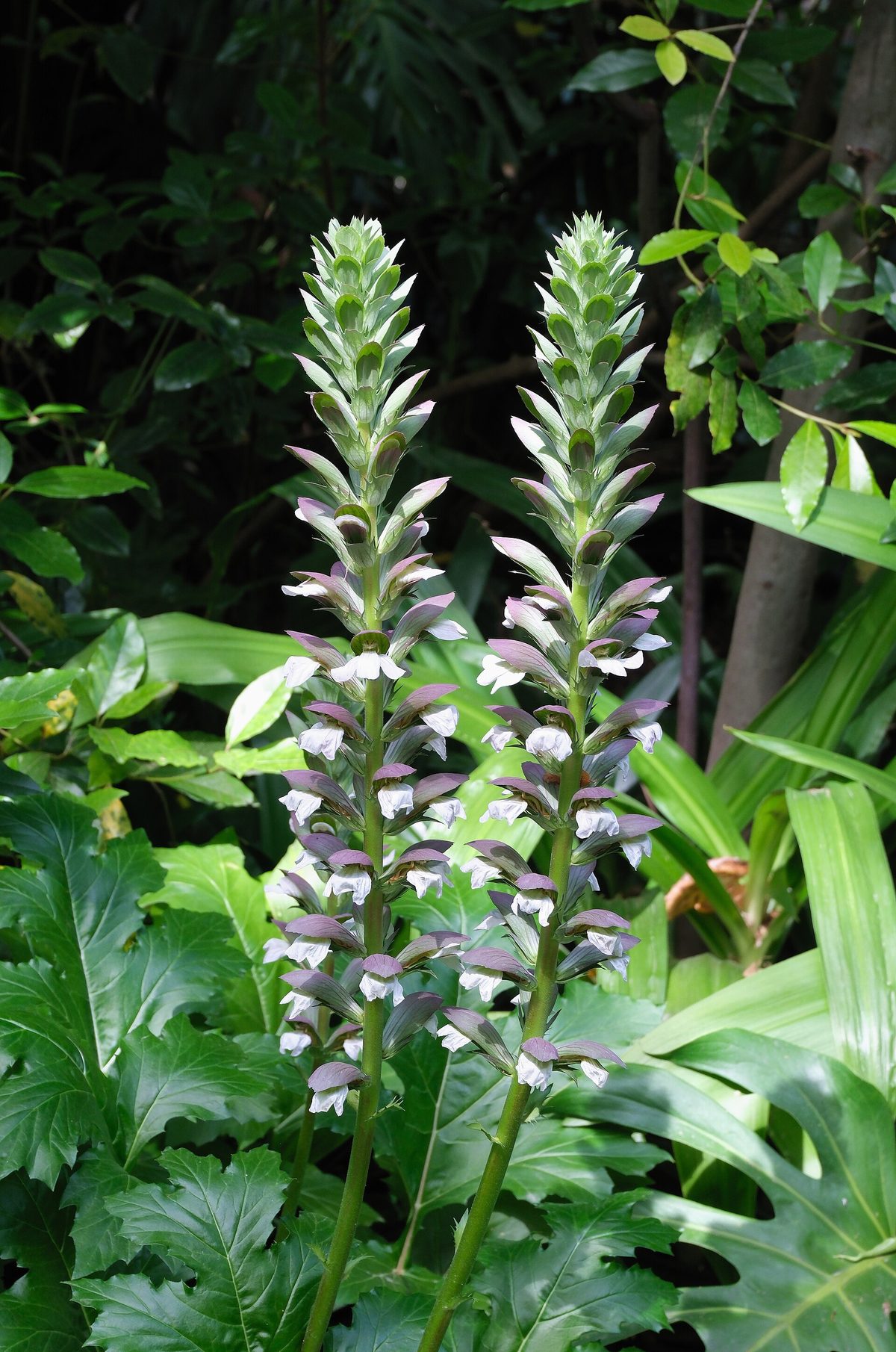
Bear's Breech
Acanthus mollis
Zones 7a–10b · 4–6 ft (1.22–1.83 m) · Full sun and part shade (full sun preferred)
Acanthus mollis appears on this zone 8 list because the site classifies it as a perennial with a zone 8 hardiness rating. That classification is the only reason it is grouped here, not a recommendation to grow it over any other entry on the page.
-
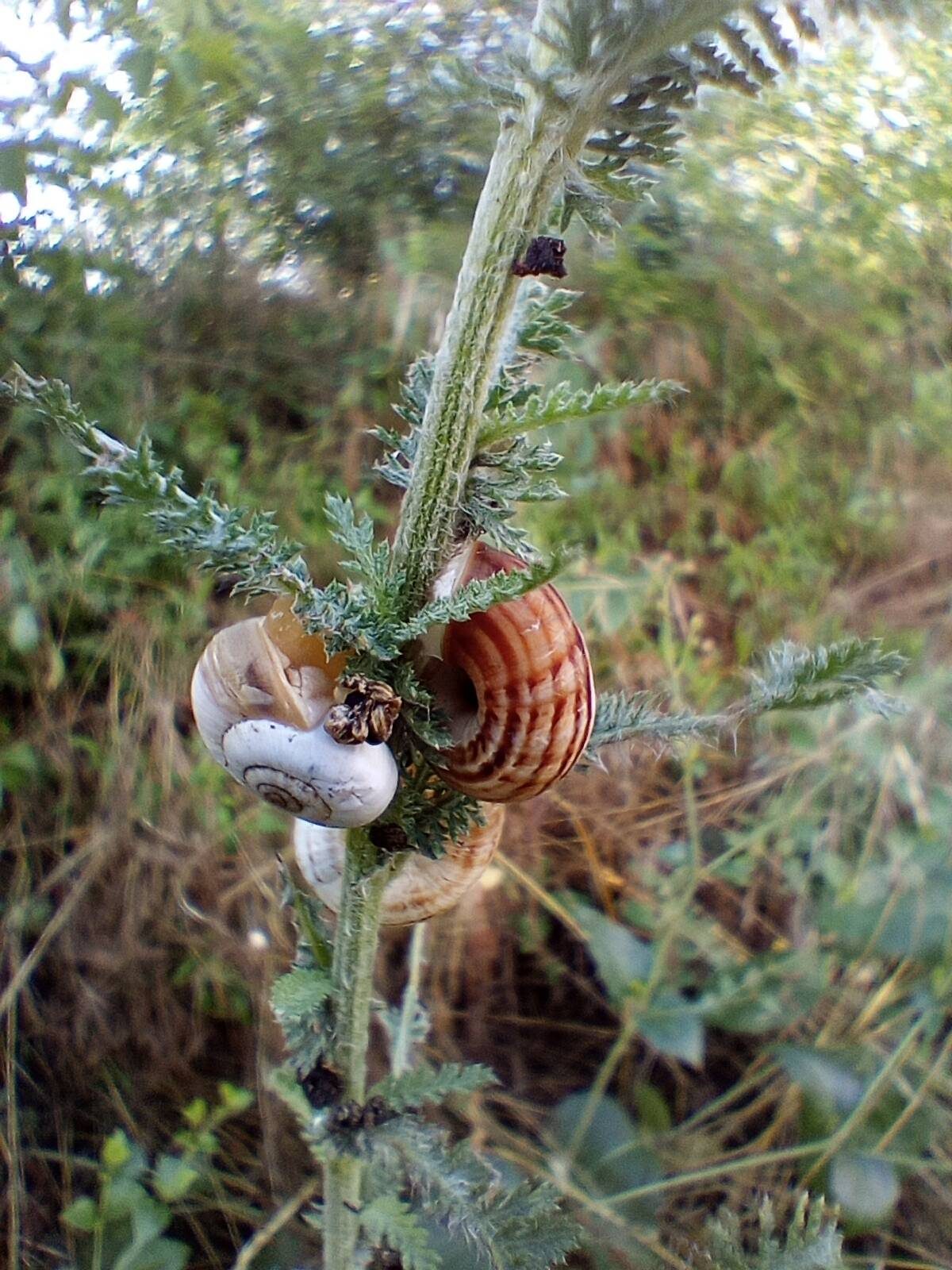
Common Yarrow
Achillea millefolium
Zones 3a–9b · 1–3.3 ft (0.3–1 m) · Full sun and part shade (full sun preferred)
-
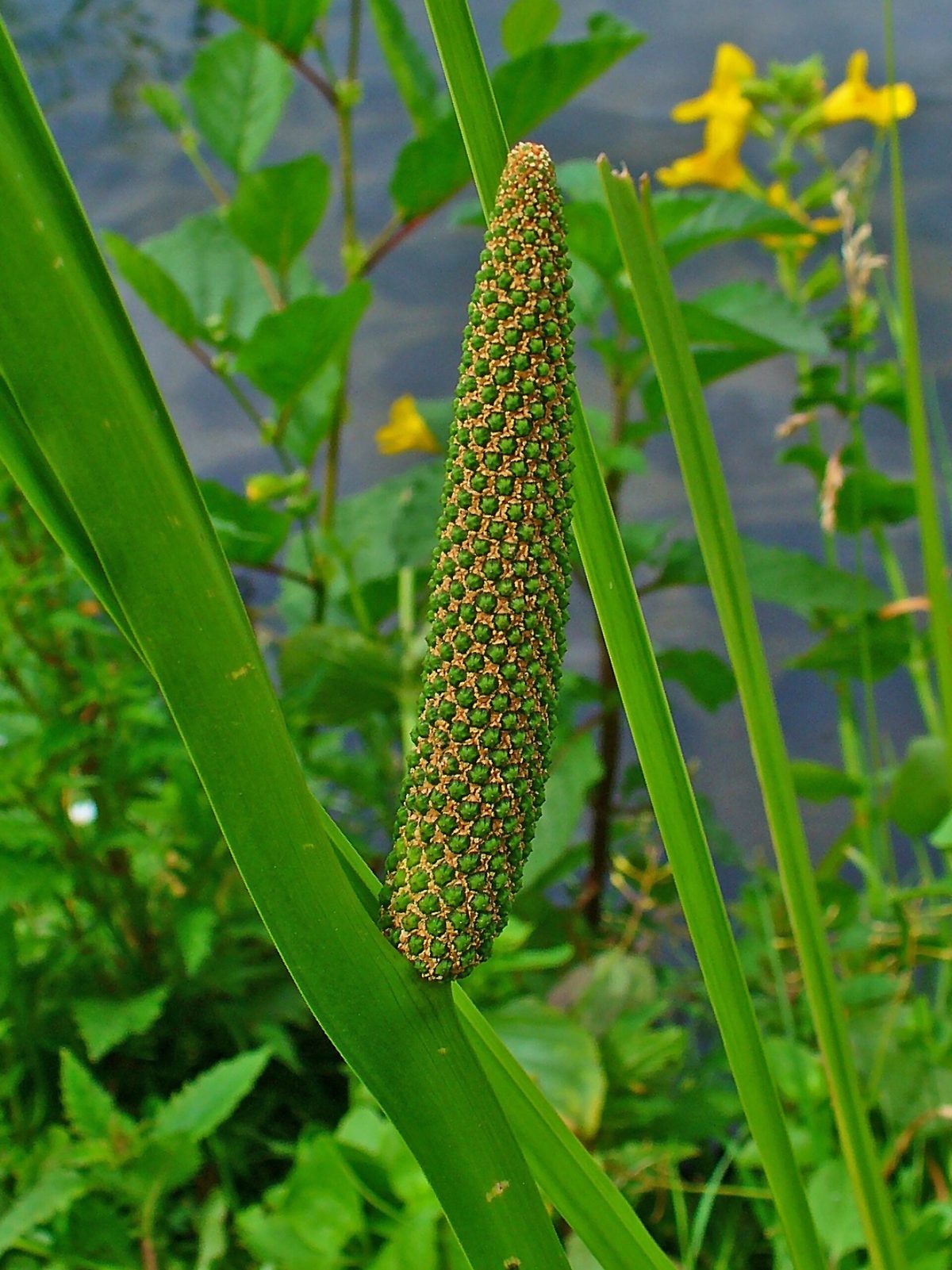
Calamus
Acorus calamus
Zones 4a–10b · 2–2.5 ft (0.61–0.76 m) · Full sun and part shade (full sun preferred)
Among the entries grouped here, Acorus calamus carries the same zone 8 designation as every other plant on this page. Nothing beyond that shared zone rating sets it apart on this particular list.
-
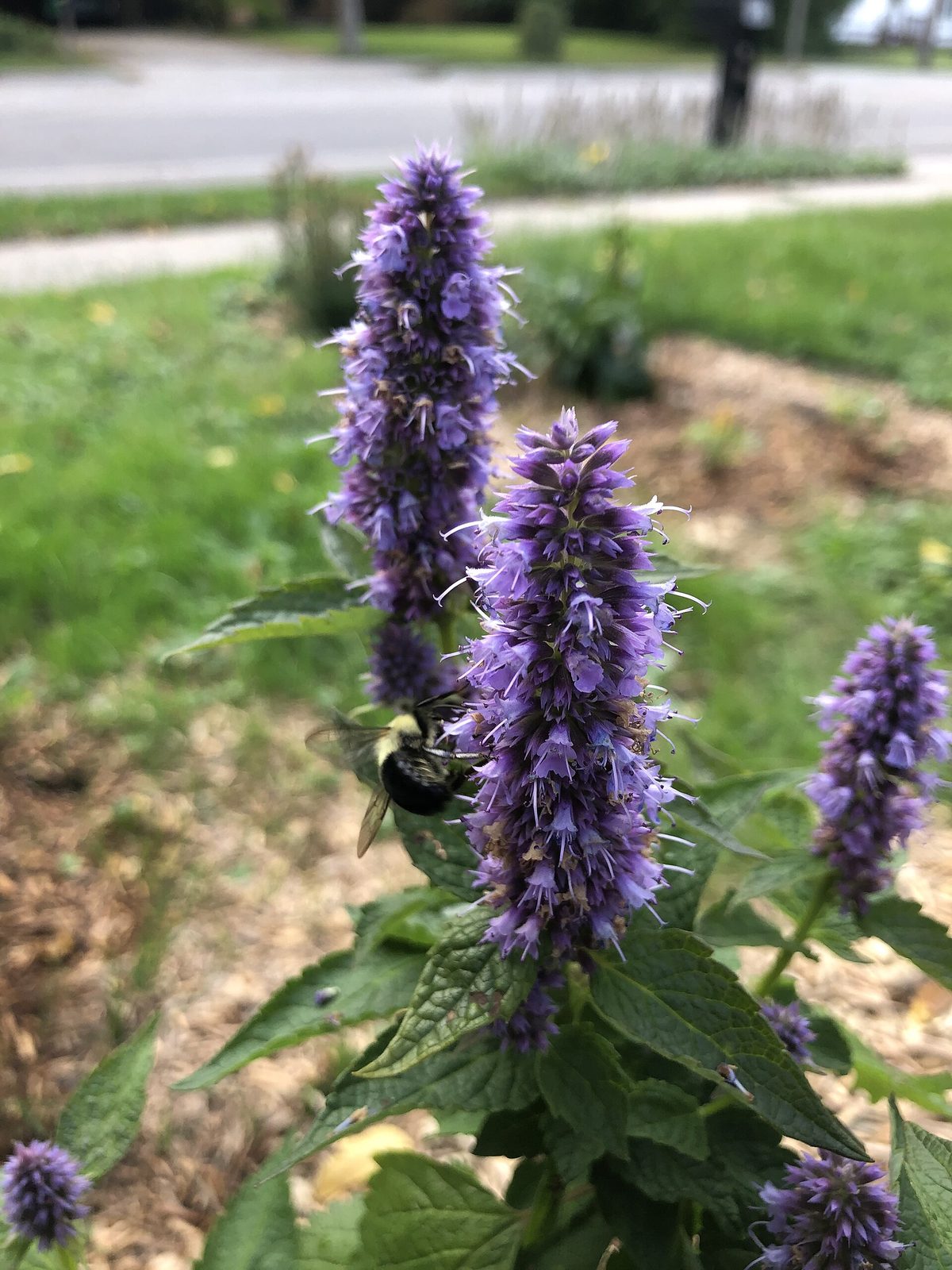
Blue Giant Hyssop
Agastache foeniculum
Zones 4a–8b · 3–5 ft (0.91–1.52 m) · Full sun, part shade and full shade (full sun preferred)
Zone 8 is the qualifying factor behind Agastache foeniculum's spot on this page, just as it is for every other perennial listed. The page groups it here on that basis alone.
-
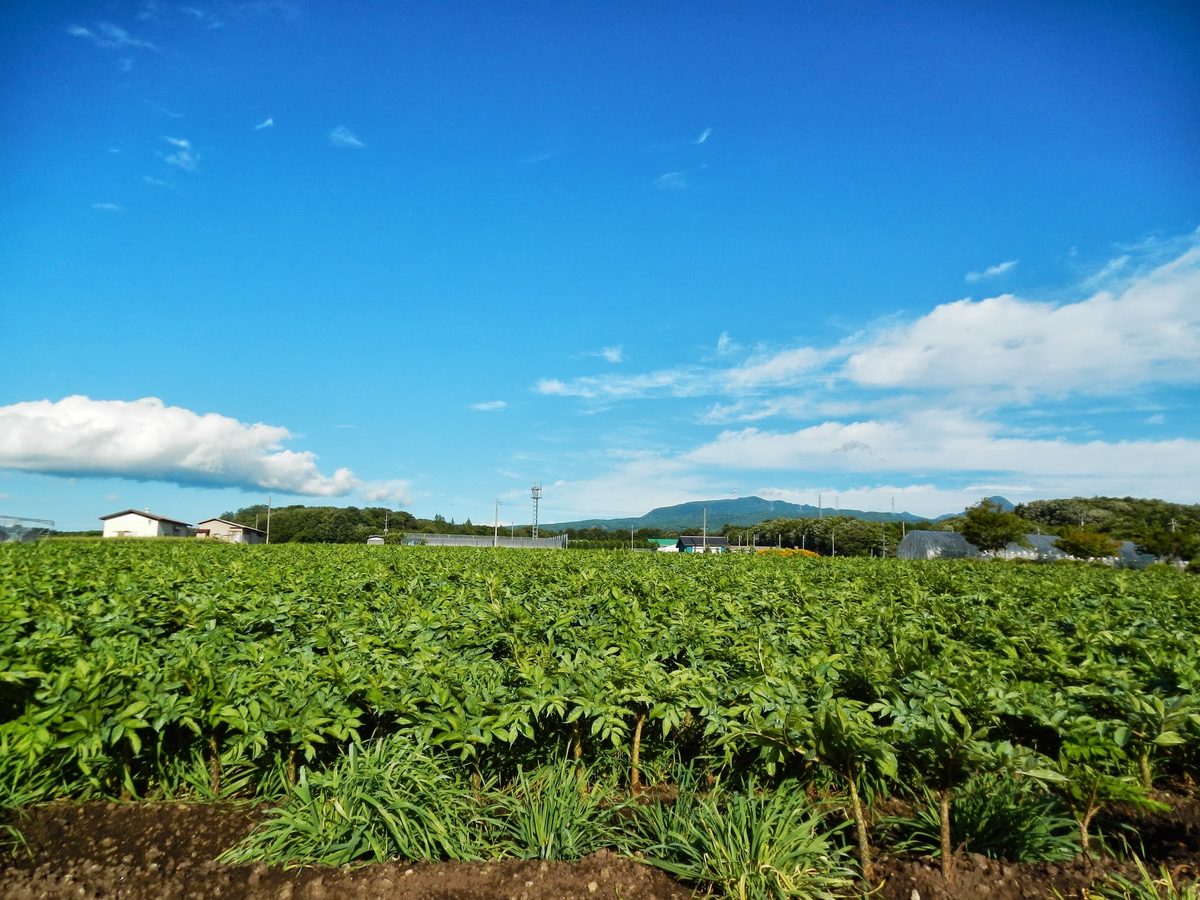
Devil's Tongue
Amorphophallus konjac
Zones 6a–11b · 4–6 ft (1.22–1.83 m) · Part shade, full sun and full shade (part shade preferred)
Listed with the other 41 perennials here, Amorphophallus konjac meets the same zone 8 criterion that defines this page's roster. That single shared rating is what links it to the rest of this group, not any detail about its care.
-
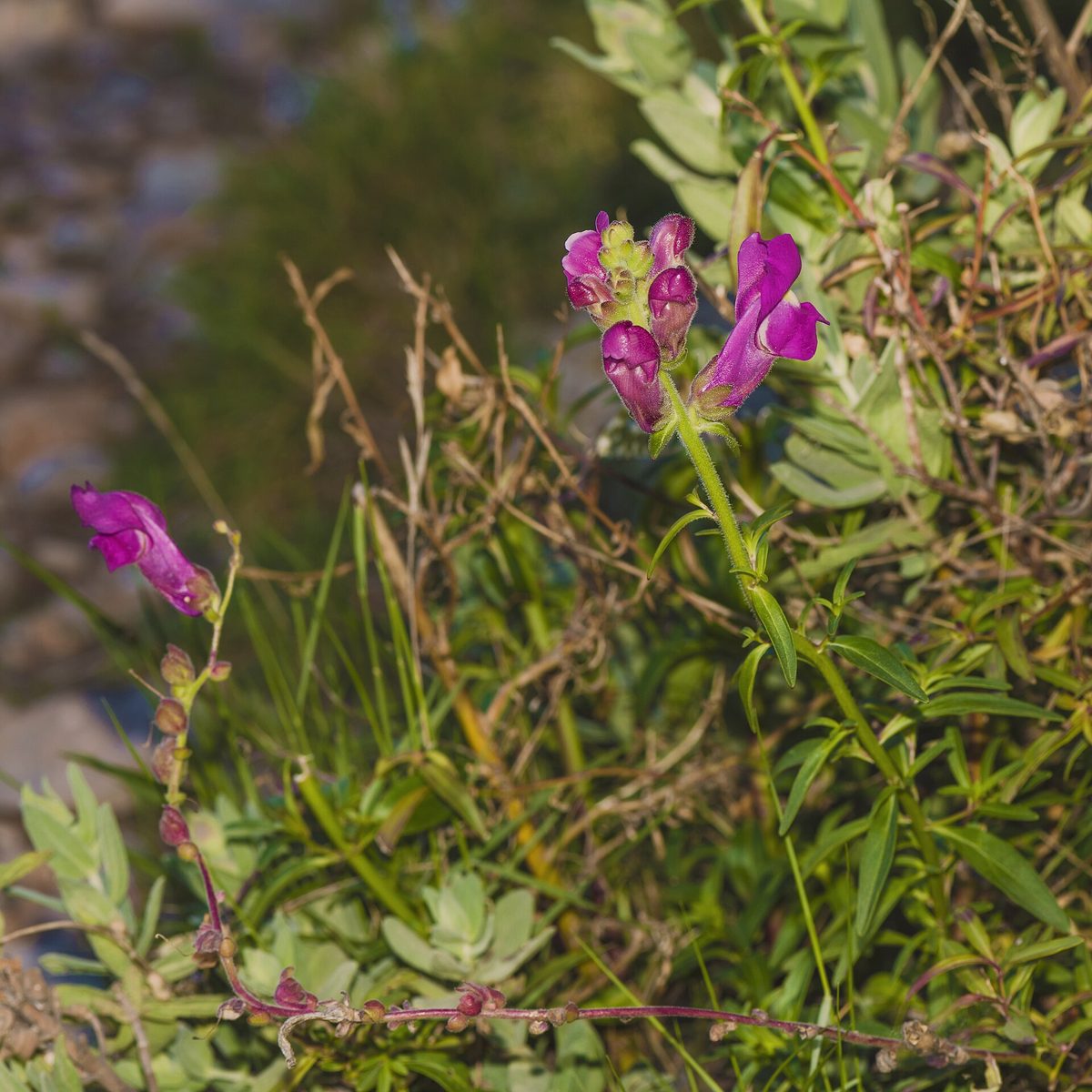
Garden Snapdragon
Antirrhinum majus
Zones 7a–10b · 0.5–3 ft (0.15–0.91 m) · Full sun and part shade (full sun preferred)
-
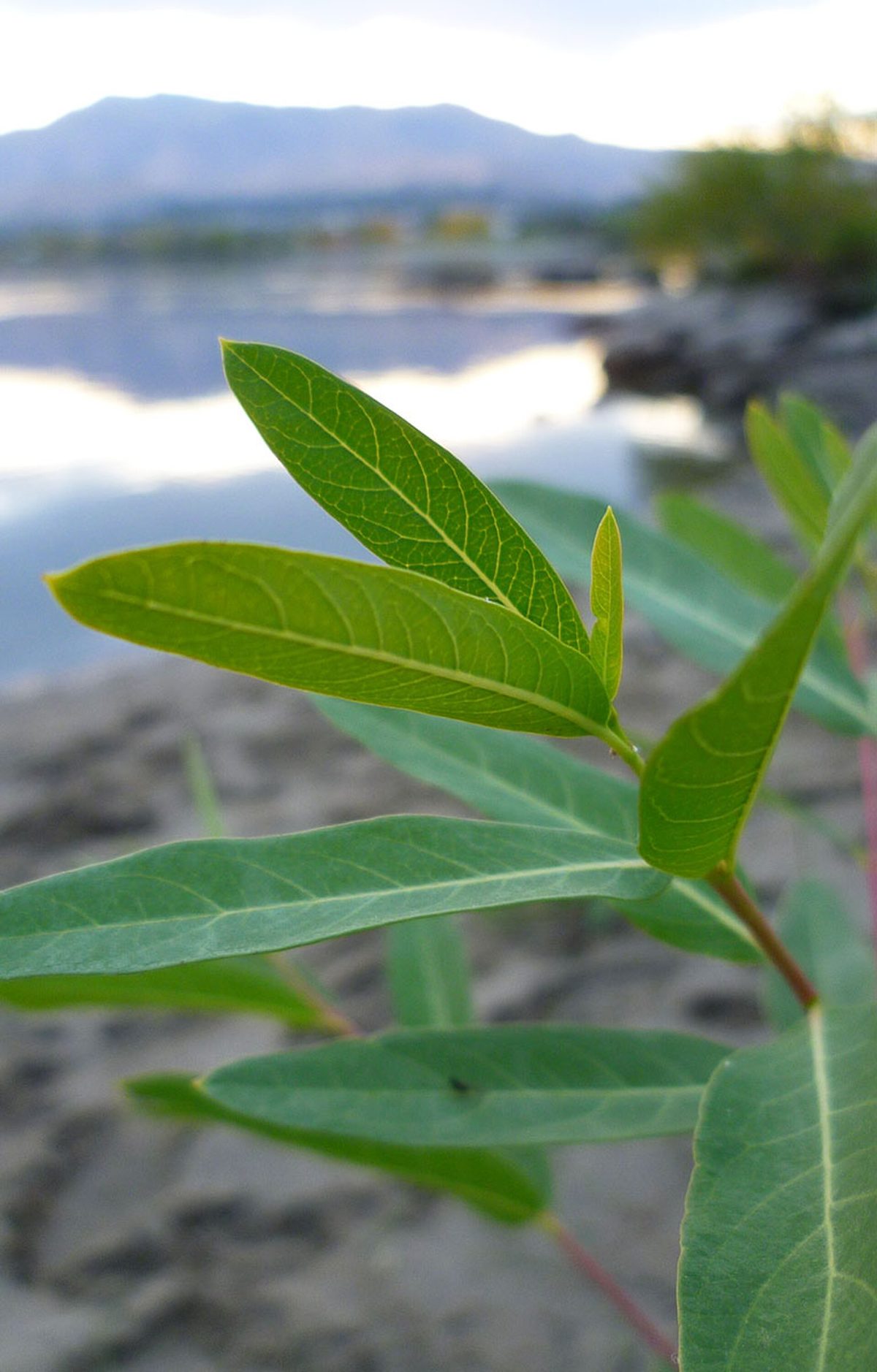
Indianhemp
Apocynum cannabinum
Zones 3a–11b · 3–4 ft (0.91–1.22 m) · Full sun and part shade (full sun preferred)
Apocynum cannabinum's inclusion here comes down to one fact: the site rates it for zone 8, the same bar every plant on this list clears. Beyond that shared rating, this page does not single it out from the rest of the group.
-
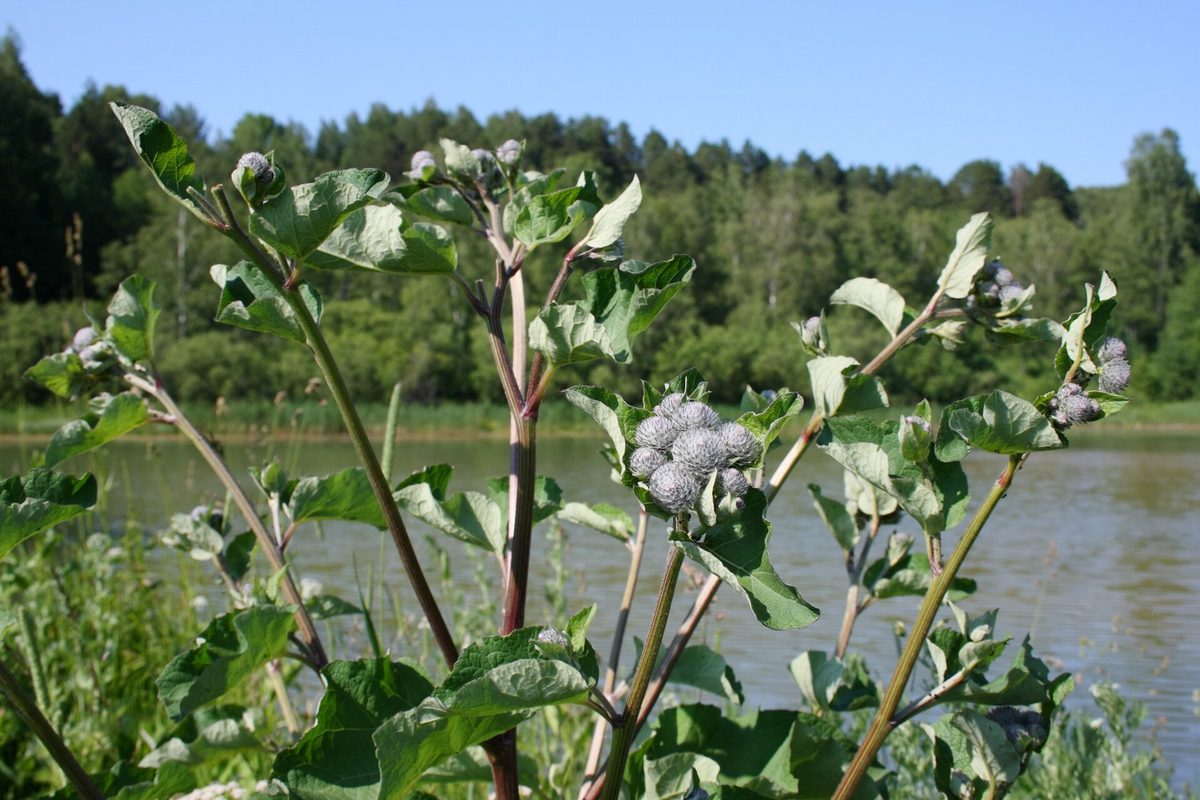
Greater Burdock
Arctium lappa
Zones 3a–10b · 2–10 ft (0.61–3.05 m) · Full sun and part shade (full sun preferred)
-
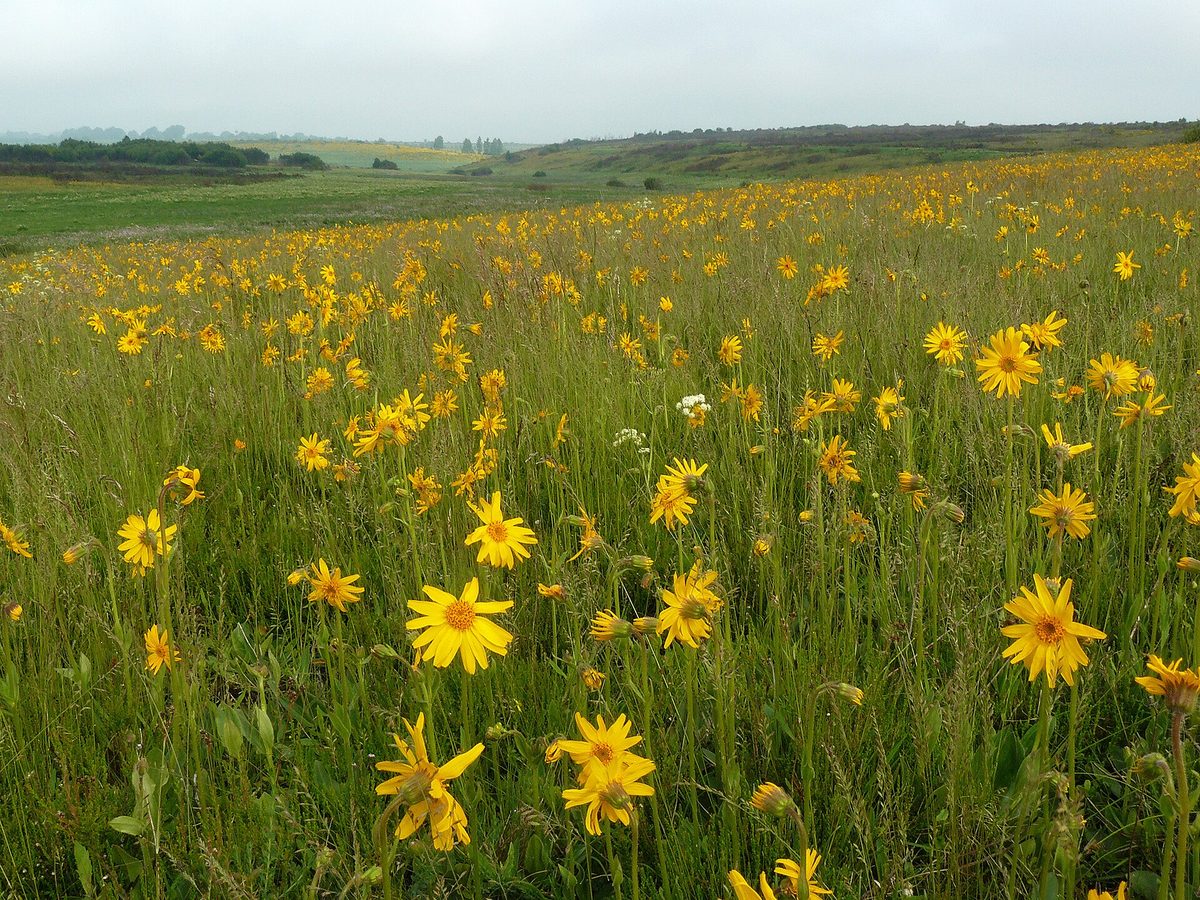
Mountain Arnica
Arnica montana
Zones 4a–9b · 0.5–2 ft (0.15–0.61 m) · Full sun and part shade (full sun preferred)
-
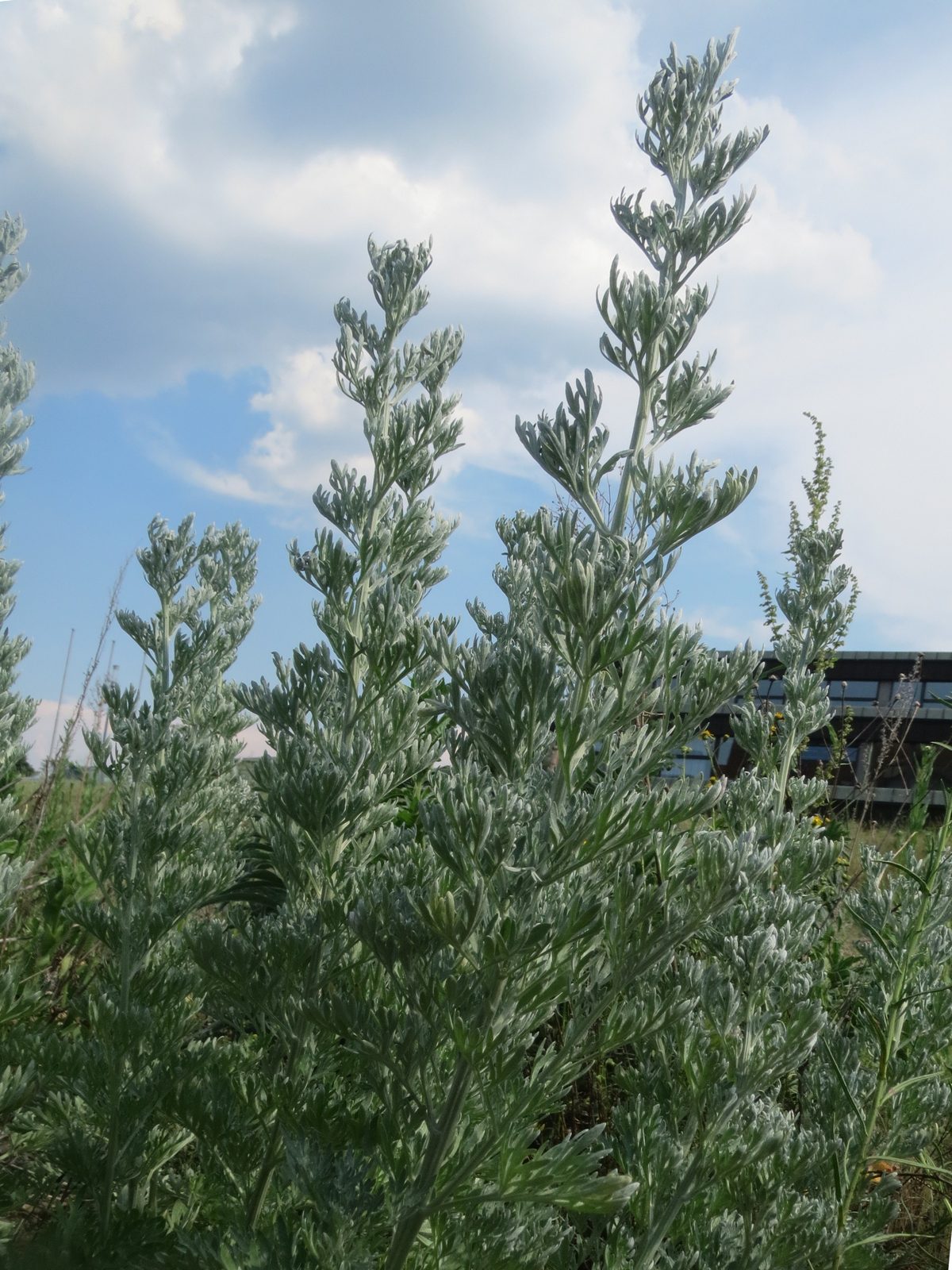
Absinthium
Artemisia absinthium
Zones 3a–9b · 1.3–5 ft (0.4–1.52 m) · Full sun and part shade (full sun preferred)
-
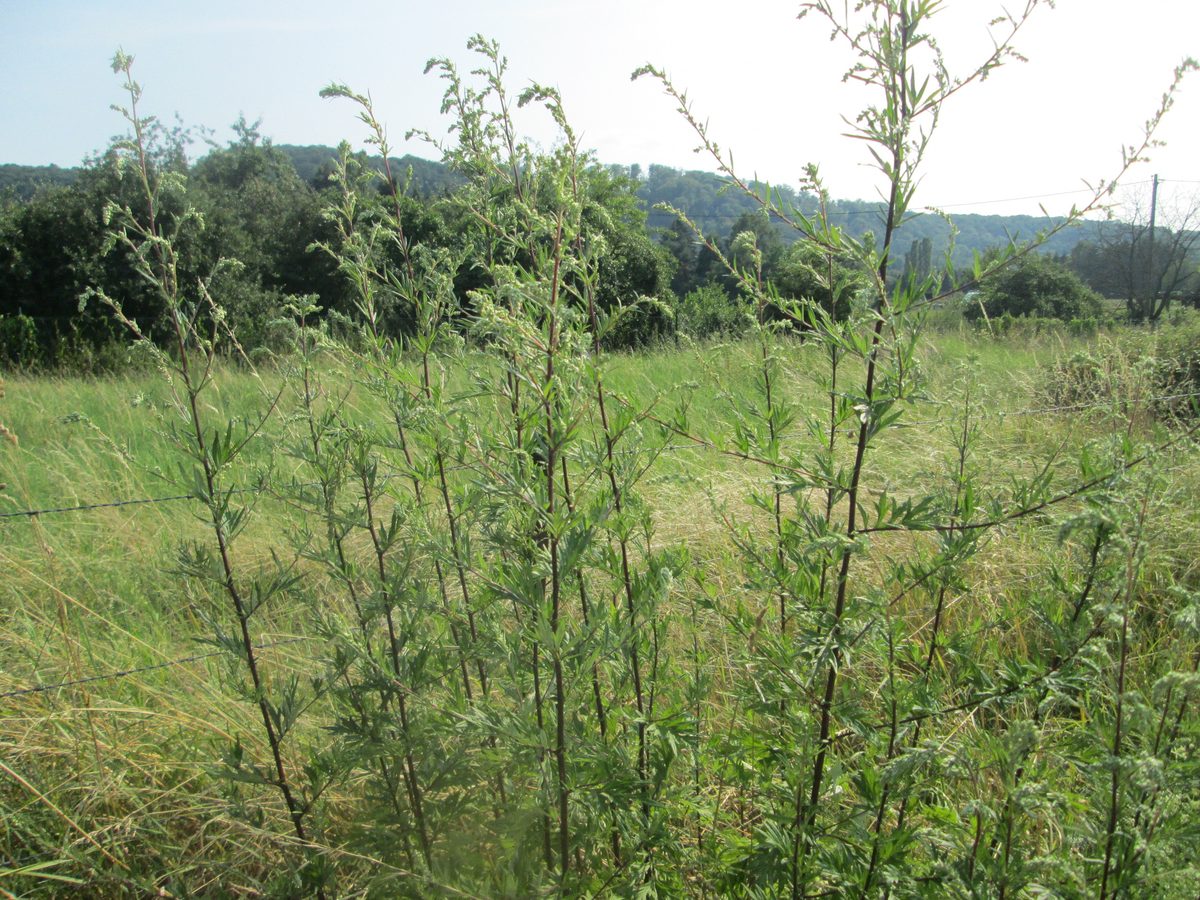
Common Wormwood
Artemisia vulgaris
Zones 3a–8b · 2–6 ft (0.61–1.83 m) · Full sun and part shade (full sun preferred)
-
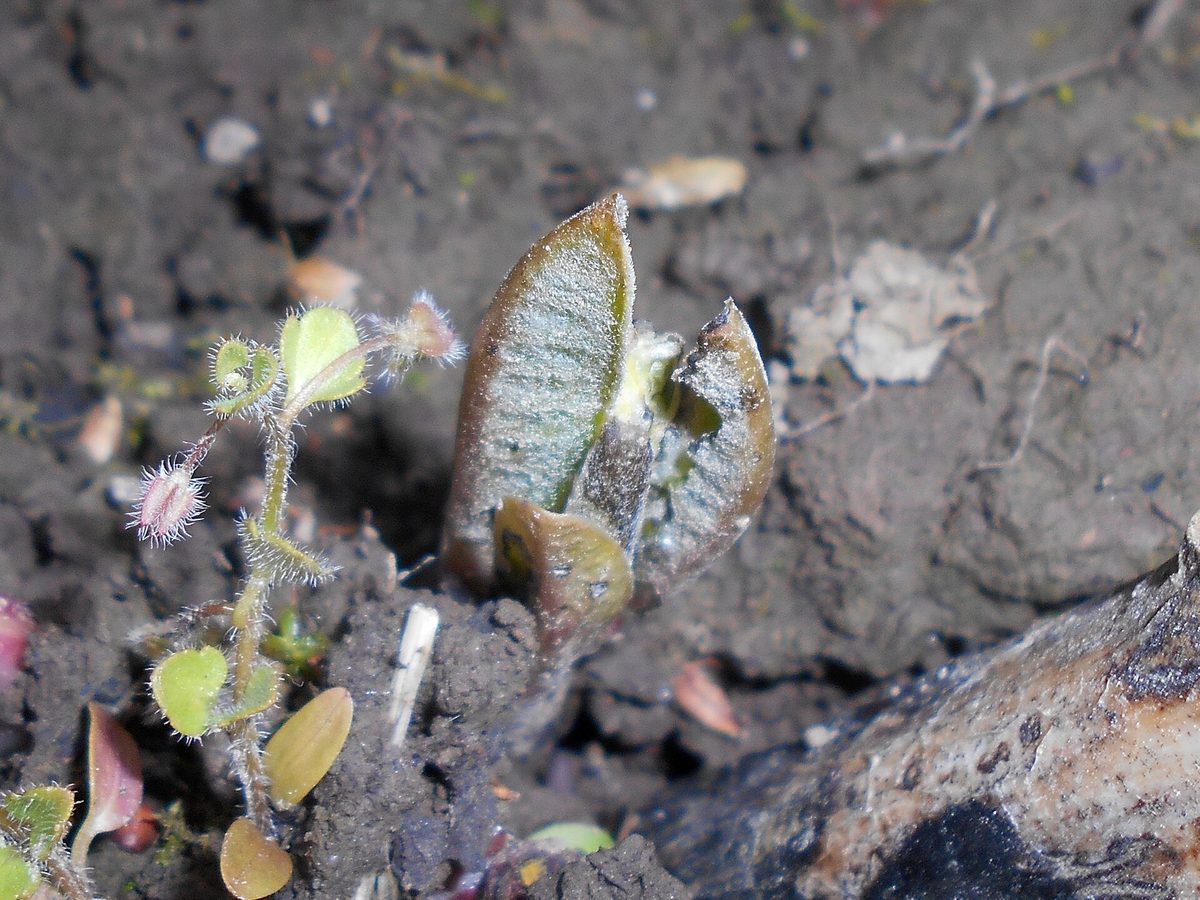
-
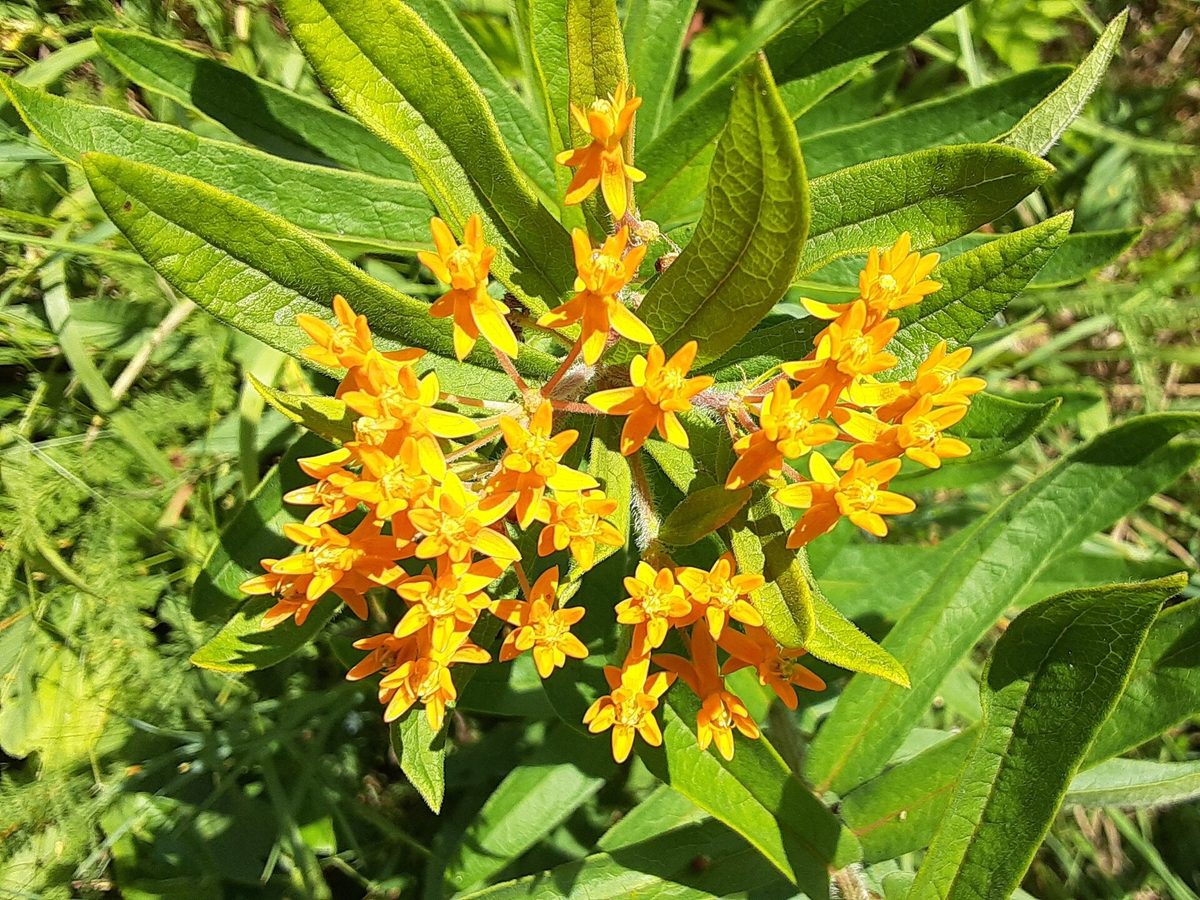
Butterfly Milkweed
Asclepias tuberosa
Zones 3a–9b · 1–2 ft (0.3–0.6 m) · Full sun and part shade (full sun preferred)
-
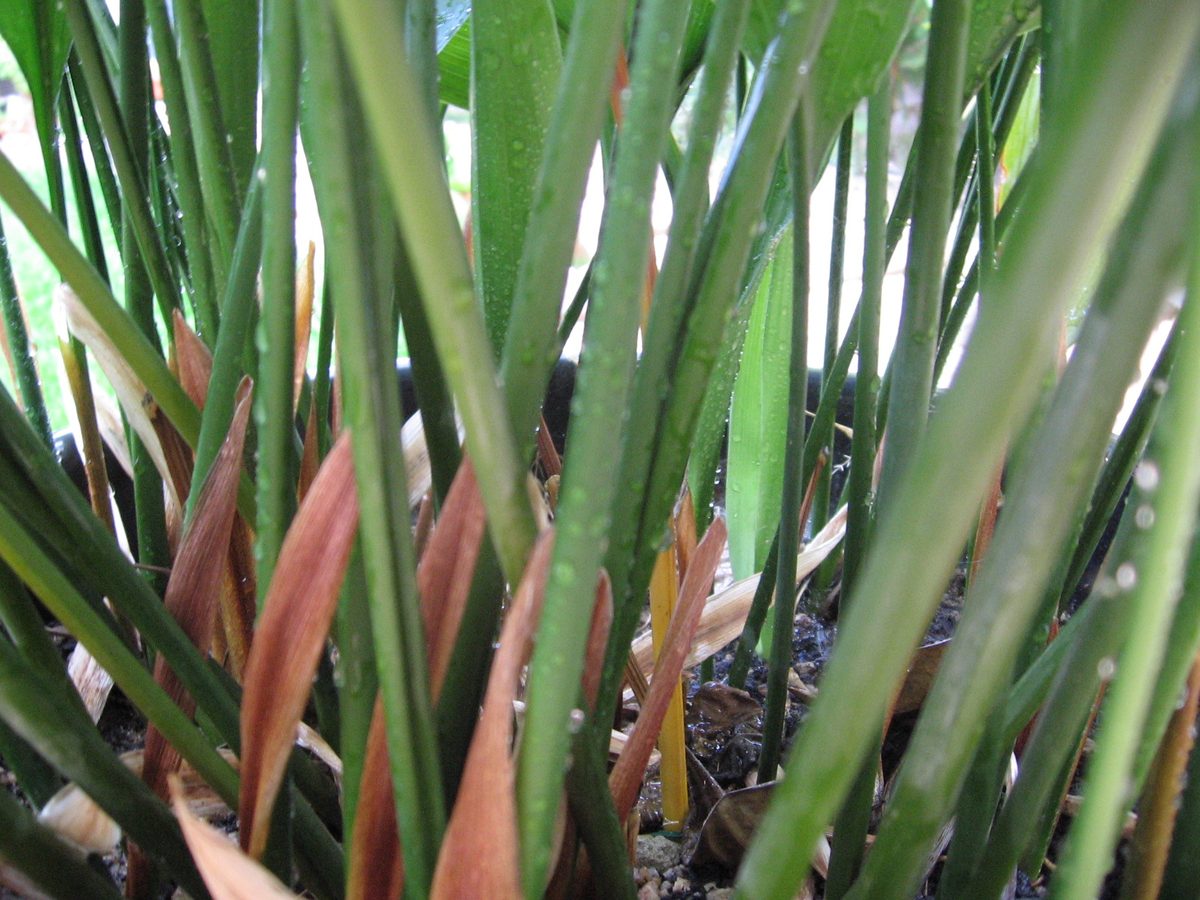
Cast Iron Plant
Aspidistra elatior
Zones 7a–11b · 1–3 ft (0.3–0.91 m) · Part shade and full shade (part shade preferred)
The reason Aspidistra elatior sits on this page is straightforward: the zone 8 hardiness rating applied across this list applies to it too. No other claim is made about it here.
-
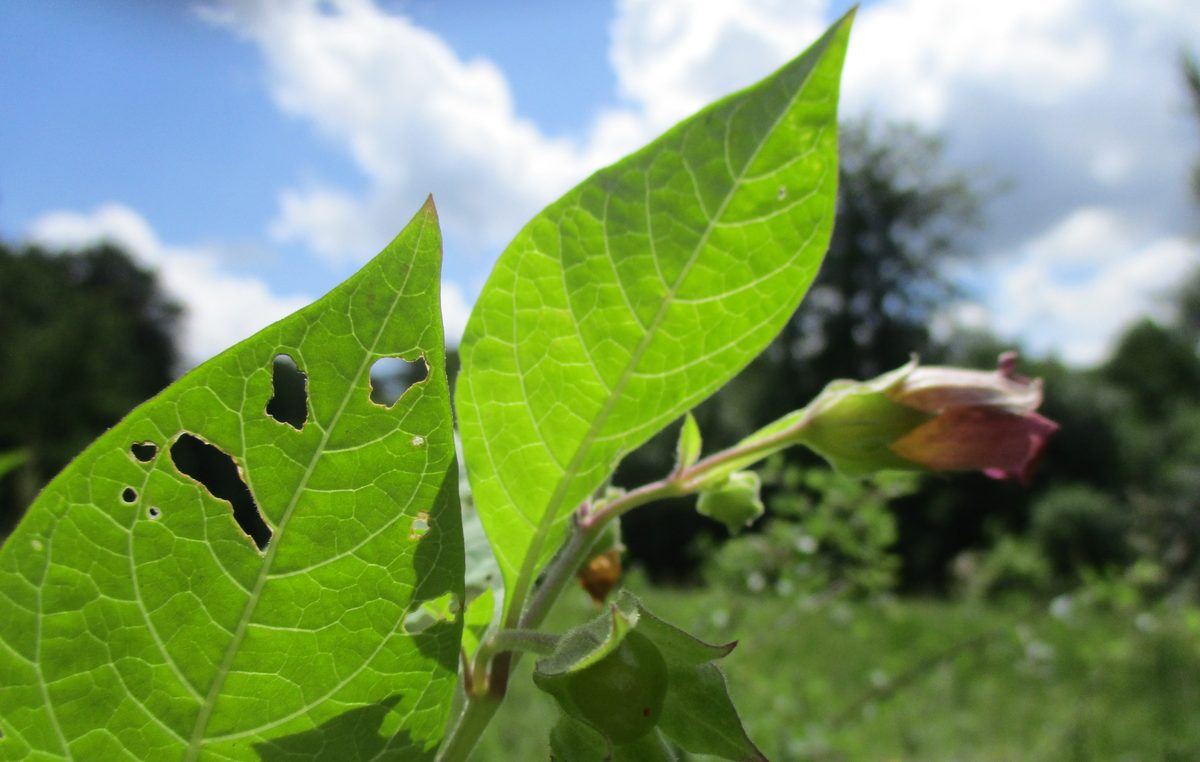
Belladonna
Atropa bella-donna
Zones 5a–9b · 3–4 ft (0.91–1.22 m) · Full sun and part shade (full sun preferred)
Atropa bella-donna shares the same zone 8 qualification as the other perennials on this page, and that is the extent of what ties it to this group. The list does not rank or compare it against any other entry.
-
-
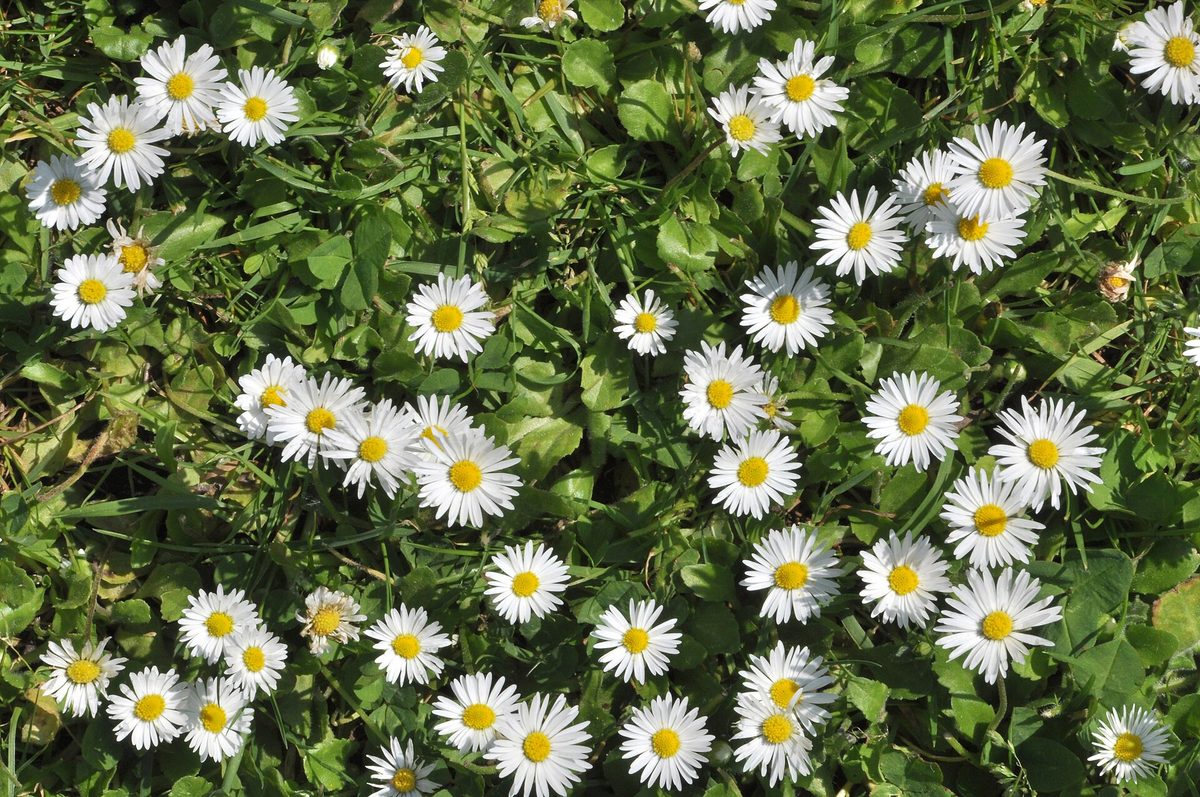
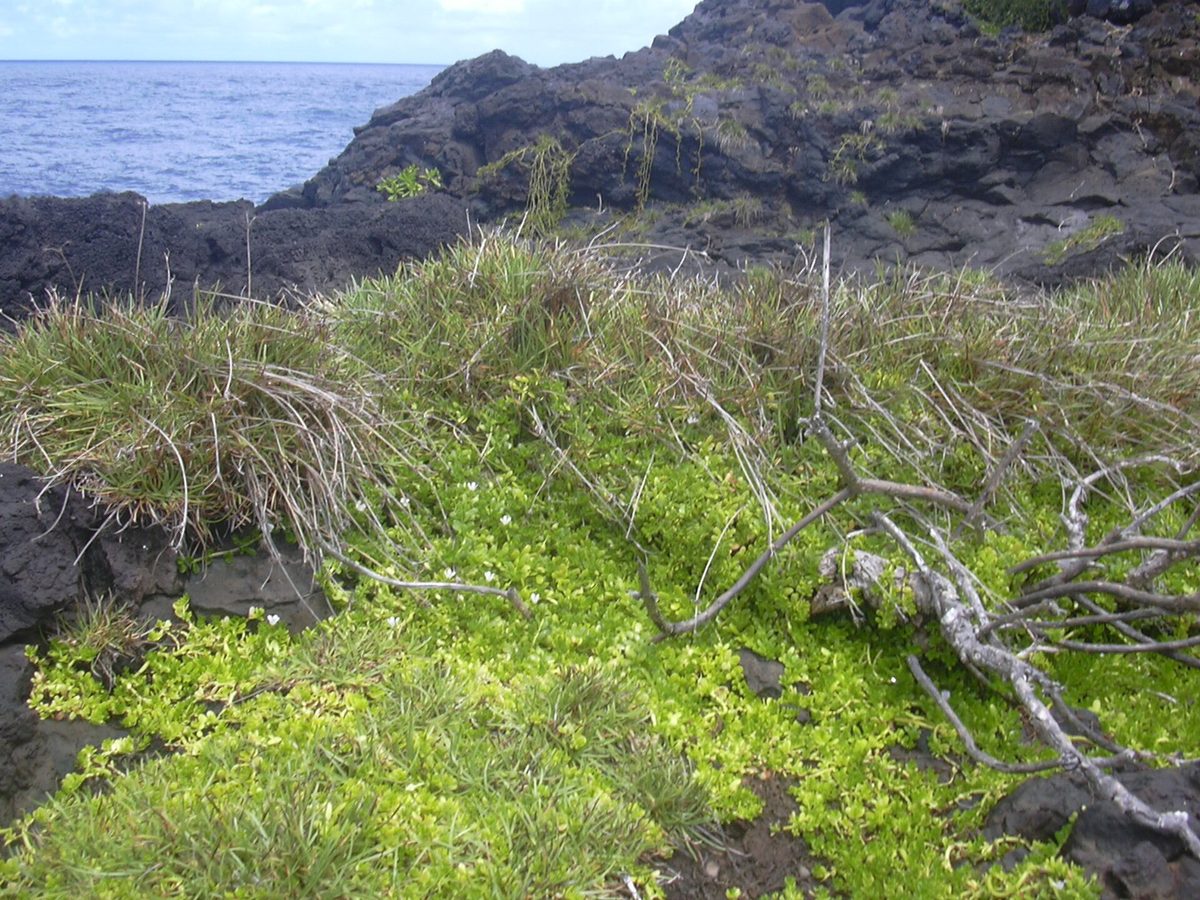
Lawndaisy
Bellis perennis
Zones 4a–8b · 0.3–0.5 ft (0.08–0.15 m) · Full sun and part shade (full sun preferred)
On this page, Bellis perennis is grouped with the rest of the zone 8 perennials simply because it meets that one hardiness threshold. It is not singled out here for any trait beyond that.
-
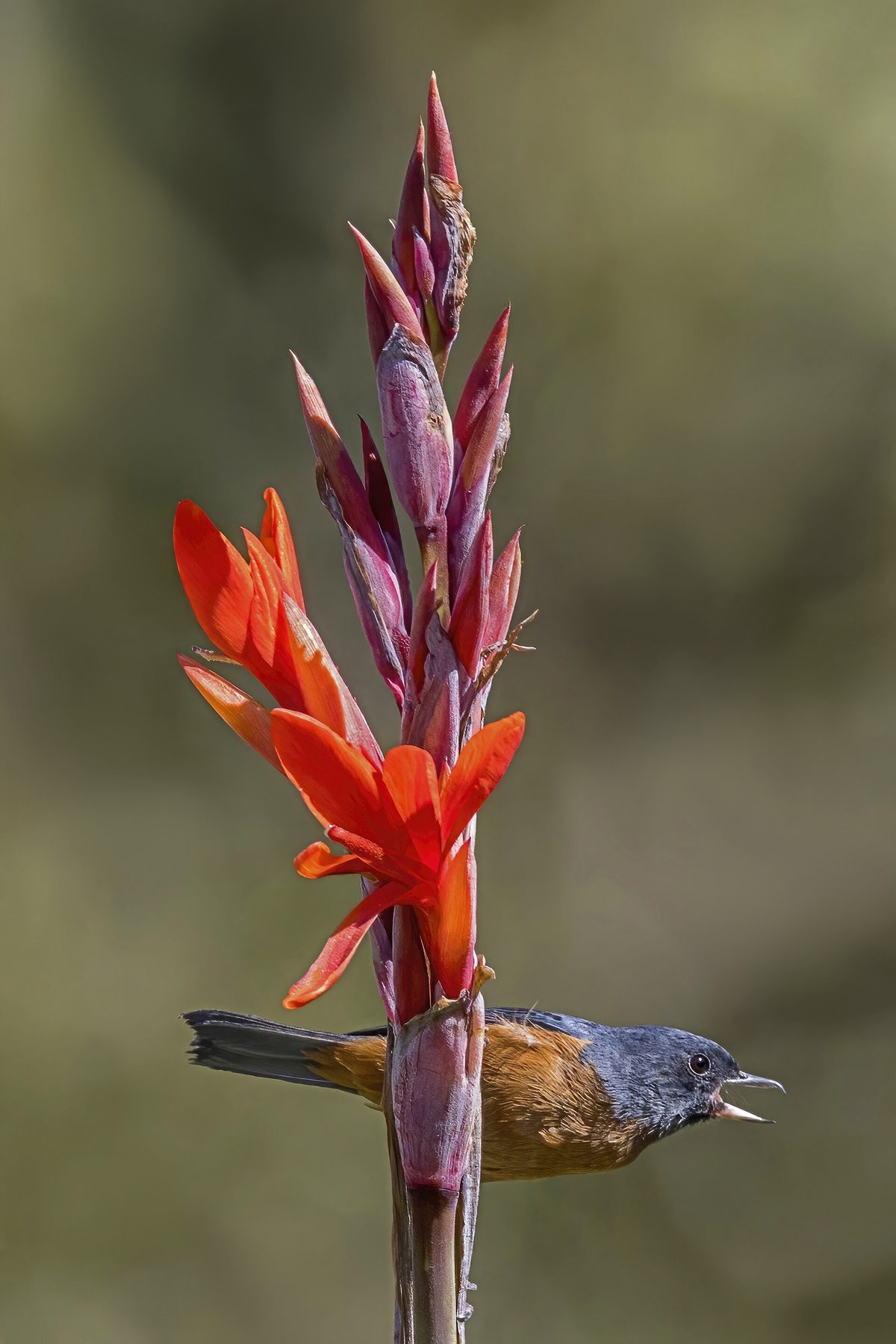
Indian Shot
Canna indica
Zones 8a–11b · 1.5–8.2 ft (0.46–2.49 m) · Full sun and part shade (full sun preferred)
Canna indica's place on this list follows the same rule as every other entry: a zone 8 hardiness rating and nothing else. The page treats it as one of 42 perennials meeting that bar, not as a standout choice.
-
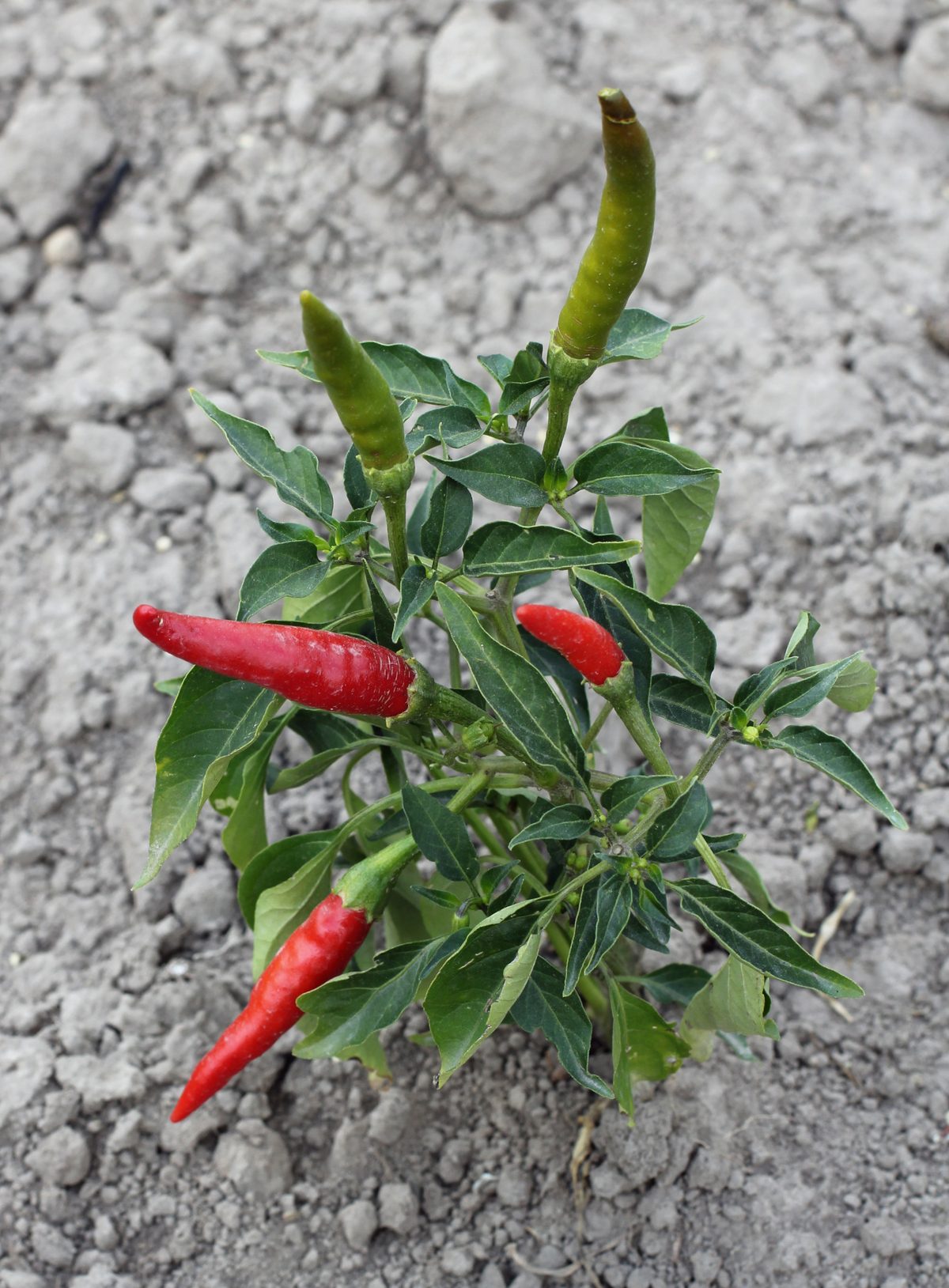
Cayenne Pepper
Capsicum annuum
Zones 4a–11b · 1–4 ft (0.3–1.22 m) · Full sun
Capsicum annuum is the last of the ten illustrated here, carrying the same zone 8 rating used to group every plant on this page. Nothing more specific than that rating is claimed for it in this list.
-
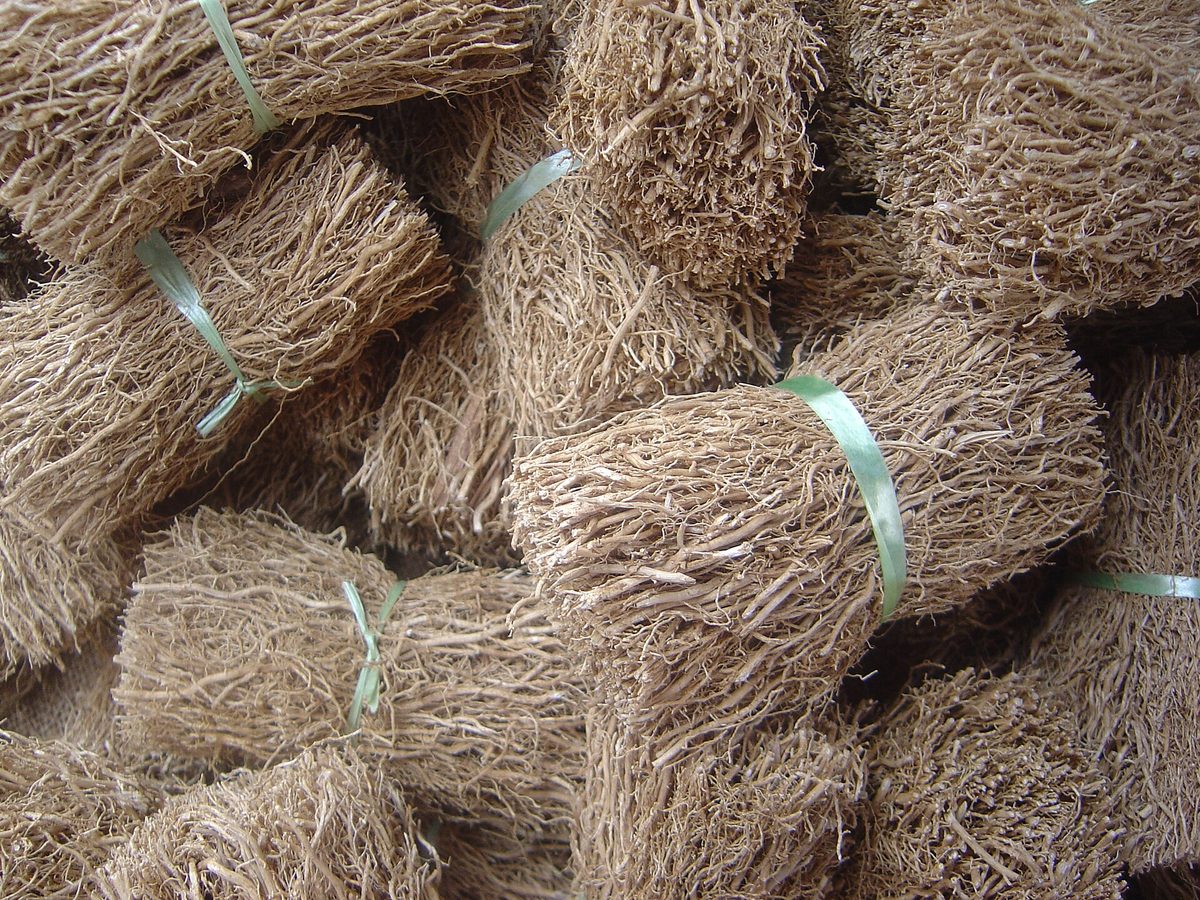
Vetivergrass
Chrysopogon zizanioides
Zones 8b–10b · Sources differ: University of Florida IFAS Extension (EDIS) · Full sun and part shade (full sun preferred)
-
-
Uruguayan Pampas Grass
Cortaderia selloana
Zones 6a–10b · 6–12 ft (1.83–3.66 m) · Full sun and part shade (full sun preferred)
-
-
Feathered Pink
Dianthus plumarius
Zones 3a–9b · 0.5–2 ft (0.15–0.61 m) · Full sun and part shade (full sun preferred)
-
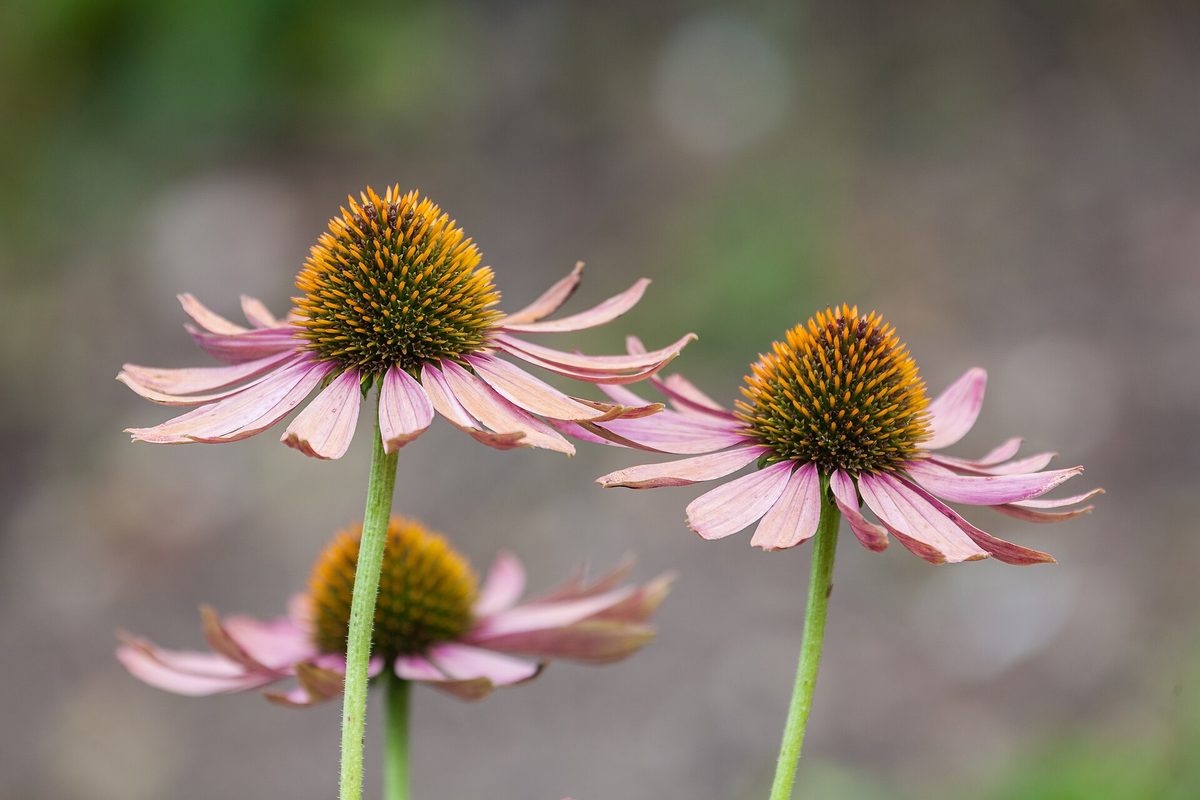
Purple Coneflower
Echinacea purpurea
Zones 3a–8b · 3–4 ft (0.91–1.22 m) · Full sun and part shade (full sun preferred)
-
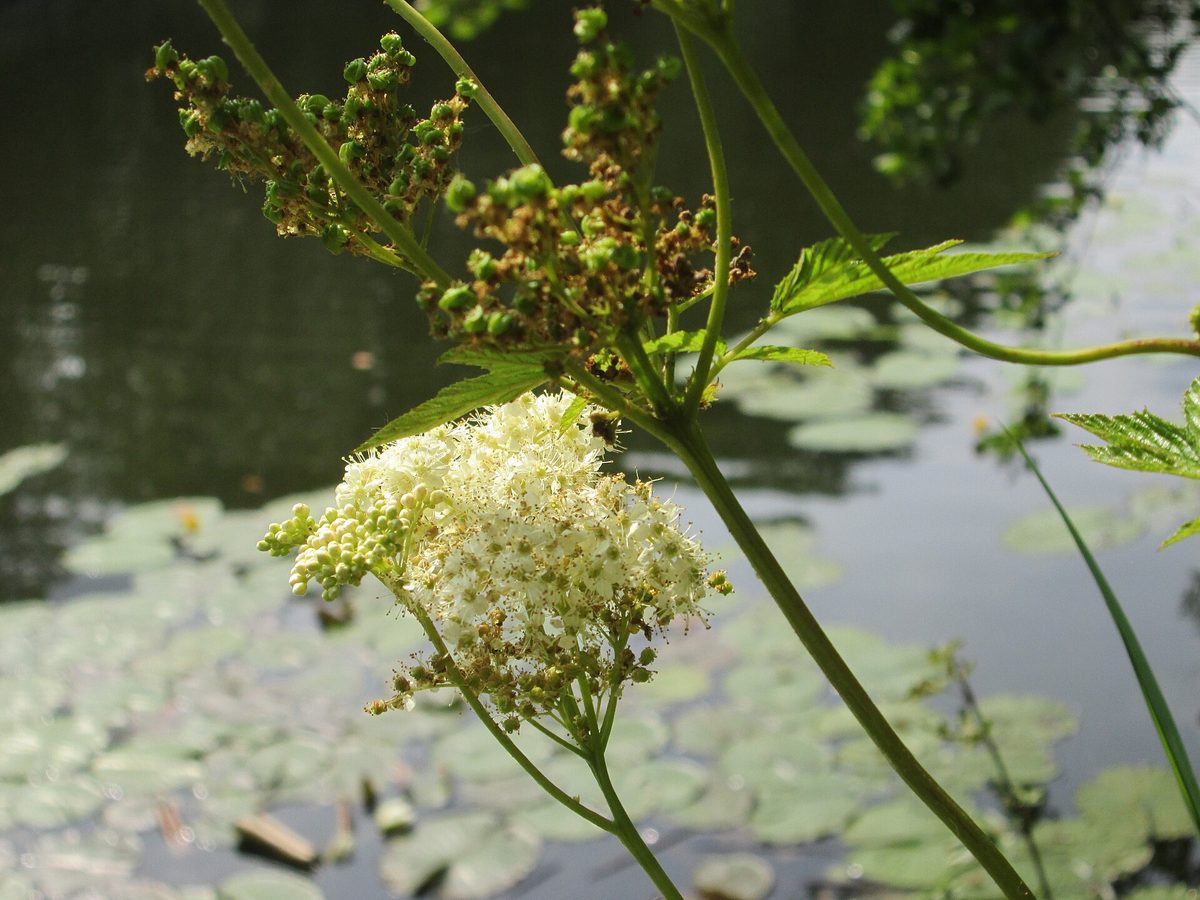
Queen of the Meadow
Filipendula ulmaria
Zones 3a–9b · 4 ft (1.22 m) · Full sun and part shade (full sun preferred)
-
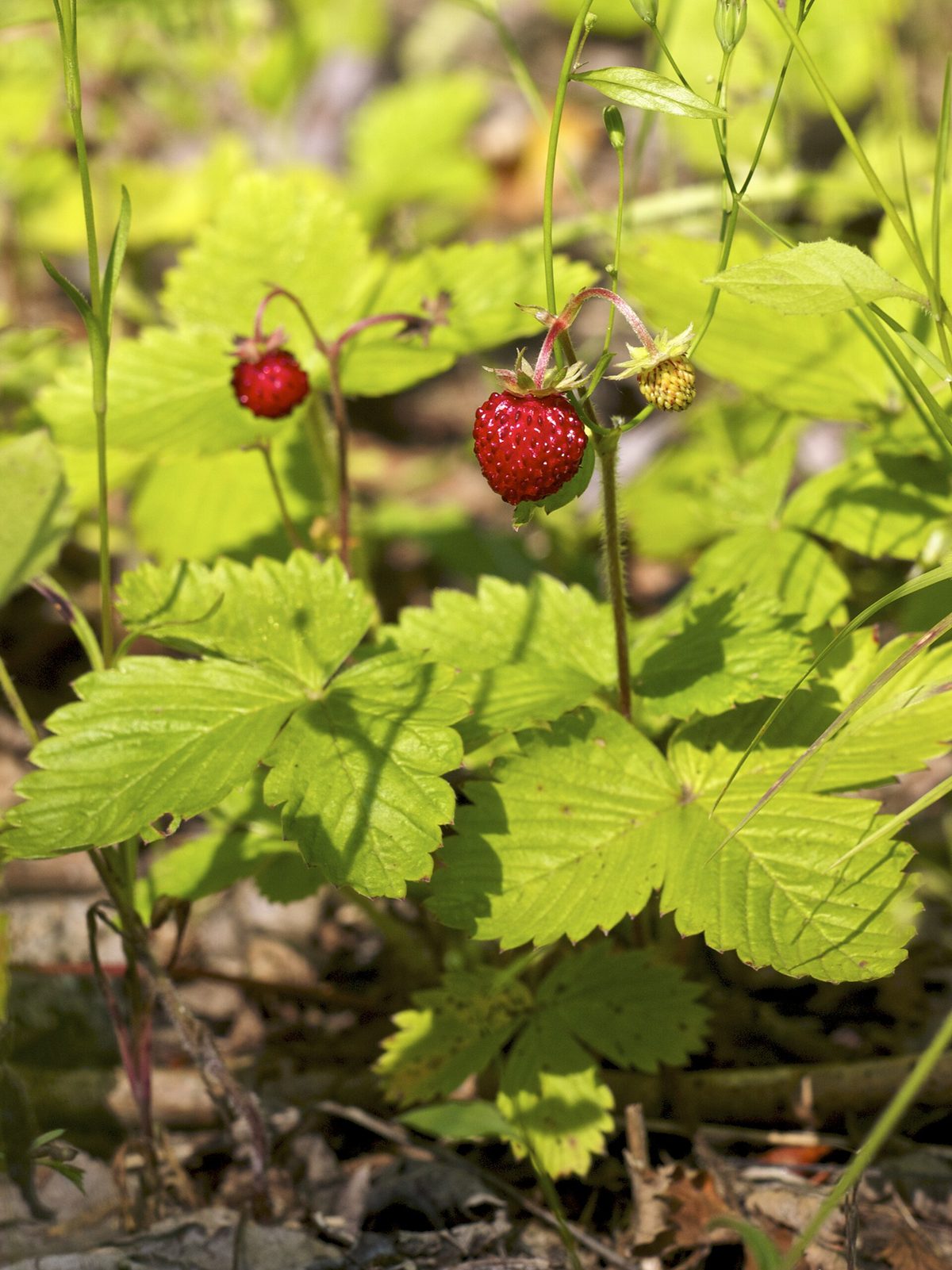
Woodland Strawberry
Fragaria vesca
Zones 4a–9b · 0.7–0.8 ft (0.2–0.25 m) · Part shade and full shade (part shade preferred)
-
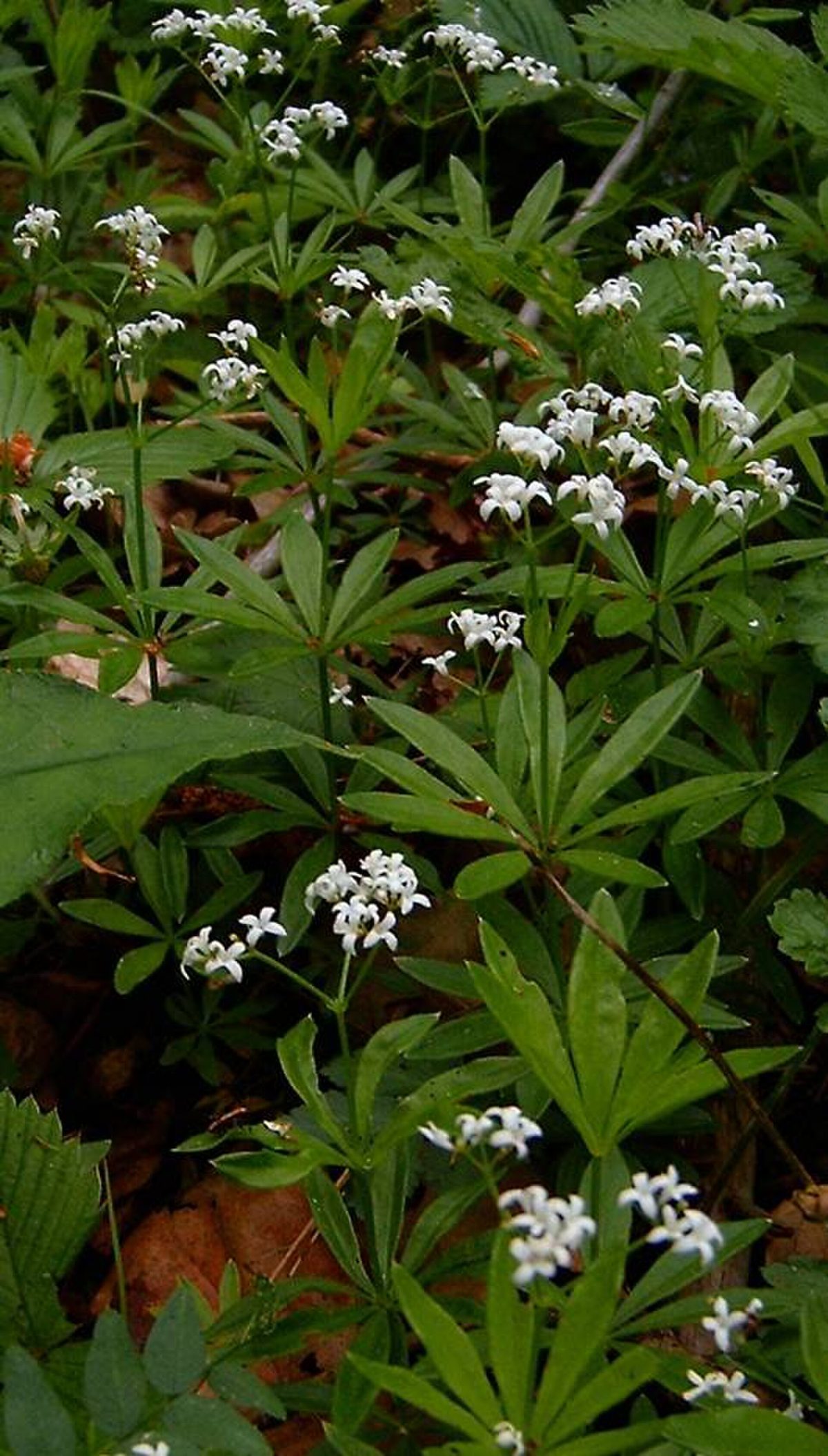
Sweetscented Bedstraw
Galium odoratum
Zones 4a–8b · 0.5–1 ft (0.15–0.3 m) · Part shade and full shade (part shade preferred)
-
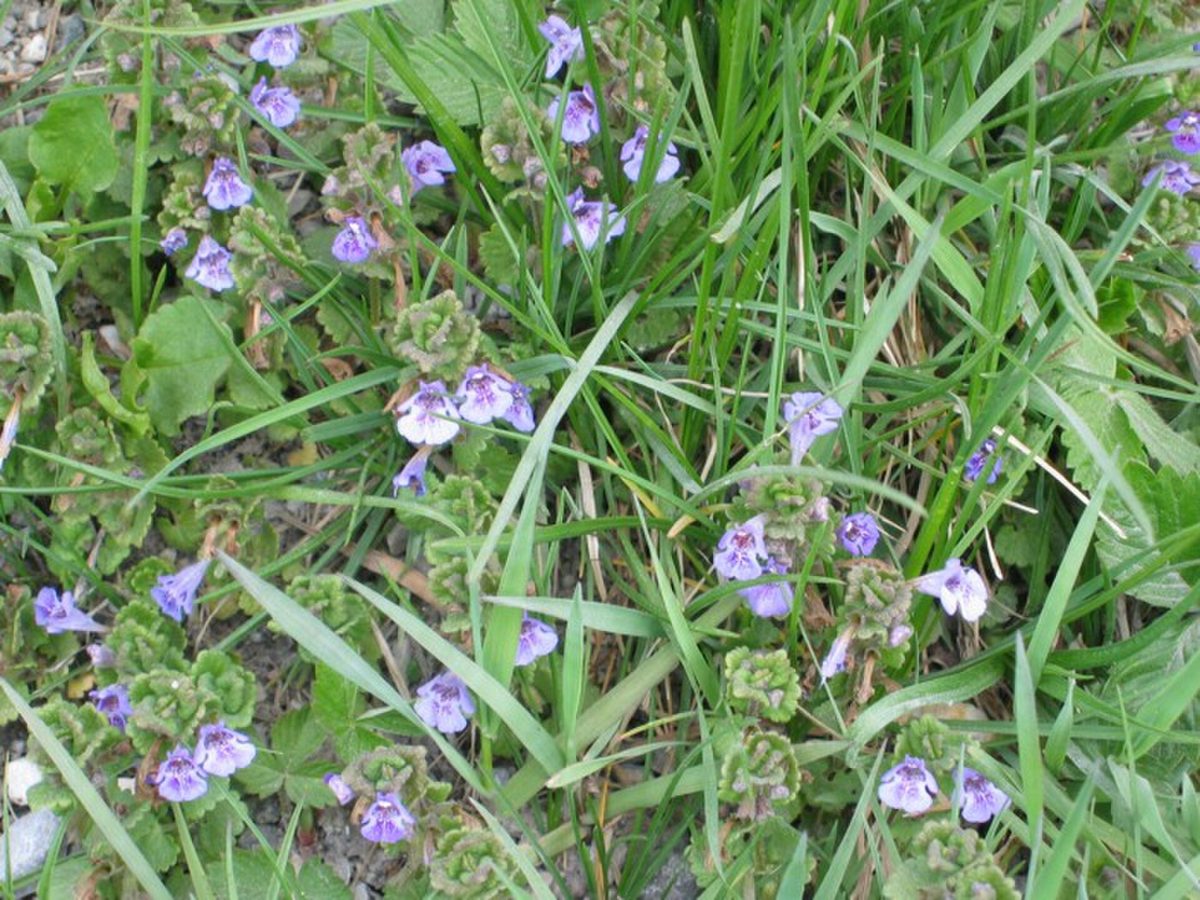
Ground Ivy
Glechoma hederacea
0.2–1 ft (0.05–0.3 m) · Full sun, part shade and full shade (full sun preferred)
-
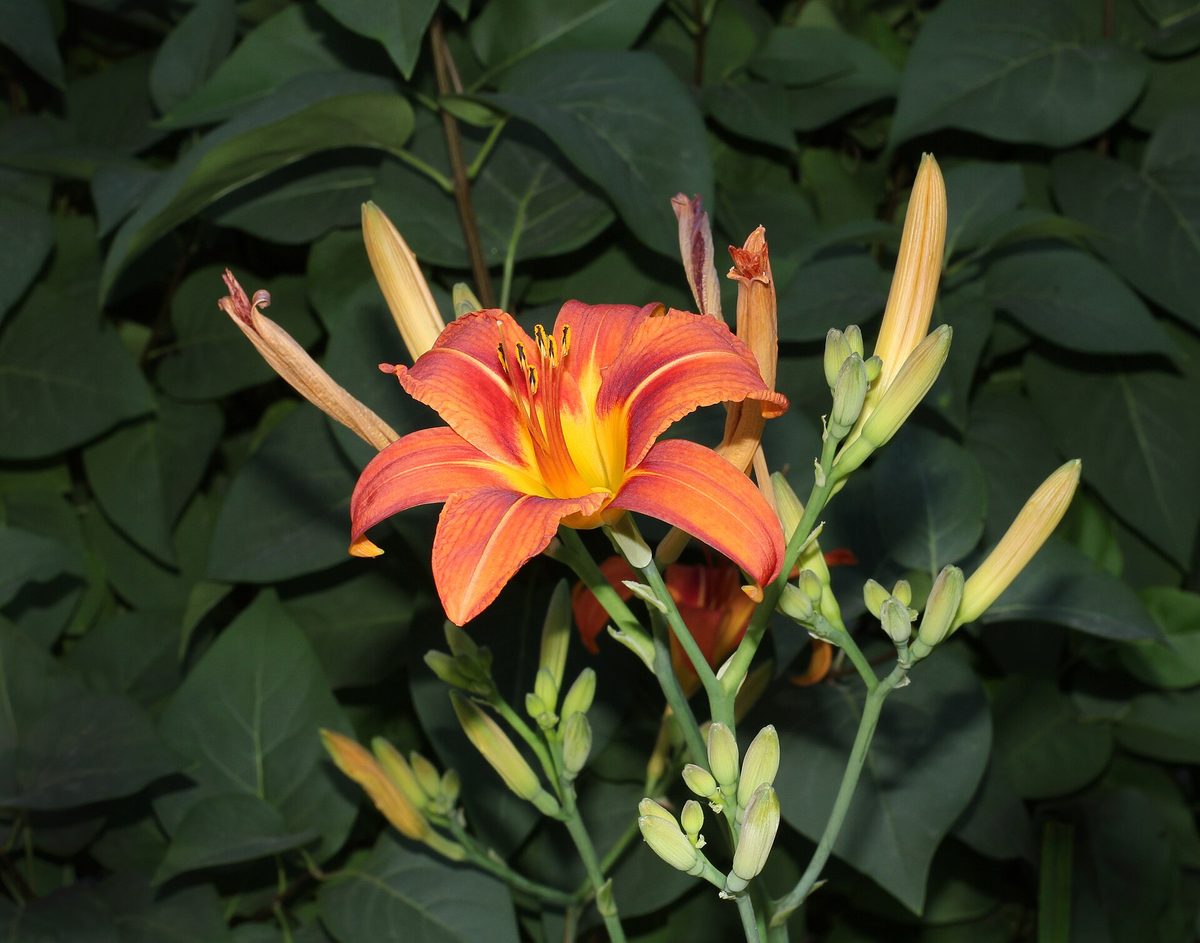
Daylily
Hemerocallis fulva
Zones 3a–8b · 3–6 ft (0.91–1.83 m) · Full sun and part shade (full sun preferred)
-
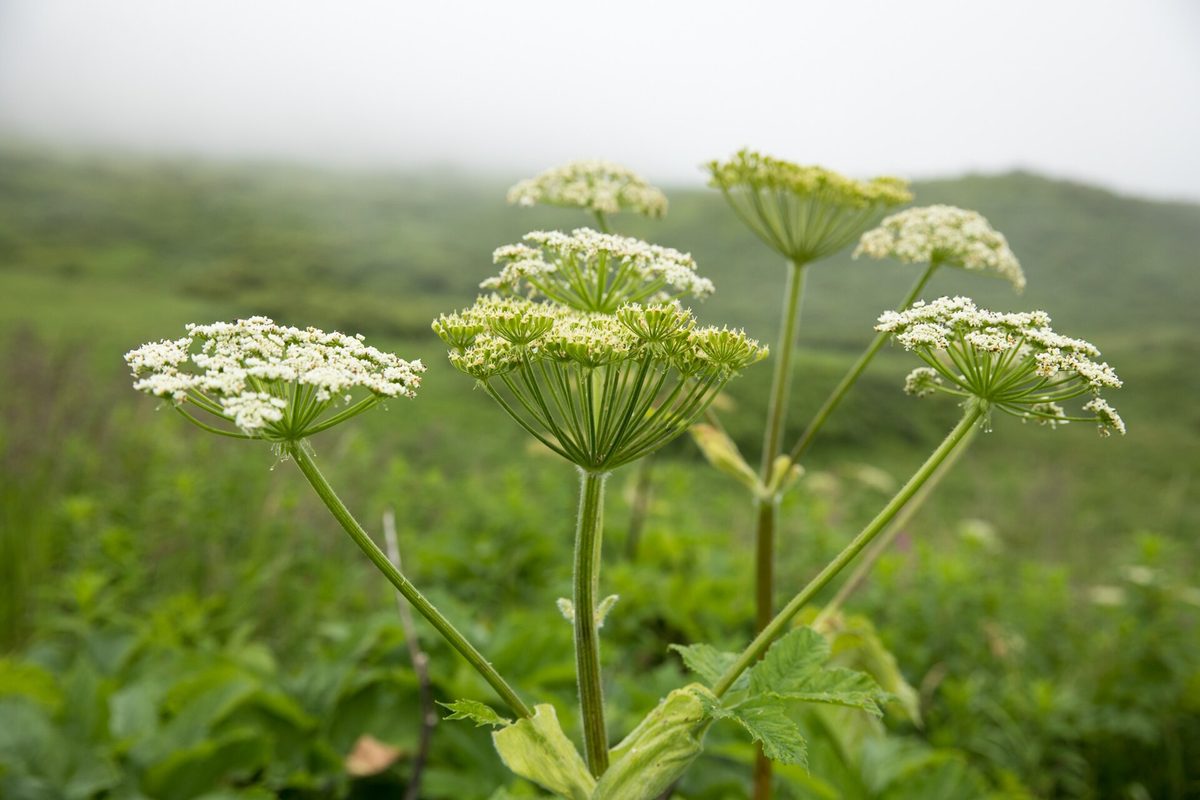
Common Cowparsnip
Heracleum maximum
Zones 4a–10a · 3.3–9.8 ft (1–3 m) · Full sun, part shade and full shade (full sun preferred)
-
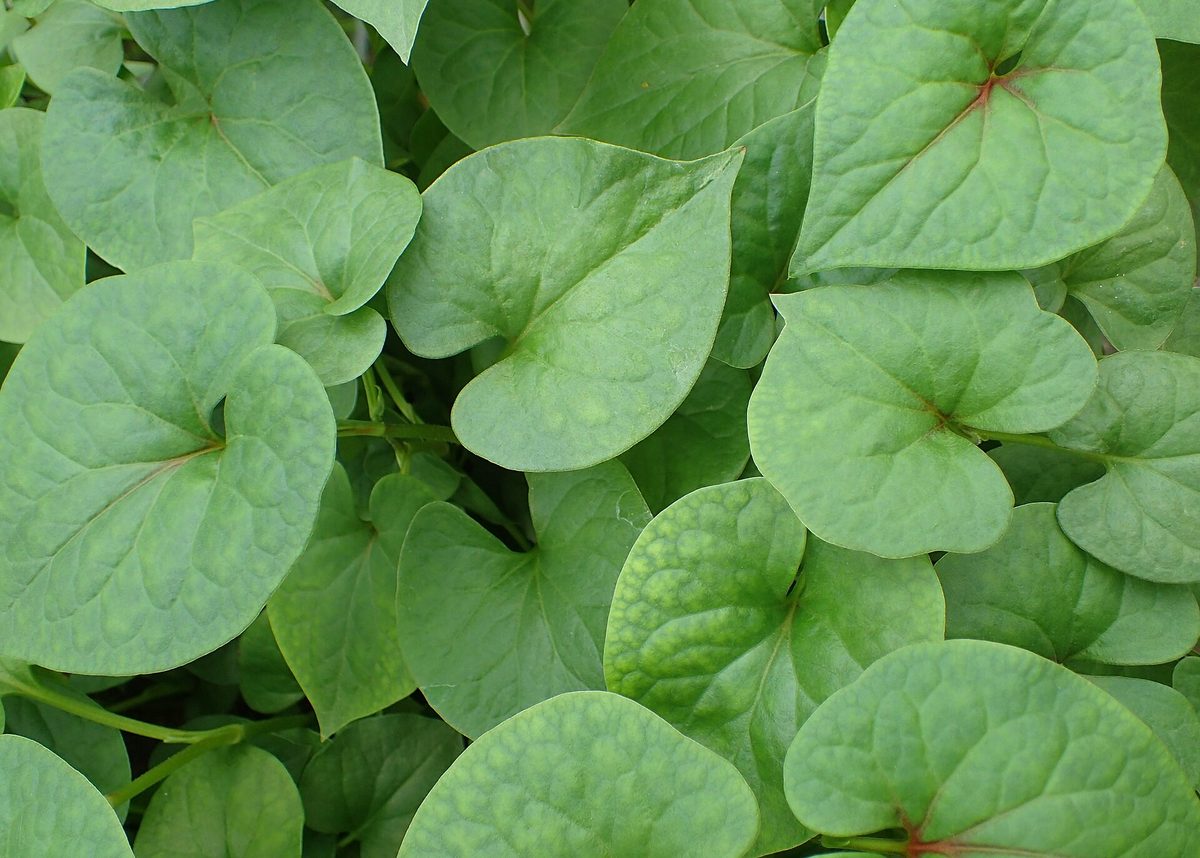
Chameleon
Houttuynia cordata
Zones 4a–10b · 0.5–1.7 ft (0.15–0.51 m) · Full sun, part shade and full shade (full sun preferred)
-
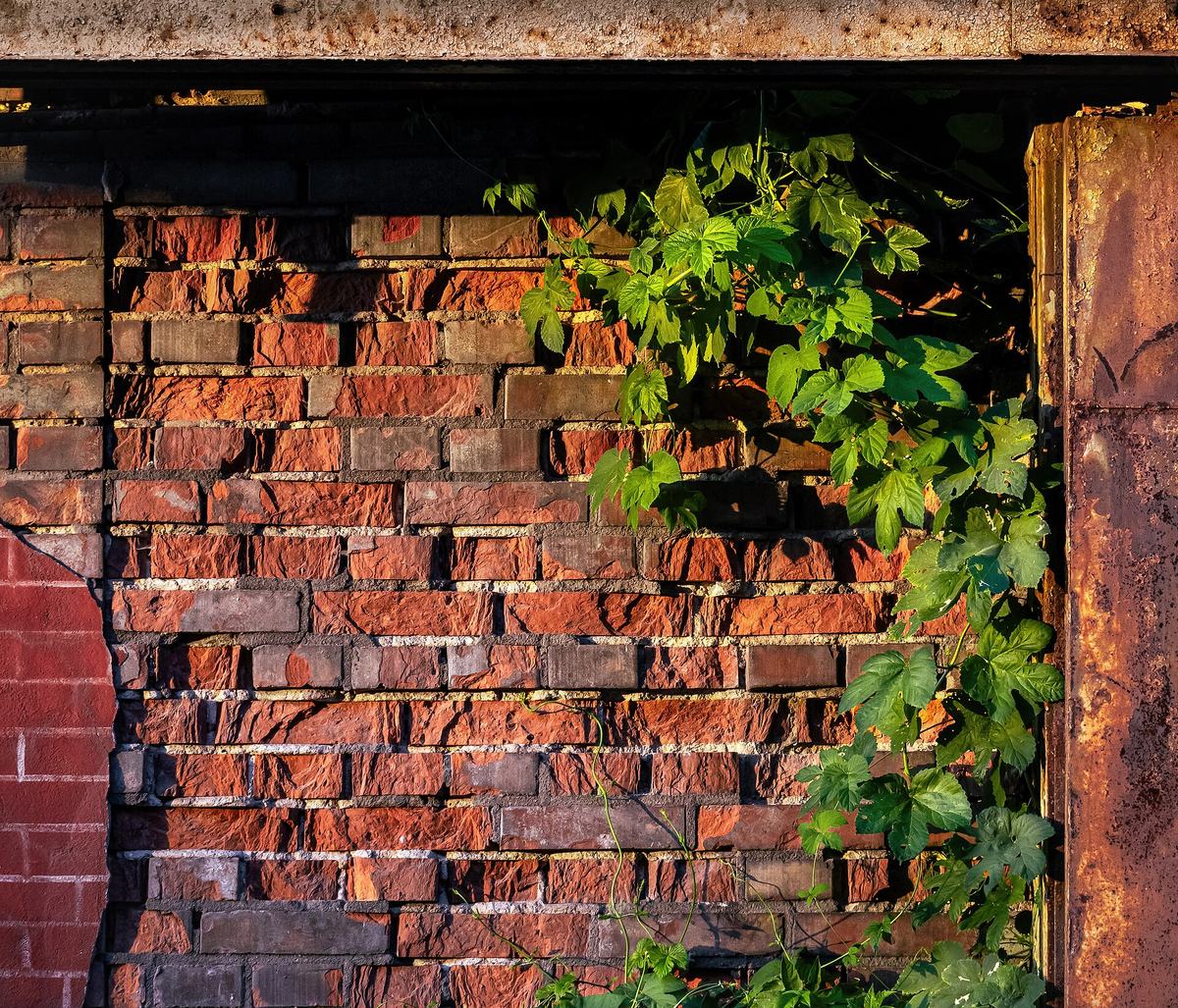
Common Hop
Humulus lupulus
Zones 5a–8b · Sources differ: Utah State University Extension; Utah State University Extension · Full sun and part shade (full sun preferred)
-
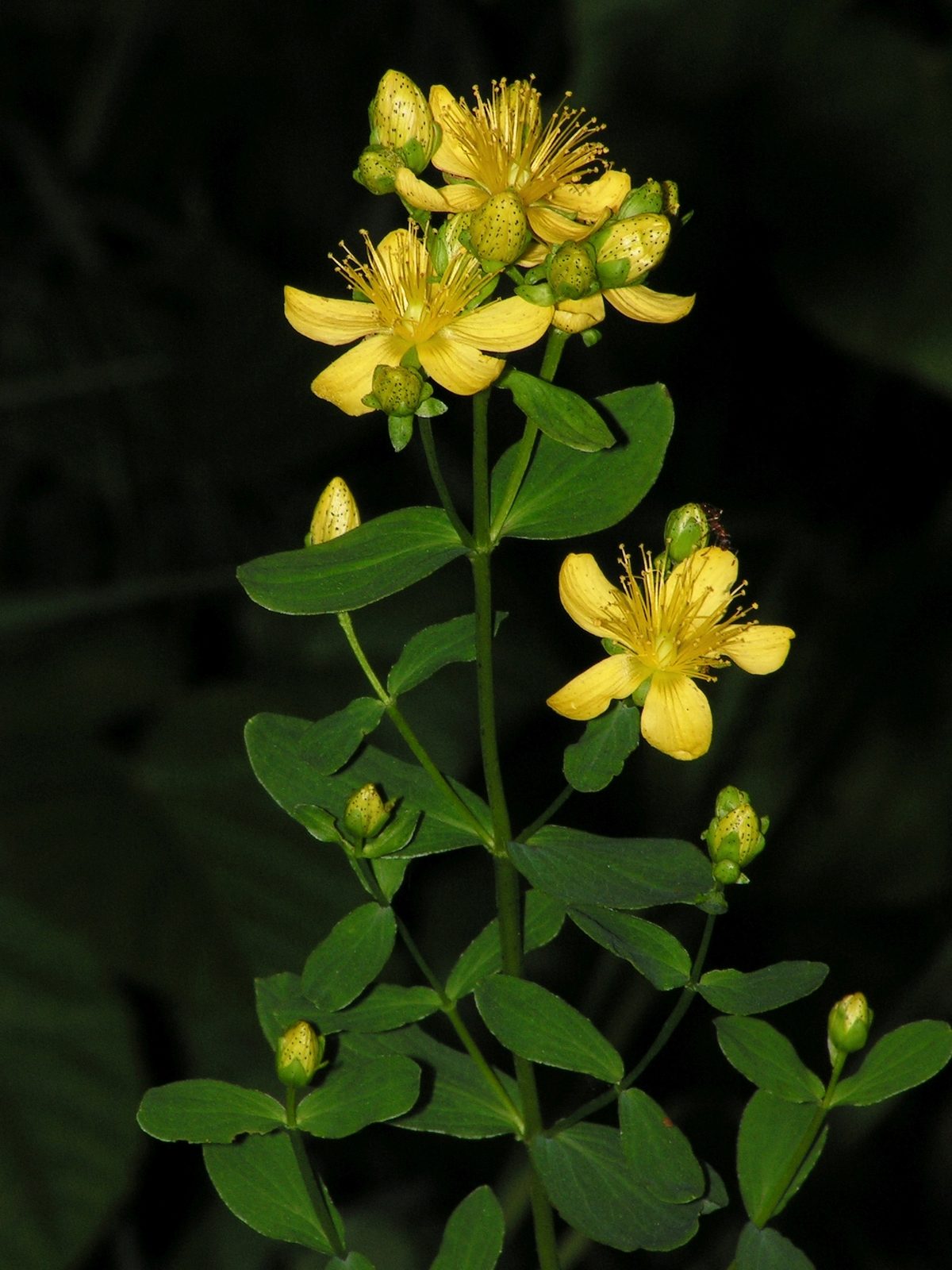
Common St. Johnswort
Hypericum perforatum
Zones 3a–8b · 1–3.3 ft (0.3–1 m) · Full sun and part shade (full sun preferred)
-
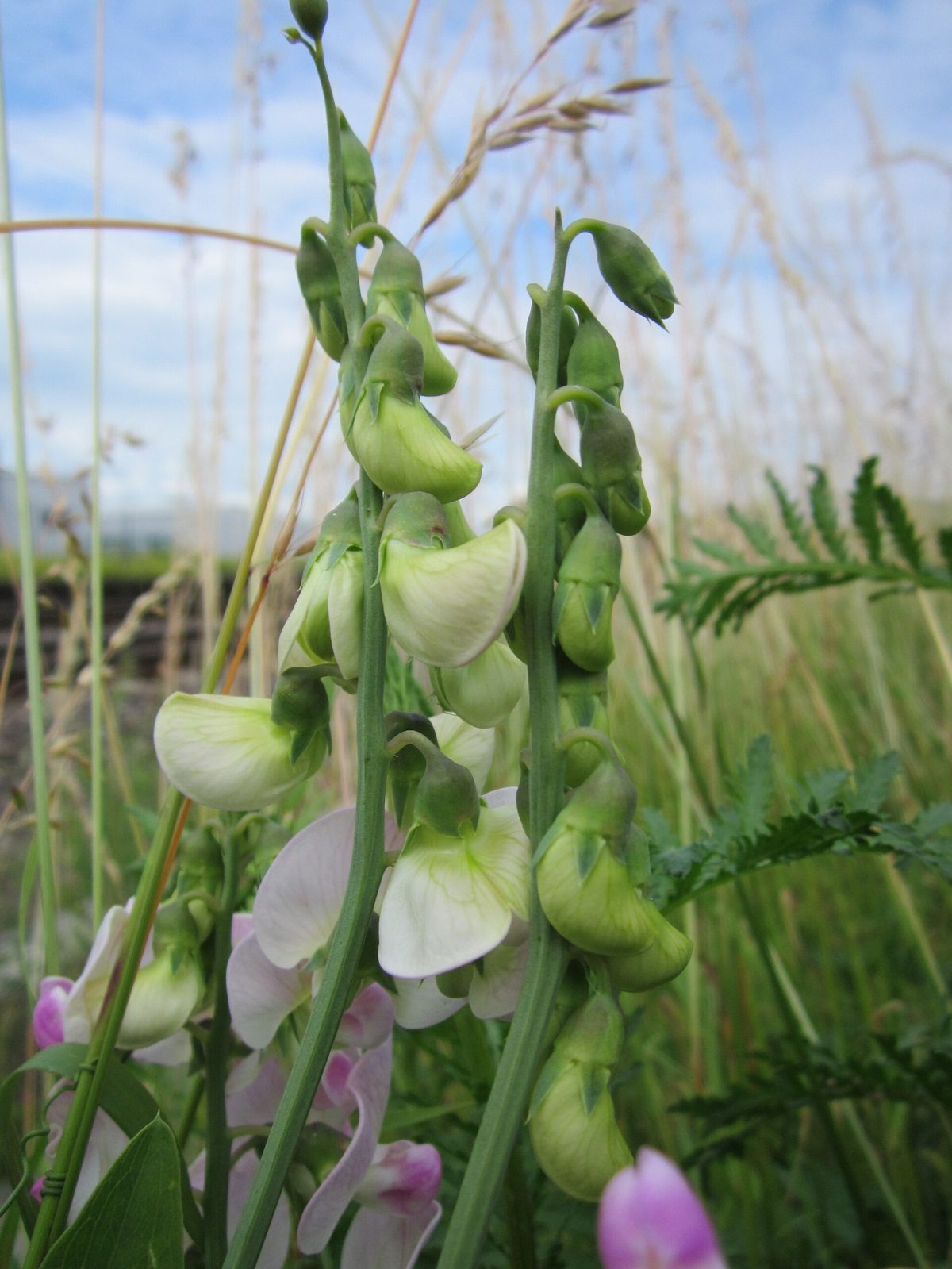
Perennial Pea
Lathyrus latifolius
Zones 4a–8b · 6–10 ft (1.83–3.05 m) · Full sun and part shade (full sun preferred)
-
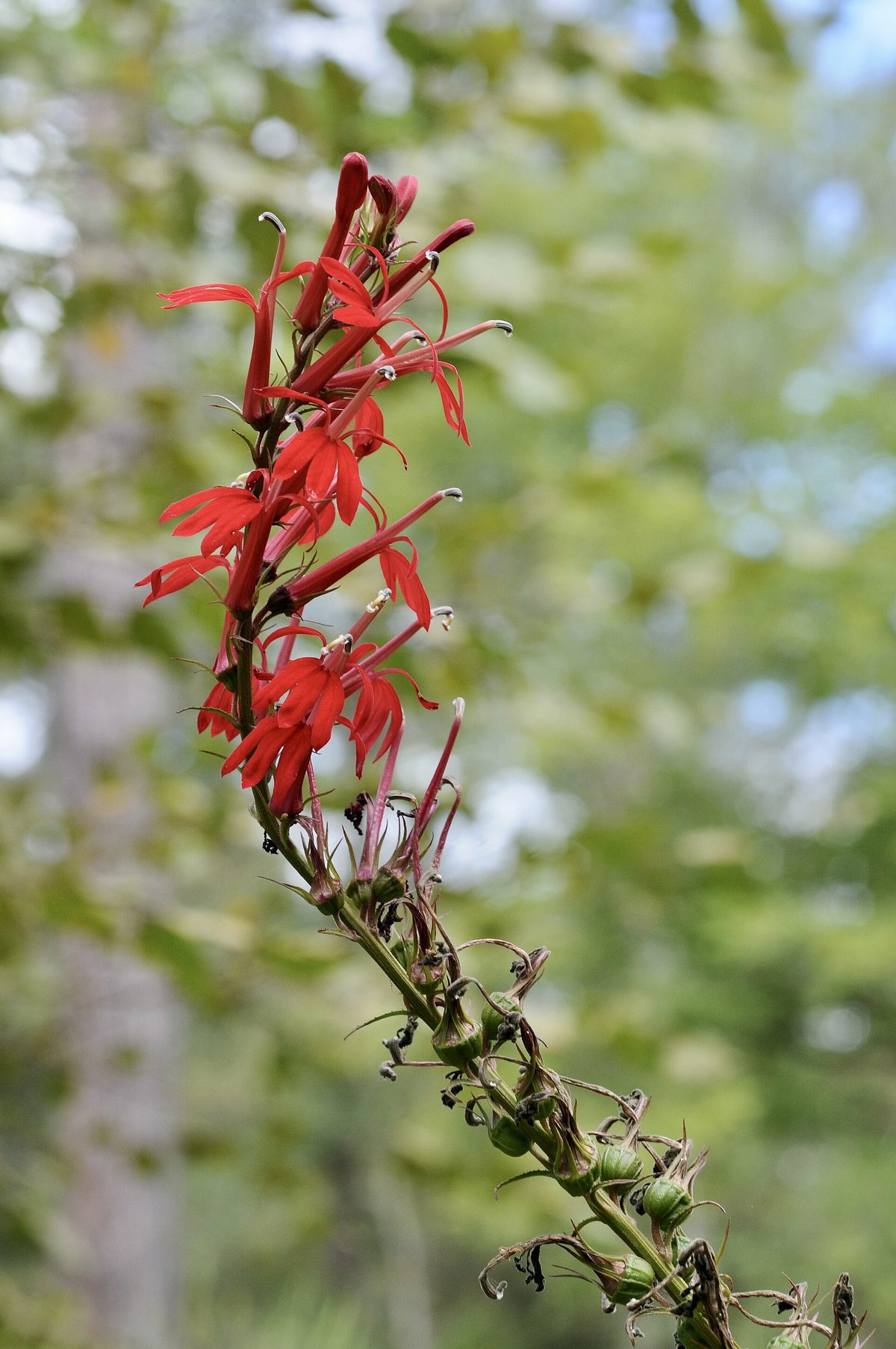
Cardinalflower
Lobelia cardinalis
Zones 3a–9b · 4–5 ft (1.22–1.52 m) · Full sun, part shade and full shade (full sun preferred)
-
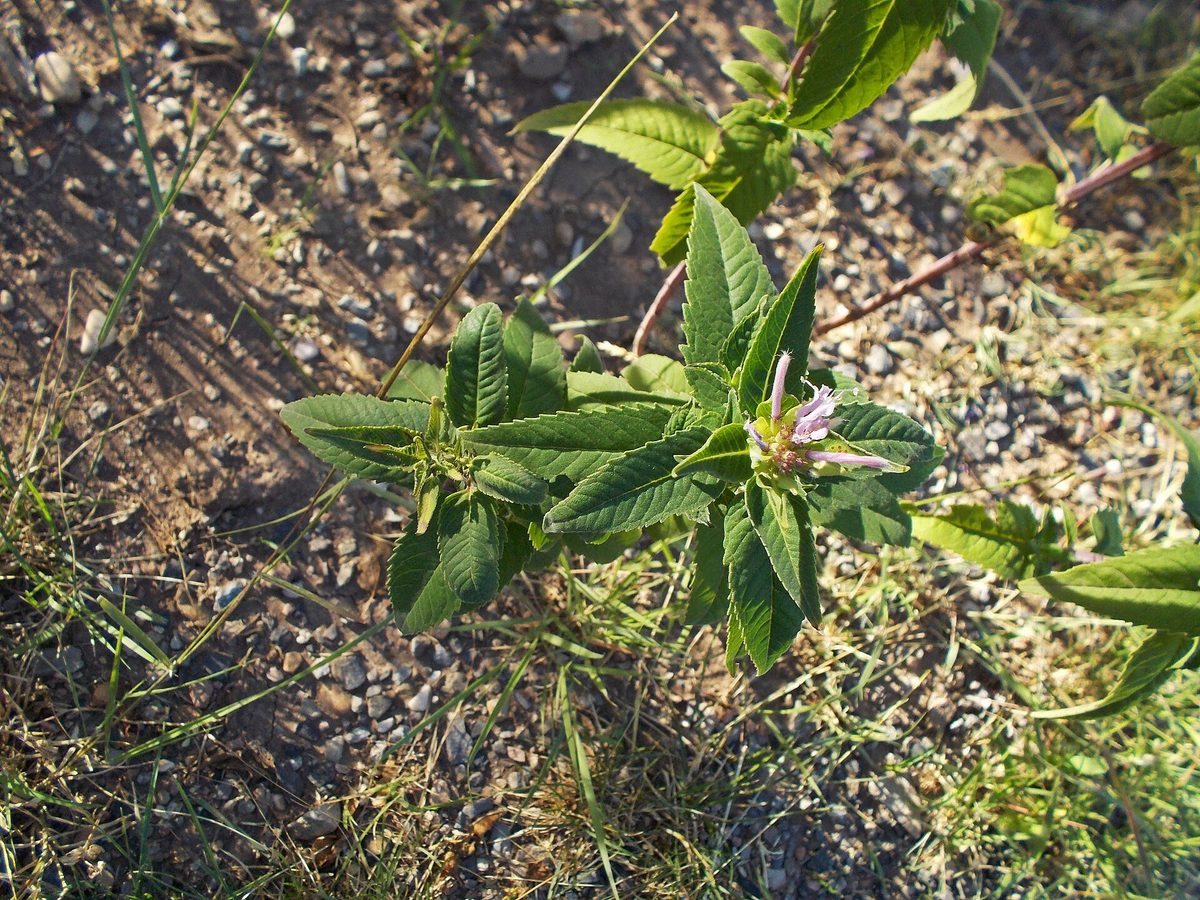
Wild Bergamot
Monarda fistulosa
Zones 3a–9b · 2–5 ft (0.61–1.52 m) · Full sun and part shade (full sun preferred)
-
-
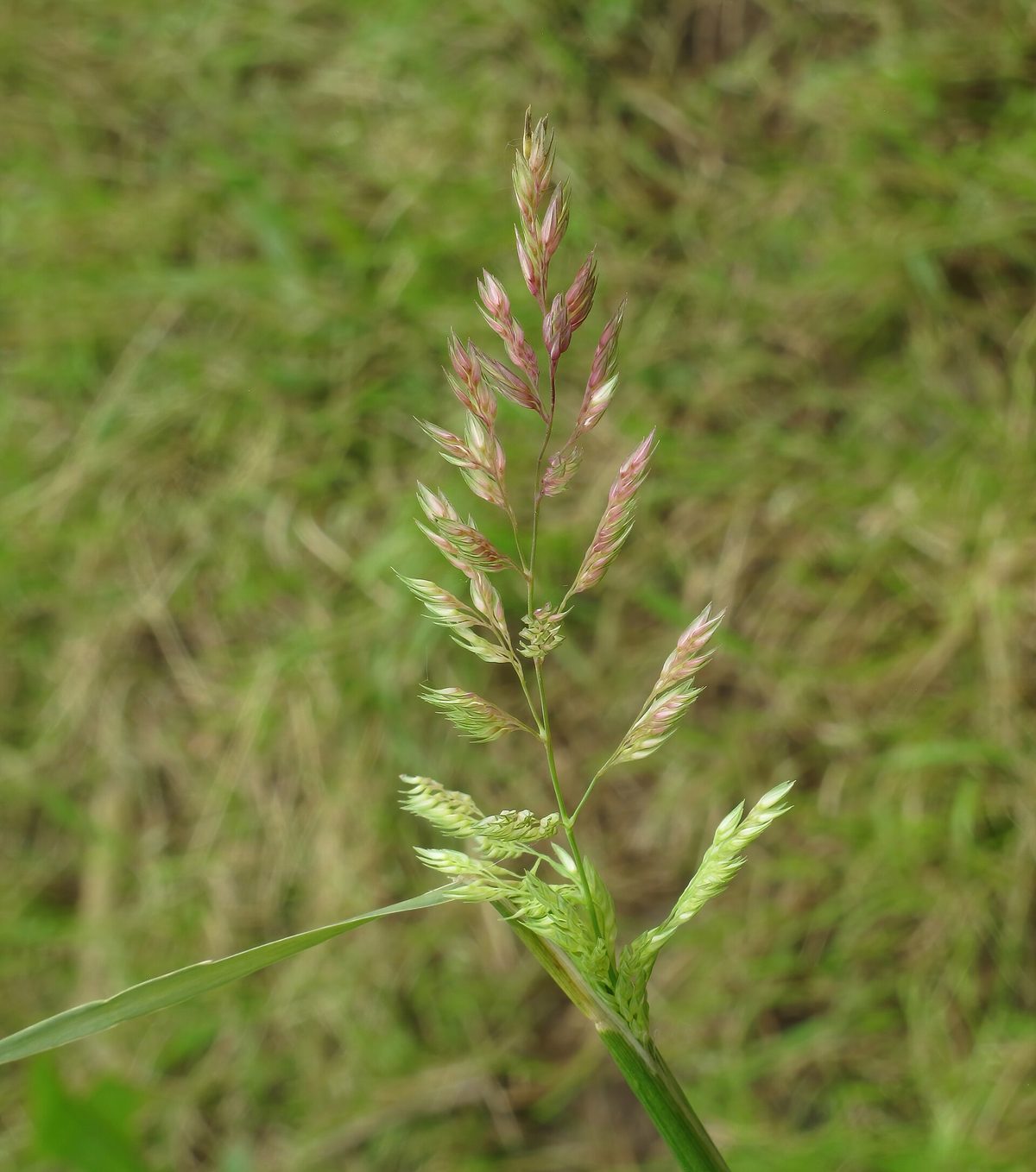
Reed Canarygrass
Phalaris arundinacea
Zones 4a–9b · 2–5 ft (0.61–1.52 m) · Full sun and part shade (full sun preferred)
-
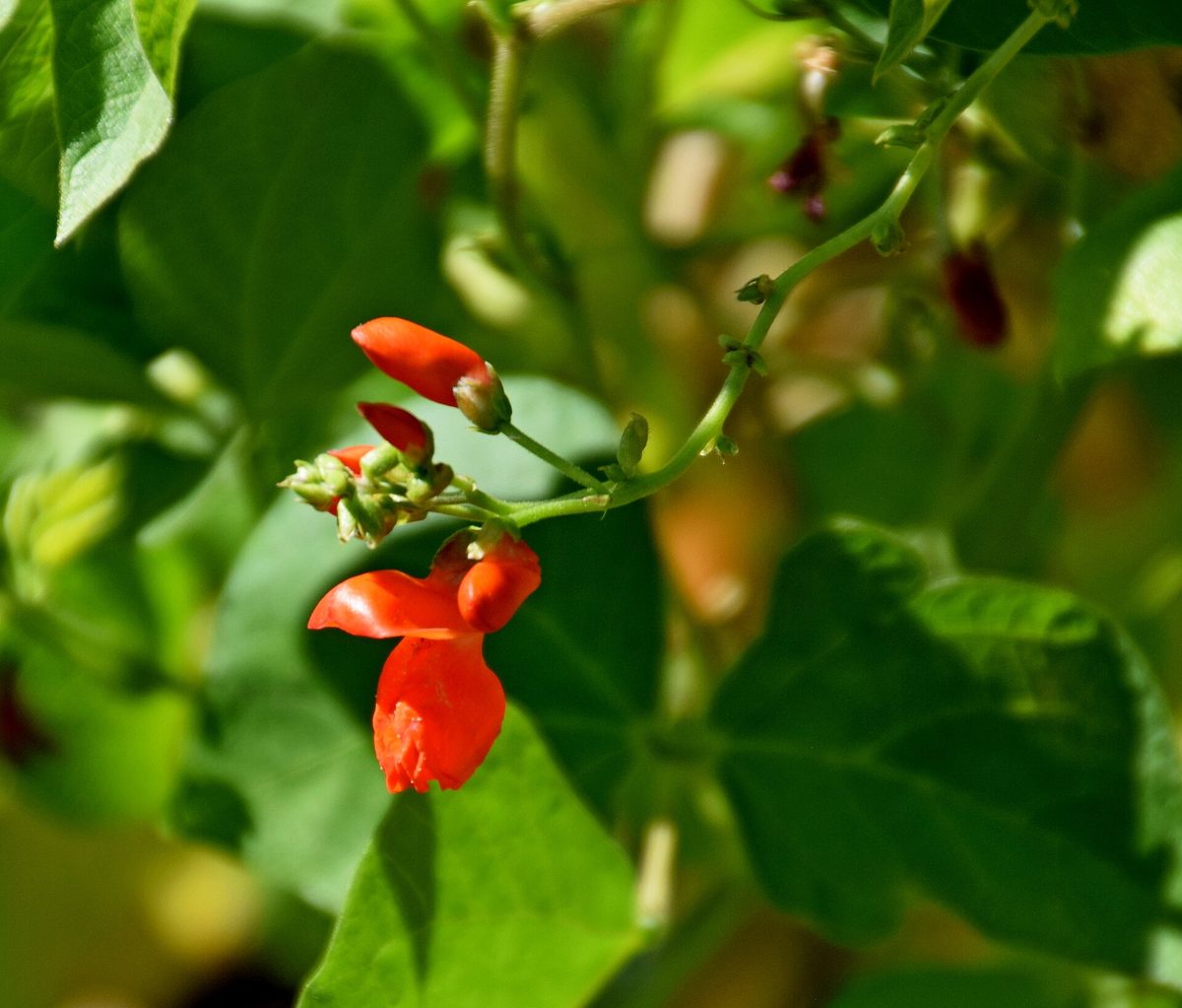
Scarlet Runner
Phaseolus coccineus
Zones 7a–11b · 8–12 ft (2.44–3.66 m) · Full sun
-
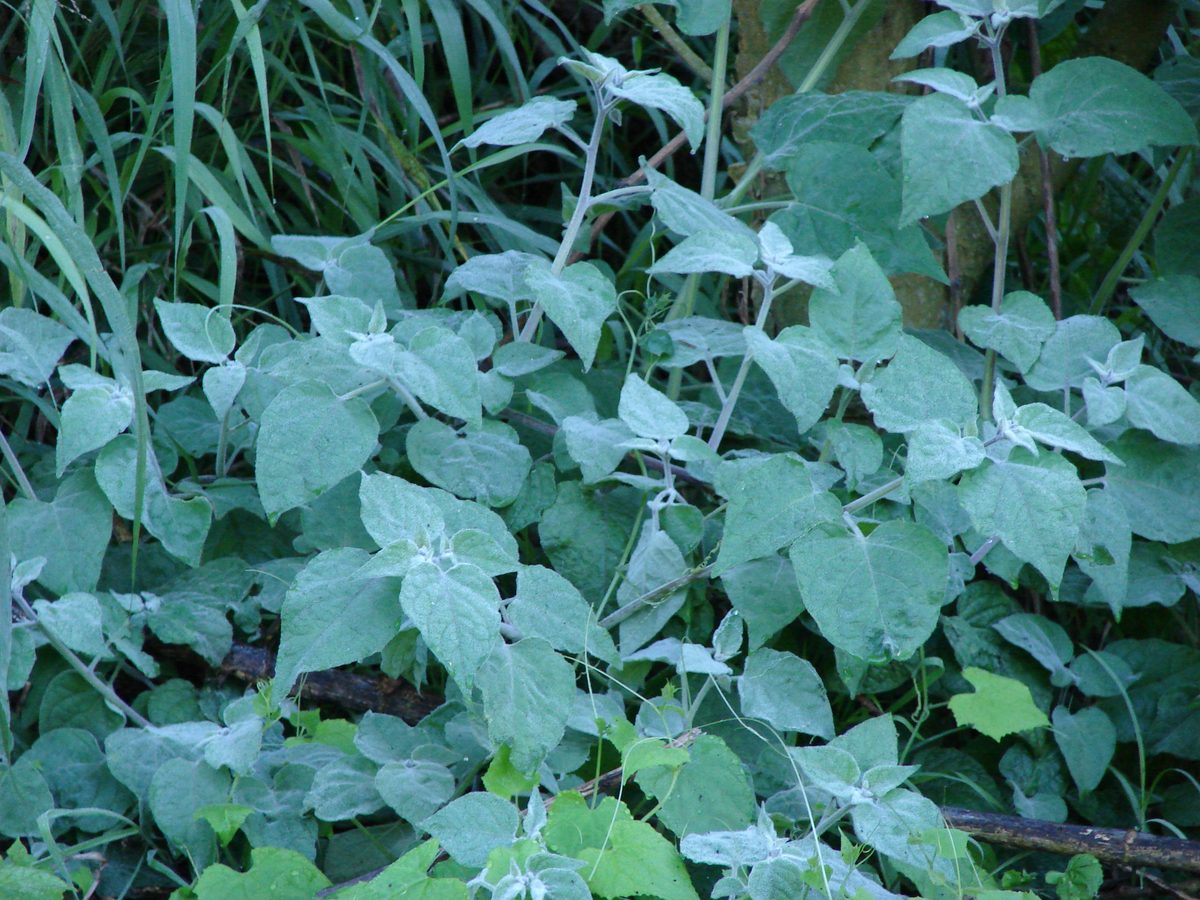
-
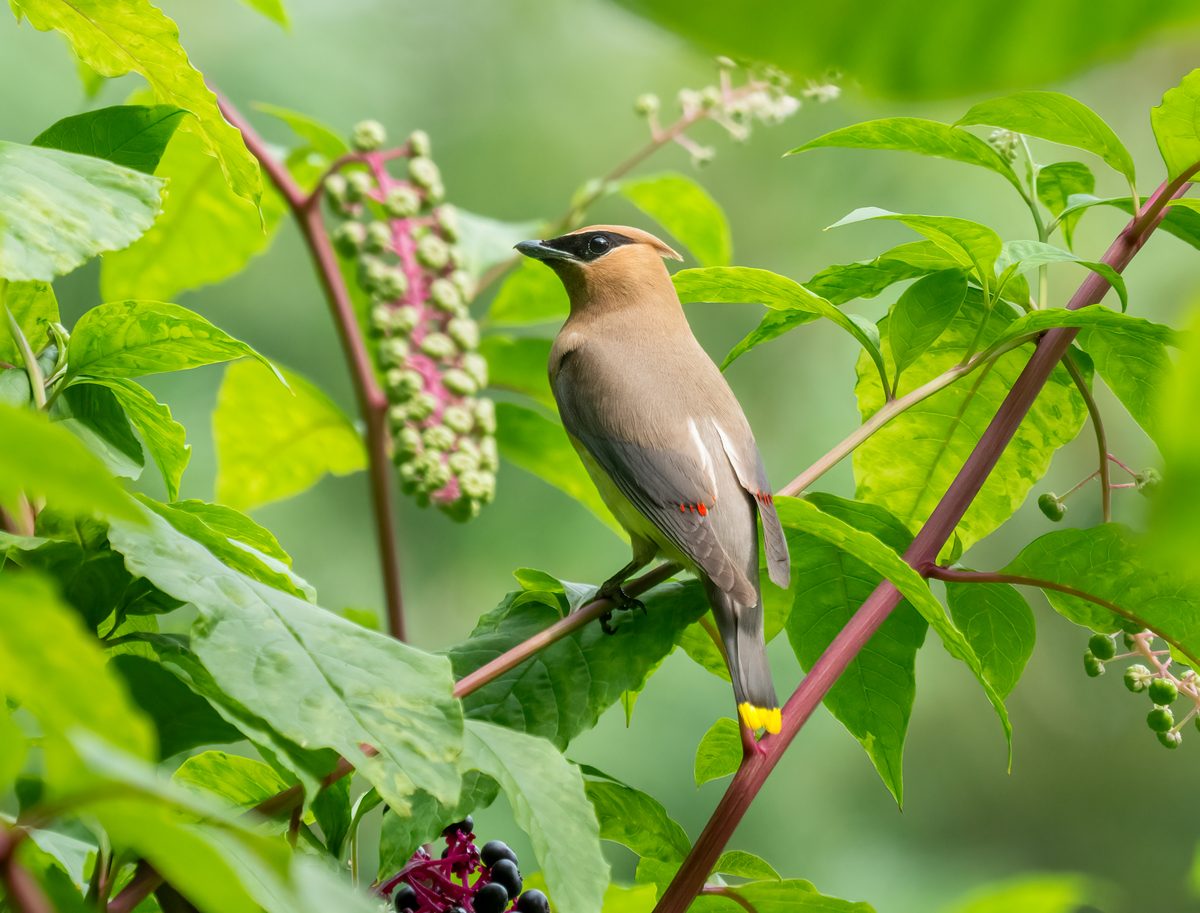
American Pokeweed
Phytolacca americana
Zones 4a–8b · 4–10 ft (1.22–3.05 m) · Full sun and part shade (full sun preferred)
-
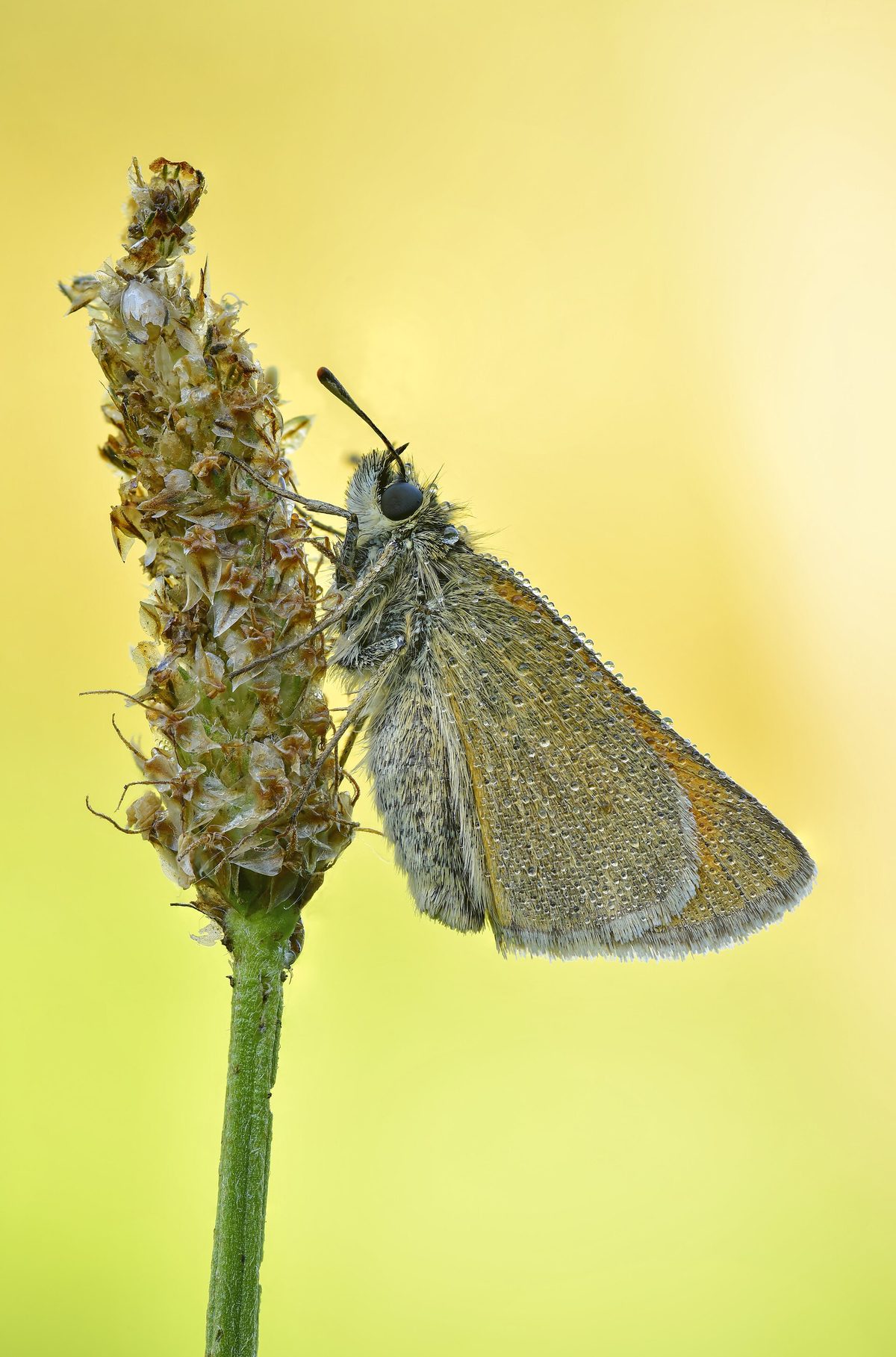
-
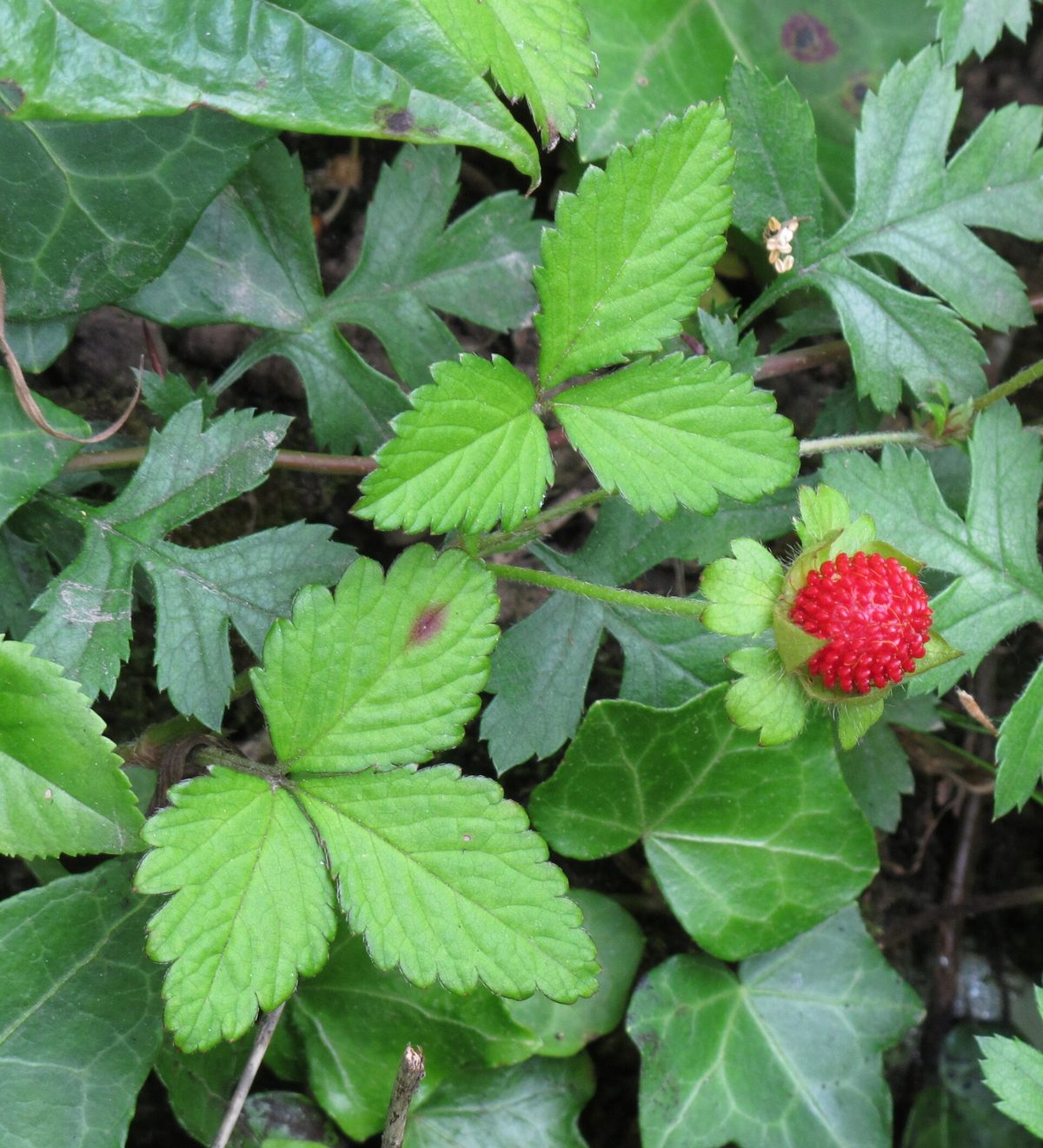
Indian Strawberry
Potentilla indica
Zones 5a–9b · 0.2–0.7 ft (0.08–0.2 m) · Full sun and part shade (full sun preferred)
-
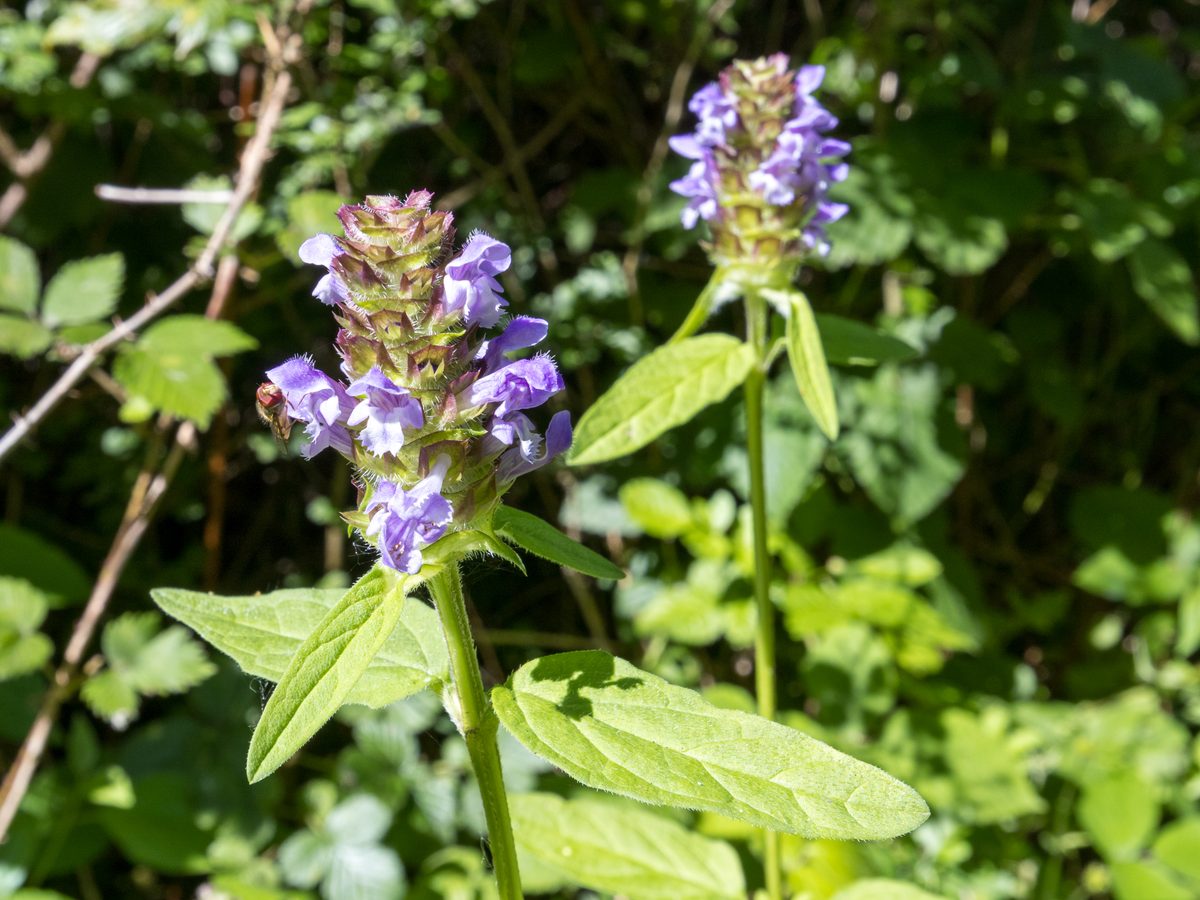
Common Selfheal
Prunella vulgaris
Zones 3a–9b · 1.7 ft (0.51 m) · Full sun and part shade (full sun preferred)
-
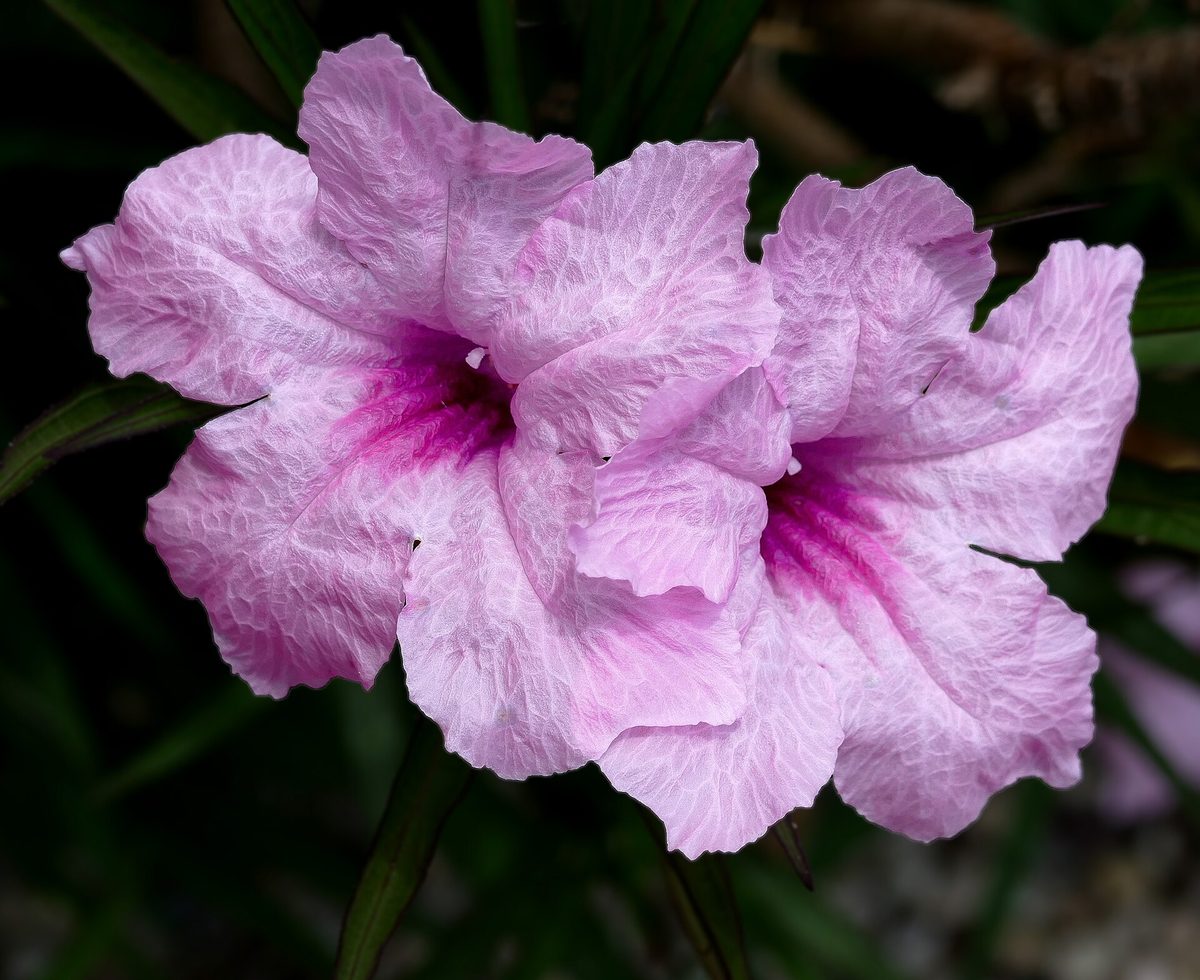
Softseed Wild Petunia
Ruellia simplex
Zones 8a–10b · 3–4 ft (0.91–1.22 m) · Full sun and part shade (full sun preferred)
-
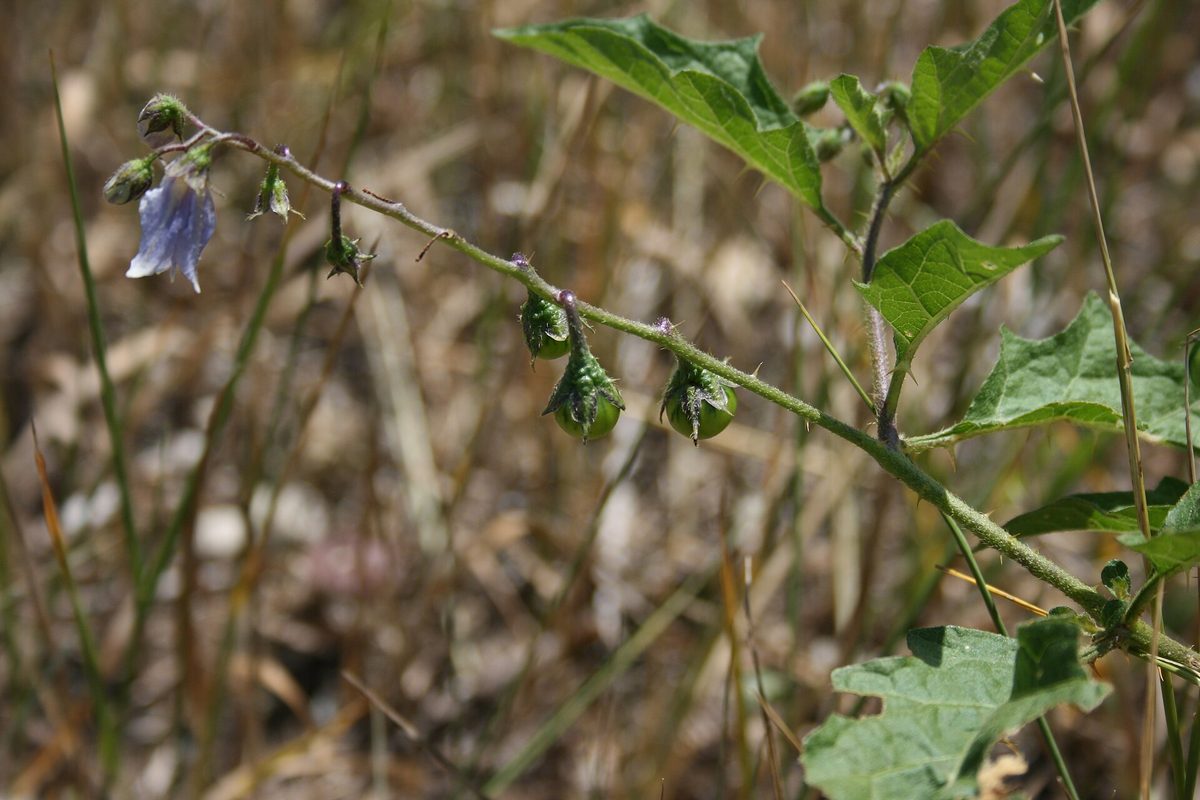
-
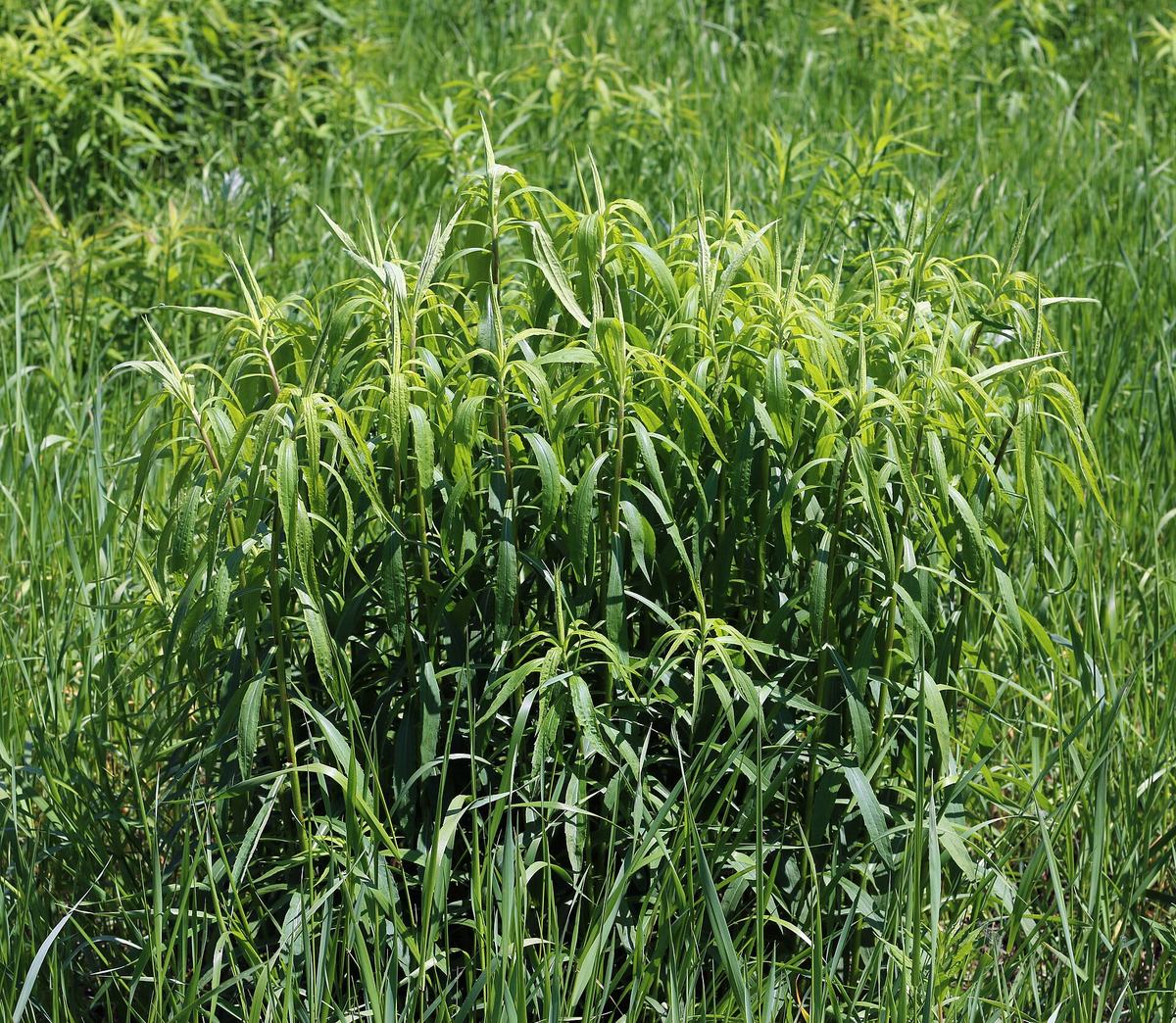
Canada Goldenrod
Solidago canadensis
Zones 5a–9b · 2–4 ft (0.61–1.22 m) · Full sun and part shade (full sun preferred)
-
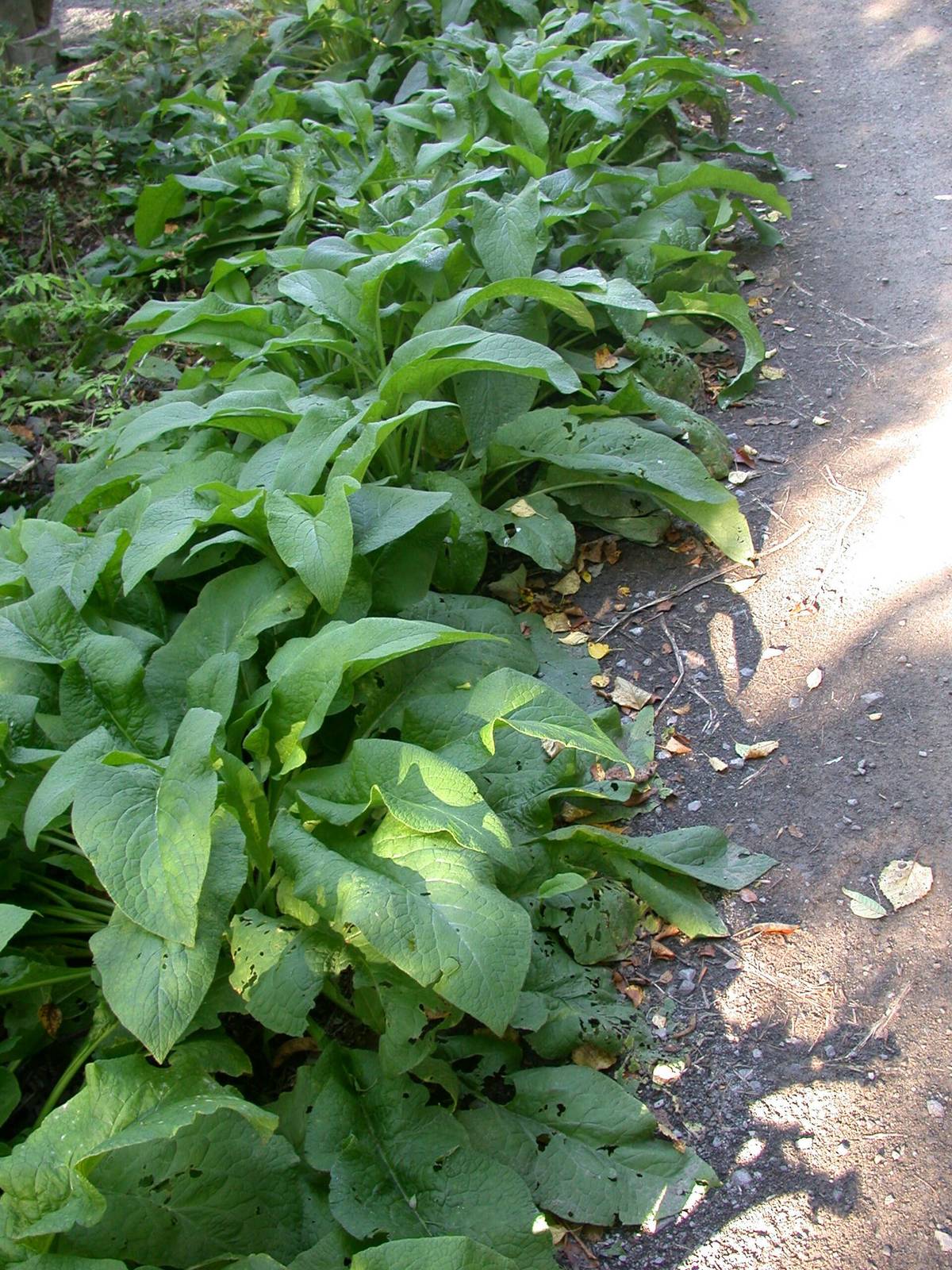
Common Comfrey
Symphytum officinale
Zones 4a–8b · 1–3 ft (0.3–0.91 m) · Full sun and part shade (full sun preferred)
-
-
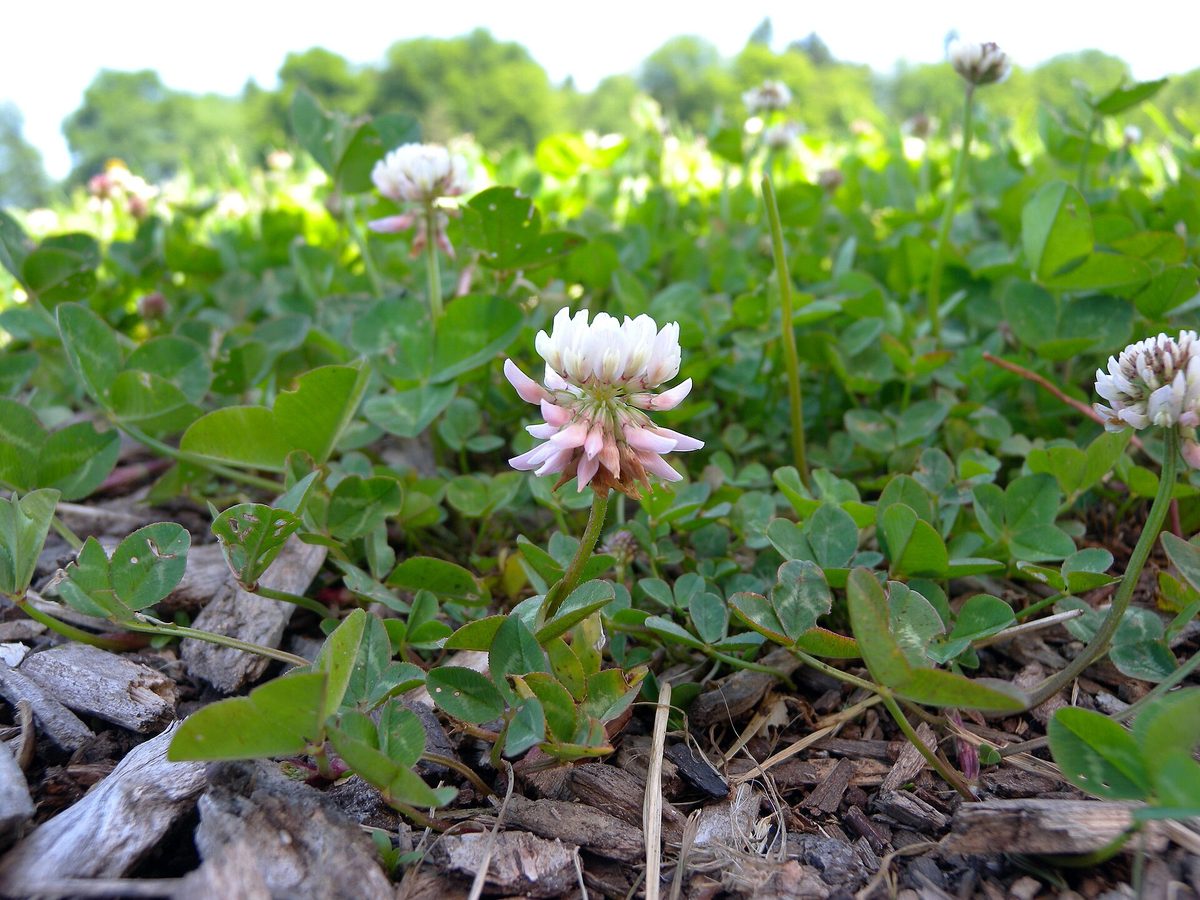
White Clover
Trifolium repens
Zones 3a–10b · 0.3–0.5 ft (0.1–0.15 m) · Full sun and part shade (full sun preferred)
-
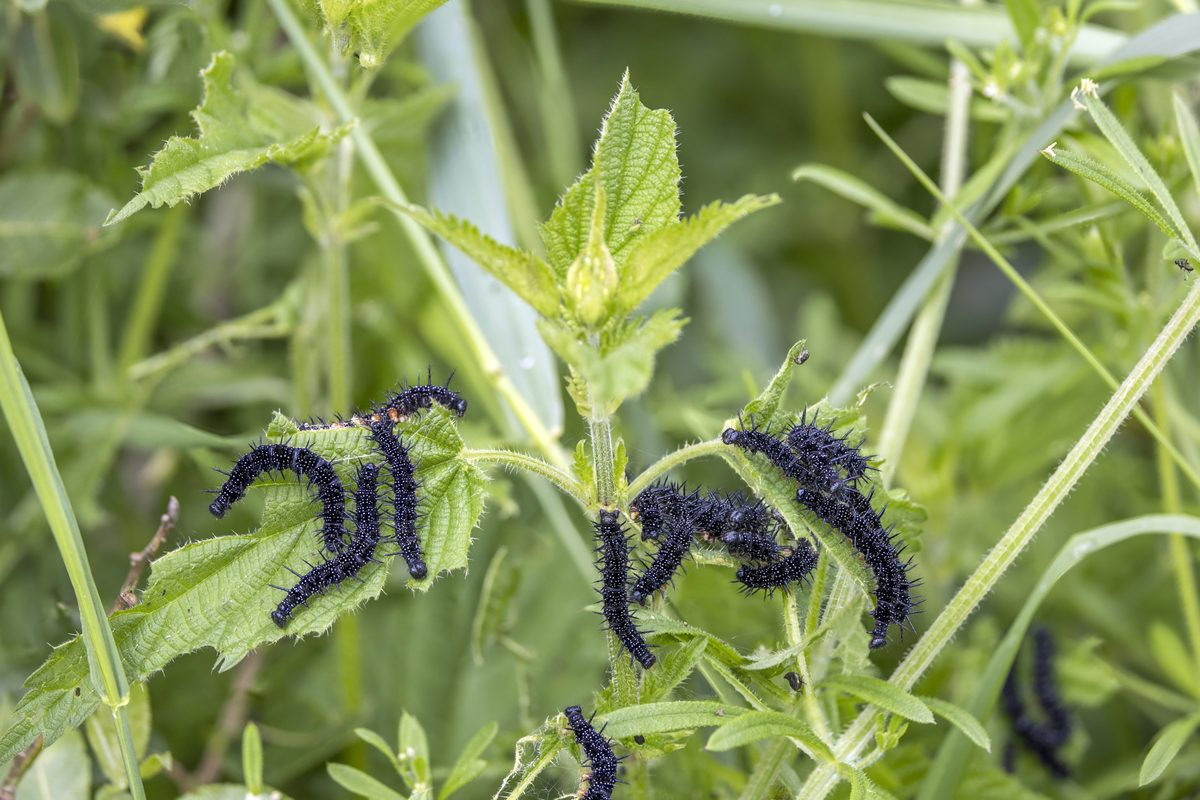
Stinging Nettle
Urtica dioica
Zones 4a–10b · 10 ft (3.05 m) · Full sun, part shade and full shade (full sun preferred)
-
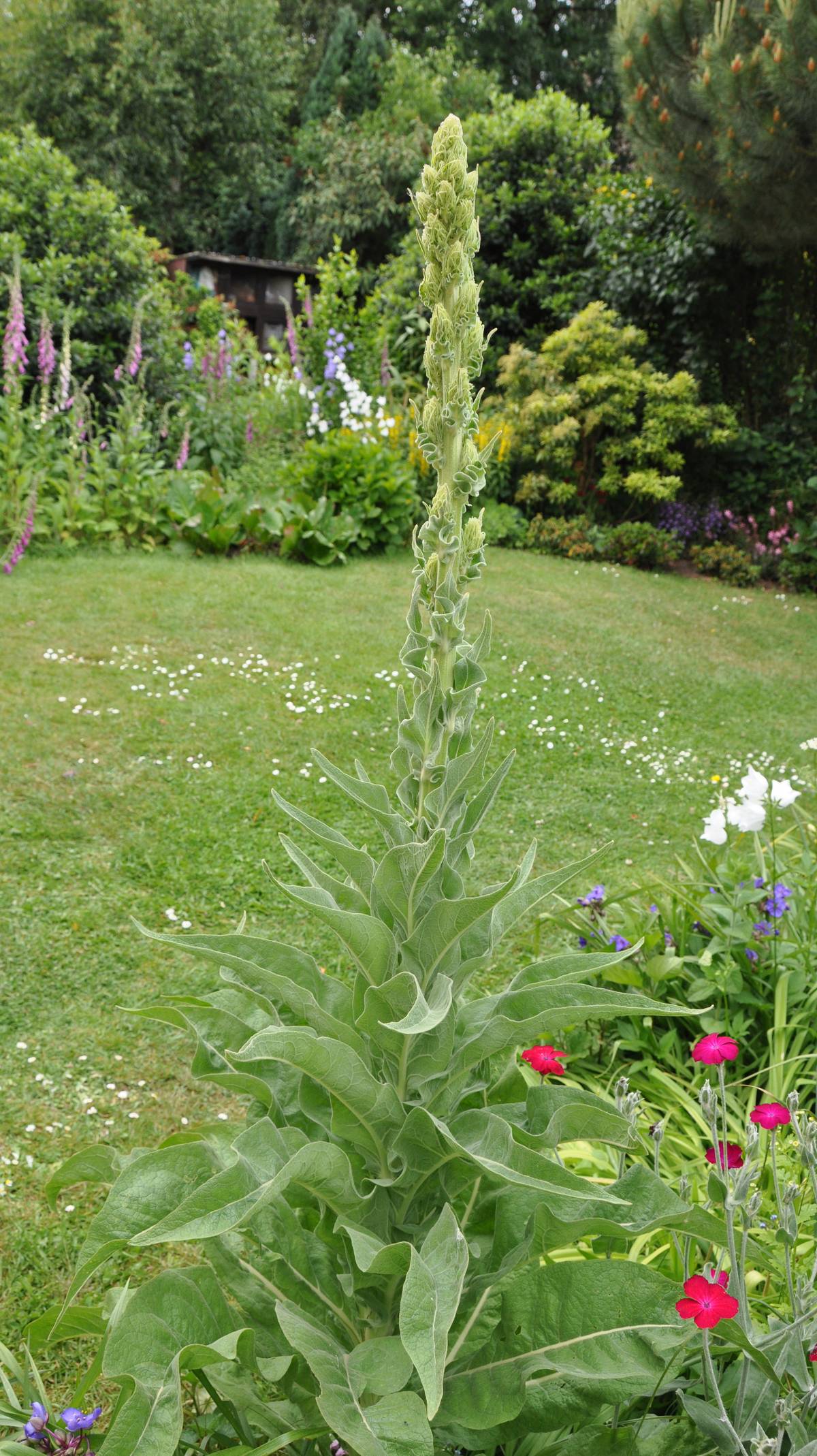
Common Mullein
Verbascum thapsus
Zones 3a–9b · 3–10 ft (0.91–3.05 m) · Full sun and part shade (full sun preferred)
-
Purpletop Vervain
Verbena bonariensis
Zones 7a–11b · 4–5 ft (1.22–1.52 m) · Full sun and part shade (full sun preferred)
-
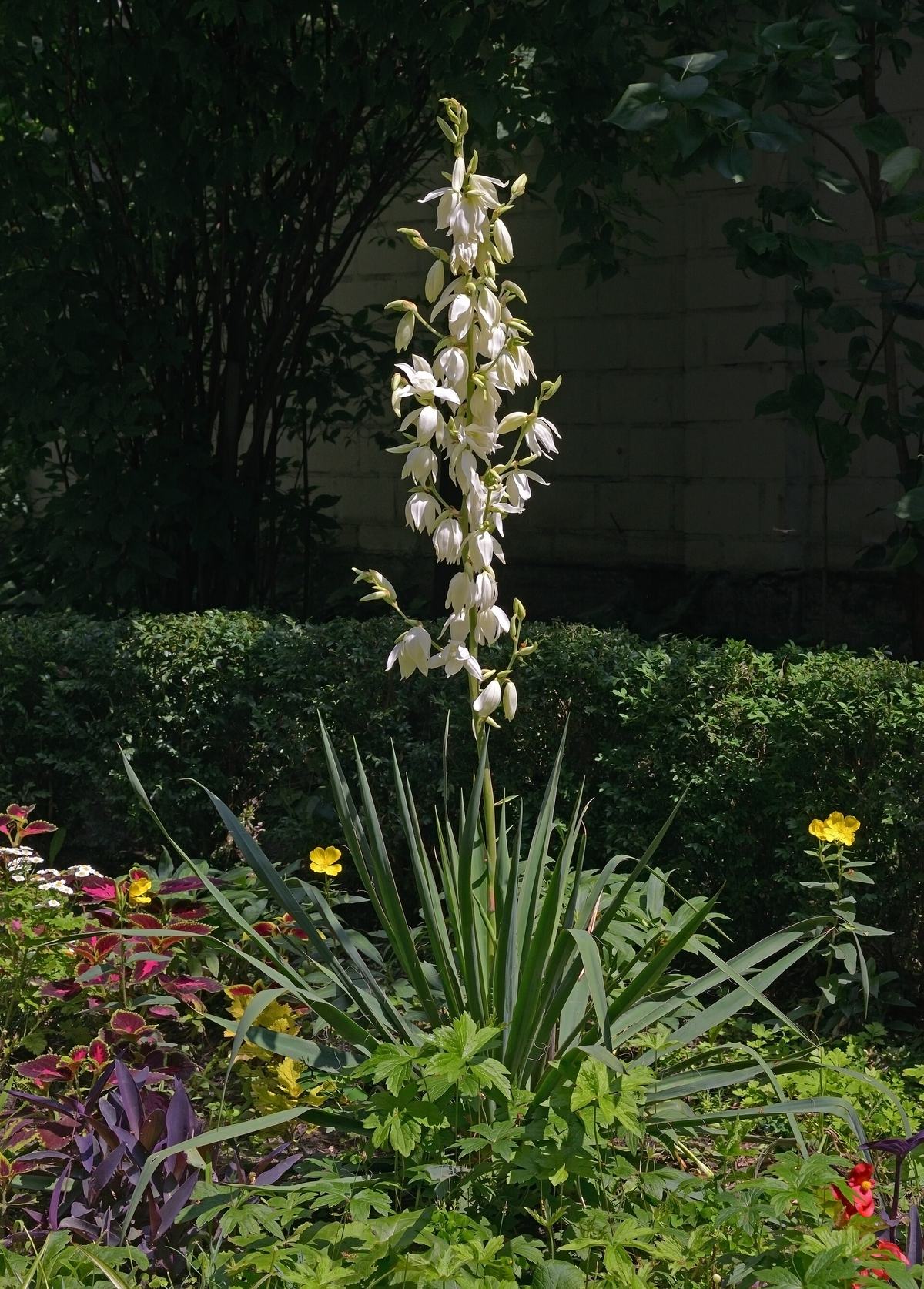
Adam's Needle
Yucca filamentosa
Zones 4a–10b · 3–15 ft (0.91–4.57 m) · Full sun, part shade and full shade (full sun preferred)
How we chose
A herbaceous perennial, and hardy through at least zone 8a according to the cited sources
Photo credits
- Bear's Breech photo by Alvesgaspar, CC BY-SA 4.0 via Wikimedia Commons
- Common Yarrow photo by Natalka Ukraine (baby-bear.org), CC BY 4.0 via Wikimedia Commons
- Calamus photo by H. Zell, CC BY-SA 3.0 via Wikimedia Commons
- Blue Giant Hyssop photo by Guettarda, CC BY-SA 4.0 via Wikimedia Commons
- Devil's Tongue photo by kiwa dokokano, CC BY-SA 3.0 via Wikimedia Commons
- Garden Snapdragon photo by Christian Ferrer, CC BY-SA 4.0 via Wikimedia Commons
- Indianhemp photo by Thayne Tuason, CC BY-SA 4.0 via Wikimedia Commons
- Greater Burdock photo by Ilya Plekhanov, CC BY-SA 3.0 via Wikimedia Commons
- Mountain Arnica photo by Frank Vassen from Brussels, Belgium, CC BY 2.0 via Wikimedia Commons
- Absinthium photo by Wikimedia Commons contributor, CC0 via Wikimedia Commons
- Common Wormwood photo by Wikimedia Commons contributor, CC0 via Wikimedia Commons
- Common Milkweed photo by Salicyna, CC BY-SA 4.0 via Wikimedia Commons
- Butterfly Milkweed photo by Larry Jensen, CC BY 4.0 via Wikimedia Commons
- Cast Iron Plant photo by Digigalos, CC BY-SA 3.0 via Wikimedia Commons
- Belladonna photo by Wikimedia Commons contributor, CC0 via Wikimedia Commons
- Herb of Grace photo by Forest & Kim Starr, CC BY 3.0 via Wikimedia Commons
- Lawndaisy photo by Marc Ryckaert (MJJR), CC BY 3.0 via Wikimedia Commons
- Indian Shot photo by Wikimedia Commons contributor, CC BY-SA 4.0 via Wikimedia Commons
- Cayenne Pepper photo by George Chernilevsky, Public domain via Wikimedia Commons
- Vetivergrass photo by Copyright © 2005 David Monniaux, CC BY-SA 2.0 via Wikimedia Commons
- Field Bindweed photo by Krzysztof Golik, CC BY-SA 4.0 via Wikimedia Commons
- Uruguayan Pampas Grass photo by Rjcastillo, CC BY 4.0 via Wikimedia Commons
- Bermudagrass photo by Joydeep, CC BY-SA 3.0 via Wikimedia Commons
- Feathered Pink photo by DanielPenfield, CC BY-SA 4.0 via Wikimedia Commons
- Purple Coneflower photo by Wikimedia Commons contributor, CC BY-SA 3.0 via Wikimedia Commons
- Queen of the Meadow photo by Wikimedia Commons contributor, CC0 via Wikimedia Commons
- Woodland Strawberry photo by Jörg Hempel, CC BY-SA 3.0 via Wikimedia Commons
- Sweetscented Bedstraw photo by I.Sáček, senior, Public domain via Wikimedia Commons
- Ground Ivy photo by Michael Kurz, CC BY-SA 3.0 via Wikimedia Commons
- Daylily photo by George Chernilevsky, Public domain via Wikimedia Commons
- Common Cowparsnip photo by U.S. Fish and Wildlife Service - Midwest Region, Public domain via Wikimedia Commons
- Chameleon photo by Krzysztof Ziarnek, Kenraiz, CC BY-SA 4.0 via Wikimedia Commons
- Common Hop photo by Radomianin, CC BY-SA 4.0 via Wikimedia Commons
- Common St. Johnswort photo by Bff, CC BY-SA 4.0 via Wikimedia Commons
- Perennial Pea photo by AnRo0002, CC0 via Wikimedia Commons
- Cardinalflower photo by sonnia hill, CC BY 2.0 via Wikimedia Commons
- Wild Bergamot photo by Andrey Zharkikh from Salt Lake City, USA, CC BY 2.0 via Wikimedia Commons
- Sacred Lotus photo by Basile Morin, CC BY-SA 4.0 via Wikimedia Commons
- Reed Canarygrass photo by Robert Flogaus-Faust, CC BY 4.0 via Wikimedia Commons
- Scarlet Runner photo by Krzysztof Golik, CC BY-SA 4.0 via Wikimedia Commons
- Peruvian Groundcherry photo by Forest & Kim Starr, CC BY 3.0 via Wikimedia Commons
- American Pokeweed photo by Rhododendrites, CC BY-SA 4.0 via Wikimedia Commons
- Narrowleaf Plantain photo by Sven Damerow, CC BY-SA 4.0 via Wikimedia Commons
- Indian Strawberry photo by Robert Flogaus-Faust, CC BY 4.0 via Wikimedia Commons
- Common Selfheal photo by JackyM59, CC BY-SA 4.0 via Wikimedia Commons
- Softseed Wild Petunia photo by Jim Evans, CC BY-SA 4.0 via Wikimedia Commons
- Carolina Horsenettle photo by Cody Hough, CC BY-SA 3.0 via Wikimedia Commons
- Canada Goldenrod photo by George Chernilevsky, Public domain via Wikimedia Commons
- Common Comfrey photo by Wikimedia Commons contributor, CC BY-SA 4.0 via Wikimedia Commons
- Red Clover photo by Ivar Leidus, CC BY-SA 4.0 via Wikimedia Commons
- White Clover photo by MurielBendel, CC BY-SA 4.0 via Wikimedia Commons
- Stinging Nettle photo by Wikimedia Commons contributor, CC BY-SA 4.0 via Wikimedia Commons
- Common Mullein photo by Marc Ryckaert (MJJR), CC BY 3.0 via Wikimedia Commons
- Adam's Needle photo by Ввласенко, CC BY-SA 4.0 via Wikimedia Commons


How this page was made
- Written with AI assistance from the sources listed on this page. AI is never the source of a fact.