White Willow (Salix alba)
Formerly Argorips alba, Salix aurea, Salix micans
White willow grows best outdoors in full sun to part shade. It also needs soil that stays medium to wet. It's also a fast-growing, deciduous tree. It's hardy outdoors in USDA zones 2a through 9b. Its soil pH range runs from 5 to 8. You can propagate it from stem cuttings. Toxicity to cats and dogs is not documented on this page.
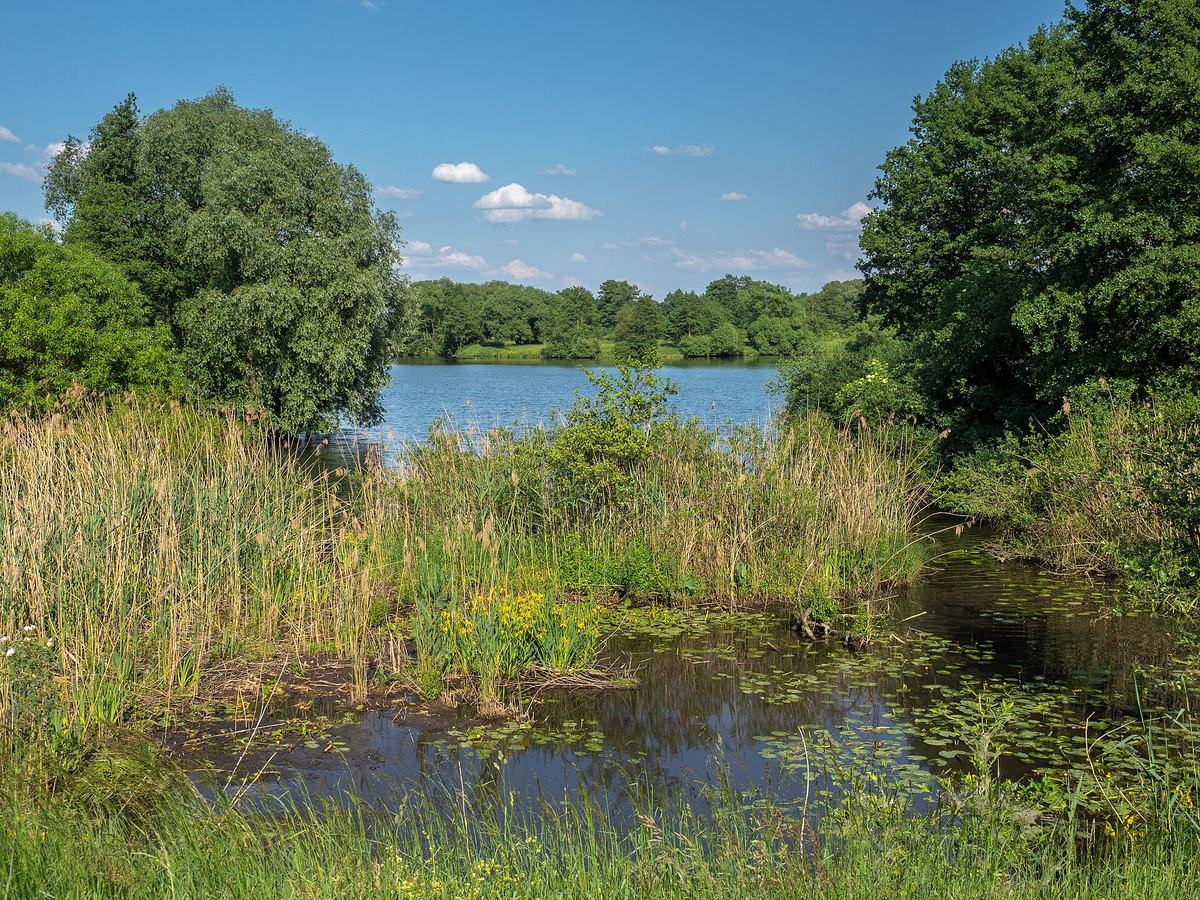
Photo: Ermell, CC BY-SA 4.0 via Wikimedia Commons

Quick facts
| Light: | Full sun and part shade (full sun preferred)11 source |
|---|---|
| Water: | Medium to wet11 source |
| Soil: | Well drained and moist; pH 5–8121 source |
| Hardiness: | Zones 2a–9b11 source |
| Size: | 40–70 ft (12.19–21.34 m)11 source |
| Growth rate: | Rapid11 source |
| Bloom: | Apr–May, Yellow and green11 source |
| Cats: | Not documented by major sources |
| Dogs: | Not documented by major sources |
| Family: | Salicaceae |
How much light does a White Willow need?
Full sun is the light level white willow prefers most outdoors. It also tolerates part shade, so the range it accepts outdoors runs from full sun down to partial shade through the day. Either light level outdoors, full sun or part shade, falls within what this species is documented to tolerate.
- Light: Full sun and part shade (full sun preferred)1
How often to water a White Willow
Outdoors, this tree needs soil moisture that stays medium to wet. It is intolerant of dry soil, so check that the root zone stays moist to wet instead of letting the soil dry out. In practice, that means watering before the soil dries out, since this tree does not tolerate dry conditions well.
- Water: Medium to wet1
Best soil for a White Willow
Soil that drains well but still stays moist suits white willow best outdoors. It does not tolerate dry conditions for long. It also tolerates a wide soil pH range, from 5 to 8, which covers acidic to alkaline ground. Between its tolerance for moist, well-drained soil and that wide pH range, white willow suits most ordinary garden soils outdoors. If your yard tends toward dry soil, that is the one soil condition this tree does not handle well outdoors.
Hardiness and temperature
In USDA hardiness terms, white willow is rated for zones 2a through 9b outdoors. That's a broad range, stretching from areas with severe, long winters to places with hot, humid summers. That wide zone range makes it adaptable to many outdoor climates, from cold northern regions to warmer southern ones.
- Hardiness: Zones 2a–9b1
How to plant a White Willow
USDA zones 2a through 9b outdoors are where white willow is hardy enough to plant and grow. Check that your area falls within that zone range before choosing a planting spot. Give it plenty of room outdoors when you plant it, since it spreads 40 to 70 ft (12.19-21.34 m) wide at maturity. Because the hardiness range is wide and the tree spreads widely too, pick a planting site with both winter conditions and long-term space in mind.
- Hardiness: Zones 2a–9b1
Winter care
Losing its leaves each year outdoors is normal for white willow, since it's a deciduous tree. It stays bare outdoors rather than keeping leaves year-round like an evergreen would. It's hardy outdoors in USDA zones 2a through 9b, a range that includes some of the coldest zones gardeners plant in. Because its outdoor range reaches down to zone 2a, it can handle the hard freezes that come with winter in many northern gardens.
- Hardiness: Zones 2a–9b1
How to propagate a White Willow
Stem cuttings are how you propagate white willow outdoors. Take softwood cuttings in early summer, or hardwood cuttings in winter, to start new plants this way. A softwood cutting taken in summer and a hardwood cutting taken in winter are both documented ways to grow a new white willow outdoors.
- Propagation: Stem cuttings1
Common problems
Several pests are documented on white willow outdoors, including aphids, flea beetles, sawfly larvae, willow scale, borers, lace bugs and caterpillars. It's also susceptible to a number of diseases, among them anthracnose, rust, crown gall, root rot, honey fungus, powdery mildew, leaf spot, canker and blight. Watch outdoors for both groups of problems, since documentation lists this species as vulnerable to each one.
| Problem | Kind |
|---|---|
| Aphids | Pest |
| Flea beetles | Pest |
| Sawfly larvae | Pest |
| Willow scale | Pest |
| Borers | Pest |
| Lace bugs | Pest |
| Caterpillars | Pest |
| Anthracnose | Disease |
| Rust | Disease |
| Crown gall | Disease |
| Root rot | Disease |
| Honey fungus | Disease |
| Powdery mildew | Disease |
| Leaf spot | Disease |
| Canker | Disease |
| Blight | Disease |
Is White Willow toxic to cats and dogs?
Recommended supplies
- Soil: a free-draining mix, and a pot with a drainage hole.
Questions and answers
- How fast does white willow grow, and how big does it get?
- White willow is a fast-growing tree. Outdoors, it can reach 40 to 70 ft (12.19-21.34 m) wide at maturity, so give it plenty of room to grow. It's also a deciduous tree that's hardy outdoors in USDA zones 2a through 9b.
- What kind of soil and pH does white willow need outdoors?
- White willow does best in soil that drains well but stays moist, since it does not tolerate dry conditions outdoors. It also tolerates a wide pH range, from 5 to 8, spanning acidic to alkaline ground. It also needs soil moisture that stays medium to wet.
- When does white willow bloom, and what color are the flowers?
- White willow blooms in April and May, producing separate male and female catkins that appear on separate trees. The flowers are yellow and green overall, and the male catkins themselves are tiny and yellow.
Sources
- NC State Extension Gardener Plant Toolbox. https://plants.ces.ncsu.edu/plants/salix-alba/. Accessed 15 November 2026.
- Cornell University CALS Woody Plants Database. https://woodyplants.cals.cornell.edu/plant/228. Accessed 15 November 2026.
How this page was made
- Written with AI assistance from the sources listed on this page. AI is never the source of a fact.