Black Locust (Robinia pseudoacacia)
Formerly Robinia inermis, Robinia aurea, Robinia acacia
Black locust is a rapidly growing, deciduous tree that does best in full sun and takes a medium amount of water. It tolerates part shade, and it prefers moist, well-drained soil but tolerates dryness. It is listed as toxic to both cats and dogs.
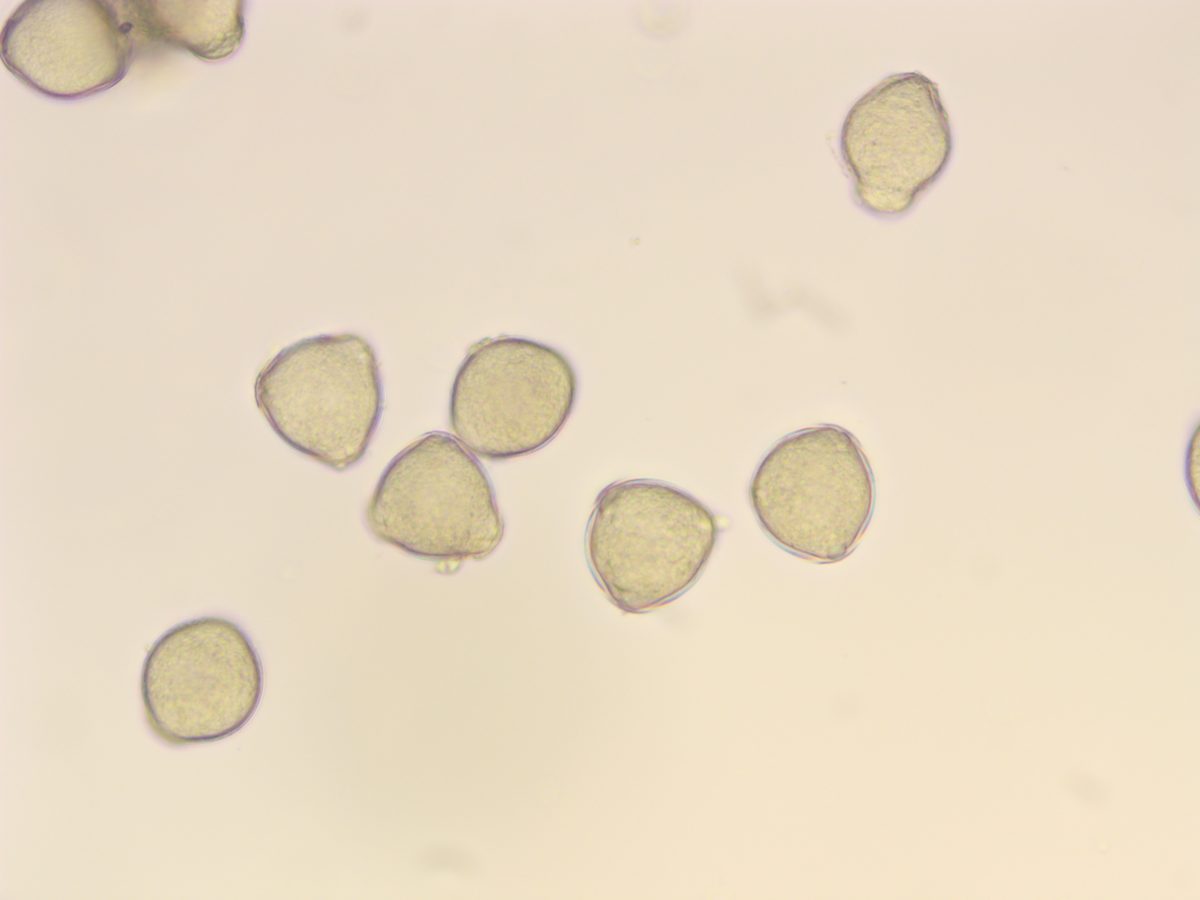
Photo: Svetit, CC BY-SA 4.0 via Wikimedia Commons

Quick facts
| Light: | Full sun and part shade (full sun preferred)11 source |
|---|---|
| Water: | Medium21 source |
| Soil: | Well drained, moist and occasionally dry; pH 5–8341 source |
| Hardiness: | Zones 3a–8b11 source |
| Size: | 39.4–59.1 ft (12–18 m) × 20–35.1 ft (6.1–10.7 m)194 |
| Growth rate: | Rapid19 |
| Bloom: | Apr–Jun, White12 |
| Cats: | Toxic to cats 67 |
| Dogs: | Toxic to dogs 68 |
| Native range: | ALA, GEO, KTY, MRY, NCA, PEN, SCA, TEN, VRG, WVA10 |
| Family: | Fabaceae |
How much light does a Black Locust need?
Six or more hours of direct sunlight a day counts as full sun, the exposure this tree prefers. Part shade is also listed as an acceptable condition. A mature tree reaches 40 to 60 ft (12–18 m) in height, with a spread of 20 to 35 ft (6.1–10.7 m).
- Light: Full sun and part shade (full sun preferred)1
How often to water a Black Locust
Medium is the water level recorded for black locust. The recorded range runs from medium to medium, so there is one level rather than a span. The drainage listing names three conditions: well drained, moist and occasionally dry. The tree prefers moist, well-drained soil, and it tolerates dryness.
- Water: Medium2
Best soil for a Black Locust
Well drained, moist and occasionally dry soils all appear in the drainage listing for this tree. Of these, moist and well-drained soil is preferred, and dryness is tolerated. The tree can tolerate acid to alkaline soil, with a pH between 5.0 and 8.0. The recorded band runs from pH 5 at the acid end to pH 8 at the alkaline end.
Hardiness and temperature
The listed hardiness range for black locust is zones 3a to 8b. That covers every half-zone step from 3a, 3b, 4a and 4b up through 8a and 8b. Zone 3a is the coldest end of the range and 8b the warmest. No cited source records a minimum temperature for this tree. Humidity needs are not documented either.
- Hardiness: Zones 3a–8b1
Pruning a Black Locust
One recorded approach is to cut the trees to the ground every 2 to 3 years, which keeps them at shrub size. Pruning should be avoided in spring, because the tree will bleed. The pruning type on file is hard renewal. Left alone, the mature height is 40 to 60 ft (12–18 m).
- Pruning: Hard renewal pruning1
How to plant a Black Locust
Black locust is listed for USDA zones 3a to 8b, so check your zone before you plant it. Allow room for a spread of 20 to 35 ft (6.1–10.7 m) and a height of 40 to 60 ft (12–18 m). Full sun is preferred, and part shade is also accepted. The tree is recorded as native in the lower 48 US states. Its growth rate is rapid.
- Hardiness: Zones 3a–8b1
Winter care
Leaf retention is recorded as deciduous for this tree. The hardiness listing runs from zone 3a at the cold end to 8b at the warm end. No cited source records a minimum temperature, so the zone range is the only cold-tolerance figure on file. Dormant sucker division is one recorded way to propagate it. Winter protection is not documented.
- Hardiness: Zones 3a–8b1
How to propagate a Black Locust
Seed, spring root cuttings and dormant sucker divisions are the methods named for propagating black locust. Root cuttings are taken in spring. Divisions are of suckers and are made while the plant is dormant. The listing gives these as seed, root cutting and division. The trees you raise will grow at a rapid rate.
- Propagation: Seed, root cuttings and division2
Common problems
Black locust is listed with these pests: Obolodiplosis robiniae, Parectopa robiniella and Popillia japonica. The diseases listed are Chondrostereum purpureum and Xylella fastidiosa. The records name them without describing symptoms or treatment, so this page does not either.
| Problem | Kind |
|---|---|
| Obolodiplosis robiniae | Pest |
| Parectopa robiniella | Pest |
| Popillia japonica | Pest |
| Chondrostereum purpureum | Disease |
| Xylella fastidiosa | Disease |
Is Black Locust toxic to cats and dogs?
The ASPCA lists black locust as toxic to cats. NC State Extension also flags the plant as a problem for cats. For dogs, the ASPCA likewise lists the plant as toxic. Pet Poison Helpline states that all parts of the black locust plant contain toxalbumin phytotoxins. No severity is recorded in the facts for this page. Cats and dogs are the two animals this site covers.
Pet-safe alternatives
Recommended supplies
- Soil: a free-draining mix, and a pot with a drainage hole.
Questions and answers
- Is black locust toxic to cats and dogs?
- The ASPCA lists black locust as toxic to both cats and dogs. Pet Poison Helpline states that all parts of the plant contain toxalbumin phytotoxins.
- How big does black locust get?
- It reaches 40 to 60 ft (12–18 m) in height, with a spread of 20 to 35 ft (6.1–10.7 m). Its growth rate is rapid. It is a deciduous tree.
- What sun and soil does black locust need?
- It prefers full sun and also accepts part shade. The soil can run from pH 5 to 8, and moist, well-drained soil is preferred.
Sources
- NC State Extension Gardener Plant Toolbox. https://plants.ces.ncsu.edu/plants/robinia-pseudoacacia/. Accessed 24 September 2026.
- Lady Bird Johnson Wildflower Center. https://www.wildflower.org/plants/result.php?id_plant=ROPS. Accessed 24 September 2026.
- University of Illinois Extension (Hort Answers). https://web.extension.illinois.edu/hortanswers/plantdetail.cfm?PlantID=267&PlantTypeID=7. Accessed 24 September 2026.
- Cornell University CALS Woody Plants Database. https://woodyplants.cals.cornell.edu/plant/222. Accessed 24 September 2026.
- EPPO Global Database. https://gd.eppo.int/taxon/ROBPS/pests. Accessed 24 September 2026.
- ASPCA Animal Poison Control Center. https://www.aspca.org/pet-care/aspca-poison-control/toxic-and-non-toxic-plants/locust. Accessed 24 September 2026.
- NC State Extension Gardener Plant Toolbox. https://plants.ces.ncsu.edu/plants/robinia-pseudoacacia/common-name/black-locust/. Accessed 24 September 2026.
- Pet Poison Helpline. https://www.petpoisonhelpline.com/poison/black-locust/. Accessed 24 September 2026.
- USDA Forest Service Fire Effects Information System. https://www.fs.usda.gov/database/feis/plants/tree/robpse/all.html. Accessed 24 September 2026.
- Royal Botanic Gardens, Kew (World Checklist of Vascular Plants). https://sftp.kew.org/pub/data-repositories/WCVP/wcvp.zip. Accessed 4 June 2026.
How this page was made
- Written with AI assistance from the sources listed on this page. AI is never the source of a fact.