Kousa Dogwood (Cornus kousa)
Formerly Dendrobenthamia japonica, Benthamia japonica, Benthamidia japonica
Kousa dogwood (Cornus kousa) does best in full sun, and part shade is also listed for it. Give it well drained soil and a water range of dry to medium. Whether it is toxic to cats or dogs is not documented on this page. It is a deciduous tree that reaches 20–30 ft (6.1–9.14 m) tall.
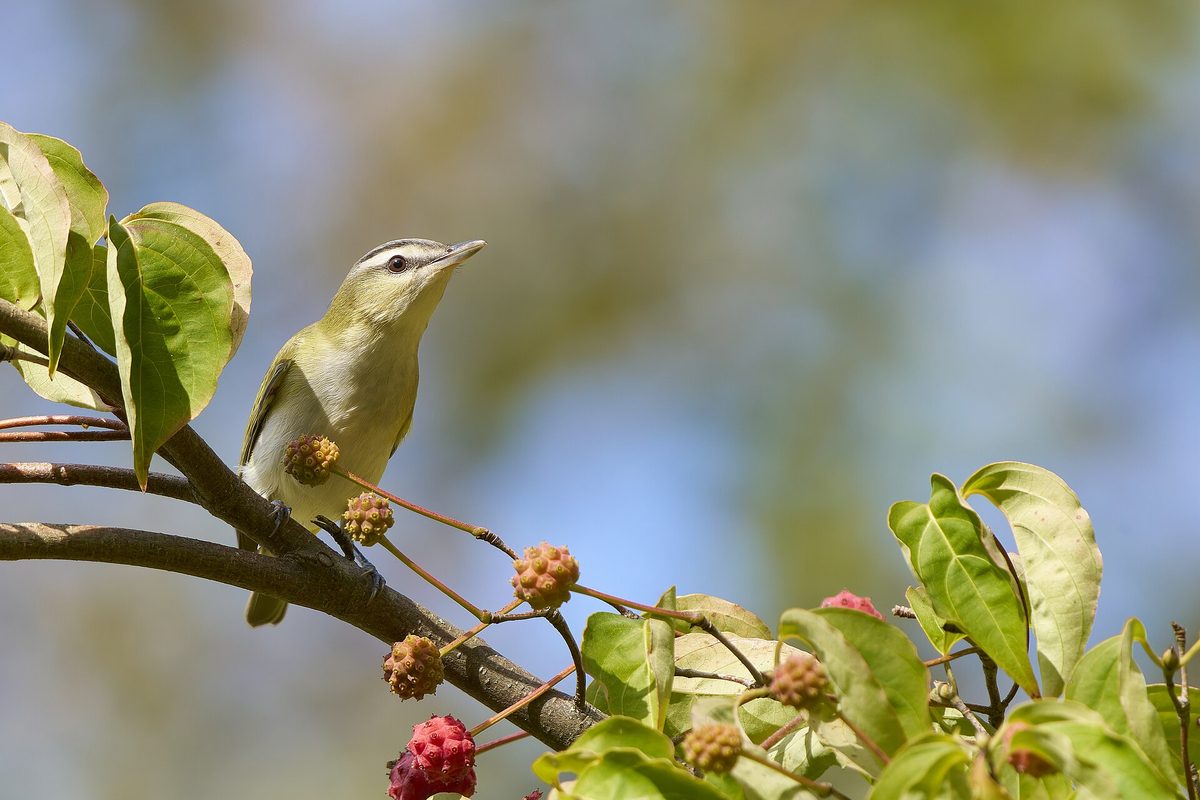
Photo: Paul Danese, CC BY-SA 4.0 via Wikimedia Commons

Quick facts
| Light: | Full sun and part shade (full sun preferred)123 |
|---|---|
| Water: | Dry to medium21 source |
| Soil: | Well drained and occasionally dry; pH 5–7.412 |
| Hardiness: | Zones 5a–8b11 source |
| Size: | 20–30 ft (6.1–9.14 m) × 20–30 ft (6.1–9.14 m)12 |
| Growth rate: | Slow11 source |
| Bloom: | White and pink11 source |
| Cats: | Not documented by major sources |
| Dogs: | Not documented by major sources |
| Native range: | CHC, CHI, CHN, CHS, EHM, JAP, KOR, NNS, TAI5 |
| Family: | Cornaceae |
How much light does a Kousa Dogwood need?
Full sun is the preferred exposure for kousa dogwood, meaning 6 or more hours of direct sunlight a day. Part shade is also listed as an exposure the tree accepts. Full sun is the first choice, and part shade is the second listed option. Aim for the sunniest spot you can offer, and use part shade only where that is not possible.
How often to water a Kousa Dogwood
The water range listed for kousa dogwood runs from dry to medium. The source for this range describes consistently moist, well-drained soil, with occasional periods of dry soil. Medium is the wetter end of the listed range, and dry is the drier end. Good drainage is listed for the tree as well.
- Water: Dry to medium2
Best soil for a Kousa Dogwood
Good drainage is the first soil requirement listed for kousa dogwood, and the soil is described as well drained. The same listing includes occasional periods of dry soil. For pH, the tree tolerates acid to neutral soil, from pH 5 to 7.4. The limits given are pH 5 on the acid side and pH 7.4 on the neutral side. Pair that drainage with a water range of dry to medium.
Hardiness and temperature
USDA hardiness zones 5a through 8b are listed for kousa dogwood. Zone 5a is the cold end of that range, and zone 8b is the warm end. No cited source records a minimum temperature for this tree. The sources do not give a humidity preference either. Your own zone should fall between 5a and 8b for the tree to be listed for your area.
- Hardiness: Zones 5a–8b1
Fertilizing a Kousa Dogwood
One light feeding a year is listed for kousa dogwood. The timing given is spring, once frost has passed. That means waiting until frost is behind you before you apply any fertilizer. The listing asks for a light amount, applied once a year.
- Fertilizer: Light, once a year (Mar–May)4
How to plant a Kousa Dogwood
Check that your USDA zone falls between 5a and 8b before you plant. Allow for a mature height of 20–30 ft (6.1–9.14 m) and a spread of 20–30 ft (6.1–9.14 m). The tree is a deciduous tree with a slow growth rate. Choose well drained soil in full sun or part shade. Its bloom color is white and pink. Its US native status is introduced in the lower 48 states. Its native range is recorded as the region codes CHC, CHI, CHN, CHS, EHM, JAP, KOR, NNS and TAI.
- Hardiness: Zones 5a–8b1
Winter care
This deciduous tree is listed for USDA hardiness zones 5a through 8b. Zone 5a is the cold limit of that listing, and zone 8b is the warm limit. No cited source records a minimum temperature for this tree. No winter protection method is documented on this page either. If your winter zone is colder than 5a, the listing does not cover your area.
- Hardiness: Zones 5a–8b1
Common problems
Six pests are listed for kousa dogwood: calico scale, dogwood borer, dogwood sawfly, Japanese maple scale, leafhoppers and oyster shell scale. Diseases that can occur include botrytis leaf and flower blight, crown canker, bacterial leaf scorch, powdery mildew and septoria leaf spot. Phytophthora ramorum is also on the disease list.
| Problem | Kind |
|---|---|
| Calico scale | Pest |
| Dogwood borer | Pest |
| Dogwood sawfly | Pest |
| Japanese maple scale | Pest |
| Leafhoppers | Pest |
| Oyster shell scale | Pest |
| Botrytis blight | Disease |
| Crown canker | Disease |
| Bacterial leaf scorch | Disease |
| Powdery mildew | Disease |
| Septoria leaf spot | Disease |
| Phytophthora ramorum | Disease |
Is Kousa Dogwood toxic to cats and dogs?
Recommended supplies
- Soil: a free-draining mix, and a pot with a drainage hole.
Questions and answers
- How much sun does kousa dogwood need?
- Full sun is preferred, meaning 6 or more hours of direct sunlight a day. Part shade is also listed for the tree. The soil should be well drained.
- How big does a kousa dogwood get?
- A mature tree reaches 20–30 ft (6.1–9.14 m) tall, with a spread of 20–30 ft (6.1–9.14 m). It has a slow growth rate. It is a deciduous tree, and its bloom color is white and pink.
- Which hardiness zones suit kousa dogwood?
- It is listed for USDA zones 5a through 8b. Zone 5a is the coldest zone in that range. No cited source gives a minimum temperature for the tree. Full sun to part shade and well drained soil are listed as well.
Sources
- NC State Extension Gardener Plant Toolbox. https://plants.ces.ncsu.edu/plants/cornus-kousa/. Accessed 15 October 2026.
- Cornell University CALS Woody Plants Database. https://woodyplants.cals.cornell.edu/plant/64. Accessed 15 October 2026.
- University of Florida IFAS Extension (EDIS). https://ask.ifas.ufl.edu/publication/ST192. Accessed 15 October 2026.
- Clemson Cooperative Extension Home & Garden Information Center. https://hgic.clemson.edu/factsheet/dogwood/. Accessed 15 October 2026.
- Royal Botanic Gardens, Kew (World Checklist of Vascular Plants). https://sftp.kew.org/pub/data-repositories/WCVP/wcvp.zip. Accessed 4 June 2026.
How this page was made
- Written with AI assistance from the sources listed on this page. AI is never the source of a fact.