Succulents and Cacti
This hub collects succulents and cacti that store water in thick leaves, stems, or roots, letting them survive long stretches without rain. The list currently names 18 plants, from desert cacti like Opuntia ficus-indica to leaf succulents like Crassula ovata. Each one lands here because it shares that same trait: tissue built to hold water through dry spells. Some are true cacti, built around spines and a ribbed stem. Others are leaf succulents, storing water in fat, waxy leaves instead. A few, like Hylotelephium and Sempervivum, are cold-hardy types. They still follow the succulent pattern, even though they grow outdoors through winter in many climates. Right now, three of the eighteen plants on this list have a finished care guide: Crassula ovata, Euphorbia milii, and Portulaca oleracea. The rest are part of the list but do not yet have their own page. This list is not ranked, and it is not a full accounting of every succulent or cactus that exists. It is simply the group of plants this site has chosen to cover so far. It groups them by one shared trait, not by family or origin. As more guides are finished, they will join this same list. Use it as a starting point for comparing plants that share a water-storage strategy, not as a complete catalog of succulent life. Whether you keep a cactus on a sunny windowsill or a hardy sedum in a garden bed, the same trait is at work. Both plants store water to wait out dry spells on their own.
Most-read plants here
-
-
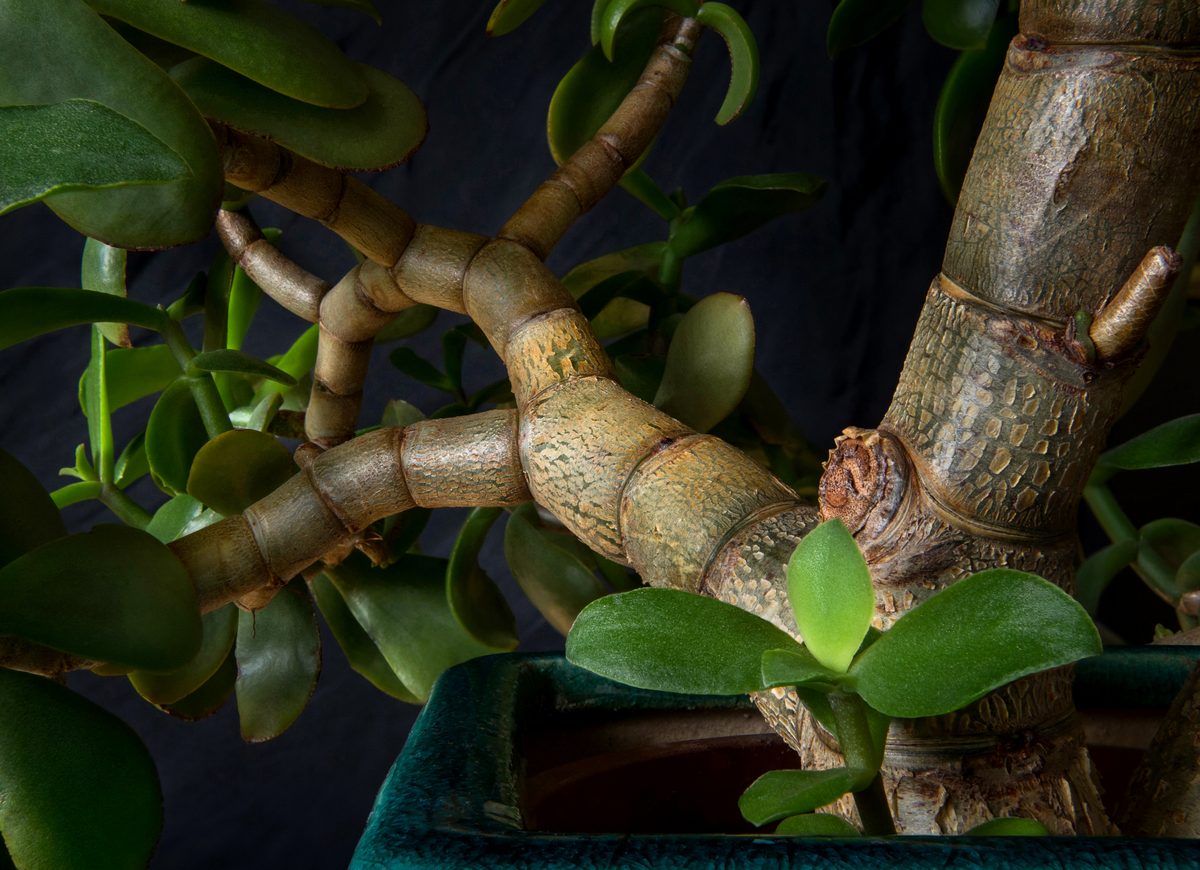
Jade Plant
Crassula ovata
Sources differ: NC State Extension Gardener Plant Toolbox; University of Illinois Extension; Illinois Extension; NC State Extension Gardener Plant Toolbox · Full sun and part shade (full sun preferred) · Zones 11a–12b
-
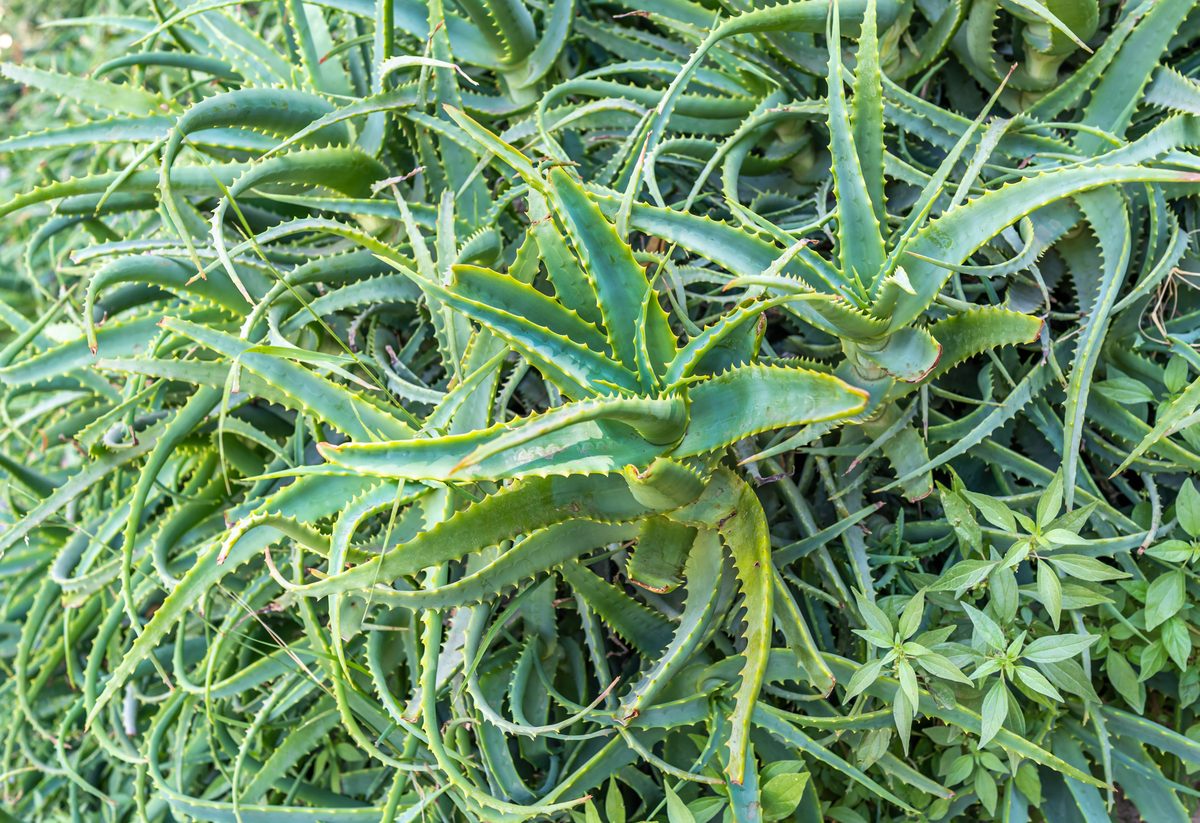
Barbados Aloe
Aloe vera
Bright, indirect light · Full sun and part shade (full sun preferred) · Zones 10a–12b
-
-
-
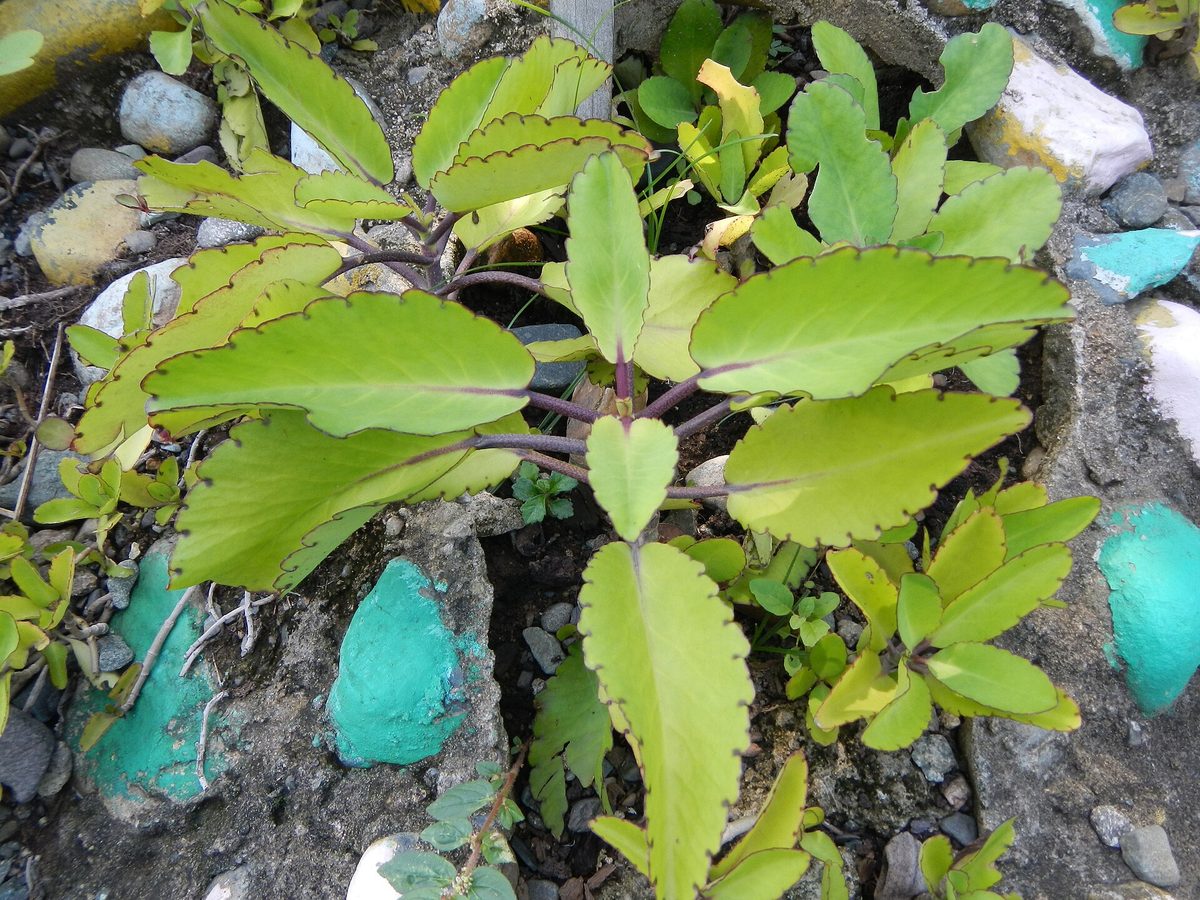
Devil's Backbone
Kalanchoe daigremontiana
Bright, indirect light · Full sun and part shade (full sun preferred) · Zones 9a–11b
-
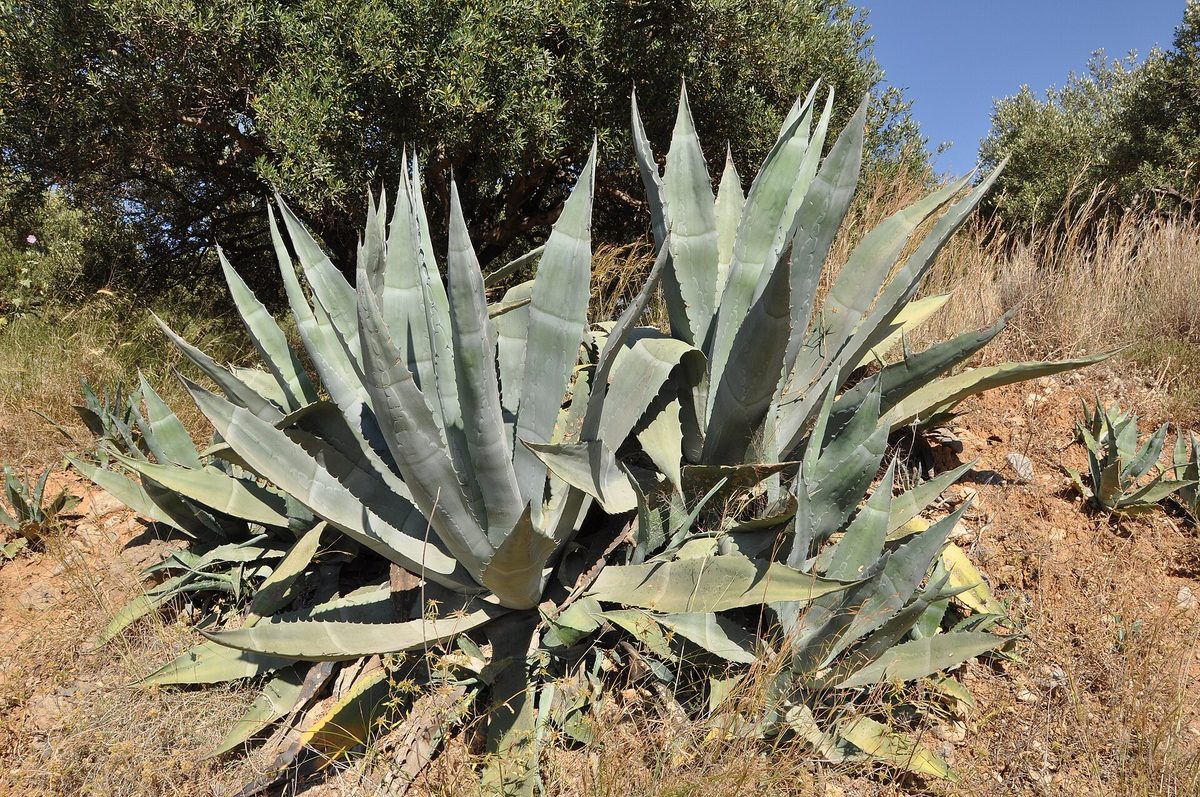
American Century Plant
Agave americana
Direct sun · Full sun and part shade (full sun preferred) · Zones 8a–11b
-
-
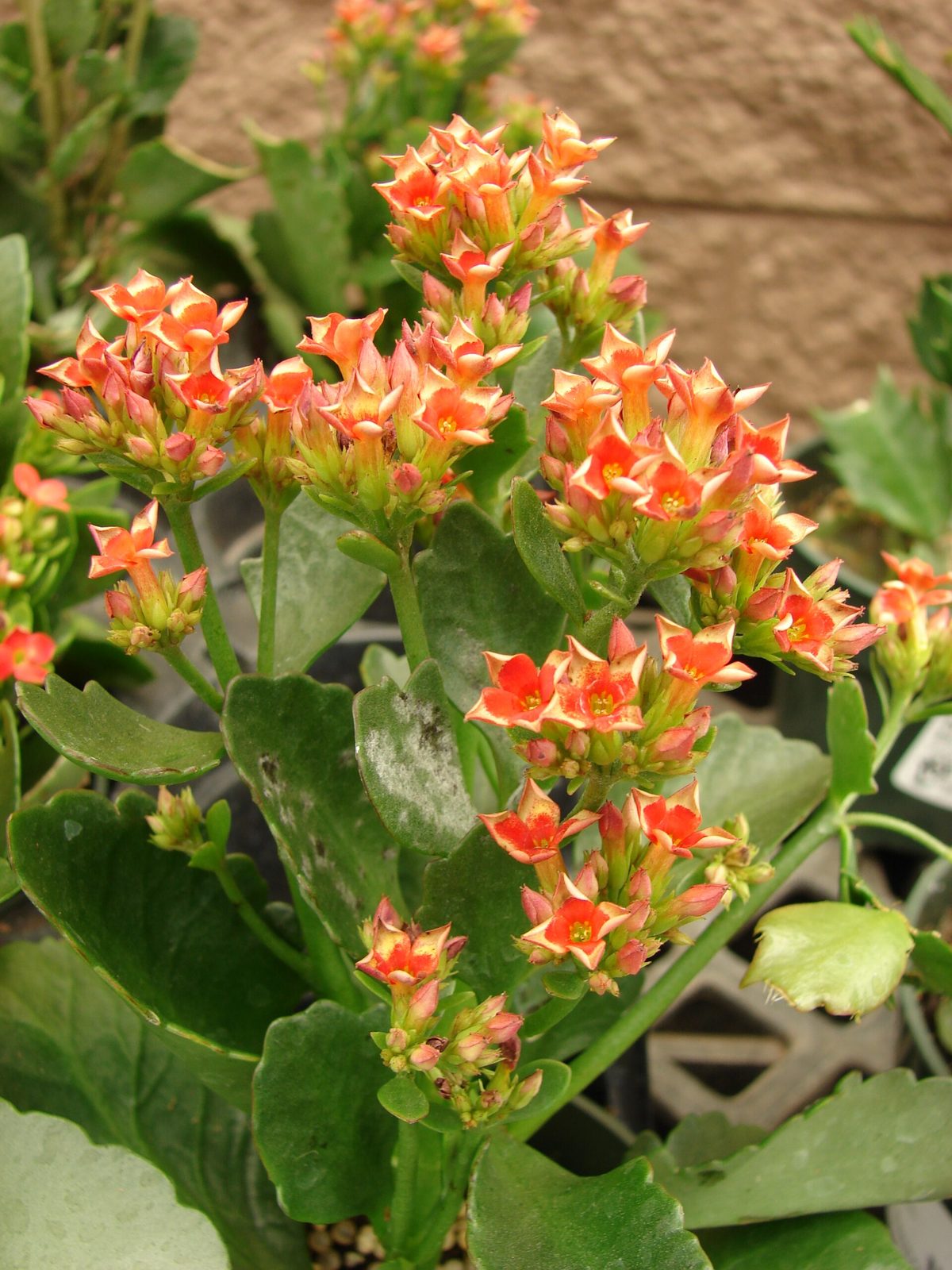
Madagascar Widow's-thrill
Kalanchoe blossfeldiana
Bright, indirect light · Full sun and part shade (full sun preferred) · NC State Extension Gardener Plant Toolbox also lists 10a-12b
-
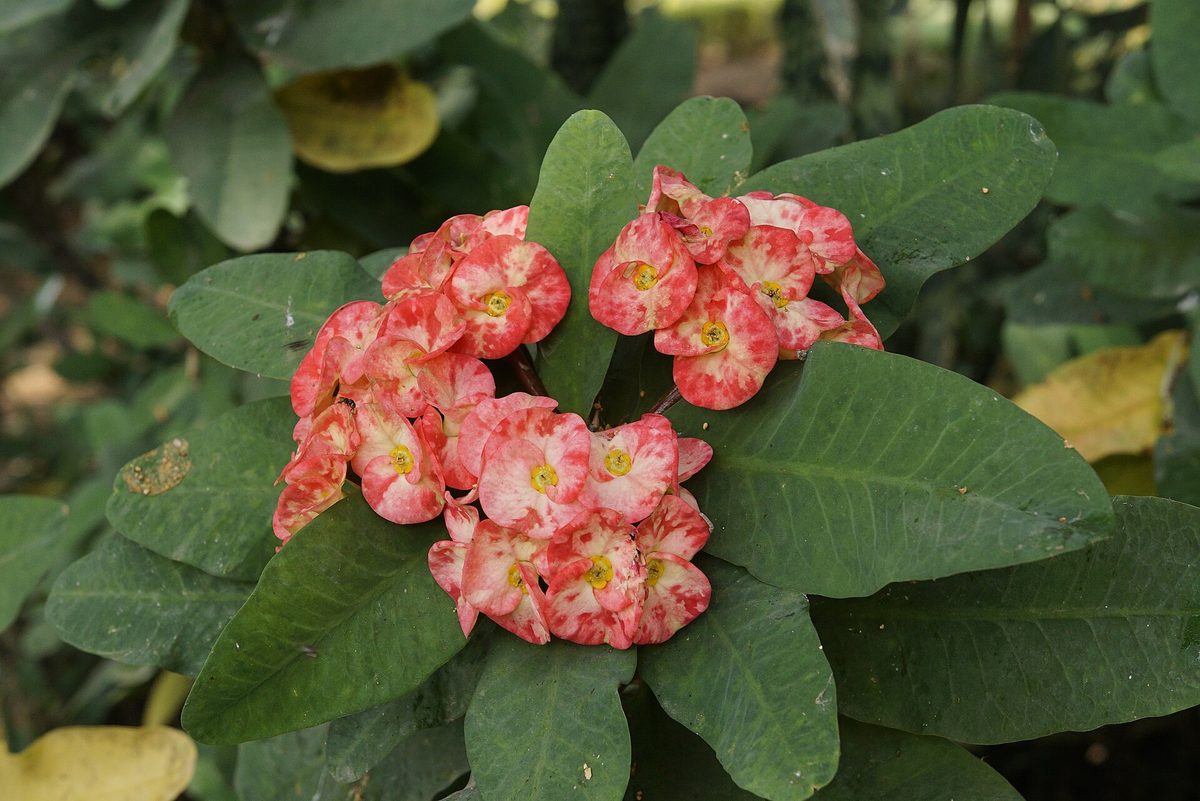
Christplant
Euphorbia milii
Sources differ: NC State Extension Gardener Plant Toolbox · Full sun and part shade (full sun preferred) · Zones 9a–11b
-
-
-
-
-
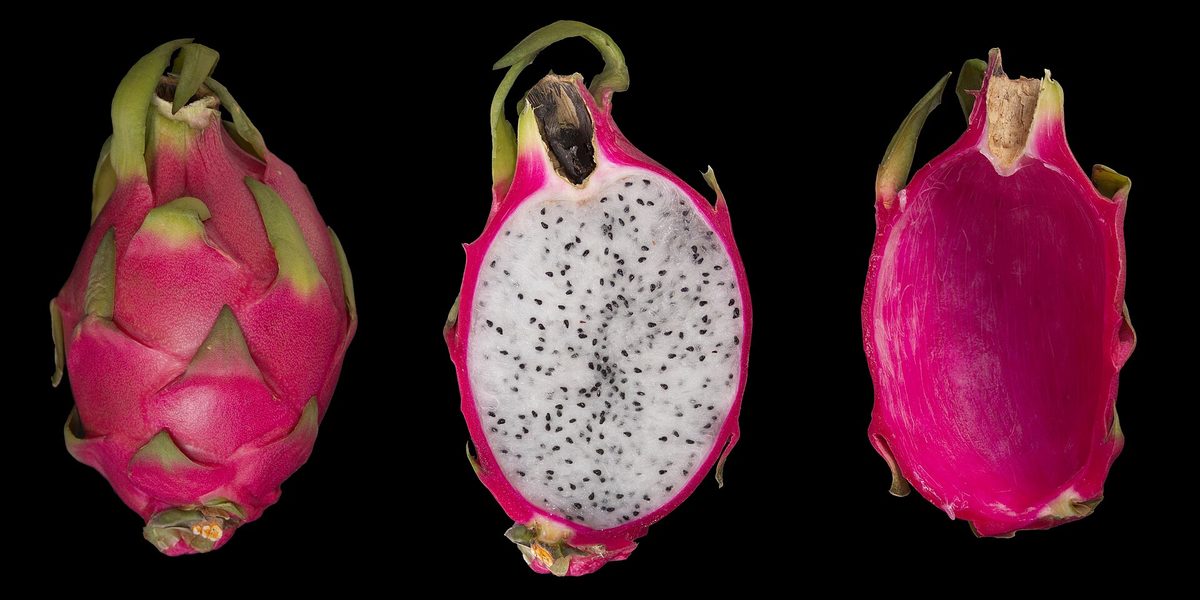
Nightblooming Cactus
Selenicereus undatus
Direct sun · Full sun and part shade (full sun preferred) · Chicago Botanic Garden also lists 10a-12b
-
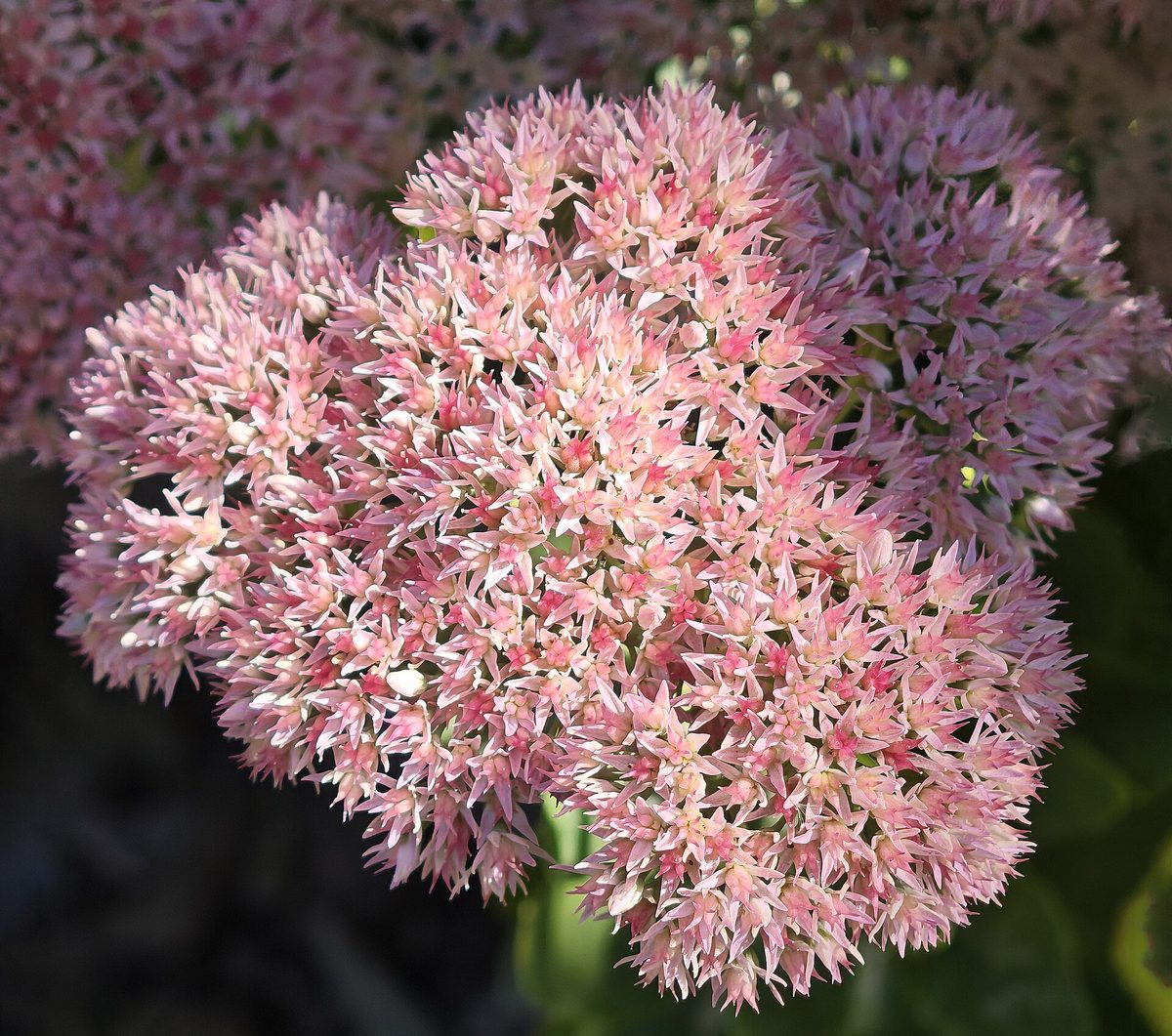
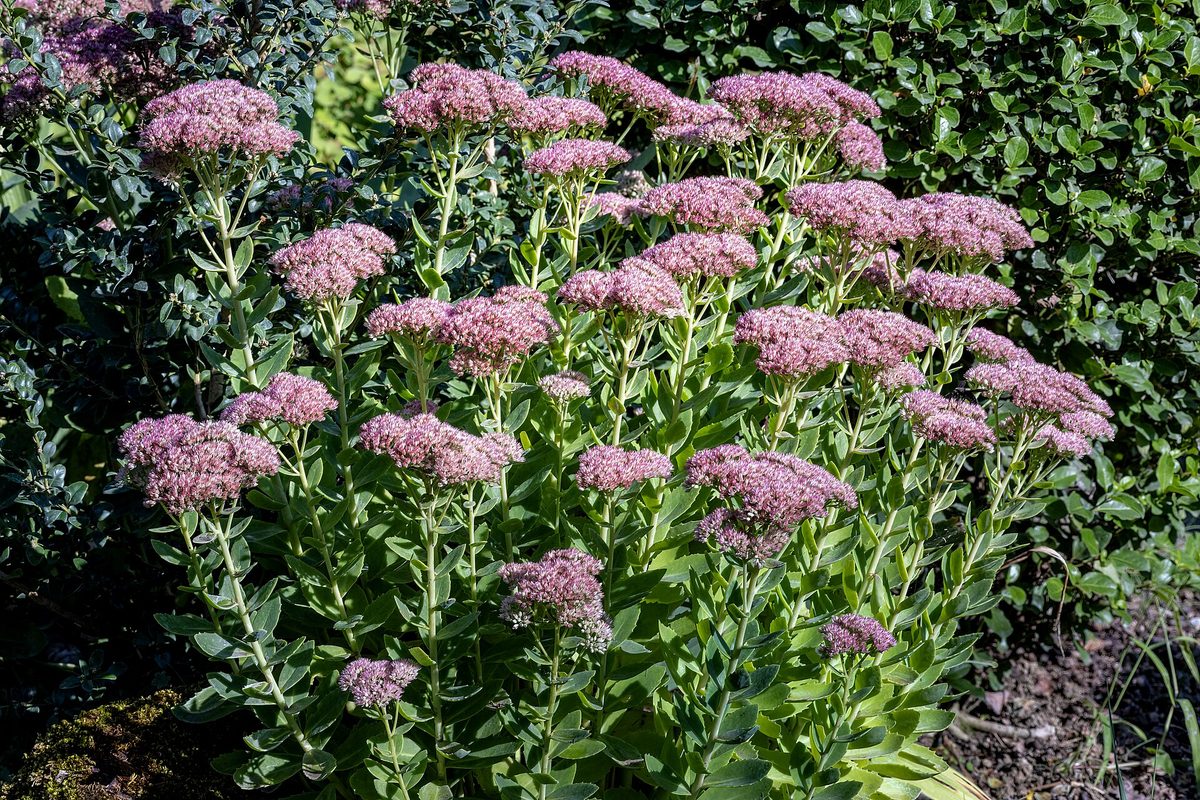
Showy Stonecrop
Hylotelephium spectabile
Full sun and part shade (full sun preferred) · Zones 4a–9b · 1–2 ft (0.3–0.61 m)
-
-
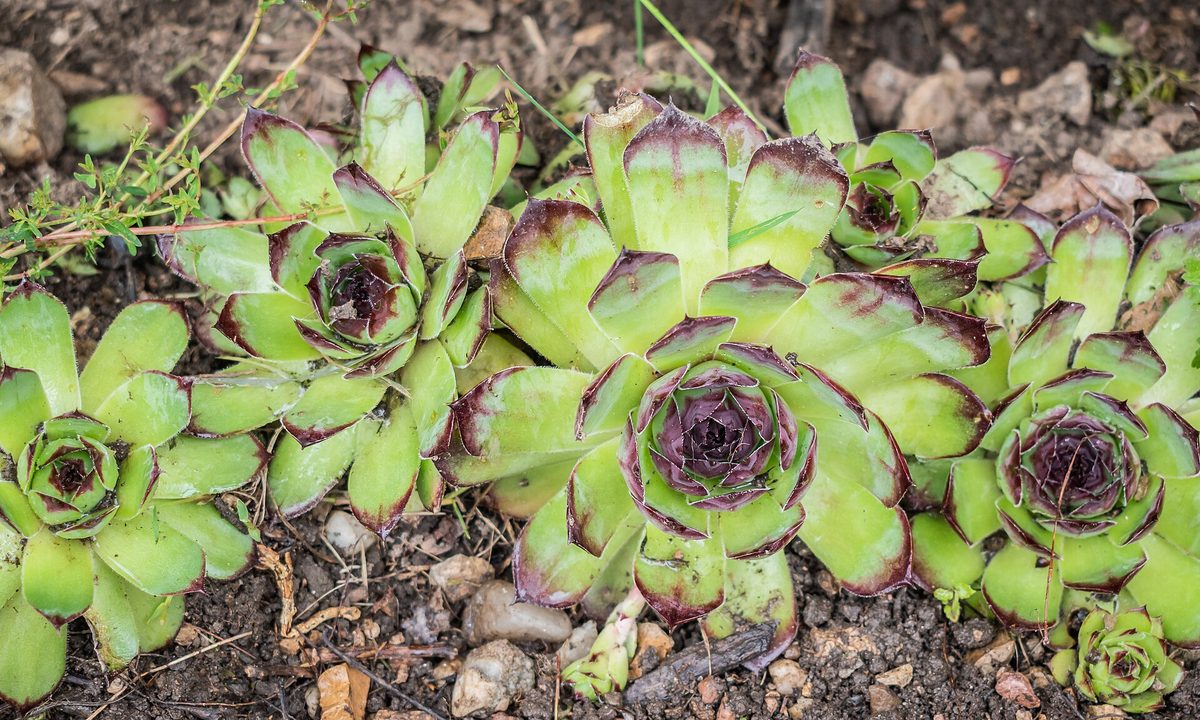
Common Houseleek
Sempervivum tectorum
Full sun and part shade (full sun preferred) · Zones 3a–8b · 0.7–1 ft (0.2–0.3 m)
-
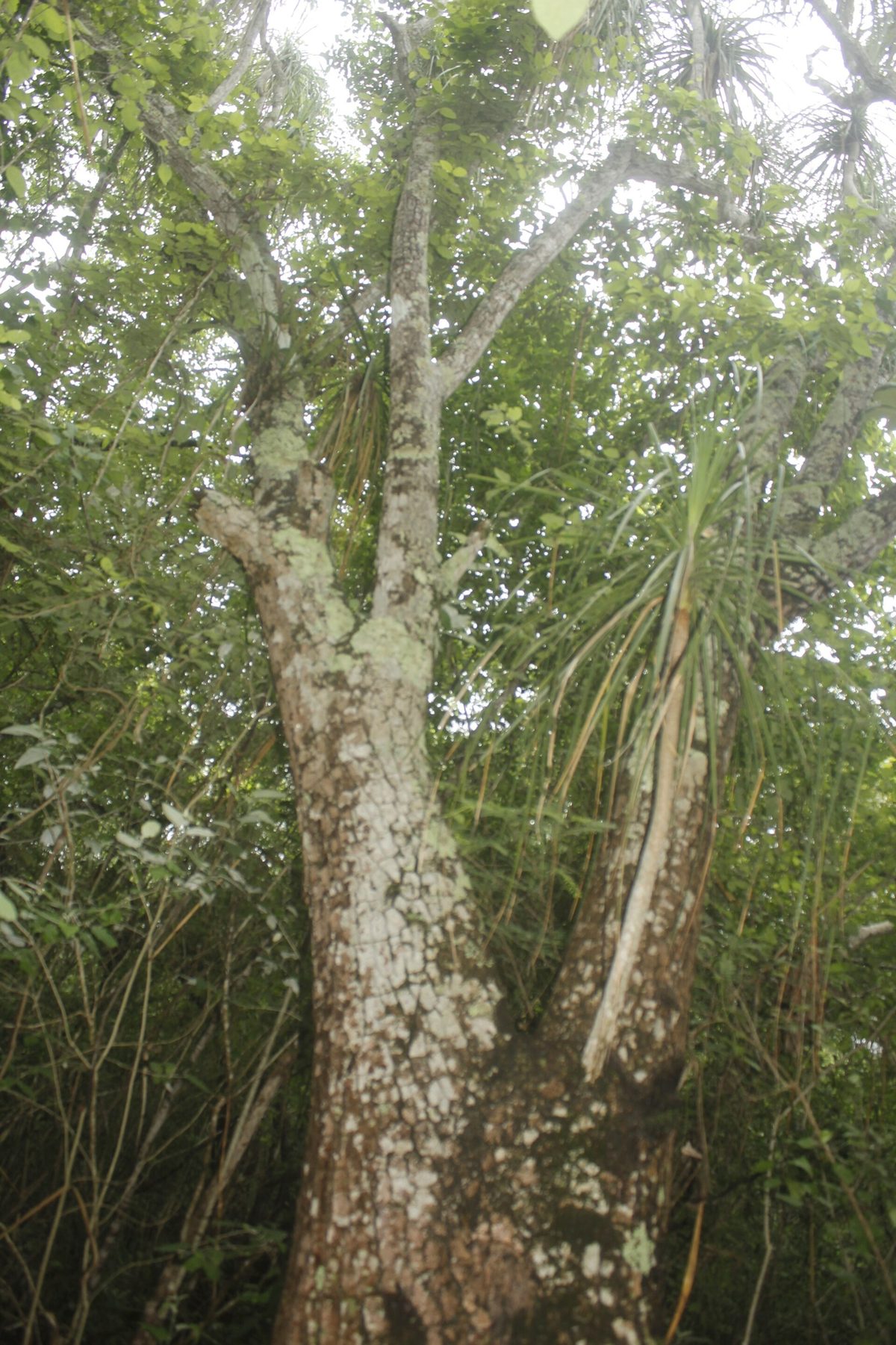
Bottle-palm
Beaucarnea recurvata
Direct sun; tolerates bright, indirect light · Full sun · Zones 10a–11b
-
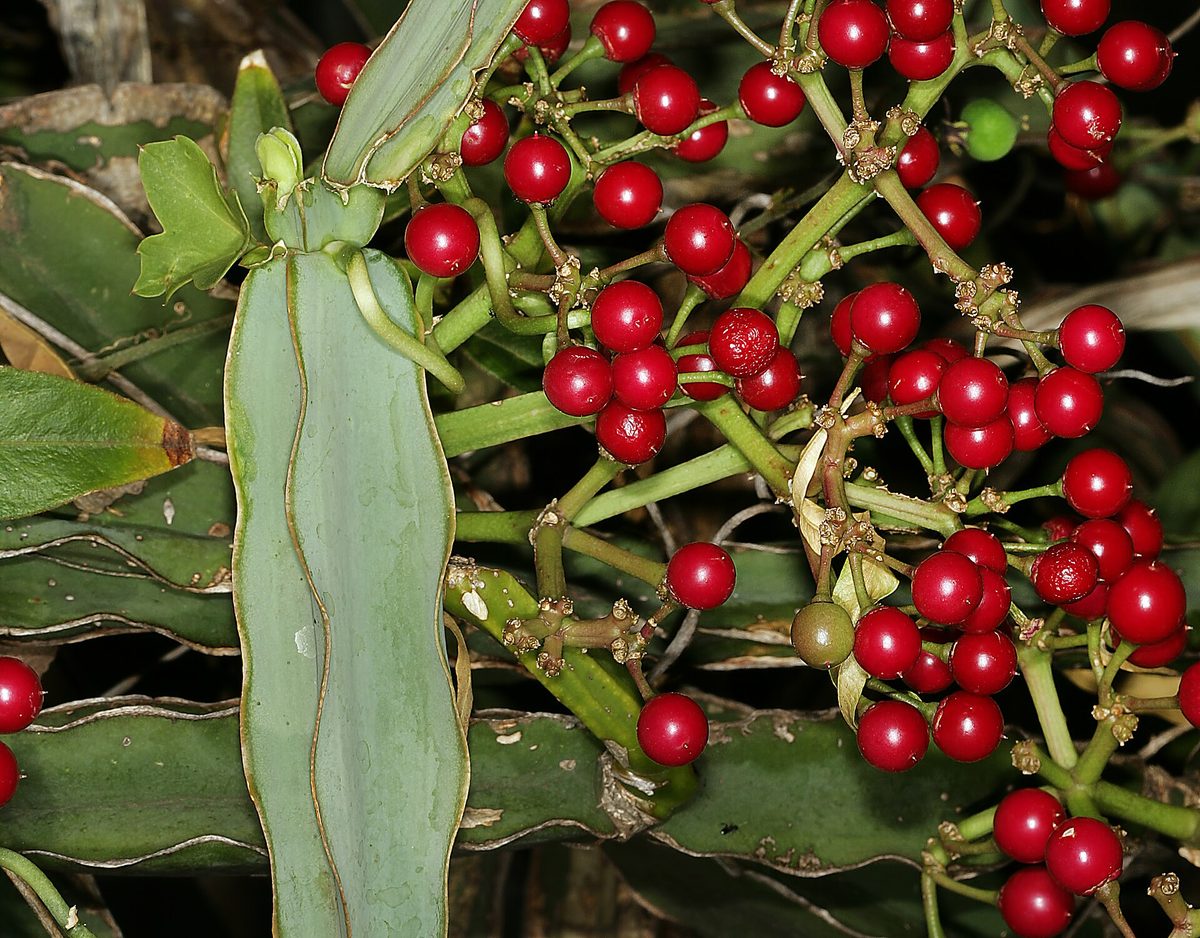
Veldt-grape
Cissus quadrangularis
-
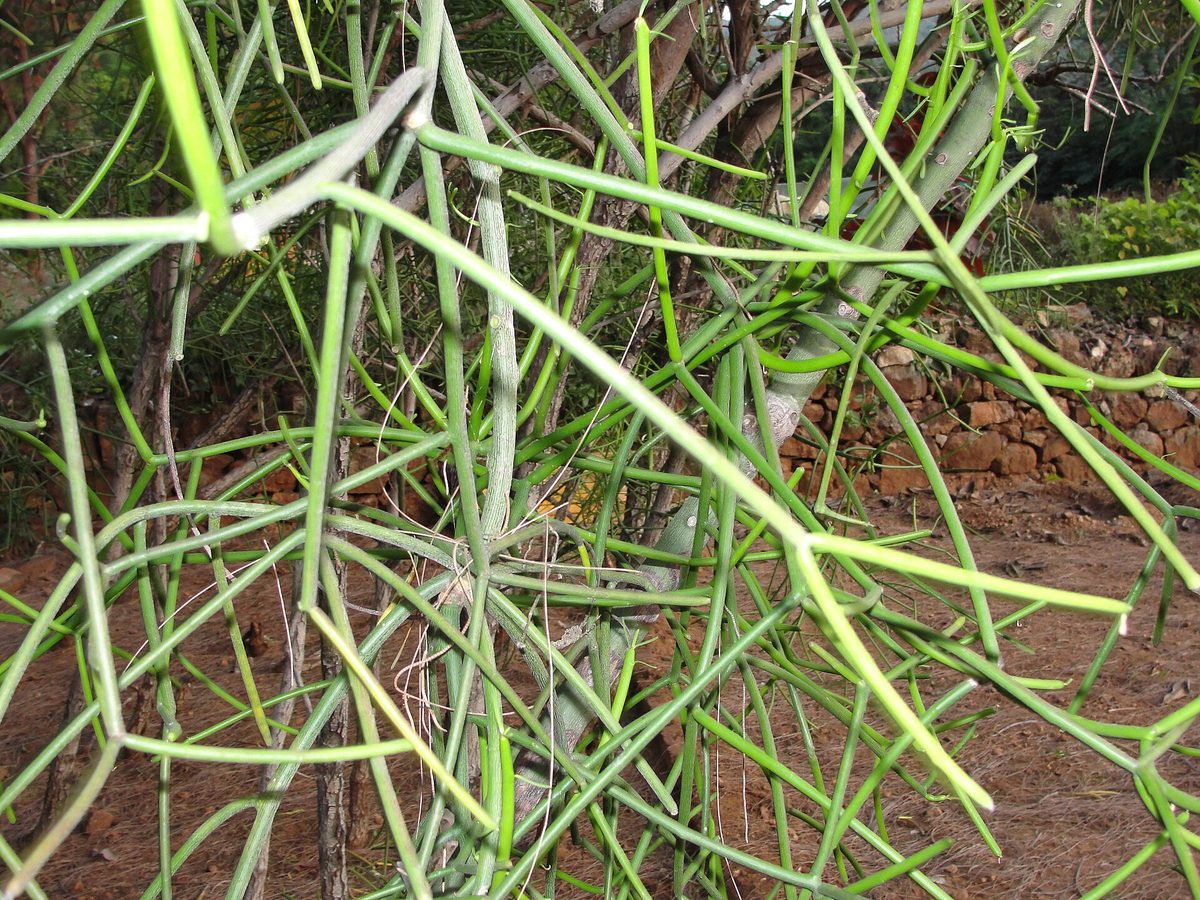
Indiantree Spurge
Euphorbia tirucalli
Bright, indirect light; tolerates direct sun · Full sun · Zones 11a–12b
-
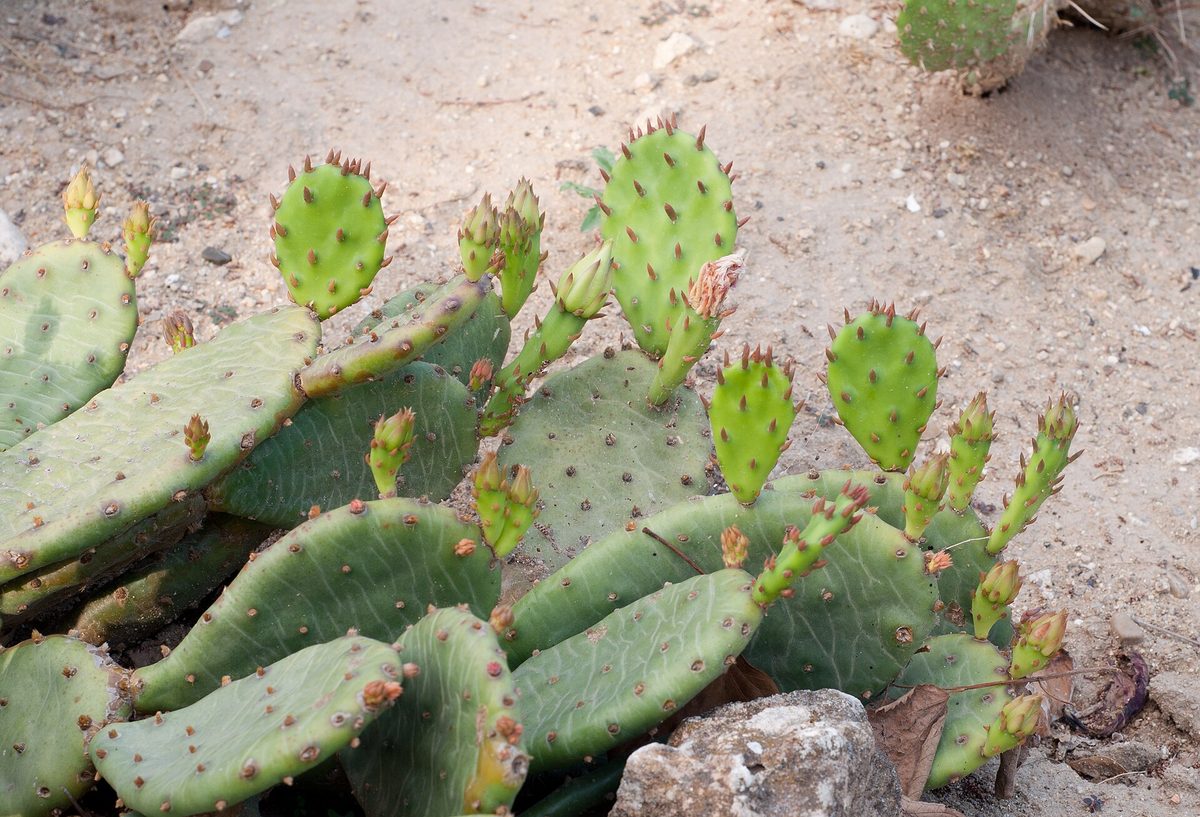
Devil's-tongue
Opuntia humifusa
Full sun · Zones 4a–9b · 0.5–1 ft (0.15–0.3 m)
-
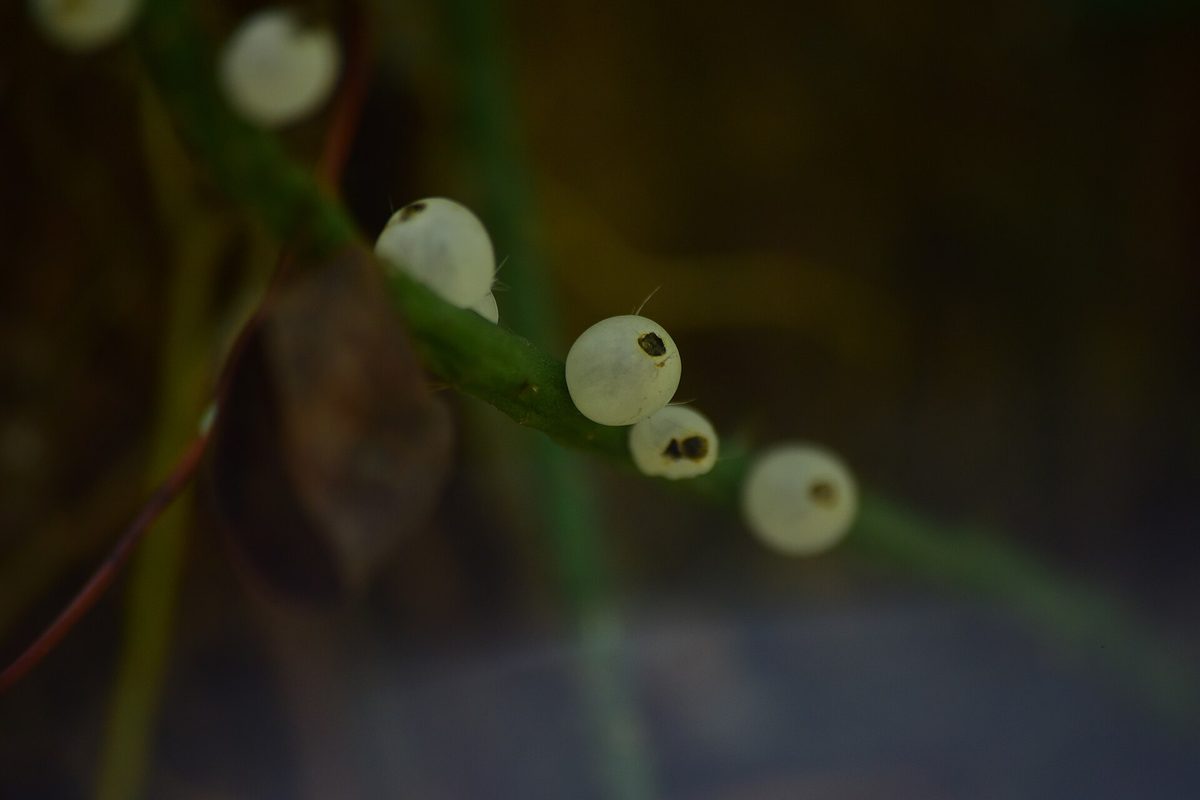
Mistletoe Cactus
Rhipsalis baccifera
Bright, indirect light · Part shade · Zones 9b–11b
How to choose
Picking one plant from this list differs from picking any succulent at random. These plants are grouped only by their water-storing strategy, not by the conditions they need. Before you choose, think about where the plant will actually live. A sunny windowsill, a shaded office desk, and an outdoor garden bed each suit a different member of this list. The care guide for each plant spells out which one fits. Think about the final size of the plant, too. A few of these plants stay small for years. Others grow much larger over time. Check the mature size listed on a plant's own page before you commit space to it. If you share your home with a cat or a dog, check each plant's toxicity listing. Do this before you bring a new plant inside. That detail is not the same across this list. It's worth knowing ahead of time. Treat this page as a starting point for comparison. Let each plant's own guide make the final case.
All succulents and cacti, A to Z
Filter all 19 Succulents and Cacti plants →
- American Century Plant Agave americana
- Barbados Aloe Aloe vera
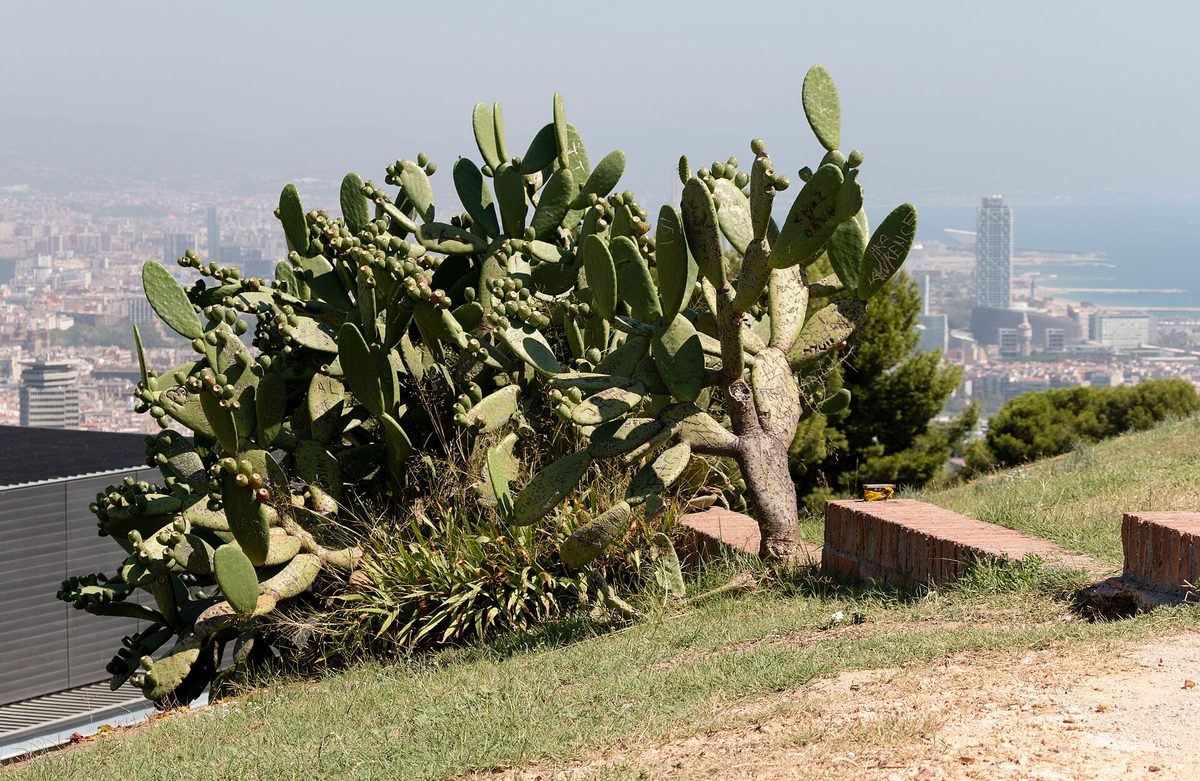
- Barbary Fig Opuntia ficus-indica
- Cathedral Bells Kalanchoe pinnata
- Christplant Euphorbia milii
- Common Houseleek Sempervivum tectorum
- Desert-rose Adenium obesum
- Devil's Backbone Kalanchoe daigremontiana
- Dutchman's Pipe Cactus Epiphyllum oxypetalum
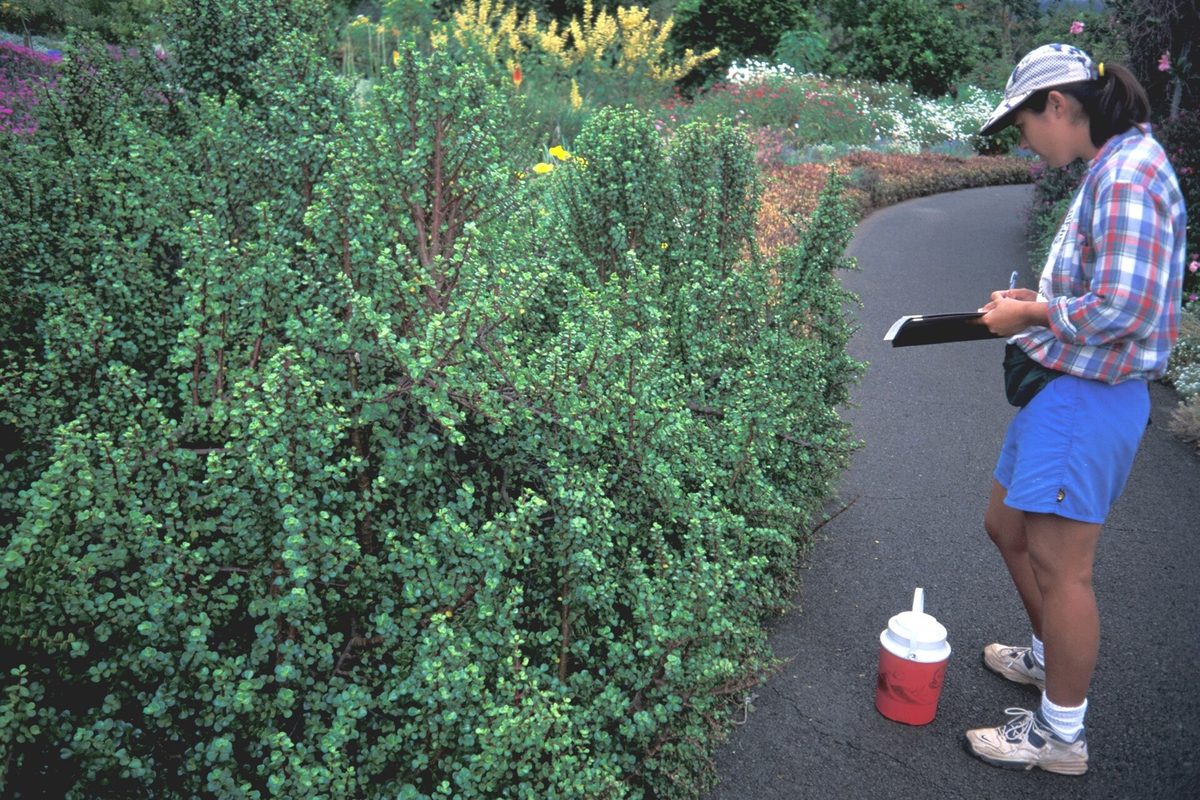
- Elephant Bush Portulacaria afra
- Indiantree Spurge Euphorbia tirucalli
- Jade Plant Crassula ovata
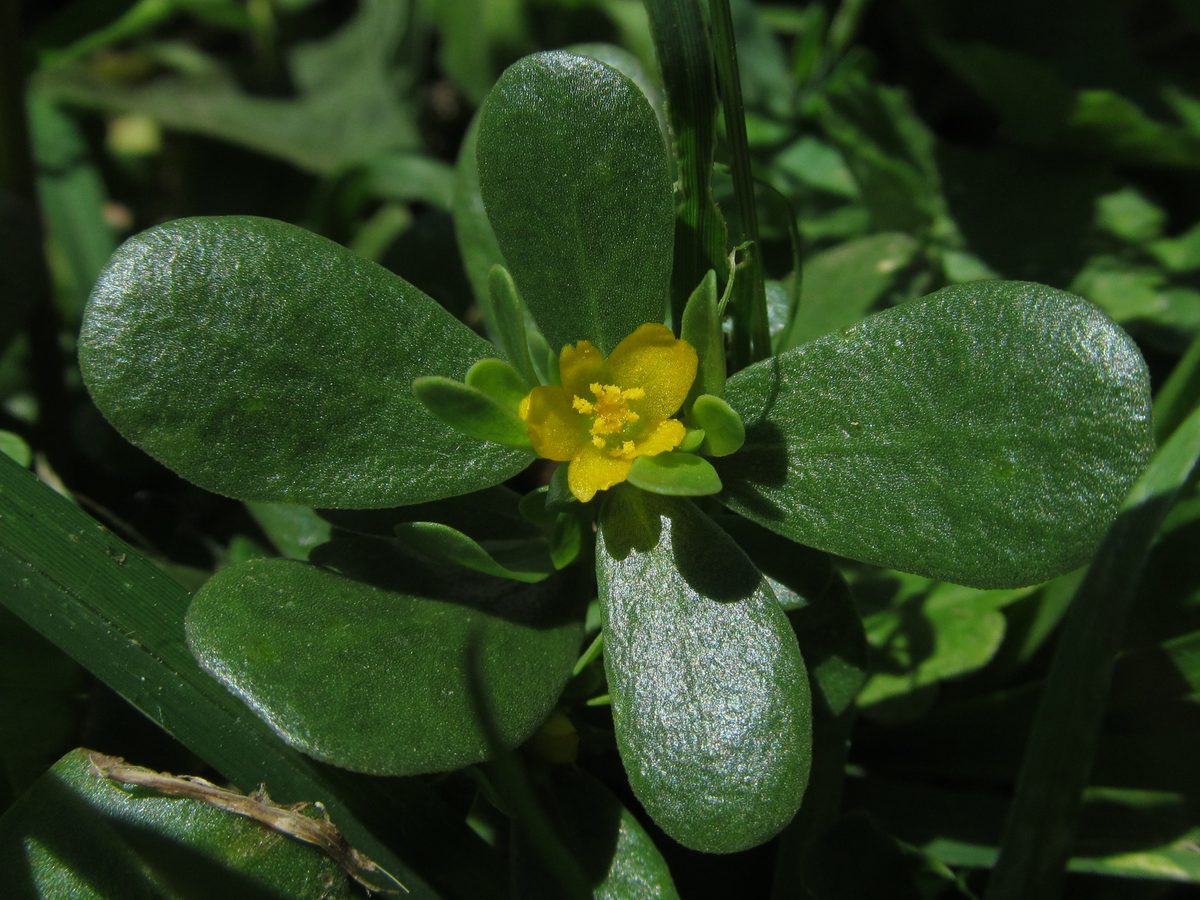
- Little Hogweed Portulaca oleracea
- Madagascar Widow's-thrill Kalanchoe blossfeldiana
- Nightblooming Cactus Selenicereus undatus
- Rose Moss Portulaca grandiflora
- Roseroot Stonecrop Rhodiola rosea
- Showy Stonecrop Hylotelephium spectabile
- Witch's Moneybags Hylotelephium telephium
Photo credits
- Little Hogweed photo by Cbaile19, CC0 via Wikimedia Commons
- Jade Plant photo by W.carter, CC0 via Wikimedia Commons
- Barbados Aloe photo by Rjcastillo, CC BY-SA 4.0 via Wikimedia Commons
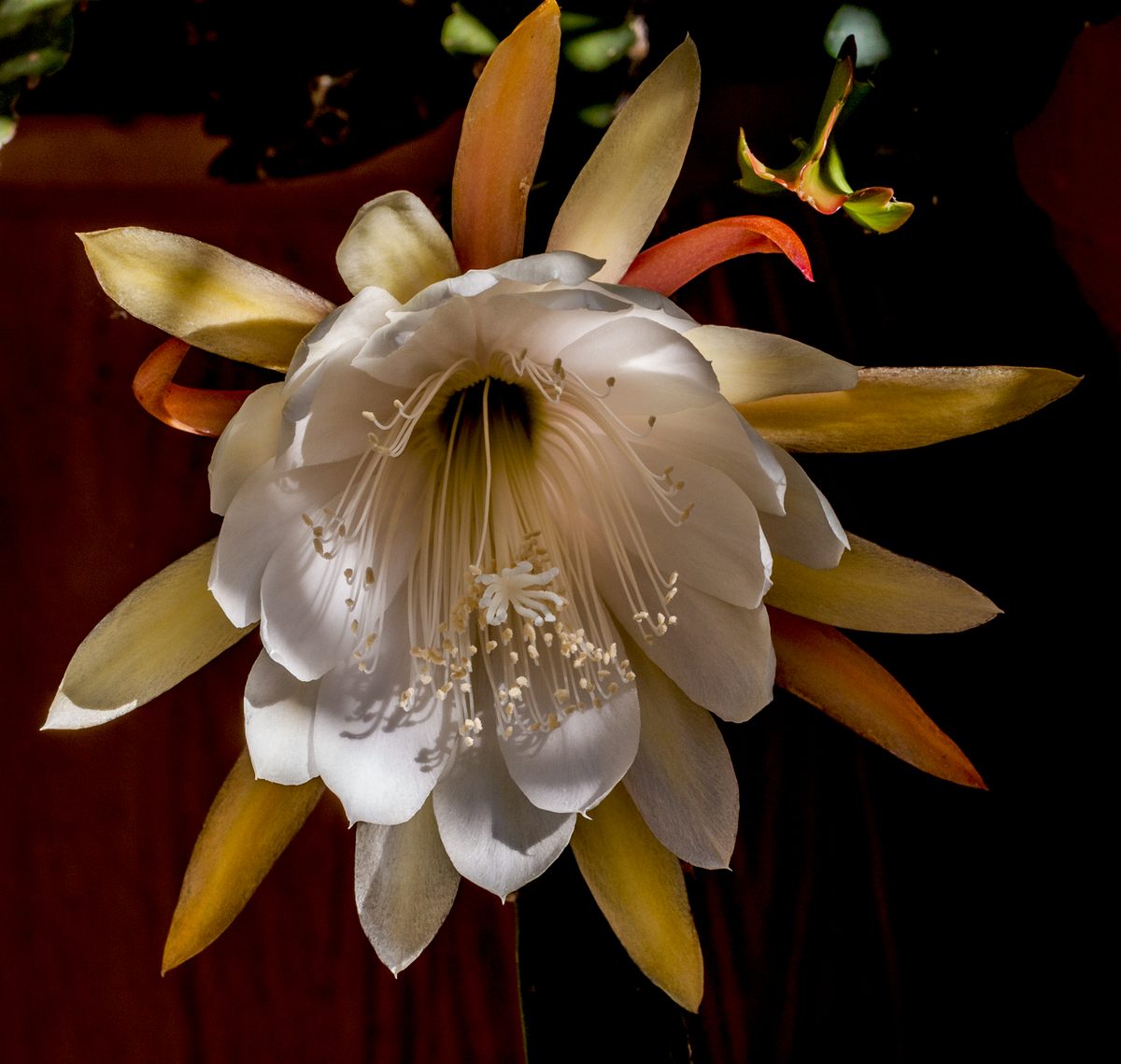
- Dutchman's Pipe Cactus photo by Fischer.H, CC BY-SA 4.0 via Wikimedia Commons
- Cathedral Bells photo by Ramon FVelasquez, CC BY-SA 3.0 via Wikimedia Commons
- American Century Plant photo by Marc Ryckaert (MJJR), CC BY-SA 3.0 via Wikimedia Commons
- Barbary Fig photo by Mummelgrummel, CC BY-SA 4.0 via Wikimedia Commons
- Madagascar Widow's-thrill photo by Forest & Kim Starr, CC BY 3.0 via Wikimedia Commons
- Christplant photo by Vengolis, CC BY-SA 4.0 via Wikimedia Commons
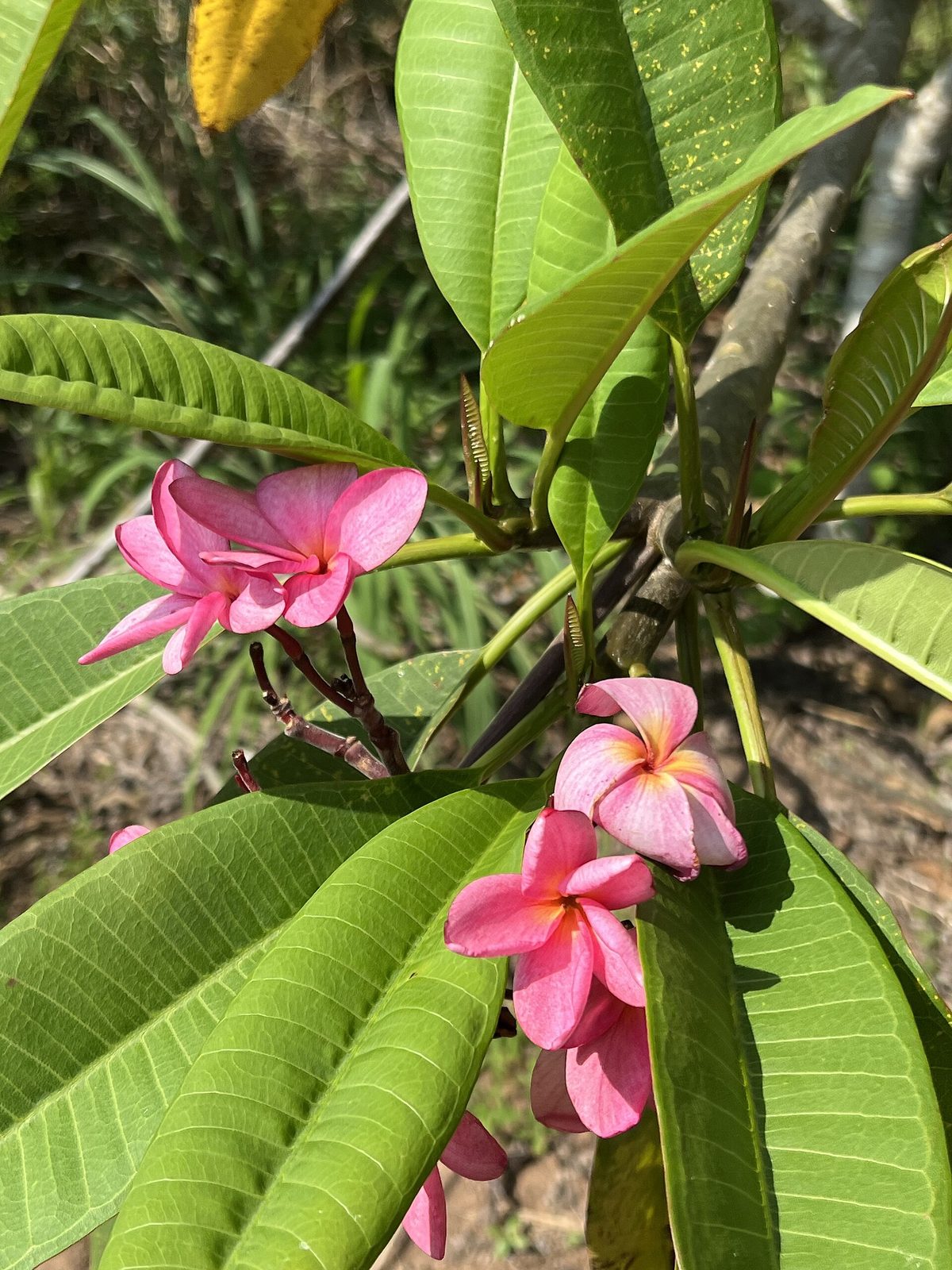
- Desert-rose photo by Tohinde, CC0 via Wikimedia Commons
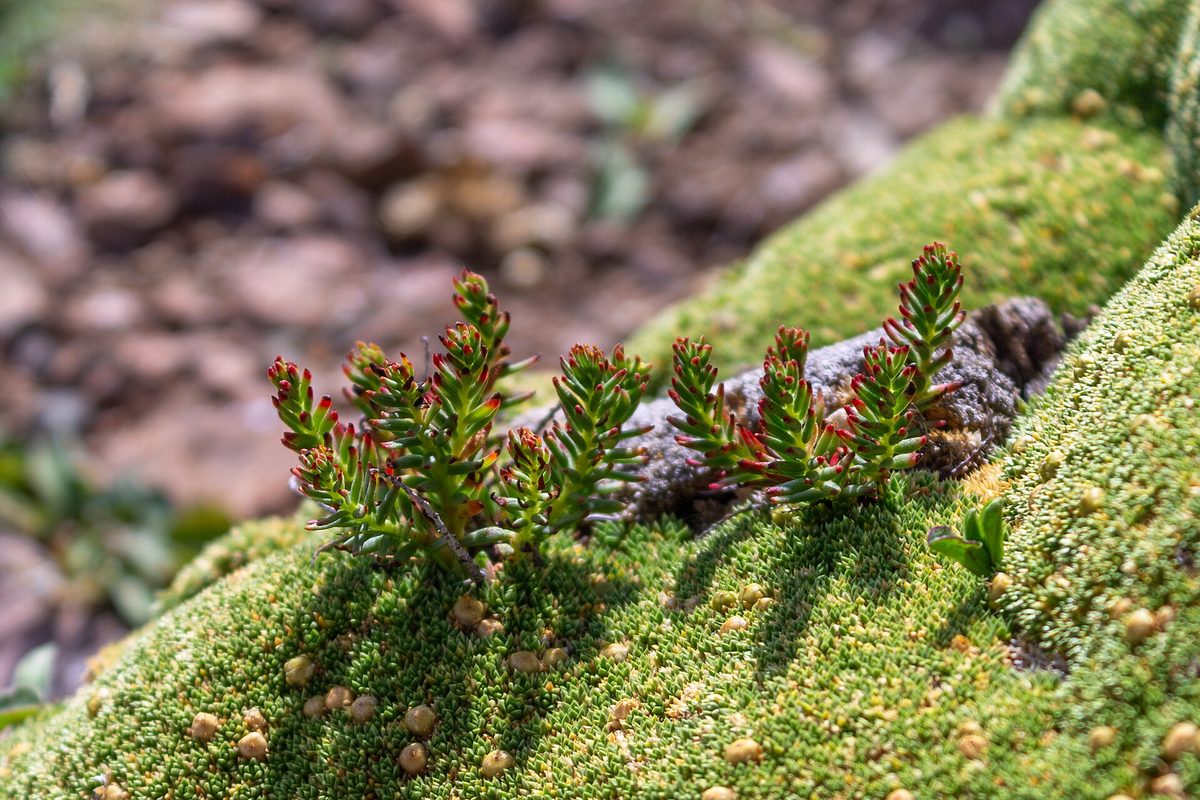
- Roseroot Stonecrop photo by ElenaLitera, CC BY-SA 4.0 via Wikimedia Commons
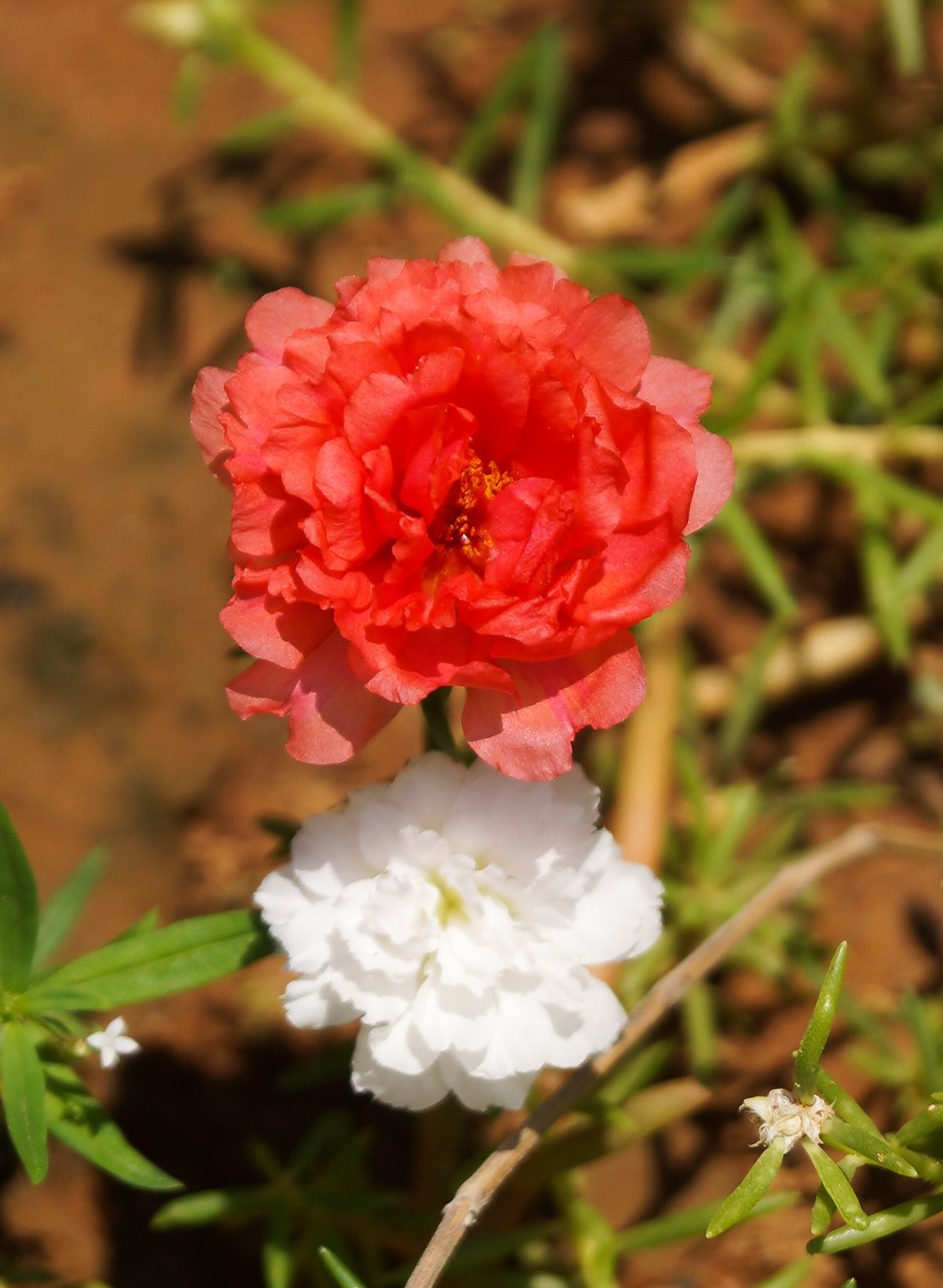
- Rose Moss photo by Rjcastillo, CC BY-SA 3.0 via Wikimedia Commons
- Elephant Bush photo by Forest & Kim Starr, CC BY 3.0 via Wikimedia Commons
- Nightblooming Cactus photo by Bff, CC BY-SA 4.0 via Wikimedia Commons
- Showy Stonecrop photo by Didier Descouens, CC BY-SA 4.0 via Wikimedia Commons
- Witch's Moneybags photo by Didier Descouens, CC BY-SA 4.0 via Wikimedia Commons
- Common Houseleek photo by Krzysztof Golik, CC BY-SA 4.0 via Wikimedia Commons
- Bottle-palm photo by juancruzado, CC BY-SA 4.0 via Wikimedia Commons
- Veldt-grape photo by SAplants, CC BY-SA 4.0 via Wikimedia Commons
- Indiantree Spurge photo by Thamizhpparithi Maari, CC BY-SA 3.0 via Wikimedia Commons
- Devil's-tongue photo by MrPanyGoff, CC BY-SA 3.0 via Wikimedia Commons
- Mistletoe Cactus photo by Andrinivo, CC BY-SA 4.0 via Wikimedia Commons


How this page was made
- Written with AI assistance from the sources listed on this page. AI is never the source of a fact.