Maidenhair Tree (Ginkgo biloba)
Formerly Salisburia biloba, Ginkgo macrophylla, Salisburia macrophylla
Give a ginkgo tree full sun for best growth, though it also tolerates part shade. Water it enough to keep the soil between lightly dry and evenly moist, letting it approach dry before you water again. This tree is toxic to cats and toxic to dogs, so keep pets from chewing on it.
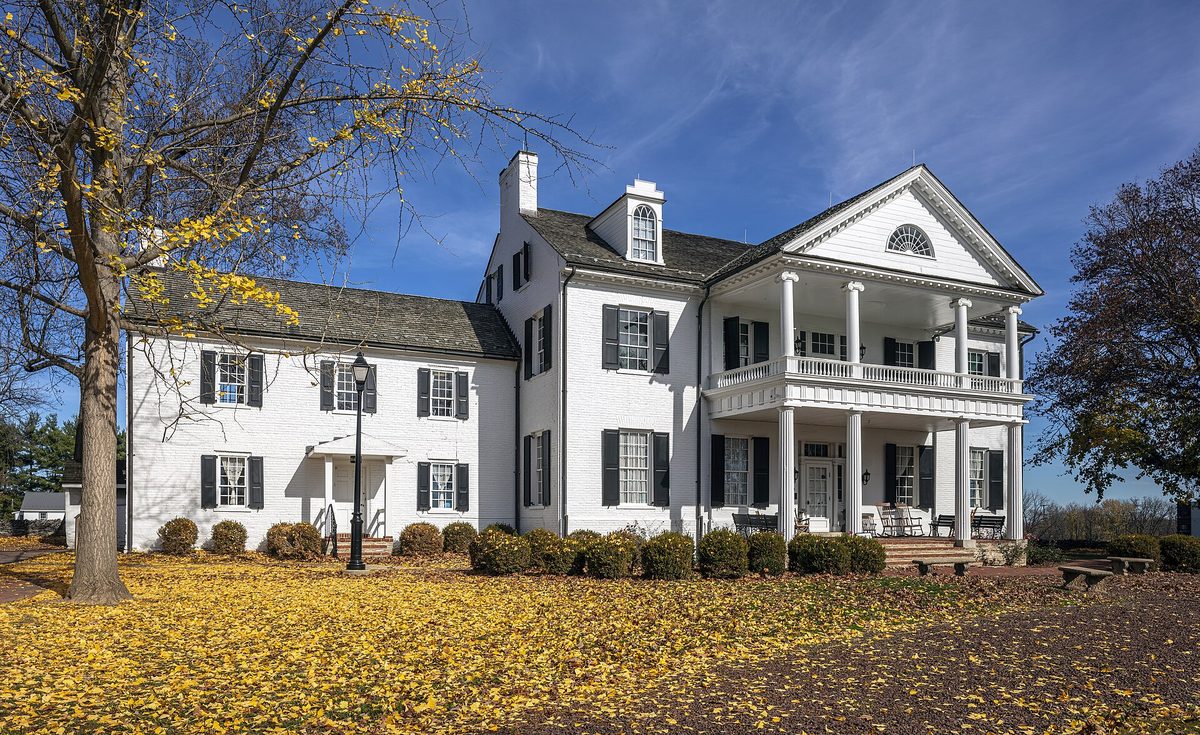
Photo: Acroterion, CC BY-SA 4.0 via Wikimedia Commons

Quick facts
| Light: | Full sun and part shade (full sun preferred)11 source |
|---|---|
| Water: | Dry to wet21 source |
| Soil: | Well drained, moist, occasionally dry and occasionally wet; pH 5–8123 |
| Hardiness: | Zones 3a–9b11 source |
| Size: | Sources differ: University of Florida IFAS Extension (Ask IFAS) × 50–60 ft (15.24–18.29 m)829Sources differ |
| Growth rate: | Sources differ: University of Florida IFAS Extension (Ask IFAS)12Sources differ |
| Bloom: | Green81 source |
| Cats: | Toxic to cats (1 source) 7 |
| Dogs: | Toxic to dogs (1 source) 7 |
| Native range: | CHS10 |
| Family: | Ginkgoaceae |
How much light does a Maidenhair Tree need?
Full sun is where Ginkgo biloba performs best. Give it a spot that gets direct light for most of the day. This tree also tolerates part shade, so a site with some shade in the afternoon still works for it. Between the two, full sun is the preferred condition, and part shade is just an option the tree can handle. When you choose a planting site, pick the spot with the most open sky you have, away from the shadow of buildings or larger trees. A spot that sits in full shade all day is not part of what this species tolerates, so avoid those locations.
- Light: Full sun and part shade (full sun preferred)1
How often to water a Maidenhair Tree
Soil moisture for Ginkgo biloba should sit between lightly dry and medium-wet, not at either extreme. Check the soil before each watering, and let it dry out a little before you water again. Avoid soil that stays wet for long stretches, since the tolerated range stops short of being constantly soggy. At the same time, do not let the soil dry out completely for long periods, since the low end of the range is only moderately dry. A steady middle ground between these two points suits this tree better than letting conditions swing from one extreme to the other.
- Water: Dry to wet2
Best soil for a Maidenhair Tree
Well-drained soil that still holds some moisture suits Ginkgo biloba best, and this tree also tolerates soil that turns occasionally dry or occasionally wet. It is not a plant for soil that stays soggy for long periods or one that bakes bone-dry for weeks at a time. A loose, moisture-retentive soil that drains between waterings suits it best. This tree accepts a wide soil pH range, from about 5.0 to 8.0, which covers most acidic to slightly alkaline garden soils. That breadth means you rarely need to adjust pH before planting it.
Hardiness and temperature
Winter cold is rarely a concern for Ginkgo biloba, since it tolerates temperatures down to about -40°F (-40°C). That figure matches the bottom of its USDA hardiness range, zone 3a, and the range runs up through zone 9b. The range stretches from cold northern climates to warm, humid southern ones, so the tree suits a wide span of outdoor gardens. Those zone numbers describe cold tolerance, not air moisture, so no separate humidity requirement applies to this hardiness rating.
Pruning a Maidenhair Tree
Pruning needs for Ginkgo biloba are light, not heavy. Trim stray or crossing branches to keep a clean shape, rather than cutting back large sections of the canopy. Light shaping also helps a young tree develop one strong central leader instead of several competing ones. Beyond that light touch, this species does not call for routine hard pruning.
- Pruning: Light shaping2
How to plant a Maidenhair Tree
Plant Ginkgo biloba outdoors if you garden in USDA hardiness zones 3a through 9b. That span runs from cold northern climates to warm, humid southern ones, so check your own zone falls inside that range before you plant. Give the tree room to grow, since a mature specimen spreads 50-60 ft (15.2-18.3 m) wide. Keep that eventual width in mind when you pick a spot near a house, fence, or other trees. As long as your zone falls within 3a to 9b, timing the planting around your local frost dates rather than a calendar date works well for this species.
- Hardiness: Zones 3a–9b1
Winter care
An established Ginkgo biloba needs no winter protection in most of its hardiness range. The tree tolerates cold down to about -40°F (-40°C), which matches the bottom of USDA zone 3a. Because the species handles such low temperatures, a tree growing anywhere within zones 3a through 9b needs no extra mulching or wrapping for winter. Gardeners at the warm end of the range, zone 9b, have little to worry about in winter, since the tree's cold tolerance runs far below what that zone ever reaches.
How to propagate a Maidenhair Tree
Growers propagate Ginkgo biloba mainly from seed and by grafting. Seed-grown trees take longer to reach a usable size and can vary in form from one seedling to the next. Grafting lets growers copy a specific named variety exactly, since the new plant is a clone of the parent tree rather than a genetically unique seedling. If you want a tree that matches a known cultivar, choose a grafted plant rather than one grown from seed.
Common problems
Two insects, leafhoppers and treehoppers, are the pests most often reported on Ginkgo biloba. Documented diseases for this tree include oleander leaf scorch, wood decay fungi, Xylella fastidiosa, and vascular streak dieback. Watch for unusual leaf discoloration or dieback on branches, and look closely at the trunk and stems for signs of pests.
| Problem | Kind |
|---|---|
| Leafhoppers | Pest |
| Treehoppers | Pest |
| Oleander leaf scorch | Disease |
| Wood decay fungi | Disease |
| Xylella fastidiosa | Disease |
| Vascular streak dieback | Disease |
Is Maidenhair Tree toxic to cats and dogs?
Both cats and dogs face a toxicity risk from Ginkgo biloba. This tree is toxic to cats. It is also toxic to dogs. Keep both cats and dogs from chewing on or eating any part of this tree. No specific severity or list of plant parts is given in the source behind this listing, just the toxic classification for each animal. If your cat or dog eats part of this plant, contact your vet or a pet poison line right away rather than waiting for symptoms.
Pet-safe alternatives
Recommended supplies
- Soil: a free-draining mix, and a pot with a drainage hole.
Questions and answers
- Is Ginkgo biloba toxic to cats and dogs?
- Yes, this tree is toxic to both cats and dogs. If your pet chews on or eats part of it, contact your vet or a pet poison line right away.
- What USDA zones can Ginkgo biloba grow in?
- It grows outdoors in USDA hardiness zones 3a through 9b, a wide span covering most cold-winter and warm-summer regions of North America. Your local zone needs to fall somewhere inside that range for this tree to survive outdoors year-round.
- How often should I water a ginkgo tree?
- Keep the soil somewhere between lightly dry and medium-wet, rather than letting it sit at either extreme. Check the soil before you water again instead of watering on a fixed schedule.
Sources
- NC State Extension Gardener Plant Toolbox. https://plants.ces.ncsu.edu/plants/ginkgo-biloba/. Accessed 23 September 2026.
- University of Florida IFAS Extension (EDIS). https://ask.ifas.ufl.edu/publication/ST273. Accessed 24 September 2026.
- Cornell University Woody Plants Database. https://woodyplants.cals.cornell.edu/plant/102. Accessed 23 September 2026.
- Clemson Cooperative Extension Home & Garden Information Center. https://hgic.clemson.edu/factsheet/ginkgo-maidenhair-tree-care-growing-guide/. Accessed 23 September 2026.
- UC Statewide Integrated Pest Management Program (UC IPM). https://ipm.ucanr.edu/home-and-landscape/maidenhair-tree/. Accessed 23 September 2026.
- EPPO Global Database. https://gd.eppo.int/taxon/GIKBI/pests. Accessed 23 September 2026.
- ASPCA. https://www.aspca.org/news/fall-plants-hazardous-or-harmless. Accessed 23 September 2026.
- Chicago Botanic Garden. https://www.chicagobotanic.org/plant-information/plant-finder/ginkgo-biloba-ginkgo. Accessed 24 September 2026.
- Oregon State University Extension Service. https://extension.oregonstate.edu/catalog/ec-1438-selecting-planting-caring-new-tree. Accessed 28 October 2026.
- Royal Botanic Gardens, Kew (World Checklist of Vascular Plants). https://sftp.kew.org/pub/data-repositories/WCVP/wcvp.zip. Accessed 4 June 2026.
How this page was made
- Written with AI assistance from the sources listed on this page. AI is never the source of a fact.