Crepe Myrtle (Lagerstroemia indica)
Also called Crape Myrtle, Crapemyrtle
Formerly Murtughas indica, Velaga globosa, Lagerstroemia minor
Give crepe myrtle full sun outdoors, at least six hours of direct light a day, and let the soil dry out somewhat between waterings since it tolerates both dry spells and occasional wet soil once established. It also does best in well-drained soil. The ASPCA lists this plant as non-toxic to cats and non-toxic to dogs.
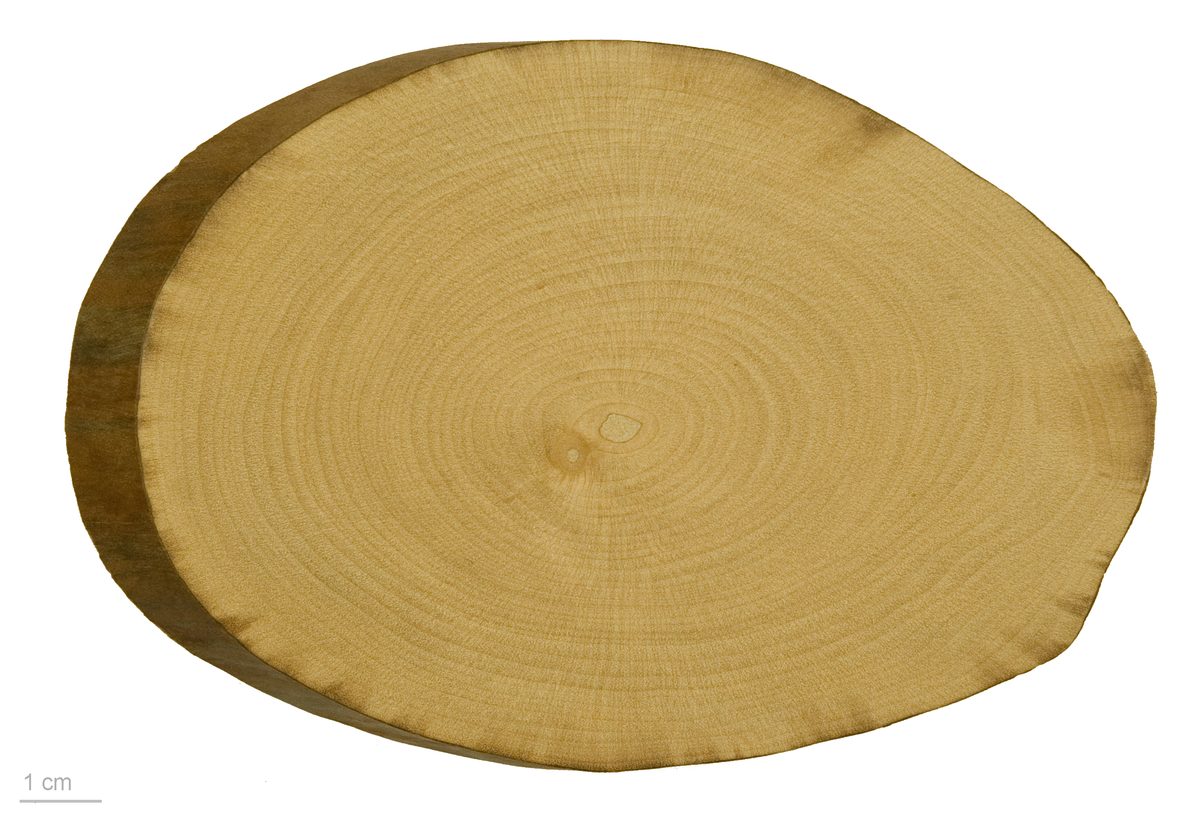
Photo: Jean-Pierre Chéreau & Roger Culos, CC BY-SA 3.0 via Wikimedia Commons

Quick facts
| Light: | Full sun12 |
|---|---|
| Water: | Dry to wet11 source |
| Soil: | Well drained, occasionally dry and occasionally wet; pH 5–6.531 source |
| Hardiness: | Zones 7a–9a41 source |
| Size: | 10–30 ft (3.05–9.14 m) × 15–25 ft (4.57–7.62 m)2731 source |
| Growth rate: | Rapid11277 |
| Bloom: | Pink, red, white and purple13 |
| Cats: | Non-toxic to cats 61 |
| Dogs: | Non-toxic to dogs 61 |
| Native range: | ASS, BAN, CBD, CHC, CHH, CHS, EHM, MYA, NEP, TAI, VIE, WHM8 |
| Family: | Lythraceae |
How much light does a Crepe Myrtle need?
Full sun outdoors, meaning six or more hours of direct sunlight a day, is what crepe myrtle needs to grow and bloom well. Both NC State Extension and University of Florida IFAS Extension name full sun as the exposure this plant needs. No other light level is listed as acceptable for this plant outdoors.
How often to water a Crepe Myrtle
Established crepe myrtle plants tolerate soil that runs dry as well as soil that stays occasionally wet. That tolerance ranges from dry soil up to medium-wet soil once the plant is established outdoors. Well-drained soil that can be occasionally dry or occasionally wet suits this species best.
- Water: Dry to wet1
Best soil for a Crepe Myrtle
Well-drained soil that has been well prepared suits crepe myrtle best. That soil can also run occasionally dry or occasionally wet without being a problem for this plant. Keep the soil pH slightly acidic, in the range of 5.0 to 6.5. Clemson Cooperative Extension recommends that pH range for this species. A pH of 5.0 to 6.5 counts as slightly acidic rather than neutral or alkaline garden soil.
Hardiness and temperature
USDA hardiness zones 7a through 9a mark where crepe myrtle is winter hardy outdoors. Zone 7a is the coldest zone in that range. Zone 9a is the warmest zone in that range. University of Florida IFAS Extension lists this zone range for the species. Gardeners in zone 7a sit at the cold edge of this plant's outdoor range. Gardeners in zone 9a sit at the warm edge of the same range. No source cited here states a specific minimum temperature for this plant.
- Hardiness: Zones 7a–9a4
Fertilizing a Crepe Myrtle
Light applications of a complete fertilizer in spring and summer are enough to feed crepe myrtle outdoors. Clemson Cooperative Extension describes this approach as adequate for the plant. A complete fertilizer used this way meets the plant's outdoor feeding needs, according to that source.
- Fertilizer: Light, once a year3
Pruning a Crepe Myrtle
Light shaping, deadheading, removing dead wood, or a harder renewal cut are all pruning options for crepe myrtle. Do this pruning in late winter or early spring to stimulate new growth. Clemson Cooperative Extension recommends that late-winter-to-early-spring window for pruning this plant when it is needed.
- Pruning: Light shaping, Deadheading, Remove dead growth only and Hard renewal pruning (Feb–Mar)5
How to plant a Crepe Myrtle
Choosing a planting site for crepe myrtle starts with checking your USDA hardiness zone, since it grows outdoors year-round only in zones 7a through 9a. Pick a spot in full sun, since that is the light level this species needs outdoors. Give it room to reach its mature size, since it can grow 10 to 30 ft (3.05-9.14 m) tall and spread 15 to 25 ft (4.57-7.62 m) wide. Prepare the site with well-drained soil, since that is the soil condition this plant needs. Once established, it tolerates soil that runs dry as well as soil that stays occasionally wet.
- Hardiness: Zones 7a–9a4
Winter care
Zone 7a and zone 9a mark the edges of where crepe myrtle is winter hardy outdoors. University of Florida IFAS Extension gives this zone range for the species. Gardeners in zone 7a are at the cool end of this plant's hardy range. Gardeners in zone 9a are at the warm end of the same range. Within zones 7a through 9a, this plant is listed as hardy enough to stay outdoors year-round. That is the full cold-hardiness picture these sources give for this species. No source cited here gives an exact minimum temperature for winter survival.
- Hardiness: Zones 7a–9a4
How to propagate a Crepe Myrtle
You can propagate crepe myrtle from seed or from a stem cutting. NC State Extension names both of these as methods for starting new plants of this species. University of Florida IFAS Extension also lists cuttings or seed as ways to propagate it. Either method listed by these sources will start a new crepe myrtle plant.
Common problems
Crepe myrtle can attract aphids, scale insects, crapemyrtle bark scale, and flea beetles. It can also develop powdery mildew and leaf spot. Clemson Cooperative Extension lists aphids among the pests that affect this plant. The same source lists powdery mildew as one of its diseases. Leaf spot is the other disease commonly reported for this plant, alongside powdery mildew.
| Problem | Kind |
|---|---|
| Aphids | Pest |
| Scale insects | Pest |
| Crapemyrtle bark scale | Pest |
| Flea beetles | Pest |
| Powdery mildew | Disease |
| Leaf spot | Disease |
Is Crepe Myrtle toxic to cats and dogs?
The ASPCA lists crepe myrtle as non-toxic to cats. The ASPCA also lists it as non-toxic to dogs. NC State Extension Gardener Plant Toolbox also tags this species as non-toxic for cats. The same NC State source tags it as non-toxic for dogs as well. Neither source records a severity level or clinical signs for this species. Both ASPCA and NC State Extension agree on this non-toxic status for cats and dogs. If your cat or dog chews on this plant and seems unwell for any reason, contact your vet or a pet poison line.
Recommended supplies
- Soil: a free-draining mix, and a pot with a drainage hole.
Questions and answers
- Is crepe myrtle toxic to cats or dogs?
- Crepe myrtle is not toxic to cats or dogs, according to the ASPCA. NC State Extension's Plant Toolbox also lists it as non-toxic for both pets.
- What kind of light does crepe myrtle need outdoors?
- Crepe myrtle needs full sun outdoors, meaning six or more hours of direct sunlight a day. Both NC State Extension and University of Florida IFAS Extension list full sun as this plant's preferred exposure.
- How do you propagate crepe myrtle?
- You can propagate crepe myrtle from seed or from a stem cutting. NC State Extension and University of Florida IFAS Extension both list these two methods for starting new plants.
Sources
- NC State Extension Gardener Plant Toolbox. https://plants.ces.ncsu.edu/plants/lagerstroemia-indica/. Accessed 24 September 2026.
- University of Florida IFAS Extension (EDIS). https://ask.ifas.ufl.edu/publication/st342. Accessed 24 September 2026.
- Clemson Cooperative Extension Home & Garden Information Center. https://hgic.clemson.edu/factsheet/crape-myrtle/. Accessed 24 September 2026.
- University of Florida IFAS Extension (EDIS). https://ask.ifas.ufl.edu/st342. Accessed 24 September 2026.
- Clemson Cooperative Extension Home & Garden Information Center. https://hgic.clemson.edu/factsheet/crape-myrtle-pruning/. Accessed 13 October 2026.
- ASPCA Animal Poison Control Center. https://www.aspca.org/pet-care/aspca-poison-control/toxic-and-non-toxic-plants/lagerstroemia-indica. Accessed 24 September 2026.
- University of Florida IFAS Extension (EDIS). https://ask.ifas.ufl.edu/publication/ST342. Accessed 24 September 2026.
- Royal Botanic Gardens, Kew (World Checklist of Vascular Plants). https://sftp.kew.org/pub/data-repositories/WCVP/wcvp.zip. Accessed 4 June 2026.
How this page was made
- Written with AI assistance from the sources listed on this page. AI is never the source of a fact.