Shrubs for zone 8
This page gathers shrubs grouped together for USDA hardiness zone 8. Below you will find a short note on each shrub in this group, along with a link to its own growing guide. Use this list as a starting point when you compare shrubs for a border, a hedge, or a mixed bed. Each note here is brief on purpose, since the full details on light, water, soil, and pruning live on that shrub's own page. The shrubs below come from different plant families, so their shapes, bloom times, and care needs vary from one to the next. Some grow as small trees, others stay low and dense, and a few need yearly pruning to keep their shape. Before you plant any of them, check its own page for the sourced facts on its soil, sun, and water needs. That page also lists what is known about its toxicity to cats and dogs, where a source records it. Read through the short notes below, then click through to the shrub you want to learn more about. Each one listed here has its own page with fuller care notes, pruning steps, and answers to common questions. Come back to this page any time you want to compare two or more shrubs from this zone side by side.
Compared side by side
| Plant | Hardiness | Height | Light | Cats | Dogs |
|---|---|---|---|---|---|
| SilktreeAlbizia julibrissin | Zones 6a–9b | 20–40 ft (6.1–12.2 m) | Full sun and part shade (full sun preferred) | Not documented | Toxic (1 source) |
| Lemon BeebrushAloysia citrodora | Zones 8a–10b | 5.9–7.9 ft (1.8–2.4 m) | Full sun | Toxic | Toxic |
| Strawberry TreeArbutus unedo | Zones 7a–10b | 12 ft (3.66 m) | Full sun and part shade (full sun preferred) | Not documented | Not documented |
| Black ChokeberryAronia melanocarpa | Zones 3a–8b | 3–10 ft (0.91–3.05 m) | Full sun and part shade (full sun preferred) | Not documented | Not documented |
| PawpawAsimina triloba | Zones 5a–9b | Sources differ: Clemson Cooperative Extension HGIC; Clemson Cooperative Extension HGIC; Lady Bird Johnson Wildflower Center; Clemson Cooperative Extension HGIC; Lady Bird Johnson Wildflower Center; Clemson Cooperative Extension Home & Garden Information Center | Full sun, part shade and full shade (full sun preferred) | Not documented | Not documented |
| Hollyleaved BarberryBerberis aquifolium | Zones 5a–8b | 3–6 ft (0.91–1.83 m) | Part shade and full shade (part shade preferred) | Non-toxic | Non-toxic |
| Japanese BarberryBerberis thunbergii | Zones 4a–8b | 3–6 ft (0.91–1.83 m) | Full sun, part shade and full shade (full sun preferred) | Not documented | Not documented |
| Angel's-tearsBrugmansia suaveolens | Zones 7b–10b | 6–35 ft (1.83–10.67 m) | Full sun and part shade (full sun preferred) | Toxic (1 source) | Toxic (1 source) |
| Orange Eye ButterflybushBuddleja davidii | Zones 5a–9b | 6–10 ft (1.83–3.05 m) | Full sun and part shade (full sun preferred) | Not documented | Not documented |
| BoxwoodBuxus sempervirens | Zones 5a–8b | 10–12 ft (3.05–3.66 m) | Full sun and part shade (full sun preferred) | Toxic | Toxic |
| American BeautyberryCallicarpa americana | Zones 6a–10b | 5–9 ft (1.52–2.74 m) | Full sun and part shade (full sun preferred) | Not documented | Not documented |
| CamelliaCamellia japonica | Zones 7a–9b | Sources differ: Cornell University CALS Woody Plants Database | Part shade | Non-toxic | Non-toxic |
| TeaCamellia sinensis | Zones 6a–9b | Sources differ: Clemson Cooperative Extension Home & Garden Information Center; Clemson Cooperative Extension Home & Garden Information Center | Full sun and part shade (full sun preferred) | Toxic (1 source) | Toxic (1 source) |
| LuckynutCascabela thevetia | Zones 8a–10b | 4–8 ft (1.22–2.44 m) | Full sun and part shade (full sun preferred) | Toxic (1 source) | Toxic (1 source) |
| Common ButtonbushCephalanthus occidentalis | Not documented | 5–8 ft (1.52–2.44 m) | Full sun and part shade (full sun preferred) | Not documented | Not documented |
| Judas-treeCercis siliquastrum | Zones 6a–9b | 15–25 ft (4.57–7.62 m) | Full sun and part shade (full sun preferred) | Not documented | Not documented |
| Flowering DogwoodCornus florida | Zones 5a–9a | Sources differ: University of Florida IFAS Extension (EDIS); University of Florida IFAS Extension (EDIS); Lady Bird Johnson Wildflower Center (Native Plant Database) | Full sun and part shade (full sun preferred) | Not documented | Not documented |
| Common FilbertCorylus avellana | Zones 4a–8b | 10–15 ft (3.05–4.57 m) | Full sun and part shade (full sun preferred) | Not documented | Not documented |
| European SmoketreeCotinus coggygria | Zones 4a–8b | 10–15 ft (3.05–4.57 m) | Full sun and part shade (full sun preferred) | Not documented | Not documented |
| SweetwilliamDianthus barbatus | Zones 3a–9b | 1–2 ft (0.3–0.61 m) | Full sun and part shade (full sun preferred) | Toxic (1 source) | Toxic (1 source) |
| CarnationDianthus caryophyllus | Zones 6a–9b | 1–4 ft (0.3–1.22 m) | Full sun and part shade (full sun preferred) | Toxic (1 source) | Toxic (1 source) |
| Autumn OliveElaeagnus umbellata | Zones 4a–9b | 10–18 ft (3.05–5.49 m) | Full sun and part shade (full sun preferred) | Non-toxic | Non-toxic |
| BurningbushEuonymus alatus | Zones 4a–8b | 15–20 ft (4.57–6.1 m) | Full sun, part shade and full shade (full sun preferred) | Not documented | Not documented |
| Winter CreeperEuonymus fortunei | Zones 4a–9b | 14–32 ft (4.27–9.75 m) | Full sun, part shade and full shade (full sun preferred) | Not documented | Not documented |
| Japanese SpindletreeEuonymus japonicus | Zones 6a–9b | 10–15 ft (3.05–4.57 m) | Full sun, part shade and full shade (full sun preferred) | Not documented | Not documented |
| PaperplantFatsia japonica | Zones 7b–10b | 6–19.5 ft (1.83–5.94 m) | Part shade and full shade (part shade preferred) | Non-toxic | Non-toxic |
| Cape JasmineGardenia jasminoides | Zones 7b–11b | 3–8 ft (0.91–2.44 m) | Part shade and full sun (part shade preferred) | Toxic (1 source) | Toxic (1 source) |
| SalalGaultheria shallon | Zones 5a–9b | 3–5 ft (0.91–1.52 m) | Part shade and full shade (part shade preferred) | Not documented | Not documented |
| Rose of SharonHibiscus syriacus | Zones 5a–9b | 8–12 ft (2.44–3.66 m) | Full sun and part shade (full sun preferred) | Non-toxic | Non-toxic |
| Wild HydrangeaHydrangea arborescens | Zones 3a–9b | Sources differ: Penn State Extension; Oregon State University Extension Service; Penn State Extension | Full sun, part shade and full shade (full sun preferred) | Toxic | Toxic |
| French HydrangeaHydrangea macrophylla | Zones 6a–11b | 3–6 ft (0.91–1.83 m) | Part shade and full shade (part shade preferred) | Toxic | Toxic |
| Panicled HydrangeaHydrangea paniculata | Zones 3a–8b | Sources differ: University of Wisconsin-Madison Division of Extension (Wisconsin Horticulture) | Full sun and part shade (full sun preferred) | Toxic (1 source) | Toxic (1 source) |
| Sweet-amberHypericum androsaemum | Zones 5a–8b | 2–3 ft (0.61–0.91 m) | Full sun and part shade (full sun preferred) | Not documented | Not documented |
| Common St. JohnswortHypericum perforatum | Zones 3a–8b | 1–3.3 ft (0.3–1 m) | Full sun and part shade (full sun preferred) | Toxic | Toxic |
| English HollyIlex aquifolium | Zones 7a–8b | 30–50 ft (9.14–15.24 m) | Full sun and part shade (full sun preferred) | Toxic (1 source) | Toxic (1 source) |
| YauponIlex vomitoria | Zones 7a–9b | 10–20.5 ft (3.05–6.25 m) | Full sun, part shade and full shade (full sun preferred) | Not documented | Not documented |
| Mountain LaurelKalmia latifolia | Zones 4a–9b | 7–14 ft (2.13–4.27 m) | Full sun, part shade and full shade (full sun preferred) | Toxic (1 source) | Toxic (1 source) |
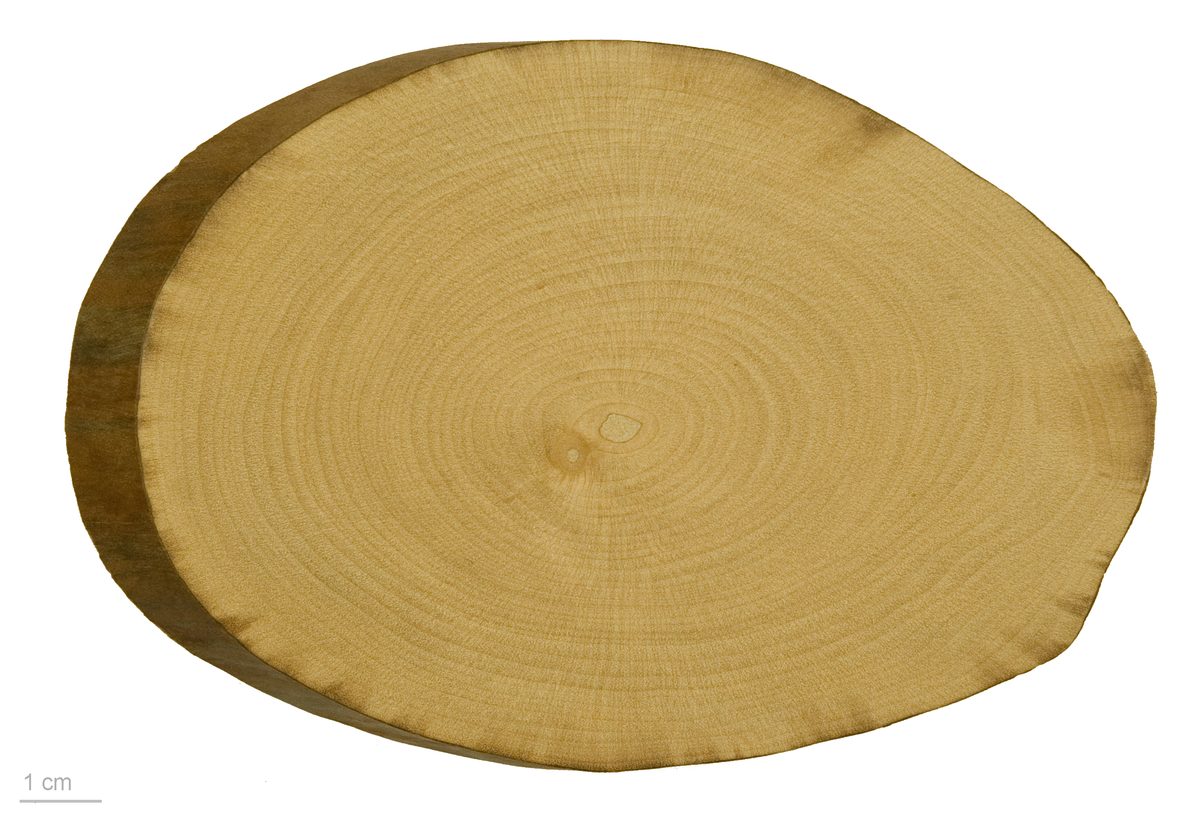
| Crepe MyrtleLagerstroemia indica | Zones 7a–9a | 10–30 ft (3.05–9.14 m) | Full sun | Non-toxic | Non-toxic |
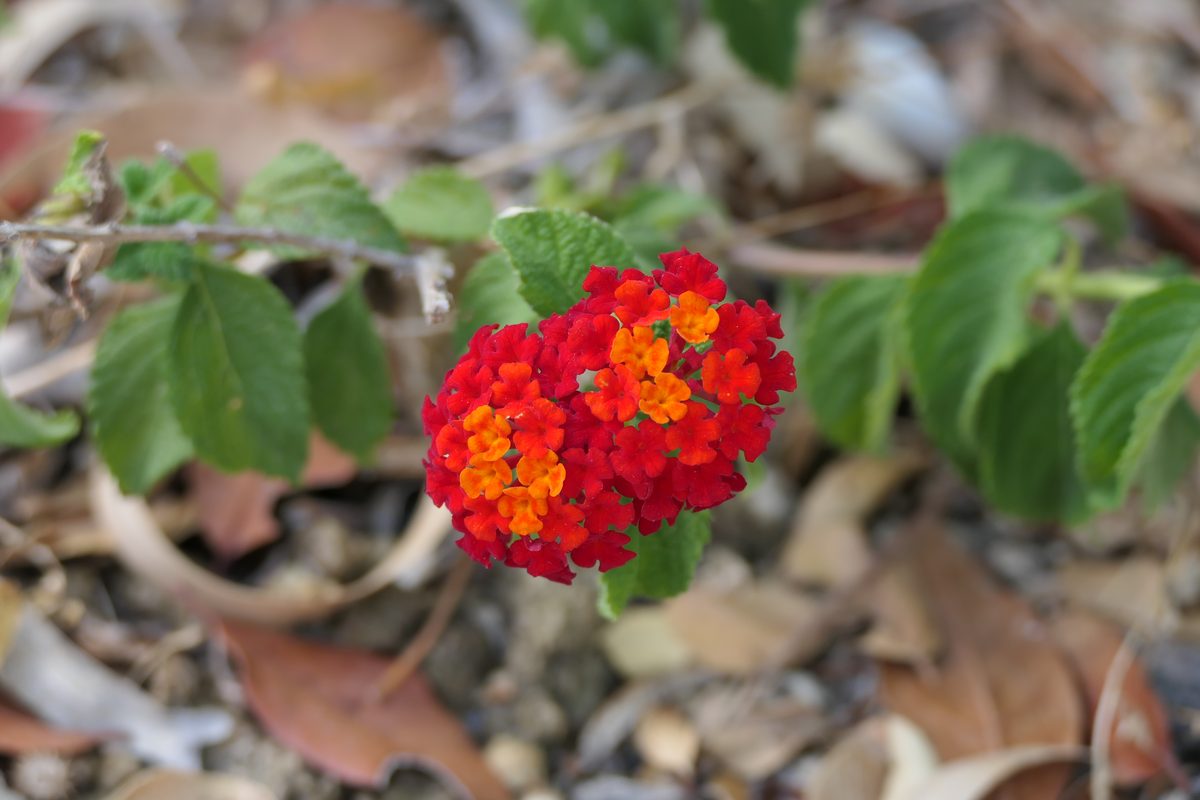
| LantanaLantana camara | Zones 7a–11b | 1–6 ft (0.3–1.83 m) | Full sun | Toxic | Toxic |
| Creosote BushLarrea tridentata | Zones 7a–10b | 5 ft (1.52 m) | Full sun and part shade (full sun preferred) | Non-toxic | Non-toxic |
| English LavenderLavandula angustifolia | Zones 5a–9b | 1–3 ft (0.3–0.91 m) | Full sun and part shade (full sun preferred) | Toxic (1 source) | Toxic (1 source) |
| Lion's EarLeonotis leonurus | Zones 8a–11b | 3–6 ft (0.91–1.83 m) | Full sun and part shade (full sun preferred) | Not documented | Not documented |
| Amur HoneysuckleLonicera maackii | Zones 3a–8b | 10–15 ft (3.05–4.57 m) | Full sun and part shade (full sun preferred) | Not documented | Not documented |
| Creeping JennyLysimachia nummularia | Zones 3a–9b | 0.2–0.3 ft (0.05–0.1 m) | Full sun, part shade and full shade (full sun preferred) | Not documented | Not documented |
| MyrtleMyrtus communis | Zones 8a–9b | 8–12 ft (2.44–3.66 m) | Full sun and part shade (full sun preferred) | Not documented | Not documented |
| Sweet OsmanthusOsmanthus fragrans | Zones 8a–11b | 10–12 ft (3.05–3.66 m) | Full sun and part shade (full sun preferred) | Not documented | Not documented |
| Fraser's PhotiniaPhotinia × fraseri | Zones 7a–9b | 10–20 ft (3.05–6.1 m) | Full sun and part shade (full sun preferred) | Not documented | Not documented |
| Lodgepole PinePinus contorta | Zones 4a–8b | 20–50 ft (6.1–15.24 m) | Full sun | Not documented | Not documented |
| Yew Plum PinePodocarpus macrophyllus | Zones 7a–9b | 15–50 ft (4.57–15.24 m) | Full sun and part shade (full sun preferred) | Toxic (1 source) | Toxic (1 source) |
| Portugal LaurelPrunus lusitanica | Zones 6a–9b | 10–20 ft (3.05–6.1 m) | Not documented | Not documented | Not documented |
| Chinese RoseRosa chinensis | Zones 6a–9b | 6–8 ft (1.83–2.44 m) | Full sun and part shade (full sun preferred) | Not documented | Not documented |
| Sweetbriar RoseRosa rubiginosa | Zones 5a–8b | Not documented | Full sun | Not documented | Not documented |
| American Red RaspberryRubus idaeus | Zones 4a–8b | 7–10 ft (2.13–3.05 m) | Full sun and part shade (full sun preferred) | Not documented | Not documented |
| Wine RaspberryRubus phoenicolasius | Zones 4a–8b | 9 ft (2.74 m) | Full sun and part shade (full sun preferred) | Not documented | Not documented |
| SalmonberryRubus spectabilis | Zones 5a–10a | 6.6–13.1 ft (2–4 m) | Full sun, part shade and full shade (full sun preferred) | Not documented | Not documented |
| Common RueRuta graveolens | Zones 4a–10b | 2–3 ft (0.61–0.91 m) | Full sun and part shade (full sun preferred) | Not documented | Not documented |
| Kitchen SageSalvia officinalis | Zones 4a–8b | 1–2 ft (0.3–0.6 m) | Full sun and part shade (full sun preferred) | Non-toxic | Non-toxic |
| RosemarySalvia rosmarinus | Zones 8a–10b | 4–5 ft (1.22–1.52 m) | Full sun and part shade (full sun preferred) | Non-toxic | Non-toxic |
| Russian SageSalvia yangii | Zones 5a–9b | 2–5 ft (0.61–1.52 m) | Full sun | Not documented | Not documented |
| American Black ElderberrySambucus canadensis | Zones 4a–8b | 5–12 ft (1.52–3.66 m) | Full sun and part shade (full sun preferred) | Not documented | Toxic (1 source) |
| Climbing NightshadeSolanum dulcamara | Zones 4a–8b | 2–10 ft (0.61–3.05 m) | Full sun, part shade and full shade (full sun preferred) | Toxic (1 source) | Toxic (1 source) |
| Japanese MeadowsweetSpiraea japonica | Zones 3a–8b | 4–6 ft (1.22–1.83 m) | Full sun and part shade (full sun preferred) | Not documented | Not documented |
| Woolly HedgenettleStachys byzantina | Zones 4a–9b | 1–1.5 ft (0.3–0.46 m) | Full sun and part shade (full sun preferred) | Not documented | Not documented |
| Atlantic Poison OakToxicodendron pubescens | Zones 5a–9b | 2–4 ft (0.61–1.22 m) | Full sun and part shade (full sun preferred) | Not documented | Not documented |
| Eastern Poison IvyToxicodendron radicans | Zones 4a–10b | 1–150 ft (0.3–45.72 m) | Full sun, part shade and full shade (full sun preferred) | Non-toxic | Non-toxic |
| Lowbush BlueberryVaccinium angustifolium | Zones 2a–8b | 0.5–2 ft (0.15–0.61 m) | Full sun, part shade and full shade (full sun preferred) | Not documented | Not documented |
| Highbush BlueberryVaccinium corymbosum | Zones 3a–8b | 6–12 ft (1.83–3.66 m) | Full sun and part shade (full sun preferred) | Not documented | Not documented |
| European CranberrybushViburnum opulus | Zones 2a–8b | 10–16 ft (3.05–4.88 m) | Full sun and part shade (full sun preferred) | Not documented | Not documented |
| Lilac ChastetreeVitex agnus-castus | Zones 7a–8b | 8–20 ft (2.44–6.1 m) | Full sun and part shade (full sun preferred) | Not documented | Not documented |
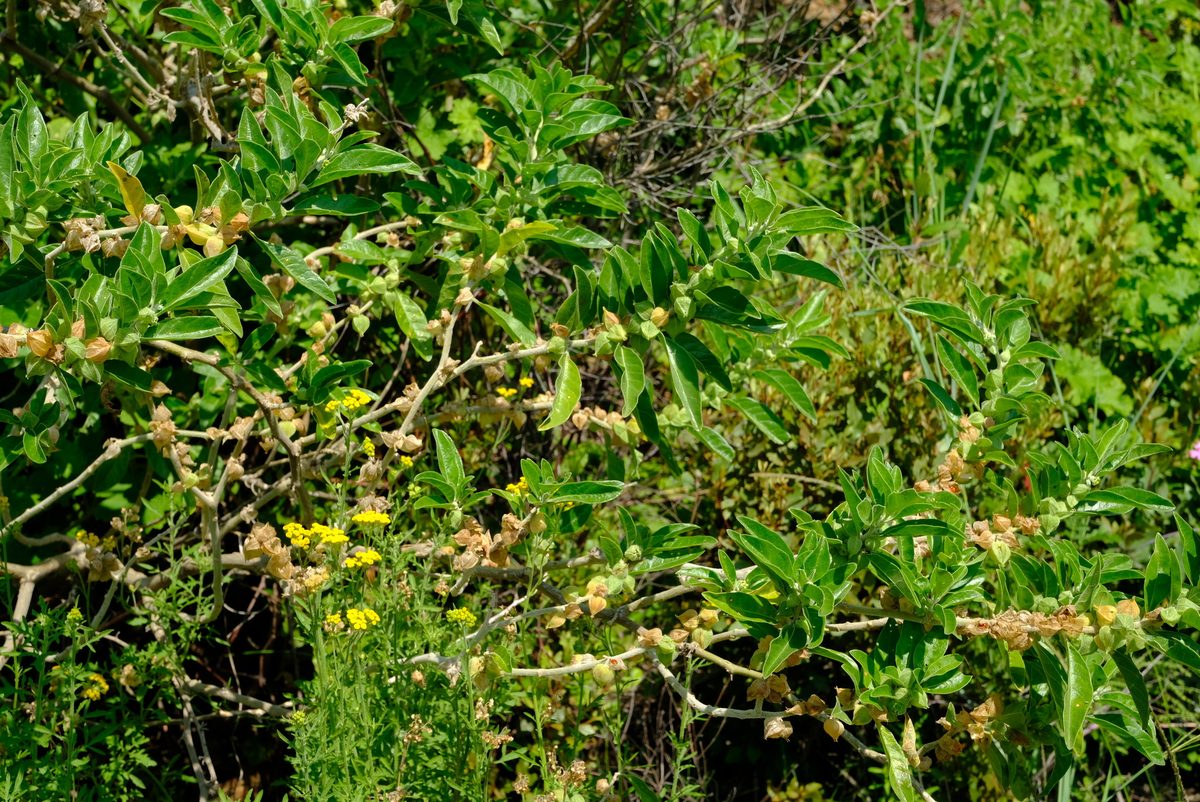
| WithaniaWithania somnifera | Zones 8a–12b | 3 ft (0.91 m) | Full sun | Not documented | Not documented |
The plants
-
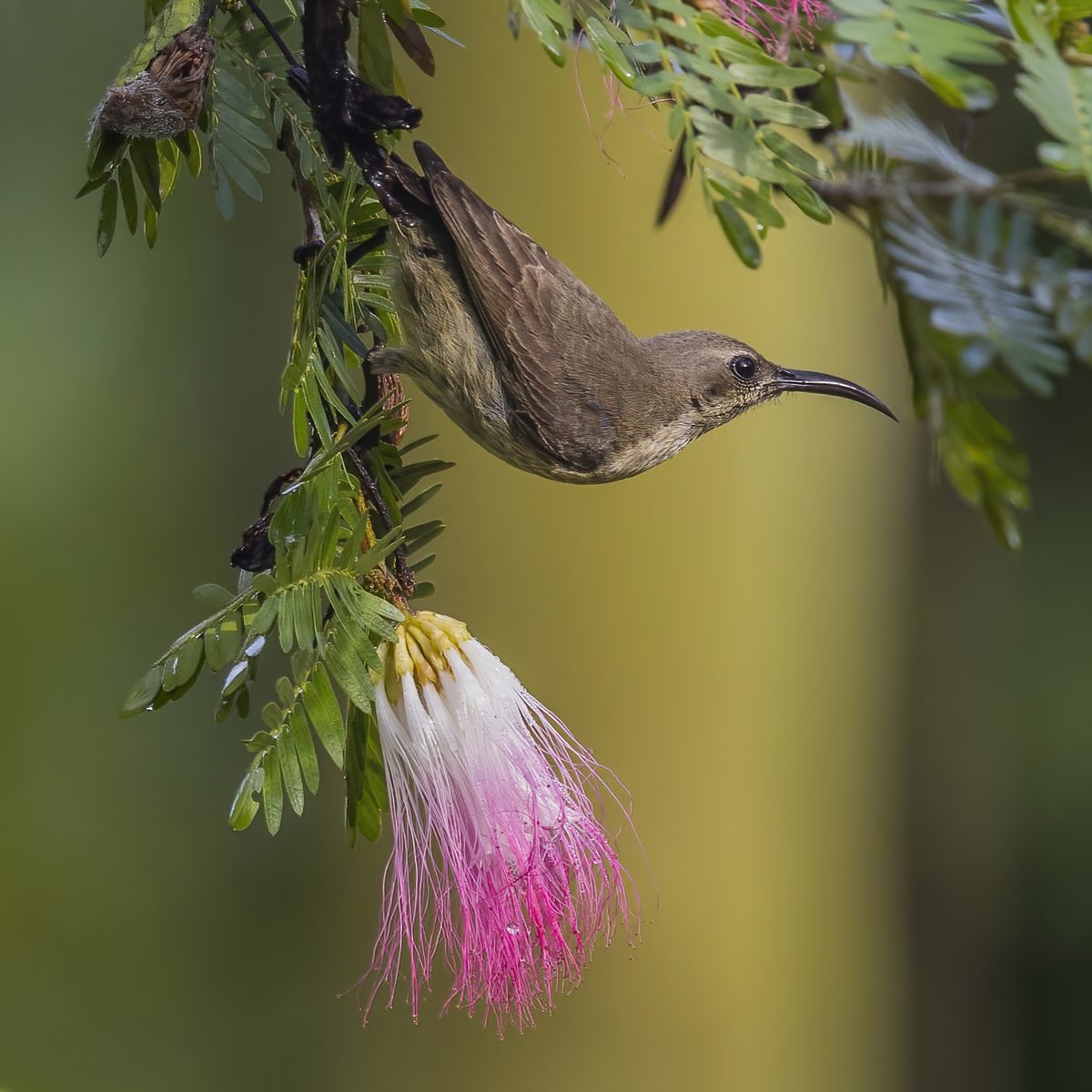
Silktree
Albizia julibrissin
Zones 6a–9b · 20–40 ft (6.1–12.2 m) · Full sun and part shade (full sun preferred)
-
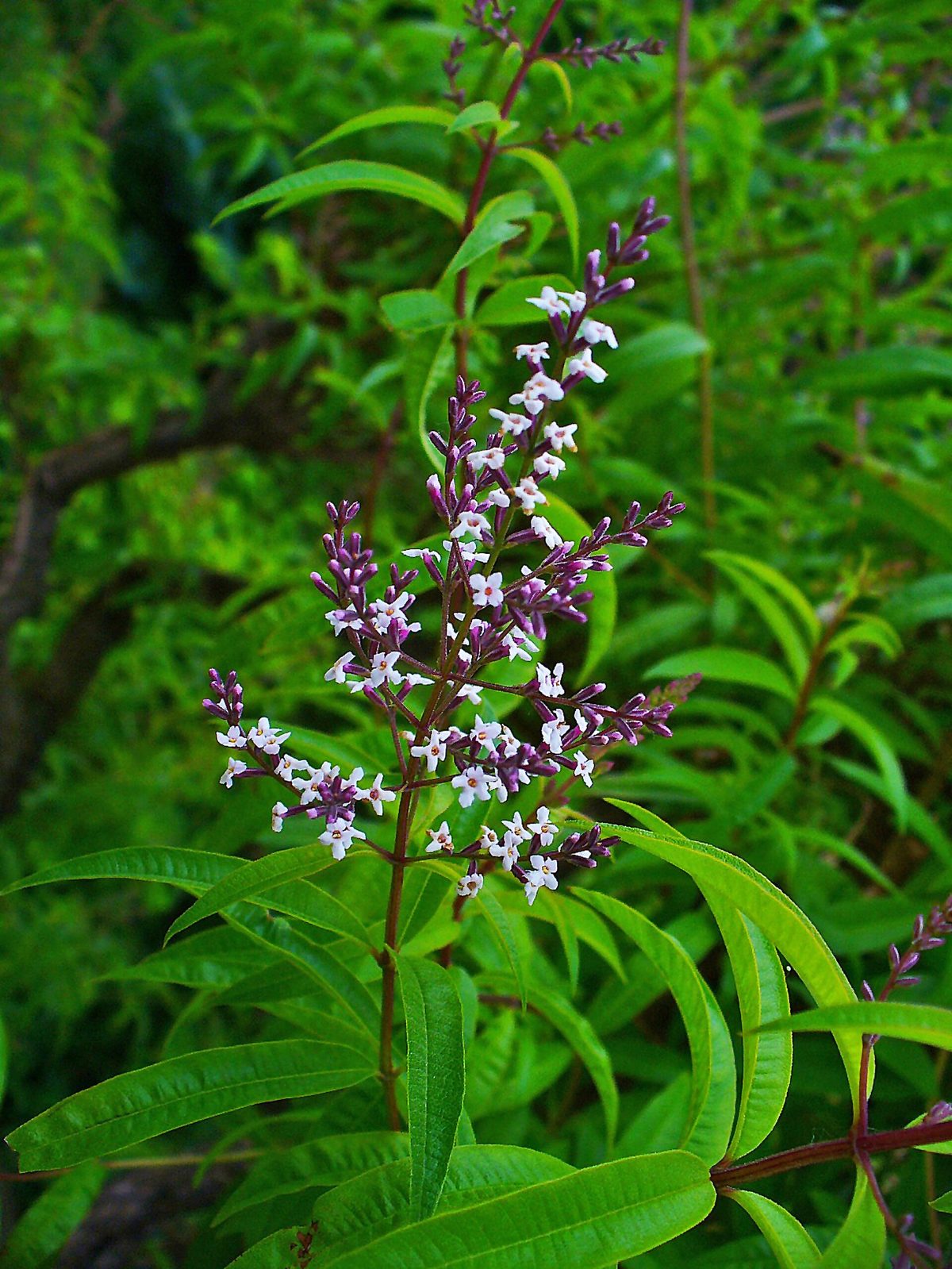
Lemon Beebrush
Aloysia citrodora
Zones 8a–10b · 5.9–7.9 ft (1.8–2.4 m) · Full sun
You can find Aloysia citrodora in this zone's shrub list. A separate page holds sourced notes on its sun, water, soil, and pruning. Visit that page before you add this plant to your garden.
-
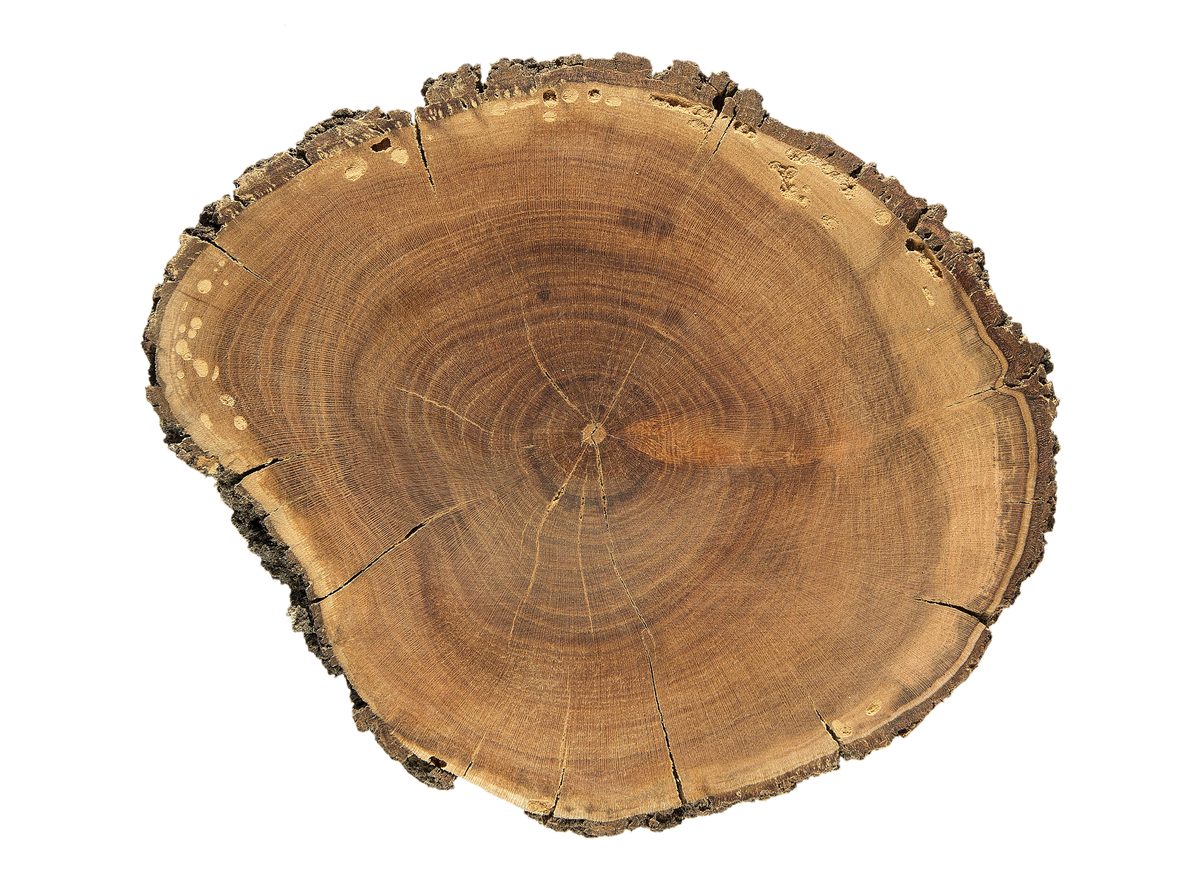
Strawberry Tree
Arbutus unedo
Zones 7a–10b · 12 ft (3.66 m) · Full sun and part shade (full sun preferred)
-
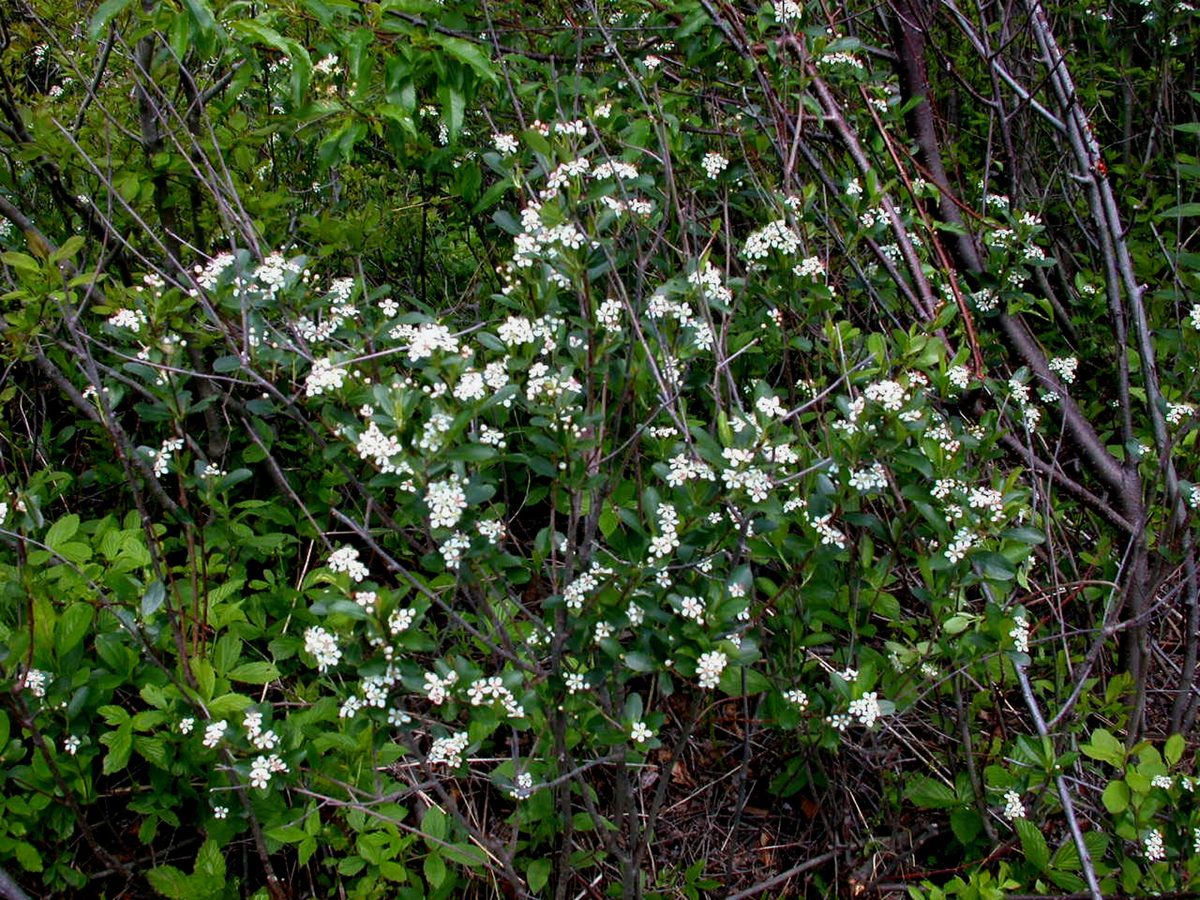
Black Chokeberry
Aronia melanocarpa
Zones 3a–8b · 3–10 ft (0.91–3.05 m) · Full sun and part shade (full sun preferred)
Aronia melanocarpa belongs to this zone's group of shrubs. A fuller growing guide lists its light, water, soil, and pruning needs. Follow the link for sourced care details before you decide to plant it.
-
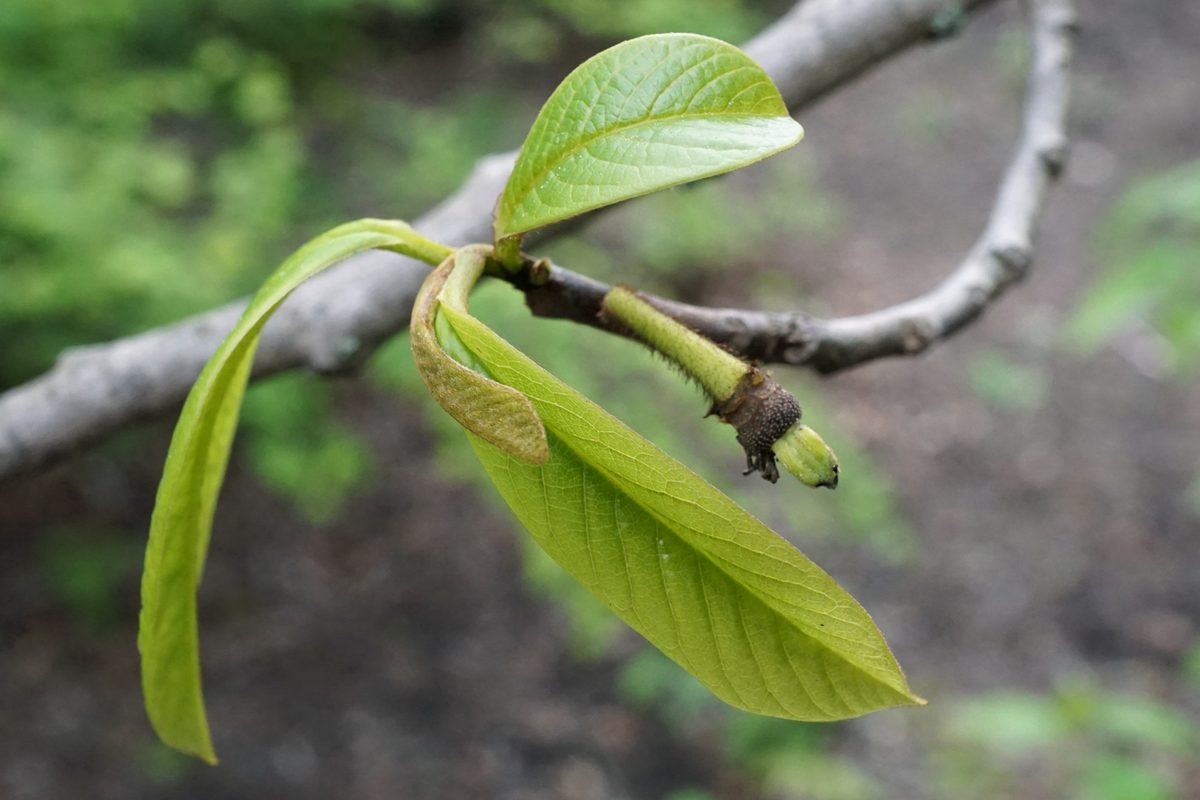
Pawpaw
Asimina triloba
Zones 5a–9b · Sources differ: Clemson Cooperative Extension HGIC; Clemson Cooperative Extension HGIC; Lady Bird Johnson Wildflower Center; Clemson Cooperative Extension HGIC; Lady Bird Johnson Wildflower Center; Clemson Cooperative Extension Home & Garden Information Center · Full sun, part shade and full shade (full sun preferred)
Asimina triloba is one more shrub grouped for this zone. See its own growing guide for sourced facts on light, water, soil, and pruning. That page also covers what sources record about its toxicity to cats and dogs.
-
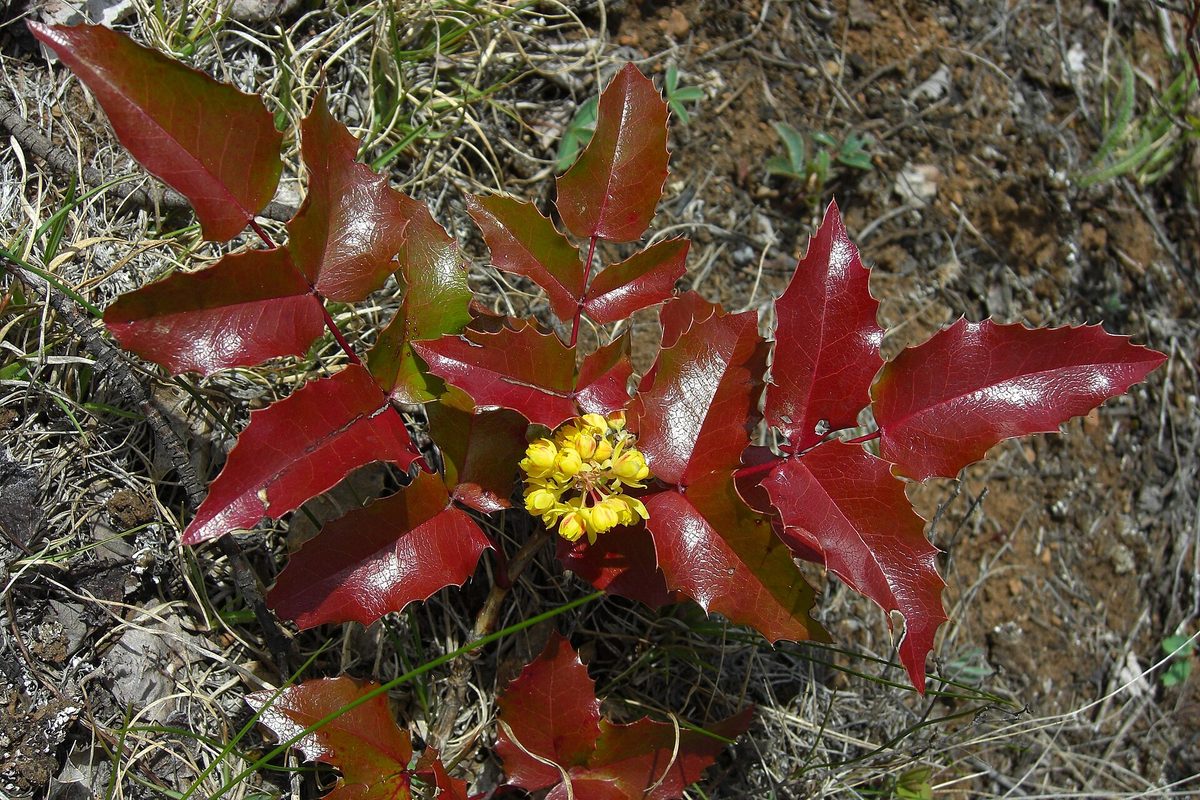
Hollyleaved Barberry
Berberis aquifolium
Zones 5a–8b · 3–6 ft (0.91–1.83 m) · Part shade and full shade (part shade preferred)
-
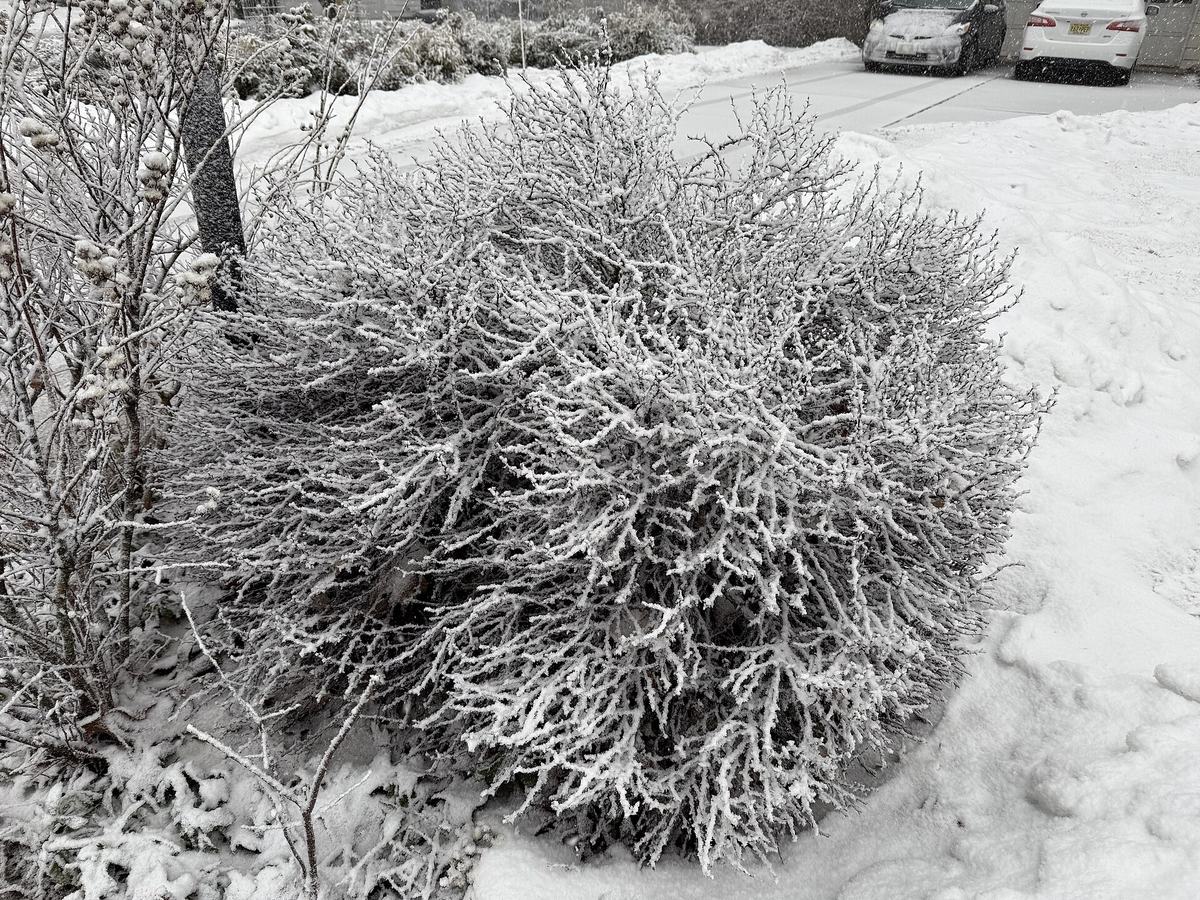
Japanese Barberry
Berberis thunbergii
Zones 4a–8b · 3–6 ft (0.91–1.83 m) · Full sun, part shade and full shade (full sun preferred)
-
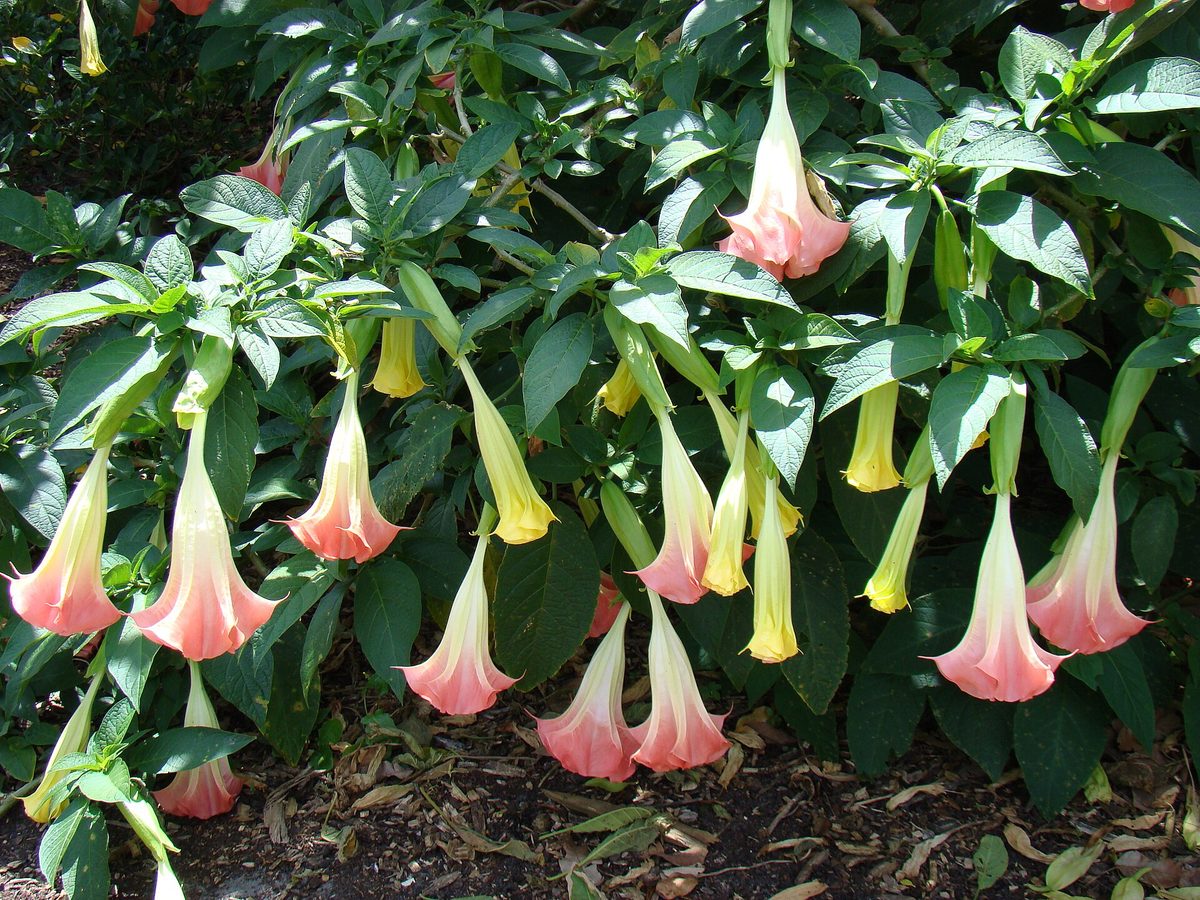
Angel's-tears
Brugmansia suaveolens
Zones 7b–10b · 6–35 ft (1.83–10.67 m) · Full sun and part shade (full sun preferred)
-
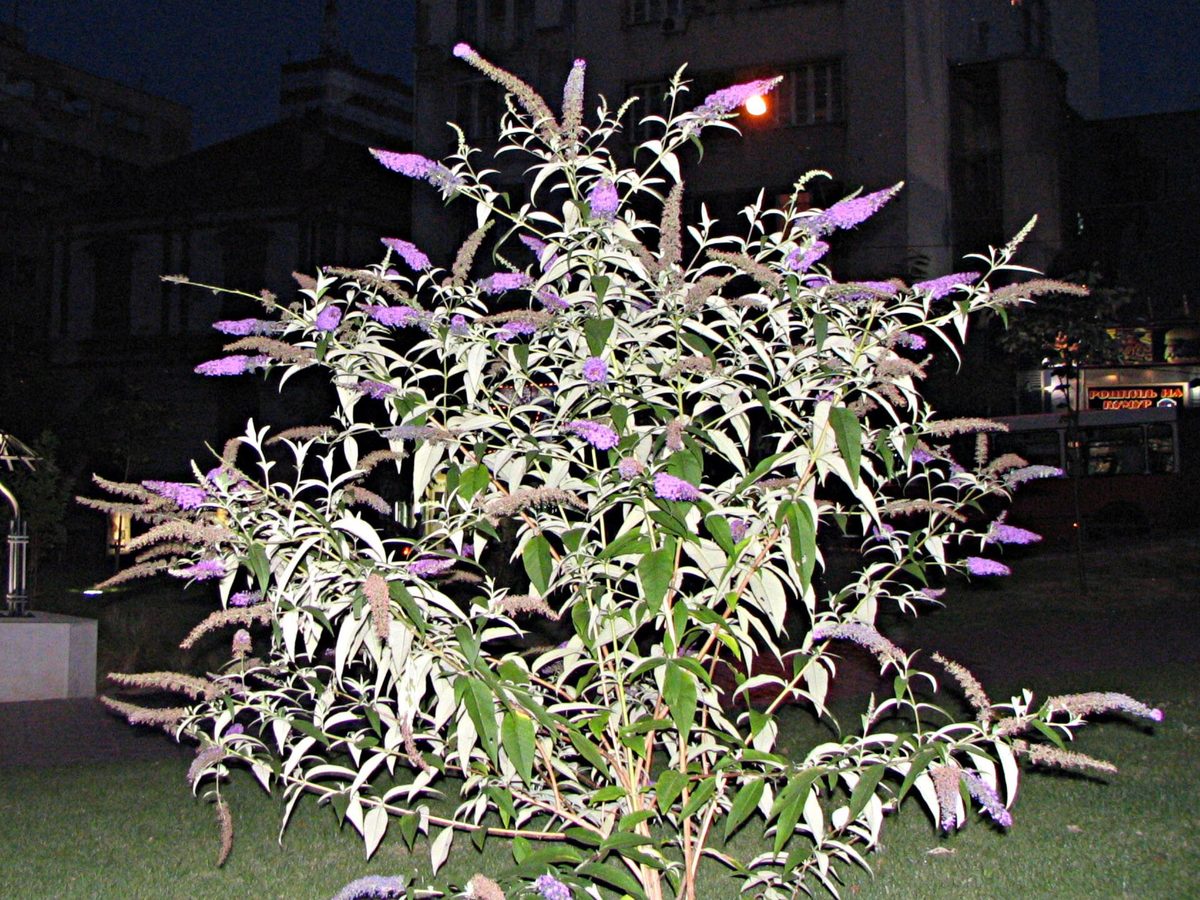
Orange Eye Butterflybush
Buddleja davidii
Zones 5a–9b · 6–10 ft (1.83–3.05 m) · Full sun and part shade (full sun preferred)
-
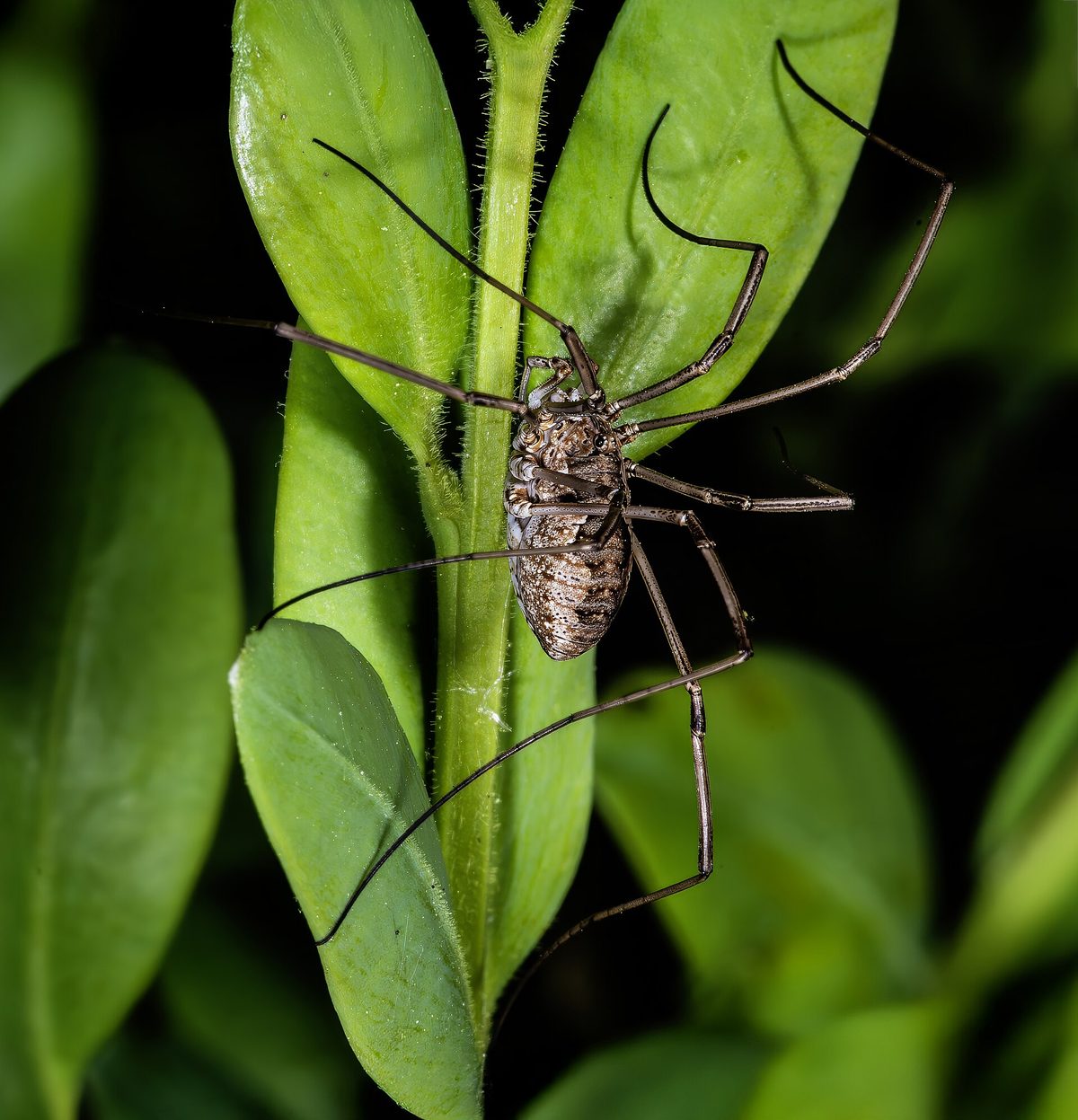
Boxwood
Buxus sempervirens
Zones 5a–8b · 10–12 ft (3.05–3.66 m) · Full sun and part shade (full sun preferred)
-
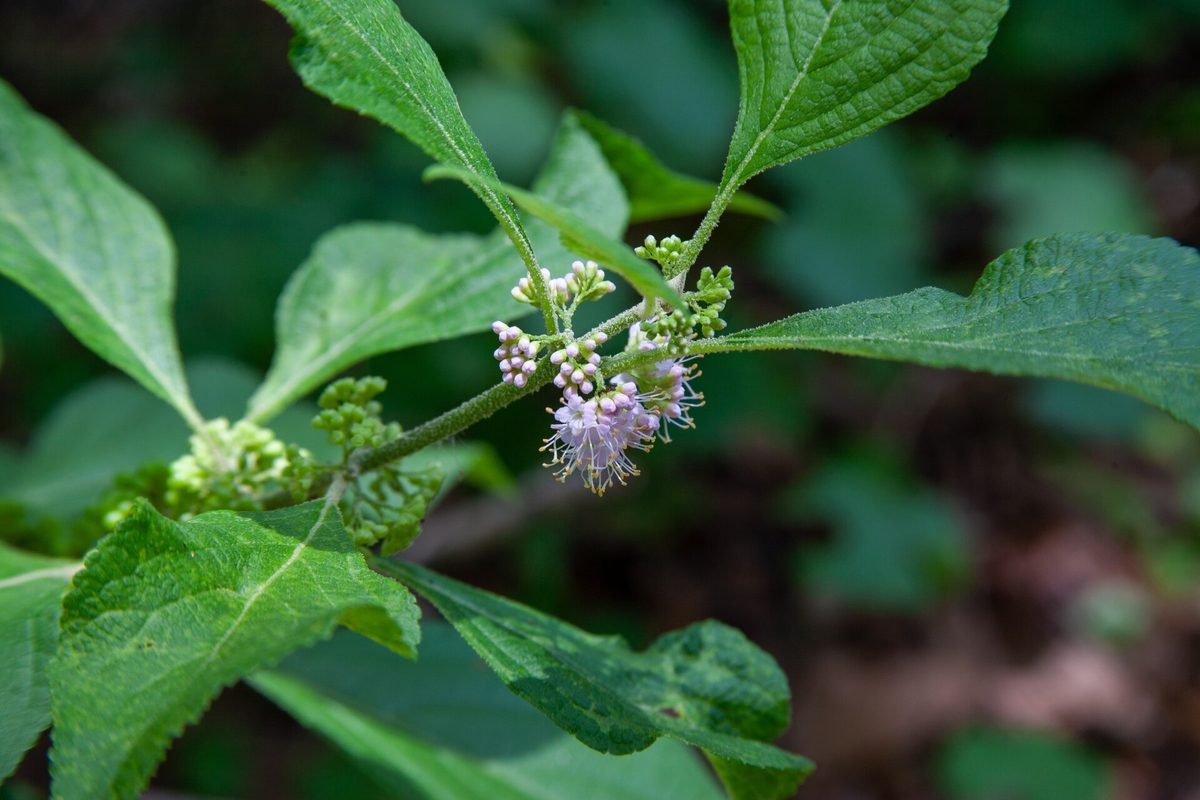
American Beautyberry
Callicarpa americana
Zones 6a–10b · 5–9 ft (1.52–2.74 m) · Full sun and part shade (full sun preferred)
Callicarpa americana is grouped among this zone's shrubs too. Sourced details on its light, water, soil, and pruning live on its own growing guide. Open that page to see what the sources say before you plant it.
-
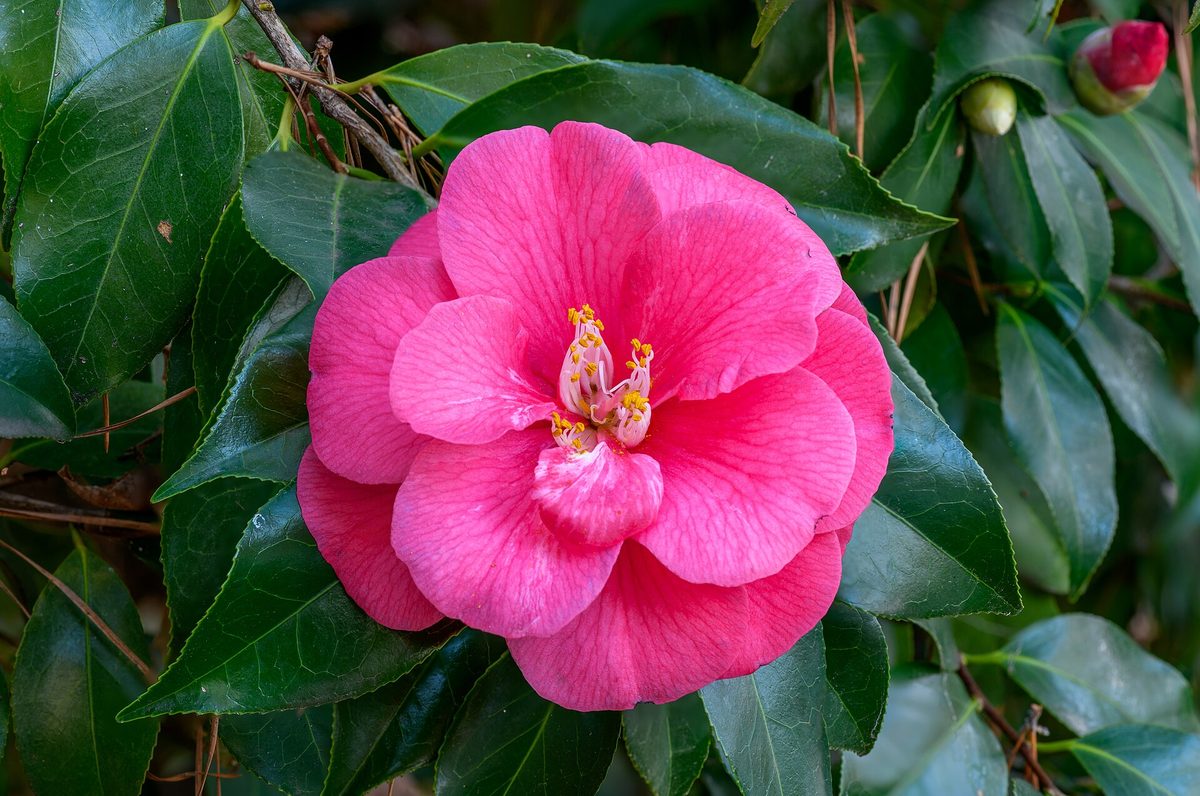
Camellia
Camellia japonica
Zones 7a–9b · Sources differ: Cornell University CALS Woody Plants Database · Part shade
Camellia japonica closes out this zone's shrub list. Its own growing guide holds sourced notes on light, water, soil, and pruning for this shrub. Follow that link for the full, sourced picture before you plant it.
-
Tea
Camellia sinensis
Zones 6a–9b · Sources differ: Clemson Cooperative Extension Home & Garden Information Center; Clemson Cooperative Extension Home & Garden Information Center · Full sun and part shade (full sun preferred)
-
Luckynut
Cascabela thevetia
Zones 8a–10b · 4–8 ft (1.22–2.44 m) · Full sun and part shade (full sun preferred)
-
Common Buttonbush
Cephalanthus occidentalis
5–8 ft (1.52–2.44 m) · Full sun and part shade (full sun preferred)
-
Judas-tree
Cercis siliquastrum
Zones 6a–9b · 15–25 ft (4.57–7.62 m) · Full sun and part shade (full sun preferred)
-
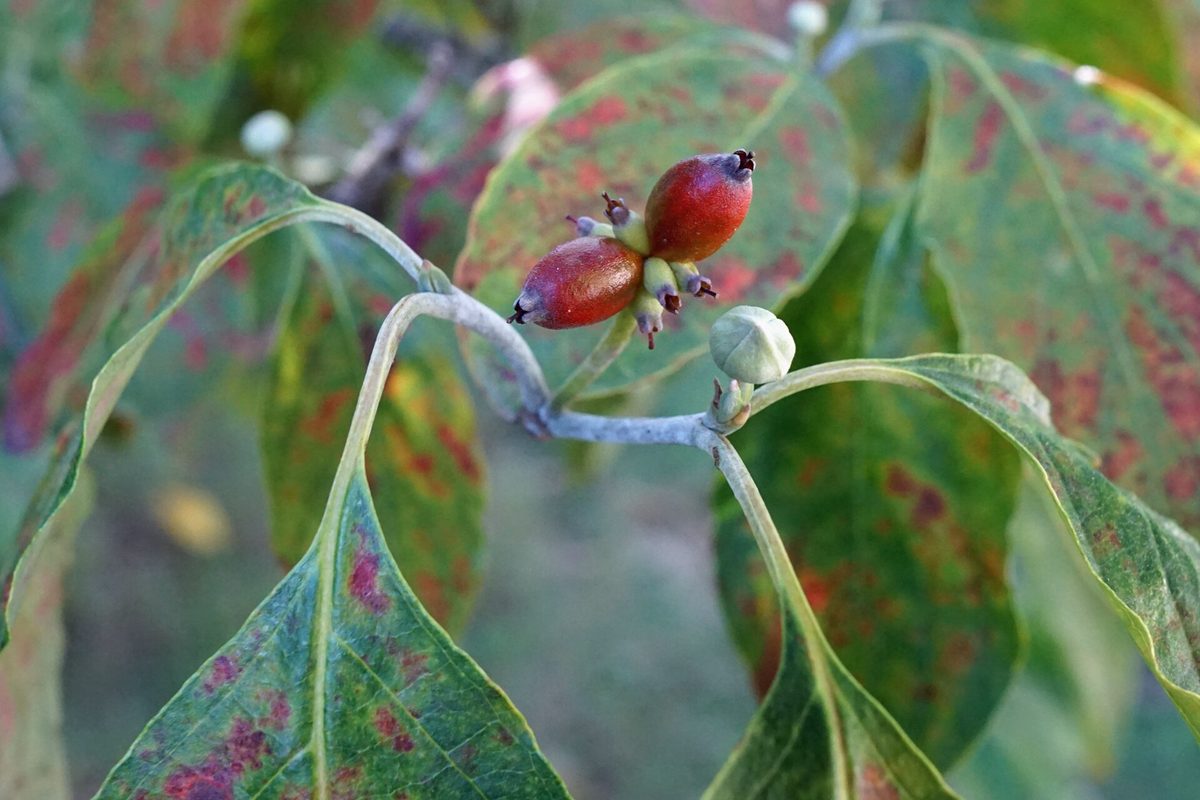
Flowering Dogwood
Cornus florida
Zones 5a–9a · Sources differ: University of Florida IFAS Extension (EDIS); University of Florida IFAS Extension (EDIS); Lady Bird Johnson Wildflower Center (Native Plant Database) · Full sun and part shade (full sun preferred)
-
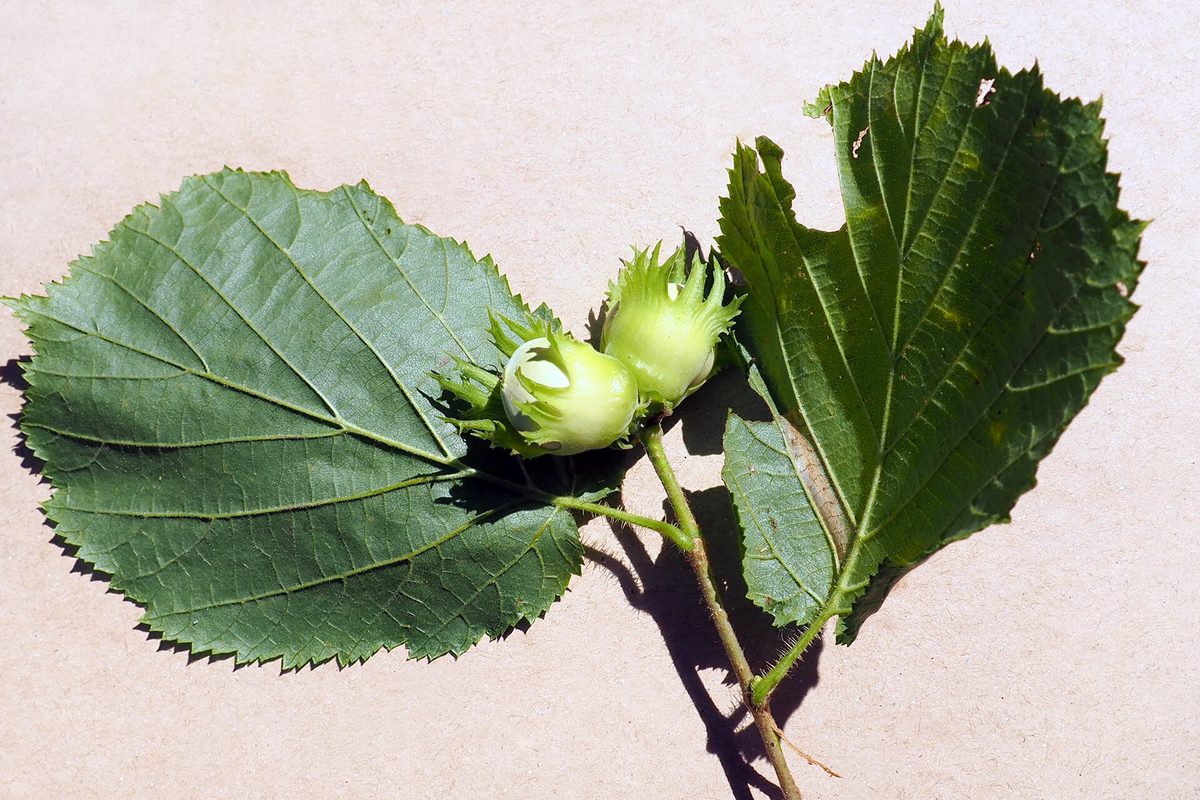
Common Filbert
Corylus avellana
Zones 4a–8b · 10–15 ft (3.05–4.57 m) · Full sun and part shade (full sun preferred)
-
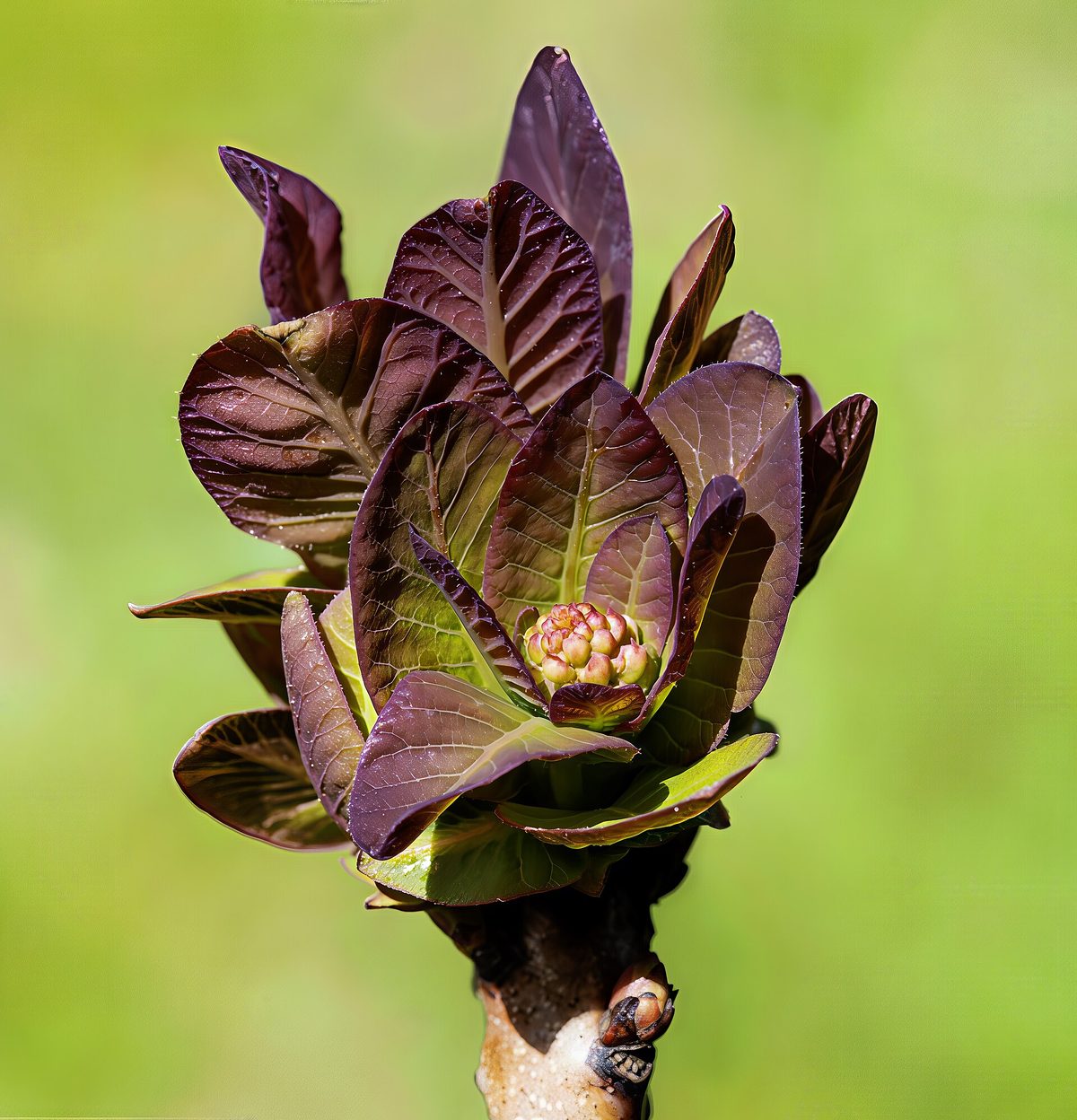
European Smoketree
Cotinus coggygria
Zones 4a–8b · 10–15 ft (3.05–4.57 m) · Full sun and part shade (full sun preferred)
-
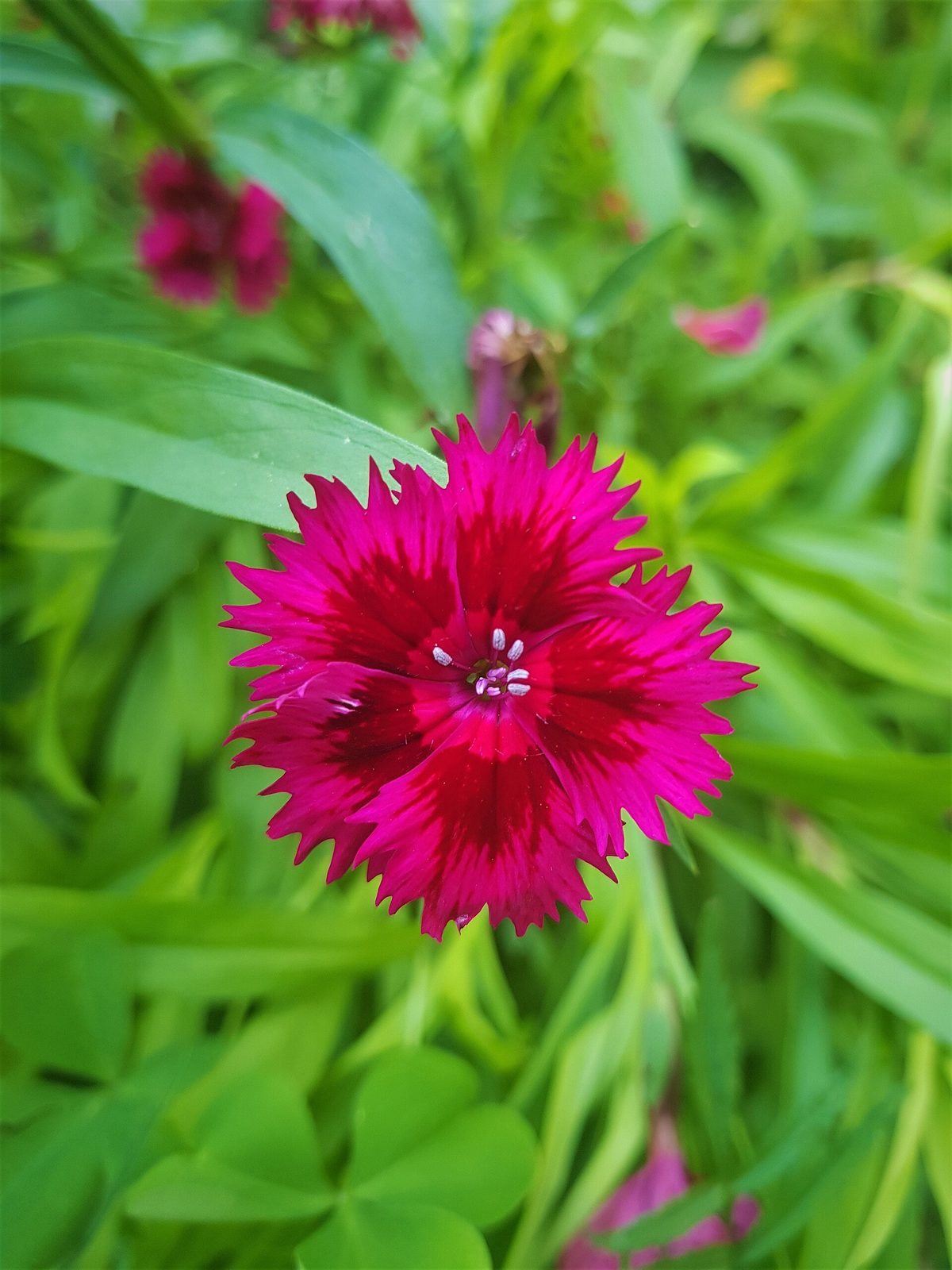
Sweetwilliam
Dianthus barbatus
Zones 3a–9b · 1–2 ft (0.3–0.61 m) · Full sun and part shade (full sun preferred)
-
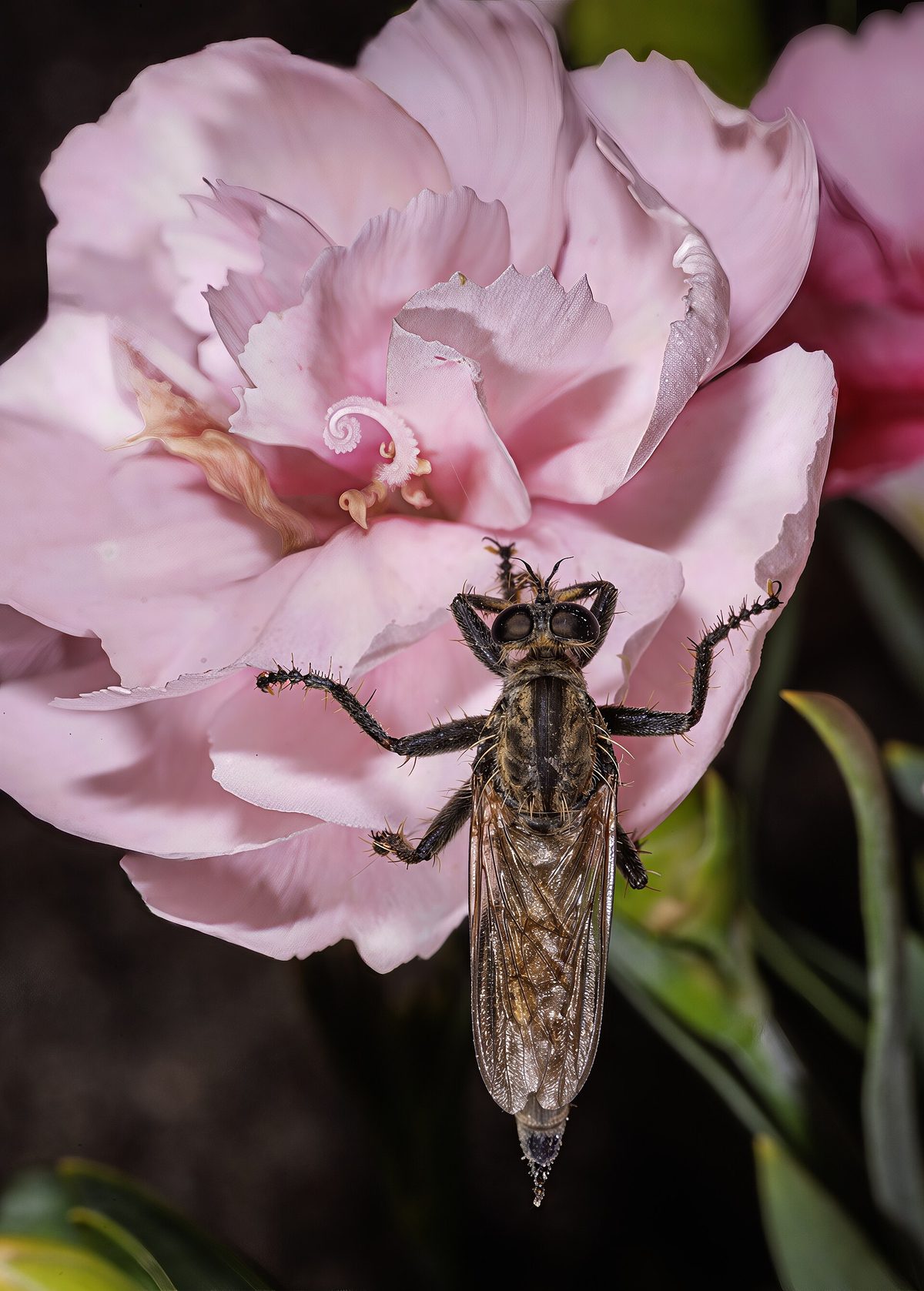
Carnation
Dianthus caryophyllus
Zones 6a–9b · 1–4 ft (0.3–1.22 m) · Full sun and part shade (full sun preferred)
-
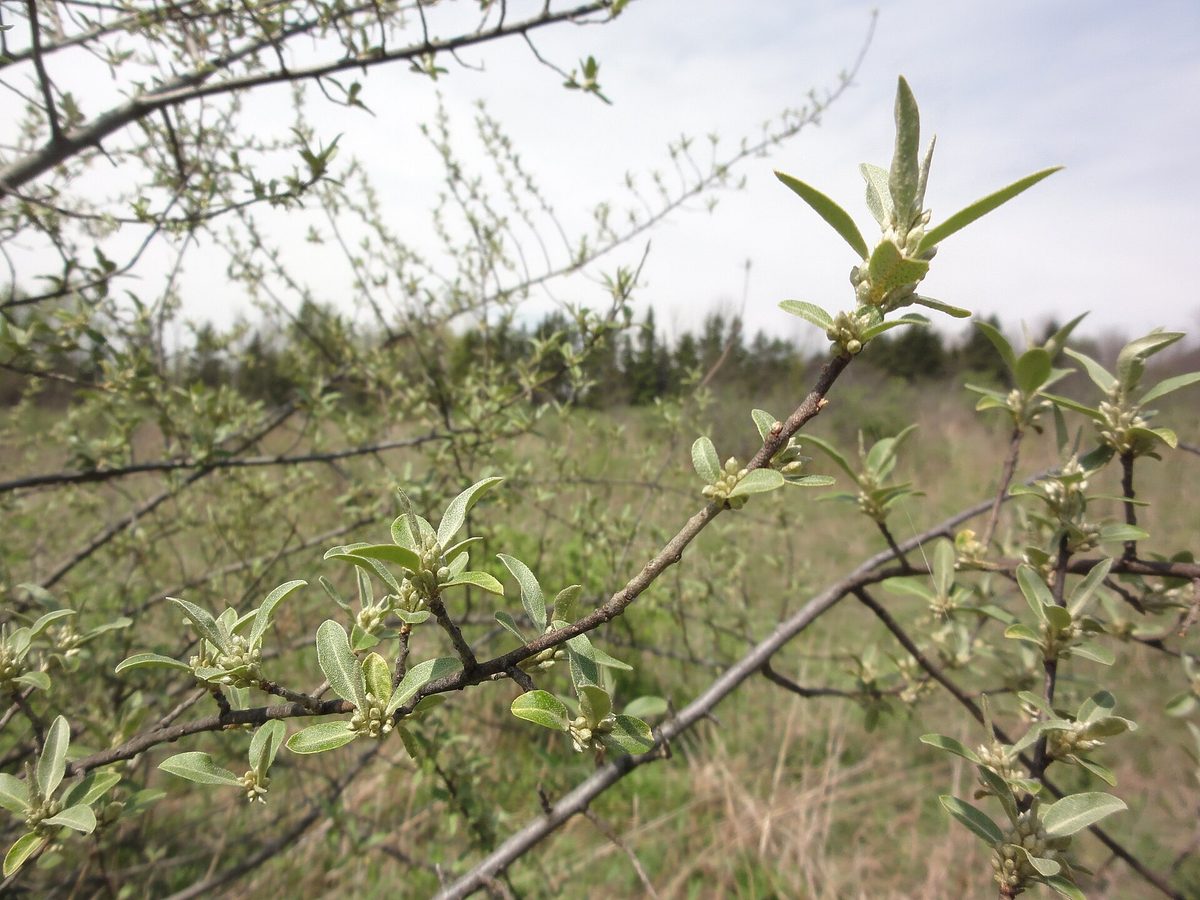
Autumn Olive
Elaeagnus umbellata
Zones 4a–9b · 10–18 ft (3.05–5.49 m) · Full sun and part shade (full sun preferred)
-
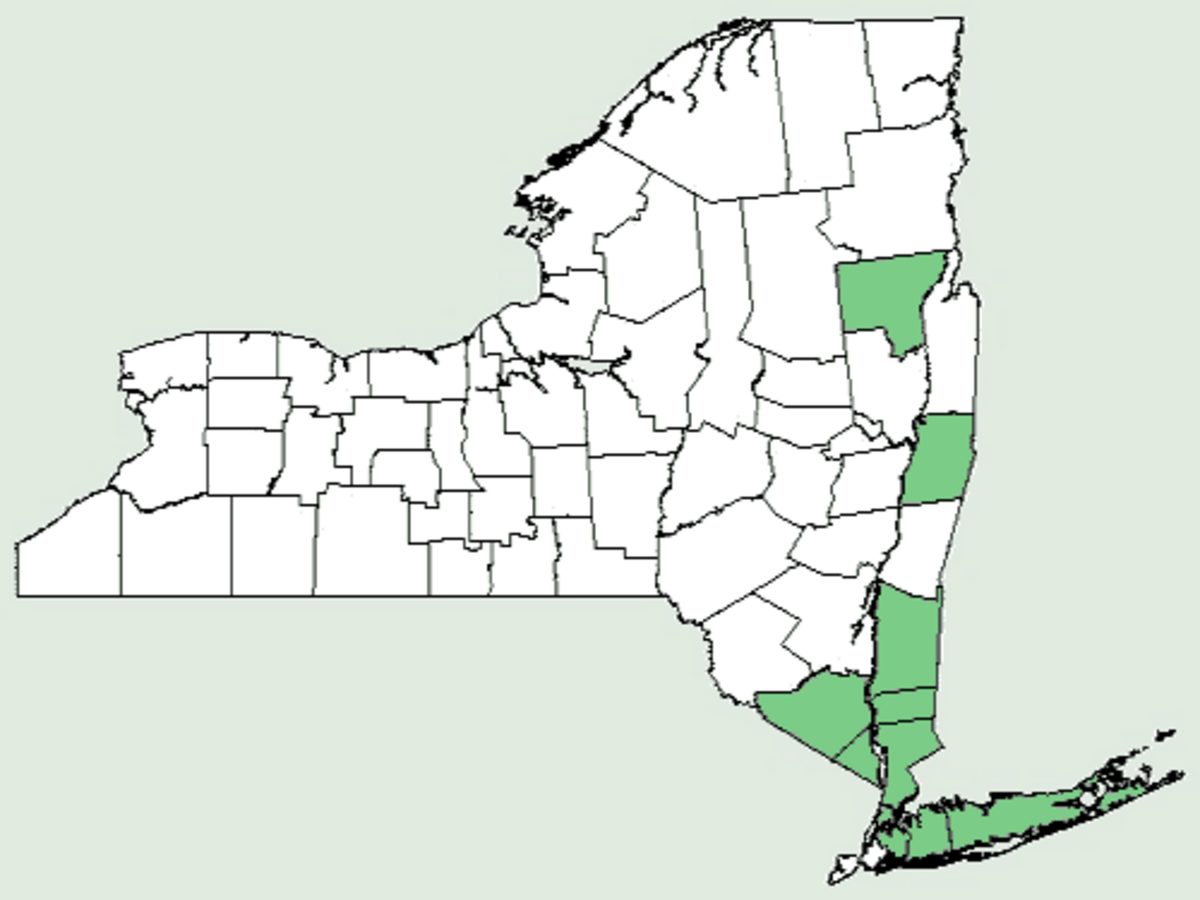
Burningbush
Euonymus alatus
Zones 4a–8b · 15–20 ft (4.57–6.1 m) · Full sun, part shade and full shade (full sun preferred)
-
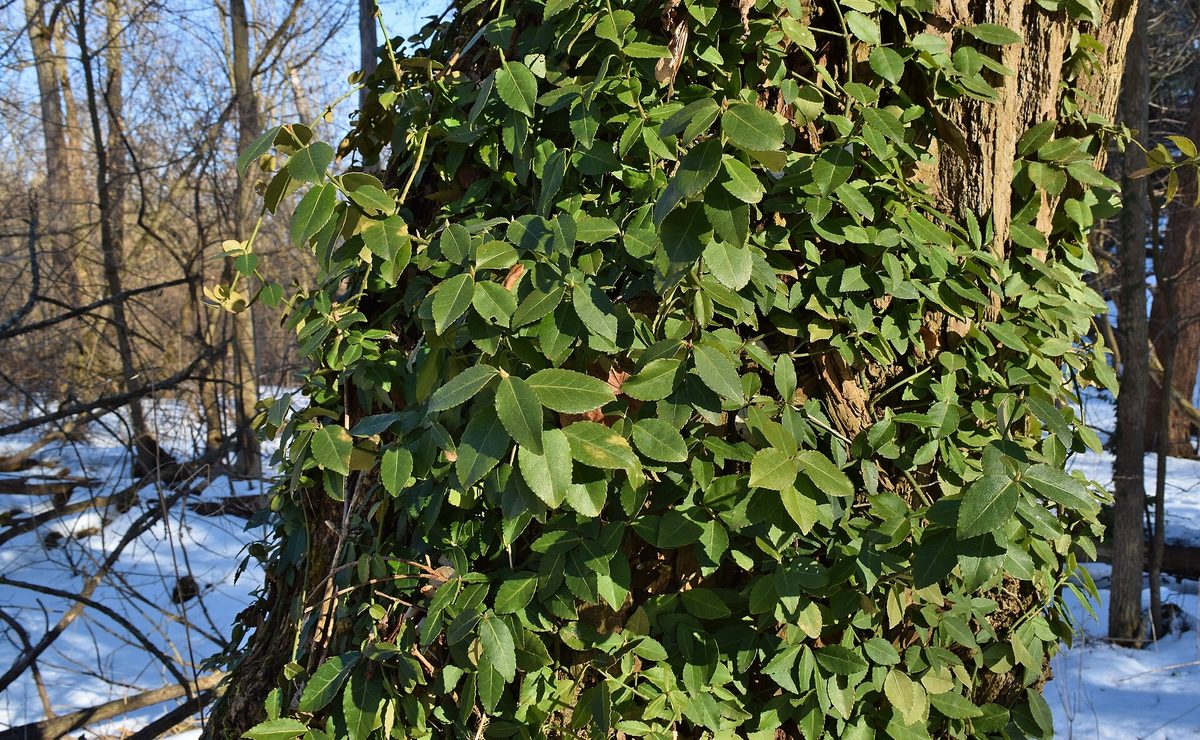
Winter Creeper
Euonymus fortunei
Zones 4a–9b · 14–32 ft (4.27–9.75 m) · Full sun, part shade and full shade (full sun preferred)
-
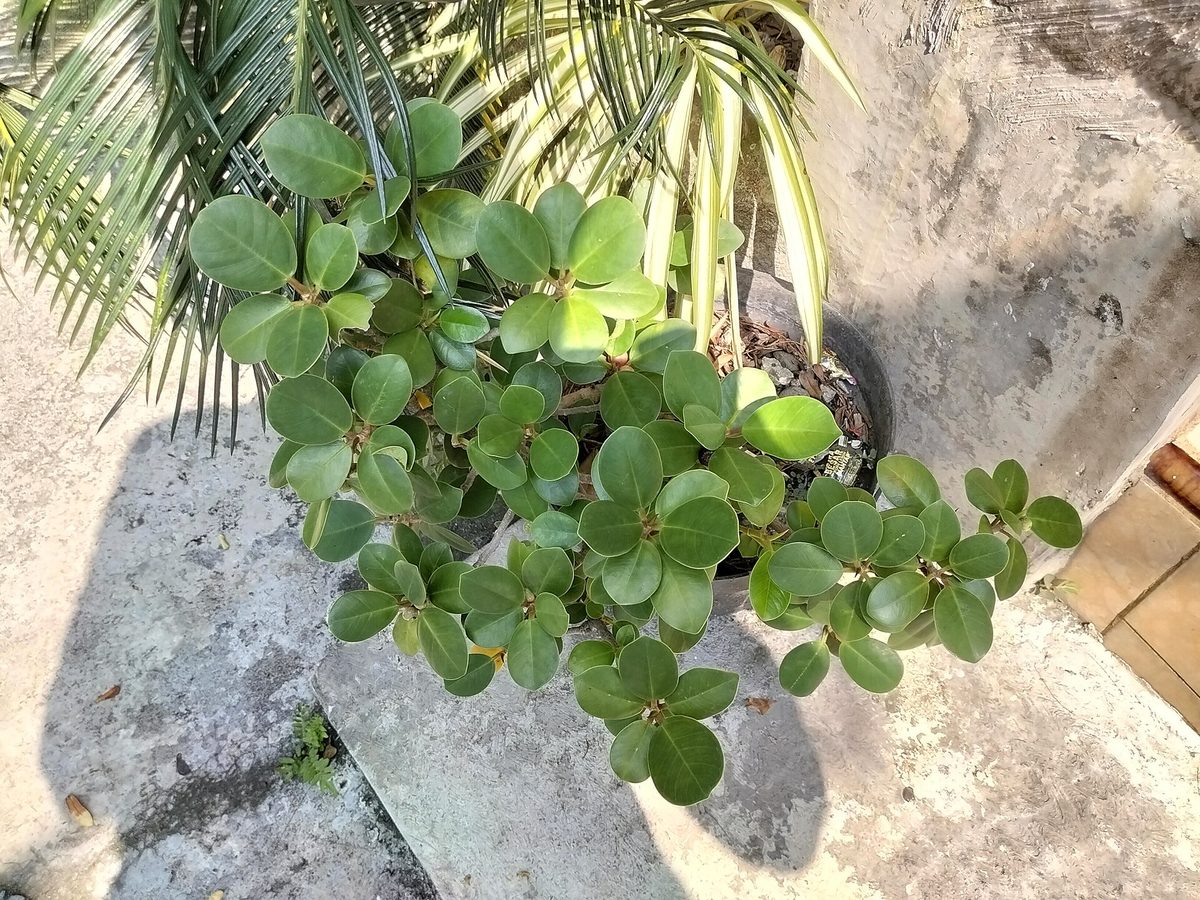
Japanese Spindletree
Euonymus japonicus
Zones 6a–9b · 10–15 ft (3.05–4.57 m) · Full sun, part shade and full shade (full sun preferred)
-
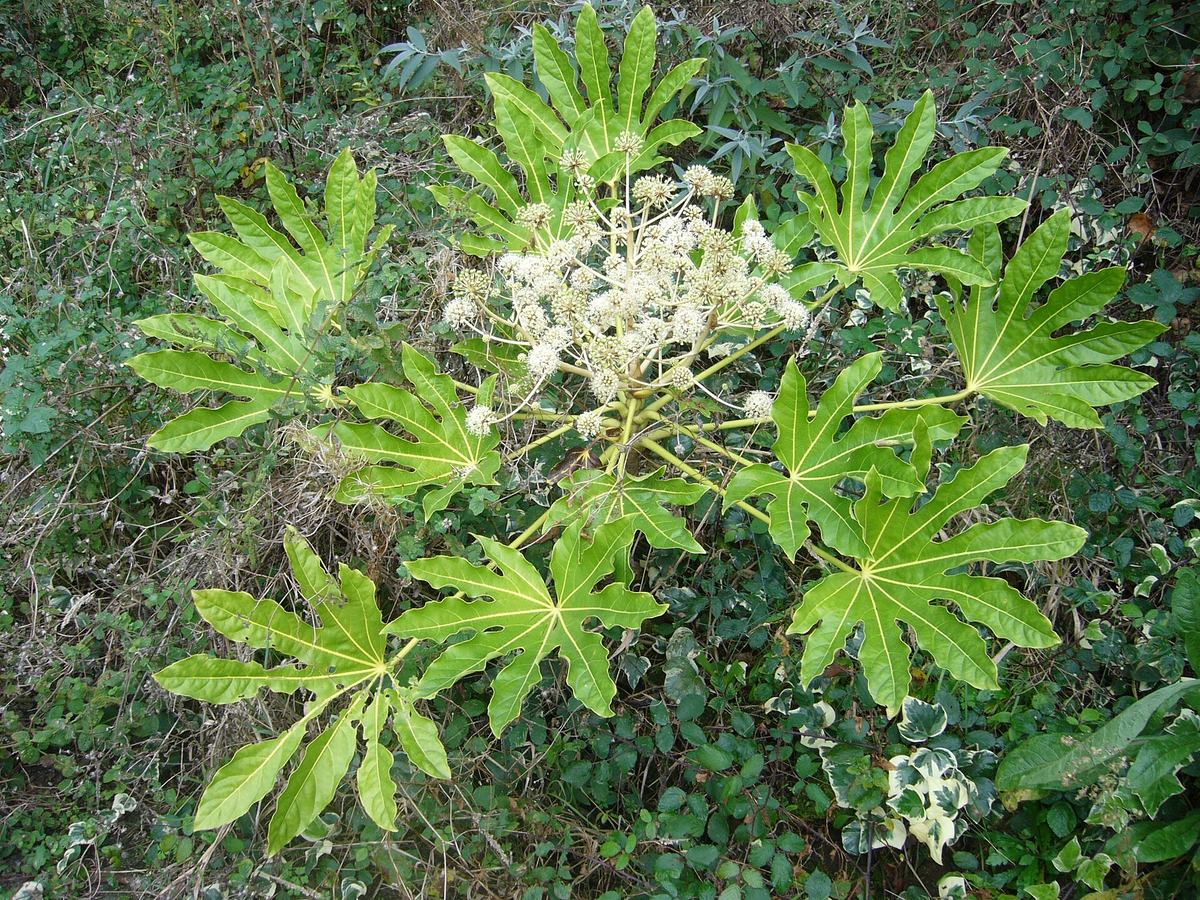
Paperplant
Fatsia japonica
Zones 7b–10b · 6–19.5 ft (1.83–5.94 m) · Part shade and full shade (part shade preferred)
-
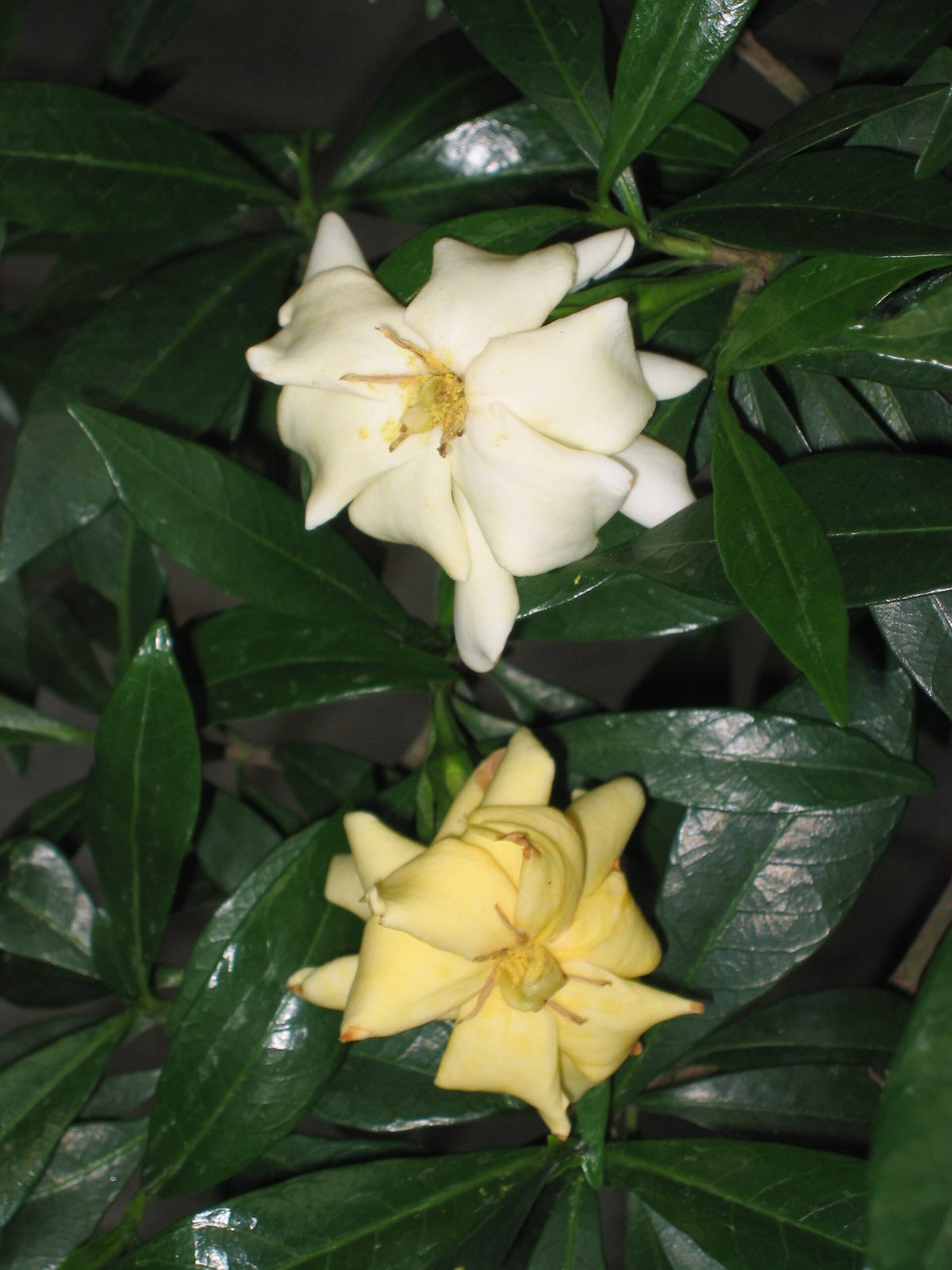
Cape Jasmine
Gardenia jasminoides
Zones 7b–11b · 3–8 ft (0.91–2.44 m) · Part shade and full sun (part shade preferred)
-
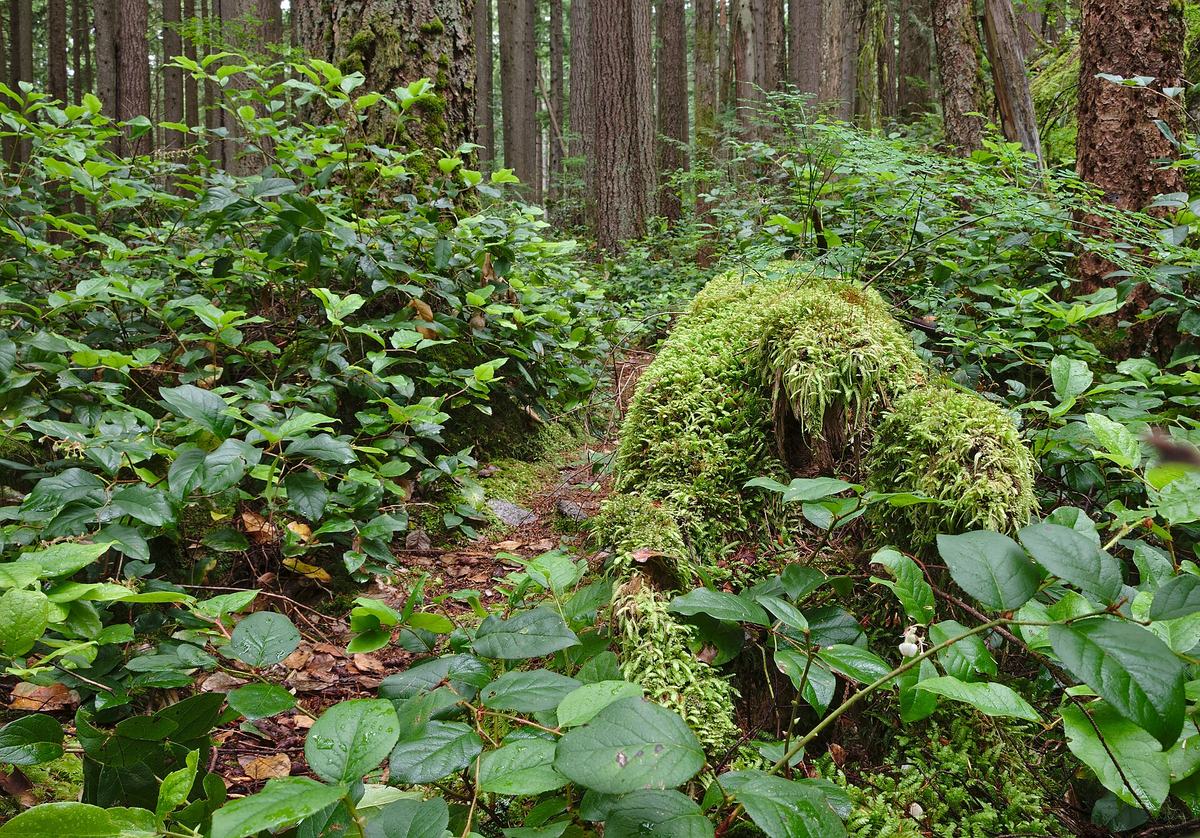
Salal
Gaultheria shallon
Zones 5a–9b · 3–5 ft (0.91–1.52 m) · Part shade and full shade (part shade preferred)
-
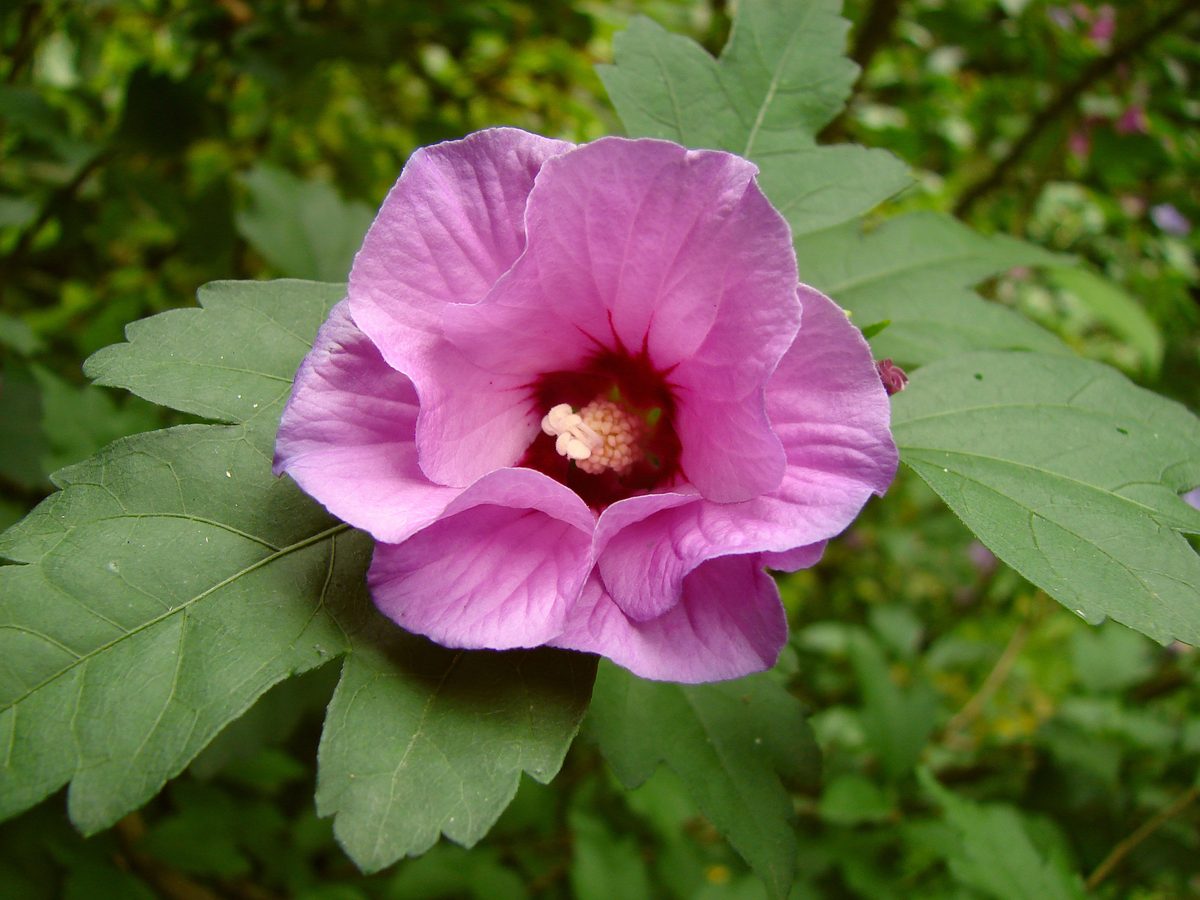
Rose of Sharon
Hibiscus syriacus
Zones 5a–9b · 8–12 ft (2.44–3.66 m) · Full sun and part shade (full sun preferred)
-
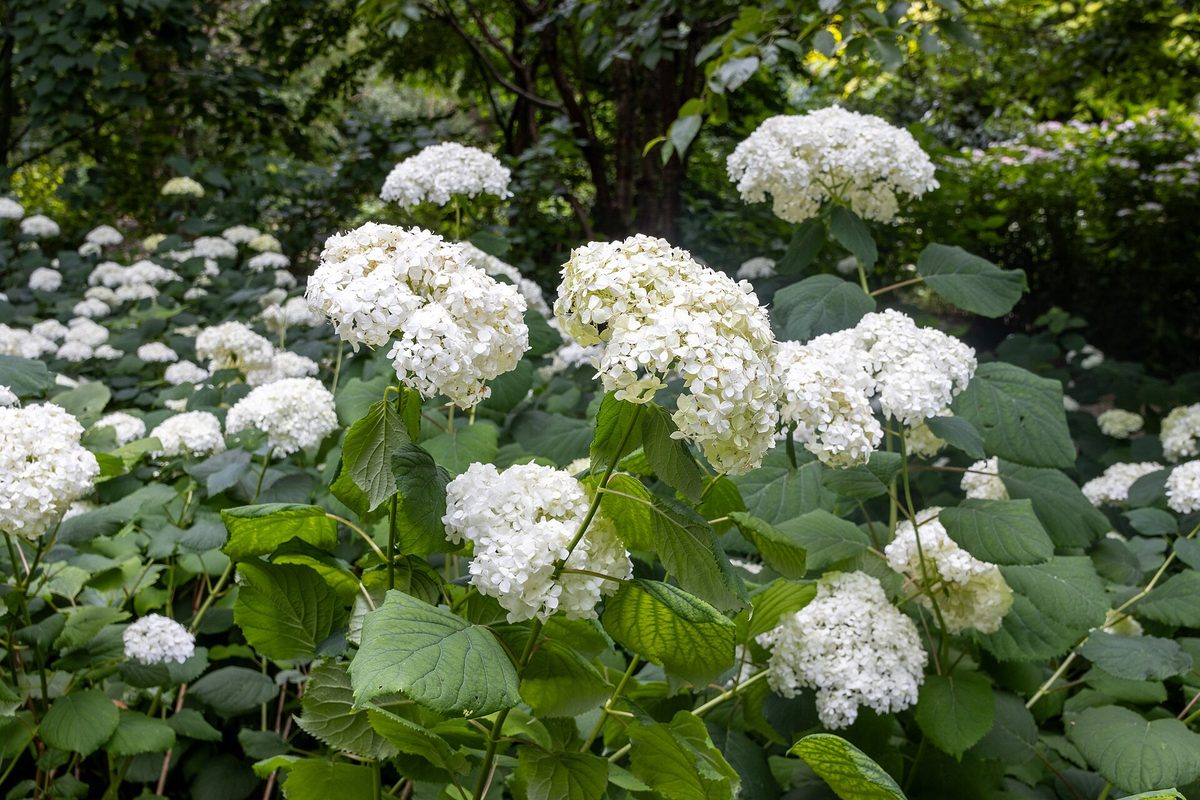
Wild Hydrangea
Hydrangea arborescens
Zones 3a–9b · Sources differ: Penn State Extension; Oregon State University Extension Service; Penn State Extension · Full sun, part shade and full shade (full sun preferred)
-
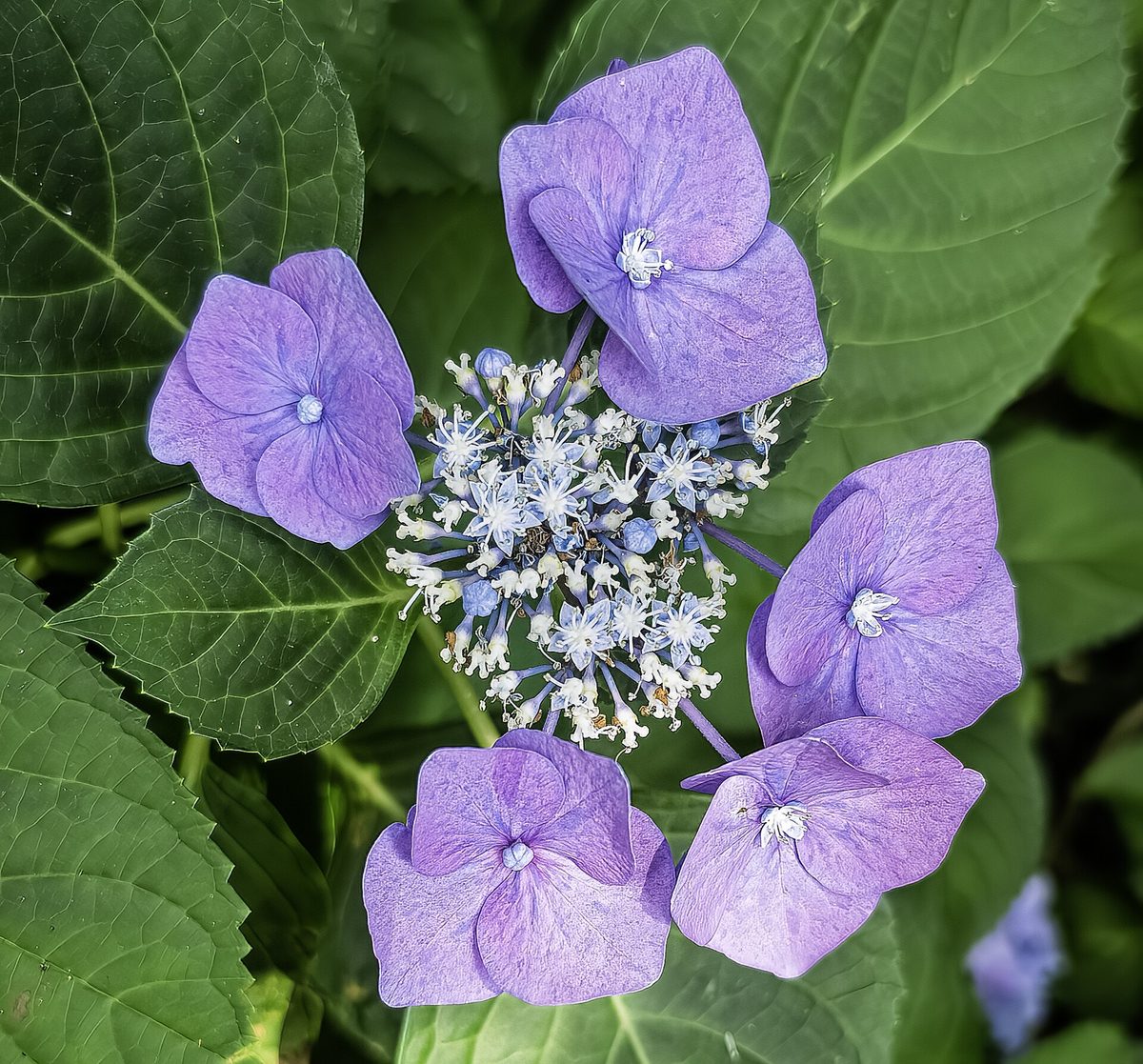
French Hydrangea
Hydrangea macrophylla
Zones 6a–11b · 3–6 ft (0.91–1.83 m) · Part shade and full shade (part shade preferred)
-
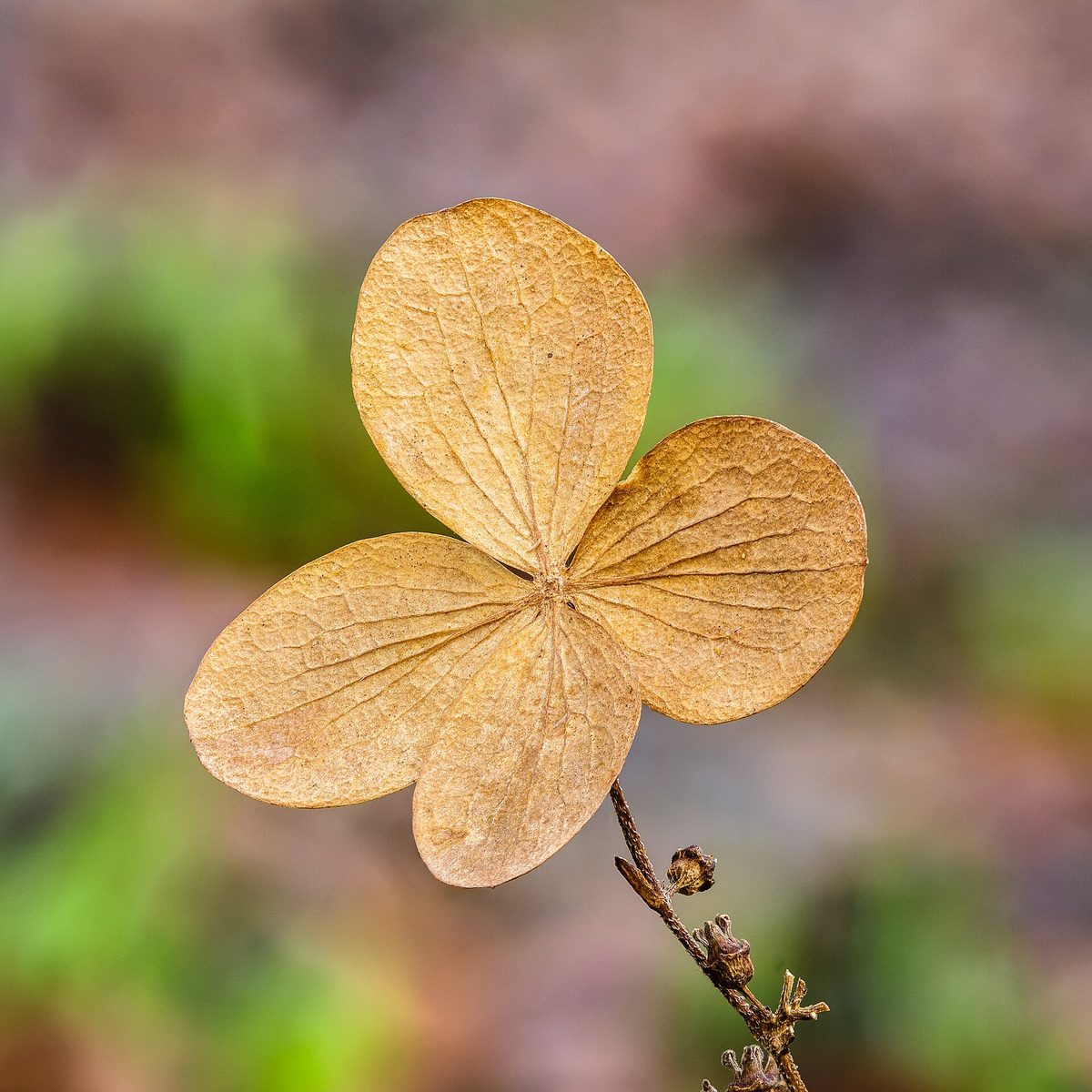
Panicled Hydrangea
Hydrangea paniculata
Zones 3a–8b · Sources differ: University of Wisconsin-Madison Division of Extension (Wisconsin Horticulture) · Full sun and part shade (full sun preferred)
-
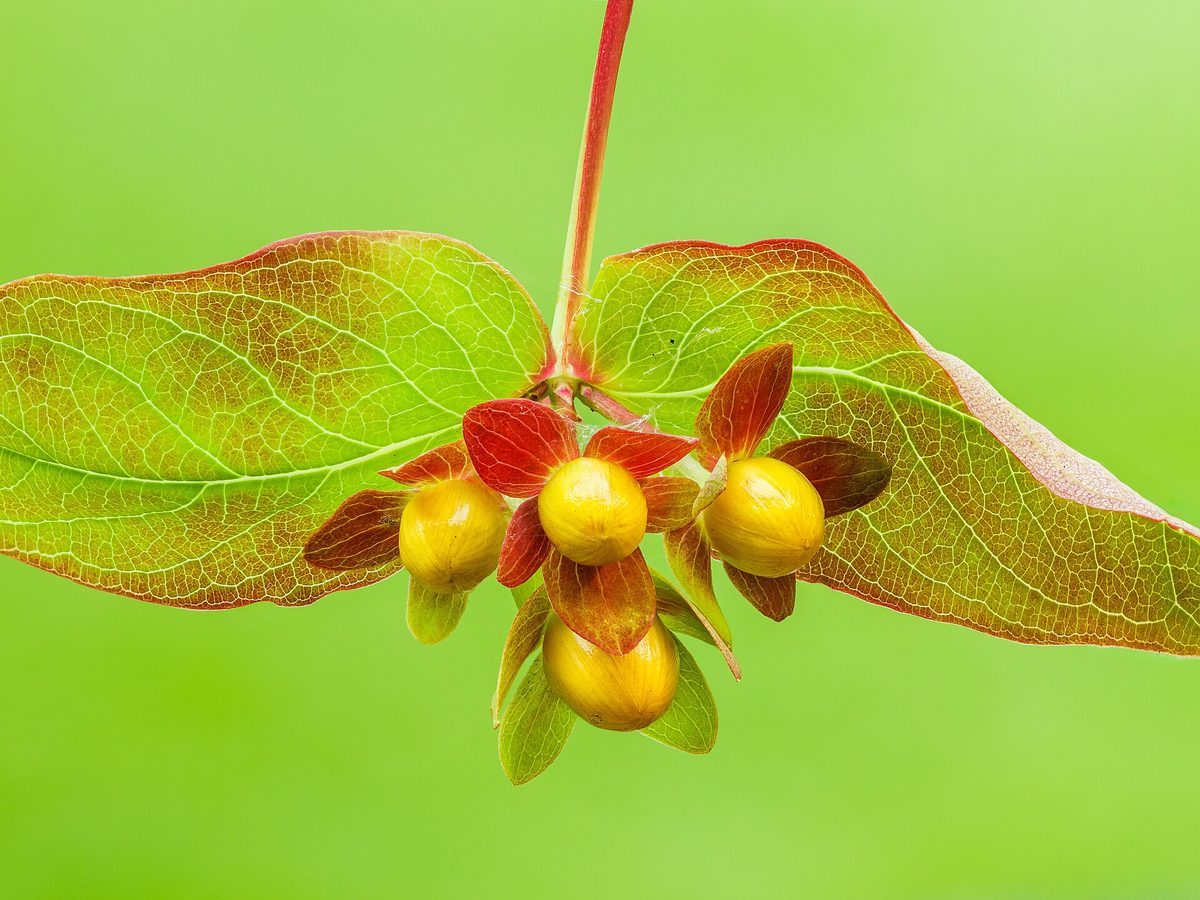
Sweet-amber
Hypericum androsaemum
Zones 5a–8b · 2–3 ft (0.61–0.91 m) · Full sun and part shade (full sun preferred)
-
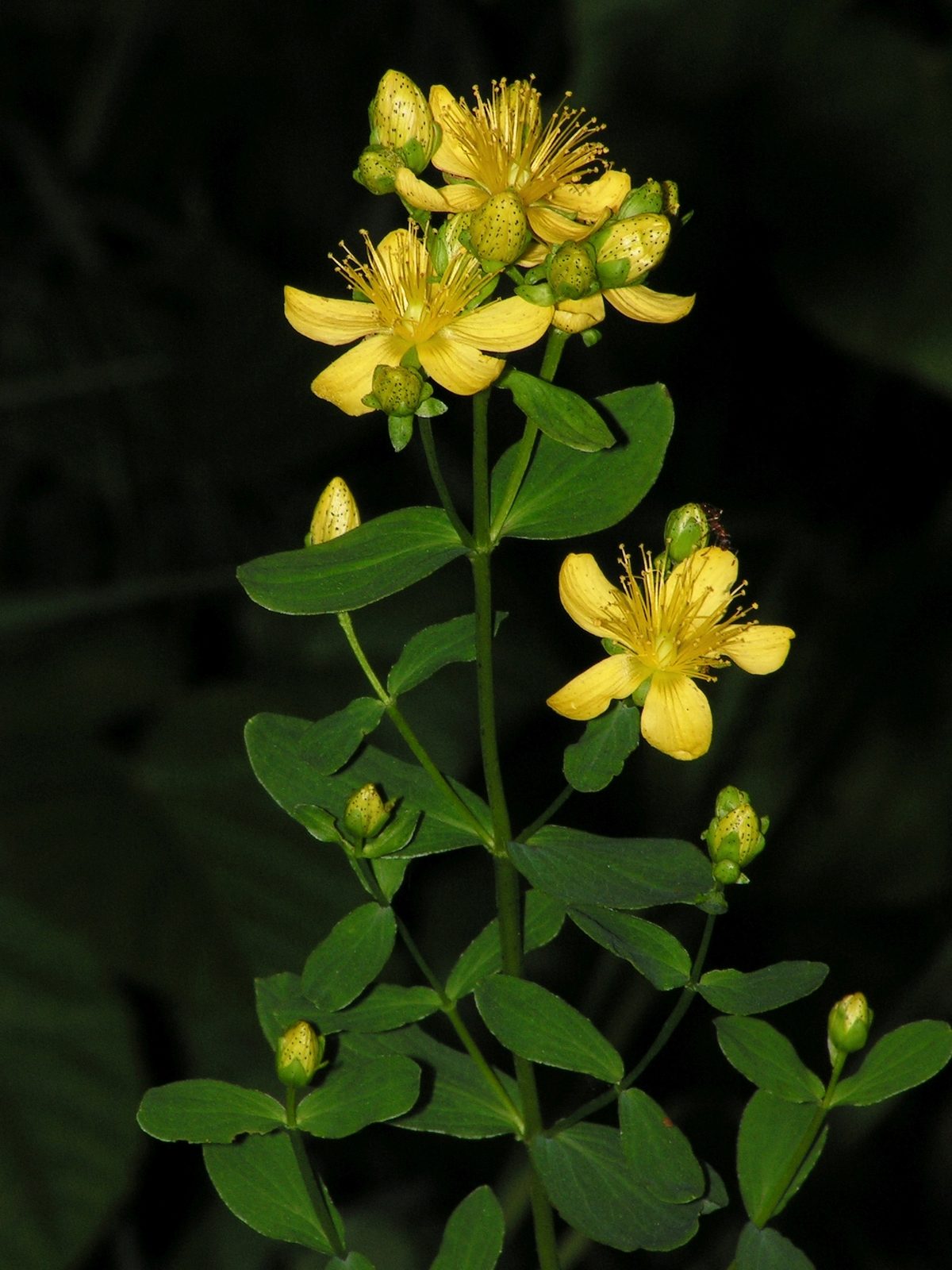
Common St. Johnswort
Hypericum perforatum
Zones 3a–8b · 1–3.3 ft (0.3–1 m) · Full sun and part shade (full sun preferred)
-
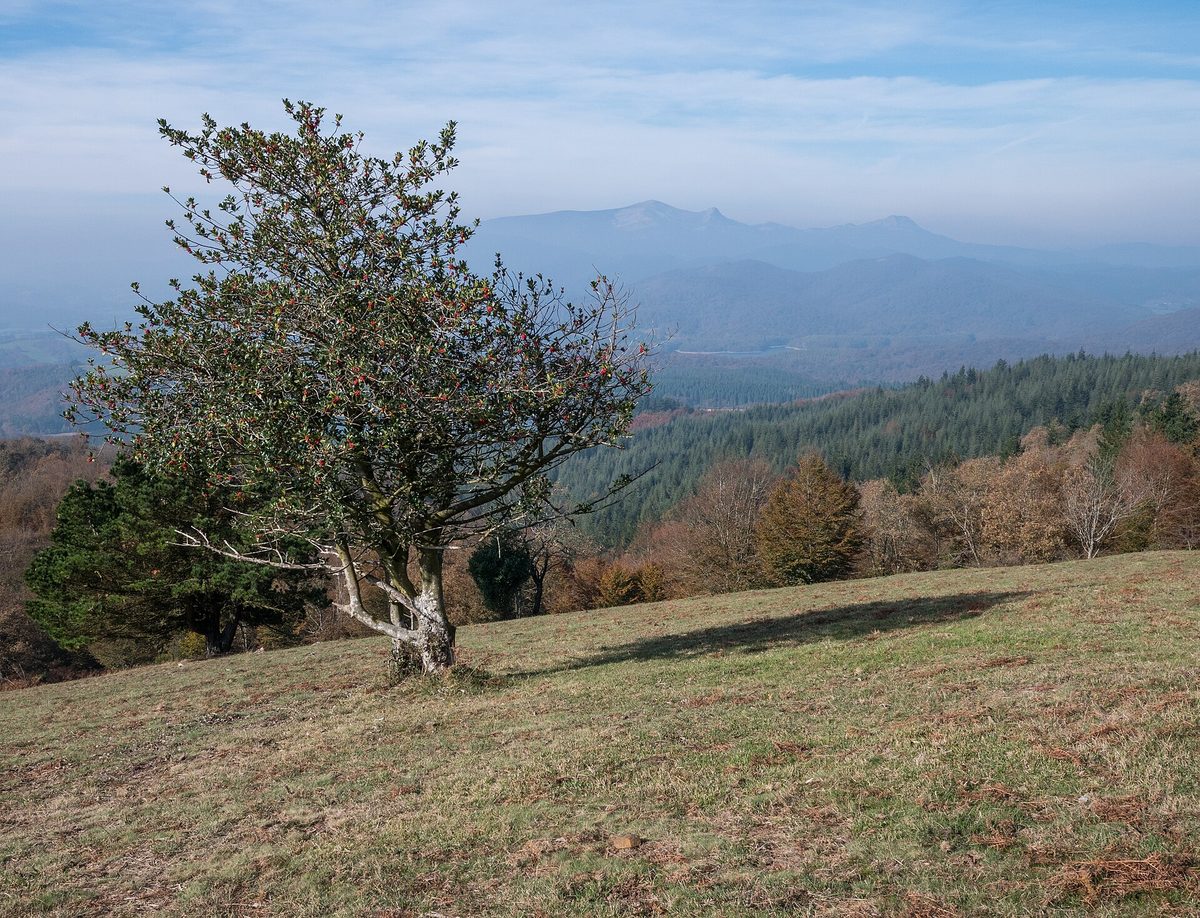
English Holly
Ilex aquifolium
Zones 7a–8b · 30–50 ft (9.14–15.24 m) · Full sun and part shade (full sun preferred)
-
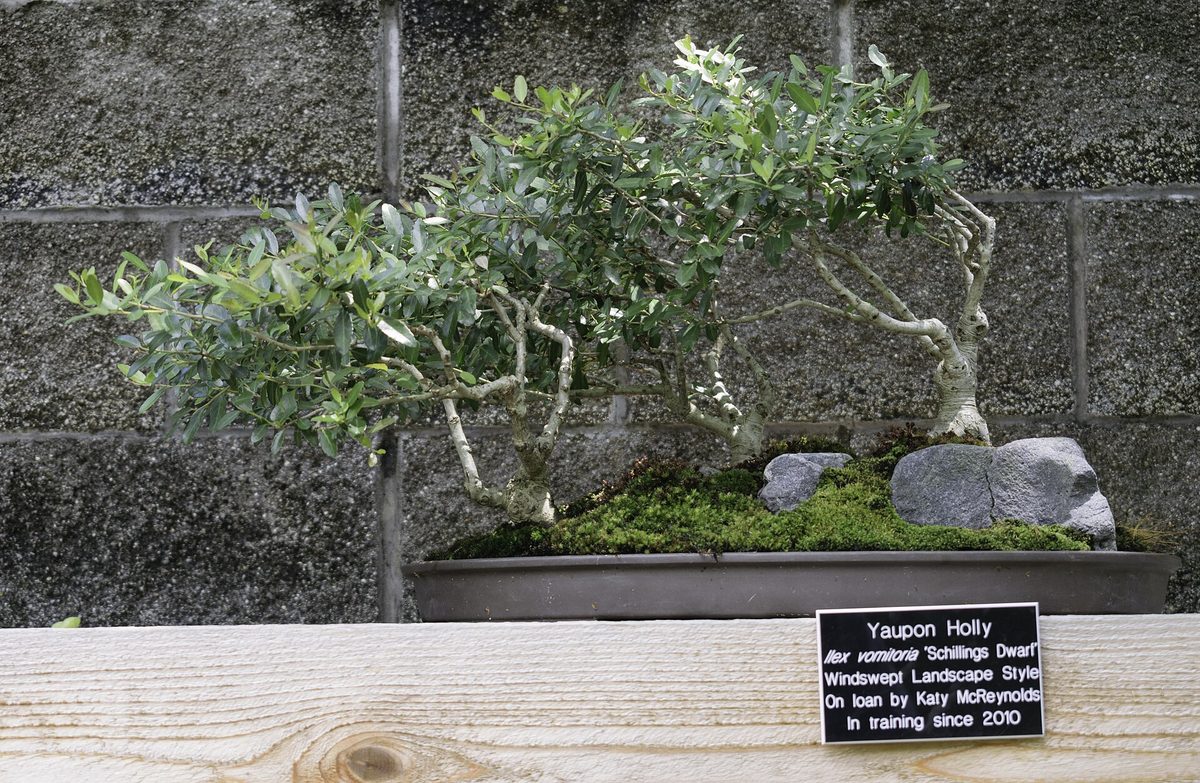
Yaupon
Ilex vomitoria
Zones 7a–9b · 10–20.5 ft (3.05–6.25 m) · Full sun, part shade and full shade (full sun preferred)
-
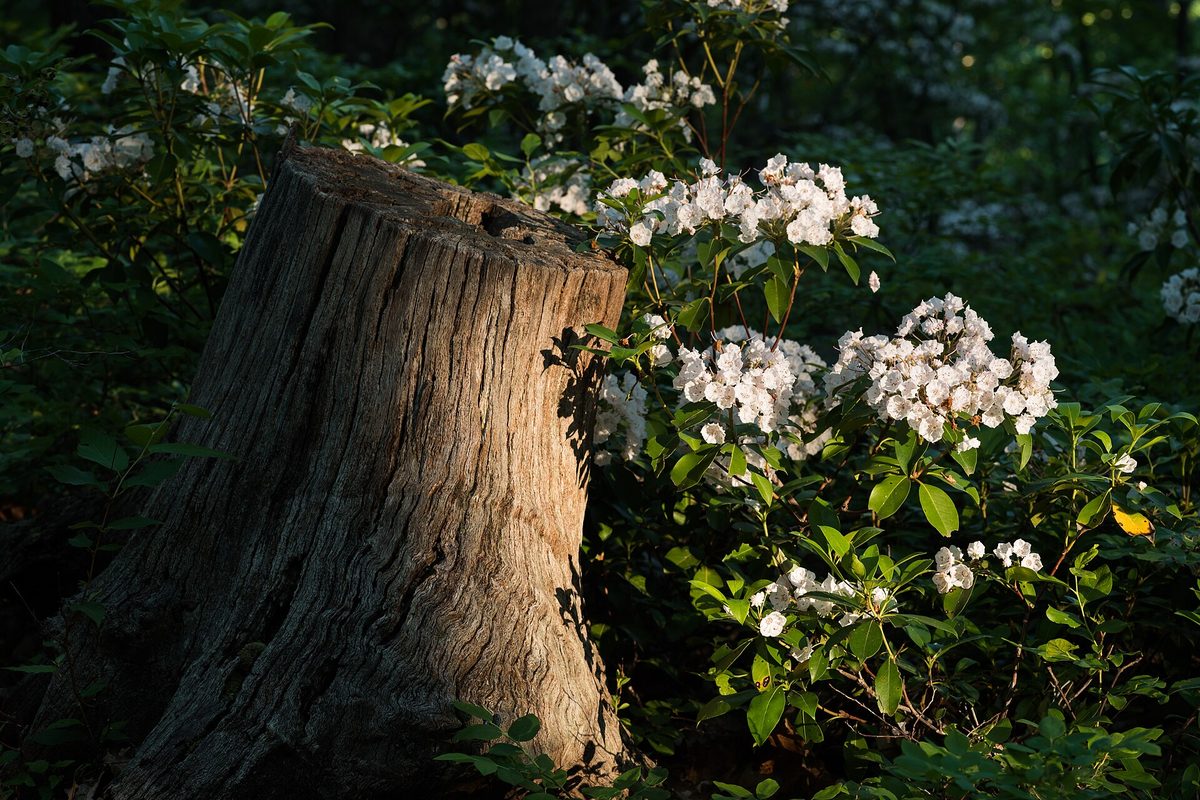
Mountain Laurel
Kalmia latifolia
Zones 4a–9b · 7–14 ft (2.13–4.27 m) · Full sun, part shade and full shade (full sun preferred)
-
-
-
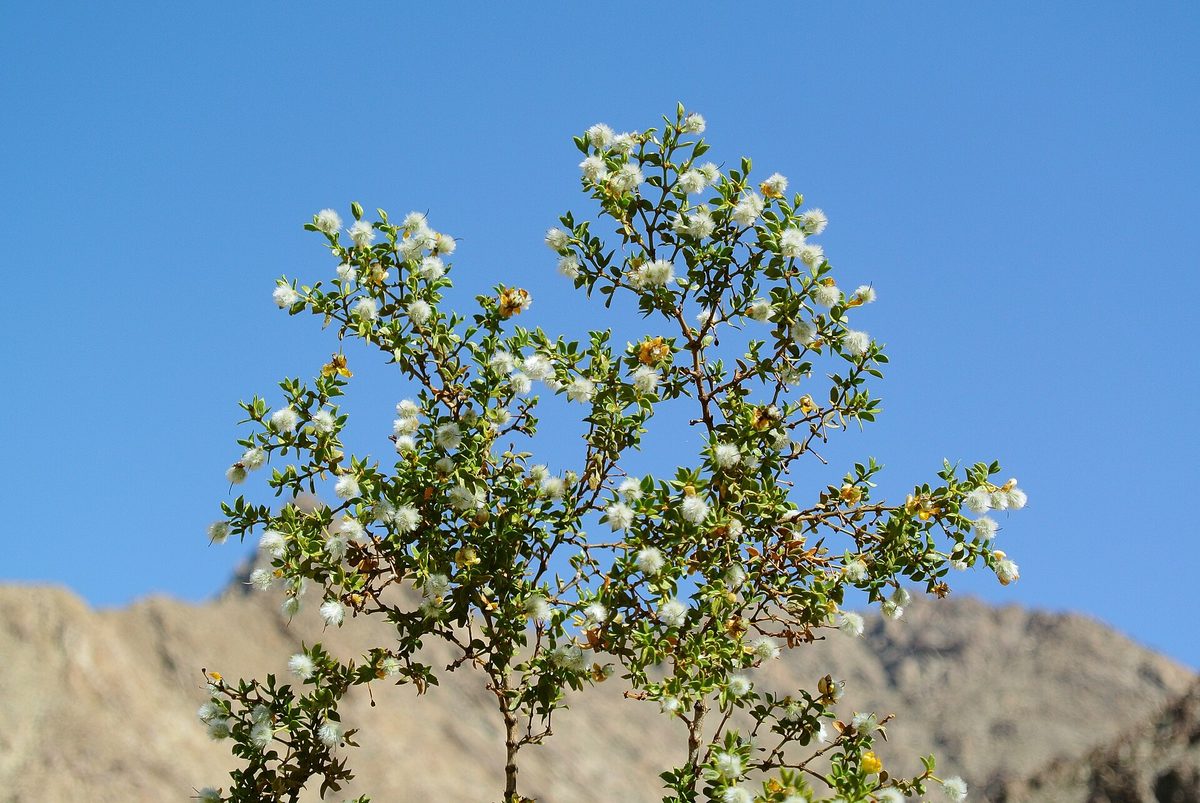
Creosote Bush
Larrea tridentata
Zones 7a–10b · 5 ft (1.52 m) · Full sun and part shade (full sun preferred)
-
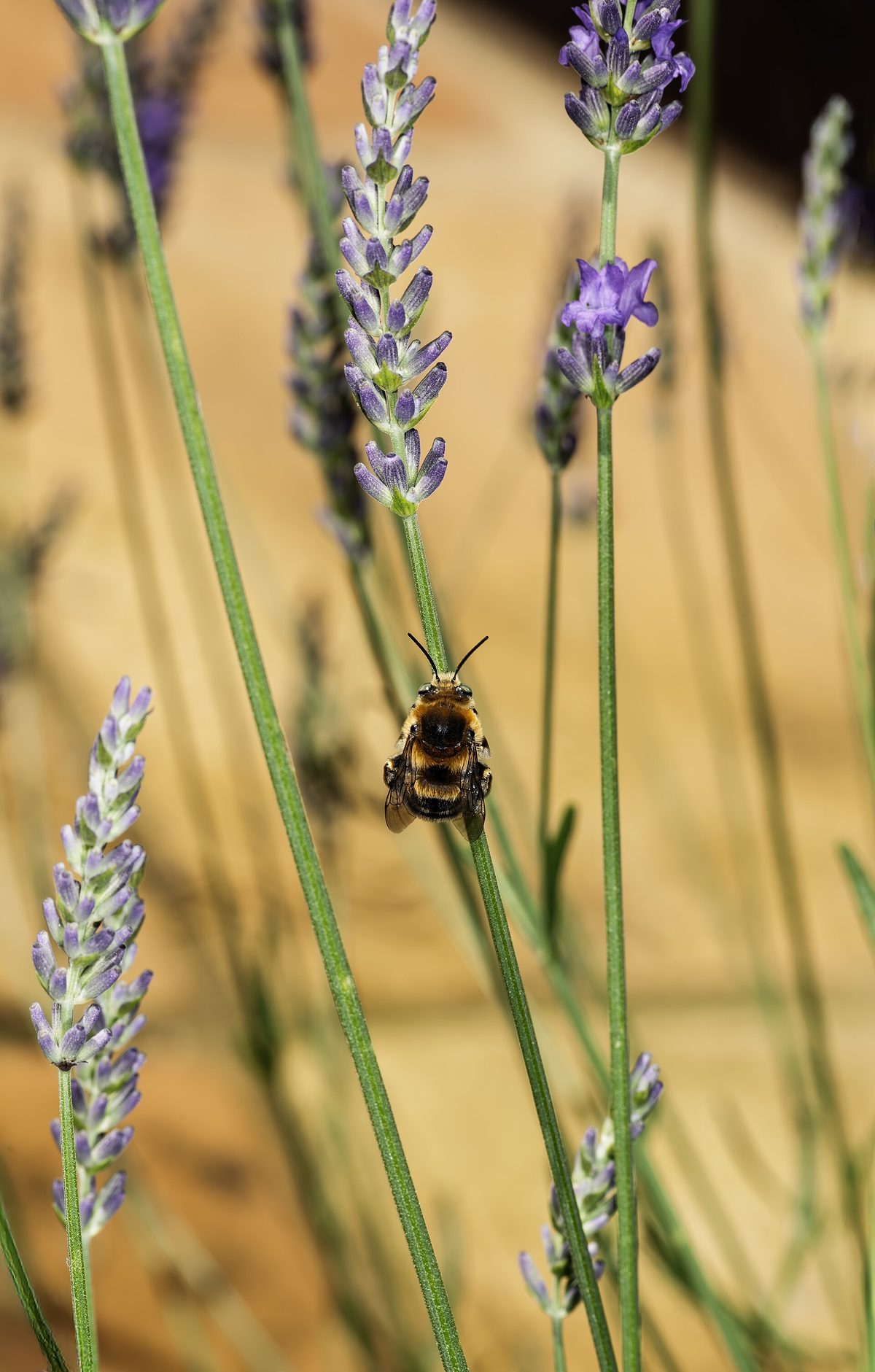
English Lavender
Lavandula angustifolia
Zones 5a–9b · 1–3 ft (0.3–0.91 m) · Full sun and part shade (full sun preferred)
-
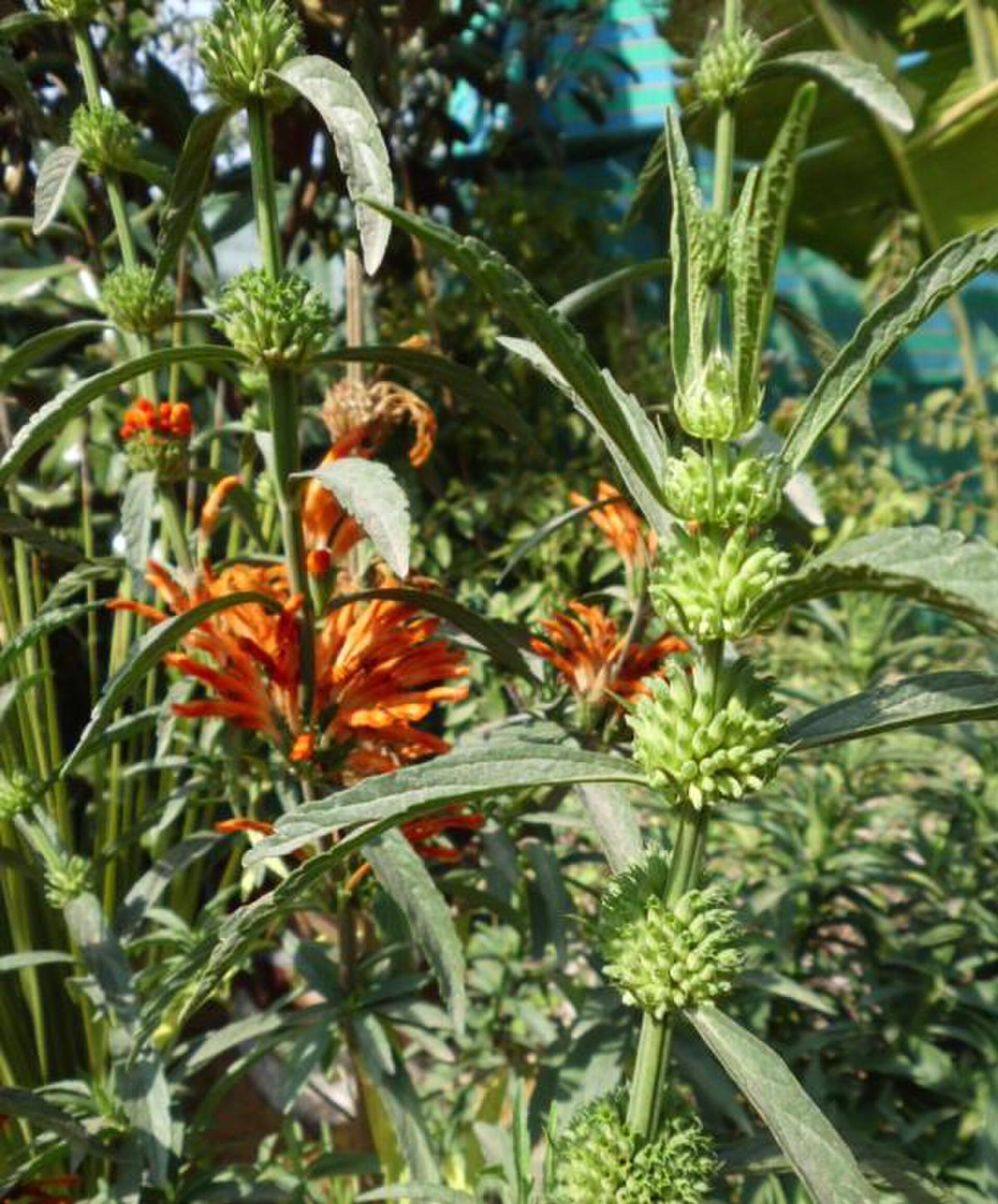
Lion's Ear
Leonotis leonurus
Zones 8a–11b · 3–6 ft (0.91–1.83 m) · Full sun and part shade (full sun preferred)
-
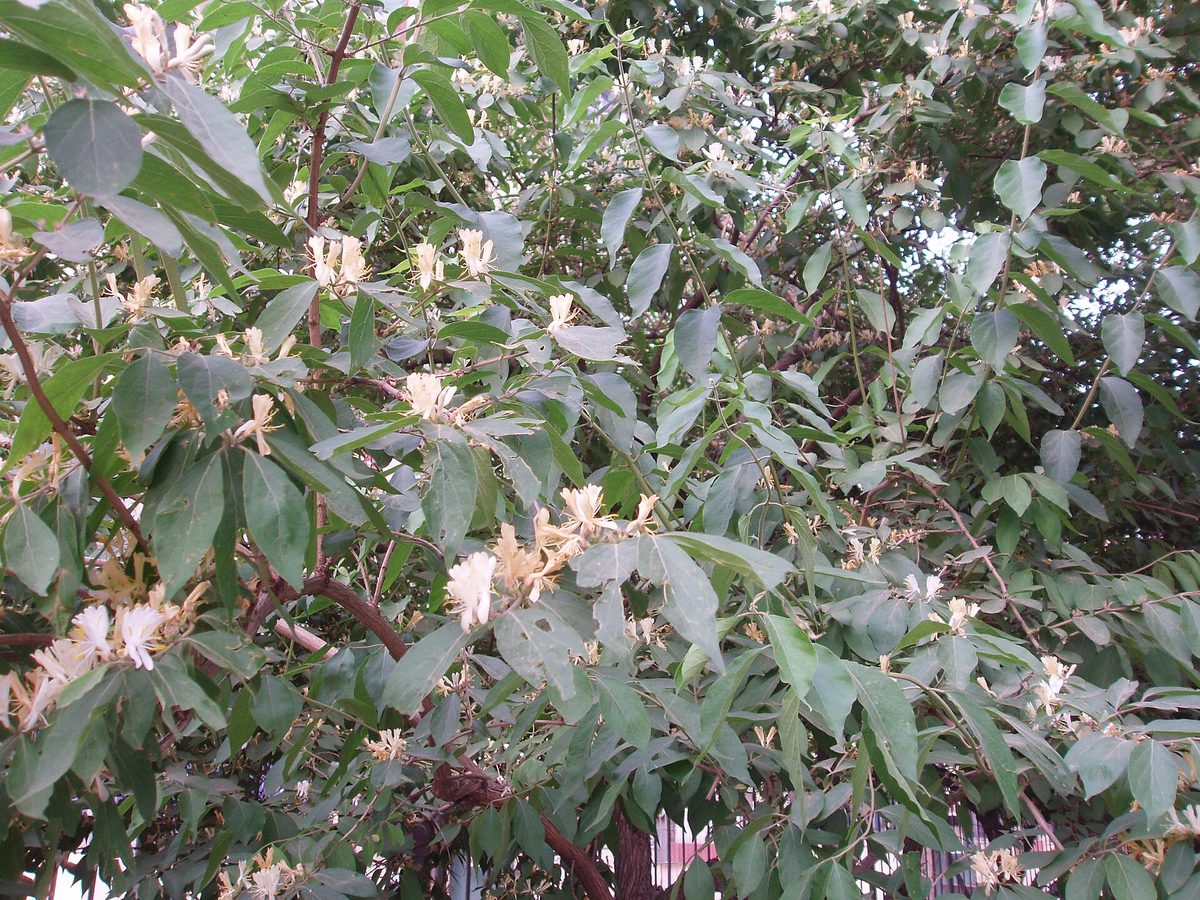
Amur Honeysuckle
Lonicera maackii
Zones 3a–8b · 10–15 ft (3.05–4.57 m) · Full sun and part shade (full sun preferred)
-
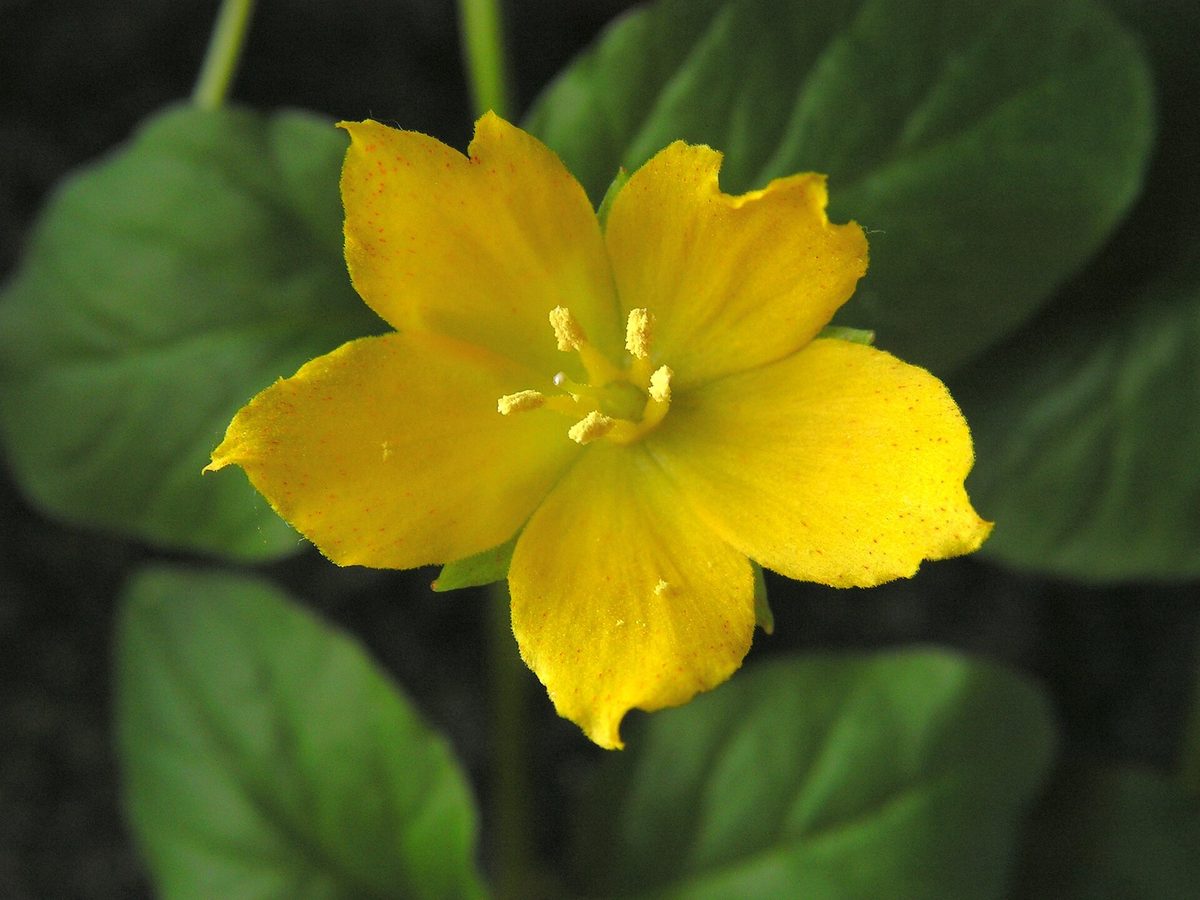
Creeping Jenny
Lysimachia nummularia
Zones 3a–9b · 0.2–0.3 ft (0.05–0.1 m) · Full sun, part shade and full shade (full sun preferred)
-
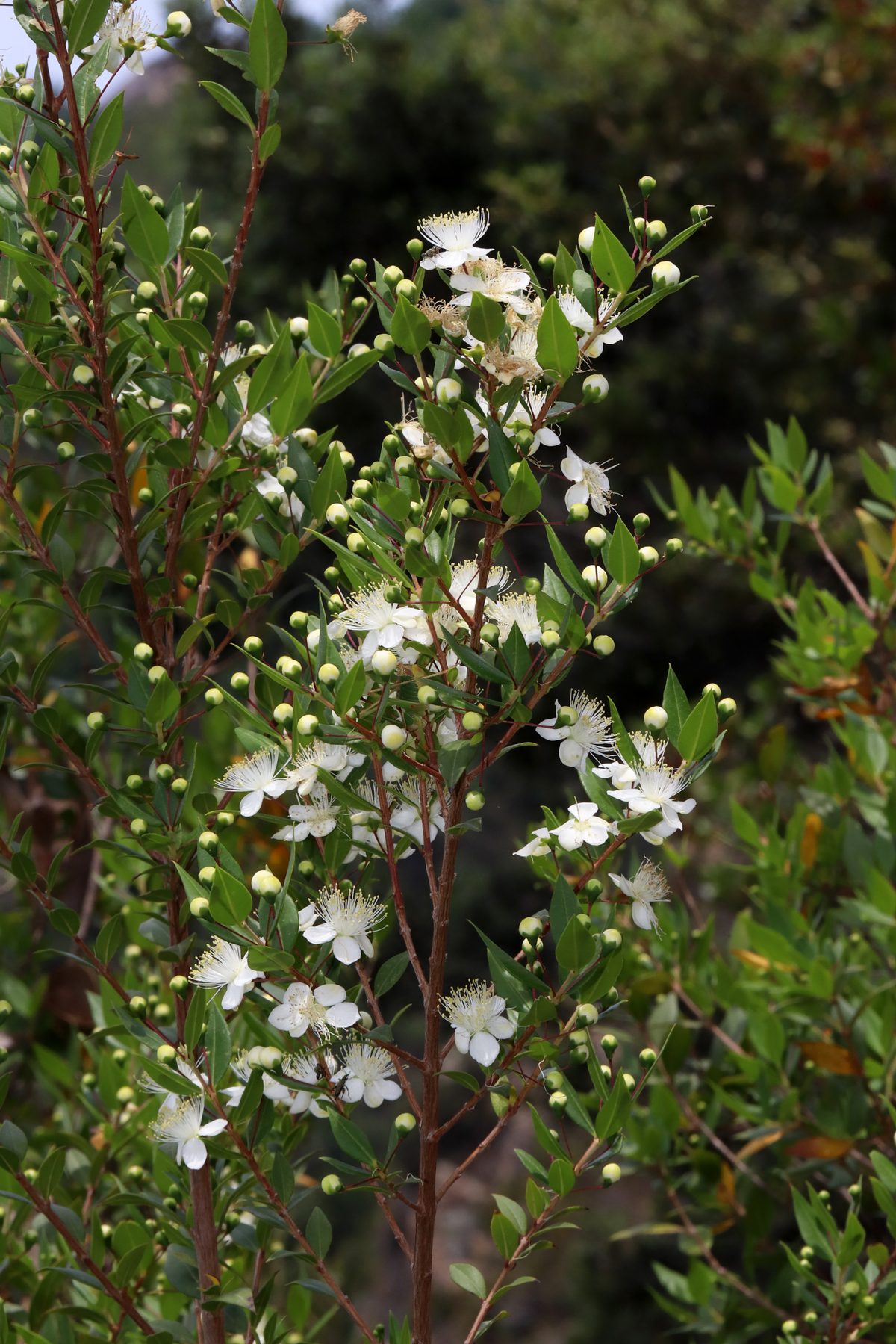
Myrtle
Myrtus communis
Zones 8a–9b · 8–12 ft (2.44–3.66 m) · Full sun and part shade (full sun preferred)
-
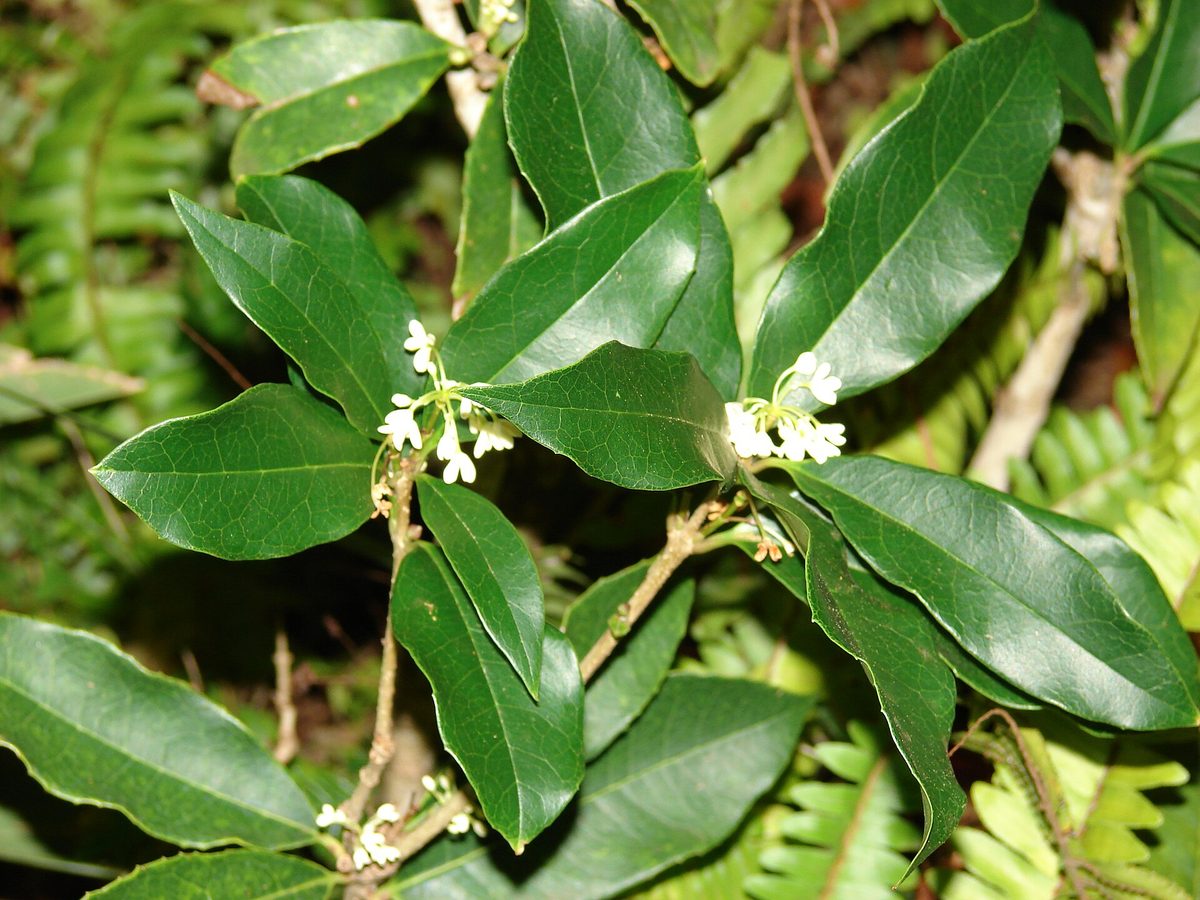
Sweet Osmanthus
Osmanthus fragrans
Zones 8a–11b · 10–12 ft (3.05–3.66 m) · Full sun and part shade (full sun preferred)
-
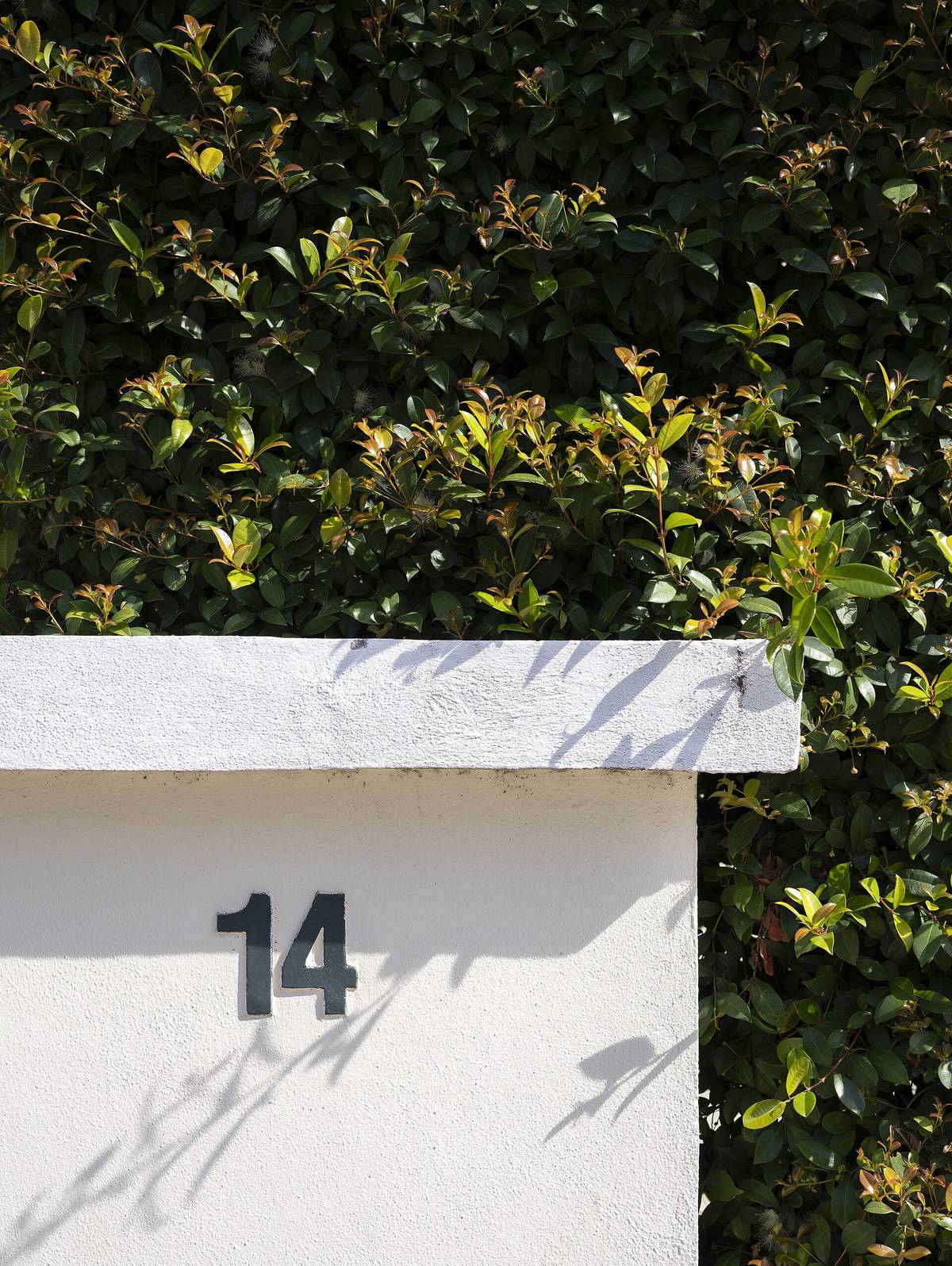
Fraser's Photinia
Photinia × fraseri
Zones 7a–9b · 10–20 ft (3.05–6.1 m) · Full sun and part shade (full sun preferred)
-
Lodgepole Pine
Pinus contorta
Zones 4a–8b · 20–50 ft (6.1–15.24 m) · Full sun
-
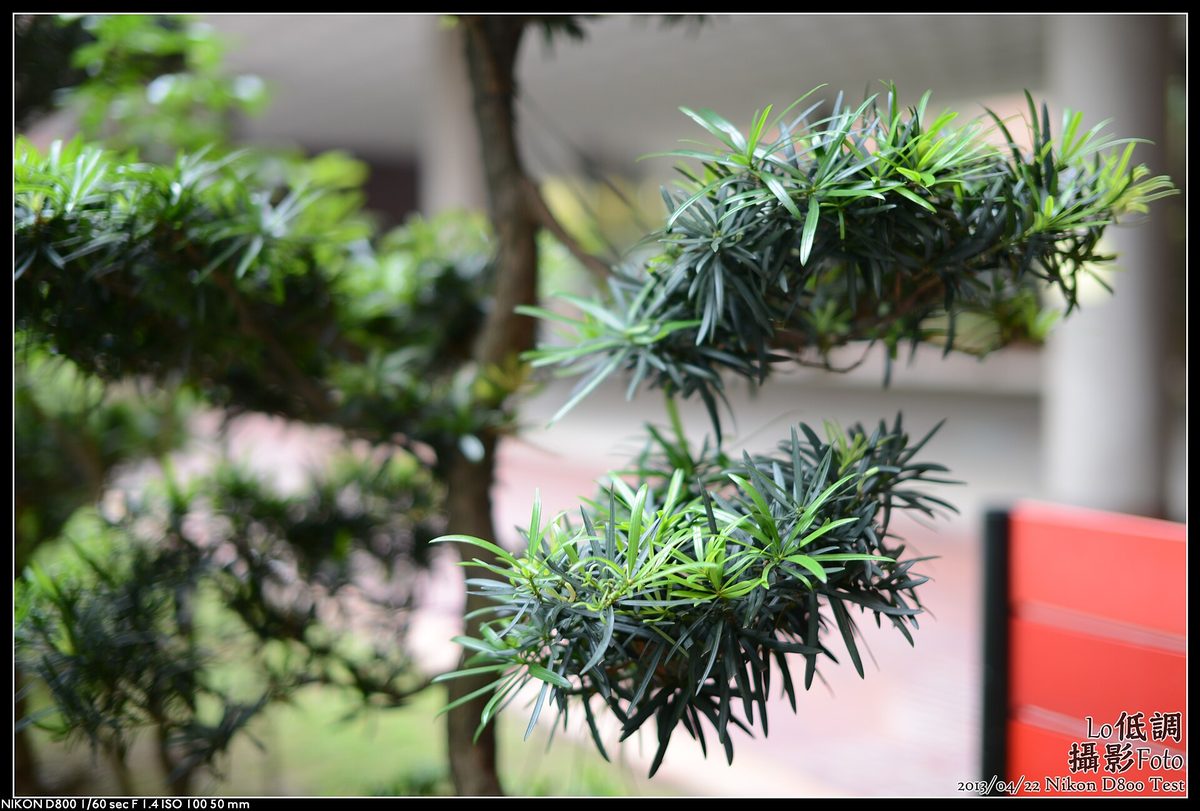
Yew Plum Pine
Podocarpus macrophyllus
Zones 7a–9b · 15–50 ft (4.57–15.24 m) · Full sun and part shade (full sun preferred)
-
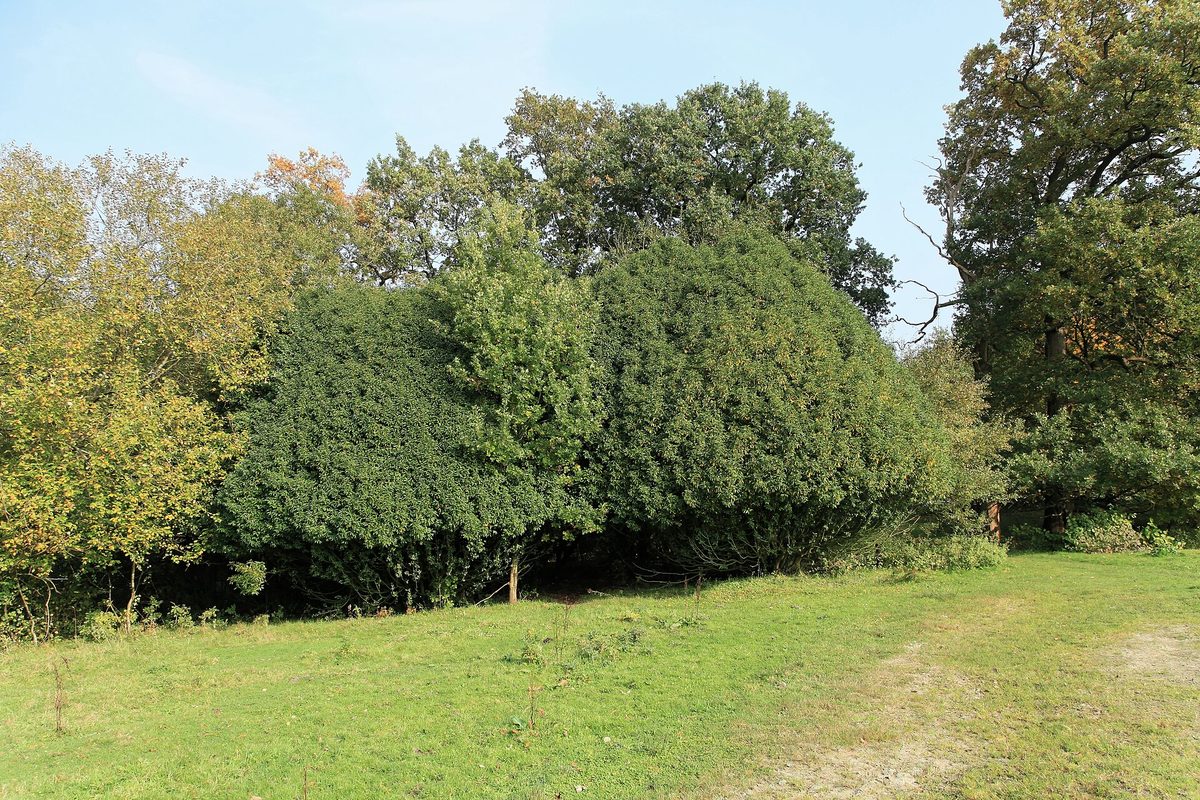
Portugal Laurel
Prunus lusitanica
Zones 6a–9b · 10–20 ft (3.05–6.1 m)
-
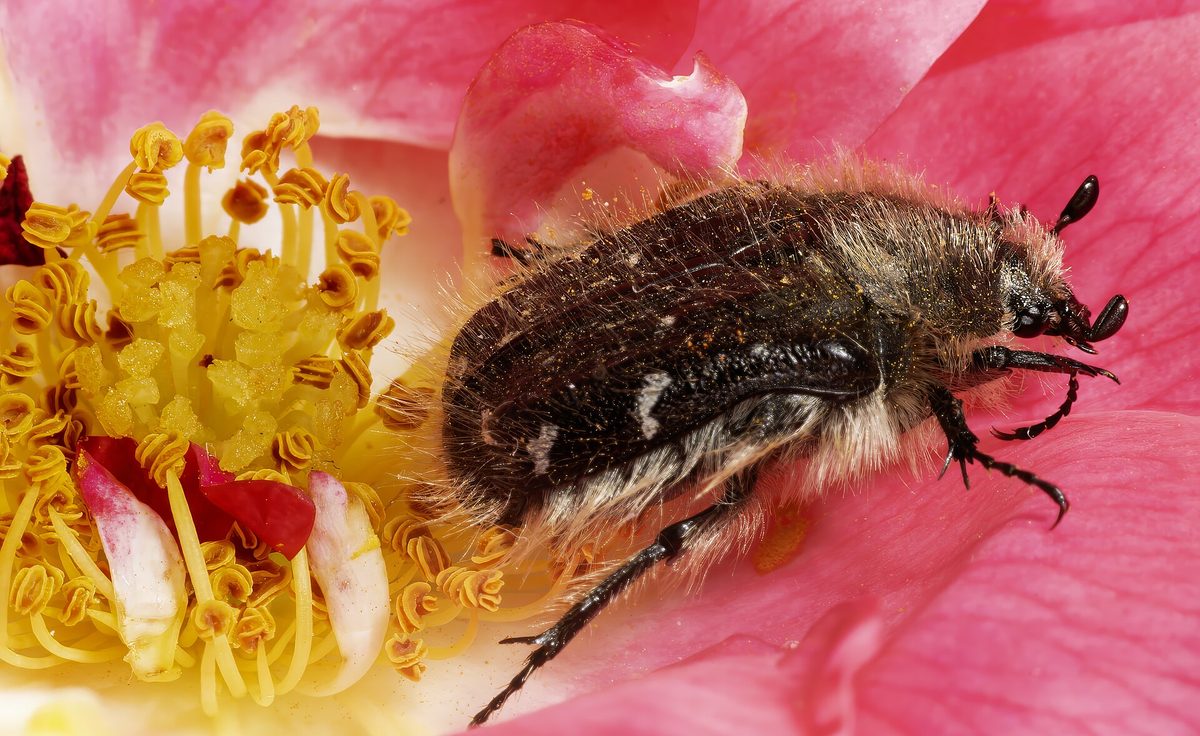
Chinese Rose
Rosa chinensis
Zones 6a–9b · 6–8 ft (1.83–2.44 m) · Full sun and part shade (full sun preferred)
-
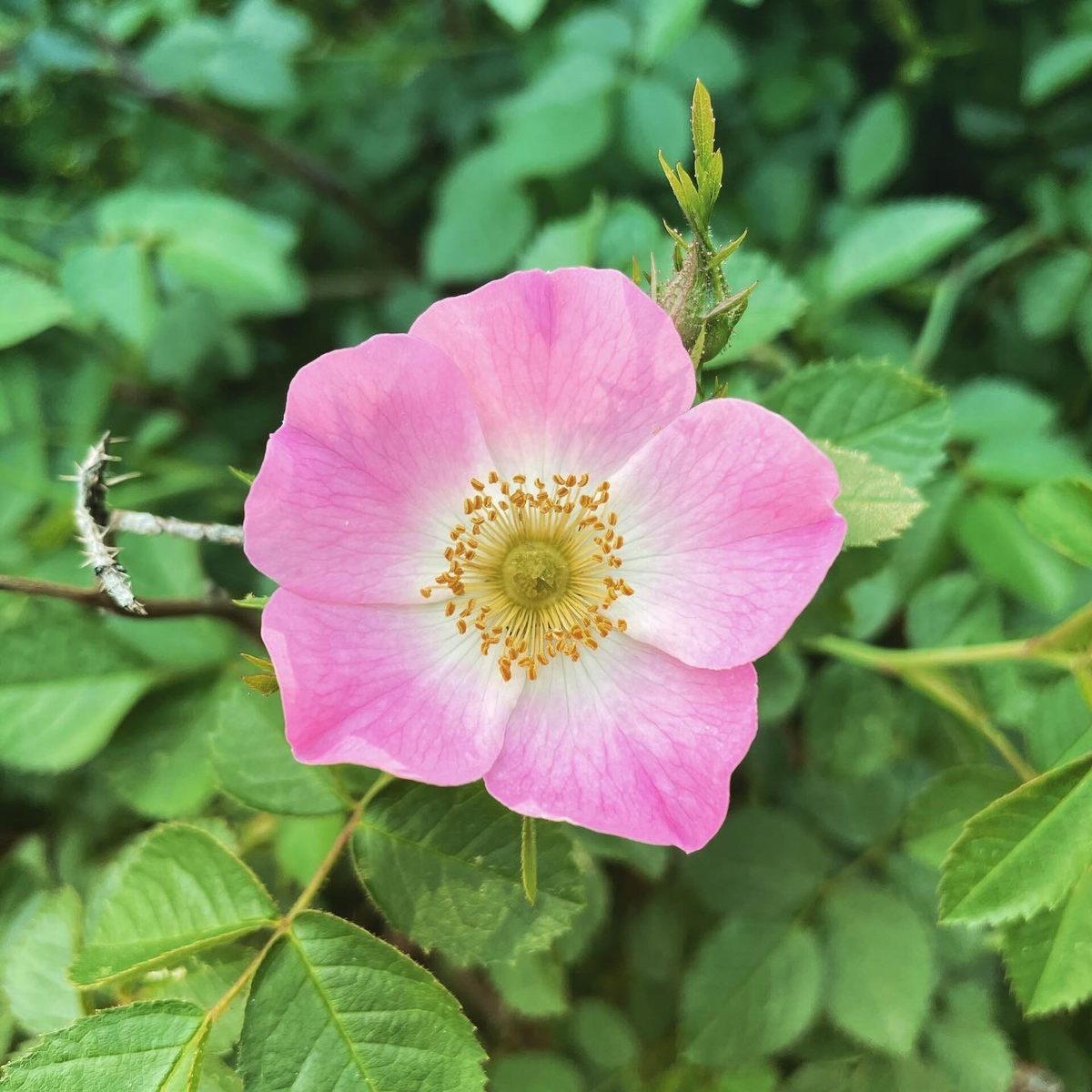
Sweetbriar Rose
Rosa rubiginosa
Zones 5a–8b · Full sun
-
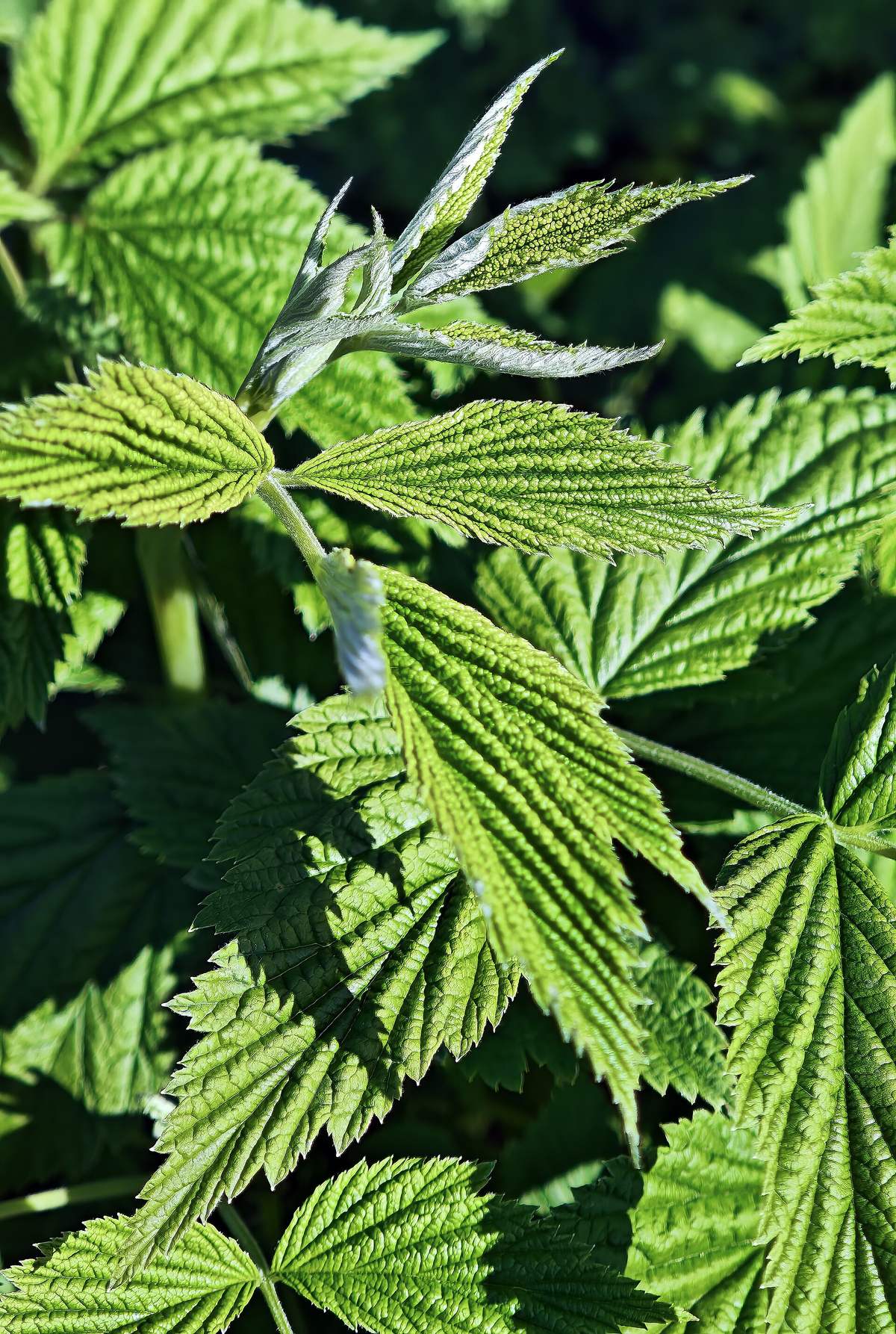
American Red Raspberry
Rubus idaeus
Zones 4a–8b · 7–10 ft (2.13–3.05 m) · Full sun and part shade (full sun preferred)
-
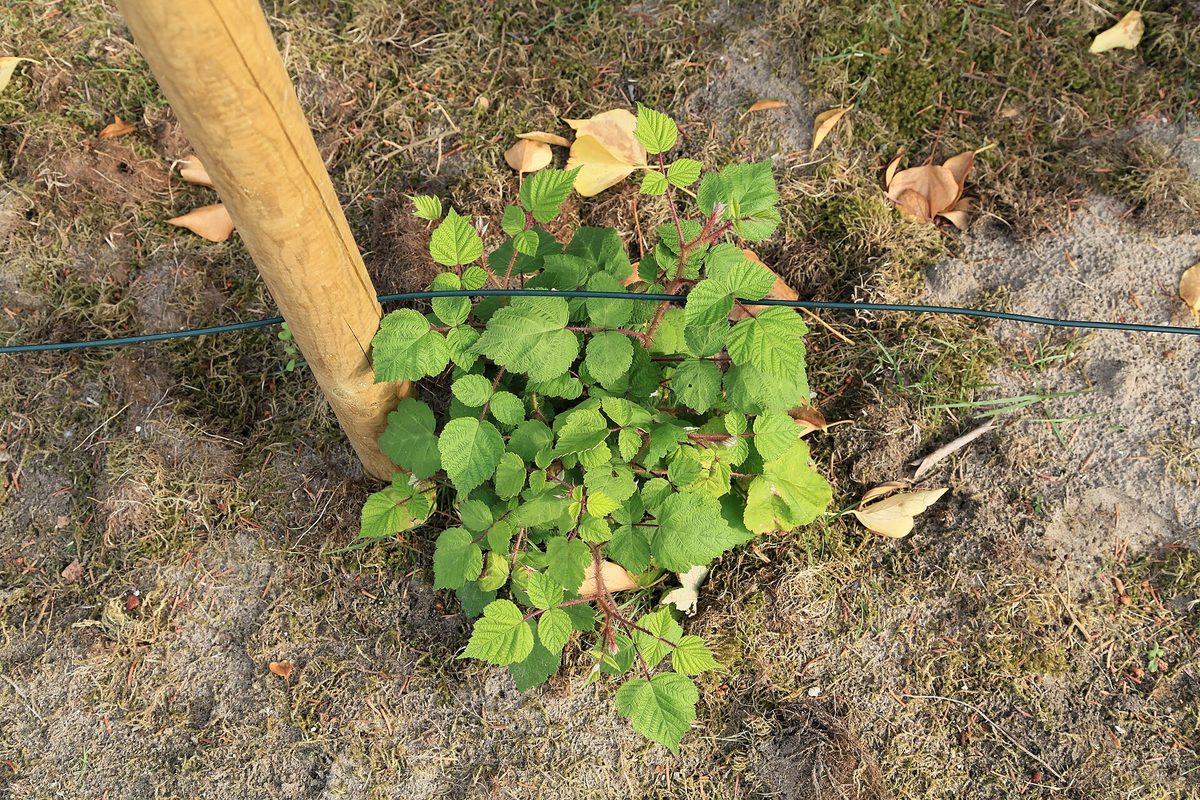
Wine Raspberry
Rubus phoenicolasius
Zones 4a–8b · 9 ft (2.74 m) · Full sun and part shade (full sun preferred)
-
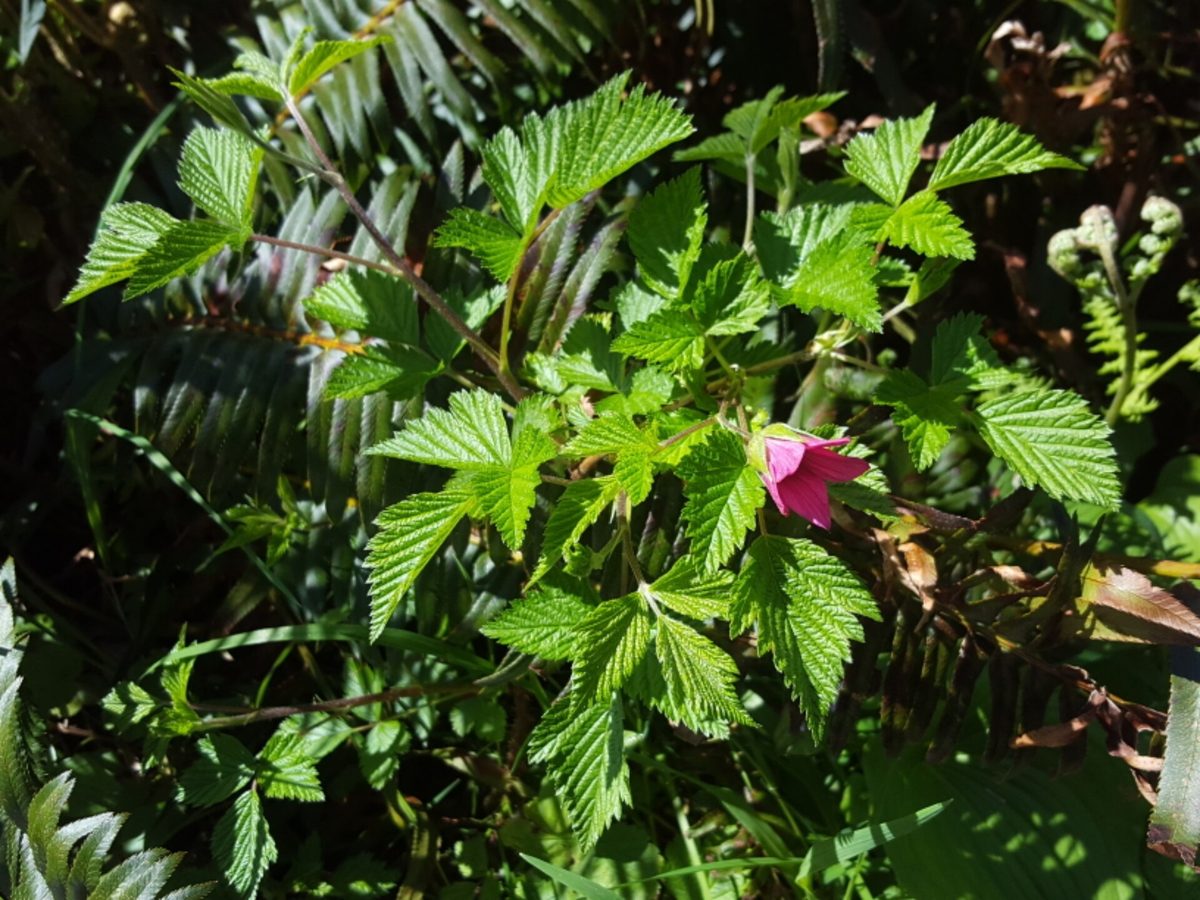
Salmonberry
Rubus spectabilis
Zones 5a–10a · 6.6–13.1 ft (2–4 m) · Full sun, part shade and full shade (full sun preferred)
-
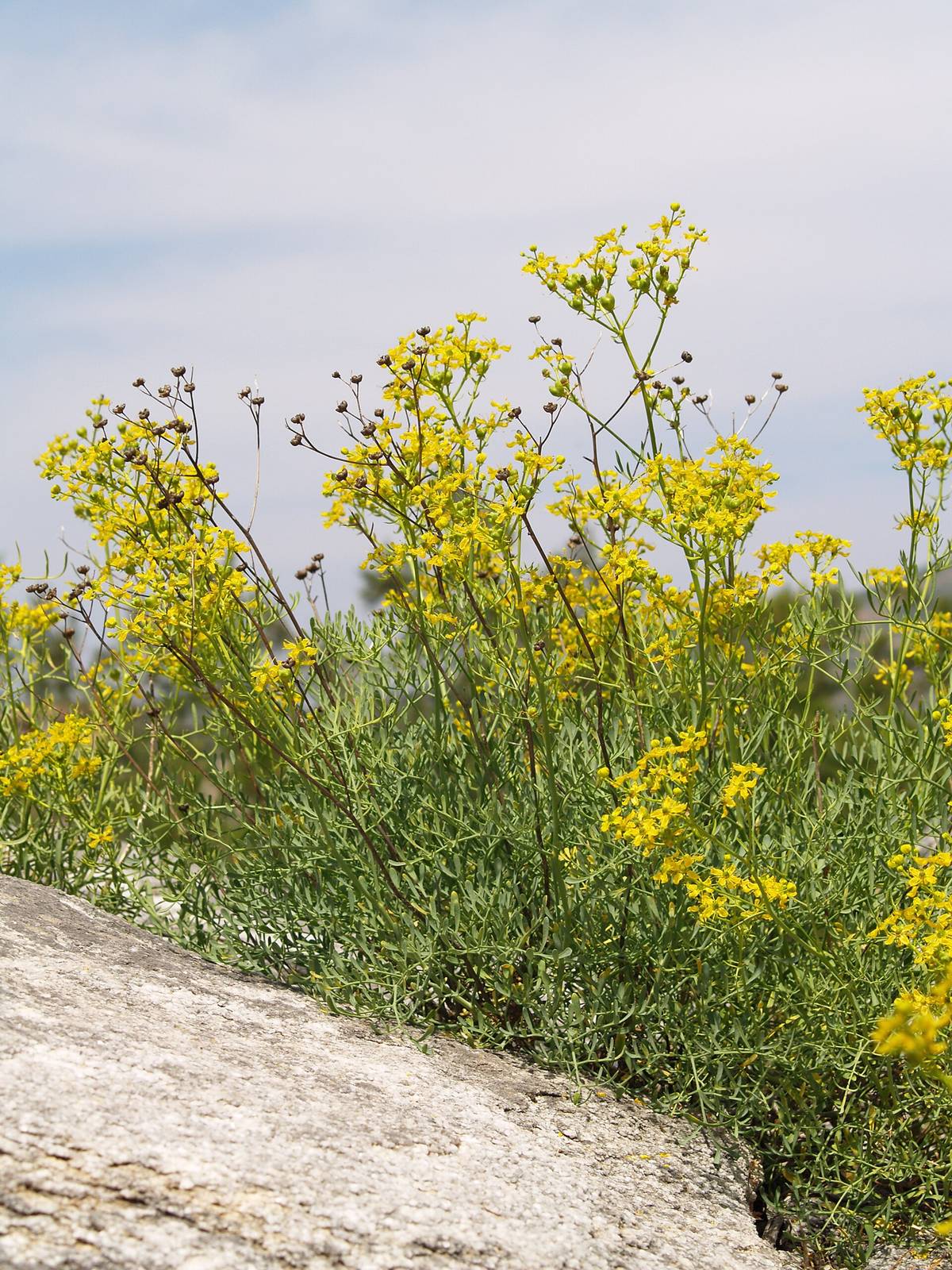
Common Rue
Ruta graveolens
Zones 4a–10b · 2–3 ft (0.61–0.91 m) · Full sun and part shade (full sun preferred)
-
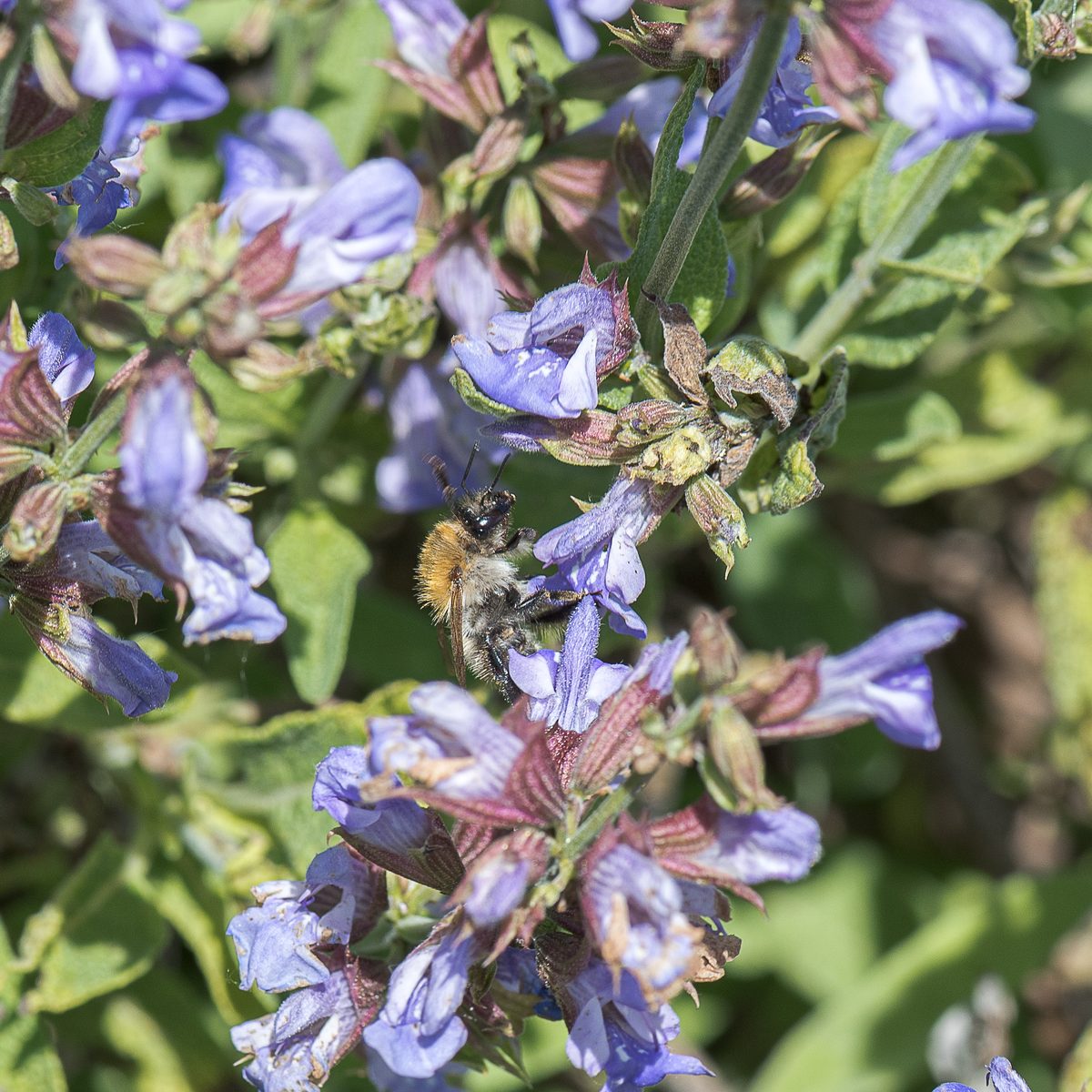
Kitchen Sage
Salvia officinalis
Zones 4a–8b · 1–2 ft (0.3–0.6 m) · Full sun and part shade (full sun preferred)
-
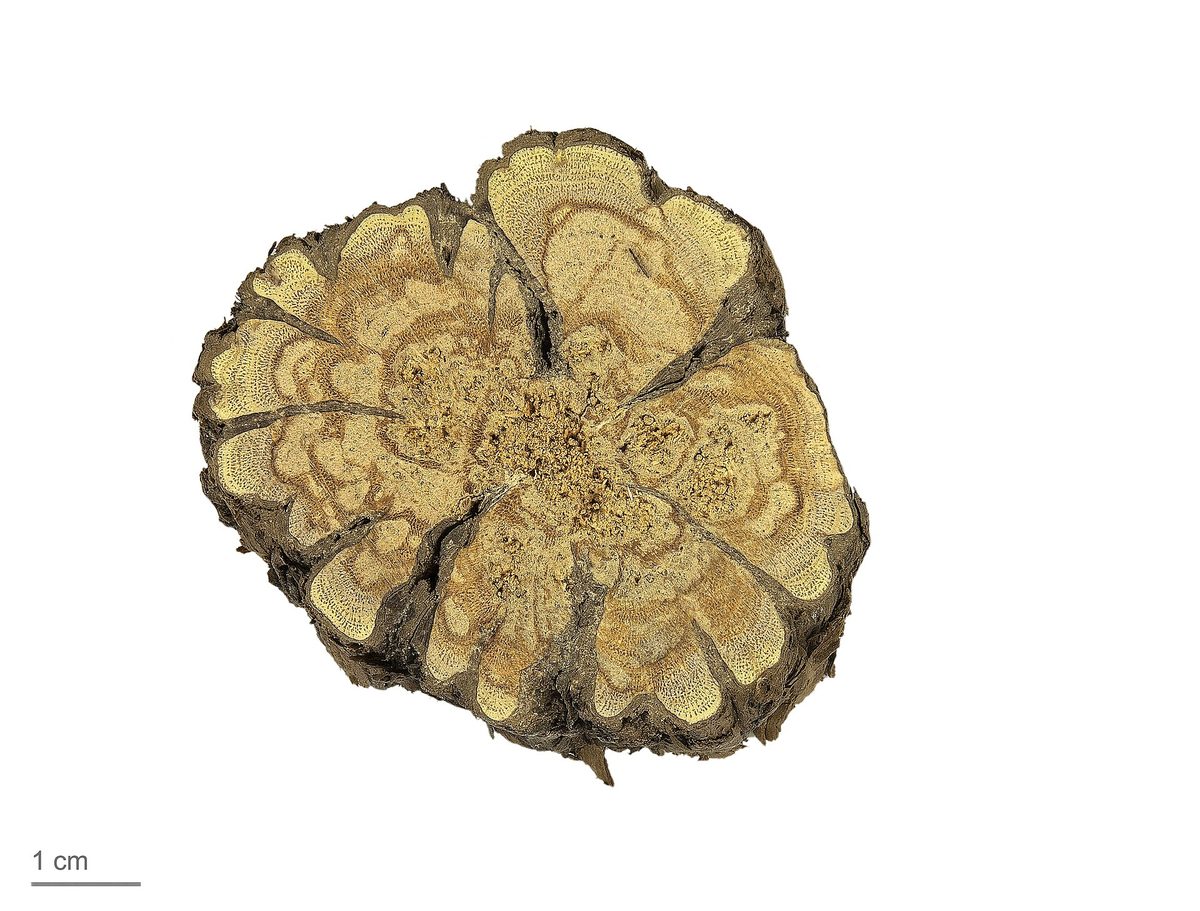
Rosemary
Salvia rosmarinus
Zones 8a–10b · 4–5 ft (1.22–1.52 m) · Full sun and part shade (full sun preferred)
-
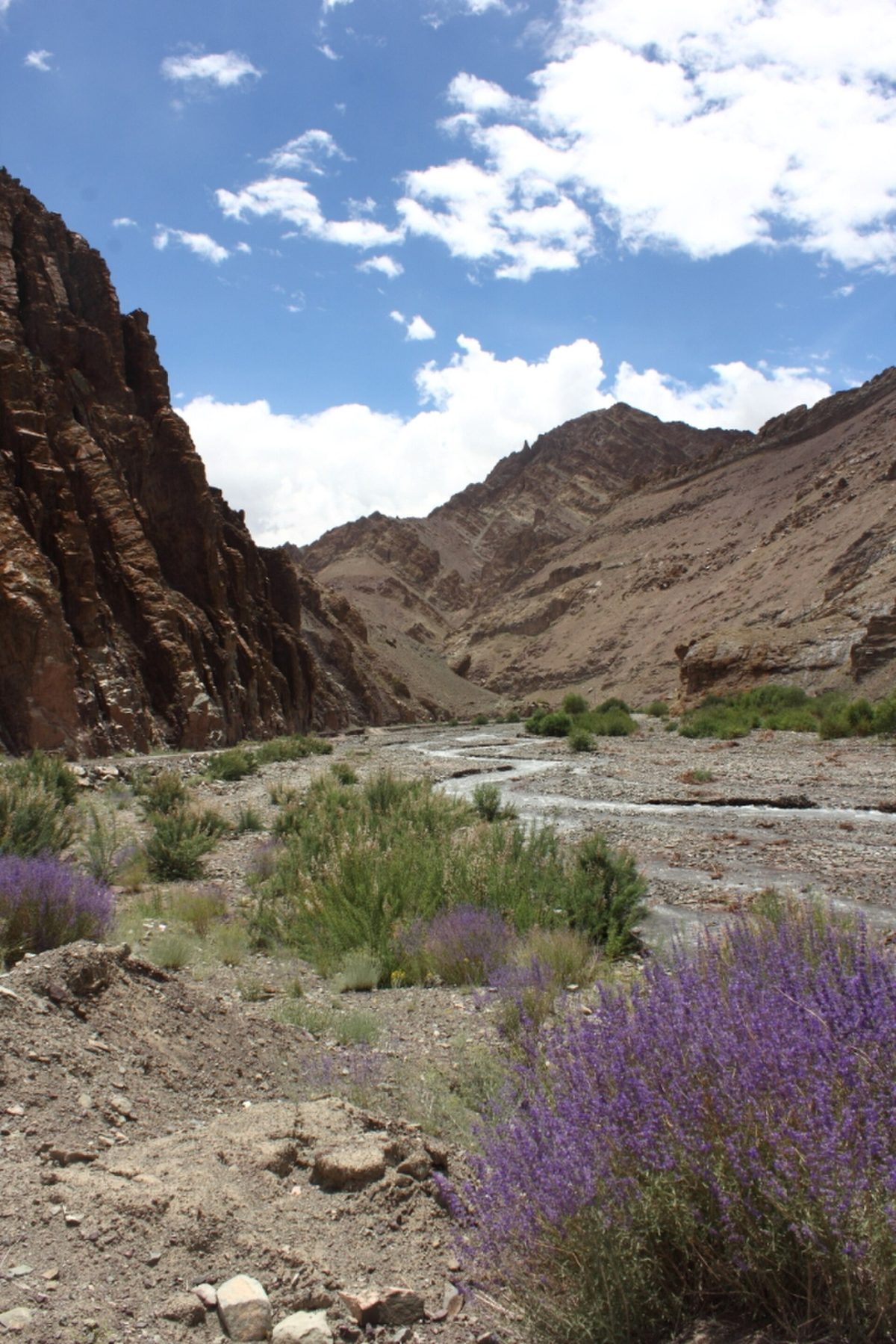
-
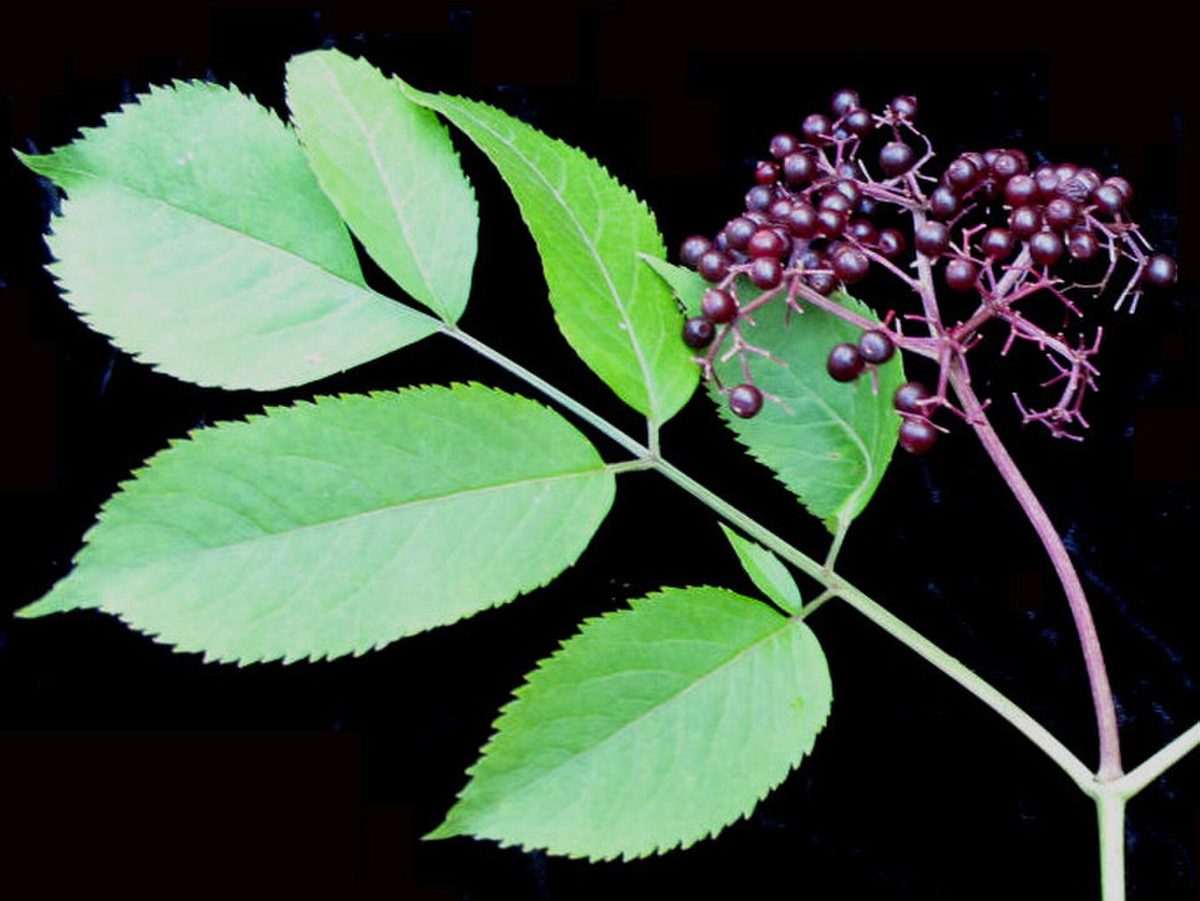
American Black Elderberry
Sambucus canadensis
Zones 4a–8b · 5–12 ft (1.52–3.66 m) · Full sun and part shade (full sun preferred)
-
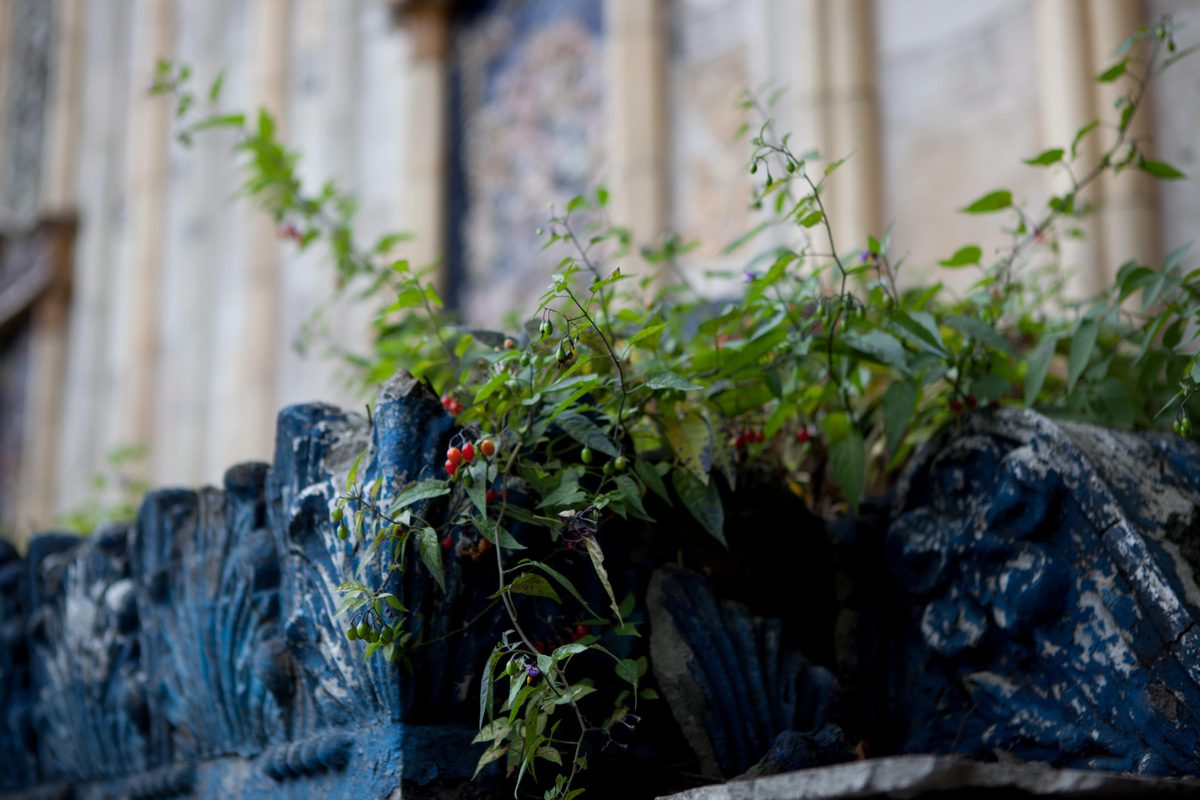
Climbing Nightshade
Solanum dulcamara
Zones 4a–8b · 2–10 ft (0.61–3.05 m) · Full sun, part shade and full shade (full sun preferred)
-
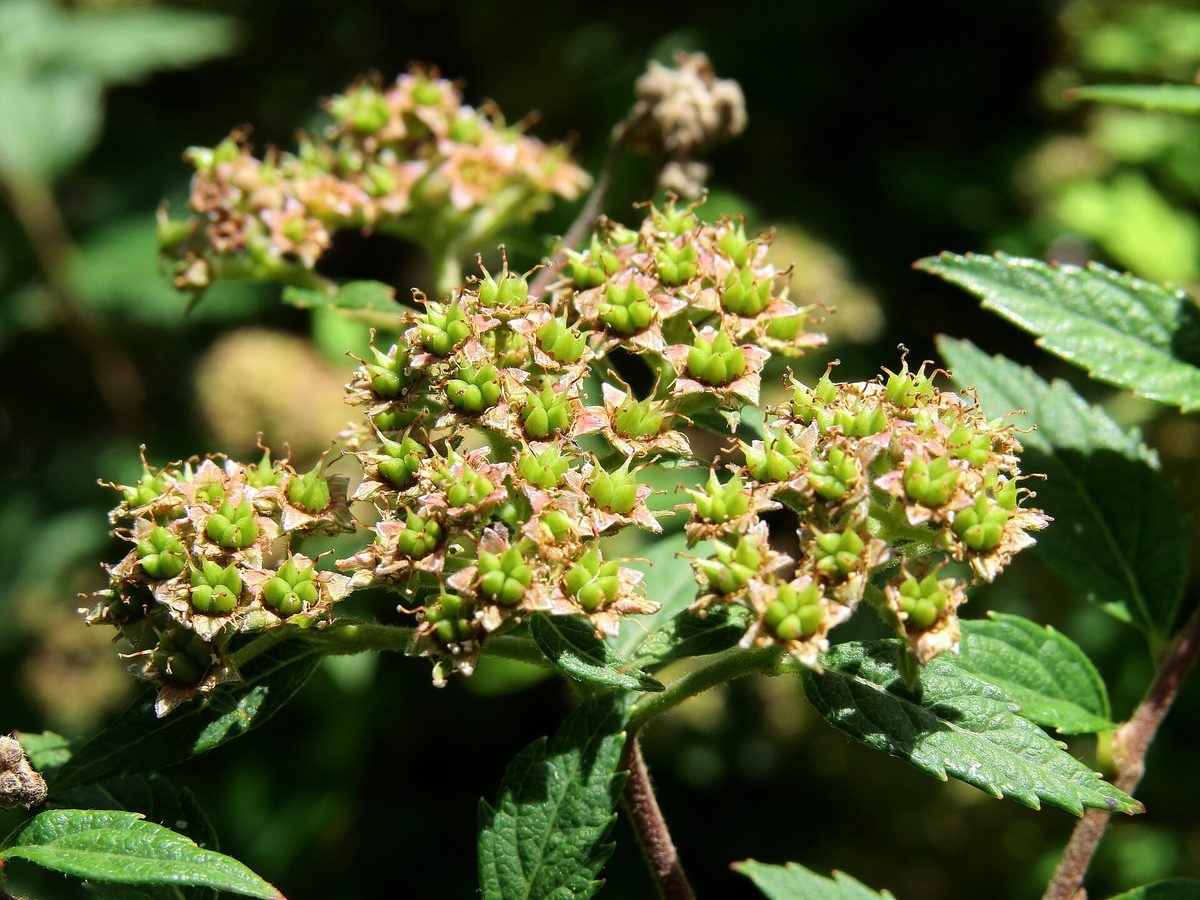
Japanese Meadowsweet
Spiraea japonica
Zones 3a–8b · 4–6 ft (1.22–1.83 m) · Full sun and part shade (full sun preferred)
-
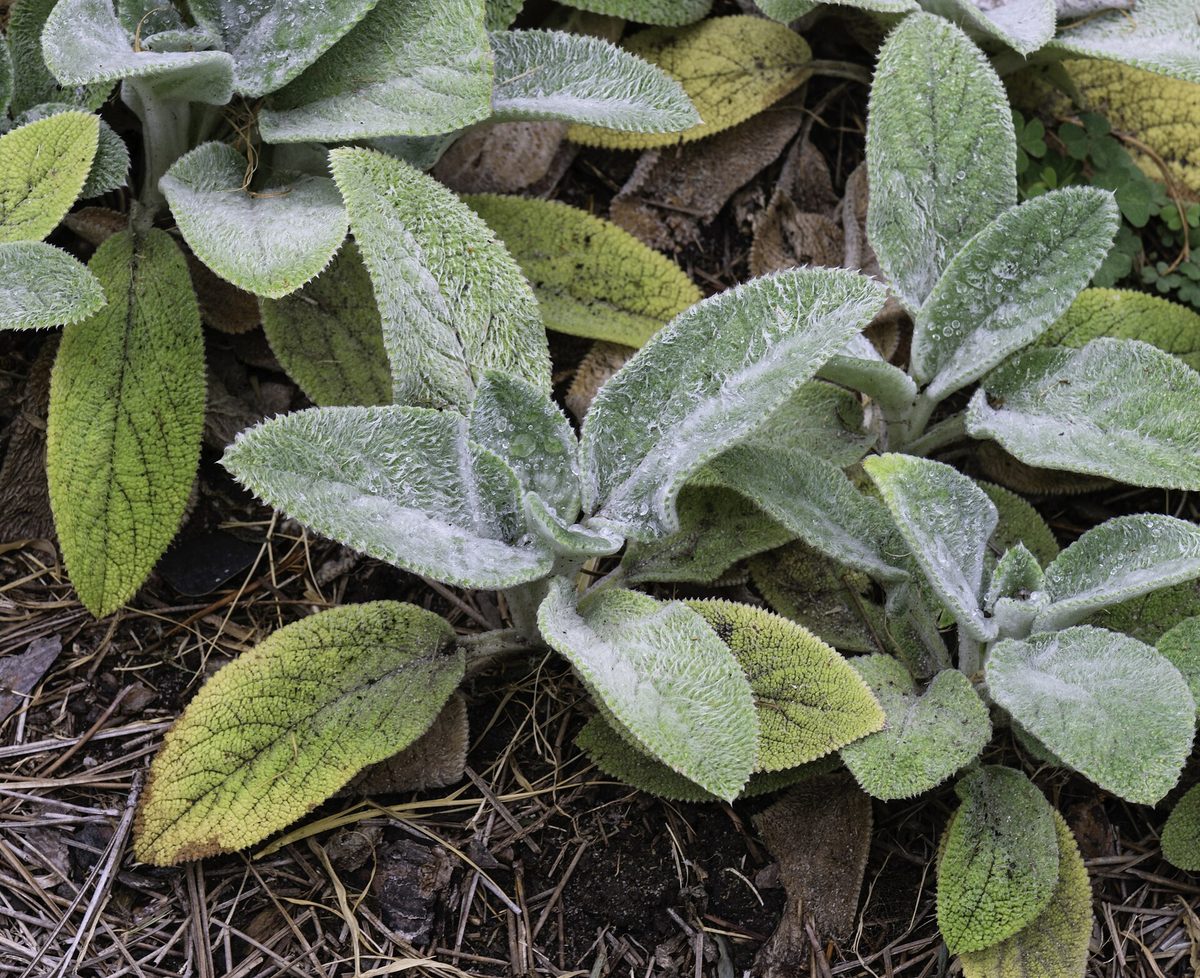
Woolly Hedgenettle
Stachys byzantina
Zones 4a–9b · 1–1.5 ft (0.3–0.46 m) · Full sun and part shade (full sun preferred)
-
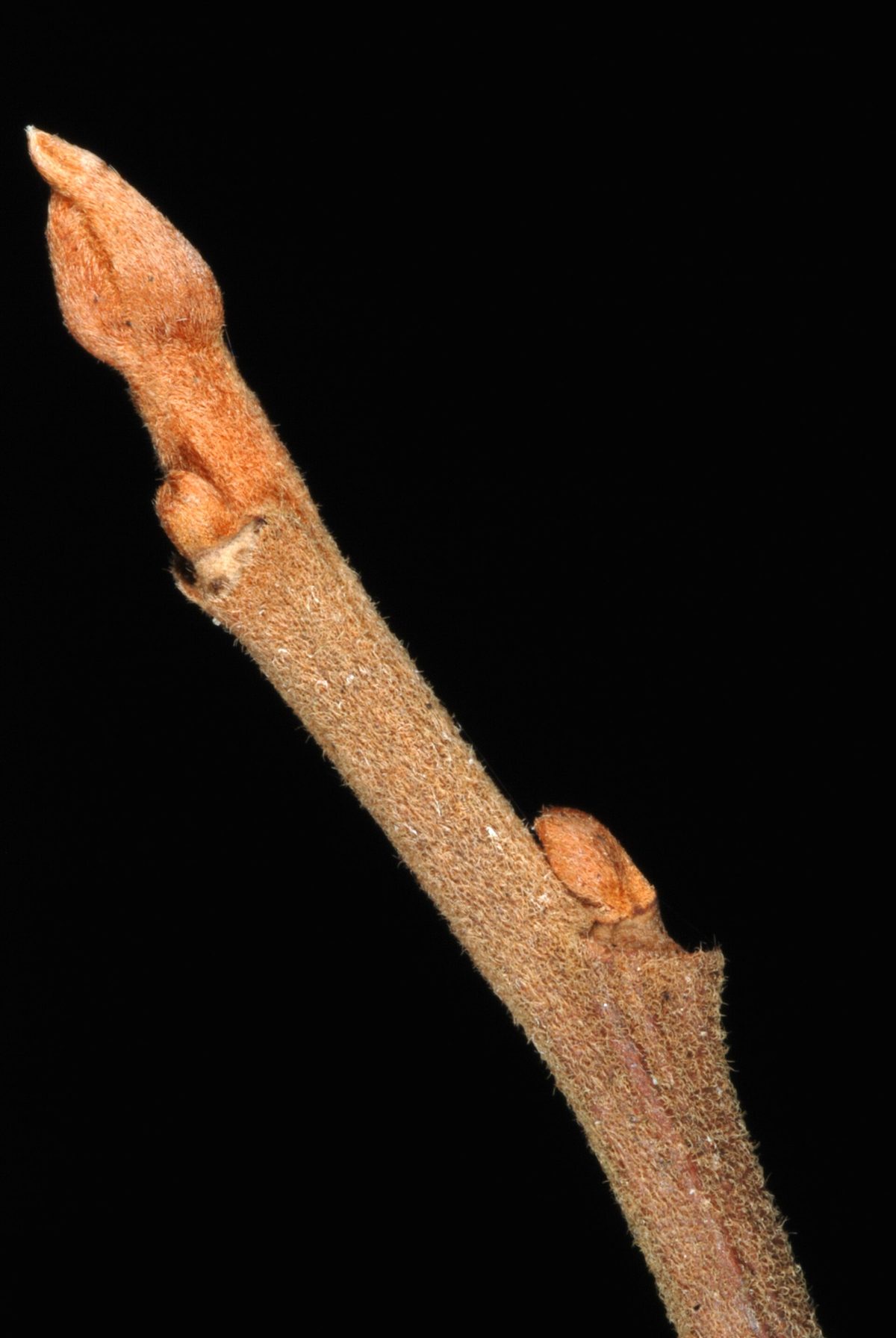
Atlantic Poison Oak
Toxicodendron pubescens
Zones 5a–9b · 2–4 ft (0.61–1.22 m) · Full sun and part shade (full sun preferred)
-
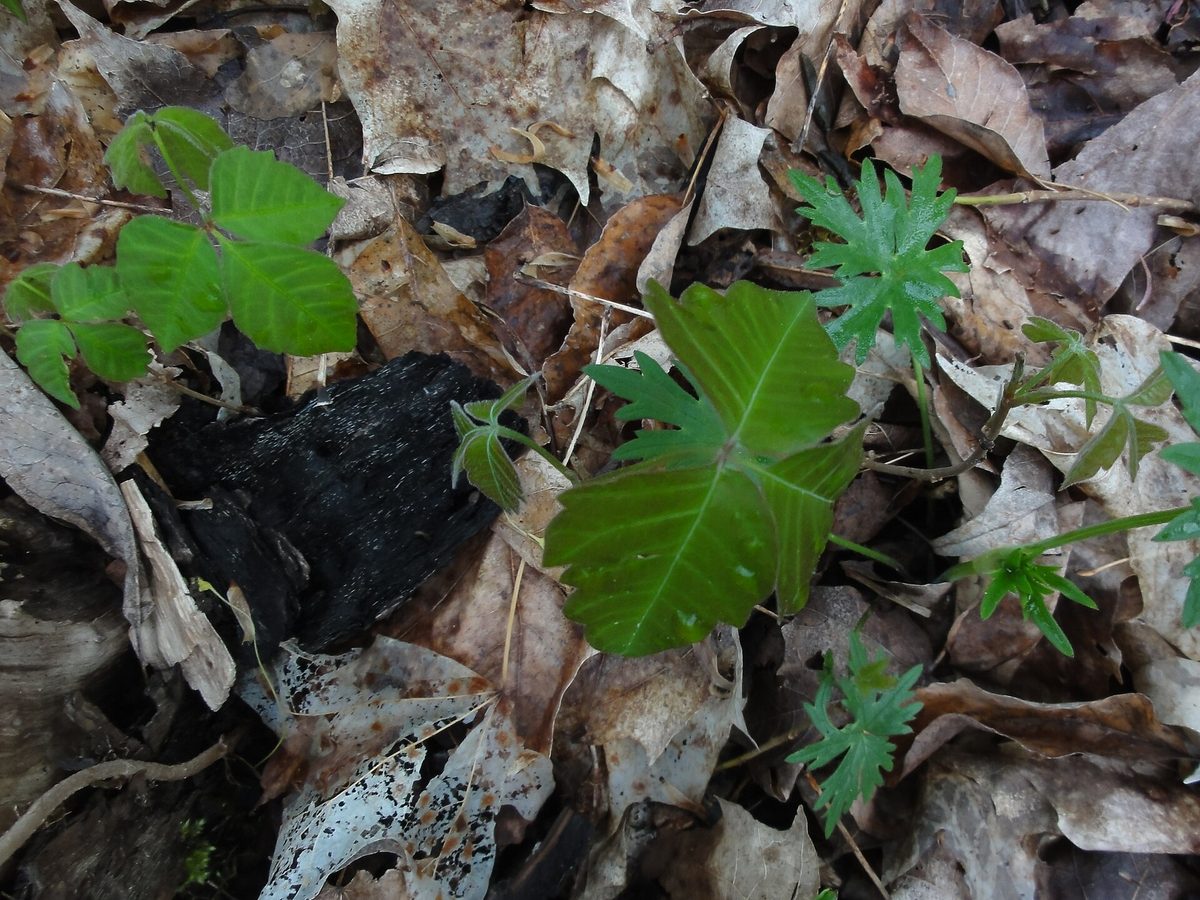
Eastern Poison Ivy
Toxicodendron radicans
Zones 4a–10b · 1–150 ft (0.3–45.72 m) · Full sun, part shade and full shade (full sun preferred)
-
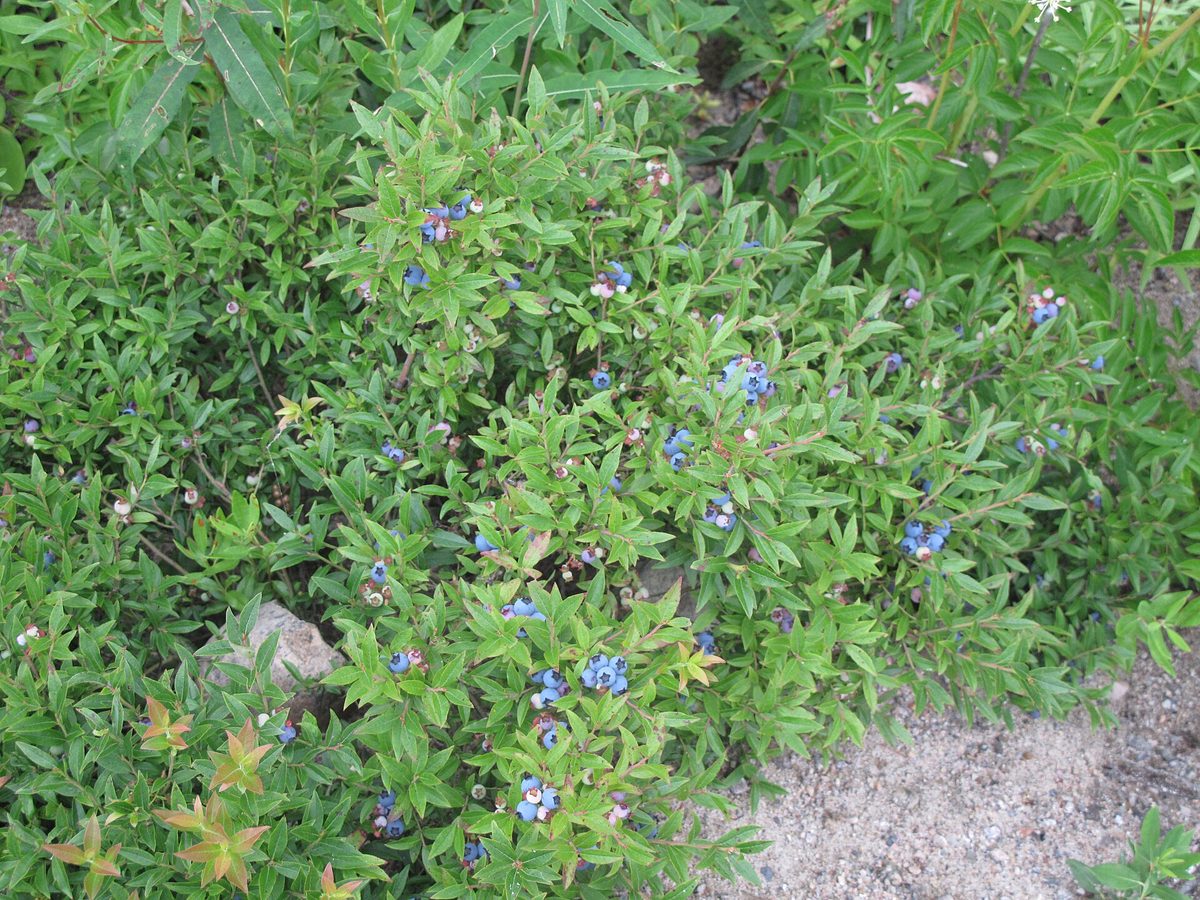
Lowbush Blueberry
Vaccinium angustifolium
Zones 2a–8b · 0.5–2 ft (0.15–0.61 m) · Full sun, part shade and full shade (full sun preferred)
-
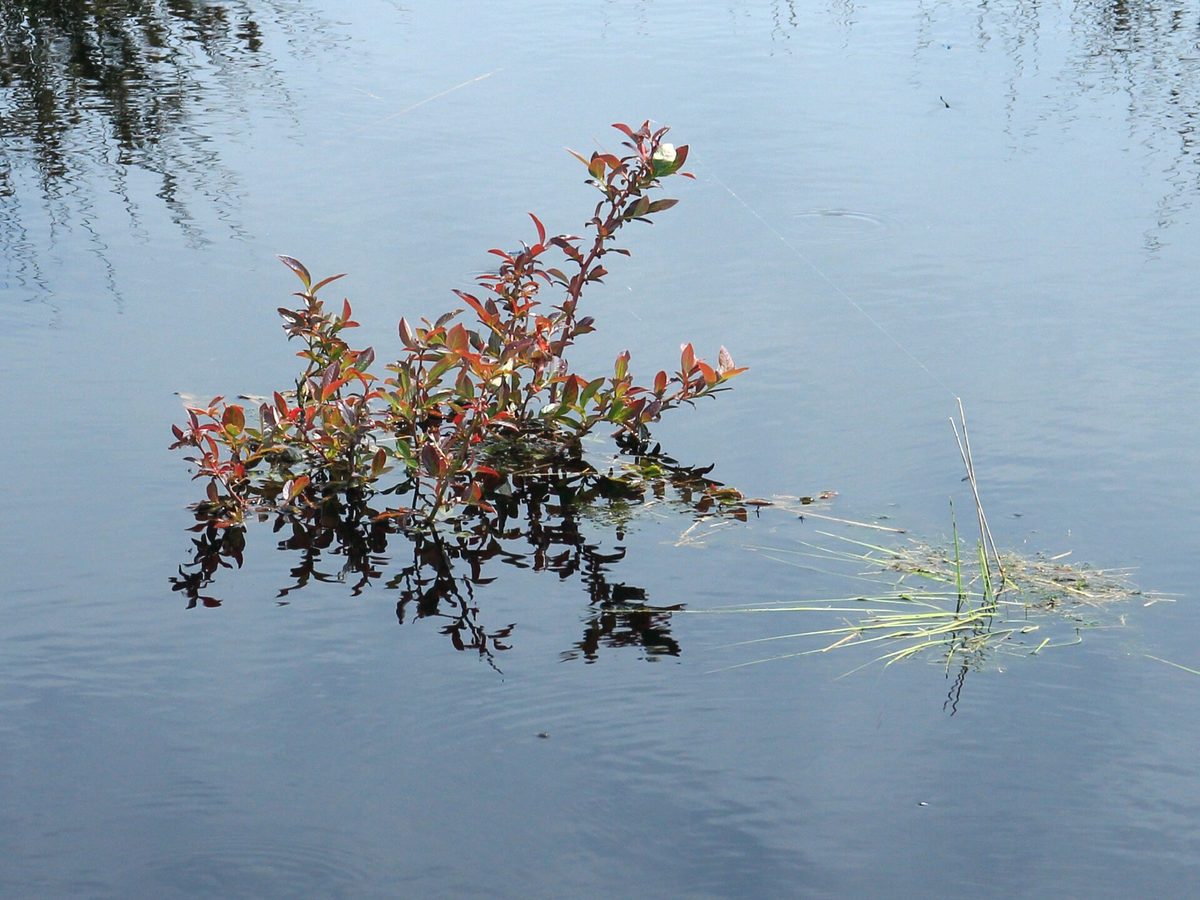
Highbush Blueberry
Vaccinium corymbosum
Zones 3a–8b · 6–12 ft (1.83–3.66 m) · Full sun and part shade (full sun preferred)
-
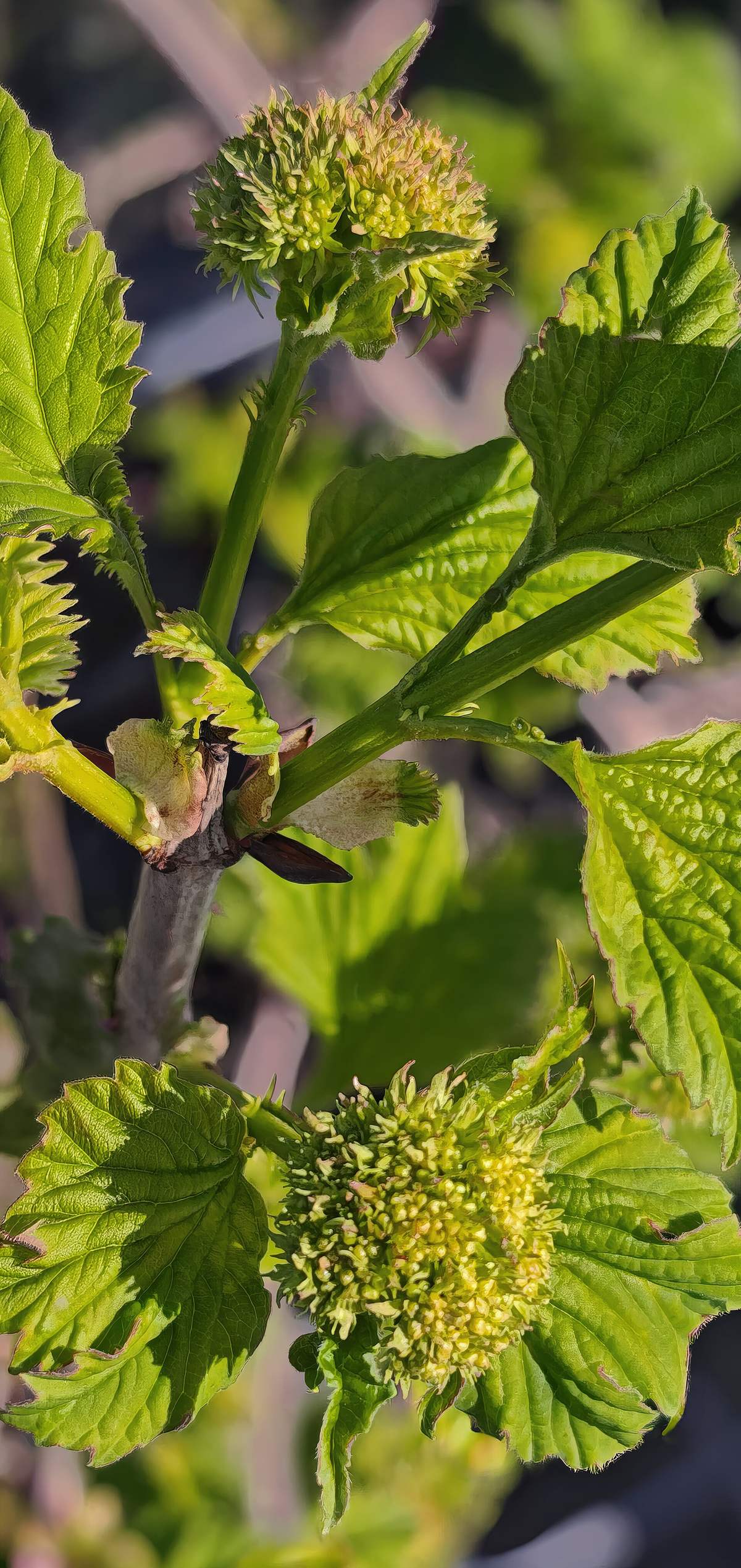
European Cranberrybush
Viburnum opulus
Zones 2a–8b · 10–16 ft (3.05–4.88 m) · Full sun and part shade (full sun preferred)
-
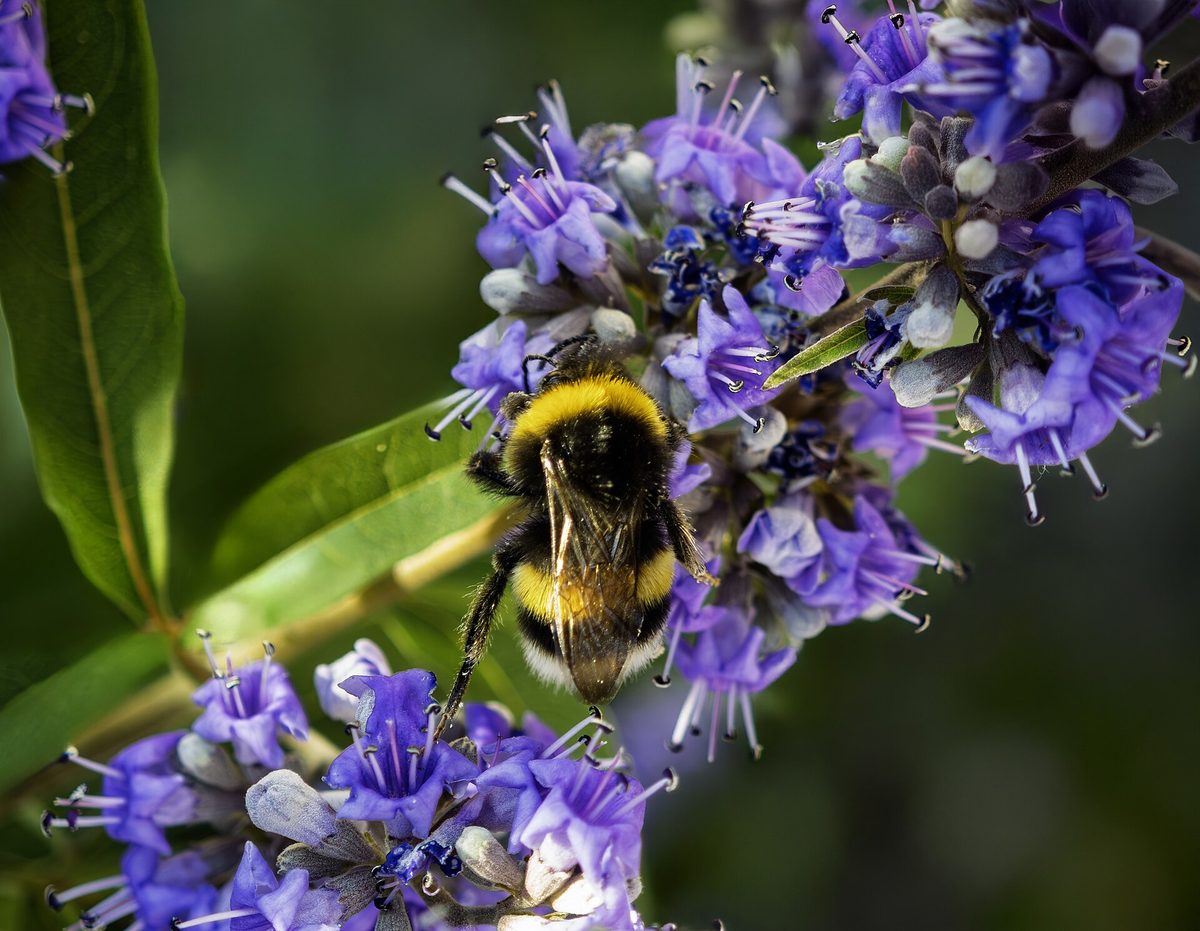
Lilac Chastetree
Vitex agnus-castus
Zones 7a–8b · 8–20 ft (2.44–6.1 m) · Full sun and part shade (full sun preferred)
-
How we chose
A shrub, and hardy through at least zone 8a according to the cited sources
Photo credits
- Silktree photo by Wikimedia Commons contributor, CC BY-SA 4.0 via Wikimedia Commons
- Lemon Beebrush photo by H. Zell, CC BY-SA 3.0 via Wikimedia Commons
- Strawberry Tree photo by Roger Culos, CC BY-SA 4.0 via Wikimedia Commons
- Black Chokeberry photo by Wikimedia Commons contributor, CC BY-SA 4.0 via Wikimedia Commons
- Pawpaw photo by Plant Image Library from Boston, USA, CC BY-SA 2.0 via Wikimedia Commons
- Hollyleaved Barberry photo by Jason Hollinger, CC BY 2.0 via Wikimedia Commons
- Japanese Barberry photo by Famartin, CC BY-SA 4.0 via Wikimedia Commons
- Angel's-tears photo by Asit K. Ghosh Thaumaturgist, CC BY-SA 3.0 via Wikimedia Commons
- Orange Eye Butterflybush photo by Wikimedia Commons contributor, CC BY-SA 3.0 via Wikimedia Commons
- Boxwood photo by Didier Descouens, CC BY-SA 4.0 via Wikimedia Commons
- American Beautyberry photo by Bailey Duncan, CC BY-SA 4.0 via Wikimedia Commons
- Camellia photo by PumpkinSky, CC BY-SA 3.0 via Wikimedia Commons
- Tea photo by Wikimedia Commons contributor, CC BY-SA 4.0 via Wikimedia Commons
- Luckynut photo by Wikimedia Commons contributor, CC BY-SA 4.0 via Wikimedia Commons
- Common Buttonbush photo by Wikimedia Commons contributor, CC BY-SA 4.0 via Wikimedia Commons
- Judas-tree photo by Eiku, CC BY-SA 4.0 via Wikimedia Commons
- Flowering Dogwood photo by Plant Image Library from Boston, USA, CC BY-SA 2.0 via Wikimedia Commons
- Common Filbert photo by Hladac, CC BY-SA 4.0 via Wikimedia Commons
- European Smoketree photo by Didier Descouens, CC BY-SA 4.0 via Wikimedia Commons
- Sweetwilliam photo by Sabina Bajracharya, CC BY-SA 4.0 via Wikimedia Commons
- Carnation photo by Didier Descouens, CC BY-SA 4.0 via Wikimedia Commons
- Autumn Olive photo by R. A. Nonenmacher, CC BY-SA 4.0 via Wikimedia Commons
- Burningbush photo by USDA Natural Resources Conservation Service (NRCS), Public domain via Wikimedia Commons
- Winter Creeper photo by The Cosmonaut, CC BY-SA 2.5 via Wikimedia Commons
- Japanese Spindletree photo by Abdul Hanif Arromy, CC BY 4.0 via Wikimedia Commons
- Paperplant photo by Fernando Losada Rodríguez, CC BY-SA 4.0 via Wikimedia Commons
- Cape Jasmine photo by 阿橋 HQ, CC BY-SA 2.0 via Wikimedia Commons
- Salal photo by Trougnouf, CC BY 4.0 via Wikimedia Commons
- Rose of Sharon photo by Chrumps, CC BY-SA 2.5 via Wikimedia Commons
- Wild Hydrangea photo by Wikimedia Commons contributor, CC BY-SA 4.0 via Wikimedia Commons
- French Hydrangea photo by Didier Descouens, CC BY-SA 4.0 via Wikimedia Commons
- Panicled Hydrangea photo by Agnes Monkelbaan, CC BY-SA 4.0 via Wikimedia Commons
- Sweet-amber photo by Dominicus Johannes Bergsma., CC BY-SA 4.0 via Wikimedia Commons
- Common St. Johnswort photo by Bff, CC BY-SA 4.0 via Wikimedia Commons
- English Holly photo by Basotxerri, CC BY-SA 4.0 via Wikimedia Commons
- Yaupon photo by PumpkinSky, CC BY-SA 4.0 via Wikimedia Commons
- Mountain Laurel photo by Juliancolton, CC BY-SA 4.0 via Wikimedia Commons
- Crepe Myrtle photo by Jean-Pierre Chéreau & Roger Culos, CC BY-SA 3.0 via Wikimedia Commons
- Lantana photo by Petro Stelte, CC BY-SA 4.0 via Wikimedia Commons
- Creosote Bush photo by Adbar, CC BY-SA 3.0 via Wikimedia Commons
- English Lavender photo by Didier Descouens, CC BY-SA 4.0 via Wikimedia Commons
- Lion's Ear photo by Hatem moushir, CC BY-SA 3.0 via Wikimedia Commons
- Amur Honeysuckle photo by Taken by Fanghong, CC BY 2.5 via Wikimedia Commons
- Creeping Jenny photo by Bff, CC BY-SA 4.0 via Wikimedia Commons
- Myrtle photo by LIGURIAN VASCULAR FLORA, CC BY 2.0 via Wikimedia Commons
- Sweet Osmanthus photo by Forest & Kim Starr, CC BY 3.0 via Wikimedia Commons
- Fraser's Photinia photo by Jules Verne Times Two, CC BY-SA 4.0 via Wikimedia Commons
- Yew Plum Pine photo by Pacific Chillino from Hong Kong, Hong Kong, CC BY-SA 2.0 via Wikimedia Commons
- Portugal Laurel photo by Frank Vincentz, CC BY-SA 3.0 via Wikimedia Commons
- Chinese Rose photo by Didier Descouens, CC BY-SA 4.0 via Wikimedia Commons
- Sweetbriar Rose photo by Dontreya, CC BY-SA 4.0 via Wikimedia Commons
- American Red Raspberry photo by Didier Descouens, CC BY-SA 4.0 via Wikimedia Commons
- Wine Raspberry photo by Frank Vincentz, CC BY-SA 3.0 via Wikimedia Commons
- Salmonberry photo by Alex Abair, CC BY 4.0 via Wikimedia Commons
- Common Rue photo by Jörg Hempel, CC BY-SA 3.0 via Wikimedia Commons
- Kitchen Sage photo by Flocci Nivis, CC BY 4.0 via Wikimedia Commons
- Rosemary photo by Roger Culos, CC BY-SA 4.0 via Wikimedia Commons
- Russian Sage photo by Khanasif36, CC BY-SA 4.0 via Wikimedia Commons
- American Black Elderberry photo by Wikimedia Commons contributor, CC BY-SA 4.0 via Wikimedia Commons
- Climbing Nightshade photo by Gennady Grachev from Moscow, Russia, CC BY 2.0 via Wikimedia Commons
- Japanese Meadowsweet photo by Аимаина хикари, CC BY-SA 4.0 via Wikimedia Commons
- Woolly Hedgenettle photo by PumpkinSky, CC BY-SA 4.0 via Wikimedia Commons
- Atlantic Poison Oak photo by DouglasGoldman, CC BY-SA 4.0 via Wikimedia Commons
- Eastern Poison Ivy photo by R. A. Nonenmacher, CC BY-SA 4.0 via Wikimedia Commons
- Lowbush Blueberry photo by Wikimedia Commons contributor, CC BY-SA 4.0 via Wikimedia Commons
- Highbush Blueberry photo by Dominicus Johannes Bergsma, CC BY-SA 3.0 via Wikimedia Commons
- European Cranberrybush photo by Didier Descouens, CC BY-SA 4.0 via Wikimedia Commons
- Lilac Chastetree photo by Didier Descouens, CC BY-SA 4.0 via Wikimedia Commons
- Withania photo by botaneek, CC BY-SA 4.0 via Wikimedia Commons


How this page was made
- Written with AI assistance from the sources listed on this page. AI is never the source of a fact.