Loblolly Pine (Pinus taeda)
Formerly Pinus lutea, Pinus mughoides, Pinus taeda var. mughoides
Give loblolly pine full sun outdoors. It needs at least six hours of direct light a day. Keep its soil wet rather than dry. It also grows in soil that ranges from well drained to poorly drained or occasionally wet. This pine has a rapid growth rate. It survives outdoors in USDA zones 6a through 9b. No cited source lists its toxicity to cats or dogs.
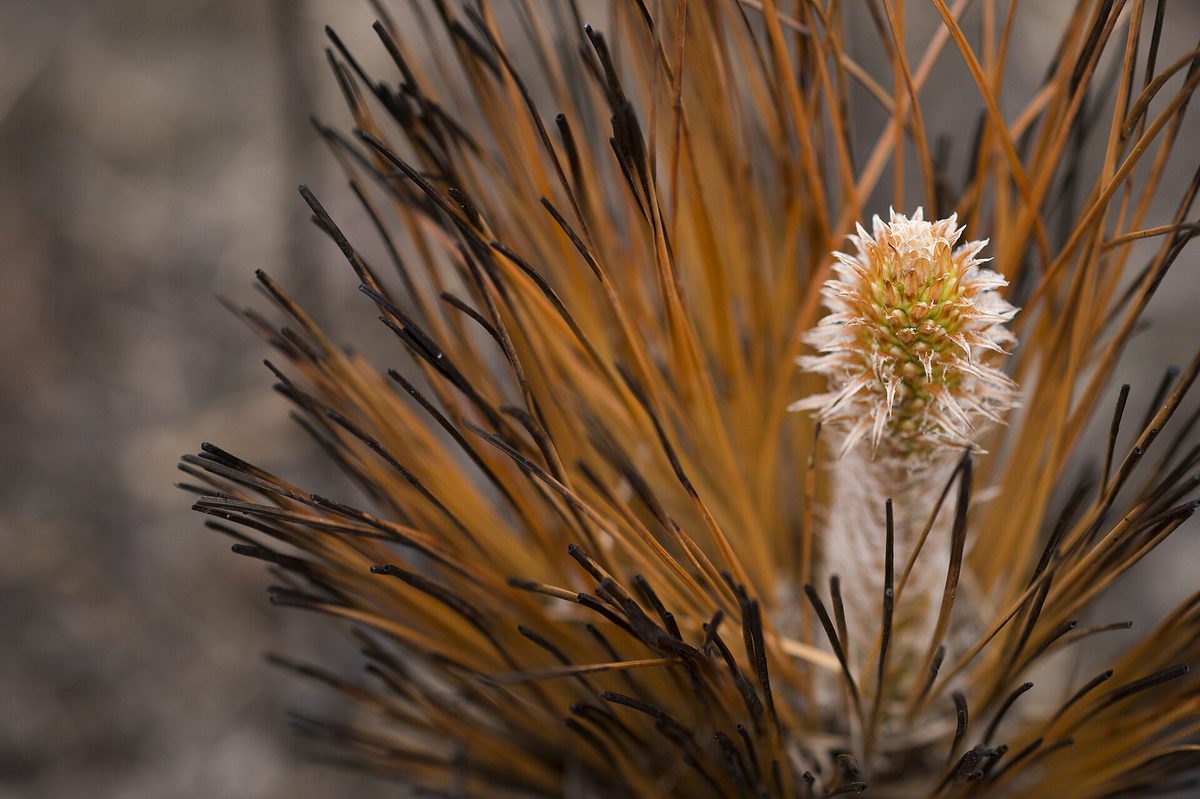
Photo: USDAgov, Public domain via Wikimedia Commons

Quick facts
| Light: | Full sun11 source |
|---|---|
| Water: | Wet21 source |
| Soil: | Well drained, moist, occasionally dry, occasionally wet and poorly drained11 source |
| Hardiness: | Zones 6a–9b11 source |
| Size: | 60–90 ft (18.29–27.43 m) × 20–40 ft (6.1–12.19 m)11 source |
| Growth rate: | Rapid11 source |
| Bloom: | Feb–Mar, Yellow and brown21 source |
| Cats: | Not documented by major sources |
| Dogs: | Not documented by major sources |
| Family: | Pinaceae |
How much light does a Loblolly Pine need?
When outdoors, loblolly pine needs full sun, which the source defines as six or more hours of direct sunlight each day overall. A planting location that provides fewer than six hours of direct sunlight each day does not meet the full-sun condition this species needs outdoors year-round.
- Light: Full sun1
How often to water a Loblolly Pine
Loblolly pine has a high water need and grows best in soil that stays wet outdoors. This puts the species at the wet end of the water-use scale, favoring moisture over a dry site. It also tolerates soil described as well drained, moist, occasionally dry, occasionally wet, or poorly drained.
- Water: Wet2
Best soil for a Loblolly Pine
Outdoors, loblolly pine tolerates soil with good drainage. Moist soil also suits this species. So does soil that turns occasionally dry. The same goes for soil that is occasionally wet. Even soil that drains poorly is within its range. Taken together, this covers soil from fast draining to slow draining conditions. No cited source gives a preferred soil pH range for this species.
- Soil drainage: Well drained, moist, occasionally dry, occasionally wet and poorly drained1
Hardiness and temperature
Loblolly pine survives outdoors in USDA hardiness zones 6a through 9b. Zone 6a marks the coldest winters this pine is documented to handle, and zone 9b marks the warmest. Outside that zone range, no cited source documents how this pine performs in colder or warmer conditions outdoors.
- Hardiness: Zones 6a–9b1
How to plant a Loblolly Pine
Plant loblolly pine outdoors in USDA zones 6a through 9b, where winters are mild enough for it to survive long term. Give it room to reach its mature spread of 20-40 ft (6.1-12.19 m) when choosing a planting spot. It also grows tall, reaching a mature height of 60-90 ft (18.29-27.43 m). Pick a spot that gets at least six hours of direct sun each day, since this species needs full sun outdoors.
- Hardiness: Zones 6a–9b1
Winter care
In USDA zones 6a through 9b, loblolly pine is hardy enough to stay outdoors through winter. In colder zones than that, winter temperatures are likely more than this species is documented to handle outdoors. At the warm end of that range, zone 9b, winters are mild enough for this pine to stay outdoors year-round.
- Hardiness: Zones 6a–9b1
How to propagate a Loblolly Pine
Seed propagation is the only method the source documents for loblolly pine; it does not record cuttings, division, or any other propagation technique. To propagate it this way, sow seed that is fresh and untreated, placing it directly in the ground outdoors in late fall of each year.
- Propagation: Seed2
Common problems
Outdoors, loblolly pine is susceptible to pine bark beetles and tip moth. It is also susceptible to two diseases, fusiform rust and butt rot. Among these, fusiform rust is reported as most severe on Pinus elliottii and on loblolly pine itself.
| Problem | Kind |
|---|---|
| Pine bark beetles | Pest |
| Tip moth | Pest |
| Fusiform rust | Disease |
| Butt rot | Disease |
Is Loblolly Pine toxic to cats and dogs?
Recommended supplies
- Soil: a free-draining mix, and a pot with a drainage hole.
Questions and answers
- How fast does loblolly pine grow?
- Loblolly pine has a rapid growth rate, and the source notes it as the fastest growing of all pine species. It can reach a mature height of 60-90 ft (18.29-27.43 m) outdoors.
- What soil does loblolly pine need?
- Loblolly pine tolerates soil with good drainage, soil that stays moist, soil that is occasionally dry, occasionally wet, or that drains poorly. It also has a high water need, preferring soil that stays wet over a dry site.
- When should you sow loblolly pine seed?
- The source recommends sowing fresh, untreated loblolly pine seed outdoors in late fall. This is the only propagation method the source documents for this species.
Sources
- NC State Extension Gardener Plant Toolbox. https://plants.ces.ncsu.edu/plants/pinus-taeda/. Accessed 16 November 2026.
- Lady Bird Johnson Wildflower Center (Native Plant Database). https://www.wildflower.org/plants/result.php?id_plant=PITA. Accessed 16 November 2026.
- Clemson Cooperative Extension Home & Garden Information Center. https://hgic.clemson.edu/factsheet/pine/. Accessed 16 November 2026.
- EPPO Global Database. https://gd.eppo.int/taxon/PIUTD/pests. Accessed 16 November 2026.
How this page was made
- Written with AI assistance from the sources listed on this page. AI is never the source of a fact.