Annuals
An annual plant completes its whole life cycle in a single growing season: it germinates, grows, flowers, sets seed, and dies before winter. This list gathers plants that share that one trait, even though their uses in a garden differ widely. You will find flowers grown for color, such as marigolds and cosmos. The list also holds vegetables like cucumbers and squash, and herbs like dill and parsley. Others are plants most gardeners first meet as volunteers near a fence line or in disturbed ground. Some on this list are grown on purpose; others show up uninvited and are worth knowing by name for that reason alone. What puts a plant on this list is its life cycle, not its popularity or its place in a flower border. A plant counts as an annual here if it finishes germinating, flowering, and setting seed within one growing season, then dies back completely. That single rule covers a cottage-garden flower and a roadside weed the same way, so you will see both kinds of plant side by side. This list is not ranked, and it is not a record of every annual a gardener might encounter. More plants are added as their own growing guides are finished, so a plant missing today may appear later. Each name links to its own page, with details on planting, light, water, and whether the plant carries any risk to cats or dogs. Use the list below to find a specific plant by name. Read on for a short guide to telling these plants apart by how you plan to grow them.
Most-read plants here
-
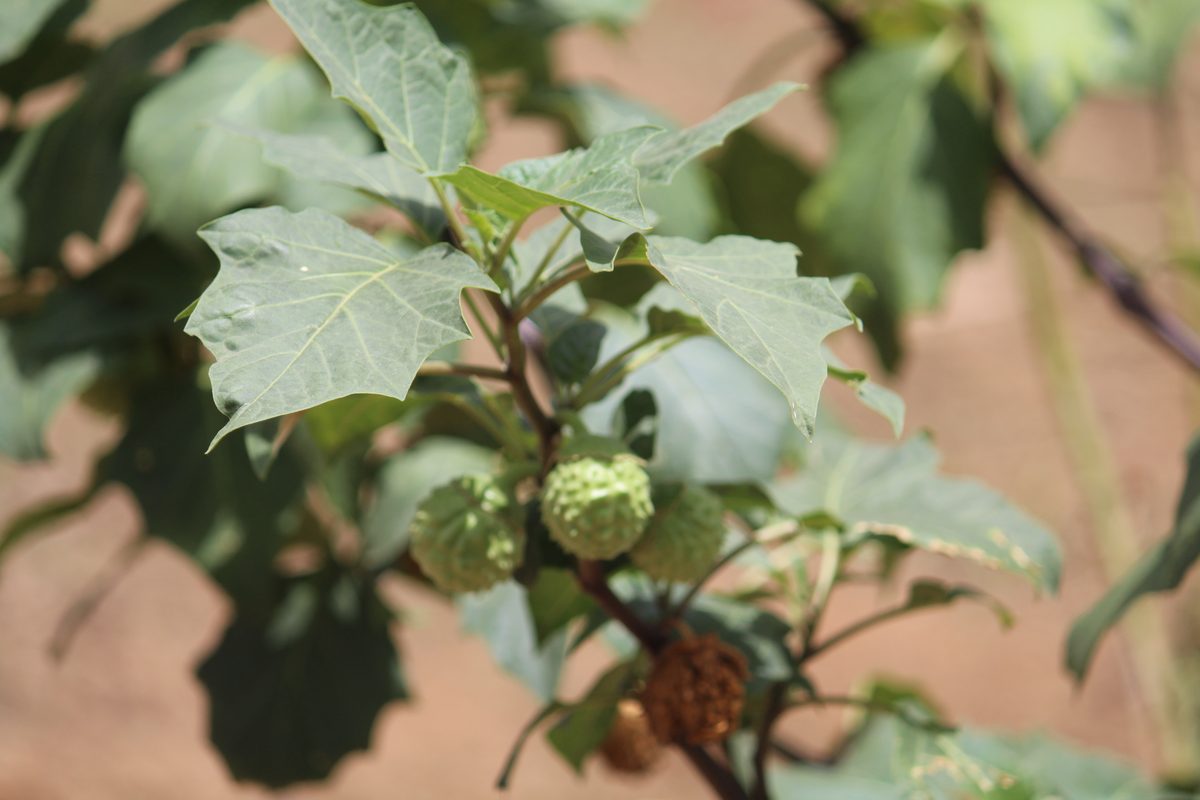
Jimsonweed
Datura stramonium
Full sun and part shade (full sun preferred) · Zones 7a–9b · 1.7–4 ft (0.53–1.22 m)
-
-
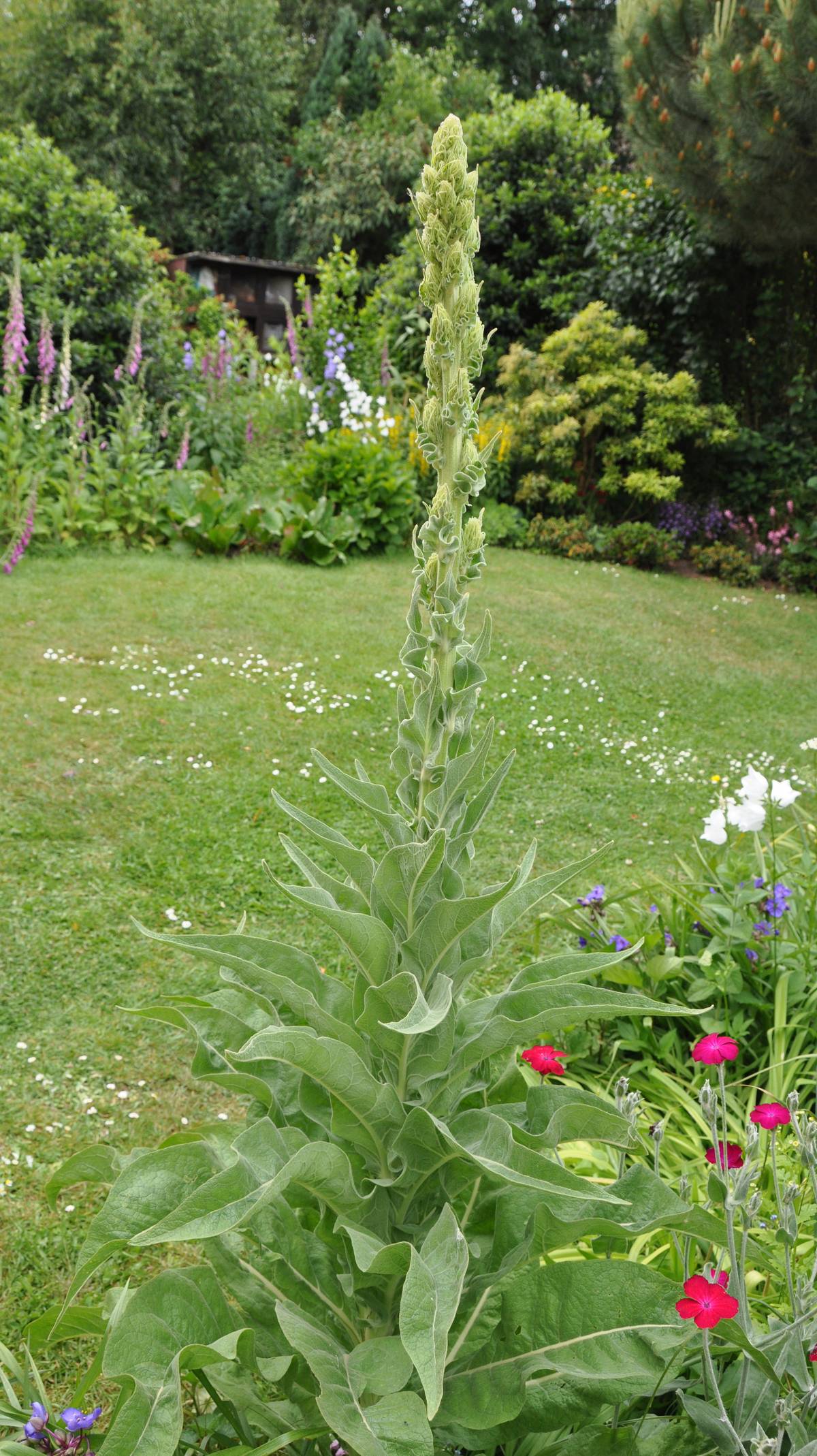
Common Mullein
Verbascum thapsus
Full sun and part shade (full sun preferred) · Zones 3a–9b · 3–10 ft (0.91–3.05 m)
-
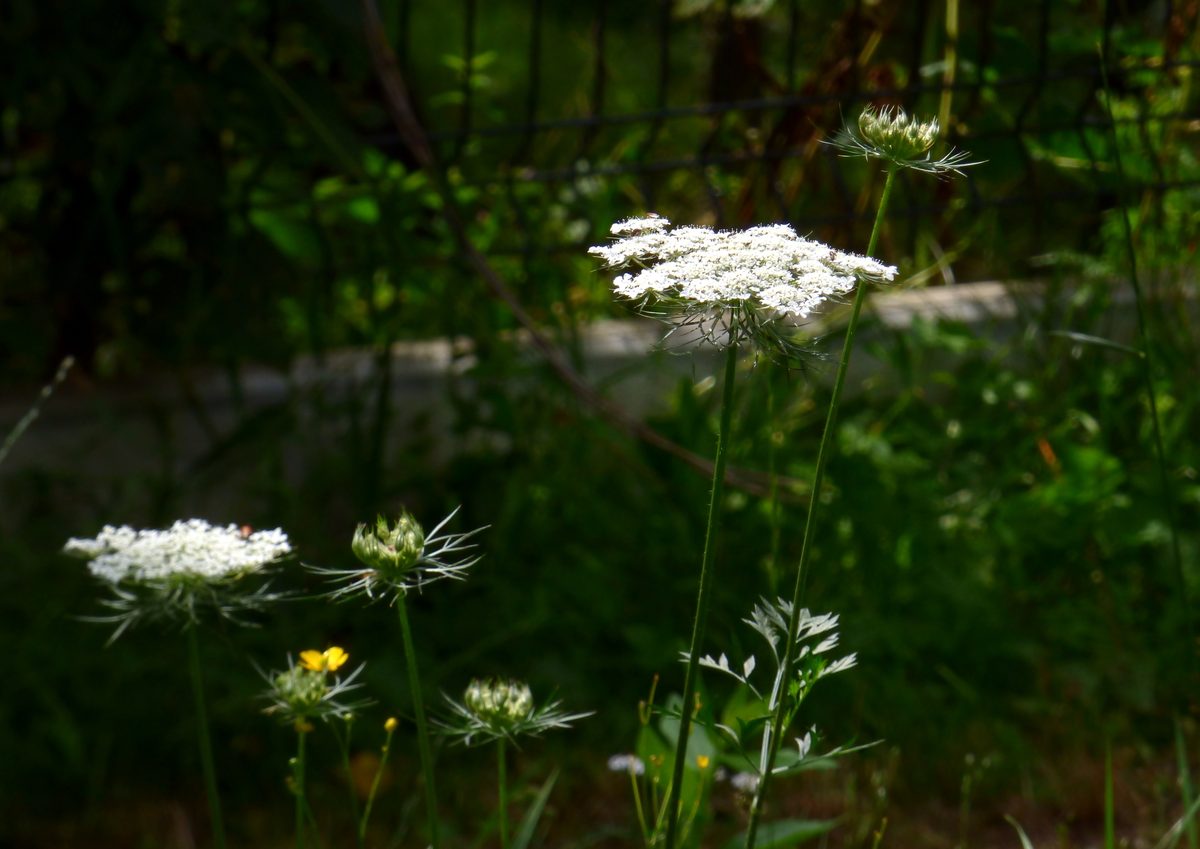
Queen Anne's Lace
Daucus carota
Full sun and part shade (full sun preferred) · Zones 4a–11b · 2–4 ft (0.61–1.22 m)
-
-
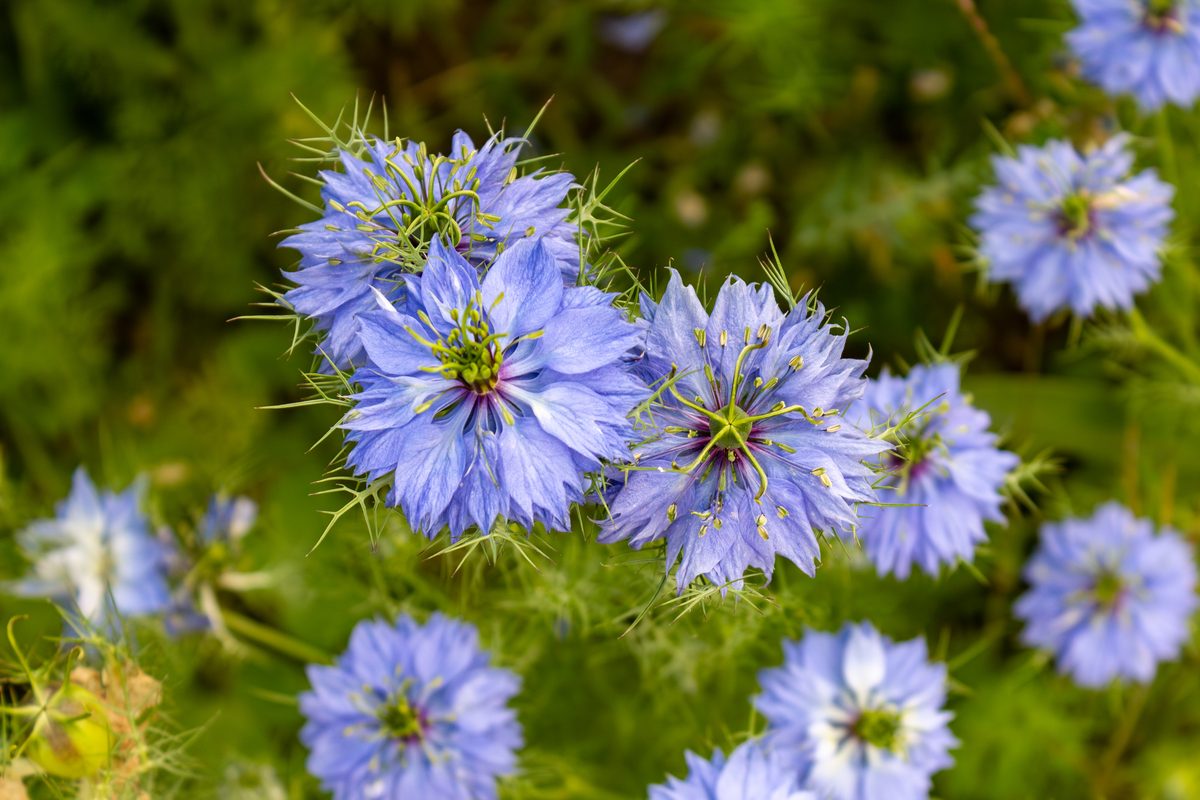
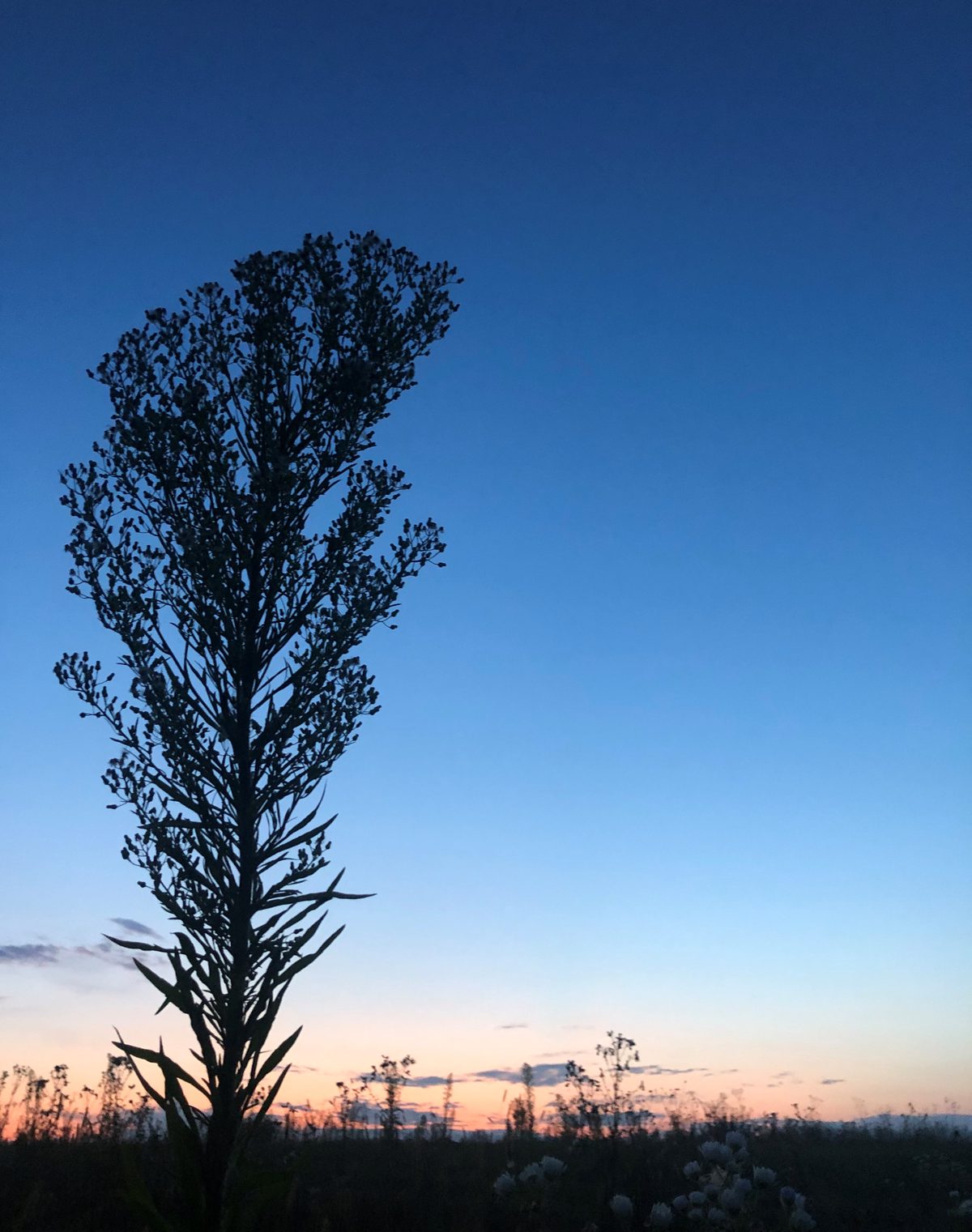
Black Cumin
Nigella sativa
-
-
-
-
Blackeyed Susan
Rudbeckia hirta
Full sun and part shade (full sun preferred) · Zones 3a–8b · 2–3 ft (0.61–0.91 m)
-
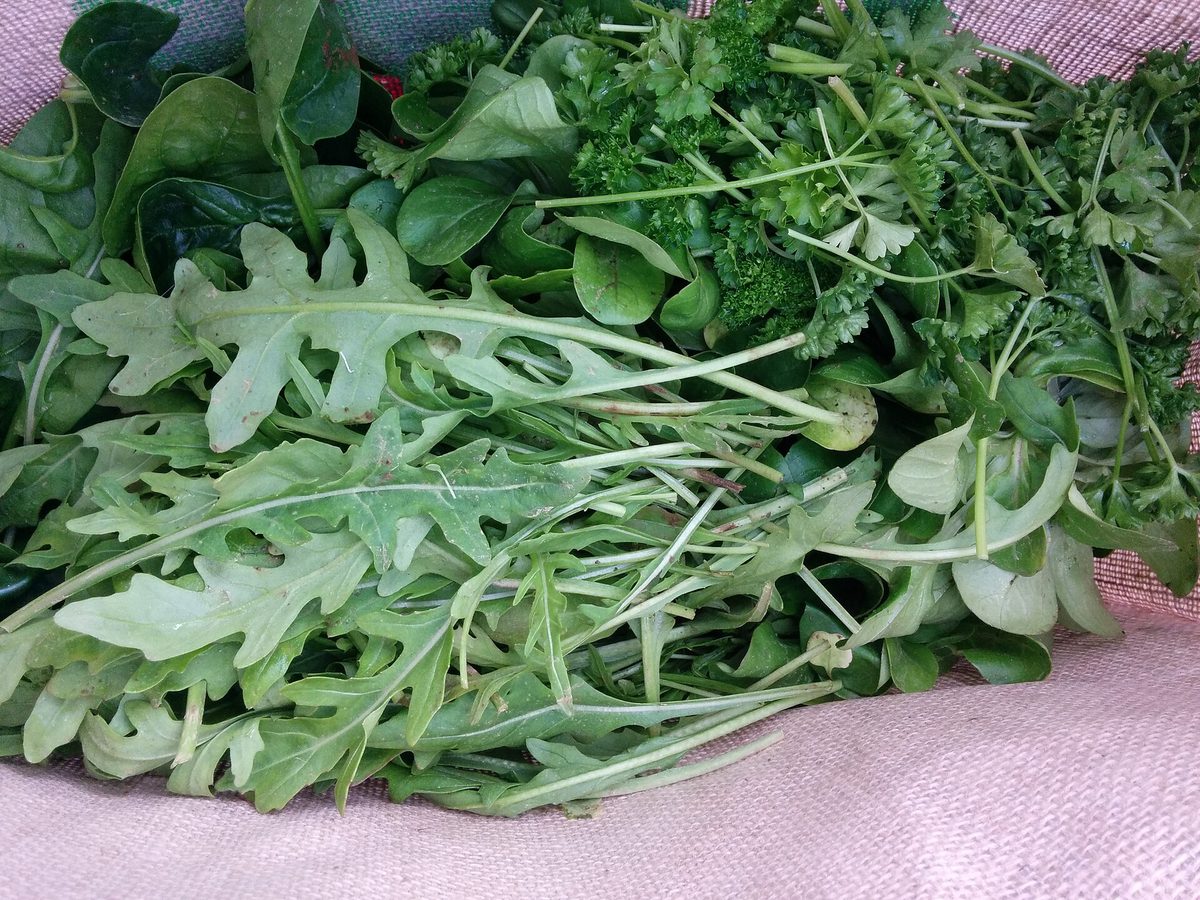
Rocketsalad
Eruca sativa
Full sun and part shade (full sun preferred) · Zones 2a–11b · 2–3 ft (0.61–0.91 m)
-
-
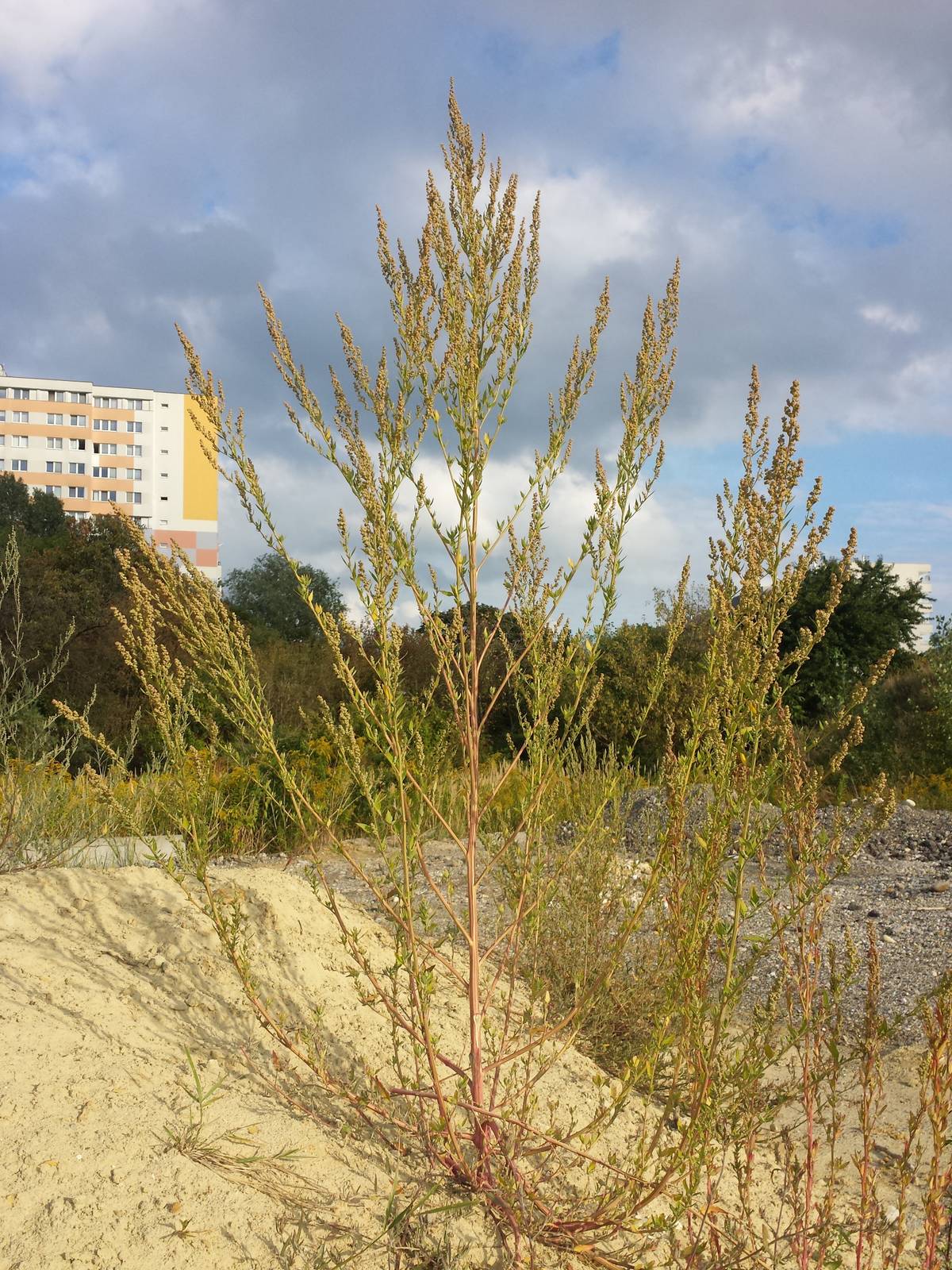
-
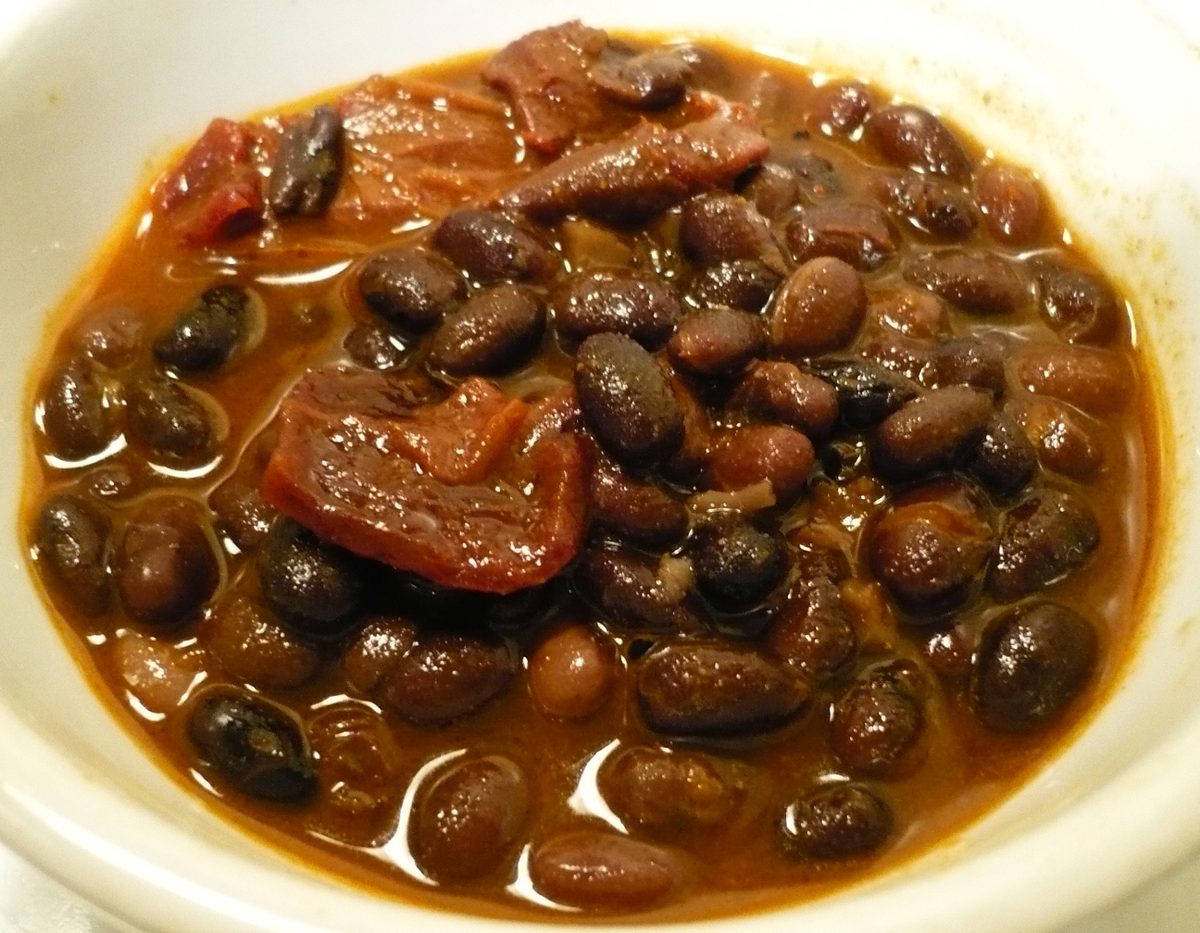
-
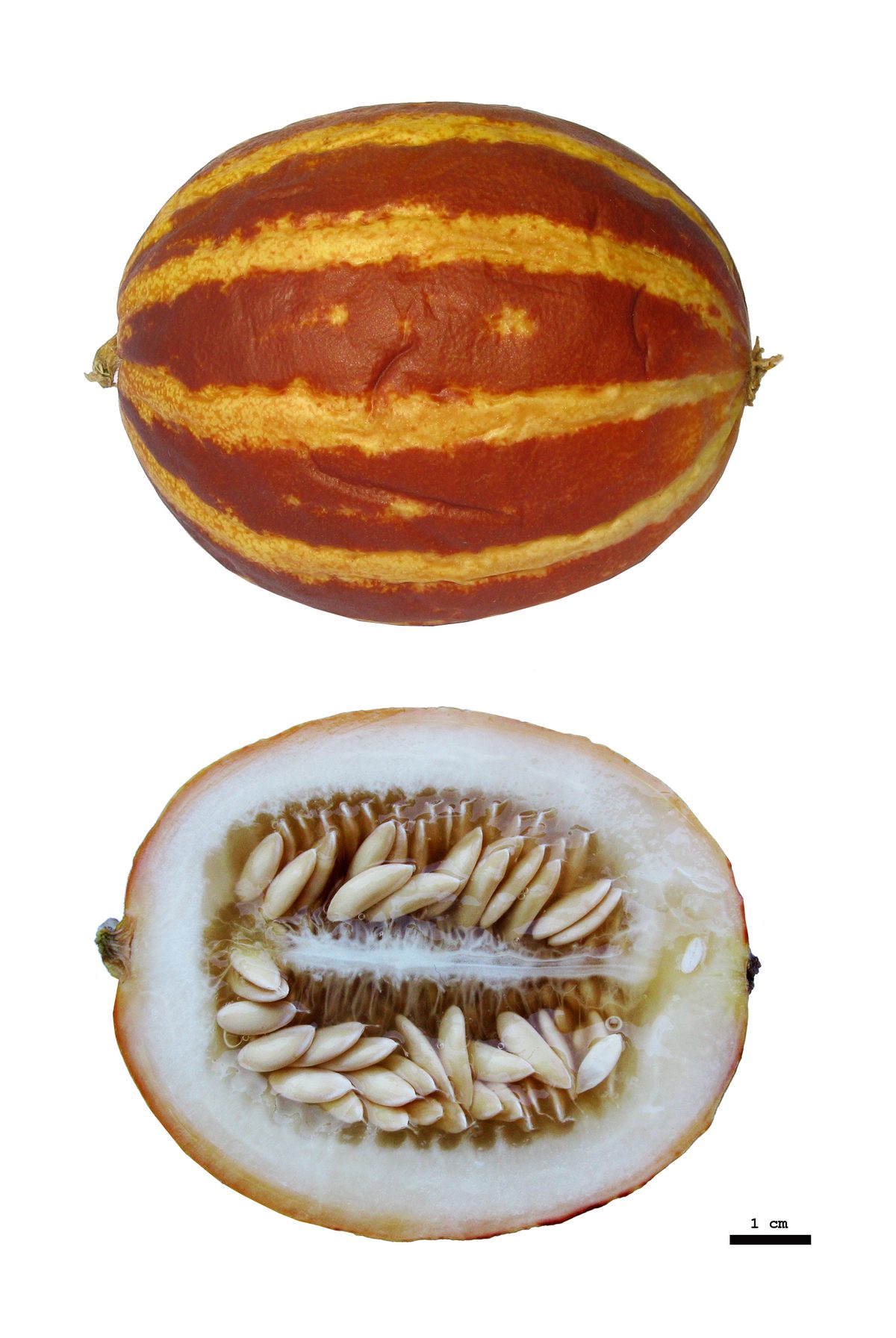
-
American Burnweed
Erechtites hieraciifolius
Full sun · 8–10 ft (2.44–3.05 m)
-
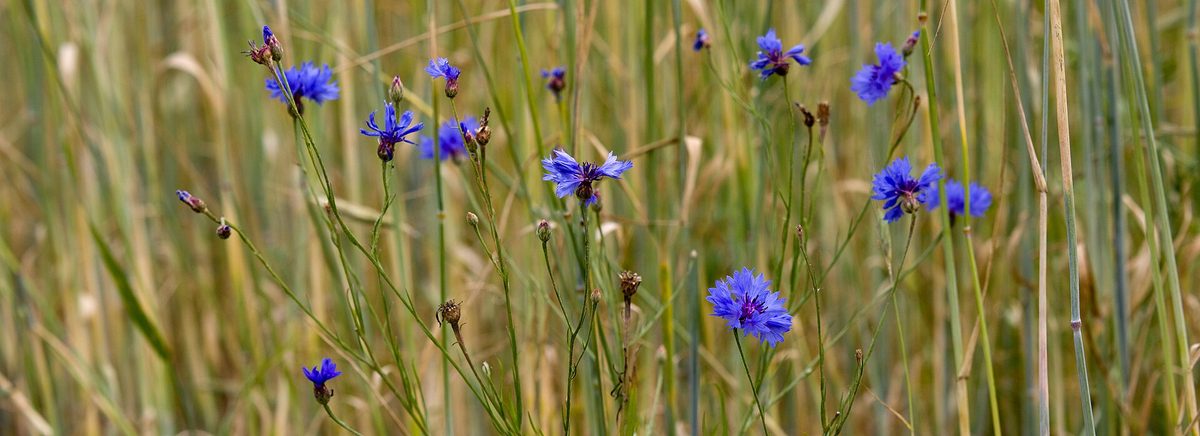
Garden Cornflower
Centaurea cyanus
Full sun and part shade (full sun preferred) · Zones 2a–11b · 1–3 ft (0.3–0.91 m)
-
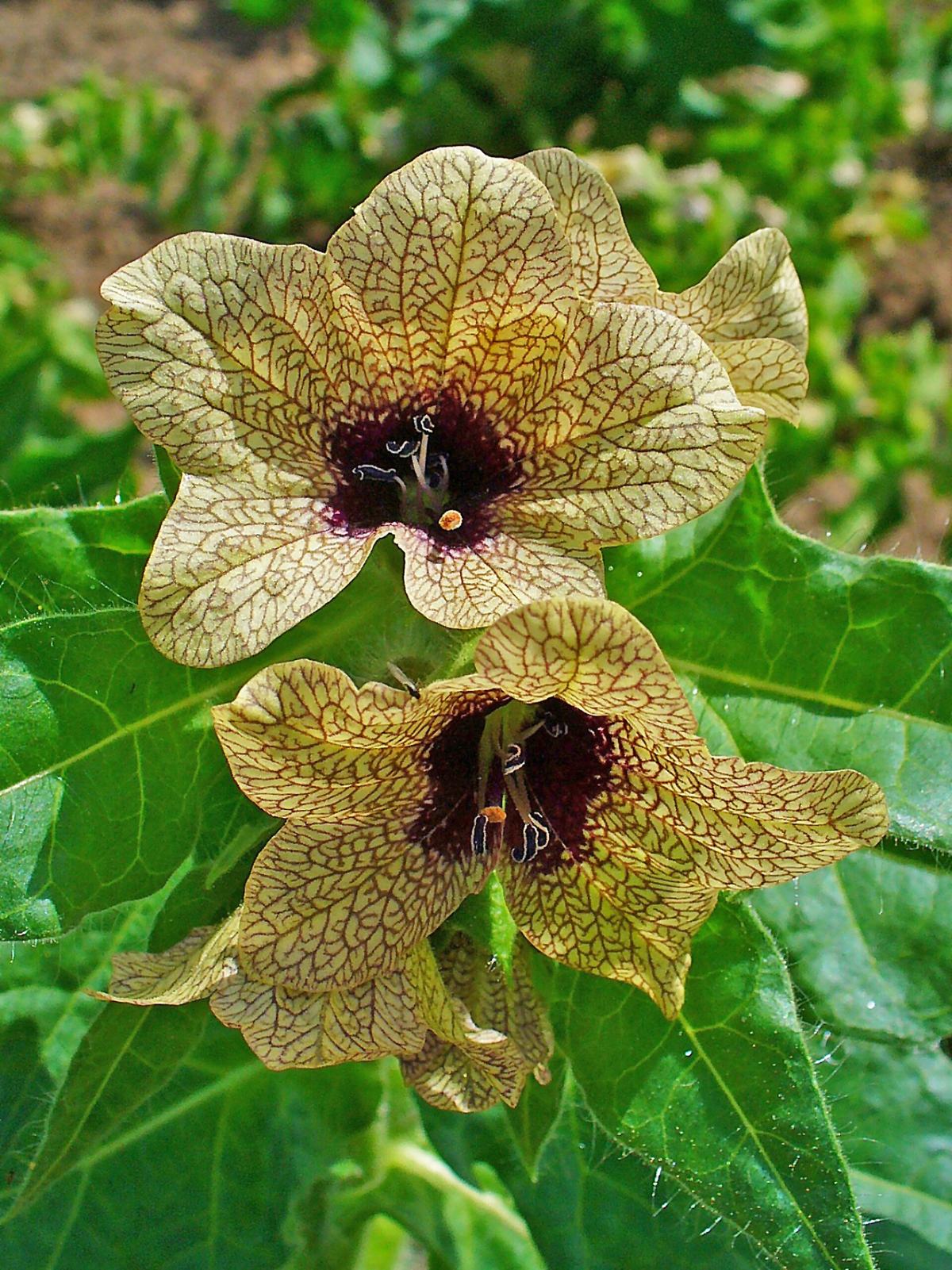
Black Henbane
Hyoscyamus niger
Part shade and full shade (part shade preferred) · Zones 4a–8b · 3 ft (0.91 m)
-
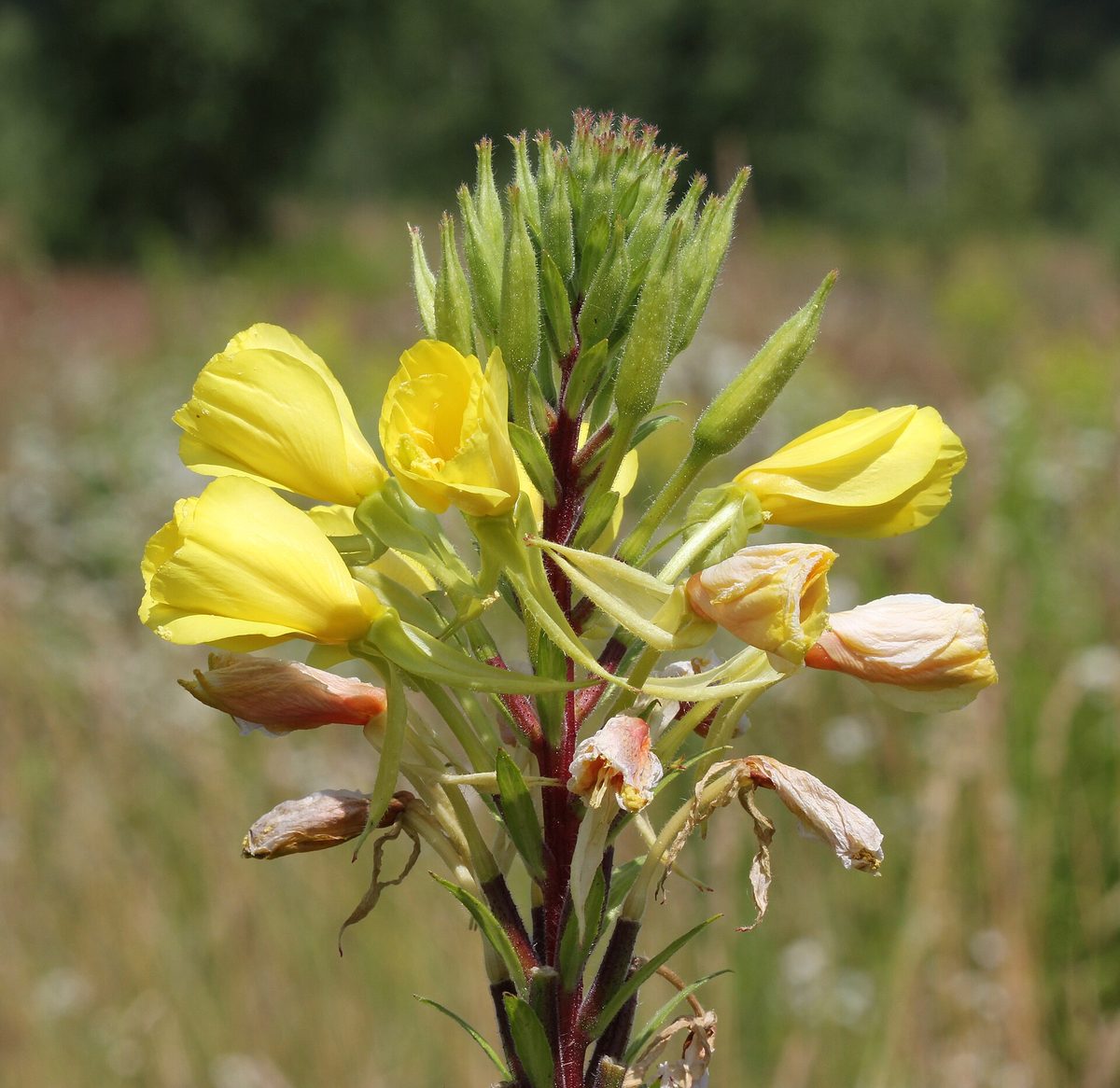
Common Evening Primrose
Oenothera biennis
Full sun, part shade and full shade (full sun preferred) · Zones 4a–9b · 2–6 ft (0.61–1.83 m)
-
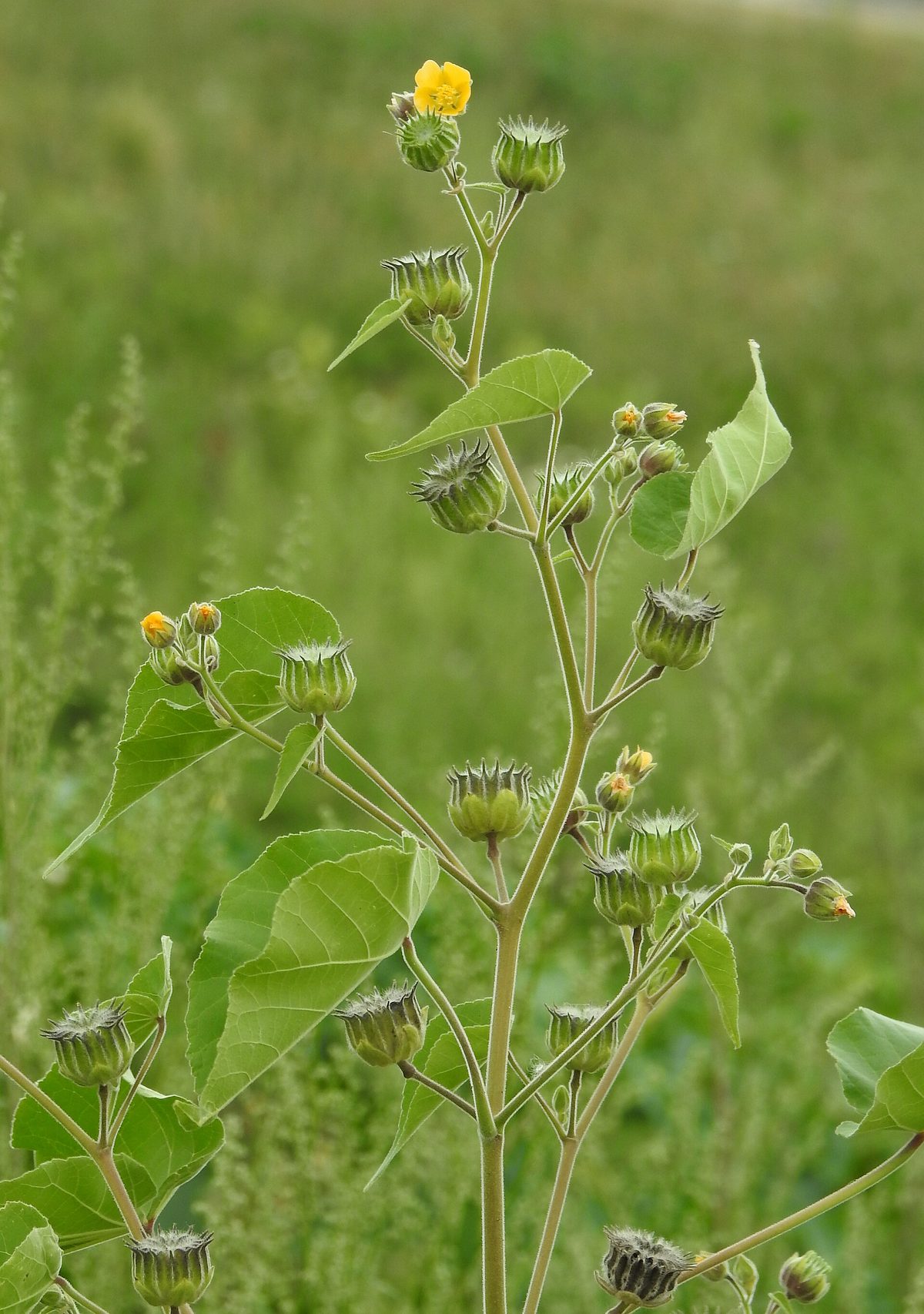
-
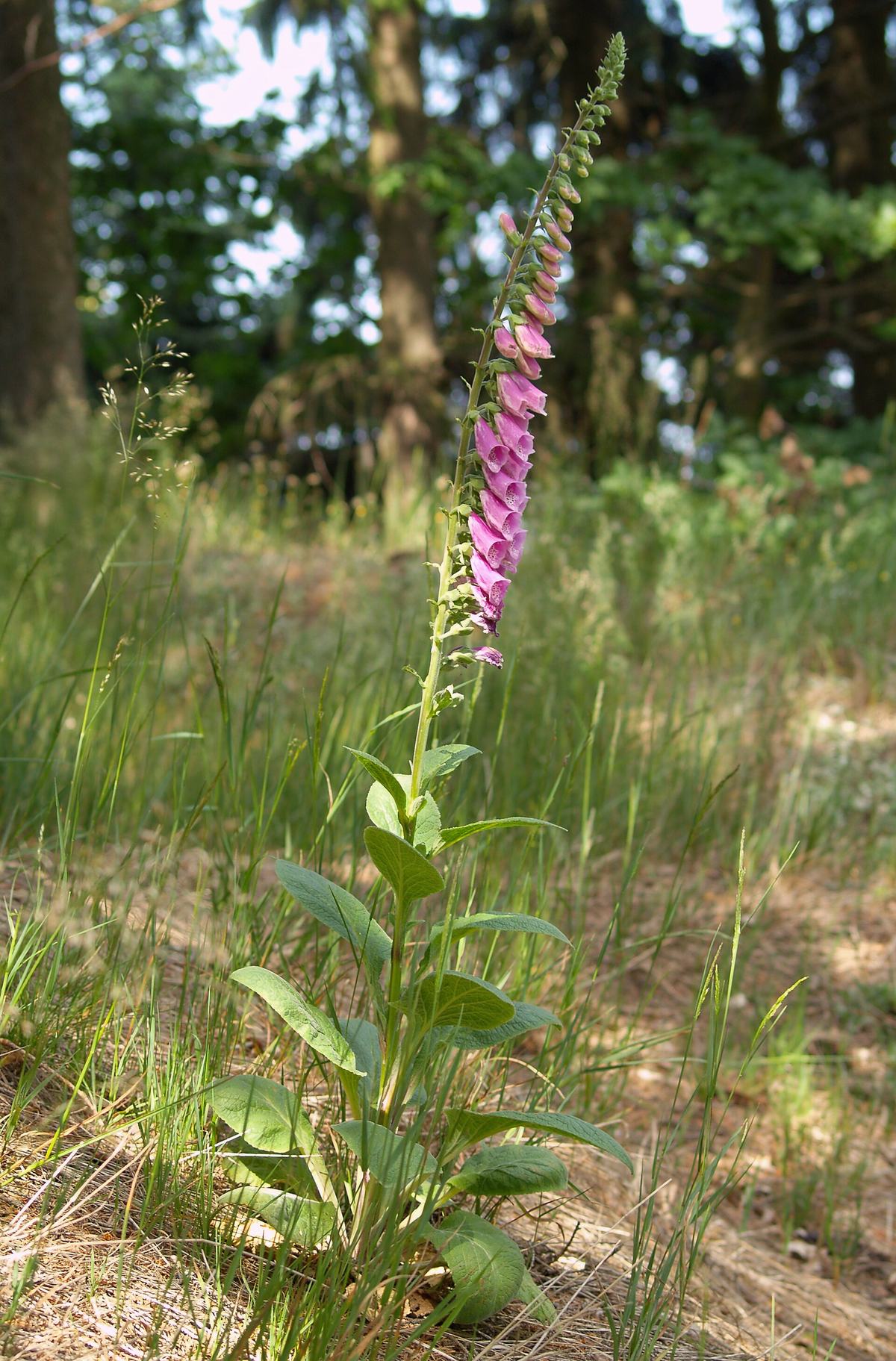
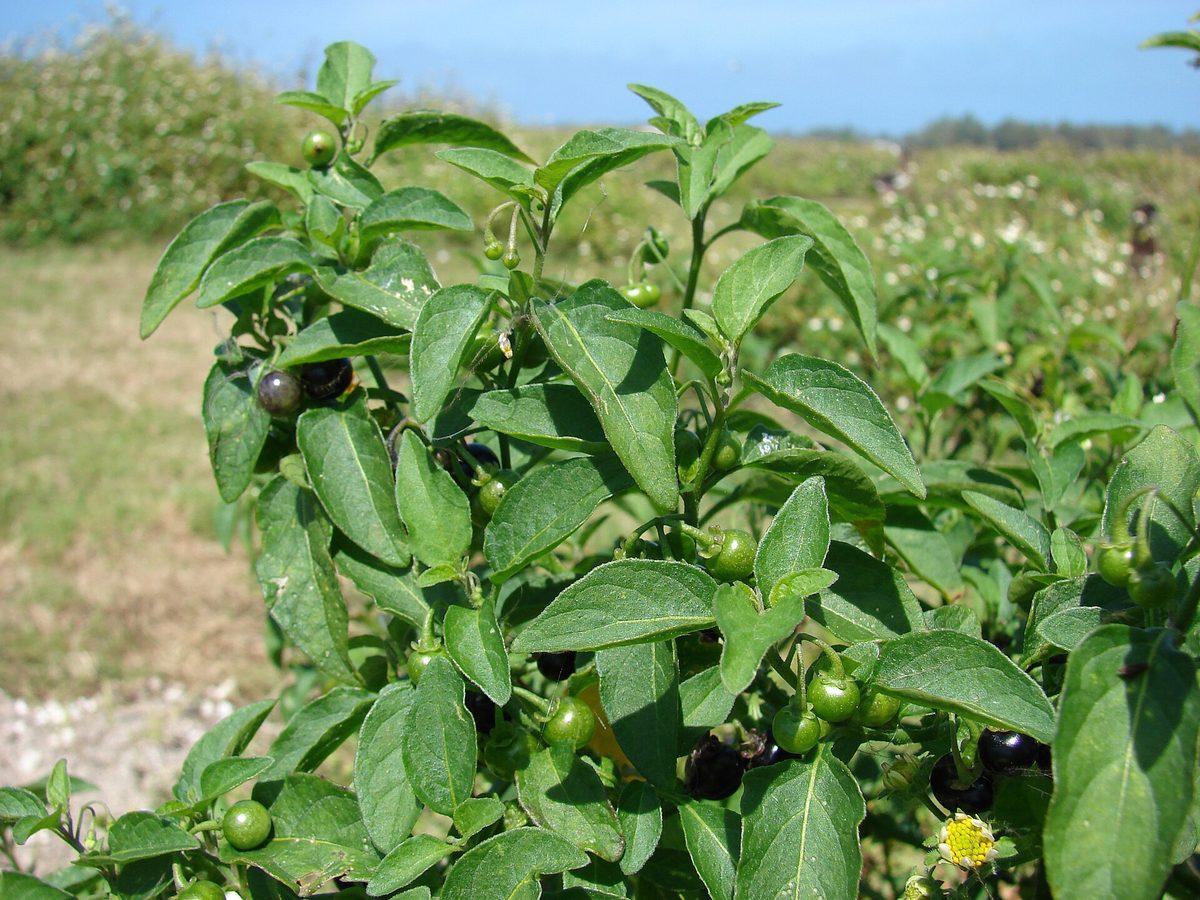
Purple Foxglove
Digitalis purpurea
Full sun and part shade (full sun preferred) · Zones 4a–9b · 2–5 ft (0.61–1.52 m)
-
-
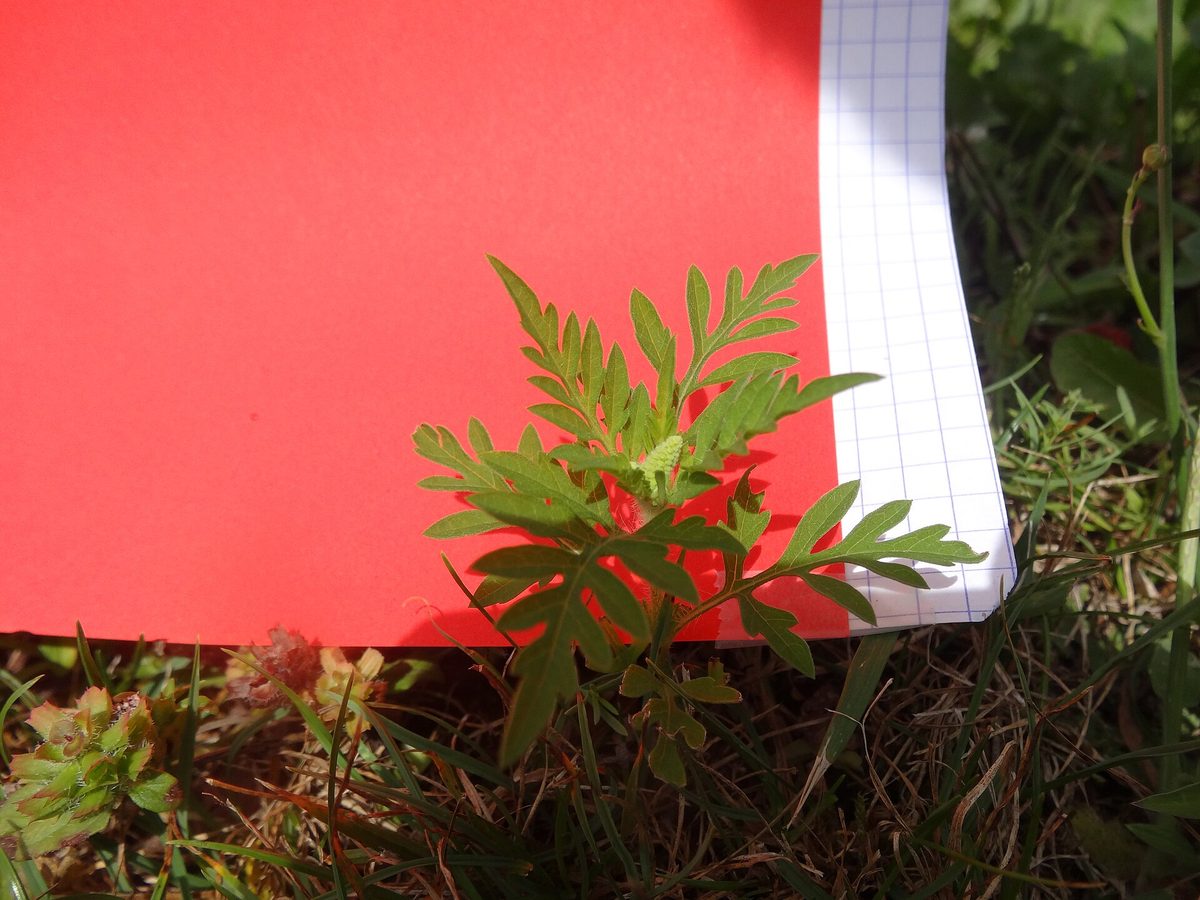
Annual Ragweed
Ambrosia artemisiifolia
Full sun, part shade and full shade (full sun preferred) · 4–6 ft (1.22–1.83 m)
-
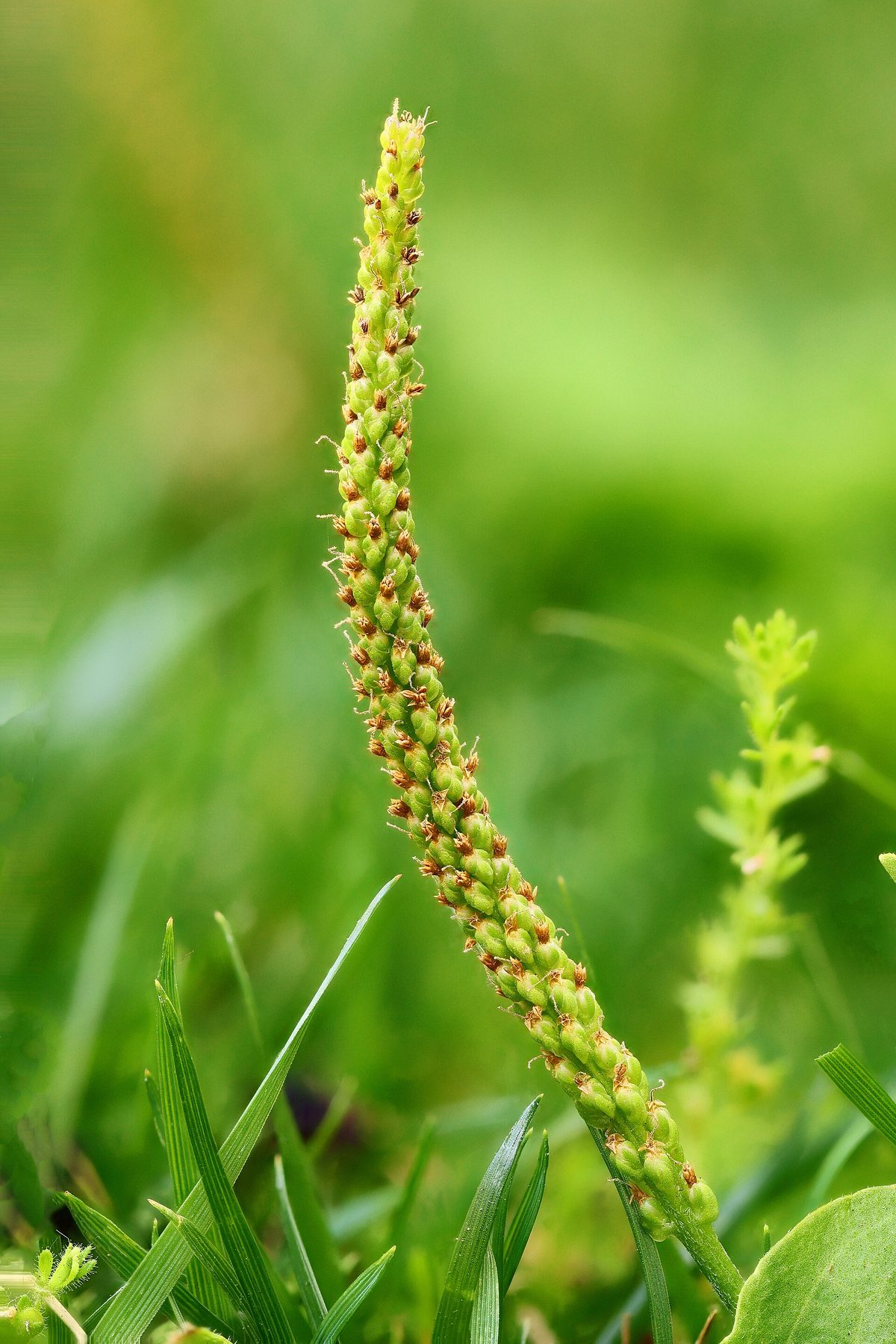
Common Plantain
Plantago major
Full sun and part shade (full sun preferred) · Zones 3a–12b · 0.5–1 ft (0.15–0.3 m)
How to choose
Start by deciding what role the plant needs to fill. This list mixes garden flowers, vegetables, herbs, and plants you may already have growing as weeds. A marigold or a cosmos suits a flower bed, while dill, parsley, or beans belong in a kitchen plot. A plant that showed up on its own, such as a thistle or a pigweed, is worth identifying first. Then you can decide whether to pull it or let it stay. Check each plant's own page before you choose it. Mature size, sun needs, and watering vary across this list, even though every plant on it shares one life cycle. A tall sunflower-type annual and a low groundcover annual both finish their cycle in a season, but they need different spacing and support. If a child or a pet shares your yard, check the toxicity notes on each page before you plant anything from this list.
All annuals, A to Z
Filter all 79 Annuals plants →
- African Horned Cucumber Cucumis metuliferus
- American Black Nightshade Solanum americanum
- Annual Ragweed Ambrosia artemisiifolia
- Asiatic Dayflower Commelina communis
- Aztec Marigold Tagetes erecta
- Beefsteakplant Perilla frutescens
- Bird's-foot Trefoil Lotus corniculatus
- Black Cumin Nigella sativa
- Black Gram Vigna mungo
- Black Henbane Hyoscyamus niger
- Black Nightshade Solanum nigrum
- Blackeyed Susan Rudbeckia hirta
- Blessed Milkthistle Silybum marianum
- Bull Thistle Cirsium vulgare
- Burningbush Bassia scoparia
- California Poppy Eschscholzia californica
- Canadian Horseweed Erigeron canadensis
- Cantaloupe Cucumis melo
- Chia Salvia hispanica
- Common Beet Beta vulgaris
- Common Evening Primrose Oenothera biennis
- Common Globe Amaranth Gomphrena globosa
- Common Mullein Verbascum thapsus
- Common Plantain Plantago major
- Common Viper's Bugloss Echium vulgare
- Coriander Coriandrum sativum
- Corn Poppy Papaver rhoeas
- Cultivated Tobacco Nicotiana tabacum
- Curly Dock Rumex crispus
- Desert Indianwheat Plantago ovata
- Devil in the Bush Nigella damascena
- Devil's Beggartick Bidens frondosa
- Dill Anethum graveolens
- Dyer's Woad Isatis tinctoria
- Eastern Daisy Fleabane Erigeron annuus
- Eltrot Heracleum sphondylium
- Eyebane Euphorbia maculata
- Fava Bean Vicia faba
- Feverfew Tanacetum parthenium
- Field Mustard Brassica rapa
- Field Pumpkin Cucurbita pepo
- Foxtail Amaranth Amaranthus caudatus
- Gale of the Wind Phyllanthus niruri
- Garden Cornflower Centaurea cyanus
- Garden Cosmos Cosmos bipinnatus
- Garden Cucumber Cucumis sativus
- Garden Lettuce Lactuca sativa
- Giant Hogweed Heracleum mantegazzianum
- Hollyhock Alcea rosea
- Indian Acalypha Acalypha indica
- Jewelweed Impatiens capensis
- Jimsonweed Datura stramonium
- Kidney Bean Phaseolus vulgaris
- Lambsquarters Chenopodium album
- Lewiston Cornsalad Valeriana locusta
- Nalta Jute Corchorus olitorius
- Parsley Petroselinum crispum
- Pillpod Sandmat Euphorbia hirta
- Poison Hemlock Conium maculatum
- Pot Marigold Calendula officinalis
- Prickly Lettuce Lactuca serriola
- Pricklyburr Datura metel
- Purple Foxglove Digitalis purpurea
- Queen Anne's Lace Daucus carota
- Redroot Amaranth Amaranthus retroflexus
- Rocketsalad Eruca sativa
- Rose Campion Silene coronaria
- Silver Cock's Comb Celosia argentea
- Slender Amaranth Amaranthus viridis
- Spilanthes Acmella oleracea
- Spinach Spinacia oleracea
- Spiritweed Eryngium foetidum
- Spotted Ladysthumb Persicaria maculosa
- Spotted Snapweed Impatiens balsamina
- Stickywilly Galium aparine
- Sweet Sagewort Artemisia annua
- Velvetleaf Abutilon theophrasti
- Watermelon Citrullus lanatus
- Wild Celery Apium graveolens
Photo credits
- Jimsonweed photo by Danjuma Anthony, CC0 via Wikimedia Commons
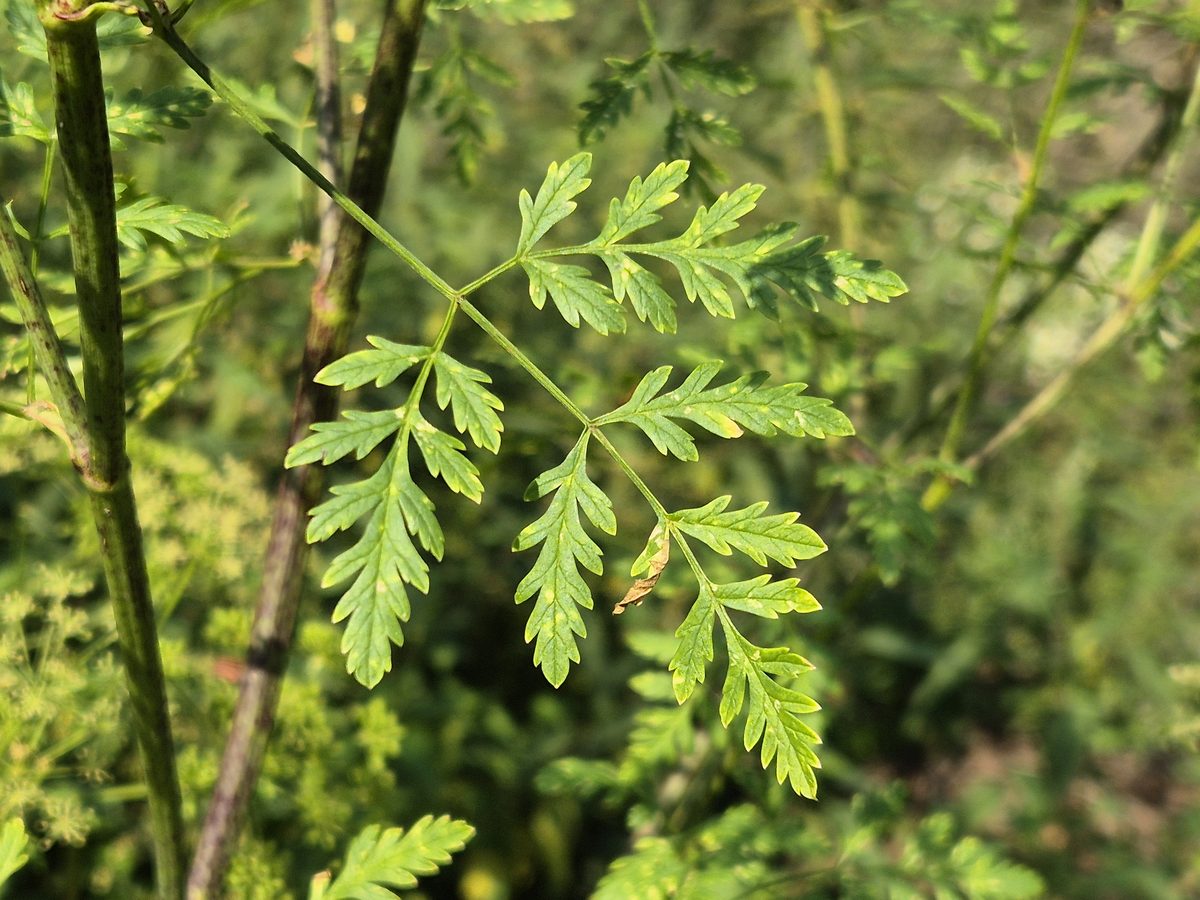
- Poison Hemlock photo by Stefan.lefnaer, CC BY-SA 4.0 via Wikimedia Commons
- Common Mullein photo by Marc Ryckaert (MJJR), CC BY 3.0 via Wikimedia Commons
- Queen Anne's Lace photo by Niepokój Zbigniew, CC BY-SA 4.0 via Wikimedia Commons
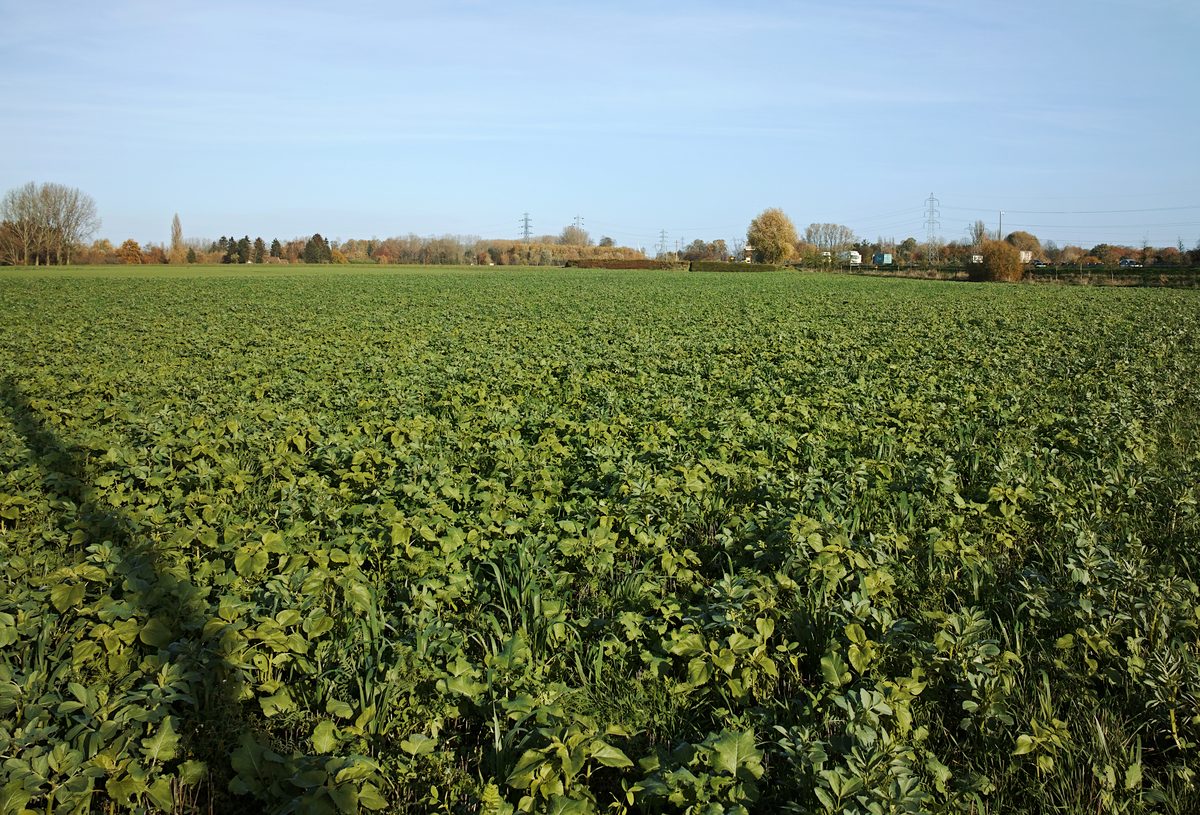
- Fava Bean photo by Velvet, CC BY-SA 4.0 via Wikimedia Commons
- Black Cumin photo by ElenaLitera, CC BY-SA 4.0 via Wikimedia Commons
- Black Nightshade photo by Stefan.lefnaer, CC BY-SA 4.0 via Wikimedia Commons
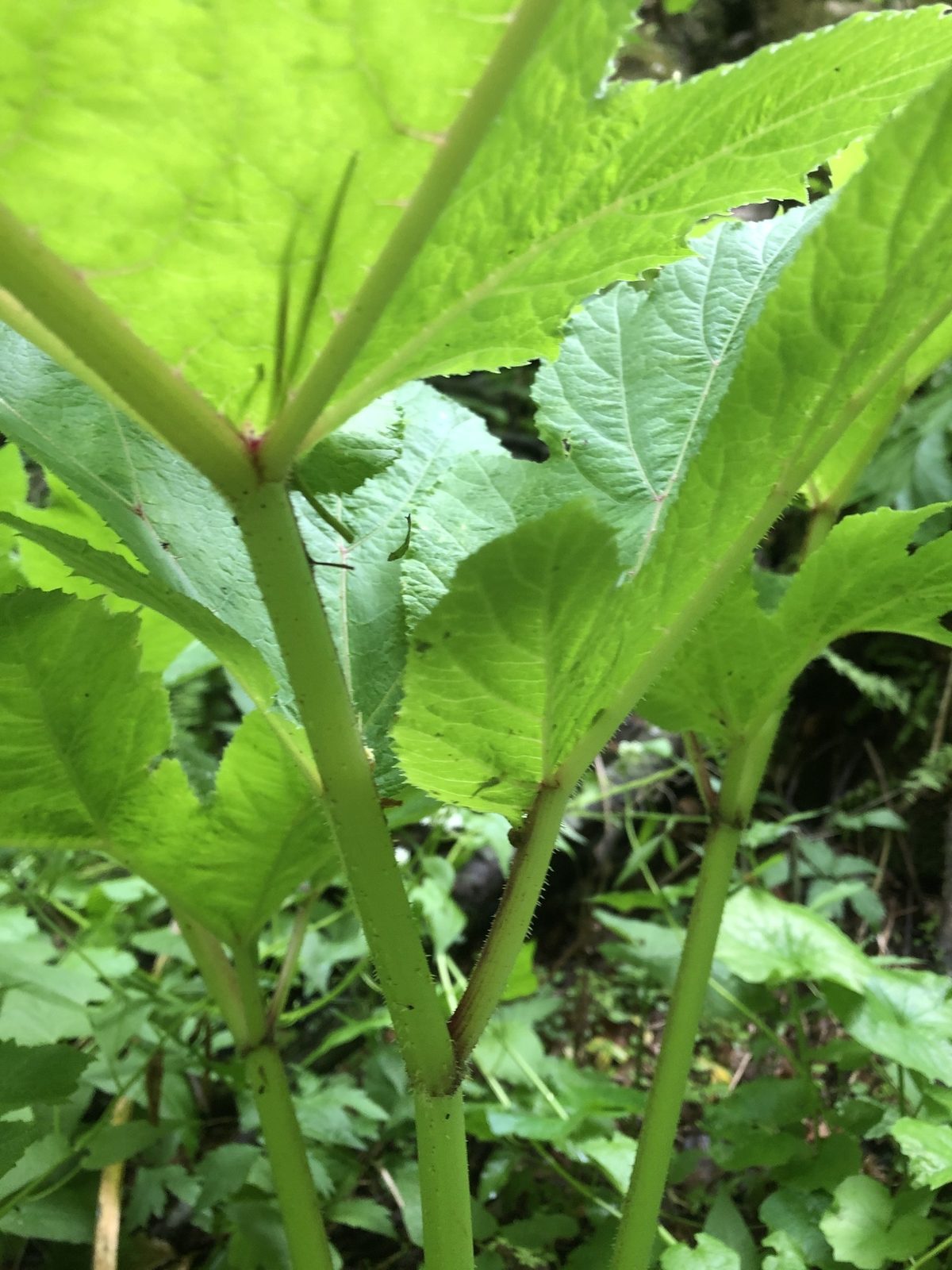
- Giant Hogweed photo by anastasiiamerkulova, CC BY 4.0 via Wikimedia Commons
- Canadian Horseweed photo by Ruslana Davydiuk, CC BY 4.0 via Wikimedia Commons
- Blackeyed Susan photo by G. Edward Johnson, CC BY 4.0 via Wikimedia Commons
- Rocketsalad photo by QuimGil, CC0 via Wikimedia Commons
- Chia photo by Suyash.dwivedi, CC BY-SA 4.0 via Wikimedia Commons
- Lambsquarters photo by Stefan.lefnaer, CC BY-SA 4.0 via Wikimedia Commons
- Kidney Bean photo by Badagnani, CC BY 3.0 via Wikimedia Commons
- Cantaloupe photo by Anaxibia, CC BY 4.0 via Wikimedia Commons
- Garden Cornflower photo by Tauri Pärna, CC BY-SA 3.0 via Wikimedia Commons
- Black Henbane photo by H. Zell, CC BY-SA 3.0 via Wikimedia Commons
- Common Evening Primrose photo by George Chernilevsky, Public domain via Wikimedia Commons
- Velvetleaf photo by Robert Flogaus-Faust, CC BY 4.0 via Wikimedia Commons
- Purple Foxglove photo by Jörg Hempel, CC BY-SA 3.0 via Wikimedia Commons
- American Black Nightshade photo by Forest and Kim Starr, CC BY 3.0 via Wikimedia Commons
- Annual Ragweed photo by Jpve, CC BY-SA 4.0 via Wikimedia Commons
- Common Plantain photo by Sanjay Acharya, CC BY-SA 4.0 via Wikimedia Commons


How this page was made
- Written with AI assistance from the sources listed on this page. AI is never the source of a fact.