Black Walnut (Juglans nigra)
Formerly Wallia nigra, Juglans pitteursii, Juglans nigra oblonga
Give black walnut full sun or part shade and soil that stays evenly moist to wet, and it grows well outdoors. It is a fast-growing, deciduous tree that can reach 50-90 ft (15.2-27.4 m) tall at maturity. The ASPCA lists black walnut as non-toxic to cats but toxic to dogs.
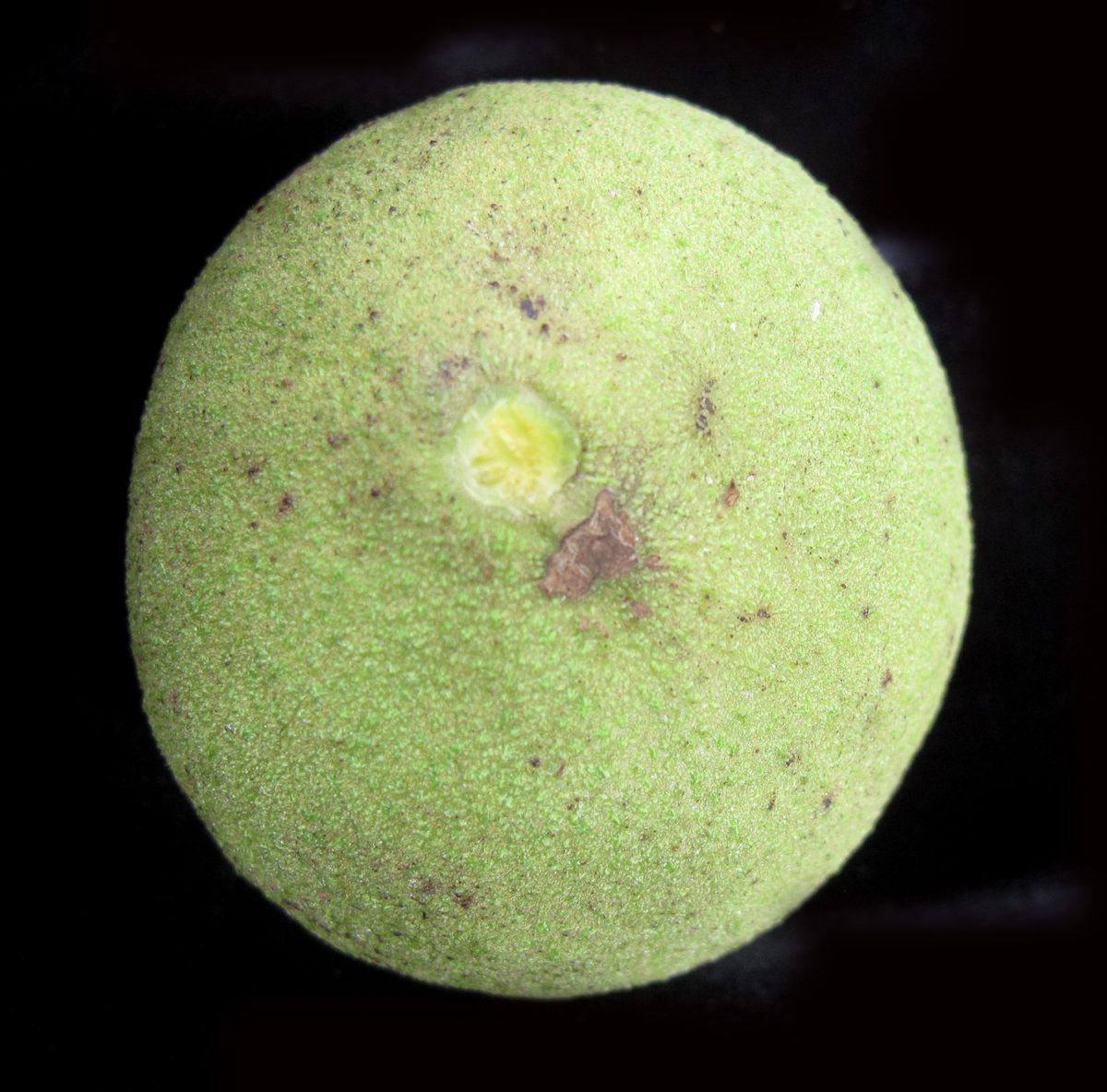
Photo: Wikimedia Commons contributor, CC BY-SA 4.0 via Wikimedia Commons

Quick facts
| Light: | Full sun and part shade (full sun preferred)11 source |
|---|---|
| Water: | Medium to wet11 source |
| Soil: | Well drained, moist, occasionally dry and occasionally wet; pH 5–8121 source |
| Hardiness: | Zones 4a–9b11 source |
| Size: | 50–90 ft (15.24–27.43 m) × 50–75 ft (15.24–22.86 m)214 |
| Growth rate: | Rapid11 source |
| Bloom: | Yellow, green and brown41 |
| Cats: | Non-toxic to cats 61 |
| Dogs: | Toxic to dogs 61 |
| Native range: | ALA, ARK, CNT, DEL, FLA, GEO, ILL, INI, IOW, KAN, KTY, LOU, MAS, MIC, MIN, MRY, MSI, MSO, NCA, NEB, NWJ, NWY, OHI, OKL, ONT, PEN, RHO, SCA, SDA, TEN, TEX, VRG, WDC, WIS, WVA7 |
| Family: | Juglandaceae |
How much light does a Black Walnut need?
Full sun suits black walnut best of all. Give it a spot with at least six hours of direct light each day. It also tolerates part shade, so a site with a little shade in the afternoon still lets it grow well. Full sun tends to produce a fuller, more even canopy than a shadier spot. Pick the sunniest open spot you have, since full sun gives the strongest growth. Once established, it holds its shape in either light level listed here.
- Light: Full sun and part shade (full sun preferred)1
How often to water a Black Walnut
Check the soil before you water, aiming for conditions that stay moist to consistently wet rather than dry. This tree prefers organically rich, well-drained ground that holds moisture without staying soggy. In the ground outdoors, it also tolerates soil that is occasionally wet or occasionally dry. Overall, this tree's water need ranges from medium moisture up to fairly wet conditions. It also tolerates soil that swings to occasionally dry or to occasionally wet.
- Water: Medium to wet1
Best soil for a Black Walnut
Organically rich ground that drains well but still holds some moisture suits black walnut best. This tree also tolerates soil that runs occasionally dry or occasionally wet. Keep that ground evenly moist to wet, matching the water needs listed for this tree. Soil pH can run from a fairly acidic 5.0 up to an alkaline 8.0 for this species. That span covers acid soil at one end and alkaline soil at the other.
Hardiness and temperature
USDA zones 4a through 9b mark the hardiness range for this tree. That range runs from cold northern winters to mild, almost subtropical conditions in the warmest zone. Most of the tree's native range across the eastern and central United States falls inside this span. Your zone number is the most reliable guide to whether winters in your area suit this tree.
- Hardiness: Zones 4a–9b1
Fertilizing a Black Walnut
Feed black walnut once a year with a light application of nitrogen rather than a heavy regular schedule. Time that feeding for early spring, around March or April, just as the tree starts active growth for the season. Outside of that single light feeding, this species does not need extra fertilizer through the rest of the year.
- Fertilizer: Light, once a year (Mar–Apr)3
How to plant a Black Walnut
Choose a site within USDA zones 4a through 9b before you plant. This wide range spans cold northern winters and warm southern summers alike. Pick a permanent spot, since this tree grows tall and wide and resists being moved once established. Gardeners at the warm edge, zone 9b, should expect hotter summers than this tree sees further north. Gardeners at the cold edge, zone 4a, should pick the most sheltered spot the yard offers. If your winters run colder than zone 4a, this tree is not a safe long-term choice for your yard. Check your local zone before you dig, since this tree is difficult to relocate later.
- Hardiness: Zones 4a–9b1
Winter care
Within USDA zones 4a through 9b, this tree survives typical winter lows. This page has no cited minimum temperature for black walnut. Use your zone number as the guide, since it reflects typical winter lows for your area. Zone 4a marks the coldest winters this tree is known to handle. Mulch young trees over winter if you garden near that cold edge. Past zone 9b, summer heat rather than winter cold becomes the bigger concern. Outside the 4a-9b range, this tree is not a dependable choice for winter survival.
- Hardiness: Zones 4a–9b1
How to propagate a Black Walnut
Seed is the way to grow new black walnut trees. This is the only method confirmed for the species on this page, so skip cuttings or division if you want a true result. Collect sound, undamaged nuts from the ground after they drop to start new trees. Growing from seed is the method documented for this tree.
- Propagation: Seed4
Common problems
Several pests target this tree, including aphids, fall webworm, foliage-chewing caterpillars, walnut husk fly, and walnut twig beetle. Diseases to watch for include anthracnose, bacterial blight, root rot, canker, leaf spot, shoot dieback, and thousand cankers disease. Thousand cankers disease is spread by the walnut twig beetle and can kill a tree, so report dieback or branch death to your local extension office.
| Problem | Kind |
|---|---|
| Aphids | Pest |
| Fall webworm | Pest |
| Foliage chewing caterpillars | Pest |
| Walnut husk fly | Pest |
| Walnut twig beetle | Pest |
| Anthracnose | Disease |
| Bacterial blight | Disease |
| Root rot | Disease |
| Canker | Disease |
| Leaf spot | Disease |
| Shoot dieback | Disease |
| Thousand cankers disease | Disease |
Is Black Walnut toxic to cats and dogs?
Cats and dogs get different safety ratings for black walnut from the ASPCA. For cats, the rating is non-toxic. For dogs, the same source rates it as toxic. NC State Extension's plant database agrees, flagging black walnut as non-toxic for cats and as a problem for dogs. If your dog eats parts of this tree and shows symptoms, contact your vet or a pet poison line right away.
Pet-safe alternatives
Recommended supplies
- Soil: a free-draining mix, and a pot with a drainage hole.
Questions and answers
- Is black walnut toxic to dogs?
- Yes, the ASPCA lists black walnut as toxic to dogs. If your dog chews on this tree and shows symptoms, contact your vet or a pet poison line right away. This rating comes from the ASPCA's own records for this species.
- Is black walnut safe for cats?
- The ASPCA and NC State Extension's plant database both list black walnut as non-toxic to cats. Dogs get a different rating from the same sources, which list black walnut as toxic for them.
- How fast does black walnut grow?
- Black walnut has a rapid growth rate. It is a deciduous tree that can reach 50-90 ft (15.2-27.4 m) tall at maturity, with a spread of 50-75 ft (15.2-22.9 m).
Sources
- NC State Extension. https://plants.ces.ncsu.edu/plants/juglans-nigra/. Accessed 12 October 2026.
- Cornell University CALS Woody Plants Database. https://woodyplants.cals.cornell.edu/plant/122. Accessed 12 October 2026.
- Oregon State University Extension Service. https://extension.oregonstate.edu/catalog/em-8907-growing-walnuts-oregon. Accessed 28 October 2026.
- Lady Bird Johnson Wildflower Center. https://www.wildflower.org/plants/result.php?id_plant=JUNI. Accessed 12 October 2026.
- EPPO Global Database. https://gd.eppo.int/taxon/IUGNI/pests. Accessed 12 October 2026.
- ASPCA Animal Poison Control Center. https://www.aspca.org/pet-care/aspca-poison-control/toxic-and-non-toxic-plants/black-walnut. Accessed 24 September 2026.
- Royal Botanic Gardens, Kew (World Checklist of Vascular Plants). https://sftp.kew.org/pub/data-repositories/WCVP/wcvp.zip. Accessed 4 June 2026.
How this page was made
- Written with AI assistance from the sources listed on this page. AI is never the source of a fact.