Southern Catalpa (Catalpa bignonioides)
Formerly Catalpa arborea, Bignonia catalpa, Bignonia triloba
Keep southern catalpa (Catalpa bignonioides), a deciduous tree, in full sun, though it also tolerates part shade. It tolerates wet or dry conditions, and toxicity for cats and dogs is not documented for this page. A mature tree reaches 25–50 ft (7.62–15.24 m) tall.
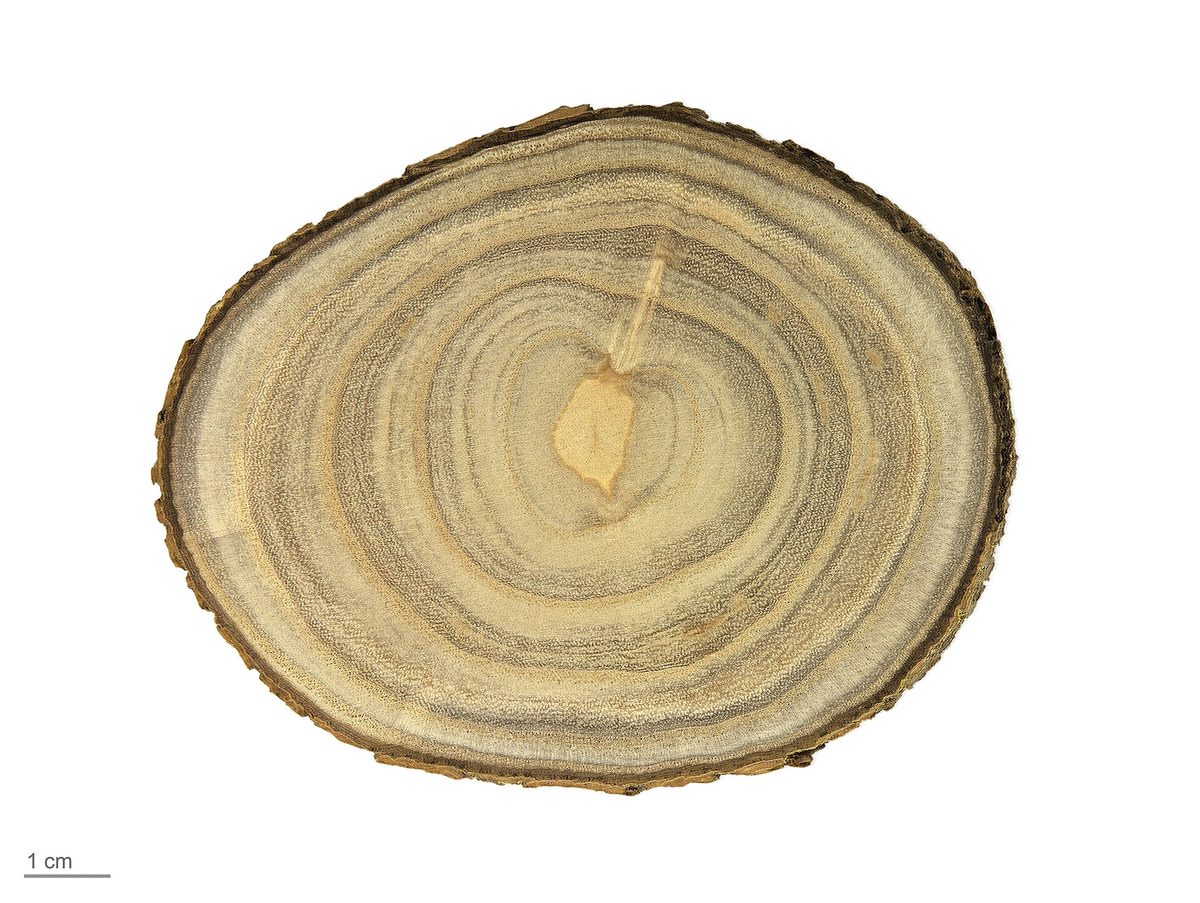
Photo: Roger Culos, CC BY-SA 4.0 via Wikimedia Commons

Quick facts
| Light: | Full sun and part shade (full sun preferred)12 |
|---|---|
| Water: | Dry to wet11 source |
| Soil: | Well drained and moist11 source |
| Hardiness: | Zones 5a–9b11 source |
| Size: | 25–50 ft (7.62–15.24 m) × 30–50 ft (9.14–15.24 m)435 |
| Growth rate: | Moderate41 source |
| Bloom: | May–Jun, White and purple361 |
| Cats: | Not documented by major sources |
| Dogs: | Not documented by major sources |
| Native range: | ALA, FLA, GEO, LOU, MSI, TEX7 |
| Family: | Bignoniaceae |
How much light does a Southern Catalpa need?
Southern catalpa prefers full sun, meaning six or more hours of direct sunlight a day. Part shade is also listed as an accepted setting. One extension listing gives the range as full sun to partial shade. Choose a spot that gets those hours of sun first, and treat part shade as the fallback.
How often to water a Southern Catalpa
Southern catalpa is tolerant of clay and of wet or dry conditions, including seasonal flooding. The water range on record runs from dry to wet. Clay soil is named as tolerated. Look for soil that is well drained and moist, the two drainage conditions on record.
- Water: Dry to wet1
Best soil for a Southern Catalpa
Southern catalpa is listed for soil that is well drained and moist. One extension source describes this as good drainage. The tree is tolerant of clay, and also of wet or dry conditions, including seasonal flooding. The water range on record runs from dry to wet, but no cited source gives a soil pH. Seasonal flooding is named among the conditions it tolerates.
- Soil drainage: Well drained and moist1
Hardiness and temperature
Southern catalpa is listed for USDA hardiness zones 5a to 9b. The listing spans zones 5a, 5b, 6a, 6b, 7a, 7b, 8a, 8b, 9a and 9b. No cited source records a minimum temperature, so a cold limit in degrees is not documented, though the zone range is. It is a deciduous tree.
- Hardiness: Zones 5a–9b1
How to plant a Southern Catalpa
Check that your USDA zone falls between 5a and 9b before planting. Allow room for a mature height of 25–50 ft (7.62–15.24 m) and a spread of 30–50 ft (9.14–15.24 m). The growth rate is moderate. Pick a spot with full sun, or part shade if you need it. The tree is native to the lower 48 US states.
- Hardiness: Zones 5a–9b1
Winter care
Southern catalpa is a deciduous tree listed for hardiness zones 5a to 9b, but no cited source records a minimum temperature or a winter protection method. The zone range covers 5a, 5b, 6a, 6b, 7a, 7b, 8a, 8b, 9a and 9b. The record also lists a tolerance for wet or dry conditions, including seasonal flooding.
- Hardiness: Zones 5a–9b1
How to propagate a Southern Catalpa
Southern catalpa can be propagated by seed, stem cuttings or root cuttings. Both hardwood and softwood stem cuttings can be used. Root cutting is also listed as a method by NC State Extension. Seed is the other method on record, alongside the two kinds of cutting. The record names hardwood and softwood as the stem cutting types.
Common problems
Catalpa sphinx moth, aphids and fall webworm are the pests on record for southern catalpa. Catalpa sphinx moth caterpillars can do significant damage but are rarely lethal. The diseases listed are leaf spot, powdery mildew, verticillium wilt and anthracnose. Mildew, verticillium wilt and leaf spots are described as occasional problems. Anthracnose causes dead areas on the leaves.
| Problem | Kind |
|---|---|
| Catalpa sphinx moth | Pest |
| Aphids | Pest |
| Fall webworm | Pest |
| Leaf spot | Disease |
| Powdery mildew | Disease |
| Verticillium wilt | Disease |
| Anthracnose | Disease |
Is Southern Catalpa toxic to cats and dogs?
Recommended supplies
- Soil: a free-draining mix, and a pot with a drainage hole.
Questions and answers
- When does southern catalpa bloom, and what color are the flowers?
- The listed bloom time is May and June. The flower colors on record are white and purple. One extension listing names the purple shade as purple or lavender.
- How big does southern catalpa get?
- A mature tree is 25 to 50 ft (7.62 to 15.24 m) tall, and one listing gives 25–40 ft for the same tree. The spread is 30–50 ft (9.14–15.24 m). The growth rate is listed as moderate.
- Does southern catalpa tolerate wet soil?
- The record says it is tolerant of clay and of wet or dry conditions, including seasonal flooding. Its soil drainage is listed as well drained and moist. The water range runs from dry to wet.
Sources
- NC State Extension. https://plants.ces.ncsu.edu/plants/catalpa-bignonioides/. Accessed 15 October 2026.
- University of Florida IFAS Extension (EDIS). https://ask.ifas.ufl.edu/publication/ST130. Accessed 15 October 2026.
- Lady Bird Johnson Wildflower Center. https://www.wildflower.org/plants/result.php?id_plant=cabi8. Accessed 15 October 2026.
- Utah State University Extension. https://extension.usu.edu/treebrowser/catalog/catalpa-southern. Accessed 14 October 2026.
- Clemson Cooperative Extension Home & Garden Information Center. https://hgic.clemson.edu/factsheet/plants-that-tolerate-drought/. Accessed 15 October 2026.
- Chicago Botanic Garden (plant evaluation reports). https://www.chicagobotanic.org/plant-information/plant-finder/catalpa-bignonioides-southern-catalpa. Accessed 28 October 2026.
- Royal Botanic Gardens, Kew (World Checklist of Vascular Plants). https://sftp.kew.org/pub/data-repositories/WCVP/wcvp.zip. Accessed 4 June 2026.
How this page was made
- Written with AI assistance from the sources listed on this page. AI is never the source of a fact.