Cherry Laurel (Prunus laurocerasus)
Formerly Lauro-cerasus officinalis, Cerasus laurocerasus, Lauro-cerasus vulgaris
Cherry laurel grows best in full sun outdoors, though it also tolerates part shade and full shade. Its water needs range from dry to medium, and the soil can go through occasional dry spells. This plant is toxic to both cats and dogs.
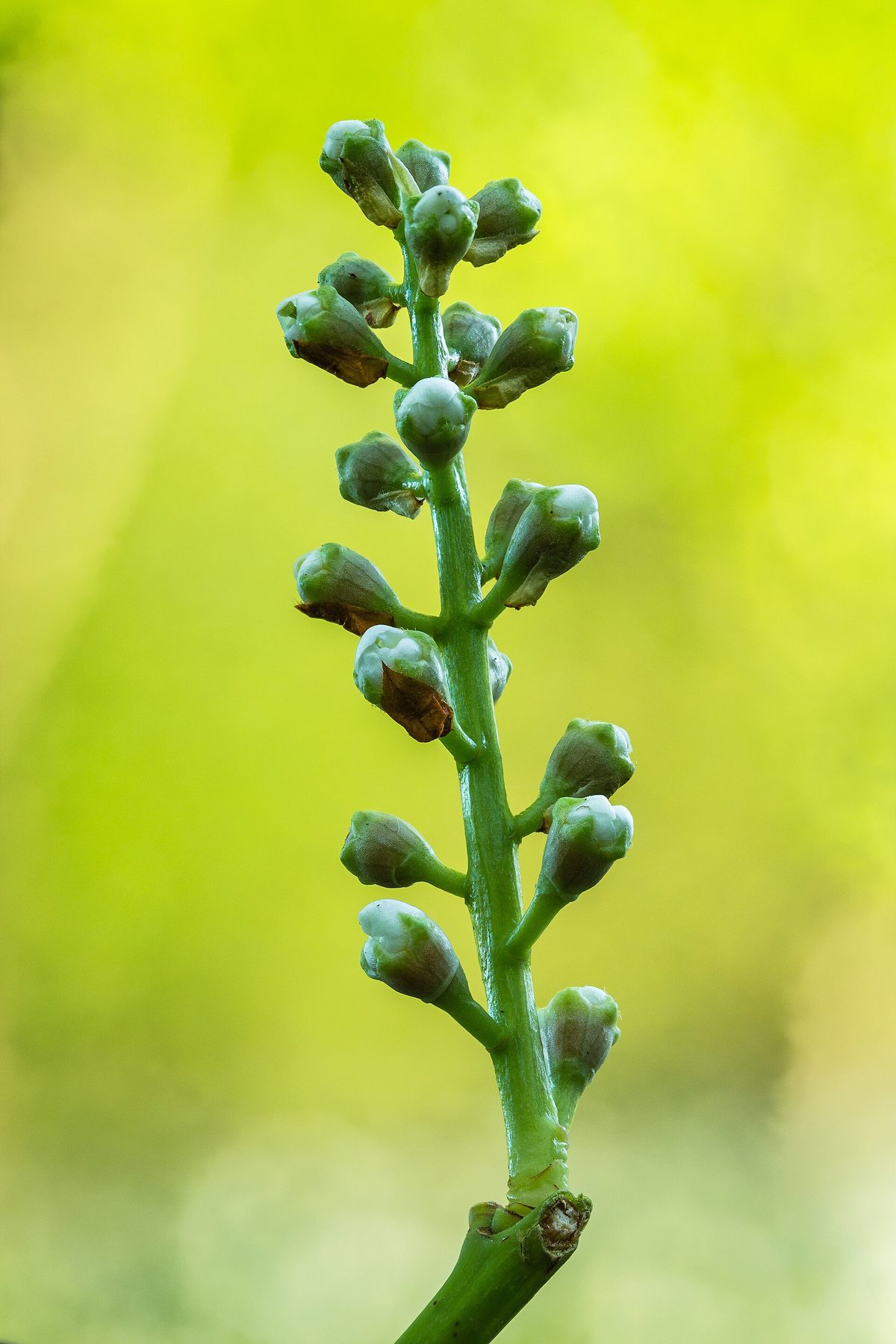
Photo: Dominicus Johannes Bergsma., CC BY-SA 4.0 via Wikimedia Commons

Quick facts
| Light: | Full sun, part shade and full shade (full sun preferred)12 |
|---|---|
| Water: | Dry to medium21 source |
| Soil: | Well drained, moist and occasionally dry; pH 5–7.4121 source |
| Hardiness: | Zones 6a–8b11 source |
| Size: | 10–20 ft (3.05–6.1 m) × 25–30 ft (7.62–9.14 m)12 |
| Growth rate: | Rapid11 source |
| Bloom: | White11 source |
| Cats: | Toxic to cats (1 source) 3 |
| Dogs: | Toxic to dogs (1 source) 3 |
| Native range: | ALB, BUL, IRN, LBY, NCS, ROM, TCS, TUE, TUR, TZK, YUG4 |
| Family: | Rosaceae |
How much light does a Cherry Laurel need?
Outdoors, cherry laurel takes full sun, part shade, or full shade, and full sun is the preferred setting. It can grow in anything from full sun to deep shade, and it also does well in part to full shade. Give it some shelter from full sun and wind in winter.
How often to water a Cherry Laurel
Water needs for cherry laurel span a range, from dry conditions up to medium moisture levels. At the wetter end of that range, keep the soil consistently moist in well-drained ground. At the drier end, the soil can go through occasional periods of being dry.
- Water: Dry to medium2
Best soil for a Cherry Laurel
It grows in soil that is well drained and moist, and it also tolerates soil that is occasionally dry. Its pH range runs from 5 to 7.4, which covers acidic soil through to neutral soil. A reading at the low end of that range counts as acidic, and a reading at the high end counts as neutral. Soil pH from 5 to 7.4 and good drainage are the two soil conditions recorded for cherry laurel.
Hardiness and temperature
Cherry laurel is hardy outdoors in USDA hardiness zones 6a through 8b. That stretch of zones includes 6a, 6b, 7a, 7b, 8a, and 8b, according to the zone listing for this species. Zone 6a marks the coldest end of that hardiness range, and zone 8b marks the warmest end.
- Hardiness: Zones 6a–8b1
How to plant a Cherry Laurel
Plant cherry laurel in USDA zones 6a through 8b, where it is listed as hardy outdoors. Give it room to grow, since mature plants spread 25 to 30 ft (7.62 to 9.14 m) wide. At maturity, it also reaches a height of 10 to 20 ft (3.05 to 6.1 m). Choose a planting site with full sun, part shade, or full shade, since full sun is the preferred exposure.
- Hardiness: Zones 6a–8b1
Winter care
USDA zones 6a through 8b all count as winter hardy for cherry laurel outdoors. The coldest zone in that hardy range is 6a, and the warmest is 8b. In winter, protect this plant from full sun and from wind. That protection is part of the same guidance that lists this plant's preference for part to full shade.
- Hardiness: Zones 6a–8b1
Common problems
Cherry laurel can attract pests such as peachtree borer, whiteflies, vine weevil, and spotted wing drosophila. It is also susceptible to shot-hole disease, powdery mildew, root rot, and brown rot. Those four pests and four diseases are the ones recorded for this plant. These problems are the ones NC State Extension names for this species.
| Problem | Kind |
|---|---|
| Peachtree borer | Pest |
| Whiteflies | Pest |
| Vine weevil | Pest |
| Spotted wing drosophila | Pest |
| Shot hole disease | Disease |
| Powdery mildew | Disease |
| Root rot | Disease |
| Brown rot | Disease |
Is Cherry Laurel toxic to cats and dogs?
Cherry laurel is toxic to cats. It is also toxic to dogs. Pet Poison Helpline lists the toxicity level for this plant as mild in both cats and dogs. That mild rating is the severity recorded for this plant in both animals. The mild toxicity level is the same for cats as it is for dogs, based on the Pet Poison Helpline entry for this plant. No higher toxicity level than mild is recorded for this plant in either cats or dogs.
Pet-safe alternatives
Recommended supplies
- Soil: a free-draining mix, and a pot with a drainage hole.
Questions and answers
- Is cherry laurel toxic to pets?
- Yes, cherry laurel is toxic to both cats and dogs. Pet Poison Helpline rates its toxicity level as mild for both animals. That mild rating is the severity level recorded for this plant in cats and dogs alike.
- How much light does cherry laurel need outdoors?
- Outdoors, this plant grows in full sun, part shade, or full shade, and full sun is its preferred exposure. Its outdoor range runs from full sun to deep shade.
- What hardiness zones suit cherry laurel?
- This plant is hardy in USDA zones 6a through 8b outdoors. In winter, keep it sheltered from full sun and wind. Zone 6a is the coldest zone in that range, and zone 8b is the warmest.
Sources
- NC State Extension. https://plants.ces.ncsu.edu/plants/prunus-laurocerasus/. Accessed 14 October 2026.
- Cornell University CALS Woody Plants Database. https://woodyplants.cals.cornell.edu/plant/339. Accessed 14 October 2026.
- Pet Poison Helpline. https://www.petpoisonhelpline.com/poison/cherry/. Accessed 14 October 2026.
- Royal Botanic Gardens, Kew (World Checklist of Vascular Plants). https://sftp.kew.org/pub/data-repositories/WCVP/wcvp.zip. Accessed 4 June 2026.
How this page was made
- Written with AI assistance from the sources listed on this page. AI is never the source of a fact.