Blackgum (Nyssa sylvatica)
Formerly Nyssa multiflora, Nyssa multiflora, Nyssa integrifolia
Blackgum (Nyssa sylvatica) is a tree that grows best in full sun and also accepts part shade. Its water tolerance runs from dry to wet. It is deciduous and native to the lower 48 US states. Toxicity to cats and dogs is not documented for this plant on this page.
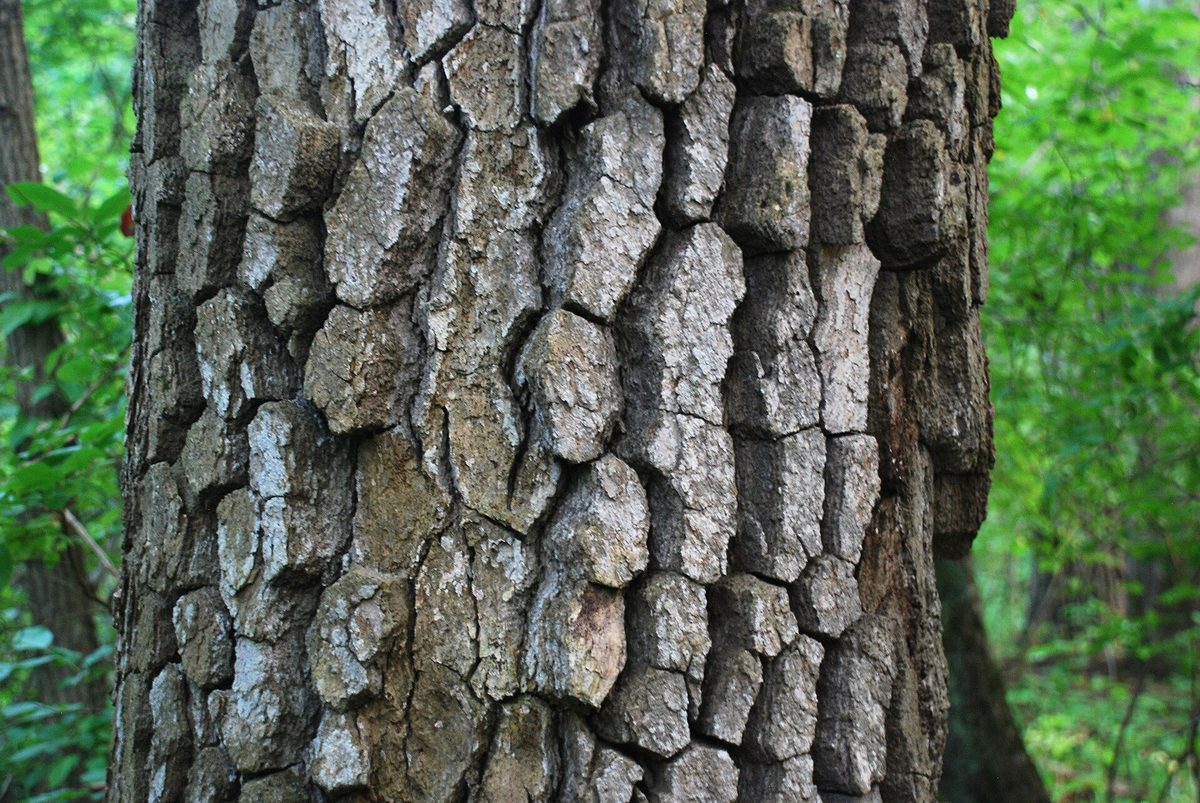
Photo: DouglasGoldman, CC BY-SA 4.0 via Wikimedia Commons

Quick facts
| Light: | Full sun and part shade (full sun preferred)1231 |
|---|---|
| Water: | Dry to wet31 source |
| Soil: | Well drained, moist, occasionally dry, occasionally wet and poorly drained; pH 5–7.442 |
| Hardiness: | Zones 4a–9b31 source |
| Size: | 30–50 ft (9.14–15.24 m) × 20–35 ft (6.1–10.67 m)211 source |
| Growth rate: | Moderate3131331 |
| Bloom: | May–Jun, White, green, brown and yellow356211 source |
| Cats: | Not documented by major sources |
| Dogs: | Not documented by major sources |
| Native range: | ALA, ARK, CNT, FLA, GEO, ILL, KAN, KTY, LOU, MAI, MAS, MIC, MRY, MSI, MSO, MXC, MXE, MXG, MXT, NCA, NWH, NWJ, NWY, OHI, OKL, ONT, PEN, RHO, SCA, TEN, TEX, VER, VRG, WIS7 |
| Family: | Nyssaceae |
How much light does a Blackgum need?
Outdoors, blackgum takes full sun or part shade. Full sun is the preferred exposure, so give it that when your site allows. Part shade is also listed as acceptable. Shade deeper than part shade is not listed for this tree. Plan for full sun first and part shade second when you compare sites.
How often to water a Blackgum
Blackgum tolerates soil moisture from dry to wet. It tolerates poorly drained soils and standing water. It also tolerates some drought and some dry soils, at least in the wild. The soil drainage listed for it includes moist, occasionally dry and occasionally wet conditions. Well drained soil is listed as well.
- Water: Dry to wet3
Best soil for a Blackgum
Blackgum grows in soils that are well drained, moist, occasionally dry, occasionally wet or poorly drained. Its best conditions are described as acidic, medium to wet, well-drained soil with full sun to part shade. The soil pH range is 5 to 7.4. That runs from acid to neutral soil. Occasionally saturated or very wet soil is within the range it handles. It also handles occasional periods of dry soil.
Hardiness and temperature
Blackgum is hardy in USDA zones 4a to 9b. That covers every half-zone step from 4a, 4b, 5a and 5b through 9a and 9b. Zone 4a is the coldest zone listed and zone 9b is the warmest. No cited source records a minimum temperature for this tree. Humidity needs are not documented either. If your garden sits in zones 4a through 9b, it falls within the listed range.
- Hardiness: Zones 4a–9b3
How to plant a Blackgum
Blackgum is suited to planting in USDA zones 4a to 9b. Its mature height is 30–50 ft (9.14–15.24 m). Leave room for a mature spread of 20–35 ft (6.1–10.67 m). It prefers full sun, and part shade is also listed. It is a deciduous tree and native to the lower 48 US states.
- Hardiness: Zones 4a–9b3
Winter care
Blackgum is a deciduous tree. It is listed for zones 4a to 9b, which includes cold-winter zones such as 4a. No cited source records a minimum temperature, so this page gives no winter low. Winter protection steps are not documented. Gardeners in zone 4a sit at the cold edge of the listed range. Gardeners in zone 9b sit at the warm edge of it.
- Hardiness: Zones 4a–9b3
How to propagate a Blackgum
You can propagate blackgum by seed or by layering. Those are the two methods listed for this tree. Both apply to a deciduous species native to the lower 48 US states. Seed treatment, timing and rooting conditions are not documented for either method. Cuttings, grafting and other methods are not documented either. Because the methods are listed without detail, this page does not describe the steps.
- Propagation: Seed and layering3
Common problems
No common pests are recorded for this tree. Leaf spot, canker and rust are its common diseases. It has some susceptibility to leaf spots, cankers and rust. Leaf spots, cankers and rust are the problems to watch for on this tree. Prevention and treatment steps are not documented for these diseases.
| Problem | Kind |
|---|---|
| Leaf spot | Disease |
| Canker | Disease |
| Rust | Disease |
Is Blackgum toxic to cats and dogs?
Recommended supplies
- Soil: a free-draining mix, and a pot with a drainage hole.
Questions and answers
- How much sun does blackgum need?
- Blackgum grows in full sun or part shade, and full sun is the preferred exposure. Shade deeper than part shade is not listed for this tree. Part shade is listed as acceptable.
- Will blackgum grow in wet soil?
- Blackgum tolerates poorly drained soils and standing water. It also tolerates some drought and some dry soils, at least in the wild. Its listed soil pH runs from 5 to 7.4.
- How big does blackgum get?
- Blackgum is a deciduous tree with a mature height of 30–50 ft (9.14–15.24 m). Its mature spread is 20–35 ft (6.1–10.67 m). It is listed for USDA zones 4a to 9b.
Sources
- University of Florida IFAS Extension (EDIS). https://ask.ifas.ufl.edu/publication/ST422. Accessed 14 October 2026.
- Clemson Cooperative Extension HGIC. https://hgic.clemson.edu/factsheet/black-gum/. Accessed 14 October 2026.
- NC State Extension Gardener Plant Toolbox. https://plants.ces.ncsu.edu/plants/nyssa-sylvatica/. Accessed 14 October 2026.
- Cornell University CALS Woody Plants Database. https://woodyplants.cals.cornell.edu/plant/158. Accessed 1 November 2026.
- Lady Bird Johnson Wildflower Center. https://www.wildflower.org/plants/result.php?id_plant=nysy. Accessed 28 October 2026.
- Lady Bird Johnson Wildflower Center. https://www.wildflower.org/plants/result.php?id_plant=NYSY. Accessed 28 October 2026.
- Royal Botanic Gardens, Kew (World Checklist of Vascular Plants). https://sftp.kew.org/pub/data-repositories/WCVP/wcvp.zip. Accessed 4 June 2026.
How this page was made
- Written with AI assistance from the sources listed on this page. AI is never the source of a fact.