Garden Cornflower (Centaurea cyanus)
Formerly Cyanus cyanus, Setachna cyanus, Leucacantha cyanus
Garden cornflower grows best in full sun outdoors, though it also tolerates part shade. Give it soil that ranges from dry to medium moisture, since it tolerates low water but prefers medium moisture in well-drained soil. This annual is non-toxic to cats and non-toxic to dogs, according to the ASPCA and Pet Poison Helpline.
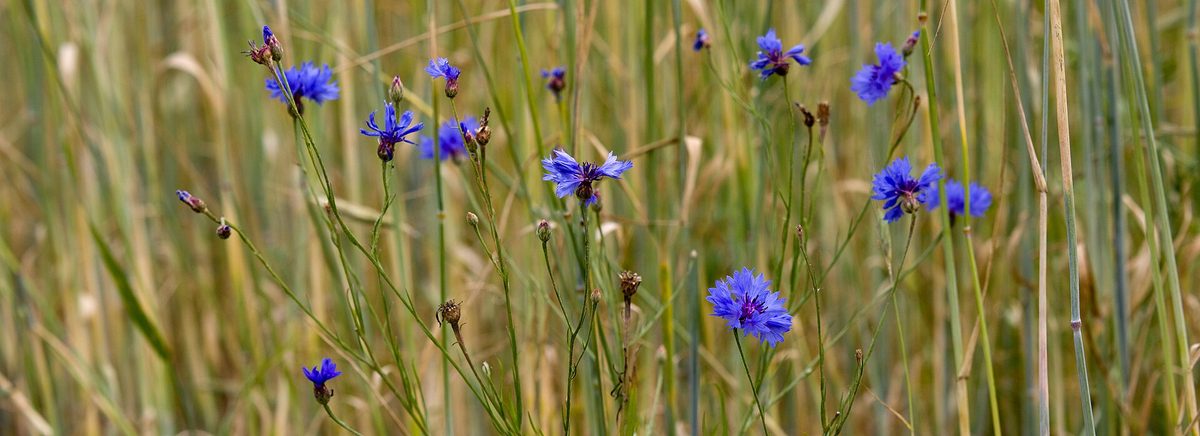
Photo: Tauri Pärna, CC BY-SA 3.0 via Wikimedia Commons

Quick facts
| Light: | Full sun and part shade (full sun preferred)11 source |
|---|---|
| Water: | Dry to medium11 source |
| Soil: | Well drained and moist11 source |
| Hardiness: | Zones 2a–11b11 source |
| Size: | 1–3 ft (0.3–0.91 m) × 1–2 ft (0.3–0.61 m)11 source |
| Growth rate: | Moderate11 source |
| Bloom: | Blue, pink and white11 source |
| Cats: | Non-toxic to cats 34 |
| Dogs: | Non-toxic to dogs 34 |
| Native range: | ALB, BUL, EAI, GRC, ITA, LBS, ROM, SIC, TUE, TUR, YUG5 |
| Family: | Asteraceae |
How much light does a Garden Cornflower need?
Give garden cornflower a spot with full sun outdoors, which means six or more hours of direct sunlight each day. It also tolerates part shade, though full sun outdoors is the preferred condition for this plant. That is the light level this plant is rated for outdoors.
- Light: Full sun and part shade (full sun preferred)1
How often to water a Garden Cornflower
Outdoors, this plant tolerates low water conditions, but it prefers medium moisture in well-drained soil. Give it soil that ranges from dry to medium, since that is the range it is rated to handle. Soil for this plant is also rated well drained and moist.
- Water: Dry to medium1
Best soil for a Garden Cornflower
This page rates garden cornflower for well-drained soil outdoors. It is also rated for soil that stays moist. The water guidance for this plant also calls for well-drained soil. Garden cornflower tolerates poor soils as well. It does not require fertilizer. Even poor soil does not change that. No cited source on this page records a preferred soil pH range for this plant.
- Soil drainage: Well drained and moist1
Hardiness and temperature
Zone 2a through zone 11b is the hardiness range recorded for garden cornflower outdoors. The cold limit of that range is zone 2a. The warm limit of that range is zone 11b. That span covers a wide range of outdoor climates. Zones in between, including 6a and 6b, fall within that same hardy range. The list also includes zones such as 8a and 8b. No cited source on this page records a minimum winter temperature for this plant.
- Hardiness: Zones 2a–11b1
Fertilizing a Garden Cornflower
Garden cornflower does not need regular feeding outdoors. It tolerates poor soils and grows without any fertilizer. This holds even where the soil itself is low in nutrients. No fertilizer schedule is needed for this plant outdoors. Even poor, low-nutrient soil does not call for added fertilizer.
- Fertilizer: Not needed1
Pruning a Garden Cornflower
Deadheading is the main pruning task for garden cornflower. Removing spent flowers this way is necessary to control the seeds the plant produces. Dead-heading keeps the plant's seed production under control. This task is the recommended pruning step for this species.
- Pruning: Deadheading1
How to plant a Garden Cornflower
Garden cornflower grows outdoors across USDA zones 2a through 11b. At maturity it reaches 1 to 3 ft (0.3-0.91 m) tall. It spreads 1 to 2 ft (0.3-0.61 m) wide at maturity. That hardiness range covers cold zone 2a up through warm zone 11b outdoors, a wide span of climates.
- Hardiness: Zones 2a–11b1
Winter care
Garden cornflower is an annual. Its hardiness range outdoors still runs from USDA zone 2a to zone 11b. Zone 2a marks the cold end of that range. Zone 11b marks the warm end of it. This page does not state a minimum winter temperature for garden cornflower. That span also includes every zone from 3 through 10. Zone 7, for example, falls within that same hardy range.
- Hardiness: Zones 2a–11b1
How to propagate a Garden Cornflower
From seed is how garden cornflower is propagated. Start seeds indoors six to eight weeks before your last frost date. That indoor head start of six to eight weeks is the timing given for this plant's seeds. Seed is the only propagation method recorded for garden cornflower on this page.
- Propagation: Seed1
Common problems
Watch garden cornflower for aphids and mealybugs. Stem nematode is also recorded as a pest. Its scientific name in that record is Ditylenchus dipsaci. Serpentine leafminer is another recorded pest. Mealybugs and aphids are the two pests named in the extension listing. These four pests make up the full list recorded for this plant. No cited source on this page records a disease for garden cornflower.
| Problem | Kind |
|---|---|
| Aphids | Pest |
| Mealybugs | Pest |
| Stem nematode | Pest |
| Serpentine leafminer | Pest |
Is Garden Cornflower toxic to cats and dogs?
The ASPCA lists garden cornflower as non-toxic to cats. The ASPCA also lists it as non-toxic to dogs. Garden cornflower is non-toxic to both cats and dogs. Pet Poison Helpline also records this plant as non-toxic, while noting that eating a large amount may cause mild nausea with vomiting. That effect is tied to eating a large amount, according to the same record.
Recommended supplies
- Soil: a free-draining mix, and a pot with a drainage hole.
Questions and answers
- Is garden cornflower toxic to cats or dogs?
- Garden cornflower is non-toxic to cats and non-toxic to dogs, according to the ASPCA. Pet Poison Helpline adds that eating a large amount may cause mild nausea with vomiting.
- What soil and water does garden cornflower need?
- Garden cornflower needs well-drained soil that stays moist. It tolerates low water but prefers medium moisture, and it also tolerates poor soils without fertilizer.
- How do you propagate garden cornflower?
- Garden cornflower is propagated from seed. Start seeds indoors six to eight weeks before your last frost date. No other propagation method is documented for this species.
Sources
- NC State Extension Gardener Plant Toolbox. https://plants.ces.ncsu.edu/plants/centaurea-cyanus/. Accessed 14 October 2026.
- EPPO Global Database. https://gd.eppo.int/taxon/CENCY/pests. Accessed 15 October 2026.
- ASPCA Animal Poison Control Center. https://www.aspca.org/pet-care/aspca-poison-control/toxic-and-non-toxic-plants/cornflower. Accessed 14 October 2026.
- Pet Poison Helpline. https://www.petpoisonhelpline.com/poison/cornflower/. Accessed 14 October 2026.
- Royal Botanic Gardens, Kew (World Checklist of Vascular Plants). https://sftp.kew.org/pub/data-repositories/WCVP/wcvp.zip. Accessed 4 June 2026.
How this page was made
- Written with AI assistance from the sources listed on this page. AI is never the source of a fact.