Prickly Lettuce (Lactuca serriola)
Formerly Lactuca virosa, Lactuca sylvestris, Lactuca dubia
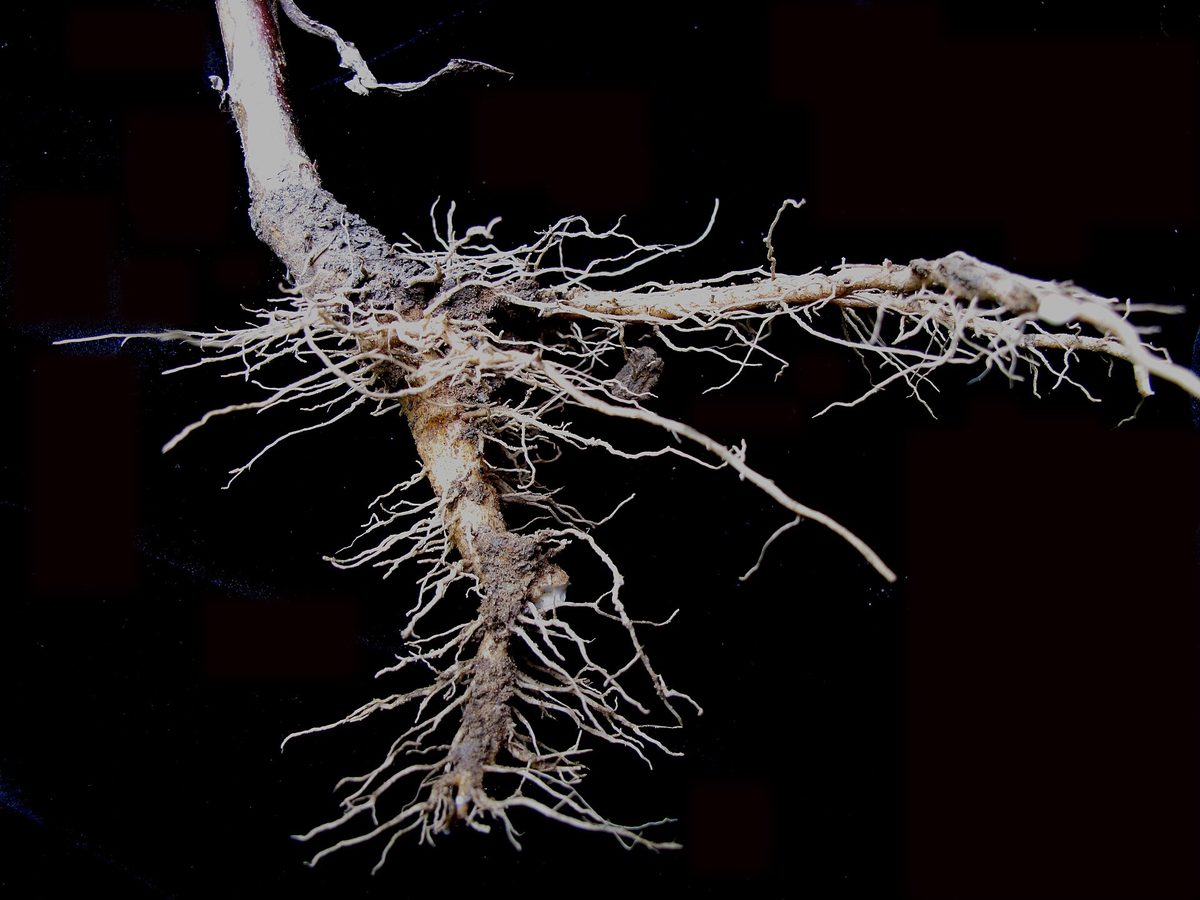
Photo: Wikimedia Commons contributor, CC BY-SA 4.0 via Wikimedia Commons

Quick facts
| Size: | 1–5 ft (0.3–1.52 m)21 source |
|---|---|
| Bloom: | Yellow3Not documented by major sources |
| Cats: | Not documented by major sources |
| Dogs: | Not documented by major sources |
| Native range: | AFG, ALB, ALG, ALT, AUT, AZO, BAL, BGM, BLR, BLT, BUL, CHI, CHX, CNY, COR, CYP, CZE, DEN, EAI, EGY, ERI, ETH, FIN, FRA, GER, GRC, HUN, IRN, IRQ, ITA, KAZ, KGZ, KRI, KRY, LBS, LBY, MDR, MON, MOR, NCS, NET, NOR, PAK, PAL, POL, POR, ROM, RUC, RUE, RUN, RUS, RUW, SAR, SAU, SIC, SIN, SOM, SPA, SUD, SWE, SWI, TCS, TKM, TUE, TUN, TUR, TVA, TZK, UKR, UZB, WHM, WSB, YEM, YUG4 |
| Family: | Asteraceae |
Common problems
Recorded pests of prickly lettuce include the spotted cucumber beetle, silverleaf whitefly and blue green sharpshooter. The vegetable leafminer, yellowstriped armyworm and western yellowstriped armyworm are also recorded. Recorded diseases include Xylella fastidiosa, tomato spotted wilt virus, cotton root rot and lettuce infectious yellows virus. Tobacco ringspot virus and tomato chlorosis virus are also on the list.
- Common pests: spotted cucumber beetle, silverleaf whitefly, blue green sharpshooter, vegetable leafminer, yellowstriped armyworm and western yellowstriped armyworm1
- Common diseases: xylella fastidiosa, tomato spotted wilt virus, cotton root rot, tobacco ringspot virus, lettuce infectious yellows virus, tomato chlorosis virus, tomato ringspot virus, iris yellow spot virus, cucurbit chlorotic yellows virus and bois noir phytoplasma1
| Problem | Kind |
|---|---|
| Spotted cucumber beetle | Pest |
| Silverleaf whitefly | Pest |
| Blue green sharpshooter | Pest |
| Vegetable leafminer | Pest |
| Yellowstriped armyworm | Pest |
| Western yellowstriped armyworm | Pest |
| Xylella fastidiosa | Disease |
| Tomato spotted wilt virus | Disease |
| Cotton root rot | Disease |
| Tobacco ringspot virus | Disease |
| Lettuce infectious yellows virus | Disease |
| Tomato chlorosis virus | Disease |
| Tomato ringspot virus | Disease |
| Iris yellow spot virus | Disease |
| Cucurbit chlorotic yellows virus | Disease |
| Bois noir phytoplasma | Disease |
Is Prickly Lettuce toxic to cats and dogs?
Not documented by major sources
Not documented by major sources
Questions and answers
- How tall does prickly lettuce grow?
- Prickly lettuce reaches a mature height of 1–5 ft (0.3–1.52 m). Utah State University Extension describes it as tall, with a thick stem. Branches occur toward the top of the plant when it is flowering.
- Is prickly lettuce native to the United States?
- The native status record lists prickly lettuce as introduced in both the lower 48 states and Hawaii. Its native range record uses region codes, including AFG, ALB and ALG.
- What pests and diseases affect prickly lettuce?
- Recorded pests include the silverleaf whitefly, vegetable leafminer and spotted cucumber beetle. Recorded diseases include tomato spotted wilt virus and iris yellow spot virus. Cucurbit chlorotic yellows virus and bois noir phytoplasma are also recorded.
Sources
- EPPO Global Database. https://gd.eppo.int/taxon/LACSE/pests. Accessed 14 October 2026.
- Utah State University Extension. https://extension.usu.edu/planthealth/ipm/ornamental-pest-guide/weeds/w_prickly-lettuce. Accessed 14 October 2026.
- Oregon State University Extension Service. https://extension.oregonstate.edu/crop-production/field-crops/prickly-lettuce. Accessed 11 October 2026.
- Royal Botanic Gardens, Kew (World Checklist of Vascular Plants). https://sftp.kew.org/pub/data-repositories/WCVP/wcvp.zip. Accessed 4 June 2026.
How this page was made
- Written with AI assistance from the sources listed on this page. AI is never the source of a fact.