Field Mustard (Brassica rapa)
Formerly Brassica campestris, Brassica chinensis, Brassica pekinensis
Field mustard prefers full sun and also takes part shade. Give it moist, well-drained soil. It is a cool-season plant. Its yellow flowers appear in summer. It has a rapid growth rate and a medium maintenance rating. Harvest takes 40 to 80 days from seed. Seed is the propagation method on record. Watering needs and pet toxicity for cats and dogs are not documented on this page.
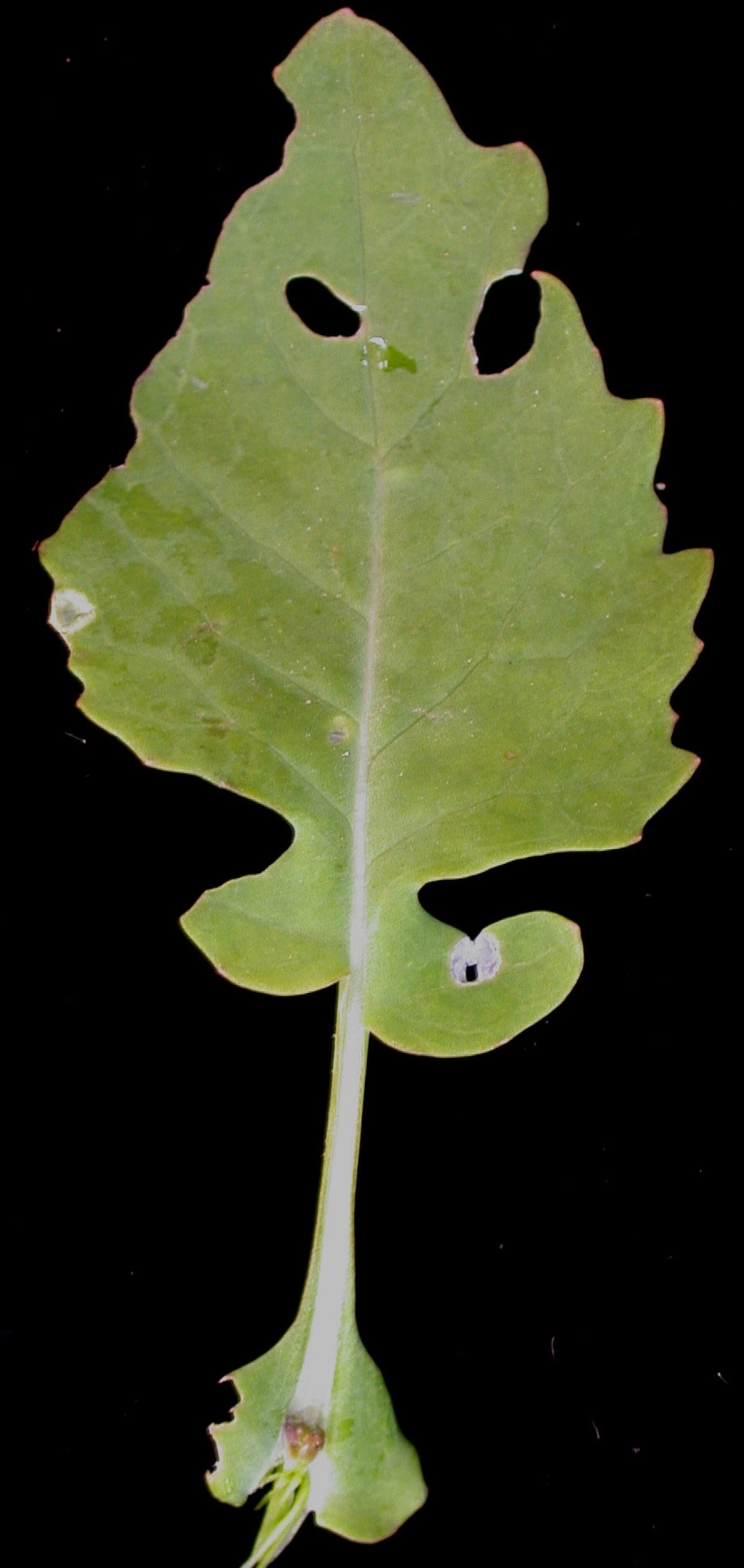
Photo: Wikimedia Commons contributor, CC BY-SA 4.0 via Wikimedia Commons

Quick facts
| Light: | Full sun and part shade (full sun preferred)11 source |
|---|---|
| Soil: | Well drained and moist; pH 6–7.511 source |
| Growth rate: | Rapid11 source |
| Bloom: | Jun–Aug, Yellow11 source |
| Cats: | Not documented by major sources |
| Dogs: | Not documented by major sources |
| Native range: | ALB, ALG, BUL, ERI, ETH, GRC, IRN, IRQ, ITA, KRI, LBS, LBY, MOR, NCS, OMA, SAU, TCS, TUN, TUR, YUG3 |
| Family: | Brassicaceae |
How much light does a Field Mustard need?
Full sun is the preferred level for field mustard, and the source counts that as six or more hours of direct sun daily. Part shade is also listed as a light level that the plant takes. It is normally considered a cool-weather crop, although it will tolerate some heat. If you can, choose a planting spot that gets at least six hours of direct sun.
- Light: Full sun and part shade (full sun preferred)1
Best soil for a Field Mustard
Field mustard does best in amended, moist, well-drained soil. The drainage listing names two conditions, which are well drained and moist. The optimal soil pH is 6.0 to 7.5. A pH of 6 marks the low end of that range, and 7.5 marks the high end. Aim for soil that is moist and well drained, with a pH between 6.0 and 7.5. Amending the soil is part of the source's description of a good bed for this crop.
When to plant Field Mustard
Direct sow field mustard as soon as the soil can be worked. The source puts this at 3 to 4 weeks before your last frost date. The plant counts as a cool-season crop. From seed, it takes 40 to 80 days to reach maturity.
- Direct sow: 3–4 weeks after last spring frost2
| Step | When |
|---|---|
| Direct sow | 3–4 weeks after last spring frost |
When and how to harvest Field Mustard
Harvest the outer leaves regularly. For cut-and-come-again harvest, shear the plants to the crown once they reach 6 to 10 inches (15 to 25 cm) tall. They can be cut again in 2 to 3 weeks. Yellowing and browning leaves signal that the plant is over-mature. The source advises composting plants at that stage. Maturity takes 40 to 80 days when you start from seed.
How to propagate a Field Mustard
Field mustard is propagated by seed. The source describes directly sowing seeds or using transplants. Seed can be sown straight into the garden as soon as the soil can be worked. Days to maturity are counted from seed, with a range of 40 to 80 days. The growth rate of the plant is rapid.
- Propagation: Seed1
Common problems
The pests recorded for field mustard are aphids, whiteflies and flea beetles. The caterpillars on the list are cabbage loopers, cutworms and beet armyworms. Slugs and snails are also listed. The diseases recorded are club root, white rust and leaf spot. Rots such as damping off and bacterial soft rot are recorded as well.
| Problem | Kind |
|---|---|
| Aphids | Pest |
| Whiteflies | Pest |
| Flea beetles | Pest |
| Cabbage loopers | Pest |
| Cutworms | Pest |
| Beet armyworms | Pest |
| Slugs and snails | Pest |
| Snails | Pest |
| Club root | Disease |
| White rust | Disease |
| Leaf spot | Disease |
| Damping off | Disease |
| Bacterial soft rot | Disease |
Is Field Mustard toxic to cats and dogs?
Recommended supplies
- Soil: a free-draining mix, and a pot with a drainage hole.
Questions and answers
- How much sun does field mustard need?
- Aim for full sun, meaning 6 or more hours of direct sunlight a day. Part shade is also listed as a light level it takes, though full sun is preferred. The plant is normally considered a cool-weather crop that will tolerate some heat. Its yellow flowers appear in summer.
- When can I harvest field mustard?
- Plants take 40 to 80 days from seed to mature. Pick the outer leaves regularly as the plants grow. Leaves that turn yellow and brown mean the plant is over-mature. Plants sheared at 6 to 10 inches (15 to 25 cm) tall for cut-and-come-again harvest can be cut once more after 2 to 3 weeks.
- What pests and diseases affect field mustard?
- Listed pests include aphids, whiteflies and flea beetles. The caterpillars named are cabbage loopers, cutworms and beet armyworms, and slugs and snails are listed too. Diseases named include club root, white rust, leaf spot, damping off and bacterial soft rot.
Sources
- NC State Extension Gardener Plant Toolbox. https://plants.ces.ncsu.edu/plants/brassica-rapa-chinensis-group/. Accessed 13 October 2026.
- University of Maryland Extension. https://extension.umd.edu/resource/growing-leafy-greens-home-garden. Accessed 13 October 2026.
- Royal Botanic Gardens, Kew (World Checklist of Vascular Plants). https://sftp.kew.org/pub/data-repositories/WCVP/wcvp.zip. Accessed 4 June 2026.
How this page was made
- Written with AI assistance from the sources listed on this page. AI is never the source of a fact.